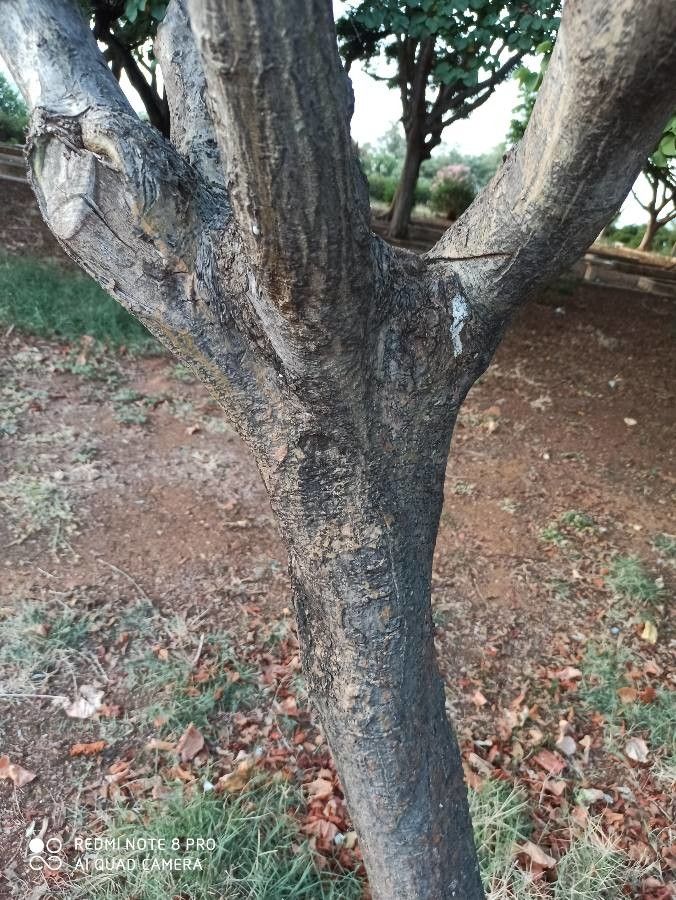
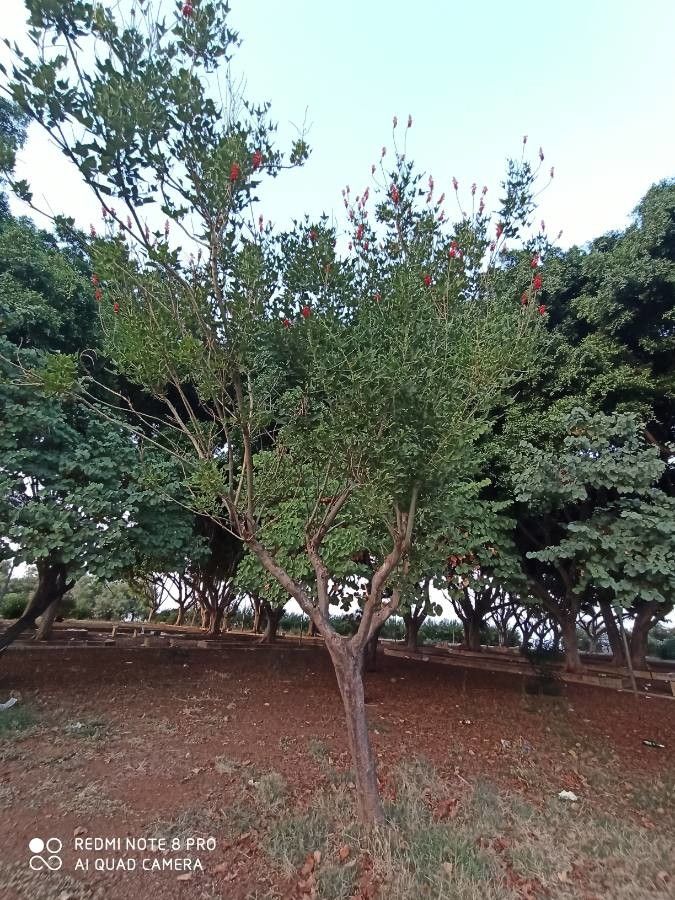
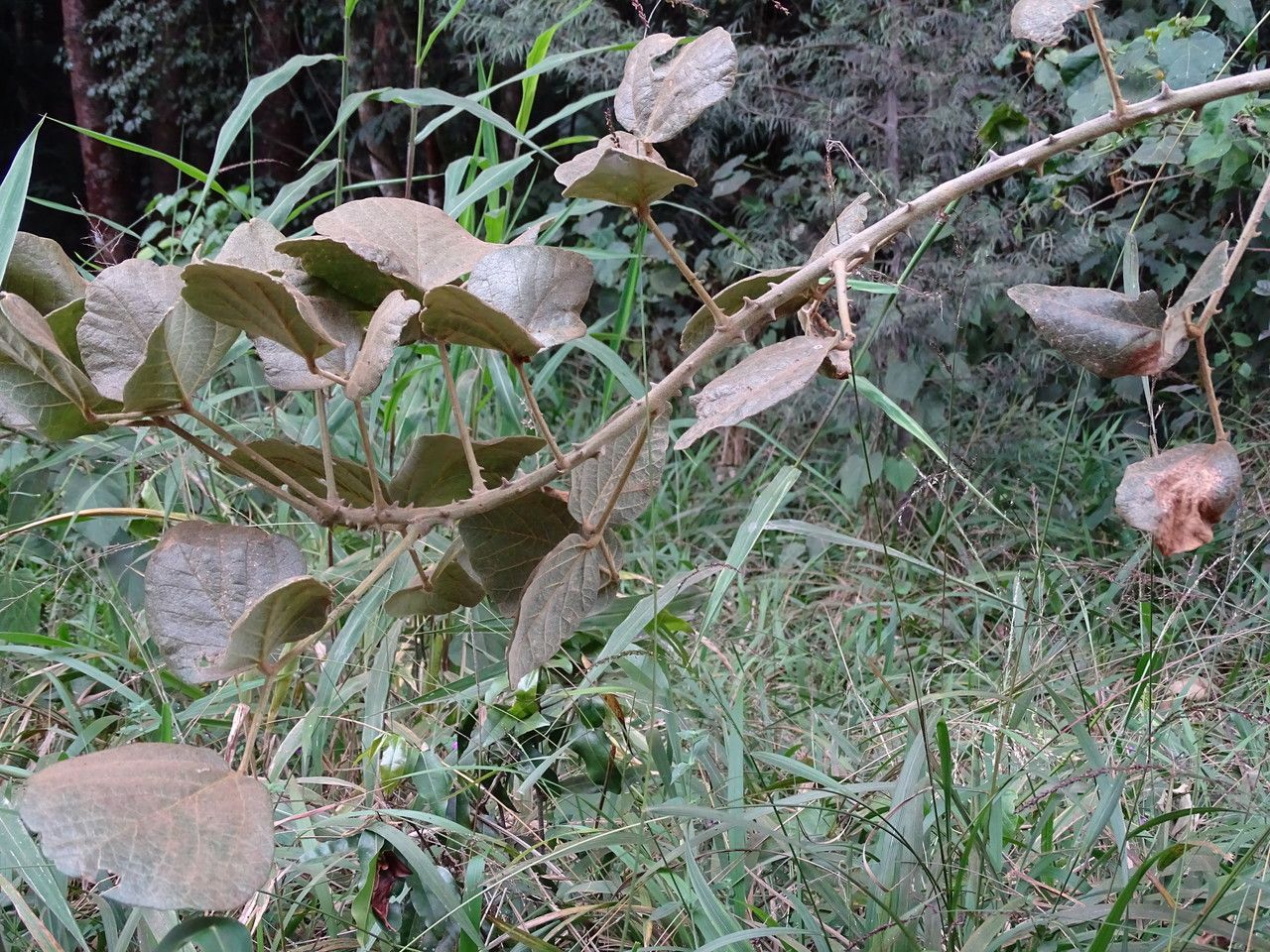
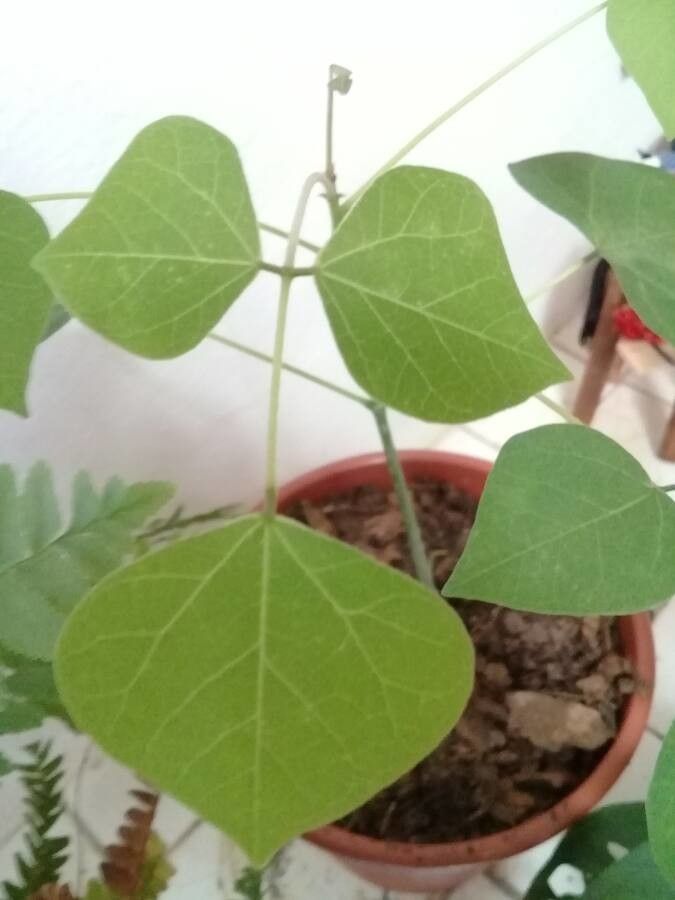
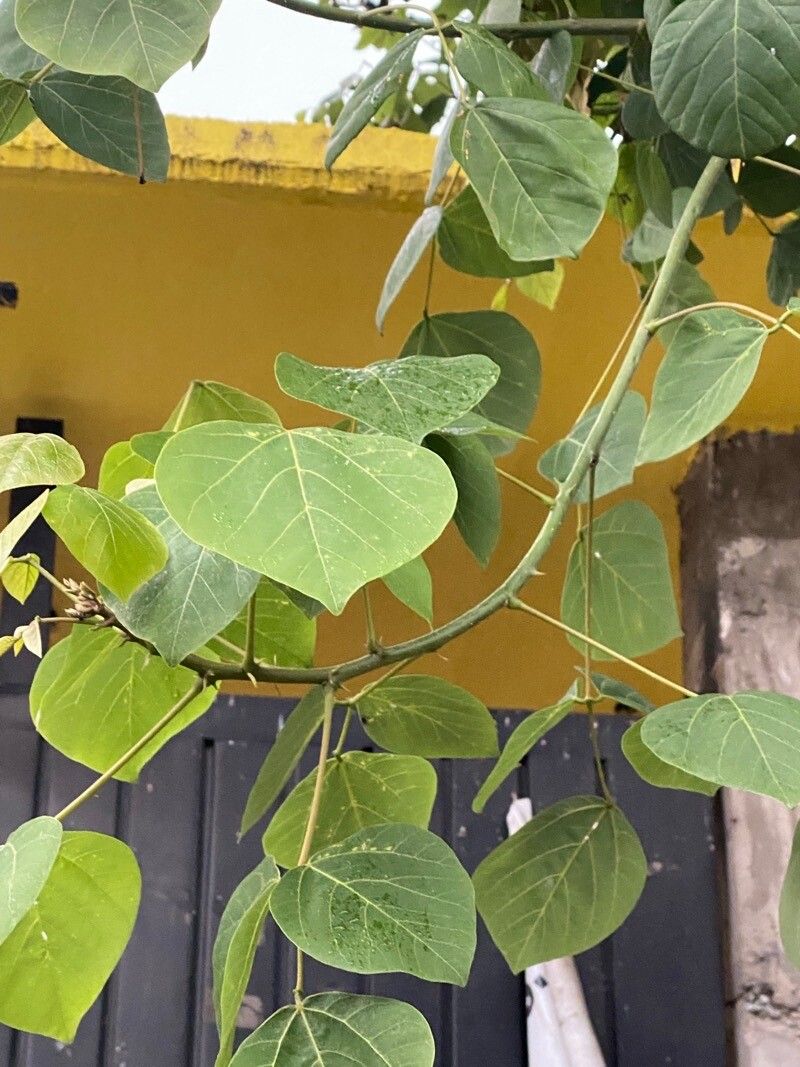
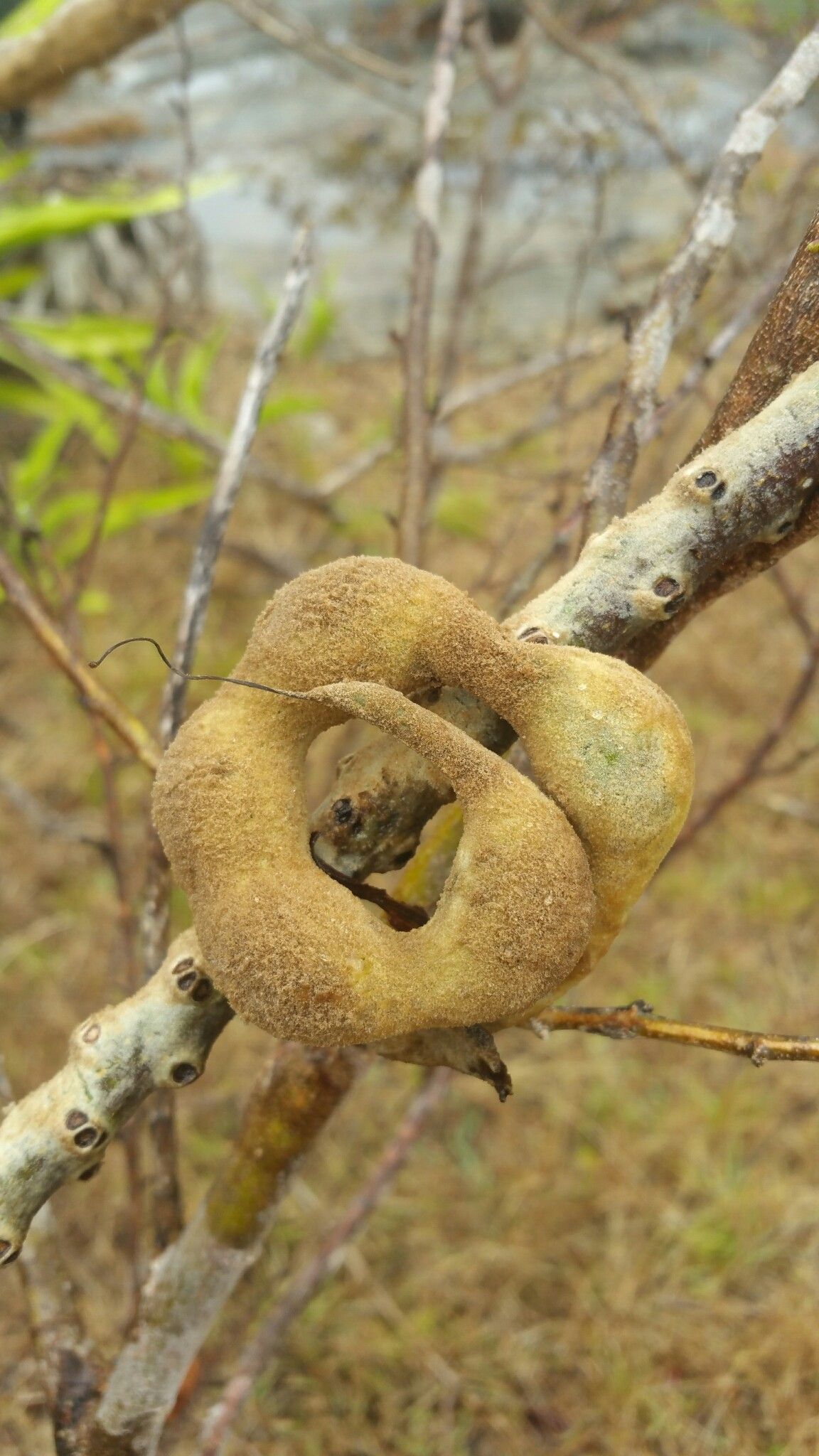
Erythrina humeana, commonly known as the Dwarf Coral Tree, is a small deciduous tree in the Fabaceae family. Native to South Africa, this tree thrives in diverse habitats such as savannas, grasslands, and forests. It can grow up to 5 meters in height, featuring a spreading crown with a diameter of up to 4 meters.
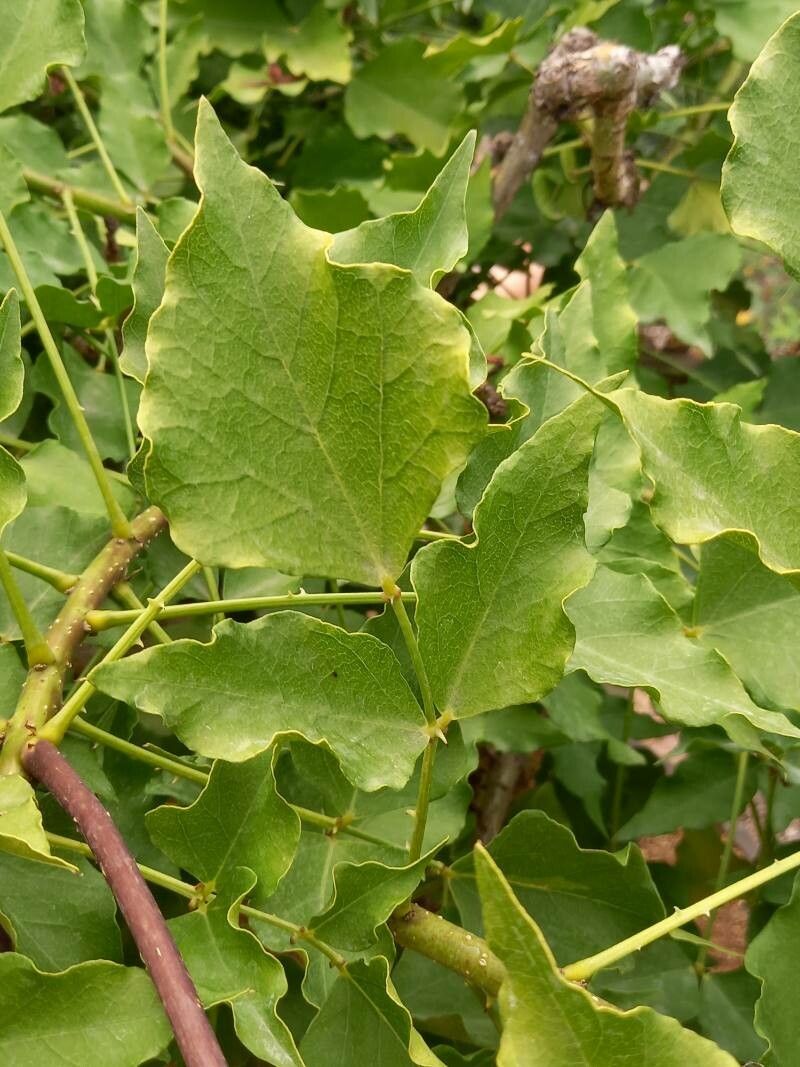
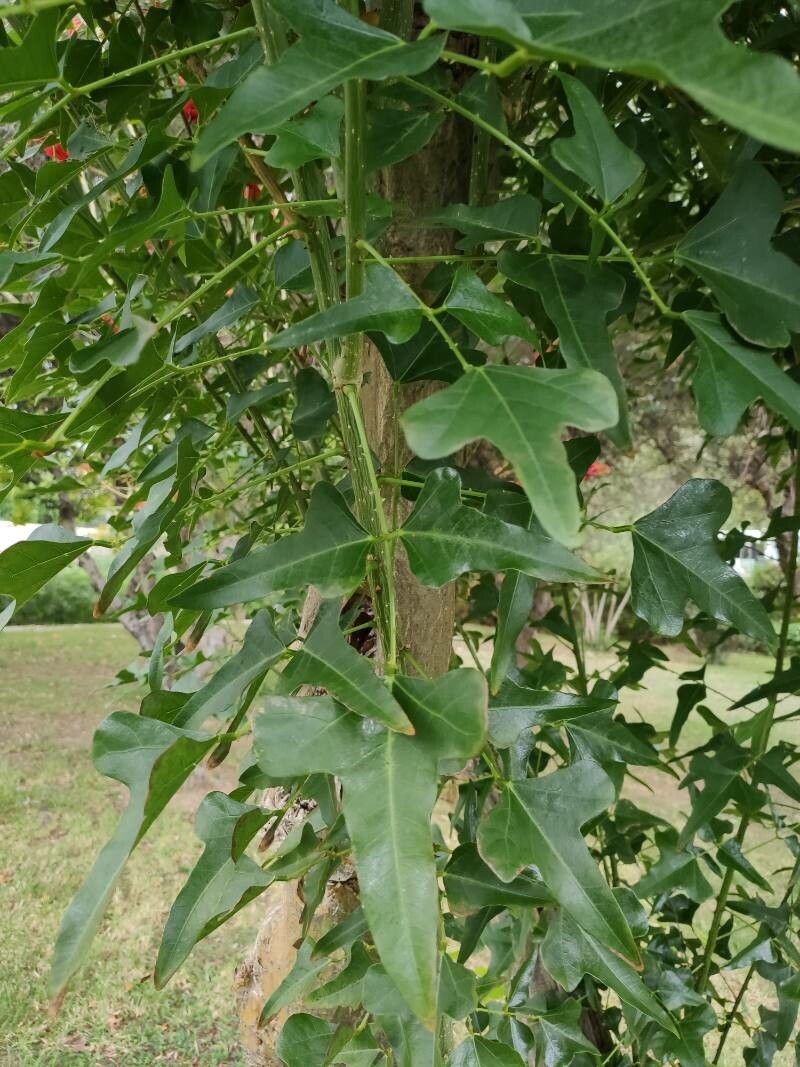
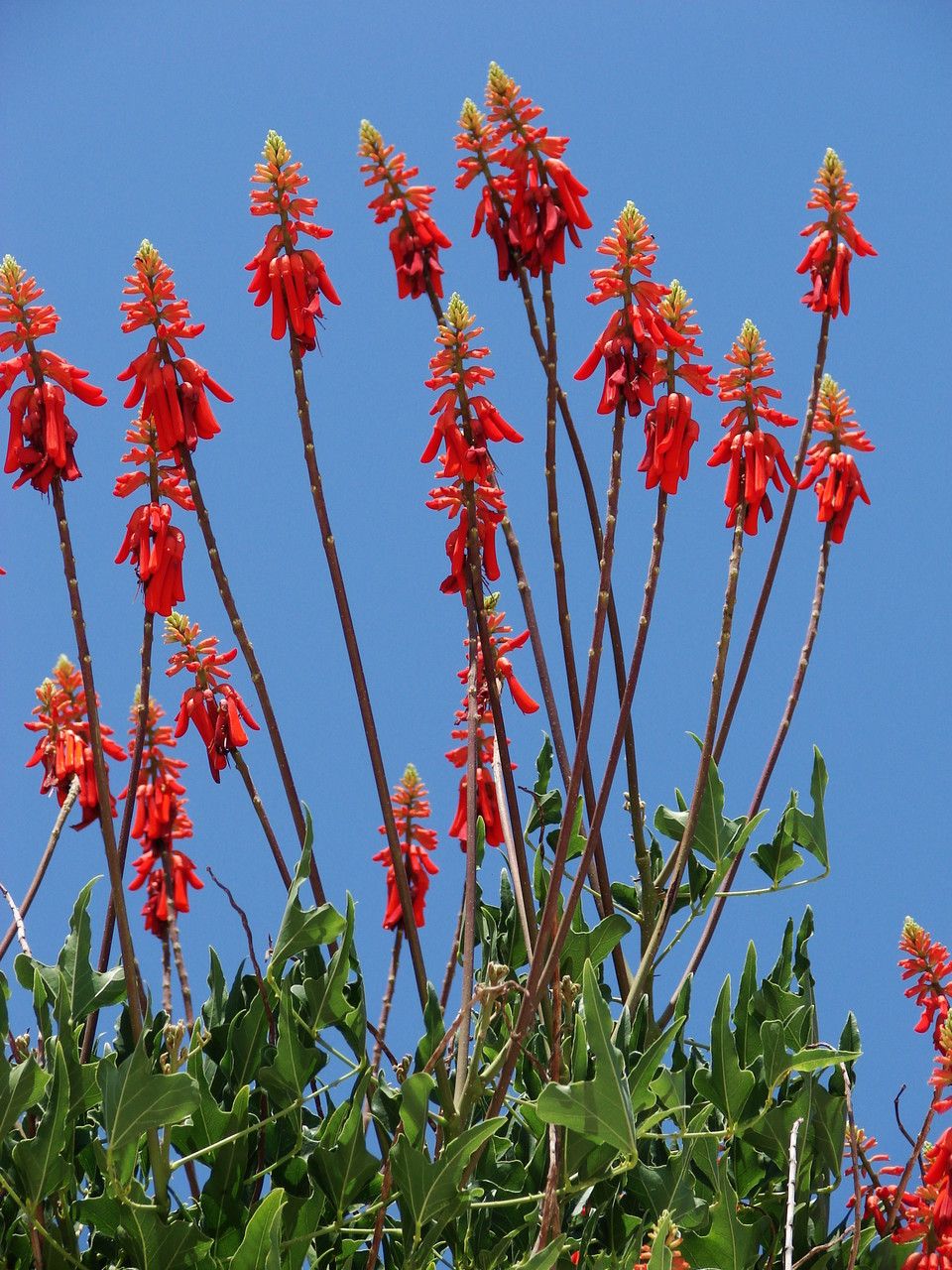
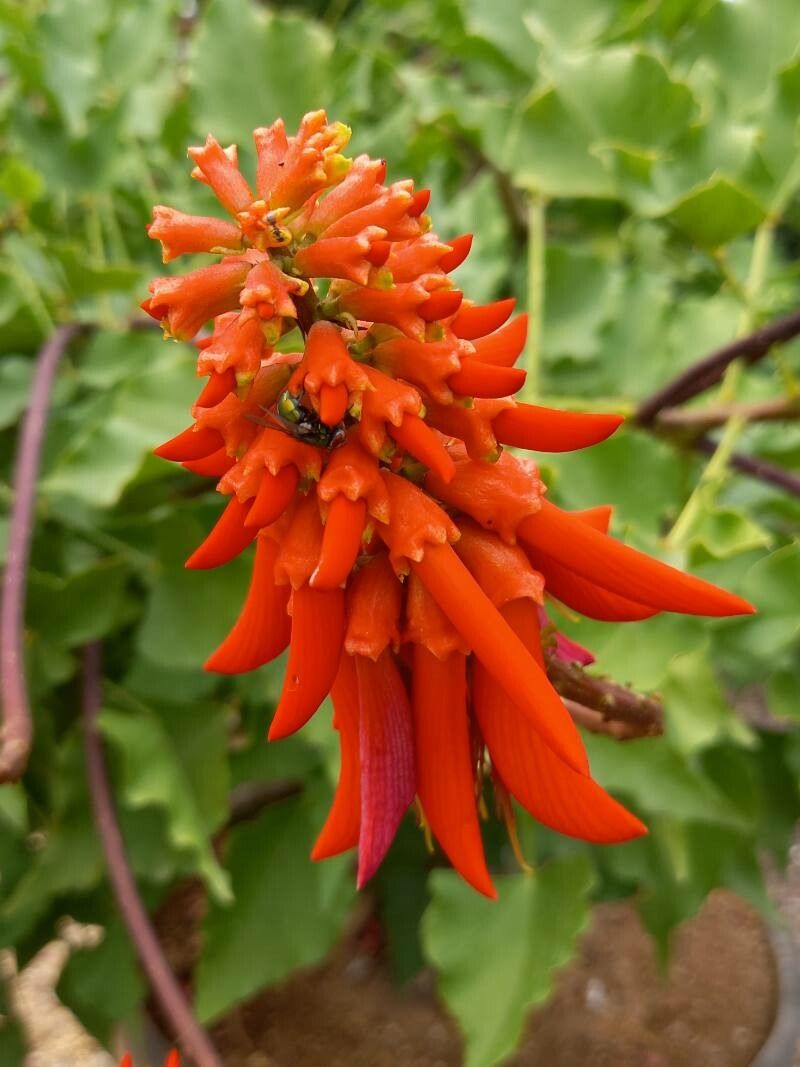
The leaves of the Erythrina humeana are trifoliate, with each leaflet being ovate or elliptic in shape. The tree produces bright red or orange-red flowers that bloom from late winter through spring. These flowers are arranged on long spikes that emerge from the branches.
The Dwarf Coral Tree is highly valued for its ornamental appeal, especially due to its striking flowers, which attract birds such as sunbirds for pollination. Additionally, it possesses medicinal properties and has been traditionally used to treat ailments such as fever, coughs, colds, and headaches.
Erythrina humeana prefers well-drained soils and has moderate watering needs but can tolerate drought conditions once established. It also requires full sun exposure for optimal growth.
Overall, Erythrina humeana is an attractive small tree that adds color and beauty to any garden, while also offering medicinal benefits when needed.
Dwarf erythrina has strong disease resistance and is generally not susceptible to illnesses. Regarding care, this plant is fairly low-maintenance. When grown outdoors it needs only minimal watering, and larger specimens typically do not require pruning. Smaller plants, however, should be pruned after they have finished blooming. Dwarf erythrina is appropriate for anyone with an outdoor area, such as a garden or deck, and does not demand extensive care experience.
How to keep Erythrina Humeana.
Light
Dwarf erythrina is native to open habitats, like sunny meadows and forest edges, which deliver plenty of light. It performs best in Full Sun but can also withstand Partial Sun, adapting well to a range of sunlight conditions.
Temperature
Dwarf erythrina adapts well to temperature, tolerating high heat and wide temperature swings. During hot periods, attention should be given to watering and suitable shading provided to prevent sunburn. However, dwarf erythrina is relatively intolerant of low temperatures; although it can endure some cold, overly cold conditions may cause frost damage.
Fertilizer
Apply fertilizer to your Dwarf erythrina in early spring to encourage healthy growth. Consistent feeding boosts overall plant health, leading to vigorous growth, improved tolerance of harsh conditions, and stronger resistance to pests and diseases. Keep a regular fertilization schedule to maintain vibrant, deeply colored foliage and a lush appearance.
Pruning
The Dwarf Erythrina is a compact ornamental shrub known for its vibrant red flowers and thorny stems. To encourage growth and flowering, prune the shrub in early spring. Removing dead branches improves air circulation and keeps the plant healthy. Regular pruning not only boosts its vitality but also enhances its visual appeal. Be sure to wear gloves when handling the Dwarf Erythrina to protect yourself from its thorns.
Pot & Repot
When repotting Dwarf erythrina, select a container 1-2 inches (2.5–5.1 cm) larger that has good drainage. Use a well-draining potting mix. Repot during spring or fall, making sure the root ball sits slightly below the rim of the pot. Water thoroughly after repotting and keep it in a warm place with indirect sunlight.
Botanical profile.
- Plant Type
- Shrub
- Life Cycle
- Perennial
- Genus
- Erythrina
- Family
- Fabaceae
- Hardiness Zone
- 10-12
- Mature Height
- 3.05 m to 4.88 m
- Mature Spread
- 2.13 m to 3.05 m
- Leaf Color
- Green, Dark Green
- Leaf Type
- Deciduous
- Flower Size
- 5.08 cm to 6.35 cm
- Bloom Time
- Summer, Early fall, Mid fall
- Planting Time
- Spring, Autumn, Winter
- Harvest Time
- Fall, Early winter, Mid winter
- Native Area
- Lesotho, Mozambique, South Africa, Eswatini, Zimbabwe
Other names.
Reader questions.
What are the sun requirements for Dwarf erythrina?
Dwarf erythrina (Erythrina humeana) thrives in conditions that meet its sunlight requirements. Full sun exposure, meaning the plant should receive above 6 hours of sunlight daily, is ideal. However, it can also grow in partial sun, where it gets about 3-6 hours of sunlight. It's crucial to observe how sunlight moves through your garden throughout the day. Choosing the right spots that offer a blend of light and shade will ensure your Dwarf erythrina plants grow happily.