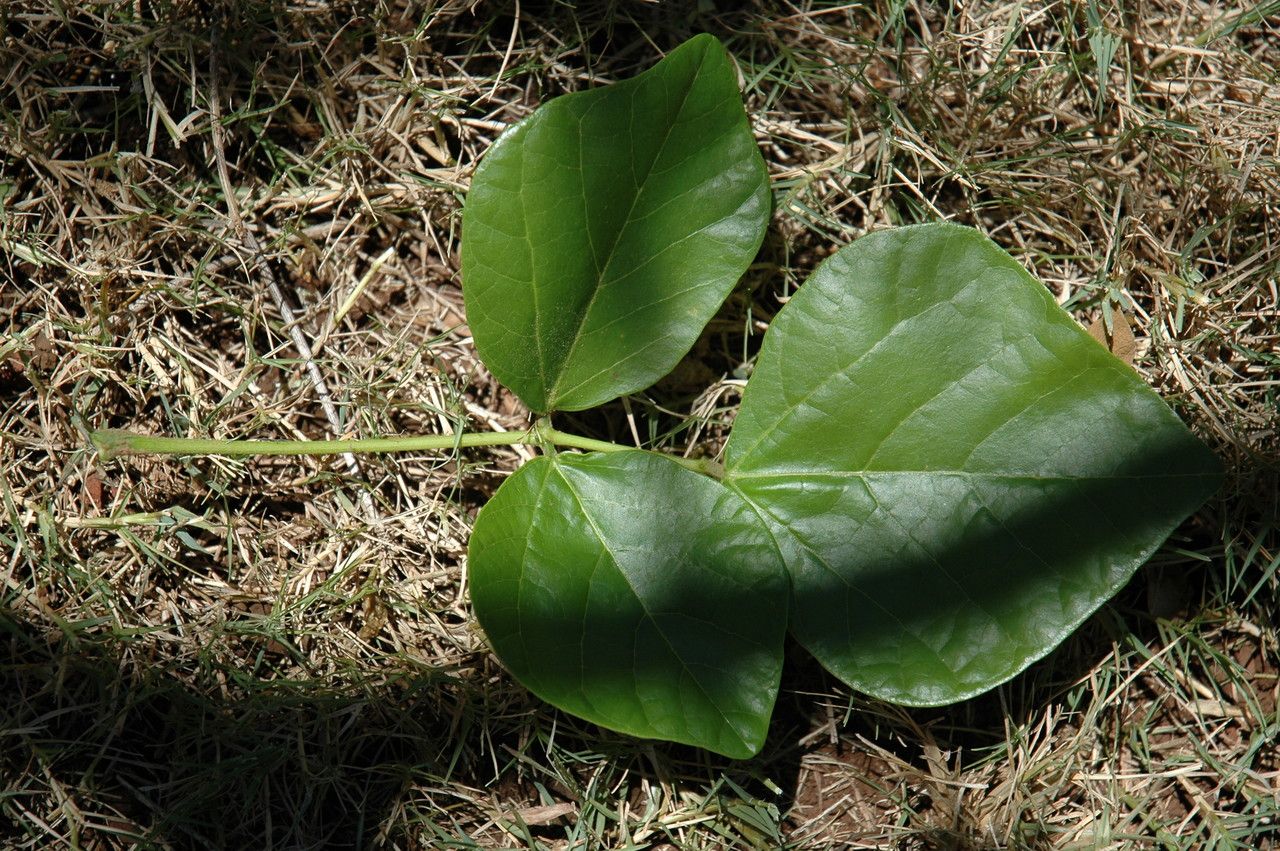
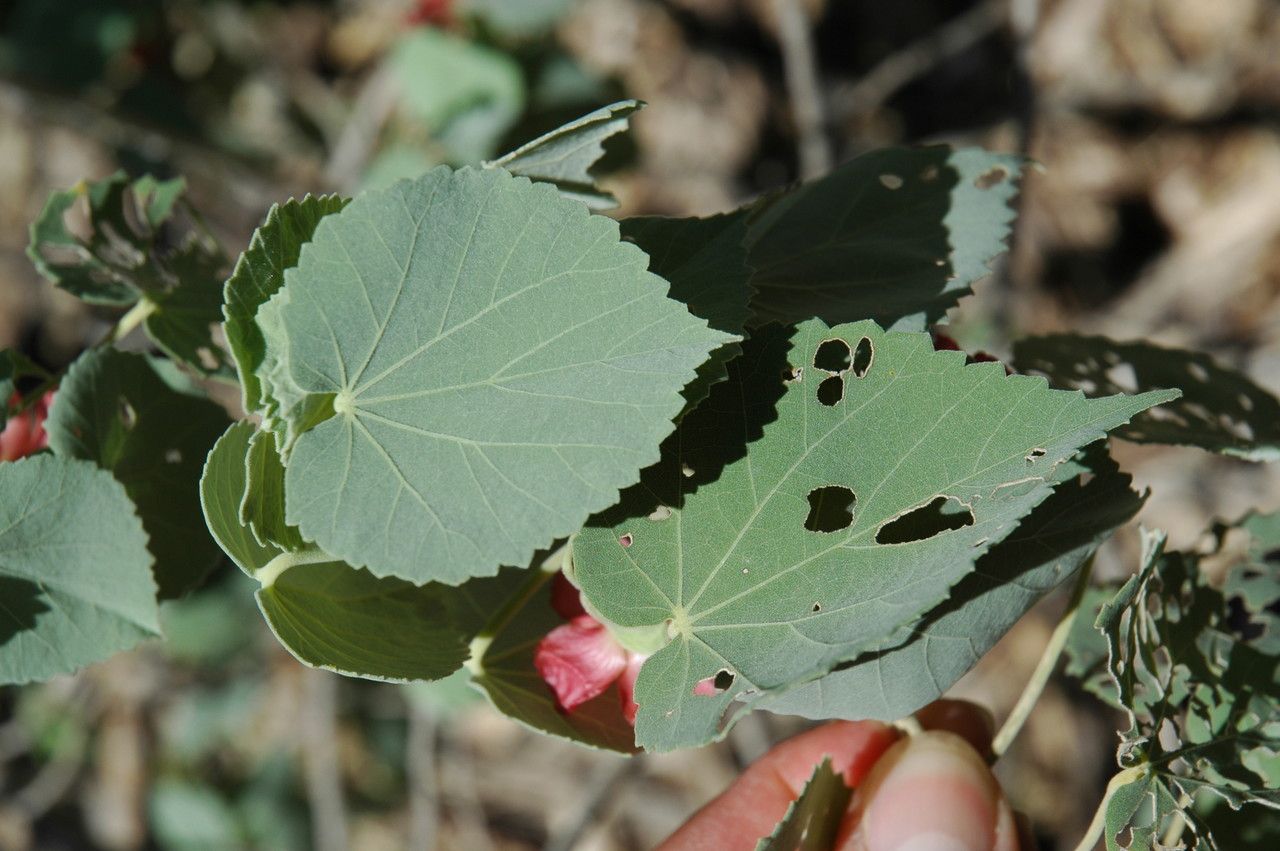
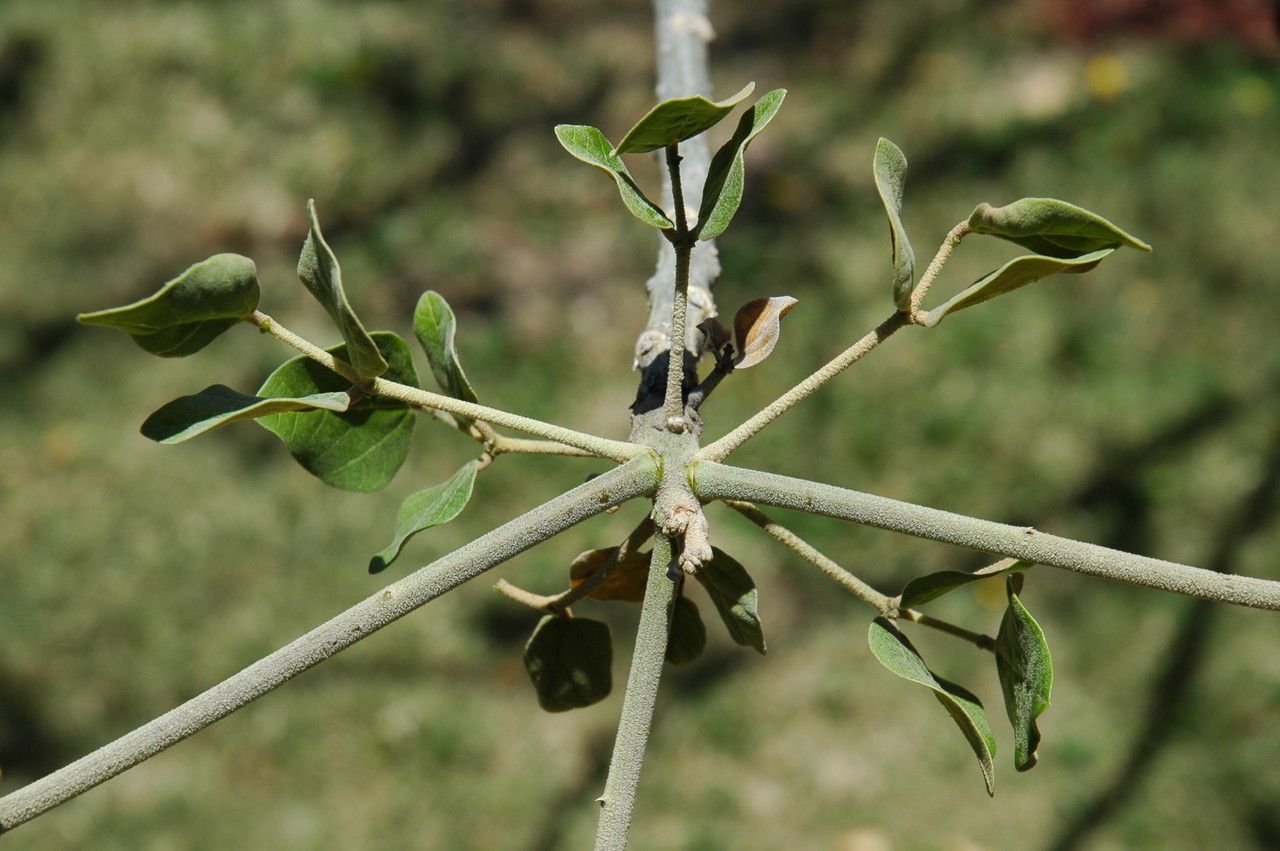
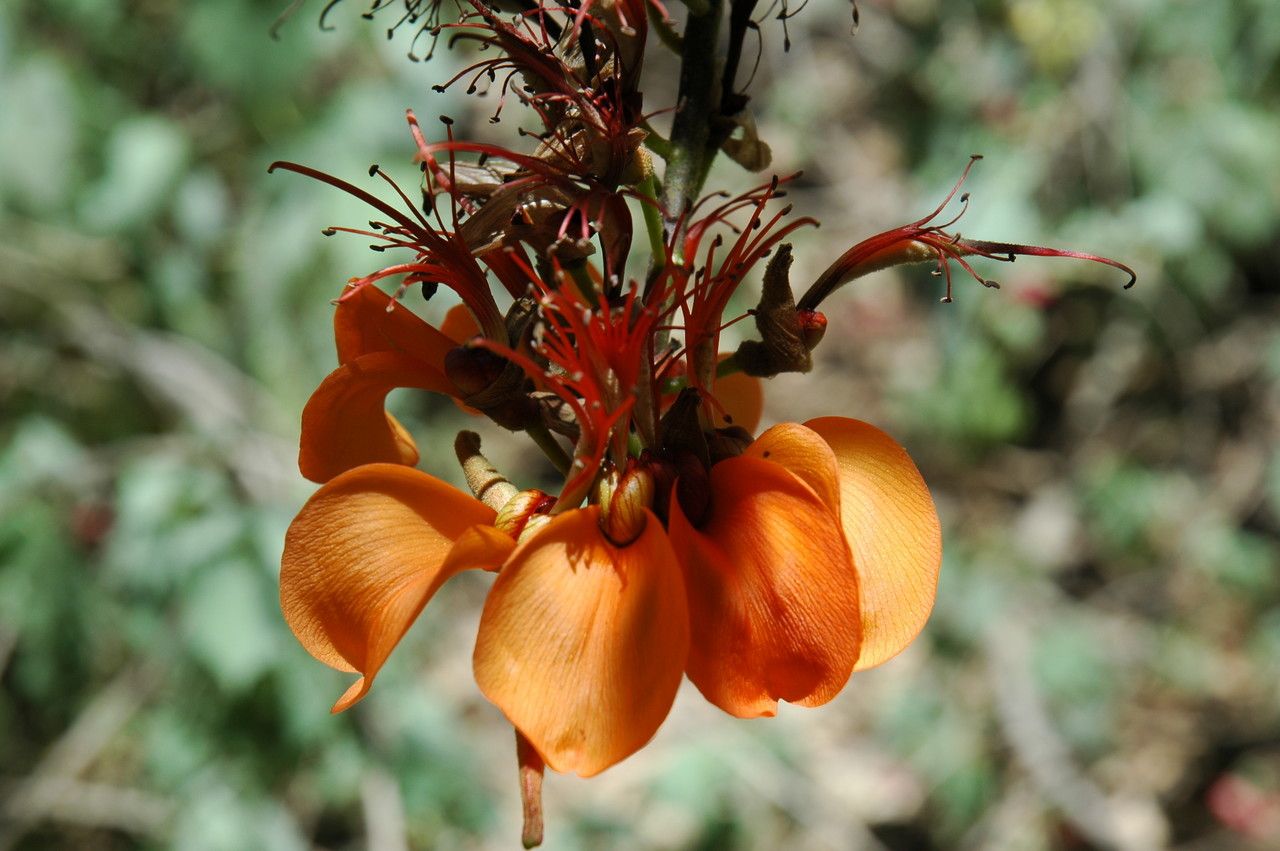
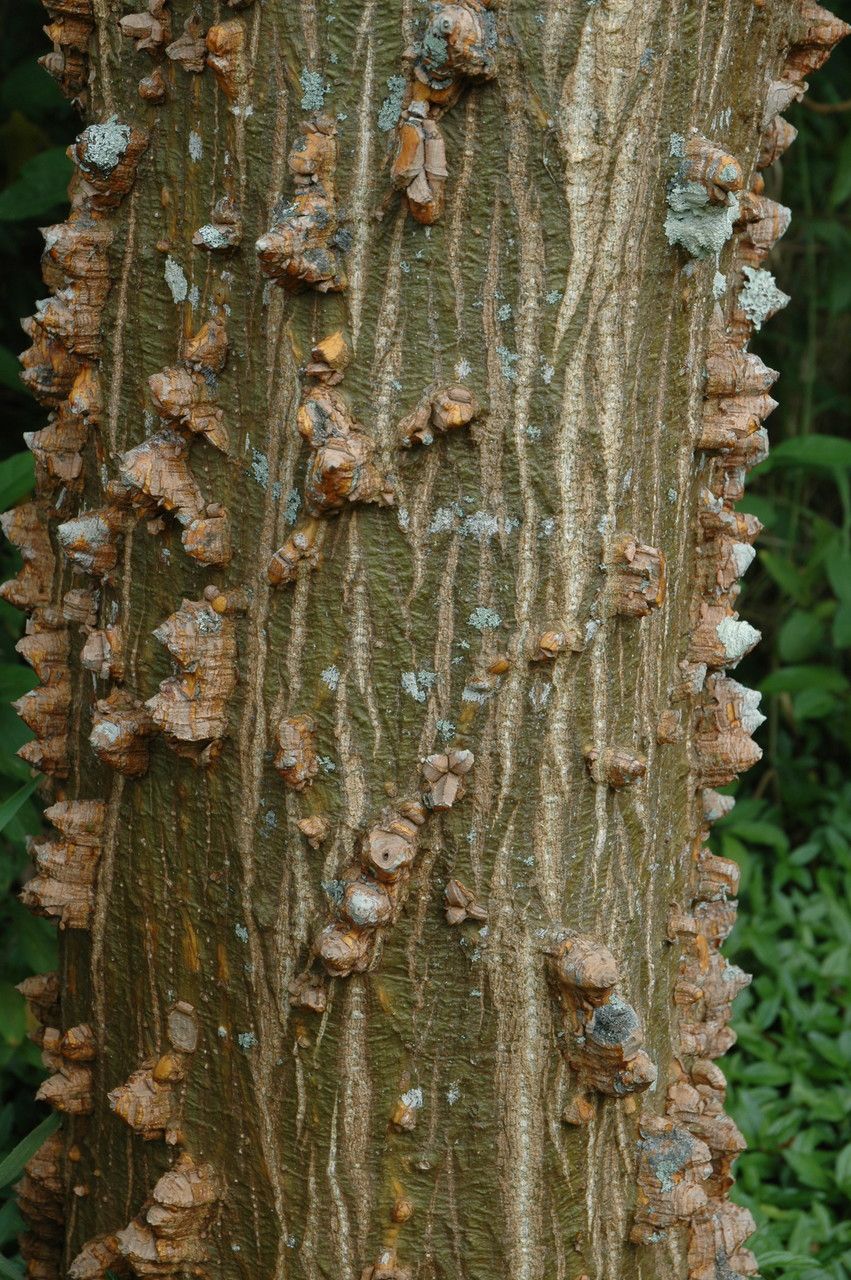
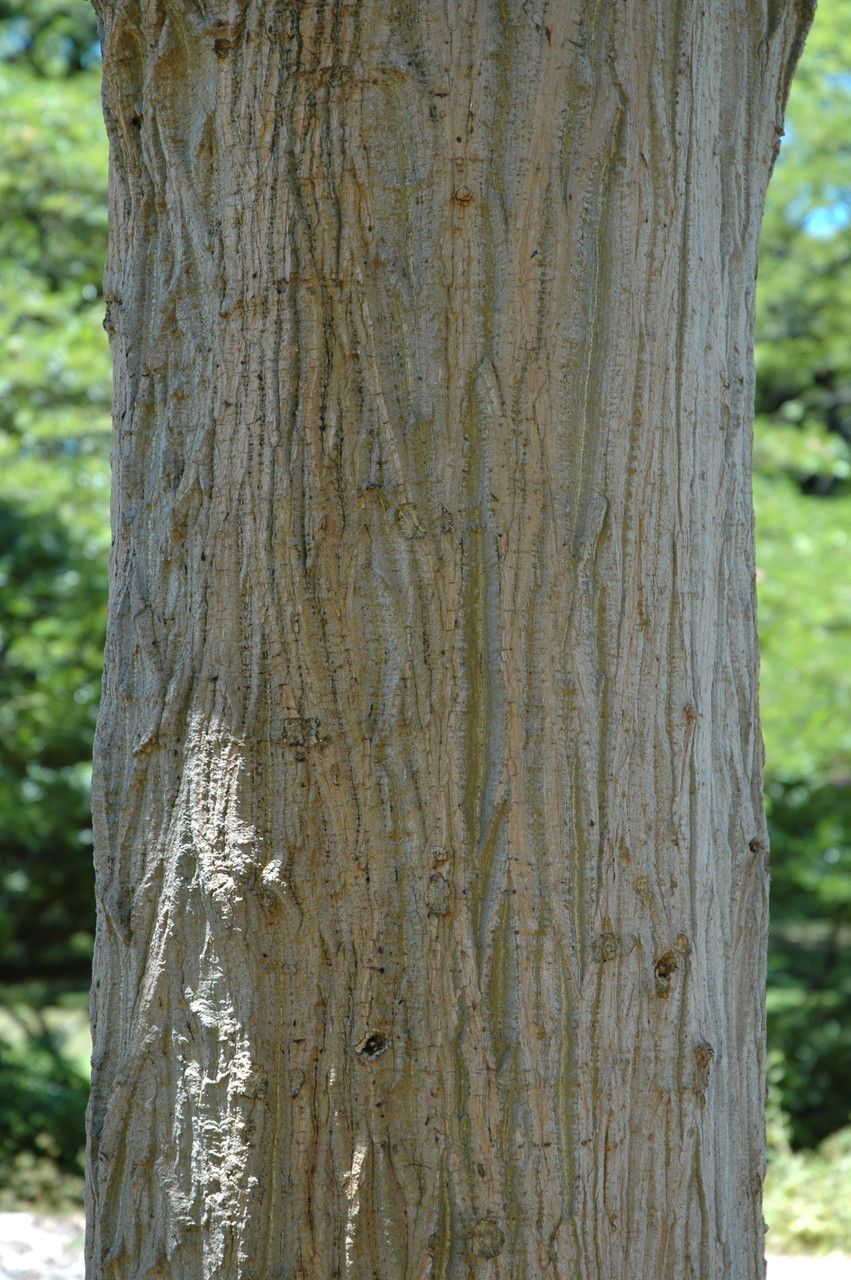
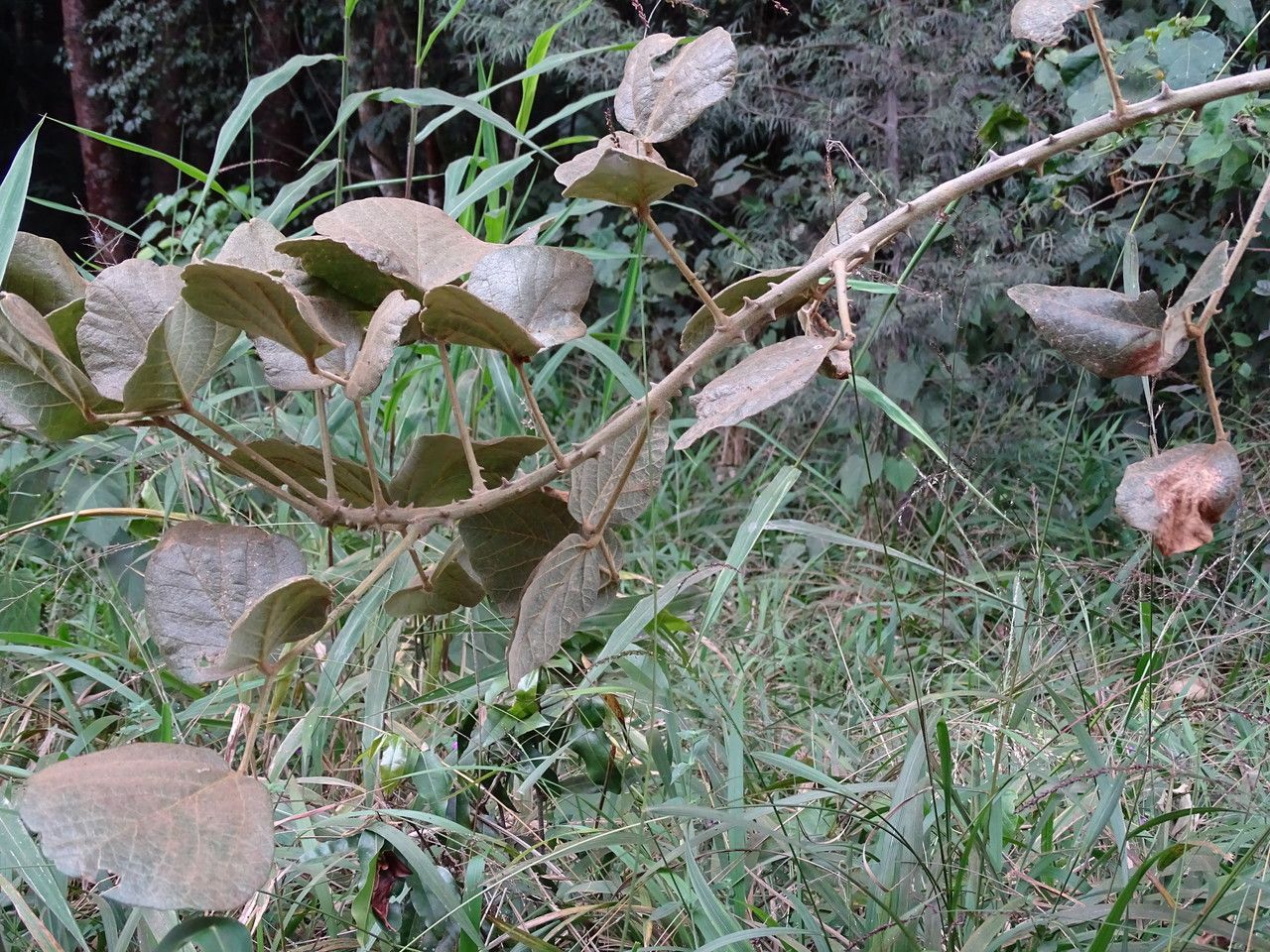
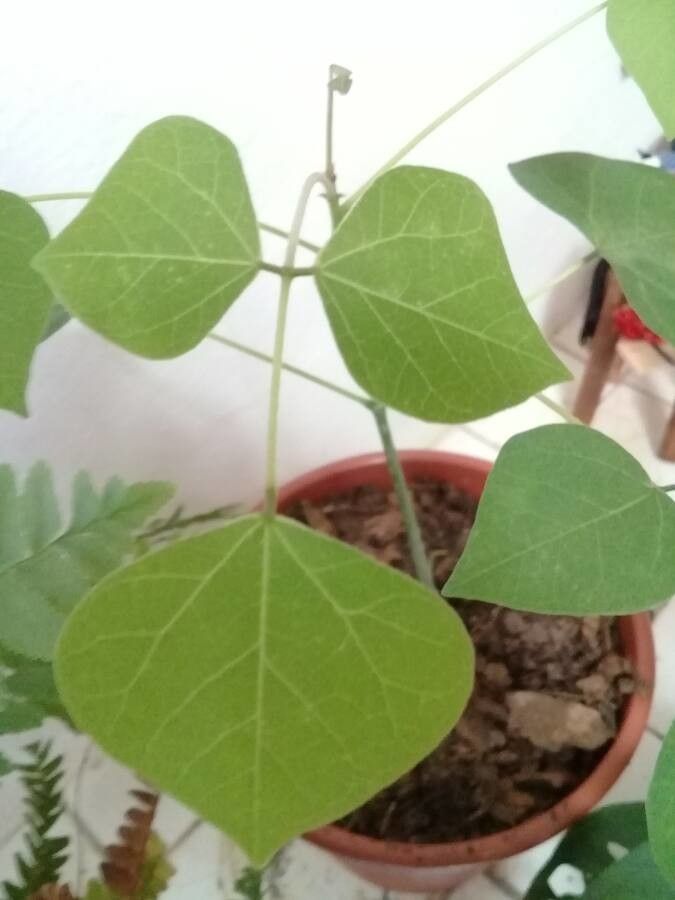
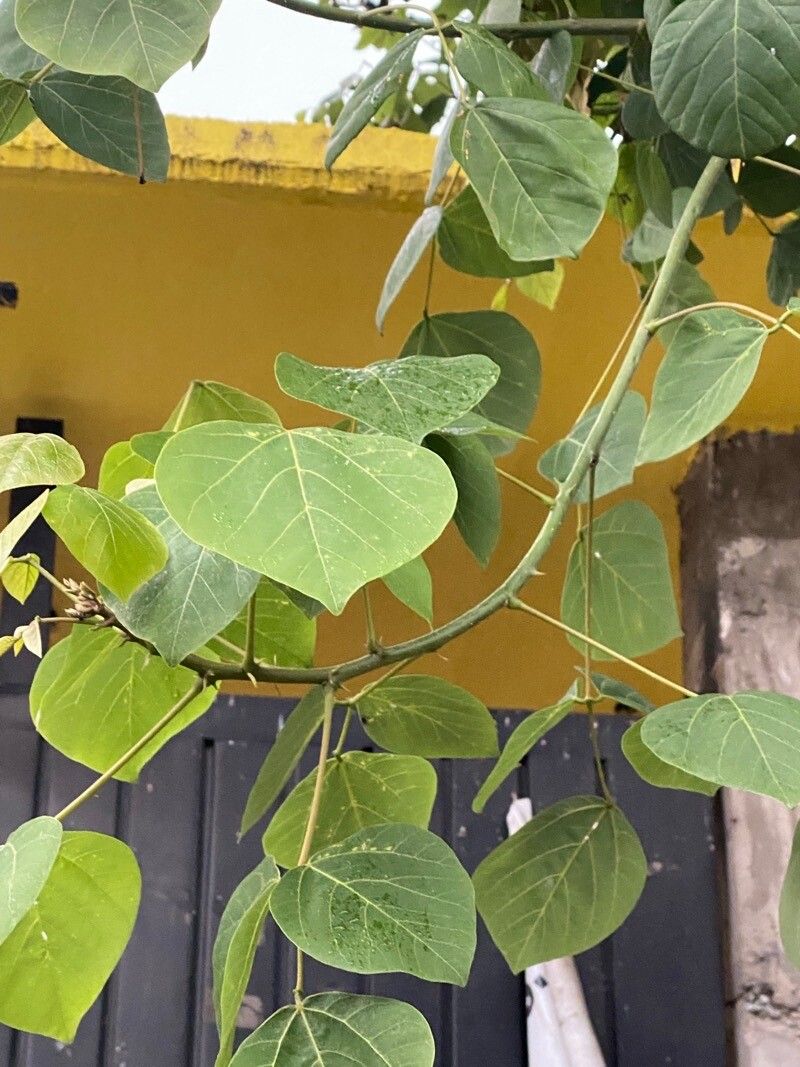
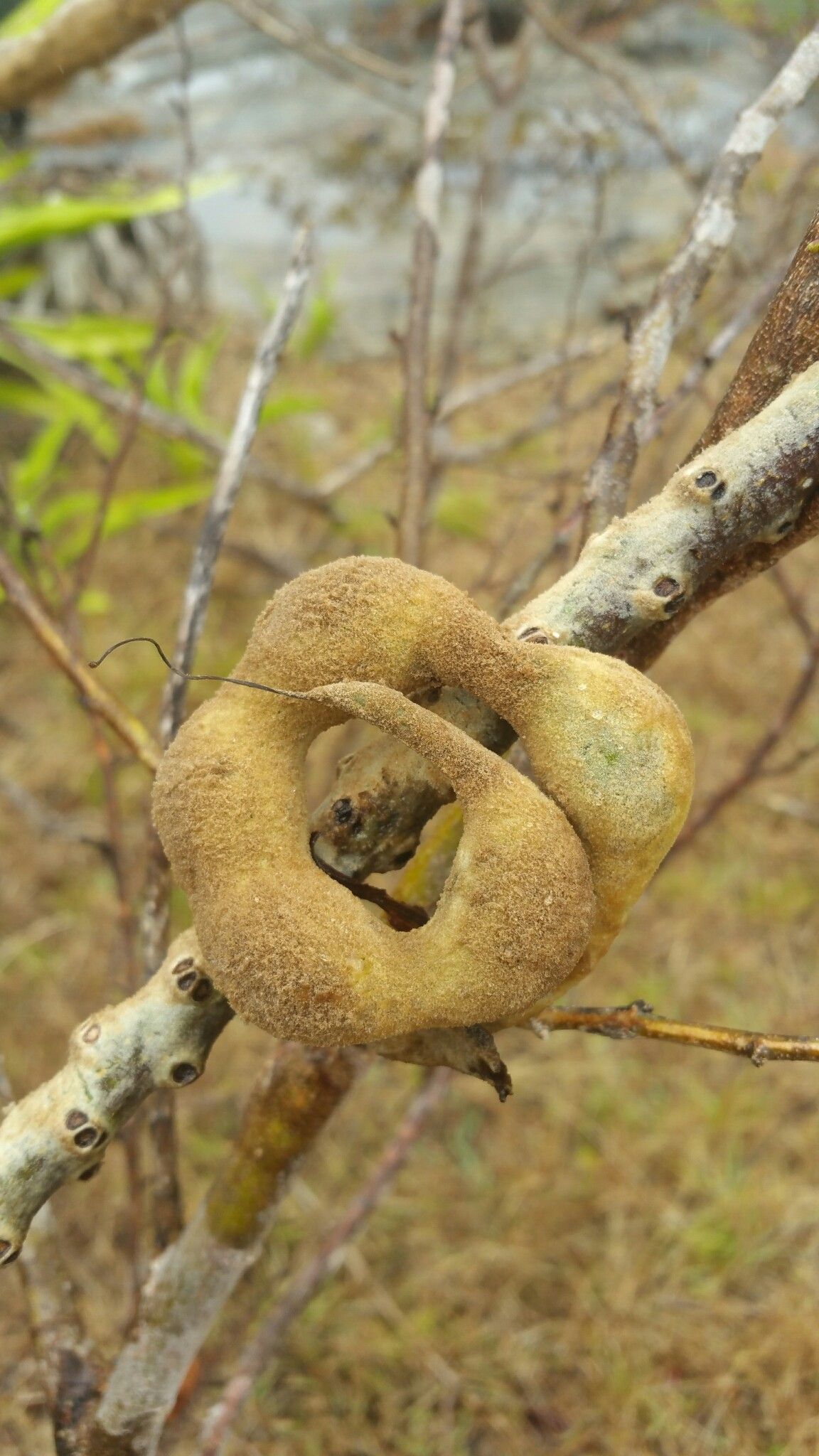
Erythrina sandwicensis, commonly known as the Hawaiian coral tree or wiliwili, is a flowering tree species in the pea family Fabaceae. Native to Hawaii, it can be found on all the main islands. The tree can reach heights of up to 50 feet and is noted for its striking bright red-orange trunk, which resembles coral. The leaves are large and compound, each consisting of three leaflets that are green on the top and silvery underneath. Erythrina sandwicensis produces clusters of bright red-orange flowers in the winter months, attracting birds such as honeycreepers for pollination. The fruit is a long pod containing several seeds that are dispersed by wind or water.
Erythrina sandwicensis holds cultural significance in Hawaiian traditions, where it has been used for medicinal purposes, such as treating infections, inflammation, and pain relief. Additionally, its wood was used to create traditional musical instruments like drums.
The species is threatened by habitat loss due to urbanization, agricultural expansion, and competition with invasive species. This makes it a crucial plant for conservation efforts within Hawaii's ecosystems today.
Overall, Erythrina sandwicensis plays an important role both ecologically and culturally, making it an essential part of Hawaii's natural heritage worth preserving for future generations.
Wili wili shows good resistance to disease and is generally not susceptible to illnesses. With regard to care, this plant is relatively low-maintenance. When grown outdoors it needs only minimal watering, and larger specimens typically do not require pruning. Smaller plants, however, should be pruned after they finish blooming. Wili wilit is appropriate for anyone with outdoor space, such as a garden or deck, and does not demand much prior plant-care experience.
How to keep Erythrina Sandwicensis.
Light
Wili wili is native to open habitats, such as sunny meadows and forest edges, which provide abundant light. It does best in Full Sun but can also tolerate Partial Sun, adapting well to different sunlight conditions.
Humidity
This plant will thrive in moderate humidity, which is probably the level in your home. However, misting it a few times a week can be very beneficial. Make sure the room has good ventilation.
Temperature
Wili wili comes from tropical areas, where the climate is generally warm and humid. As a result, it is adapted to high temperatures and humidity. It is not tolerant of abrupt temperature changes and does best in a consistent temperature environment, so avoiding temperature fluctuations indoors is important. It typically cannot withstand cold conditions and requires relatively high temperatures for growth. If ambient temperatures drop too low, the plant may stop growing or even die.
Fertilizer
The best time to fertilize a Wili wili is in early spring, as it breaks dormancy. This encourages overall growth and flower development. Fertilization improves the foliage, stems, and branches while encouraging large, vibrant, long-lasting flowers. It also helps move nutrients from the roots to the flowers and enhances the plant's health and resistance to disease.
Pot & Repot
When repotting Wili wili, select a pot 1-2 inches (2.5–5.1 cm) larger with good drainage. Use a well-draining potting mix. Repot in spring or fall, making sure the root ball sits slightly below the rim of the flower pot. Water thoroughly after repotting and place it in a warm spot with indirect sunlight.
Botanical profile.
- Plant Type
- Tree
- Life Cycle
- Perennial
- Genus
- Erythrina
- Family
- Leguminosae
- Hardiness Zone
- 10-12
- Mature Height
- 11.89 m
- Mature Spread
- 11.89 m
- Leaf Color
- Green, Dark Green
- Leaf Type
- Deciduous
- Flower Color
- Red
- Flower Size
- 5.08 cm to 6.35 cm
- Bloom Time
- Spring, Summer
- Planting Time
- Spring, Summer, Autumn
- Harvest Time
- Summer, Fall
Other names.