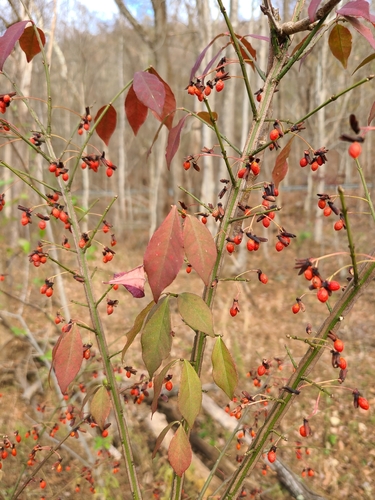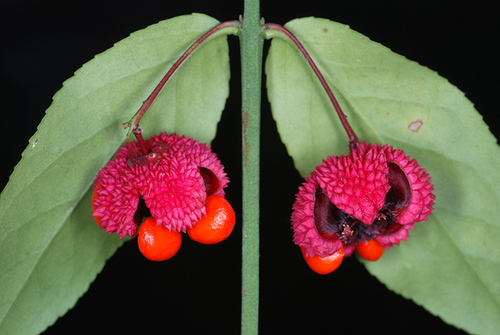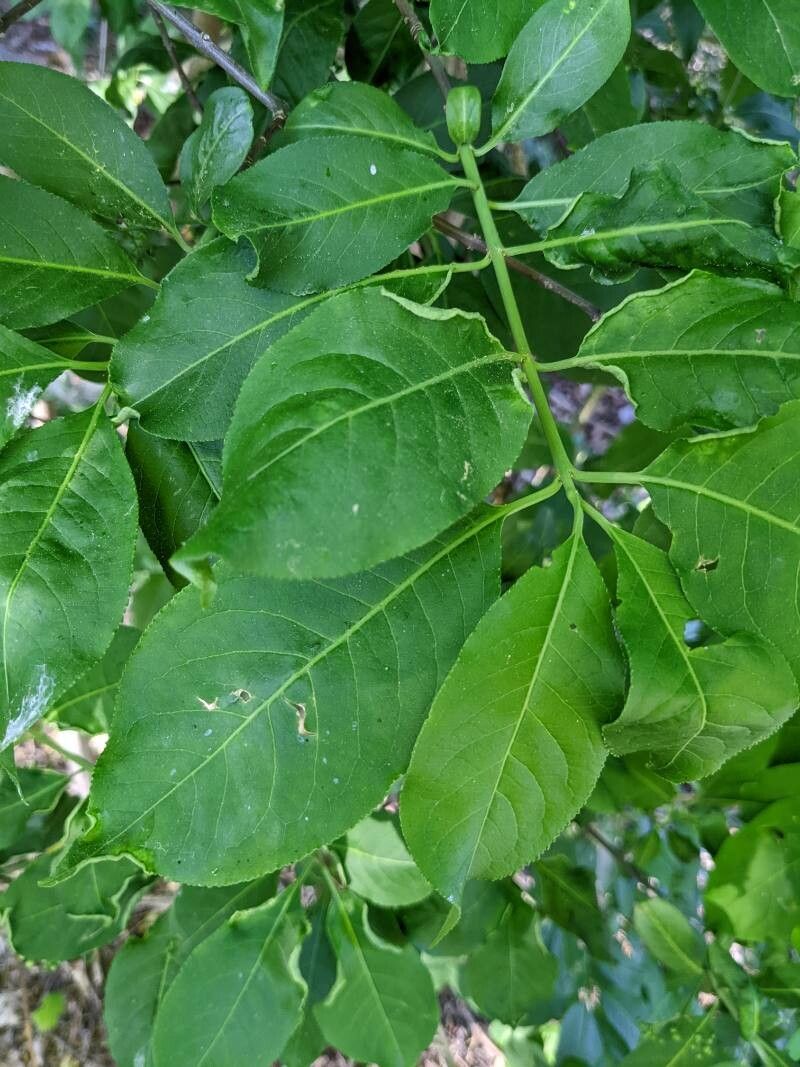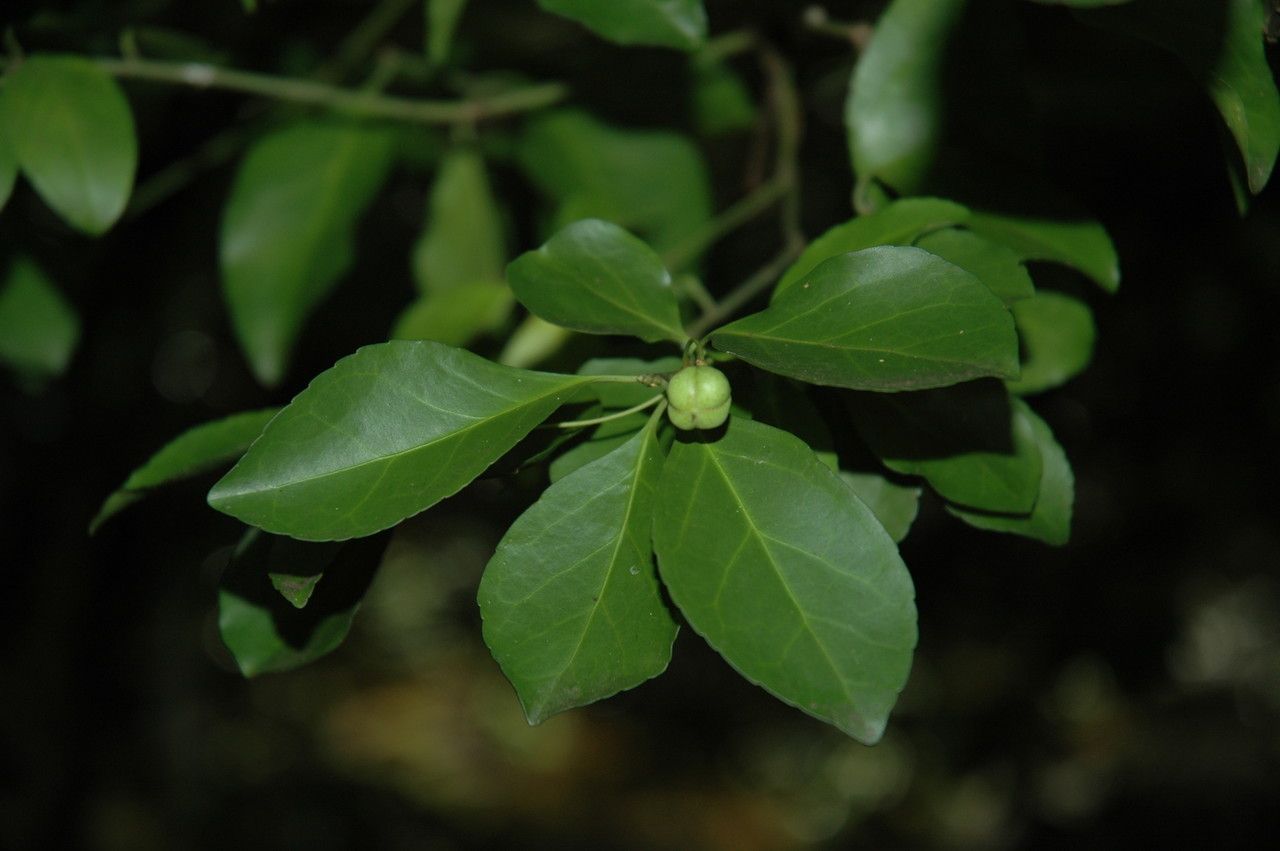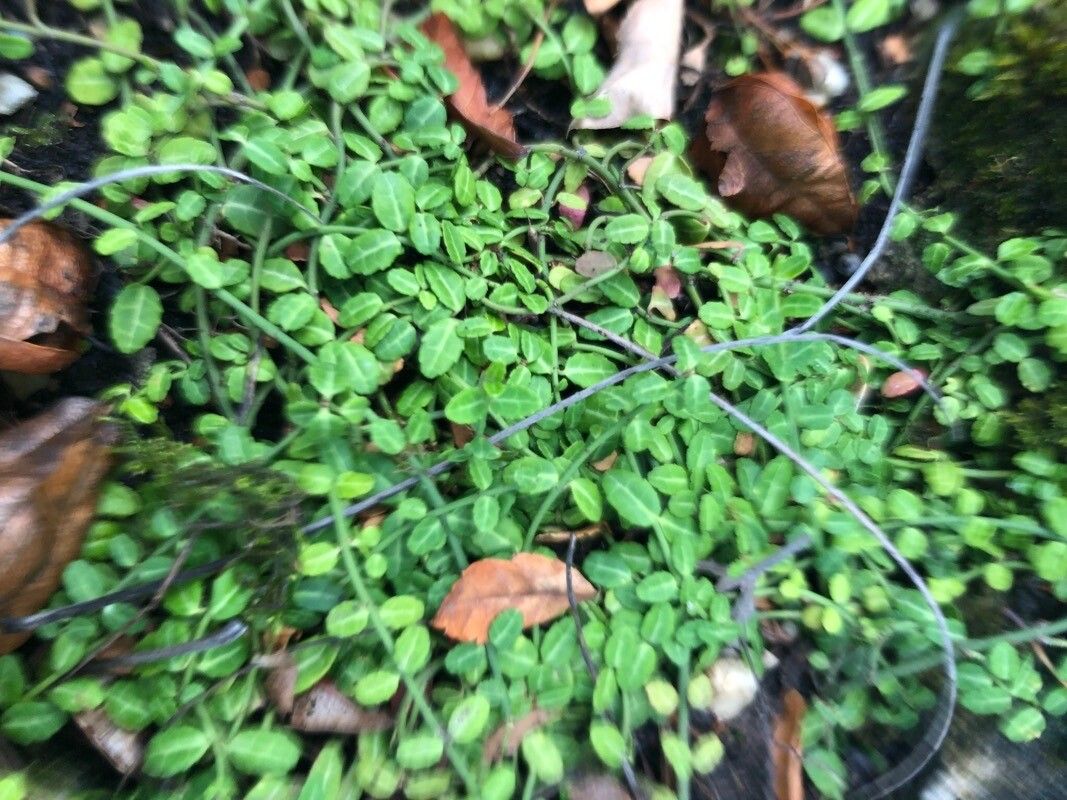
Euonymus nanus, the dwarf spindle tree, is a species of flowering plant in the family Celastraceae. It is native to the Black Sea region, Central Asia, Mongolia, and northern China, and it has been introduced to Germany. A deciduous or semi-evergreen shrub reaching 1 to 2 m, it is adapted to cold, dry conditions, and is typically found in forests and scrublands high in the mountains. Available from commercial suppliers, its leaves are narrow and resemble those of rosemary.
Turkestanicus dwarf euonymus is resistant to disease and generally not susceptible to illnesses. In terms of care, this plant is fairly low-maintenance. When grown outdoors it needs only light watering, and larger plants typically do not require pruning; smaller plants, however, should be pruned after they have finished blooming. Turkestanicus dwarf euonymus is appropriate for anyone with an outdoor area, such as a garden or deck, and does not demand extensive plant-care experience.
How to keep Euonymus Nanus.
Light
The turkestanicus dwarf euonymus does best in bright sunlight for much of the day, producing optimal health and growth. It is also capable of tolerating moderate sun exposure because of its hardiness. Native to areas with plentiful sunlight, this plant may gradually exhibit stunted growth or declining health if it receives too little or too much sun.
Water
The Turkestanicus dwarf euonymus is well-suited for semi-arid environments, as it requires minimal water and thrives in drought conditions. To maintain its health, it should be watered every three weeks. This plant is often grown outdoors and is ideal for rock gardens or xeriscaping. It benefits from occasional rainfall and does not need frequent irrigation.
Temperature
Turkestanicus dwarf euonymus exhibits strong adaptability to a range of climatic conditions, from searing summers to cold winters. Still, it has a preferred temperature range for healthy growth. If temperatures become too high, the plant is susceptible to heat and humidity stress, which may kill it. In areas where temperatures approach the lower limit of its cold tolerance, it is important to provide insulation to protect the plant.
Fertilizer
Timing is important when fertilizing Turkestanicus dwarf euonymus. Begin fertilizing in early spring and continue monthly through early summer. Fertilizer helps produce attractive blooms and supplies energy during both dormant and active growth phases.
Pruning
To ensure that the Turkestanicus dwarf euonymus remains healthy and visually appealing, engage in light pruning. This should ideally be done in late spring. Concentrate on removing any dead branches and thinning out crowded areas to improve air circulation. These steps will enhance the plant's vitality and its ornamental charm.
Botanical profile.
- Plant Type
- Shrub
- Life Cycle
- Perennial
- Genus
- Euonymus
- Family
- Celastraceae
- Hardiness Zone
- 4-8
- Mature Height
- 30 cm to 61 cm
- Mature Spread
- 61 cm to 91 cm
- Leaf Color
- Dark Green
- Leaf Type
- Deciduous
- Flower Color
- Purple
- Flower Size
- 0.51 cm to 0.76 cm
- Bloom Time
- Late spring, Early summer
- Planting Time
- Spring, Summer, Autumn
- Harvest Time
- Late summer, Early fall, Mid fall
- Native Area
- Uzbekistan, Tajikistan, Turkey, Kyrgyzstan, Kazakhstan, Romania, Ukraine, Turkmenistan, China