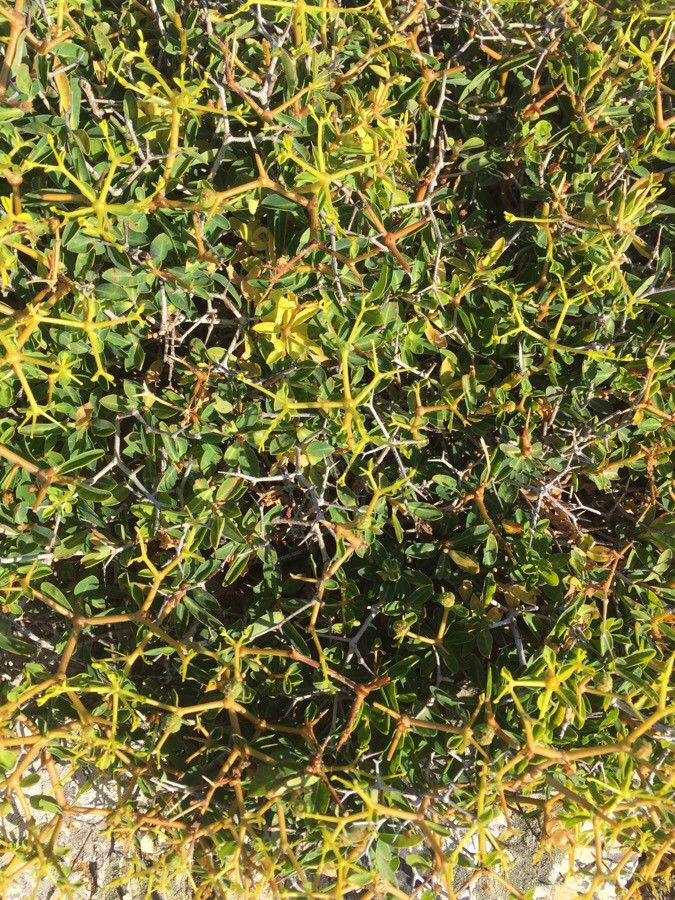
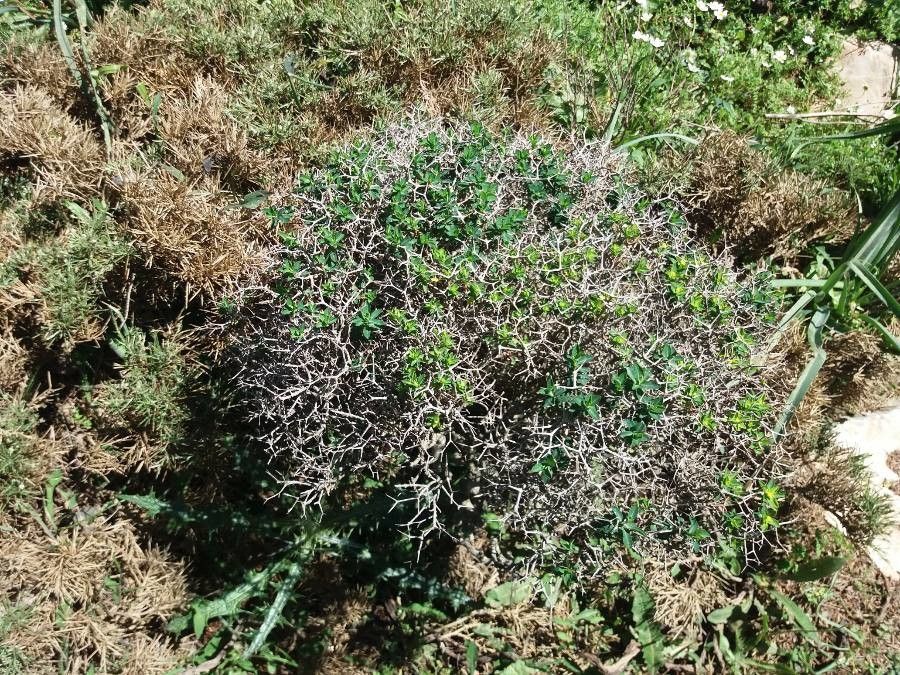
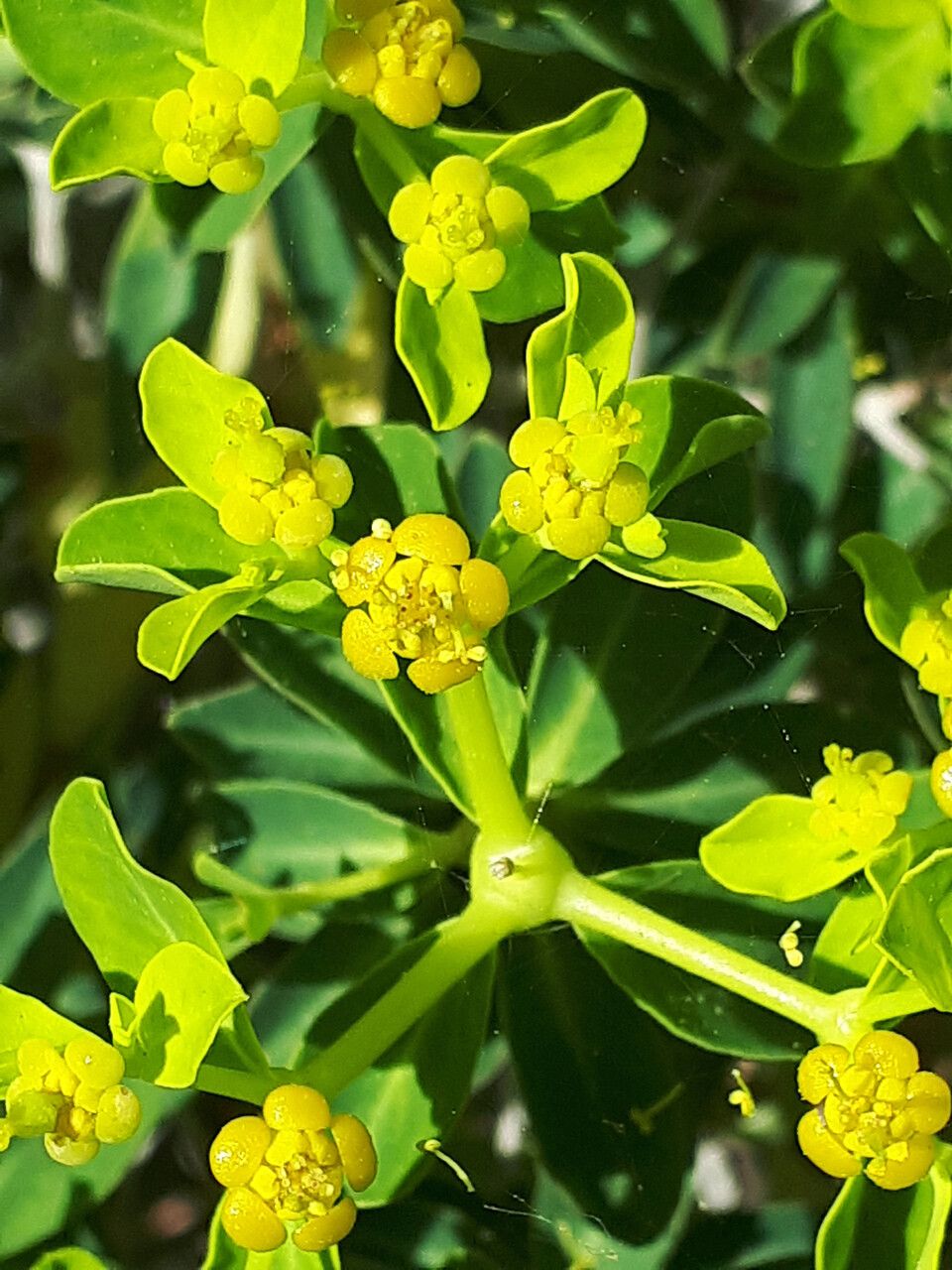
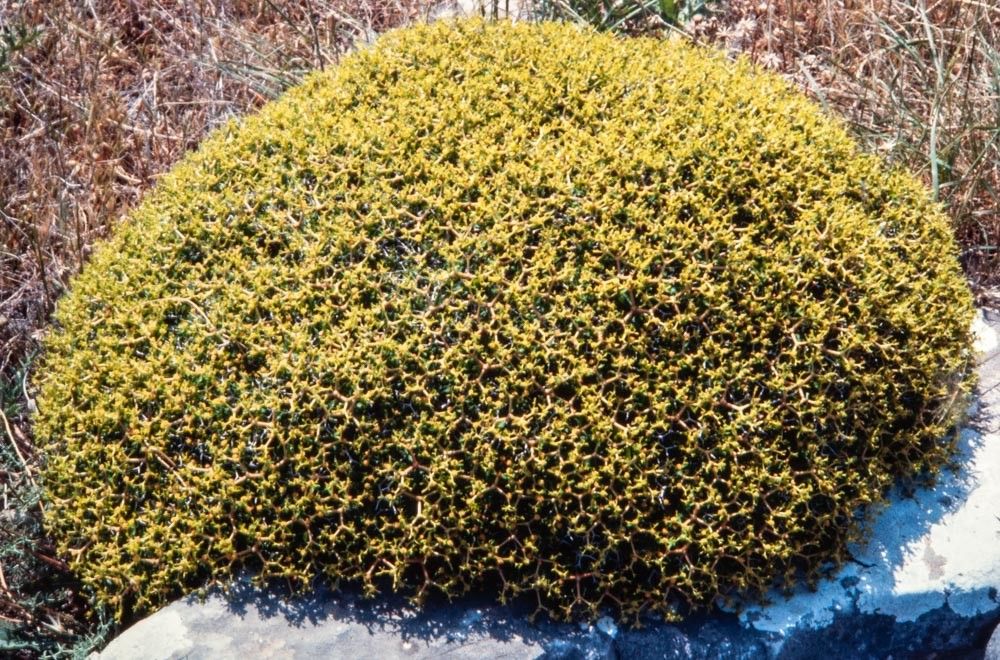
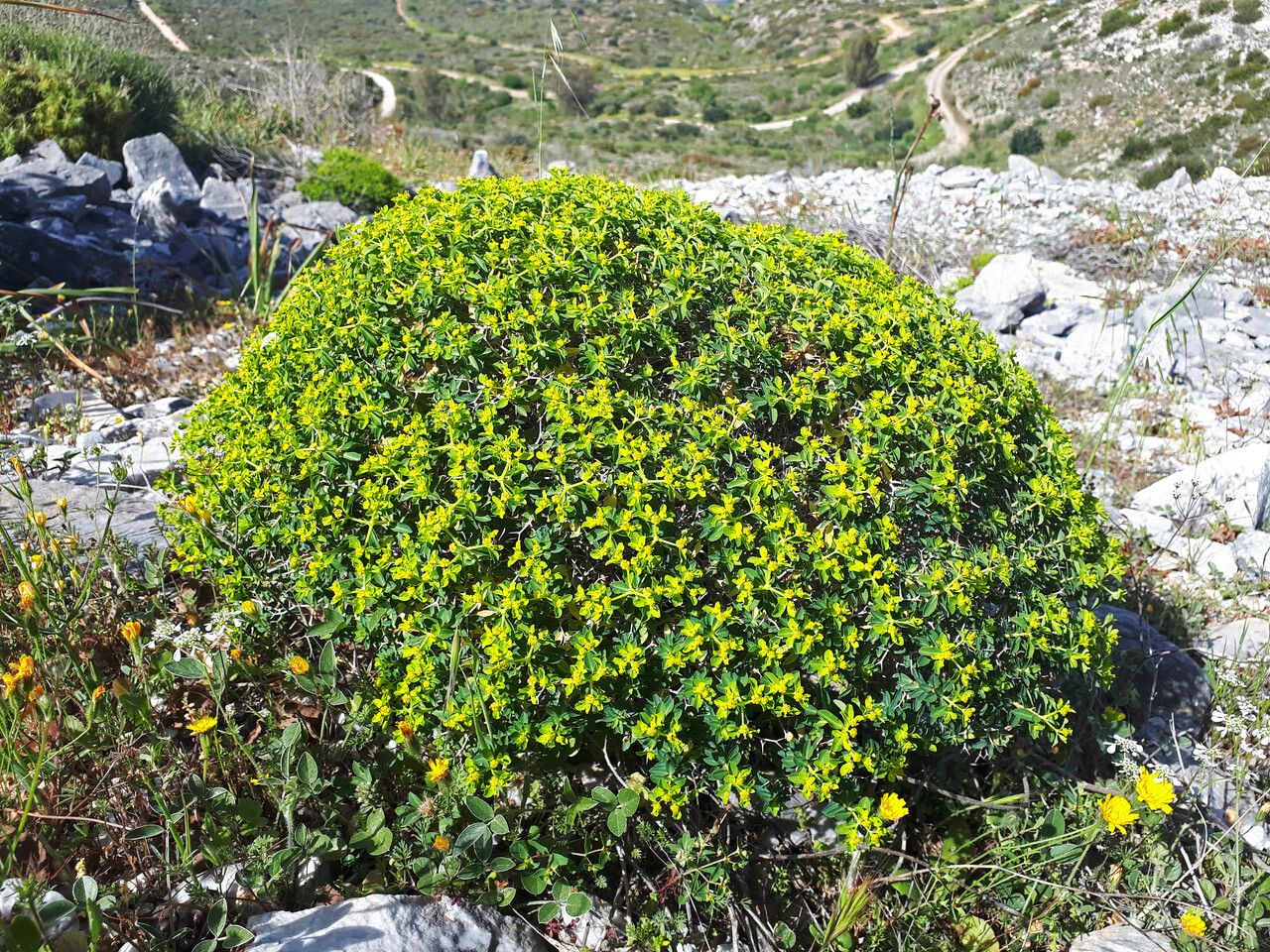
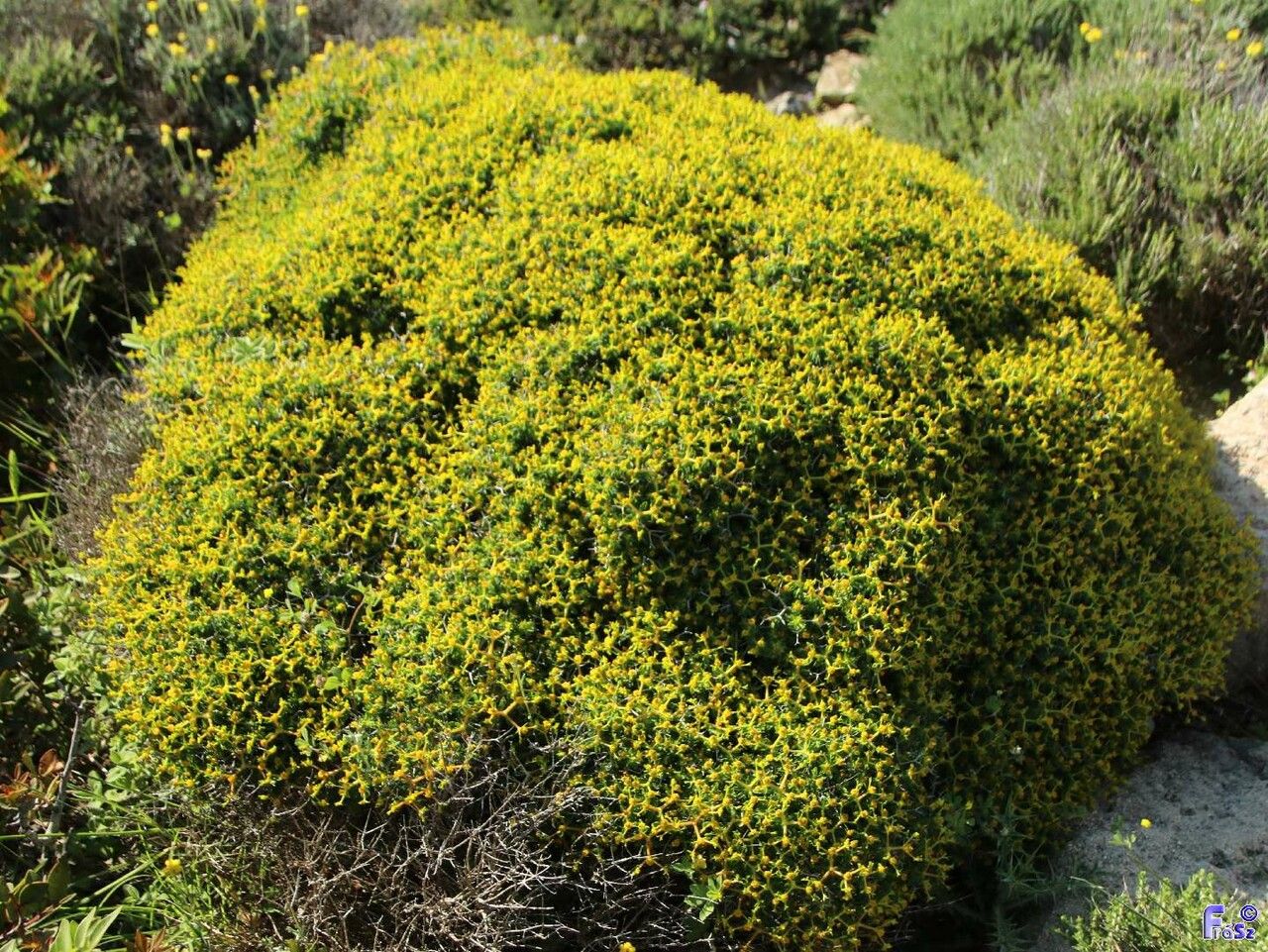
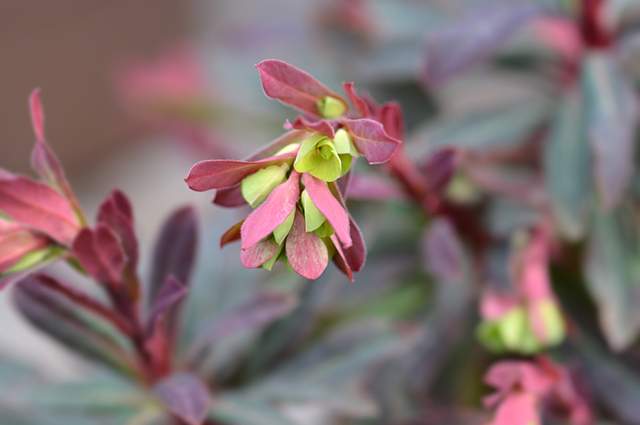
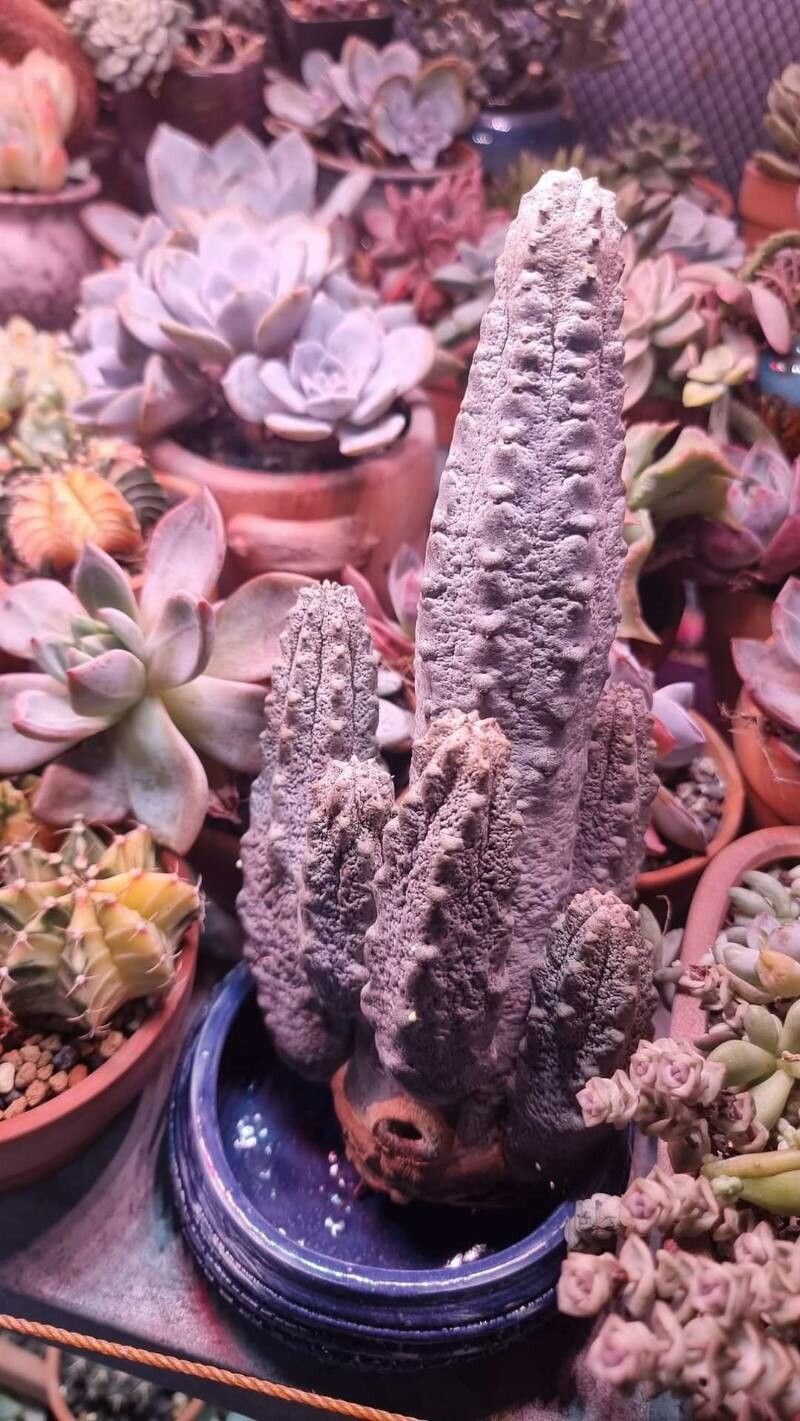
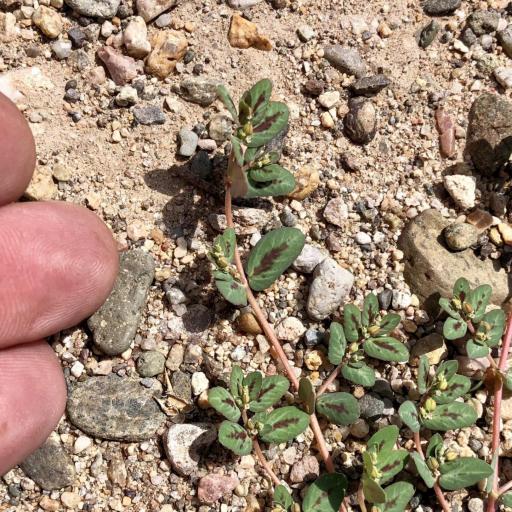
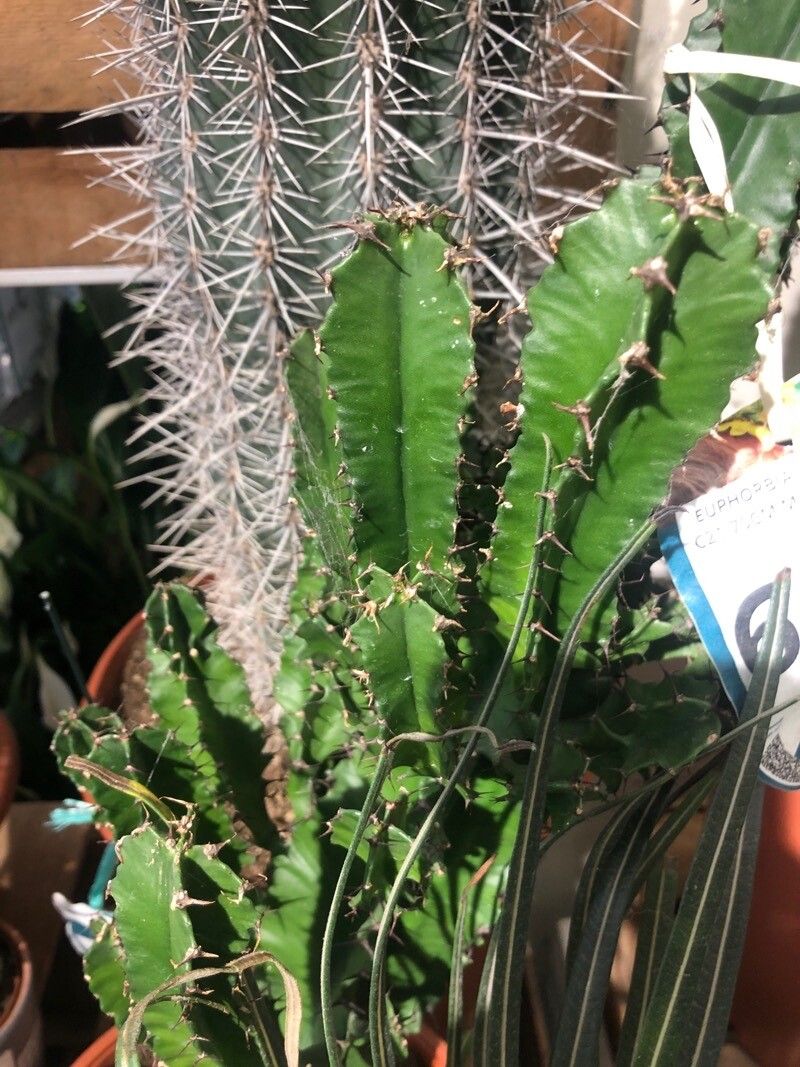
Euphorbia acanthothamnos is a succulent plant belonging to the Euphorbia family, native to the arid regions of southern Africa, notably Namibia and South Africa. It has a distinctive appearance, characterized by its cylindrical stems that can grow up to 30 cm in height and 1 cm in diameter, covered with small spines or thorns.
The leaves of Euphorbia acanthothamnos are small and scale-like, arranged alternately along the stem. Its flowers are small, yellow-green, and clustered at the tips of the stems.
This plant is well adapted to survive in harsh desert conditions with minimal water. It stores water in its stem, allowing it to endure long periods of drought.
Euphorbia acanthothamnos has been traditionally used for medicinal purposes by indigenous people, as it contains compounds with anti-inflammatory properties.
However, it is important to note that this plant contains toxic latex, which can cause skin irritation or even blindness if ingested or if it comes into contact with the eyes. Therefore, caution is advised when handling this plant.
Greek spiny spurge is resistant to many diseases and is generally not prone to illness. Regarding care, this plant is fairly low-maintenance. Planted outdoors it needs only minimal watering, and larger specimens usually do not need pruning. Smaller plants, however, should be pruned after they finish blooming. Greek spiny spurget is suitable for anyone with an outdoor area, such as a garden or deck, and does not require much experience in plant care.
How to keep Euphorbia Acanthothamnos.
Light
The Greek spiny spurge comes from open habitats, such as sunny meadows and forest edges that provide abundant light. It thrives in Full Sun but can also tolerate Partial Sun, adapting well to a range of sunlight conditions.
Water
The Greek spiny spurge is a Mediterranean plant that is well-suited to areas with moderate rainfall and well-drained soils. Although it is drought-tolerant, it benefits from weekly watering. It thrives in rocky terrains and efficiently stores water, making it an excellent choice for xeriscaping.
Temperature
Greek spiny spurge comes from areas with moderate temperatures, specifically about 68 to 95 °F (20 to 35 ℃). To support its growth outside its native habitat, it is important to keep the surrounding temperature within that range throughout the seasons.
Fertilizer
Apply fertilizer to your Greek spiny spurge in early spring to encourage healthy growth. Routine feeding boosts the plant’s overall health, leading to vigorous growth, increased tolerance of harsh conditions, and improved resistance to diseases and pests. Keep a consistent fertilization schedule for your Greek spiny spurge to preserve foliage that is richly colored and lush in appearance.
Pruning
The Greek spiny spurge flourishes in Mediterranean climates and benefits from pruning between early and late winter. This practice helps remove damaged parts, improve its shape, and minimize sap loss, which in turn promotes growth in the spring. Regular pruning also helps maintain the plant's form, encourages denser foliage, and improves air circulation.
Pot & Repot
When repotting Greek spiny spurge, select a pot 1-2 inches (2.5–5.1 cm) larger with ample drainage. Use a well-draining potting mix. Repot in spring or fall, making sure the root ball is slightly lower than the rim of the flower pot. Water thoroughly after repotting and place in a warm spot with indirect sunlight.
Botanical profile.
- Plant Type
- Shrub
- Life Cycle
- Perennial
- Genus
- Euphorbia
- Family
- Euphorbiaceae
- Hardiness Zone
- 9-10
- Mature Height
- 49 cm
- Mature Spread
- 91 cm
- Leaf Color
- Green
- Leaf Type
- Evergreen
- Flower Color
- Yellow
- Flower Size
- 0.51 cm to 0.76 cm
- Bloom Time
- Mid spring, Late spring
- Planting Time
- Spring, Summer, Autumn
- Harvest Time
- Early summer, Mid summer
- Native Area
- Turkey, Greece
Other names.
Reader questions.
What are the sunlight requirements for Greek Spiny Spurge (Euphorbia acanthothamnos)?
Greek Spiny Spurge (Euphorbia acanthothamnos) thrives in various sunlight conditions. For full sun exposure, it requires above 6 hours of sunlight daily to flourish. Alternatively, if the plant is in a location with partial sun, it should receive about 3-6 hours of sunlight. It's crucial to observe how sunlight moves through your garden, identifying spots that ensure the ideal balance of light and shade. This careful placement guarantees your plants' happiness by meeting their specific light needs.
What is the native environment of Greek spiny spurge?
Greek spiny spurge, botanically known as Euphorbia acanthothamnos, thrives in environments with moderate temperatures, specifically in the range between 68 to 95 °F (20 to 35 °C). To promote growth beyond its natural habitat, it is crucial to adjust the ambient temperature within this range across the different seasons.