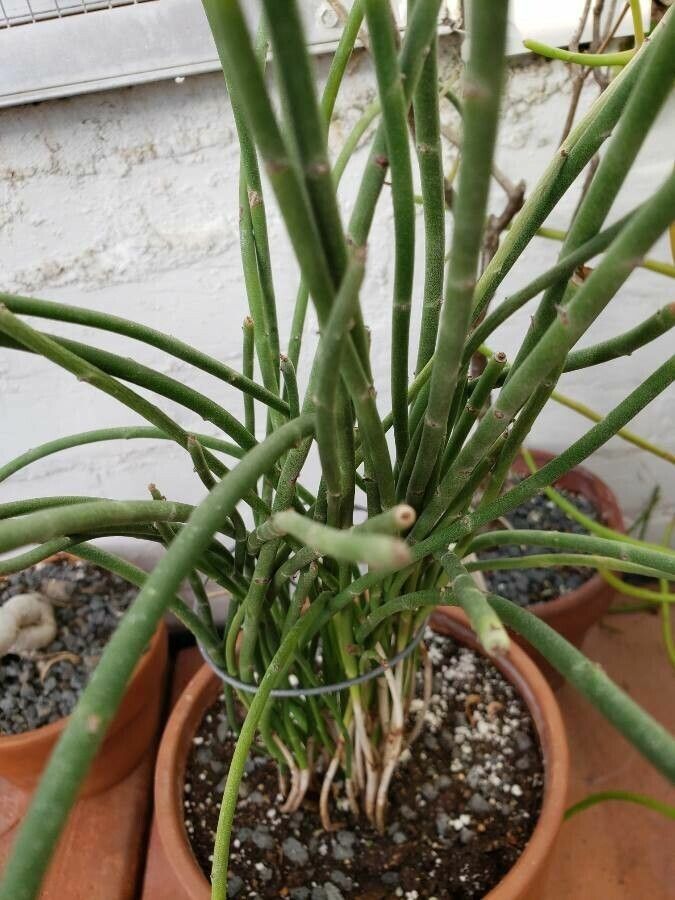
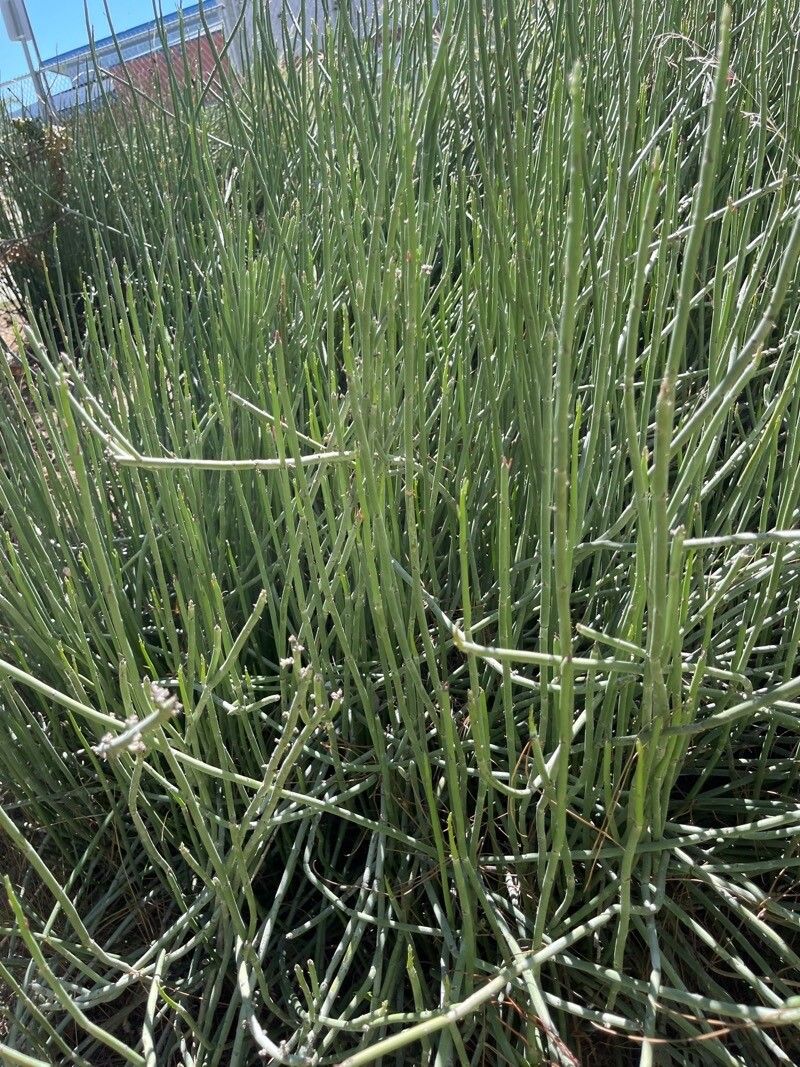
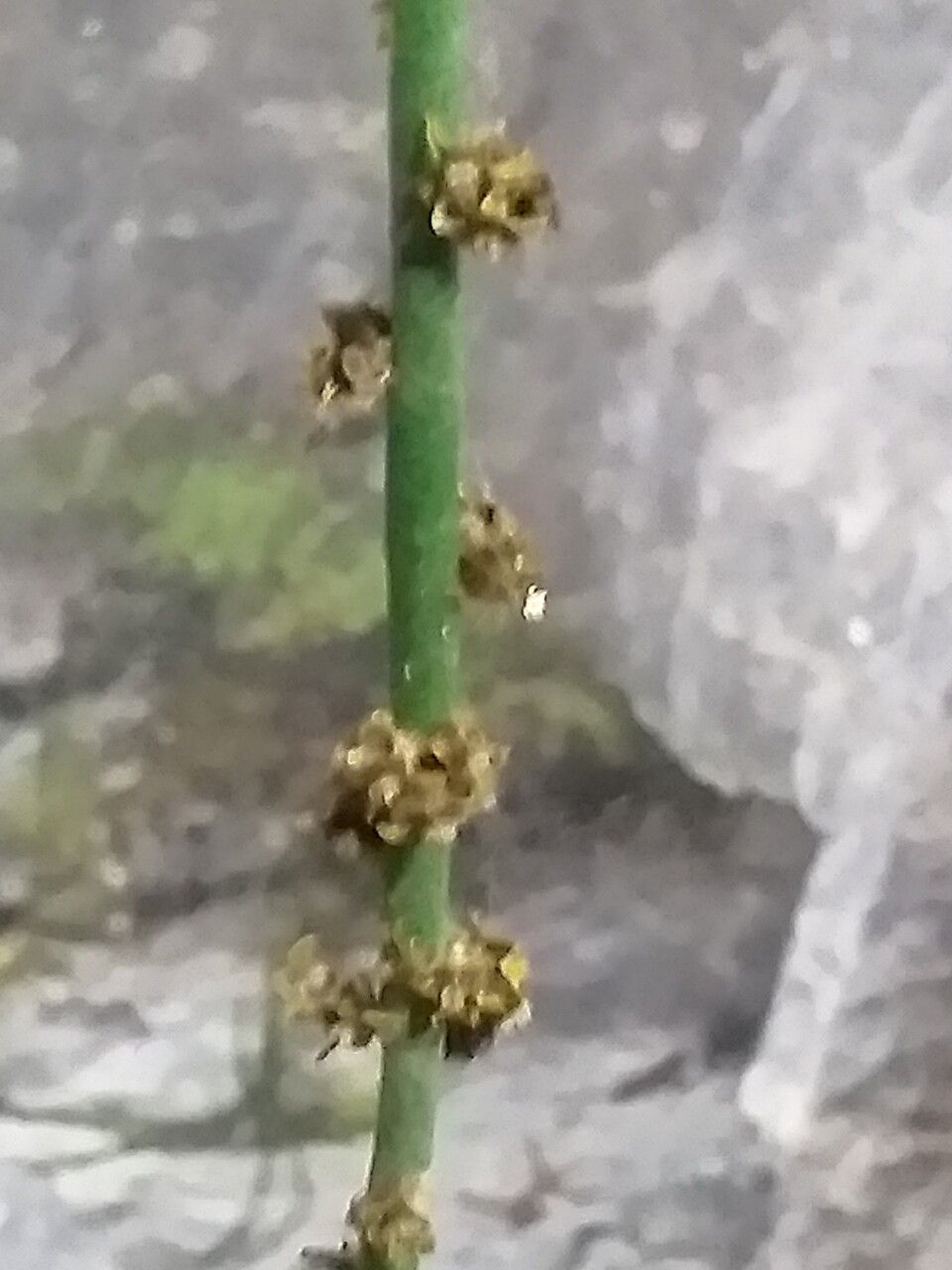
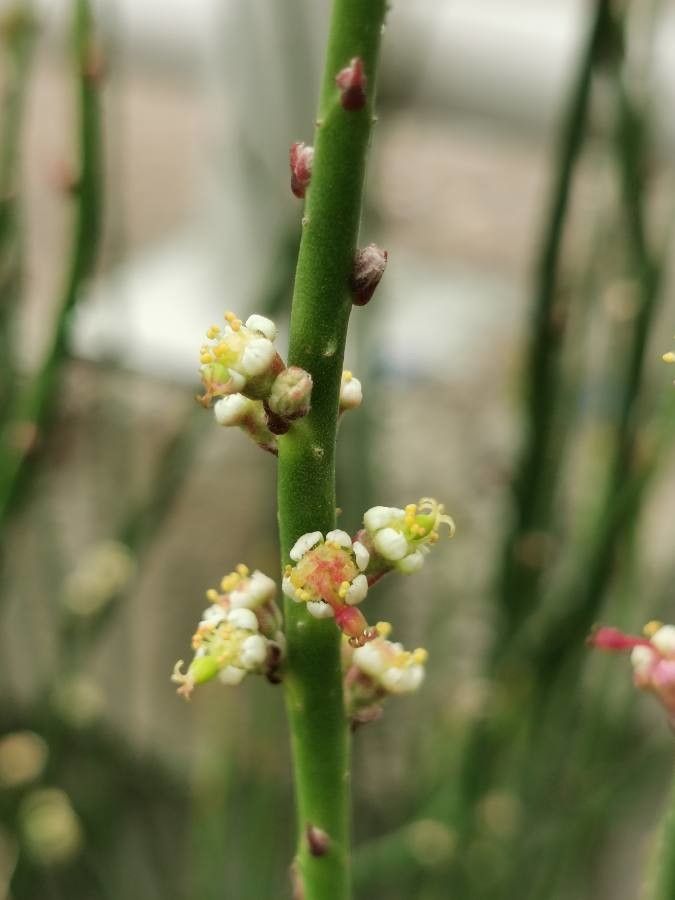
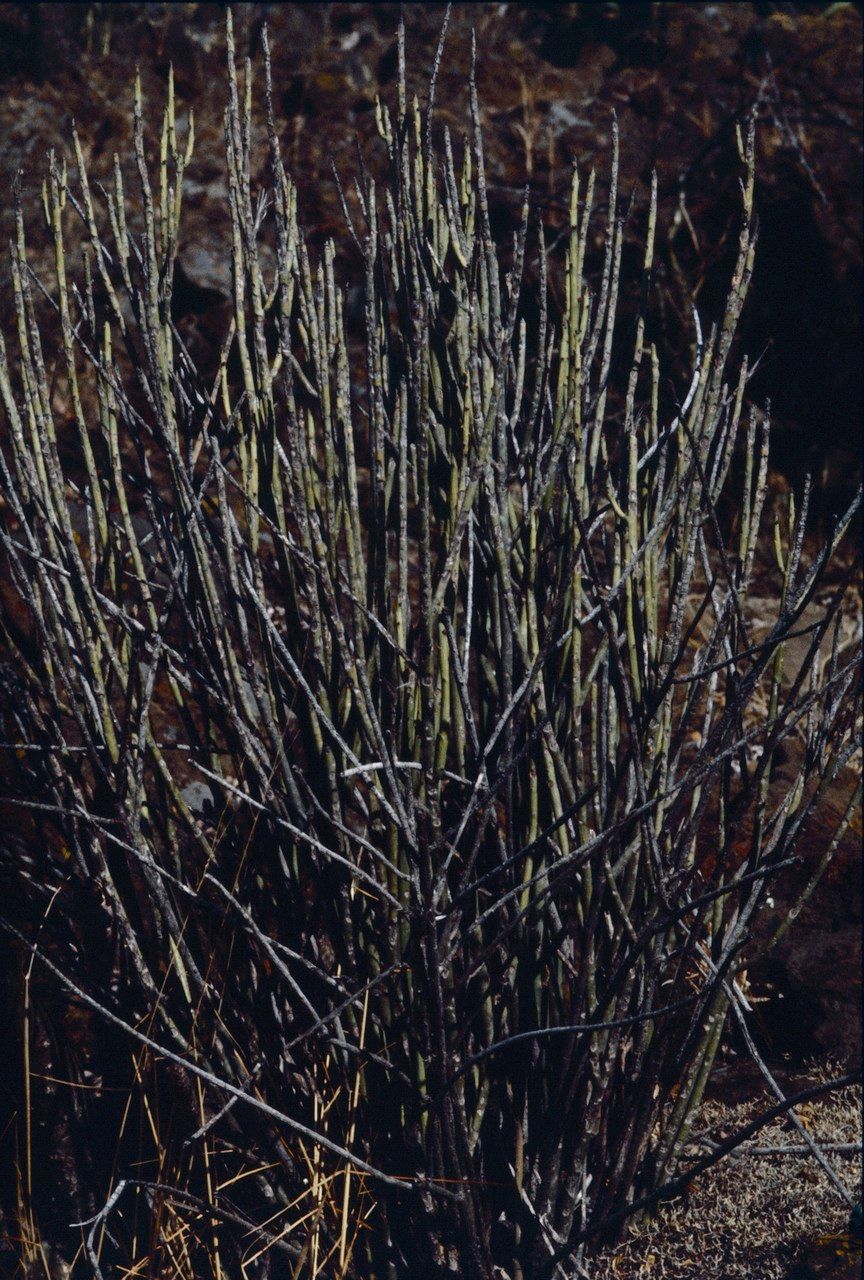
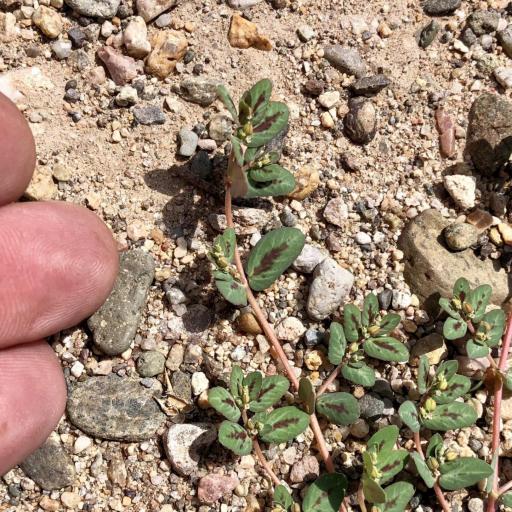
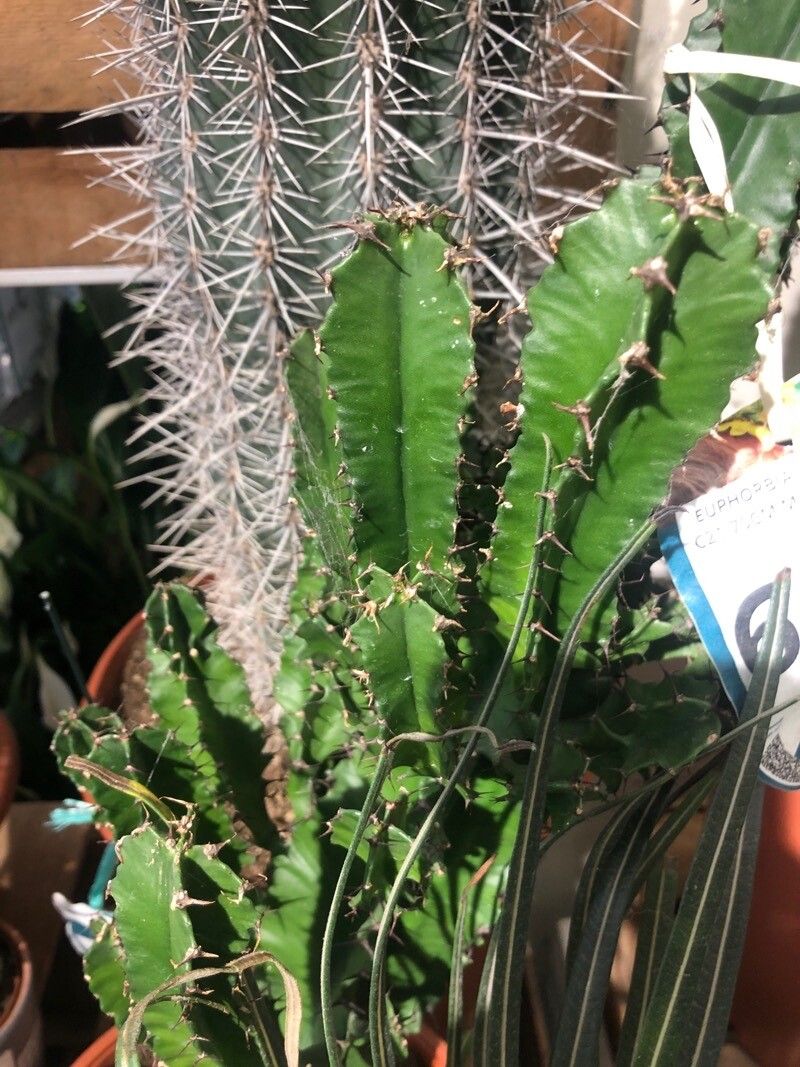
Euphorbia antisyphilitica, commonly known as the Candelilla plant, is a succulent belonging to the Euphorbia family. Native to Mexico and parts of Texas, this plant features distinctive green, cylindrical stems that can grow up to 60 cm in height. Its small leaves fall off quickly, enhancing its unique appearance.
In the spring, the Candelilla plant produces small yellow flowers, followed by seed capsules. For centuries, indigenous people have utilized the sap of this species for medicinal purposes, such as treating syphilis, which explains its name, antisyphilitica.
The Euphorbia antisyphilitica thrives in hot, dry conditions with well-draining soil. It can be cultivated both indoors and outdoors but requires bright sunlight for optimal growth.
This species has become popular among gardeners due to its striking appearance and low maintenance needs. However, handling it requires caution, as it produces a toxic sap that can cause skin irritation or allergic reactions if ingested or touched without proper protection.
Overall, the Candelilla plant is a fascinating succulent with medicinal properties, making it a valuable addition to any garden or plant collection.
Candelilla has moderate resistance to disease but is more sensitive to humidity and overwatering. It is also more prone to disease when it receives little light and is overwatered. Regarding care, Candelilla tolerates drought and can endure long periods without watering. It needs little fertilizer and requires pruning only occasionally. For these reasons it is suitable for people of all experience levels, especially those who want to spend less time on plant care and who may sometimes be away from home for extended periods. It is a good option for individuals who do not want to invest a lot of time in caring for plants yet still want one that is easy to maintain.
How to keep Euphorbia Antisyphilitica.
Light
Candelilla requires abundant sun exposure to maintain healthy growth. In its native environment it flourishes with full sun. It can tolerate partial sunlight, yet full sun fosters its optimal development. More or less sunlight can potentially impede its growth.
Water
Candelilla, a plant native to arid regions, is highly drought-tolerant. To prevent root rot, it only needs to be watered once a week. It grows best outdoors in full sun, which boosts its ability to conserve water. This adaptation is vital for its growth and survival in dry conditions.
Humidity
This plant will thrive in moderate humidity, which is probably the level in your home. However, misting it a few times a week can be very beneficial. Make sure the room has good ventilation.
Temperature
Candelilla originates from warm climates and does best at temperatures of 59 to 95 °F (15 to 35 ℃). In winter, if temperatures fall significantly, consider relocating the plant indoors or to a warmer spot.
Fertilizer
For Candelilla, light fertilizer applications once or twice a year during the growing season are enough. Do not fertilize in winter and summer, when the plant is dormant. Cut back on fertilizer for repotted plants and wait a couple of months after repotting before applying any. Fertilizing helps maintain healthy growth and promotes blooming.
Pruning
To ensure healthy growth and maintain the shape of your Candelilla plant, prune it properly between early and late spring. This involves trimming away dead or overly long stems. Clean cuts help improve airflow and reduce pest problems. Be sure to use sanitized tools to prevent infections, supporting robust and dense plant growth.
Pot & Repot
Repot your candelilla plant every 2-3 years, ideally in early spring, to promote its slow growth. Choose a slightly larger pot that offers good drainage to help prevent root rot. Allow the soil to dry out between waterings and place the plant in bright light to support its recovery. This care aligns well with the plant's desert origins.
Botanical profile.
- Plant Type
- Herb, Shrub
- Life Cycle
- Perennial
- Genus
- Euphorbia
- Family
- Euphorbiaceae
- Hardiness Zone
- 7-10
- Mature Height
- 76 cm
- Mature Spread
- 49 cm
- Leaf Color
- Gray, Light Green
- Leaf Type
- Evergreen
- Flower Color
- White, Pink
- Flower Size
- 0.20 cm to 0.25 cm
- Bloom Time
- Mid spring, Late spring, Early summer
- Planting Time
- Spring, Summer, Autumn
- Harvest Time
- Summer
- Native Area
- Mexico
Other names.
Reader questions.
What are the sunlight requirements for growing Candelilla?
Candelilla thrives best in environments with ample sun exposure, ideally preferring full sun conditions which mean above 6 hours of sunlight daily. However, it can also manage in partial sun, receiving about 3-6 hours of sunlight. The plant's native habitat supports this need for significant sunlight exposure, with optimal growth observed in full sun situations. Watching the sunlight's movement through your garden and finding the perfect balance of light and shade is crucial for choosing the best spots for planting Candelilla to ensure the plant's happiness and health.
What is the optimal temperature range for Candelilla?
Candelilla thrives in warmer climates, with its optimal temperature range being between 59 to 95 °F (15 to 35 °C). This plant prefers conditions within this temperature range for ideal growth and health.
How can artificial lighting support Candelilla's growth indoors?
For indoor Candelilla plants, when natural sunlight is insufficient, especially during winter or in less sunny spaces, artificial lighting becomes an indispensable solution. It facilitates faster and healthier growth by providing adequate light. LED lights, being able to be customized for specific wavelength needs, are popular for indoor plant lighting. Full sun plants typically require 30-50W/sq ft of artificial light, while partial sun plants need 20-30W/sq ft. The correct positioning involves placing light sources 12-36 inches above the plant, approximating the natural sunlight. Additionally, the duration of light exposure should imitate natural daylight hours, generally between 8-12 hours per day for most plants.
How should Candelilla be cared for in winter?
During winter, Candelilla exhibits strong cold resistance and special frost protection measures are often not necessary. However, if temperatures are expected to drop below -15°C, it's important to protect the plant from the cold. This can include moving the plant indoors or to a warmer location, and covering the plant with soil or straw. Additionally, watering the plant abundantly before the first freeze can help ensure the soil remains moist, aiding the plant through winter and early spring.
What are the signs of light deficiency in Candelilla?
Candelilla, when lacking adequate light, may exhibit several symptoms signaling distress. These include the emergence of smaller-than-usual new leaves, leggy or sparse growth due to elongated spaces between leaves or stems, premature leaf drop as a resource conservation measure, stunted or halted growth as the plant enters survival mode, paler new leaves indicating insufficient chlorophyll, and specific conditions like chlorosis (yellowing leaves), sunscald (damaged areas on leaves/stems from too much sun), leaf curling (a defense mechanism against extreme sunlight), wilting (loss of turgor pressure), and leaf scorching (brown, dry, crispy leaf edges). These symptoms offer important clues about the plant's well-being and its light requirements.
What should you do if the temperature falls below -15°C?
If temperatures drop below -15°C, Candelilla may not show immediate damage but can experience decreased or no sprouting in spring. In such cases, it's advised to remove any parts of the plant that have failed to sprout once spring arrives, as a way to encourage new growth and health of the plant.
How can I improve Candelilla's growth with better light conditions?
Improving Candelilla's light conditions involves several strategies based on the plant's location. Indoors, gradually shift the plant to sunnier spots until it receives at least 6 hours of direct sunlight daily, using a south-facing window where possible and keeping curtains drawn. If the plant is large or hard to move, consider artificial lighting, keeping lamps on for at least 8 hours or investing in grow lights. Outdoors, adapt your plants to sunlight gradually to prevent sunburn, choosing spots with better sunlight incrementally. If trees or buildings block sunlight, try pruning or relocating plants to sunnier areas. For ground plants, consider transplantation during dormancy to sites with more sunlight and good drainage. Note that Parts affected by prior insufficient sunlight may not recover, but new growth can flourish under improved conditions.
How does high temperature affect Candelilla, and what can be done?
High temperatures can be detrimental to Candelilla, especially when they exceed 41°C. The plant may show signs of stress such as leaves becoming lighter, curling, susceptibility to sunburn, and in severe cases, wilting and drying up. To mitigate these effects, it's recommended to trim away sunburned and dried parts, move the plant to a shaded location or use a shade cloth to shield it from midday and afternoon sun. Additionally, watering the plant during the cooler morning and evening hours can help keep the soil moist and cool.