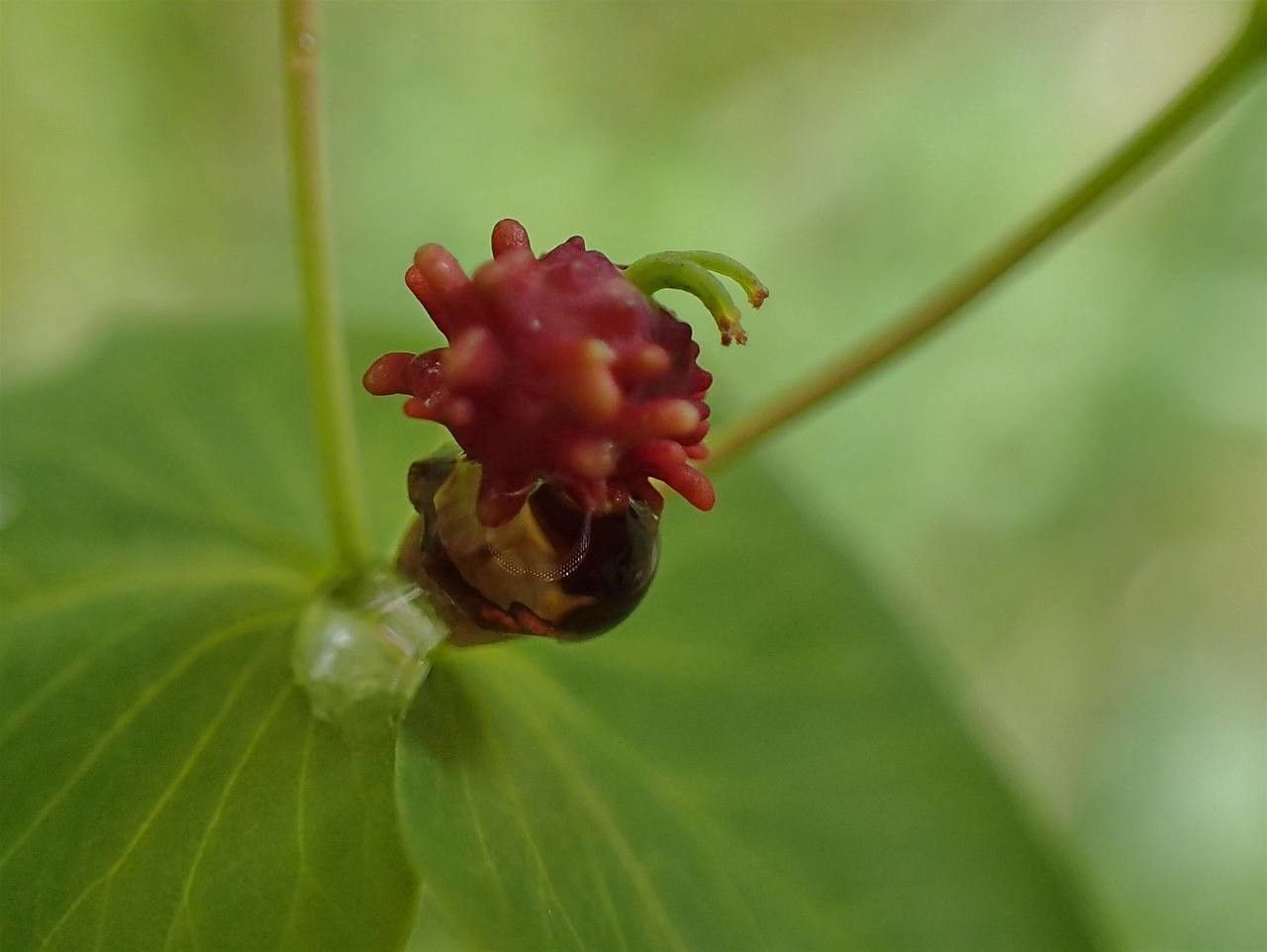
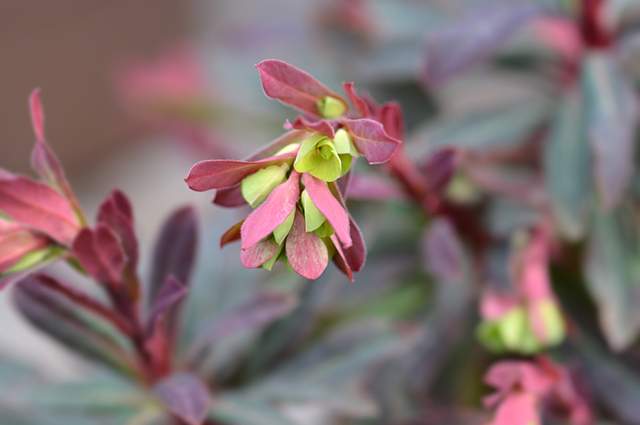
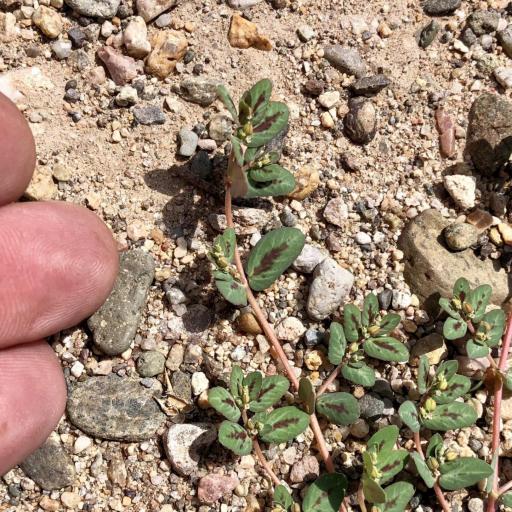
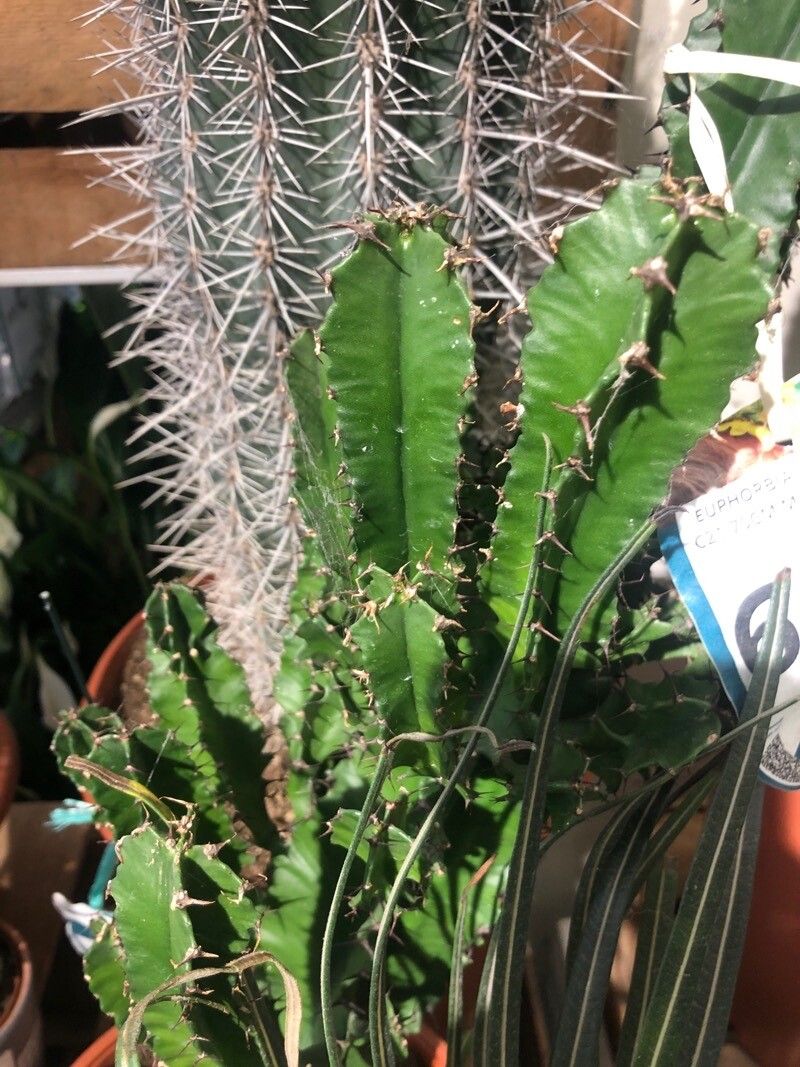
Euphorbia dulcis, commonly known as sweet spurge or garden spurge, is a perennial herbaceous plant belonging to the Euphorbiaceae family. Native to Europe and North Africa, it has been introduced and naturalized in many other regions worldwide.
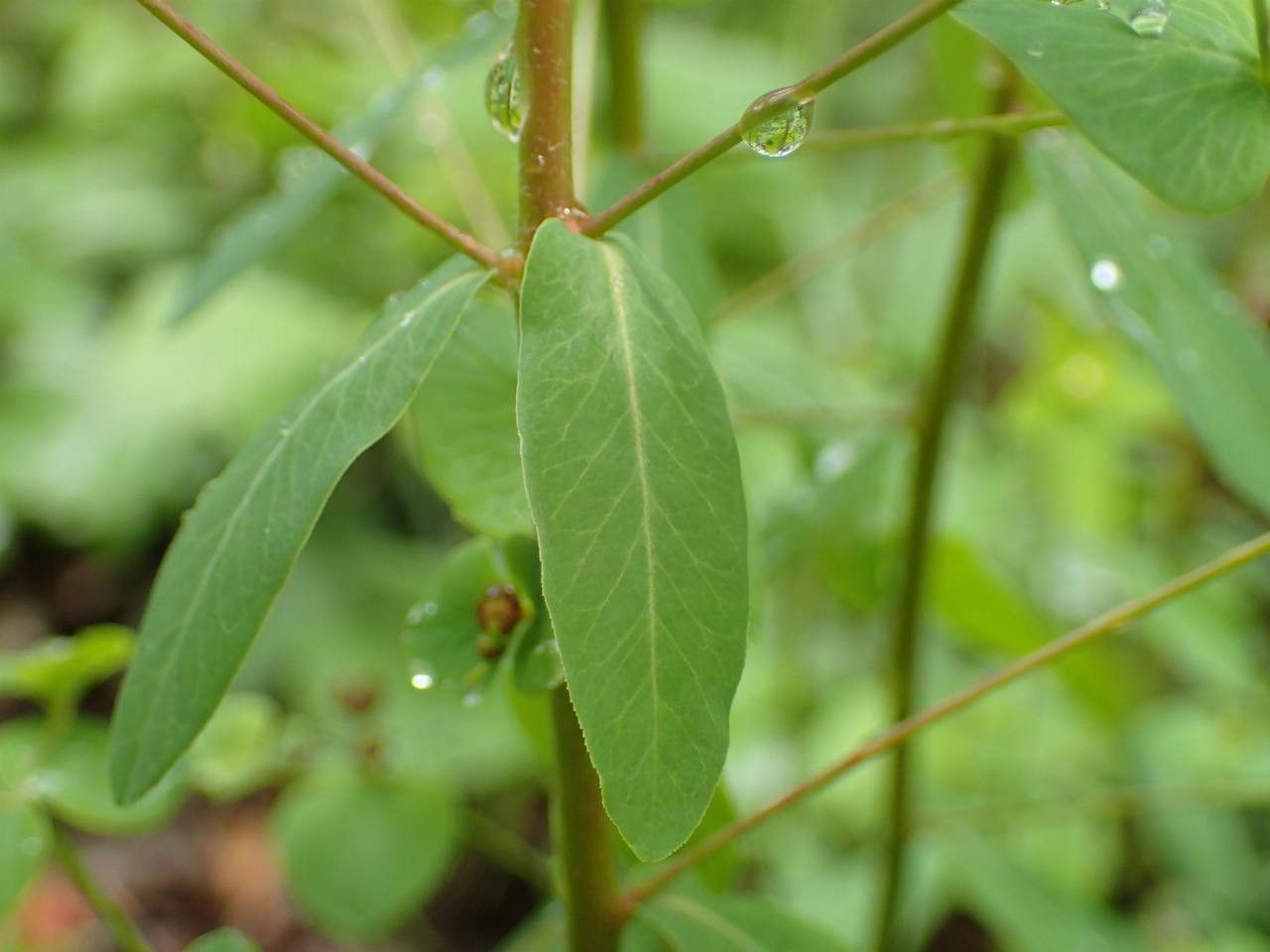
The plant can grow up to 60 cm tall, featuring a branching stem with green, alternately arranged leaves. The leaves are oval-shaped with serrated edges and have a glossy surface.
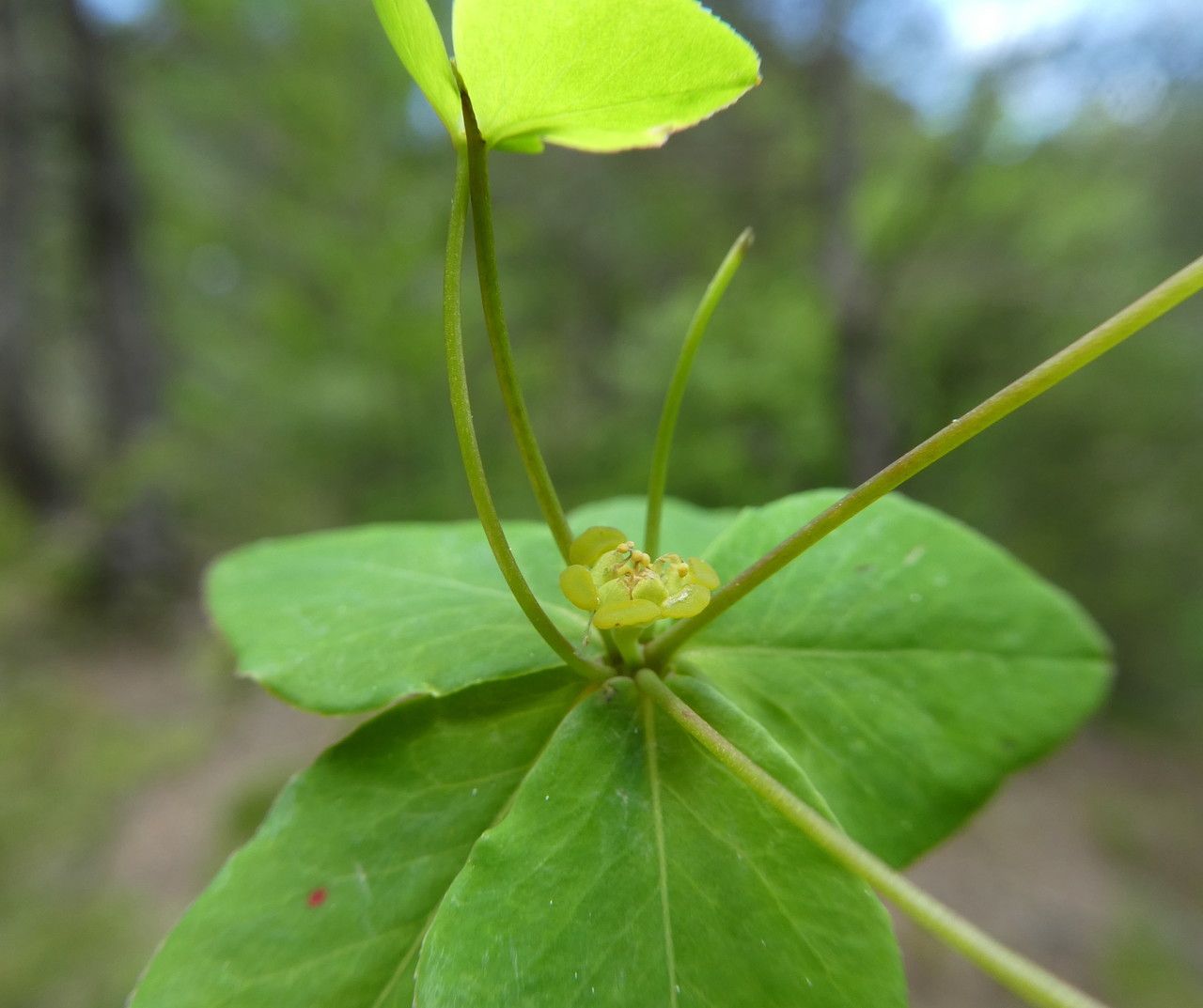
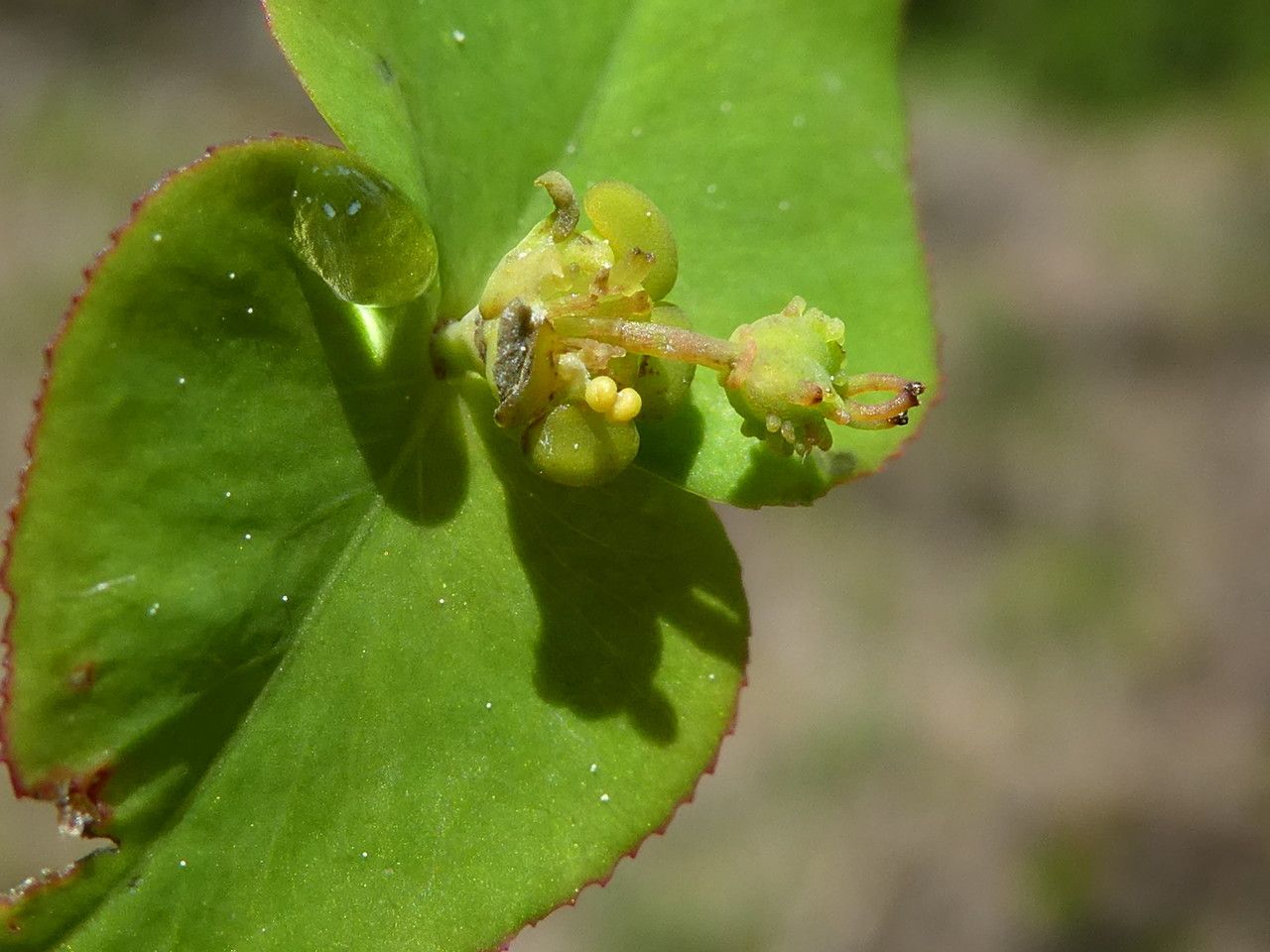
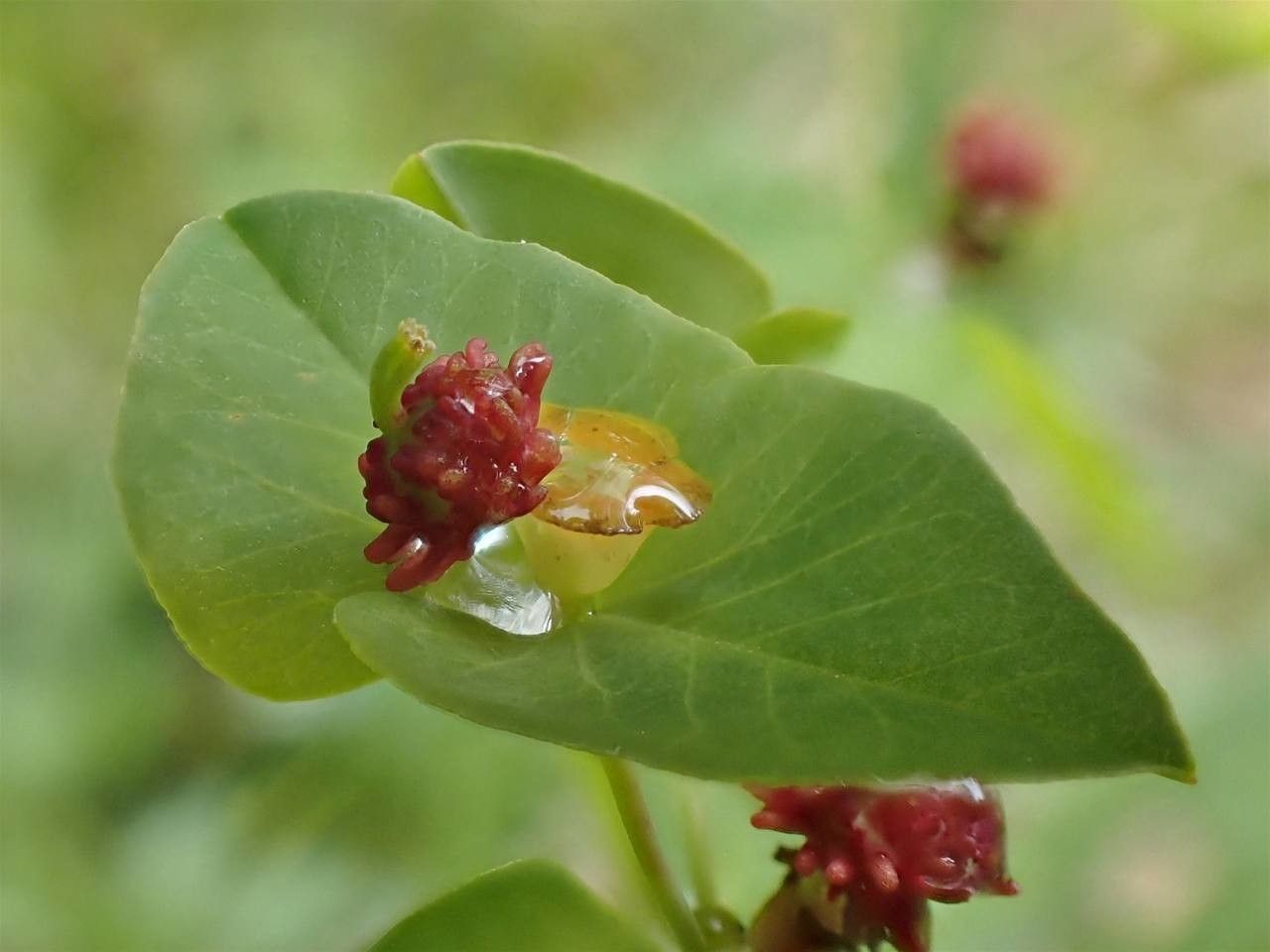
From late spring through summer, Euphorbia dulcis produces clusters of small yellow-green flowers at the ends of its stems. These blooms are followed by small, round capsules that contain seeds.
Euphorbia dulcis thrives in well-drained soil and can grow in full sun or partial shade. While it can tolerate various soil types, it does not fare well in waterlogged conditions. Once established, the plant is drought-tolerant but benefits from regular watering during dry periods.
Historically, Euphorbia dulcis has been used for its anti-inflammatory properties. However, caution is necessary as its toxic sap can cause skin irritation and even blindness if it comes into contact with the eyes.
Overall, Euphorbia dulcis is an attractive ornamental plant that adds visual interest to any garden. Additionally, it has some medicinal value when used appropriately under professional guidance.
Sweet spurge is fairly disease-resistant and typically does not suffer from illnesses. Still, it can be vulnerable to pests and diseases present in its environment. These problems are generally minor. As for maintenance, the plant requires moderate care. It should be pruned on a regular basis to preserve an attractive appearance and healthy growth. Feeding the plant can also encourage flowering. Sweet spurge works well for anyone with an outdoor area, such as a garden or patio, and does not demand much gardening experience. It may need more attention if kept indoors.
How to keep Euphorbia Dulcis.
Light
Sweet spurge grows best in places with plenty of sunlight, though it will tolerate some shade. Too much shade limits its growth. In its native habitat it prospered with ample sun. Both too little and too much light can harm its health.
Water
Sweet spurge thrives in well-drained soil and prefers dry conditions, showing a strong tolerance for drought. To maintain its health, it needs moderate watering once a week. As an herbaceous perennial, sweet spurge conserves water during its dormancy, making it a resilient choice for drier climates.
Temperature
Sweet spurge is native to regions where temperatures range from 68 to 95 °F (20 to 35 °C). It flourishes within that range and may require seasonal adjustments to maintain optimal growth.
Fertilizer
The best time to fertilize Sweet spurge is in early spring, as it comes out of dormancy and begins active growth. Fertilizing supplies essential nutrients for healthy development. While Sweet spurge does not require heavy feeding, applying fertilizer once a year can improve its survival and encourage more abundant, longer-lasting blooms.
Pruning
Pruning sweet spurge from early to late spring improves its compact growth and foliage. Techniques include removing dead stems, thinning overcrowded areas, and shaping the plant for aesthetics. Pruning at the right time promotes new growth, supports plant health, reduces the risk of disease, and encourages vigorous blooming, all of which contribute to a lush garden presence.
Botanical profile.
- Plant Type
- Herb
- Life Cycle
- Perennial, Annual
- Genus
- Euphorbia
- Family
- Euphorbiaceae
- Hardiness Zone
- 5-9
- Mature Height
- 30 cm to 46 cm
- Mature Spread
- 49 cm
- Leaf Color
- Red, Yellow, Green, Orange
- Leaf Type
- Semi-evergreen
- Flower Color
- Yellow
- Flower Size
- 0.51 cm to 1.02 cm
- Bloom Time
- Mid spring, Late spring
- Planting Time
- Spring, Summer, Autumn
- Harvest Time
- Early summer, Mid summer
Other names.
Reader questions.
How should I water my Sweet spurge plant?
To properly water the Sweet spurge plant, it is recommended to use filtered water at room temperature. This is because tap water may contain harmful particles that could negatively affect the plant's health. Additionally, the water should be at room temperature or slightly warmer to avoid shocking the plant, as it naturally thrives in warm environments. It is also advised to avoid overhead watering, as this can cause issues with the plant's foliage. Instead, it is best to simply apply the filtered room temperature water directly to the soil until it becomes fully saturated. By doing so, the plant's roots will be effectively moisturized and able to spread through the soil, collecting the necessary nutrients.
Why should I put fertilizer on my Sweet spurge?
The main structure of the Sweet spurge is made up of its leaves, and fertilization is important for maintaining their appearance and function. Proper fertilization will ensure that the leaves have a consistent color and a healthy texture. Additionally, fertilization helps the Sweet spurge develop new roots and maintain existing ones below the soil's surface. This means that fertilization not only keeps the plant healthy presently but also improves its ability to absorb soil nutrients in the future.
What are the sun requirements for Sweet Spurge?
Sweet Spurge, known botanically as Euphorbia dulcis, prospers best in environments that receive full sun, which is defined as more than 6 hours of sunlight daily. It can also adjust to partial sun, receiving about 3-6 hours of sunlight daily. It's essential to observe the movement of sunlight through your garden, selecting spots that ensure an ideal balance of light and shade. This careful placement guarantees the plant's health and happiness.
What is the native climate for Sweet spurge?
Sweet spurge, or Euphorbia dulcis, is native to climates that enjoy temperatures ranging between 68 to 95 °F (20 to 35 °C). It performs optimally within these temperature bands, suggesting a preference for warm conditions. To ensure its healthy growth, adjustments may be necessary across different seasons to maintain these ideal temperature conditions.
What should I do if I give my Sweet spurge too much or too little water?
Overwatering is a more common issue than underwatering for Sweet spurge plants. When overwatered, the stems and leaves may wilt and turn yellow. Overwatering for a long time can also lead to diseases like root rot, mold, and mildew, which can be fatal for the plant. Underwatering is less likely, but it can still happen, causing the leaves to become brittle and brown. It's important to recognize the signs of overwatering early to prevent irreversible damage, such as root rot. If you notice these signs, reduce your watering immediately and check the soil's drainage. If the soil doesn't drain well, replace it with a loose, well-draining potting mix. If your Sweet spurge displays signs of underwatering, simply water it more frequently until the signs disappear.
When should I put fertilizer on my Sweet spurge plant?
If you grow Sweet spurge outdoors, it will send out new growth in early spring. This is when you should start fertilizing. Usually, one application of fertilizer is enough, but if you want to maximize growth, you can fertilize multiple times throughout spring and early summer. This can be done once every month to a month and a half.
How does Sweet Spurge react to different light conditions?
Sweet Spurge thrives robustly in environments that are frequently exposed to sunlight, but it can also adjust well to areas with a bit of shade. However, excessive shade can significantly hamper its growth. In its natural habitat, Sweet Spurge flourished under generous sun exposures. Too little or too much sunlight can negatively affect its health, emphasizing the importance of finding the right balance for this plant.
How does Sweet spurge handle cold temperatures?
Sweet spurge possesses strong resistance to cold, making special frost protection measures generally unnecessary throughout the winter. Nonetheless, in instances where winter temperatures are anticipated to plummet below -25°C, it becomes crucial to provide cold protection. This can be accomplished by shielding the plant with protective materials such as soil or straw. Additionally, it's advisable to water the plant generously before the first freeze of autumn to keep the soil moist, aiding in the prevention of drought and water scarcity during the colder months and early spring.
How frequently do I need to water my Sweet spurge?
If your Sweet spurge plant is in a pot, the best way to determine if it needs water is by checking the soil. Stick your finger into the soil and if the top two to three inches are dry, it's time to water it. If you have your Sweet spurge planted outdoors in the ground, you can use the same method. Once again, if the first few inches of soil are dry, give it some water. Typically, during spring and early fall, you'll need to water this plant about once a week using this method. However, during extremely hot weather, you may need to water it twice or more per week. It's worth noting that mature, well-established Sweet spurge plants have an impressive ability to withstand drought.
When is it not a good idea to put fertilizer on my Sweet spurge plant?
During the late fall and winter, your Sweet spurge goes into a dormant phase and stops growing. It's important not to fertilize your Sweet spurge during this time. In the spring and summer, if you decide to fertilize multiple times, start reducing the amount of fertilizer you use as summer approaches because the Sweet spurge's growth rate will also slow down. In general, it's not a good idea to fertilize your Sweet spurge when the weather is very hot or the soil is extremely dry. Fertilizing in those conditions can stress your Sweet spurge and cause it to die earlier.
Can artificial lighting be used for Sweet Spurge, and if so, how?
Yes, artificial lighting can be beneficial for Sweet Spurge, especially when natural sunlight is insufficient, such as in winter or less sunny spaces. LED lights are recommended because they can be customized to provide specific wavelengths needed by plants. For full sun plants, 30-50W/sq ft of artificial light is needed; partial sun plants require 20-30W/sq ft, and full shade plants need 10-20W/sq ft. The light source should be placed 12-36 inches above the plant to imitate natural sunlight, with a duration mimicking natural day lengths, generally 8-12 hours of light per day.
How should Sweet spurge be cared for in low temperatures?
In conditions of low temperature, Sweet spurge showcases a remarkable tolerance for cold, flourishing best when temperatures remain above 20°C. Throughout the winter, it is vital to keep the temperature above 0°C. In the event that temperatures dive below -25°C, the plant may not exhibit noticeable changes during the winter; however, a decline in sprouting or a complete absence thereof might occur come springtime. The recommended course of action in spring involves the removal of any parts of the plant that have failed to sprout.