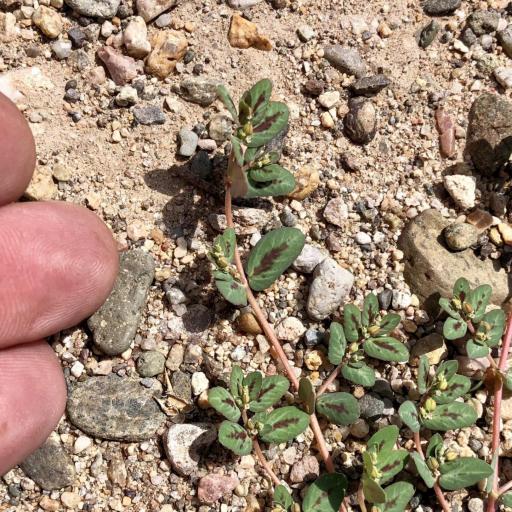
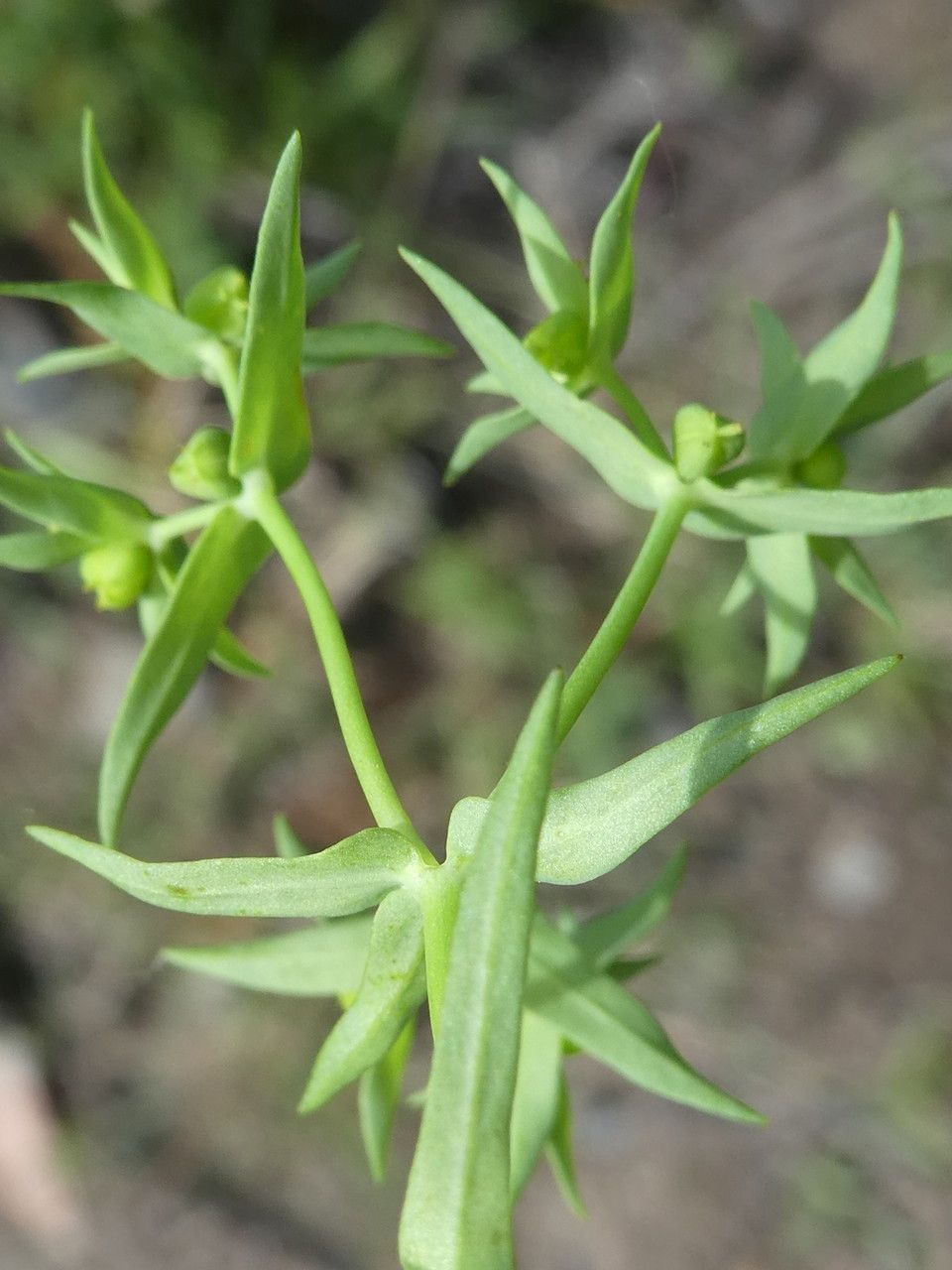
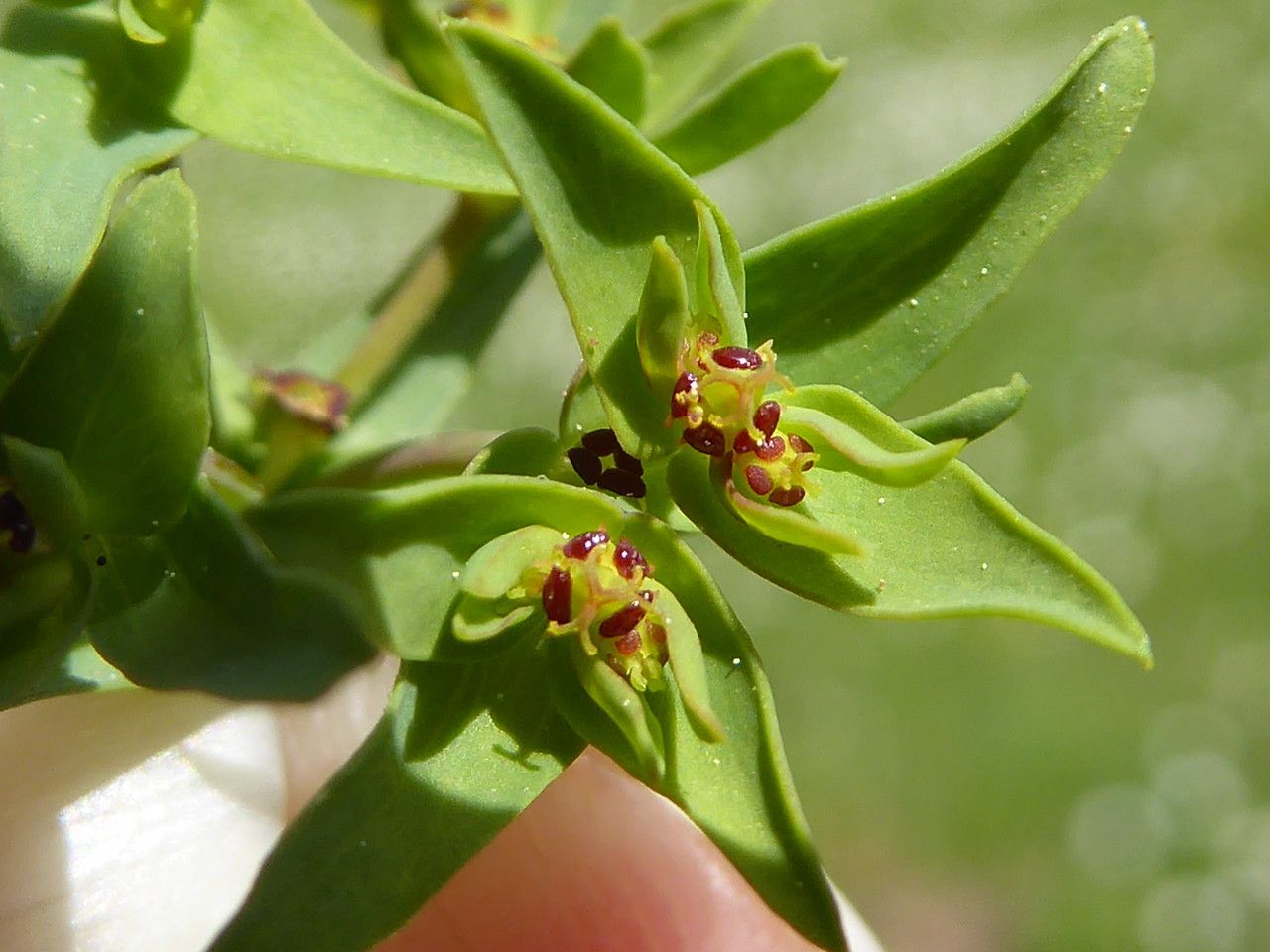
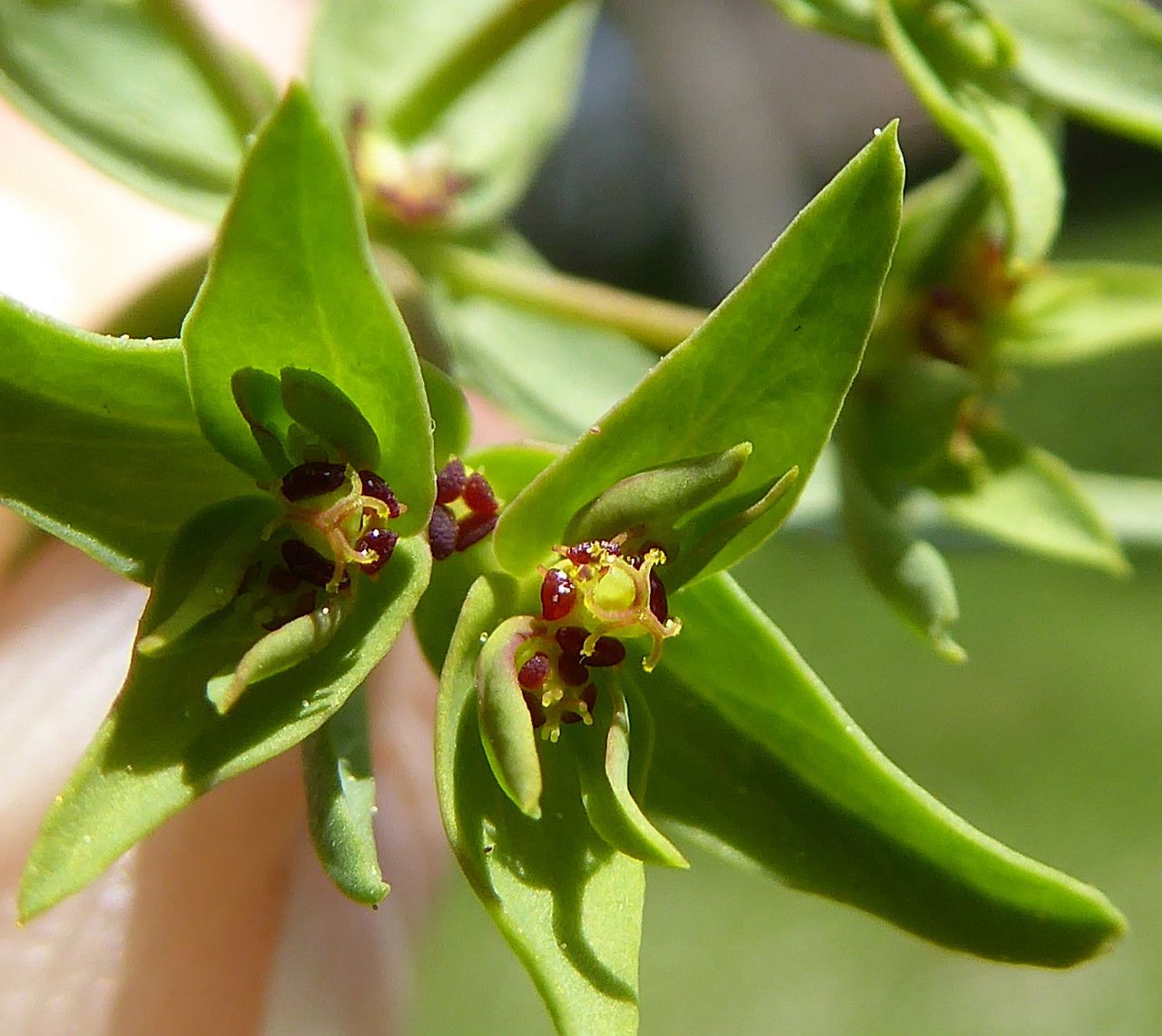
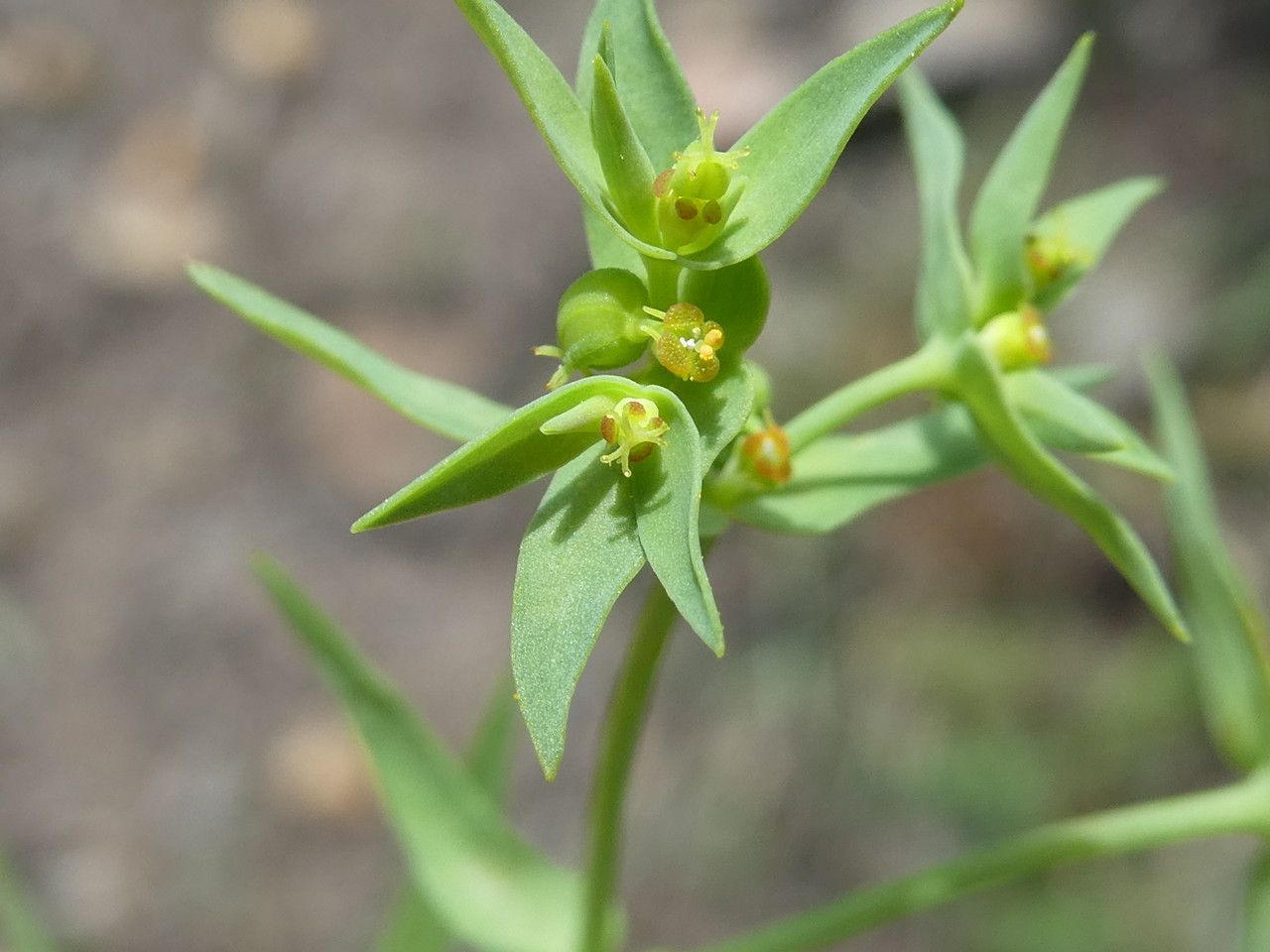
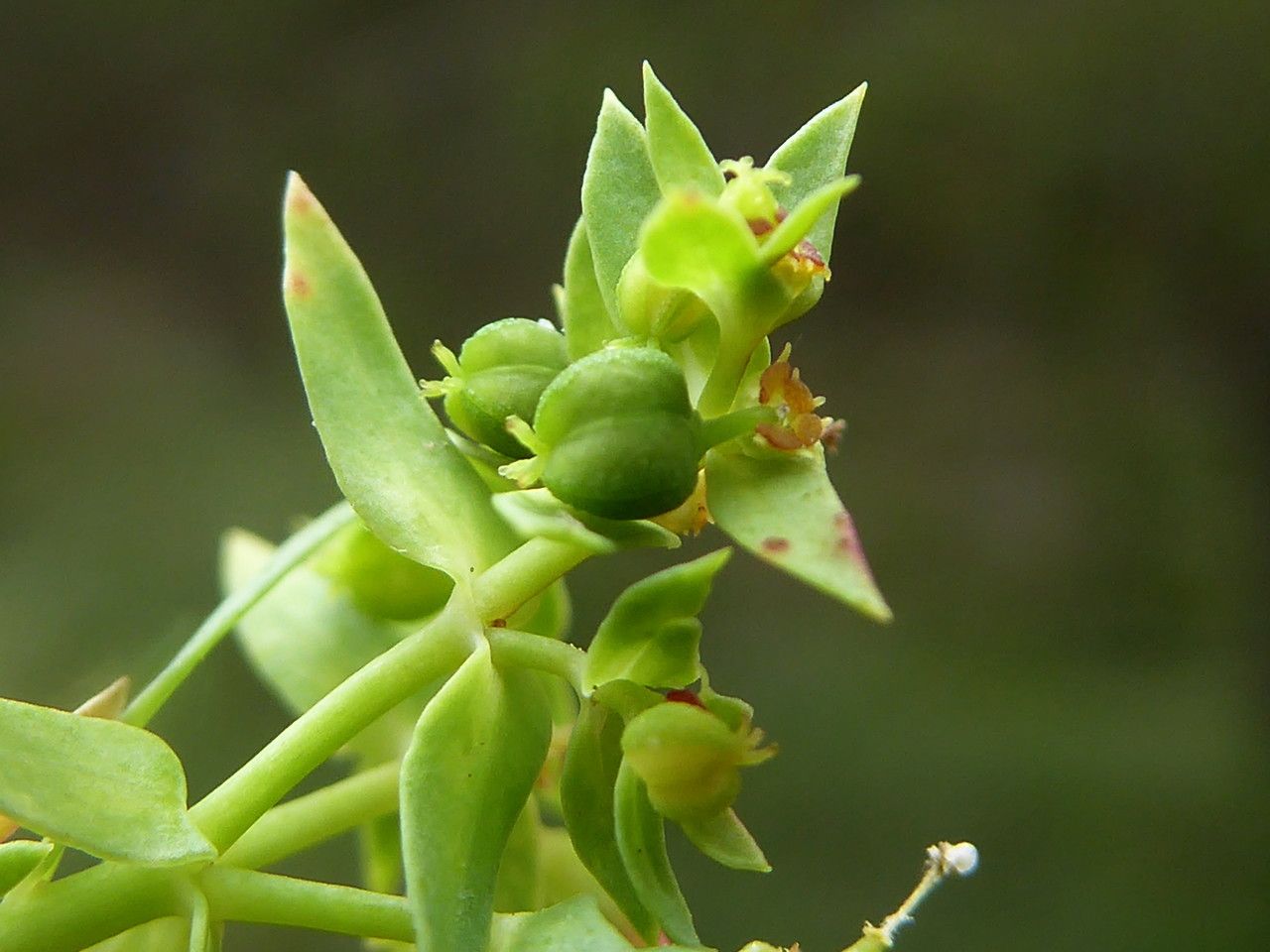
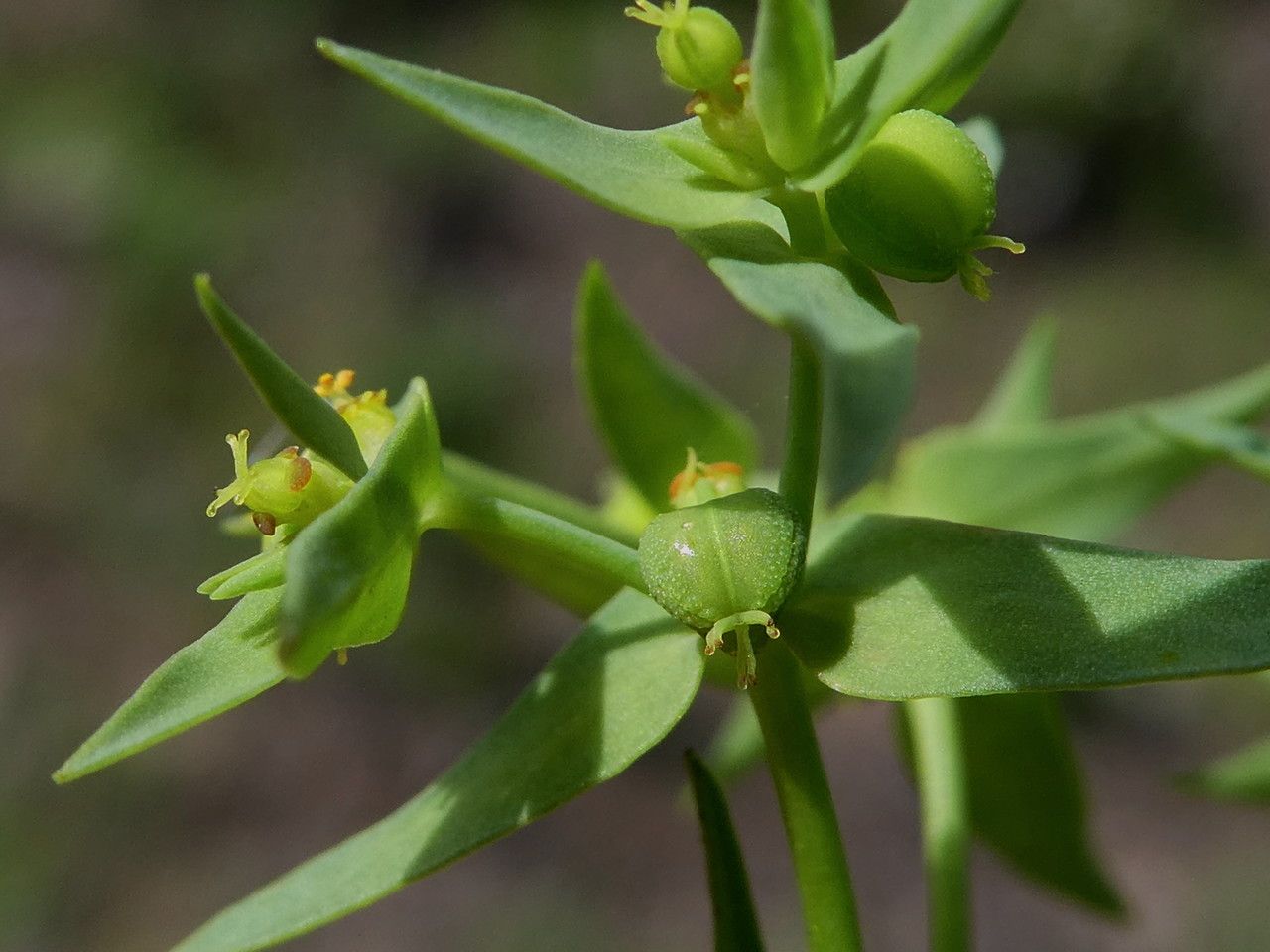
Euphorbia exigua is a compact succulent that belongs to the Euphorbia family. Native to the Canary Islands and North Africa, this plant has also spread to various regions worldwide as an introduced species. It features distinctive thin, green stems that can grow up to 30 cm in height, adorned with small, paired leaves arranged along the stem.
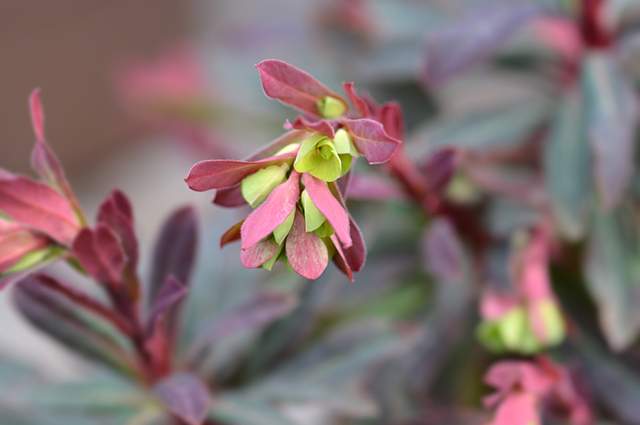
The flowers of Euphorbia exigua are small and yellow-green, emerging at the tips of the stems from late winter to early spring. The plant thrives in well-drained soil with full sun exposure but can also tolerate partial shade.
Indigenous people have utilized Euphorbia exigua for centuries due to its anti-inflammatory properties. However, caution is necessary when handling the plant, as its sap is toxic and can cause skin irritation or even blindness if it contacts the eyes.
In summary, Euphorbia exigua is a fascinating succulent known for its unique appearance and medicinal properties. Nonetheless, it should be handled with care due to its toxic sap.
In the Home
Dwarf spurge is fairly resistant to disease and typically does not suffer from illnesses. Still, it can be affected by pests and diseases present in its environment, though these problems are generally minor. Carewise, the plant needs a moderate amount of attention. It should be trimmed regularly to preserve its appearance and encourage healthy growth. Applying fertilizer can also help increase flowering. Dwarf spurge is appropriate for anyone who has outdoor space, such as a garden or patio, and does not demand extensive gardening experience. It may need more attentive care when cultivated indoors.