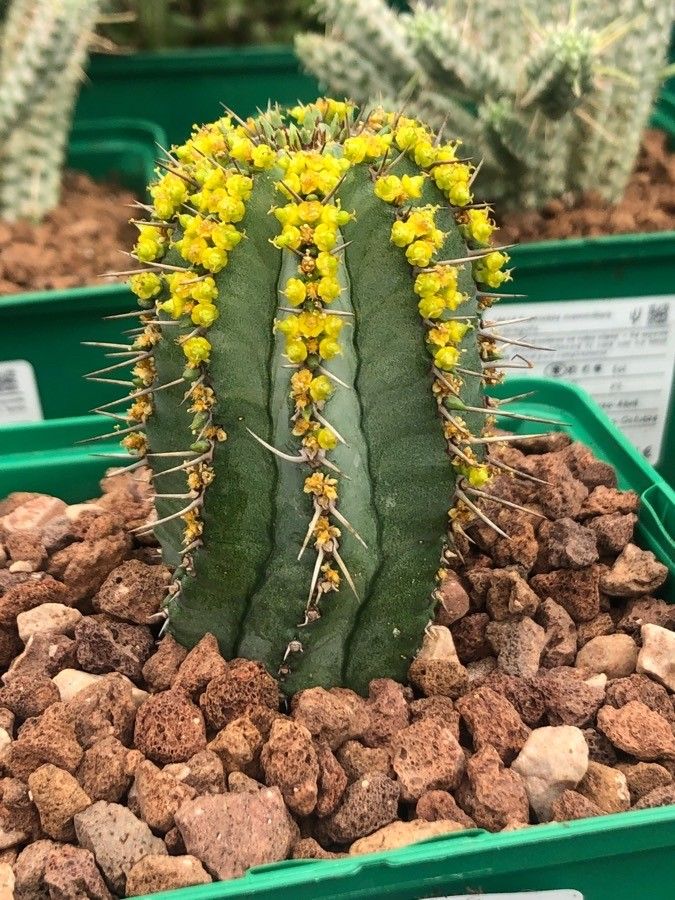
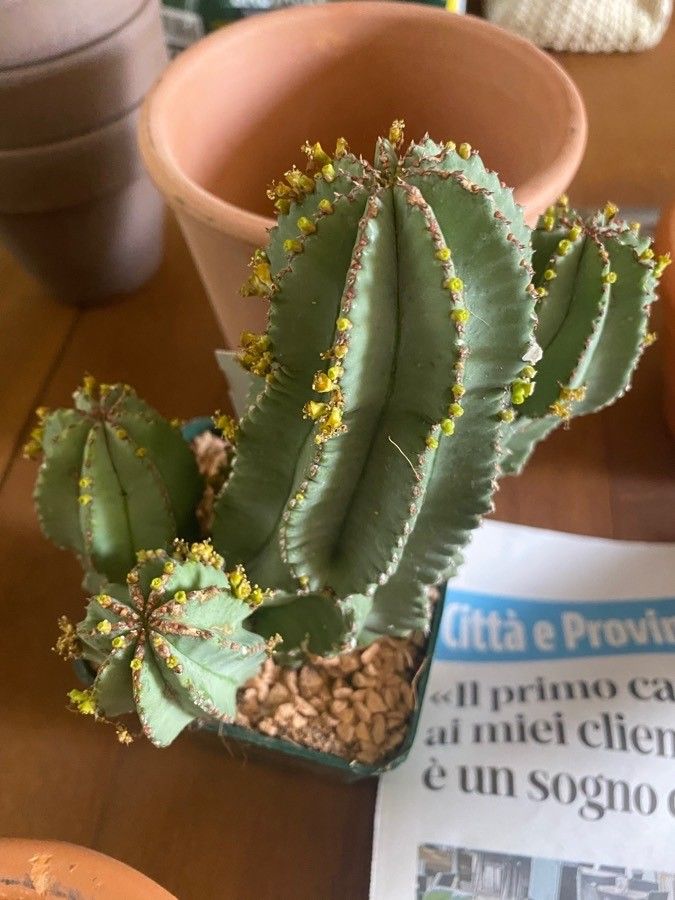
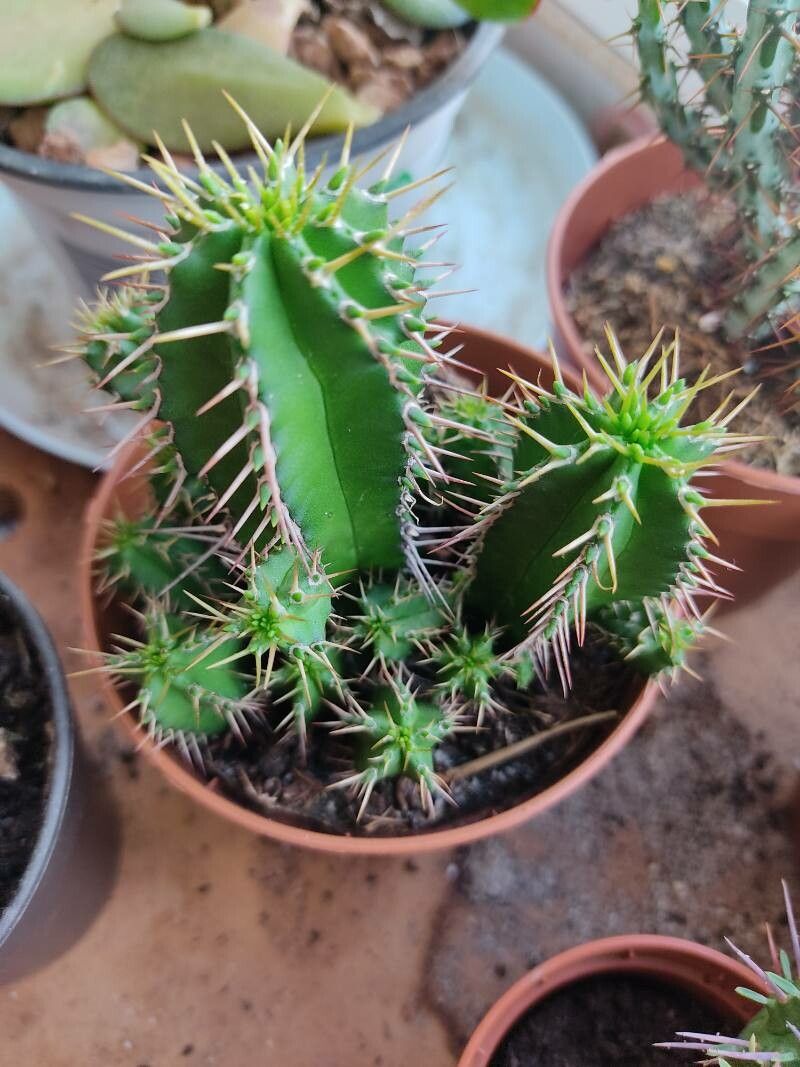
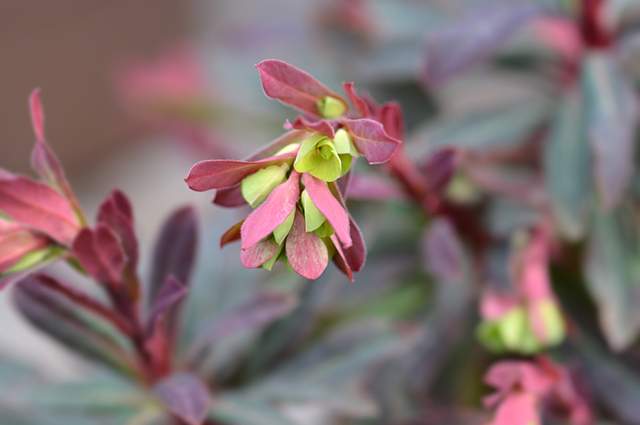
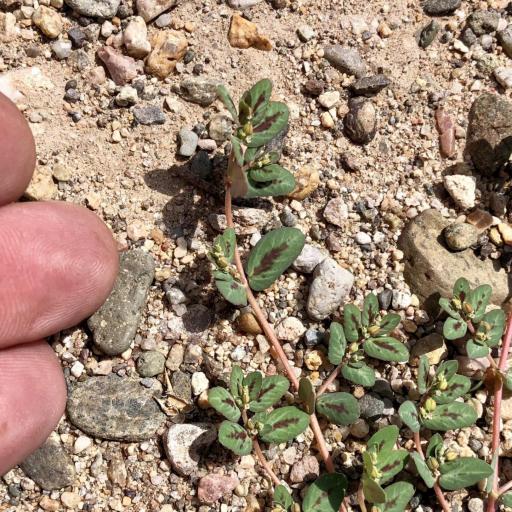
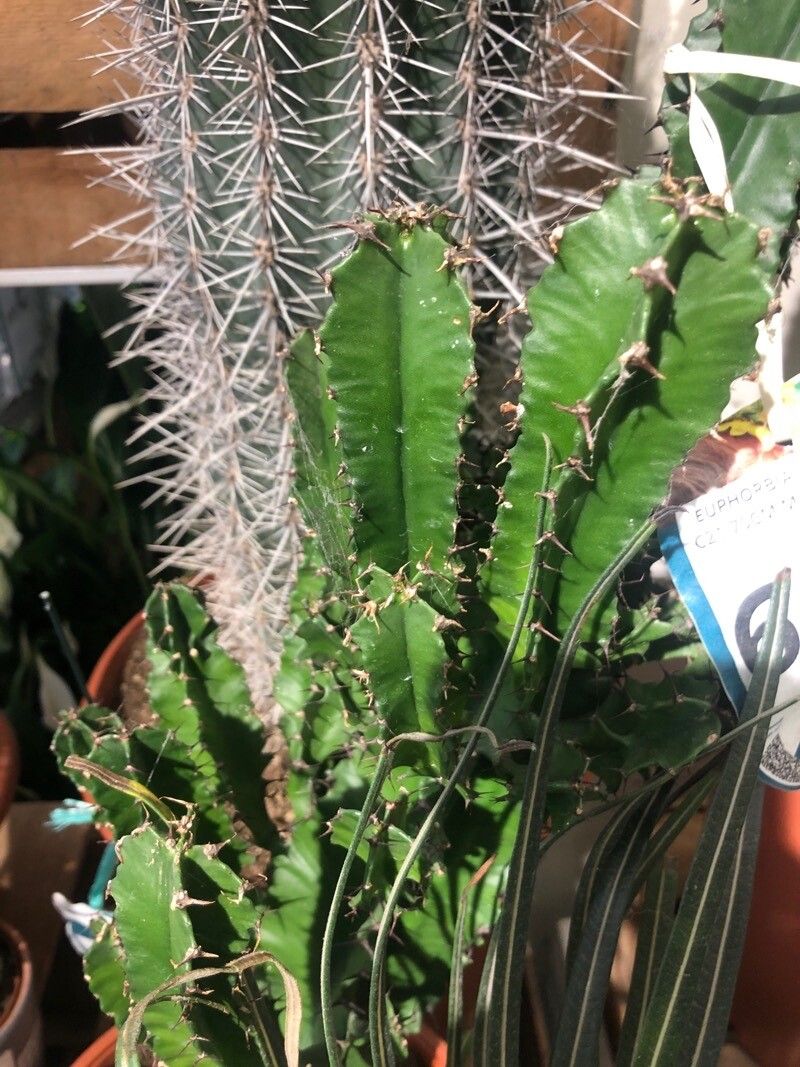
Euphorbia fruticosa, commonly known as the Mediterranean spurge, is a perennial shrub that belongs to the Euphorbiaceae family. Native to the Mediterranean region, this plant thrives in diverse habitats such as rocky slopes, dry hillsides, and open woodlands.
Reaching heights of 1 to 2 meters, Euphorbia fruticosa displays a bushy appearance with numerous branches adorned with small green leaves. These leaves are alternately arranged on the stems and feature an oval shape with pointed tips.
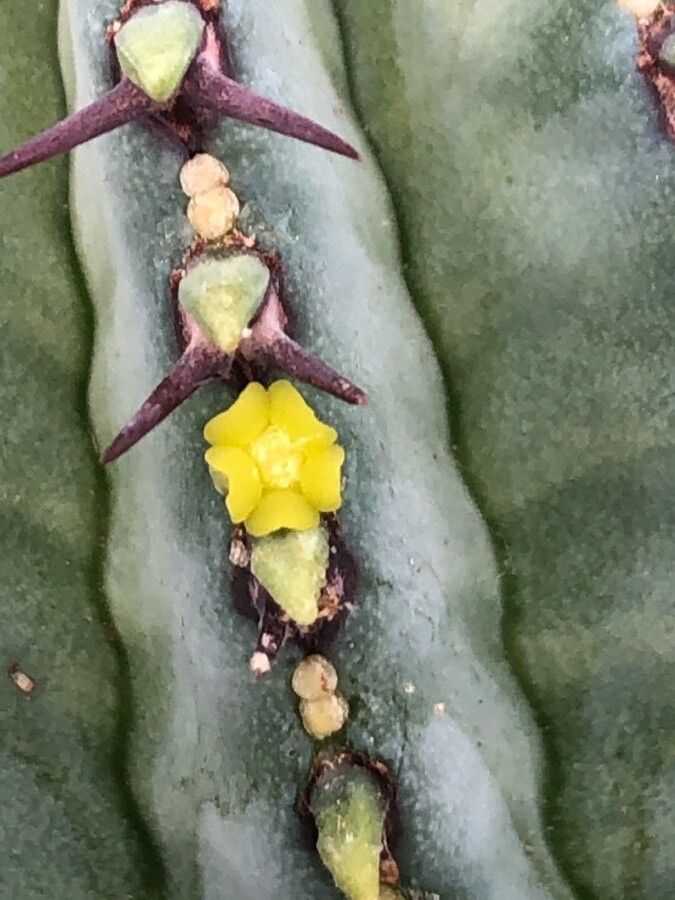
From late winter to early spring, the plant produces small, yellow-green flowers arranged in clusters at the ends of branches.
Drought-tolerant, Euphorbia fruticosa prefers well-drained soil and can adapt to both full sun and partial shade. It can be propagated through seeds or stem cuttings.
Historically, Euphorbia fruticosa has been valued for its anti-inflammatory properties in traditional medicine. However, caution is advised when handling the plant as it secretes a milky sap that can cause skin irritation or allergic reactions if ingested.
Overall, Euphorbia fruticosa is an attractive shrub that enhances garden aesthetics while offering potential medicinal benefits when used appropriately under professional guidance.
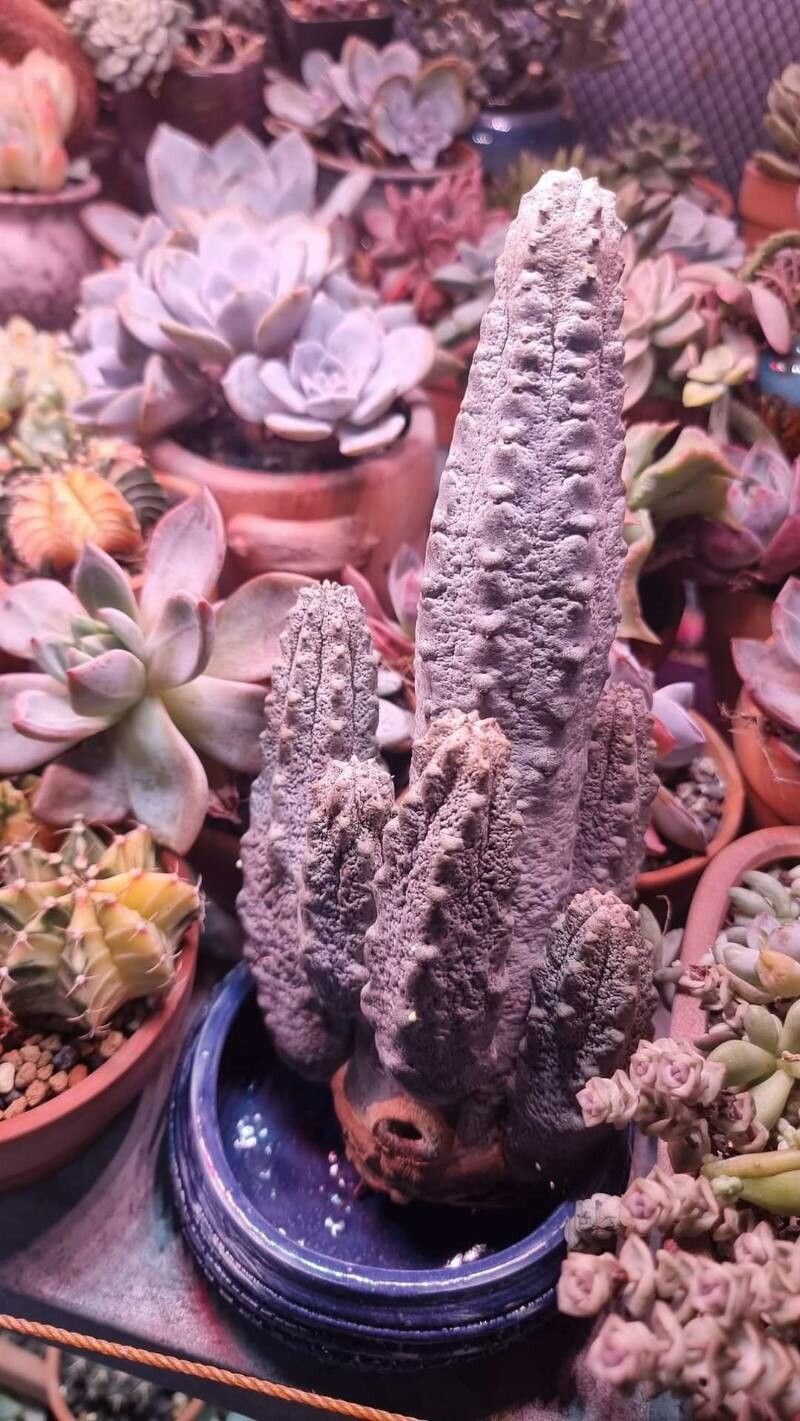
Euphorbia bivonae has moderate disease resistance and is more sensitive to humidity. It becomes vulnerable to disease when humidity is high and is liable to develop root rot during dormancy. Regarding care, Euphorbia bivonae tolerates drought but requires increased watering in the growing season. Watering should be greatly reduced or completely stopped during the dormant period. Euphorbia bivonae is appropriate for growers with some experience, though it can be challenging to maintain, especially during dormancy. It is particularly well suited to those who can dedicate time to its care in the winter months.
How to keep Euphorbia Fruticosa.
Light
Native to dry regions, Euphorbia bivonae prospers in full sun; its natural habitat is marked by intense sunlight and very little shade. It will also tolerate partial sun, providing some flexibility in its growth.
Temperature
Euphorbia bivonae can tolerate some heat, but it mainly does best and grows during the cooler months, becoming dormant in summer. In very hot summer weather, it should be shaded to prevent scorching from strong sunlight. Watering ought to be reduced or stopped during the hottest period to avoid root rot. The plant grows most vigorously in winter and spring. If temperatures don't fall too low, it will continue to grow steadily.
Fertilizer
For Euphorbia bivonae, applying fertilizer once or twice a year during the growing season is sufficient. Avoid fertilizing in winter and in summer when the plant is dormant. Reduce the amount of fertilizer for repotted plants and wait a couple of months after repotting before you fertilize. Fertilizing promotes healthy growth and encourages blooms.
Botanical profile.
- Plant Type
- Succulent, Shrub
- Life Cycle
- Perennial
- Genus
- Euphorbia
- Family
- Euphorbiaceae
- Hardiness Zone
- 9-11
- Mature Height
- 30 cm to 61 cm
- Mature Spread
- 40 cm to 76 cm
- Leaf Color
- Light Green, Dark Green
- Leaf Type
- Semi-evergreen
- Flower Size
- 0.51 cm to 1.02 cm
- Bloom Time
- Mid spring, Late spring, Early summer
- Planting Time
- Spring, Summer, Autumn
- Harvest Time
- Summer
Other names.