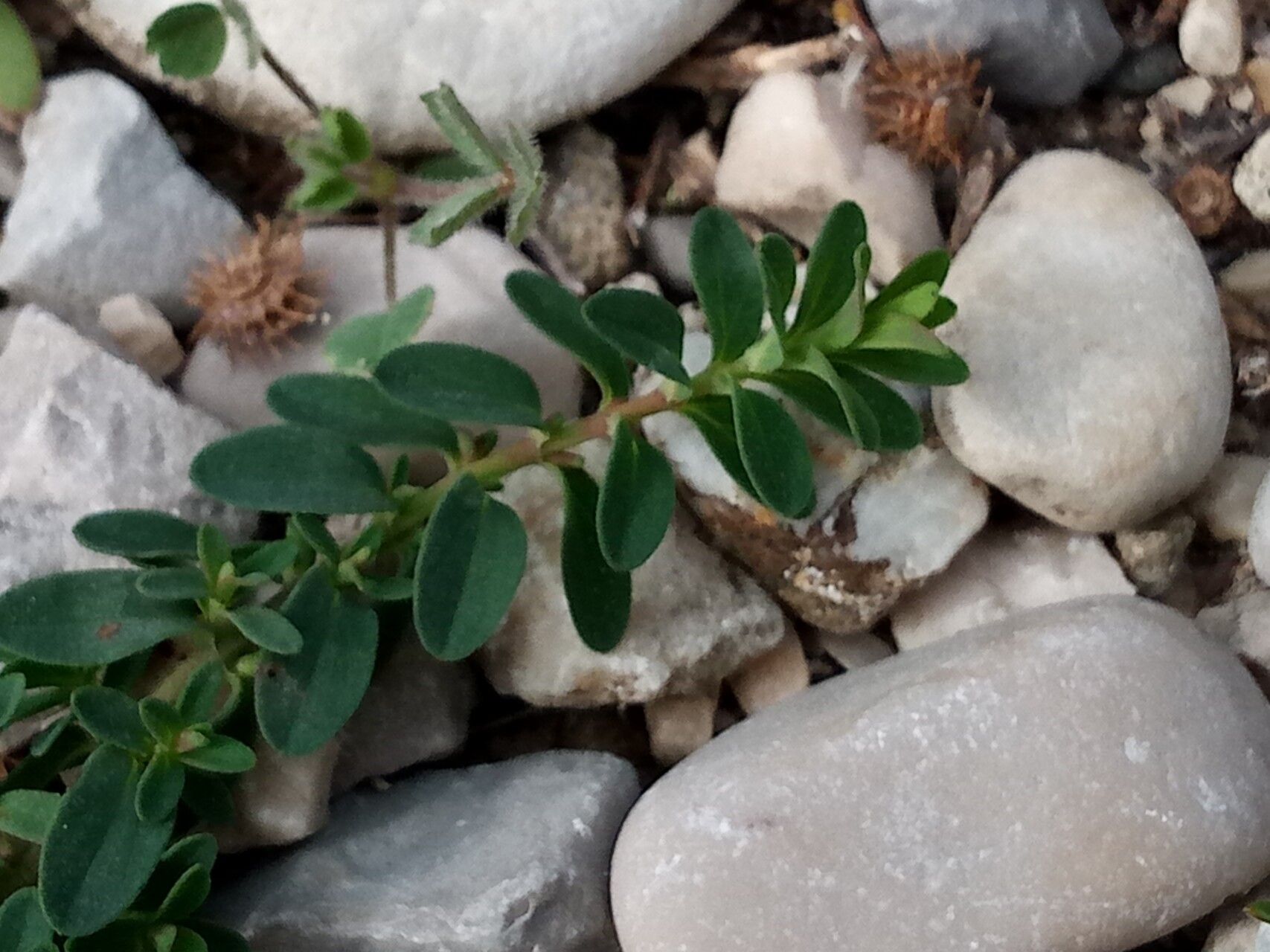
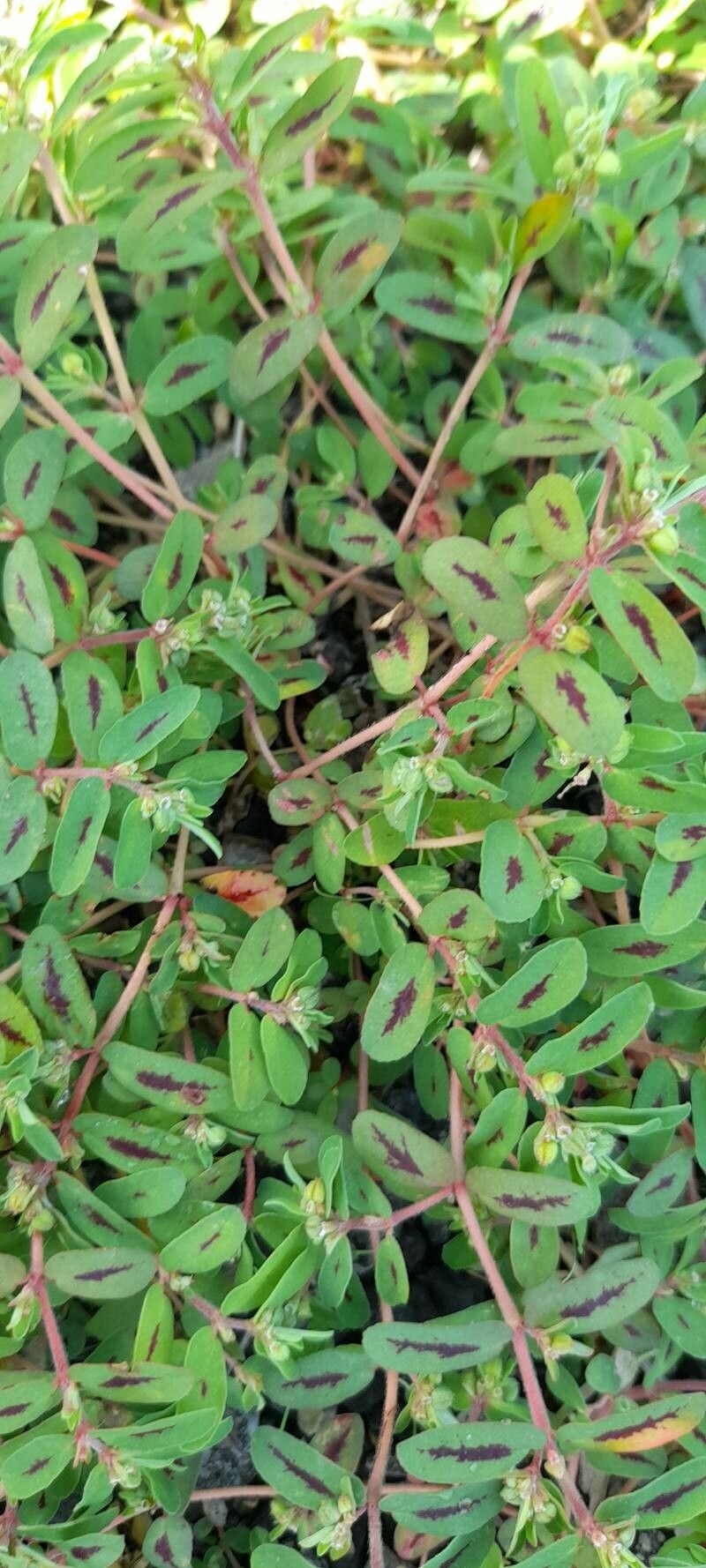
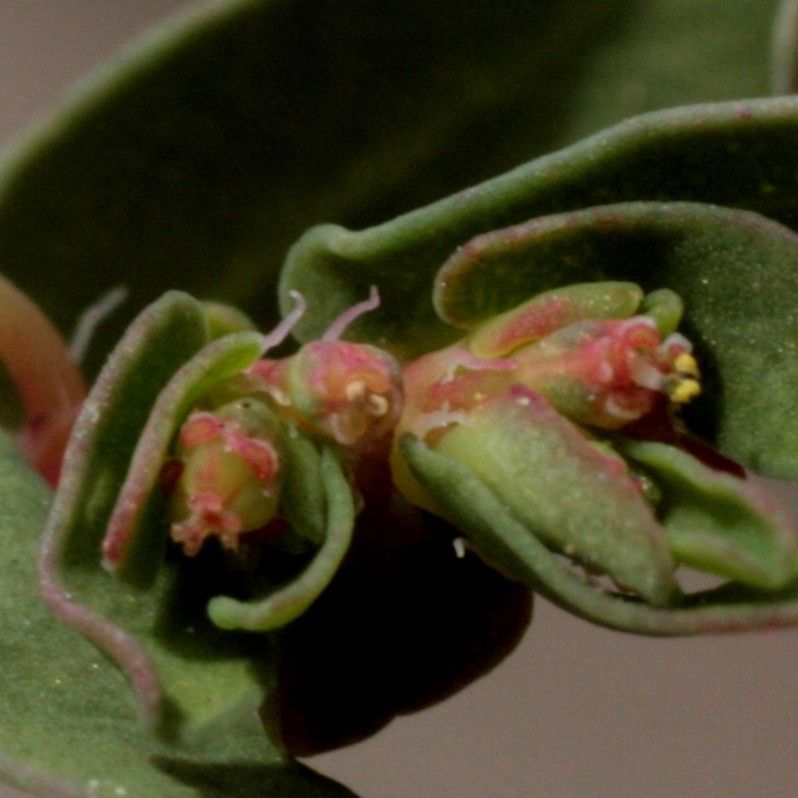
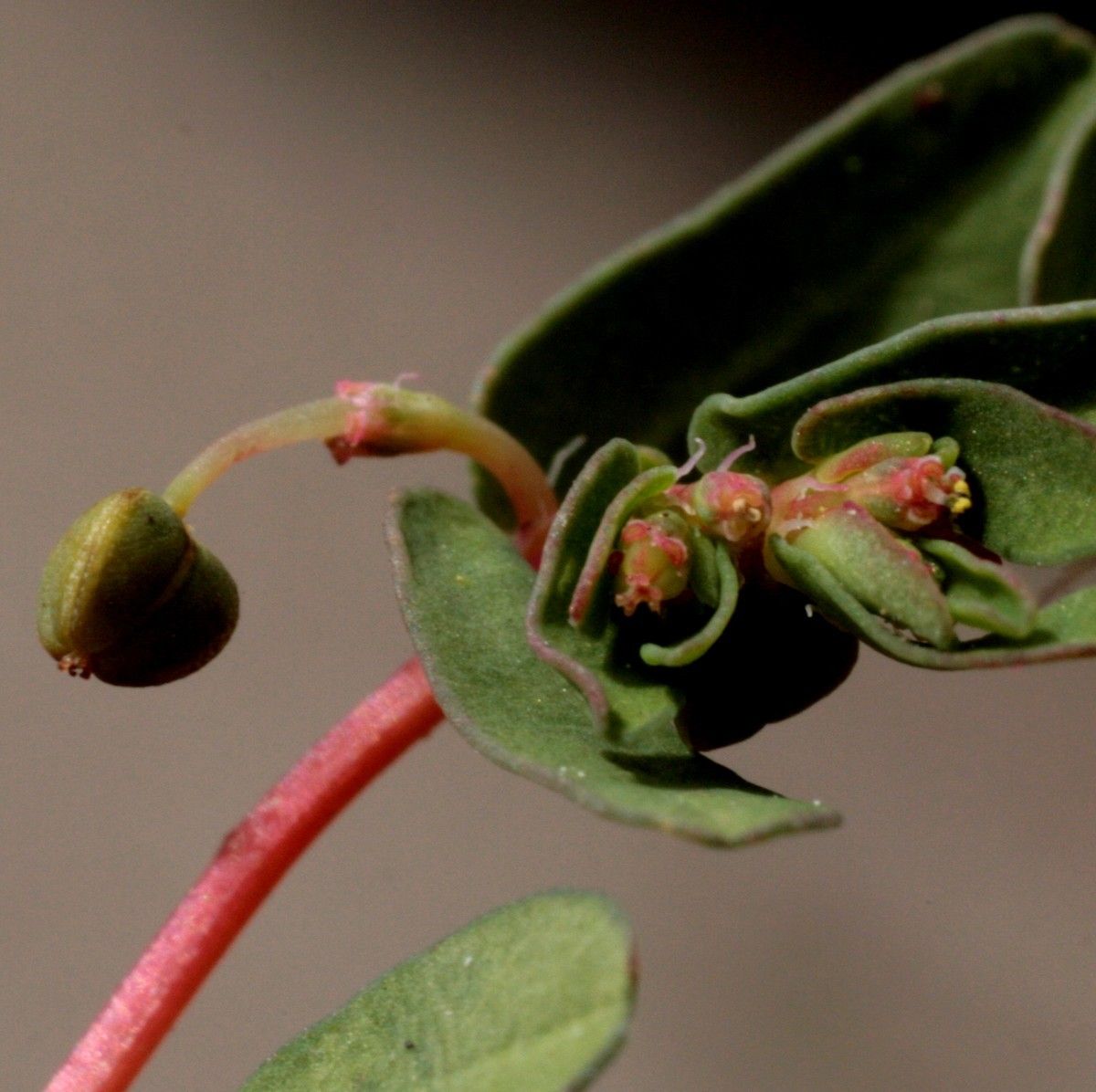
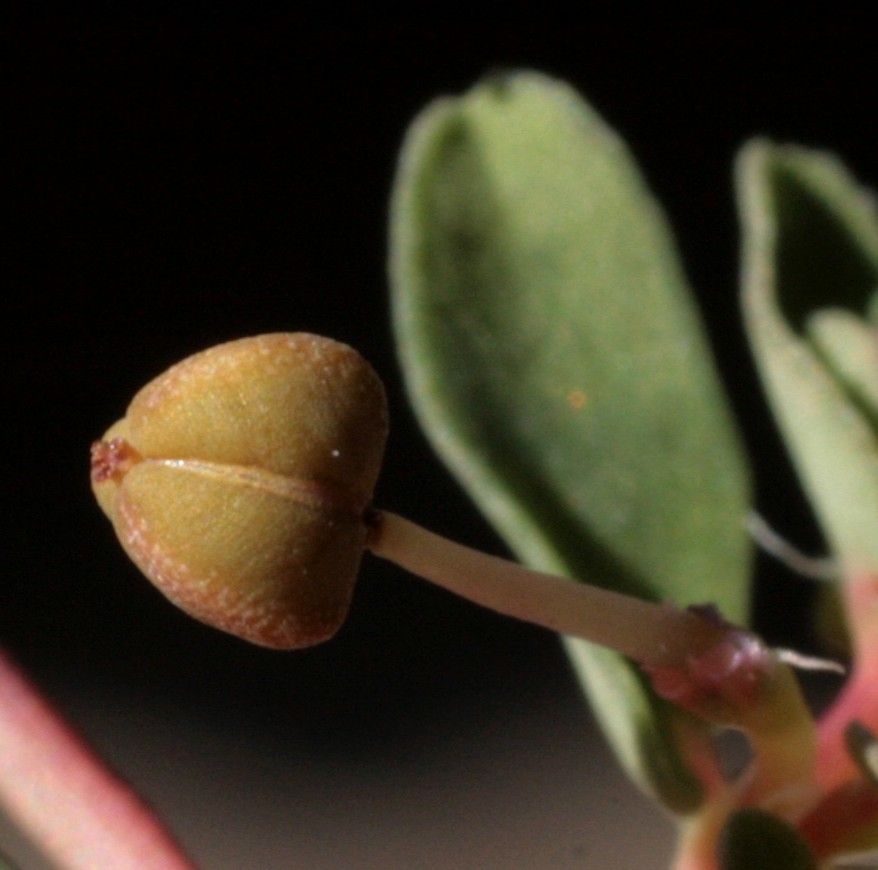
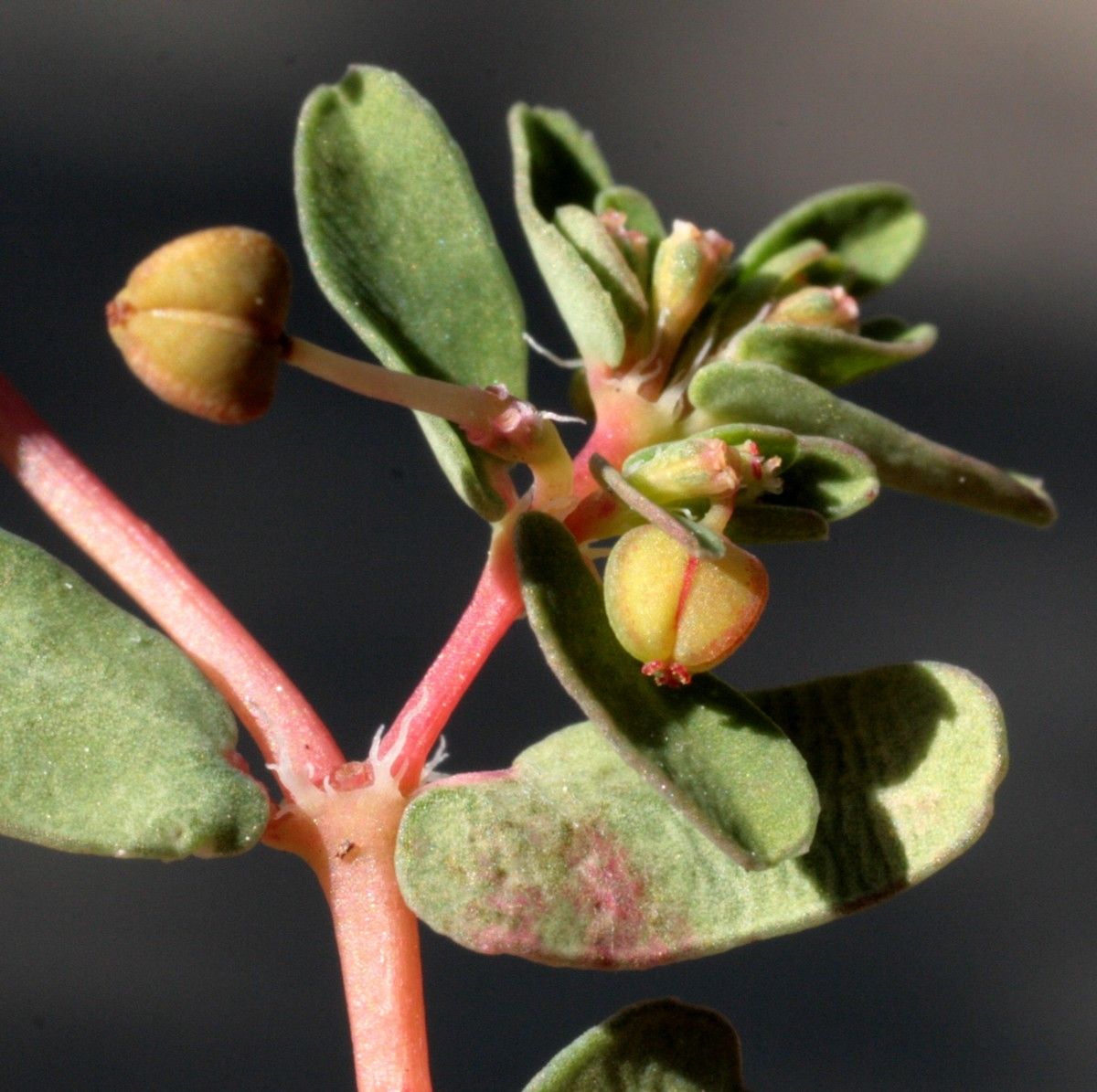
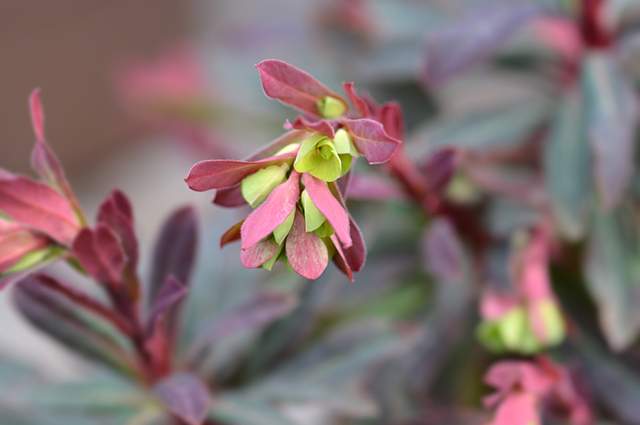
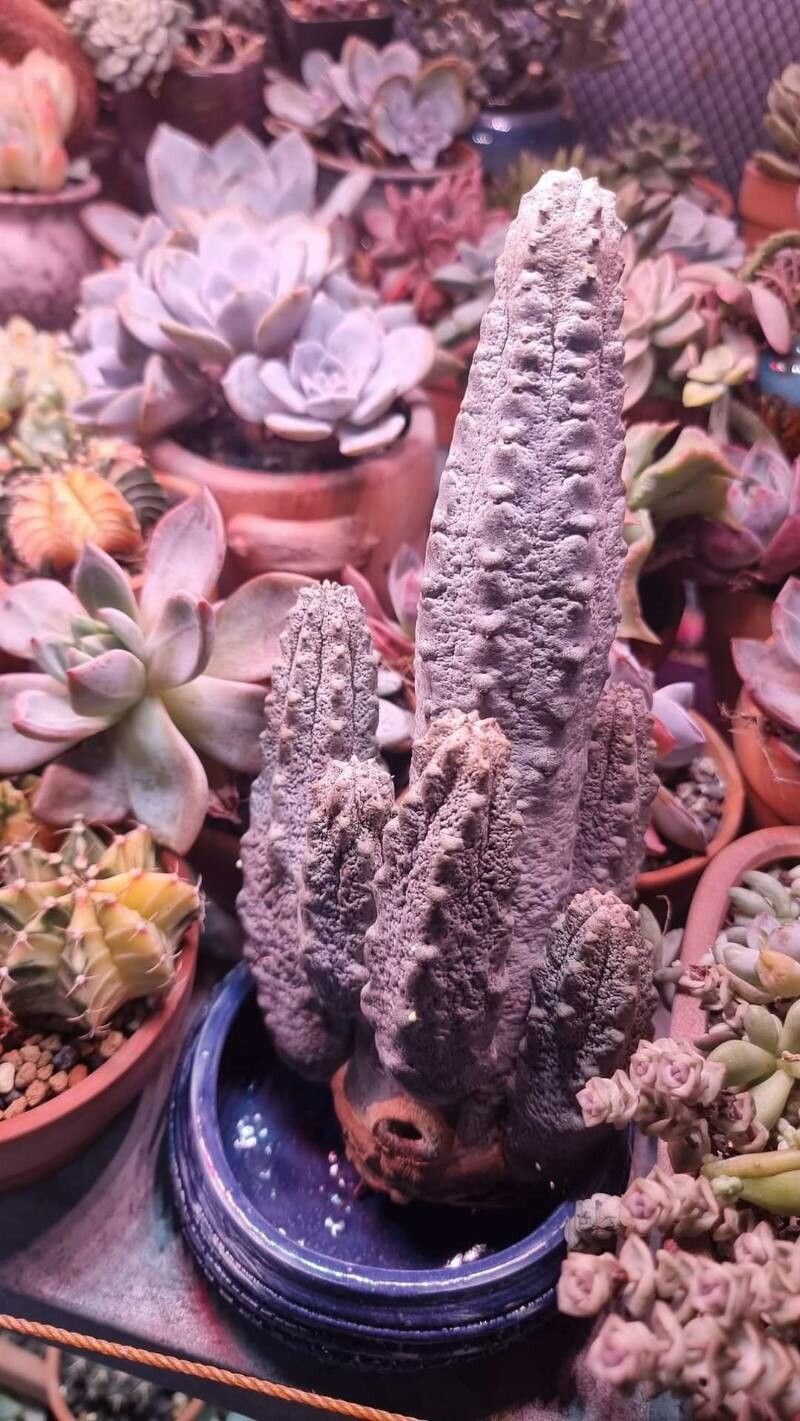
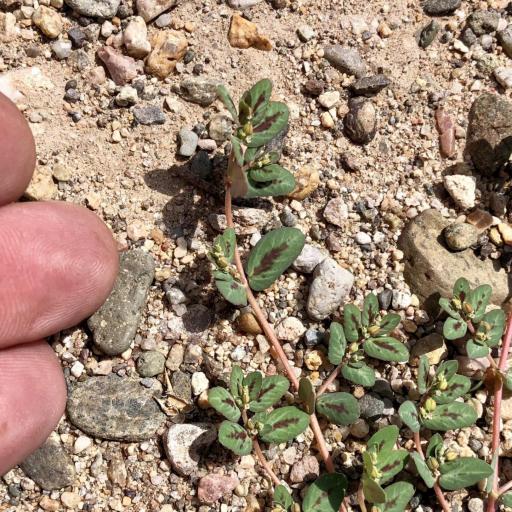
Euphorbia glyptosperma, commonly known as the rib-seeded sandmat, is a perennial plant species native to central and western North America.
Ribseed sandmat is fairly disease-resistant and typically does not suffer from many illnesses. That said, it can be affected by pests and diseases present in its surroundings, though such problems are usually mild. Care-wise, the plant needs moderate maintenance. Regular pruning is necessary to preserve a tidy appearance and support healthy growth. Fertilizing can also help encourage flowering. Ribseed sandmat is appropriate for anyone with an outdoor area, like a garden or patio, and does not require extensive gardening experience. It may demand more attention if kept indoors.
How to keep Euphorbia Glyptosperma.
Light
Ribseed sandmat needs abundant sunlight to grow vigorously but can tolerate semi-shaded conditions. Native to areas with plentiful sun, its best development occurs under those light levels. However, both insufficient and excessive sunlight can impede its growth, highlighting the need for balanced light conditions.
Water
Ribseed sandmat is well-suited to arid environments and requires minimal irrigation. Water it weekly to avoid overwatering, which can be detrimental to its health. This plant is ideal for xeriscaping because it thrives in low-water landscapes, highlighting its drought tolerance and preference for dry conditions.
Temperature
Ribseed sandmat prospers in its natural growth environment at temperatures between 68 and 105.8 °F (20 and 41 ℃). Highly adaptable, ribseed sandmat can accommodate temperature variations within this range across different seasons.
Fertilizer
Ribseed sandmat responds well to regular, light applications of fertilizer to encourage healthy leaf development. Fertilize Ribseed sandmat about once a month during the summer. Nitrogen is important for foliage, and providing nitrogen-rich sources helps Ribseed sandmat thrive.
Pruning
Ribseed sandmat thrives with minimal pruning, which is best performed from early to late spring. To promote the plant's health and shape, remove any dead stems. Light pruning can improve air circulation and light penetration, thereby reducing the risk of diseases. Consistent care helps maintain the plant's vitality and enhances the garden's aesthetics and ecological balance.
Botanical profile.
- Plant Type
- Herb
- Life Cycle
- Annual
- Genus
- Euphorbia
- Family
- Euphorbiaceae
- Hardiness Zone
- 6-13
- Mature Height
- 1 cm to 8 cm
- Mature Spread
- 30 cm
- Leaf Color
- Green, Light Green
- Leaf Type
- Deciduous
- Flower Color
- White
- Flower Size
- 0.05 cm
- Bloom Time
- Summer, Early fall, Mid fall
- Planting Time
- Spring, Summer, Autumn
- Harvest Time
- Late summer, Fall, Early winter
- Native Area
- Mexico
Other names.
Reader questions.
What are the sunlight requirements for Ribseed Sandmat?
Ribseed Sandmat thrives in conditions where it can receive ample sunlight exposure, which is crucial for its robust growth. Ideally, it should be grown in areas that provide full sun, defined as above 6 hours of sunlight daily, or partial sun, which amounts to about 3-6 hours of sunlight. It's essential to monitor the movement of sunlight in your garden to find the perfect spots that offer a balance of light and shade, ensuring the plant's well-being. Even though it can tolerate semi-shaded conditions due to its origins in sunny habitats, both insufficient and excessive sunlight can adversely affect its growth.
What is the native growth temperature range for Ribseed sandmat?
Ribseed sandmat thrives in its native environment within a temperature range of 68 to 105.8 °F (20 to 41 °C). This plant is highly adaptive and can adjust to changing temperatures within this range across different seasons.
How does artificial lighting affect Ribseed Sandmat's growth?
In scenarios where natural sunlight is lacking, especially during winter or in less sunny spaces, artificial lighting becomes crucial for Ribseed Sandmat's indoor growth. Adequate lighting promotes faster and healthier growth. LED lights are recommended for they can be customized to provide specific light wavelengths needed by the plant. Full sun plants should have 30-50W/sq ft of artificial light, partial sun plants need 20-30W/sq ft, while full shade plants require 10-20W/sq ft. The artificial light source should be placed 12-36 inches above the plant to mimic natural light conditions, and it's advisable to provide 8-12 hours of artificial light daily to meet the plant's needs.
Does Ribseed sandmat require special frost protection measures during winter?
Ribseed sandmat has strong cold resistance, so special frost protection measures are usually not necessary during winter. However, if the winter temperatures are expected to drop below -25°C, it is important to provide cold protection by covering the plant with materials such as soil or straw. Before the first freeze in autumn, watering the plant abundantly to ensure the soil remains moist and enters a frozen state can help prevent drought and water scarcity during winter and early spring.
What are the symptoms of inadequate light exposure in Ribseed Sandmat?
When Ribseed Sandmat is grown indoors with insufficient light, it may display several symptoms indicating light deficiency. These include the appearance of smaller new leaves, leggy or sparse growth, early leaf shedding to conserve resources, delayed or halted growth, lighter-colored new leaves due to a lack of chlorophyll, and even chlorosis, which is the yellowing of leaves because of chlorophyll breakdown. Additionally, excessive sunlight can lead to sunscald, leaf curling as a defense against water loss, wilting due to increased transpiration, and leaf scorching, where leaves develop brown, dry, and crispy edges.
How does Ribseed sandmat react to low temperatures?
Ribseed sandmat is cold-tolerant and performs best when the temperature is above 20°C. During winter, it should be kept above 0°C. If the temperature falls below -25°C, there may not be any noticeable changes during winter, but there may be a decrease in sprouting or even no sprouting during springtime.
What solutions can help Ribseed Sandmat recover from light-related issues?
To address light-related issues in Ribseed Sandmat, a gradual adjustment to more favorable light conditions is key. Indoors, if the plant is large or not easily movable, complement natural light with artificial sources, ensuring it receives at least 6 hours of direct light daily, or utilize artificial grow lights for sufficient exposure. Outdoors, move the plants to sunnier spots gradually to prevent sunburn, adjusting their location weekly. Addressing obstructions by pruning trees or transplanting smaller plants during their dormant period to sunnier locations can also improve light availability, enhancing the plant's growth and health.
What should be done if parts of Ribseed sandmat fail to sprout in spring?
If parts of Ribseed sandmat fail to sprout in spring, it is recommended to remove those parts that have failed to sprout. This helps in the maintenance and overall health of the plant.
How does Ribseed sandmat react to high temperatures?
During summer, Ribseed sandmat should be kept below 41°C to prevent damage. When the temperature exceeds 45°C, the leaves may become lighter in color, prone to curling, susceptible to sunburn, and in severe cases, the entire plant may wilt and become dry.
What solutions are suggested for Ribseed sandmat when it is exposed to temperatures exceeding 45°C?
For Ribseed sandmat exposed to temperatures exceeding 45°C, it is advised to trim away the sunburned and dried-up parts. Moving the plant to a shaded location or using a shade cloth can protect it from the midday and afternoon sun. Additionally, watering the plant in the morning and evening will help keep the soil moist and protect the plant from high temperatures.