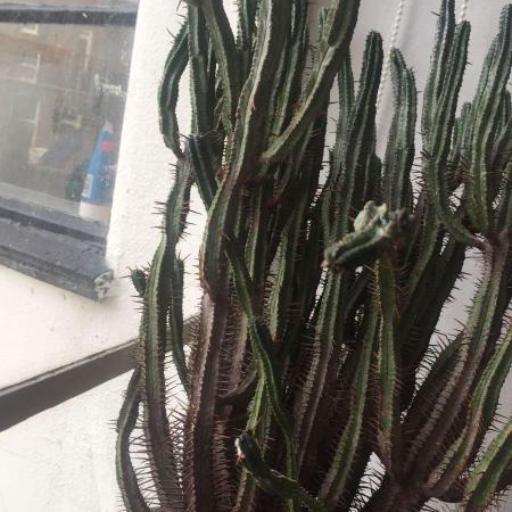
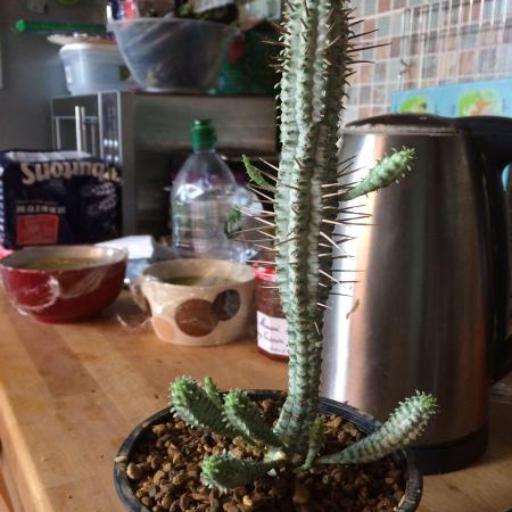
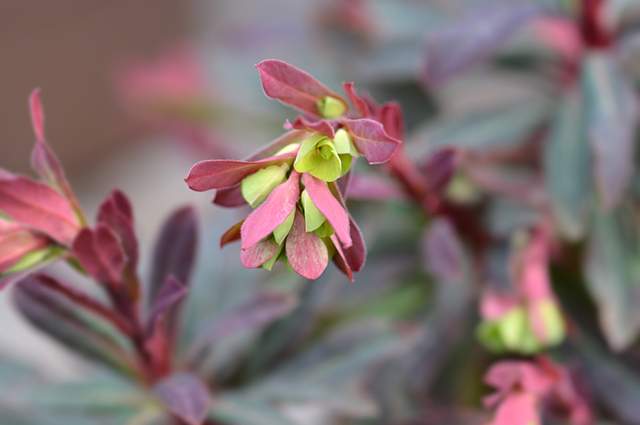
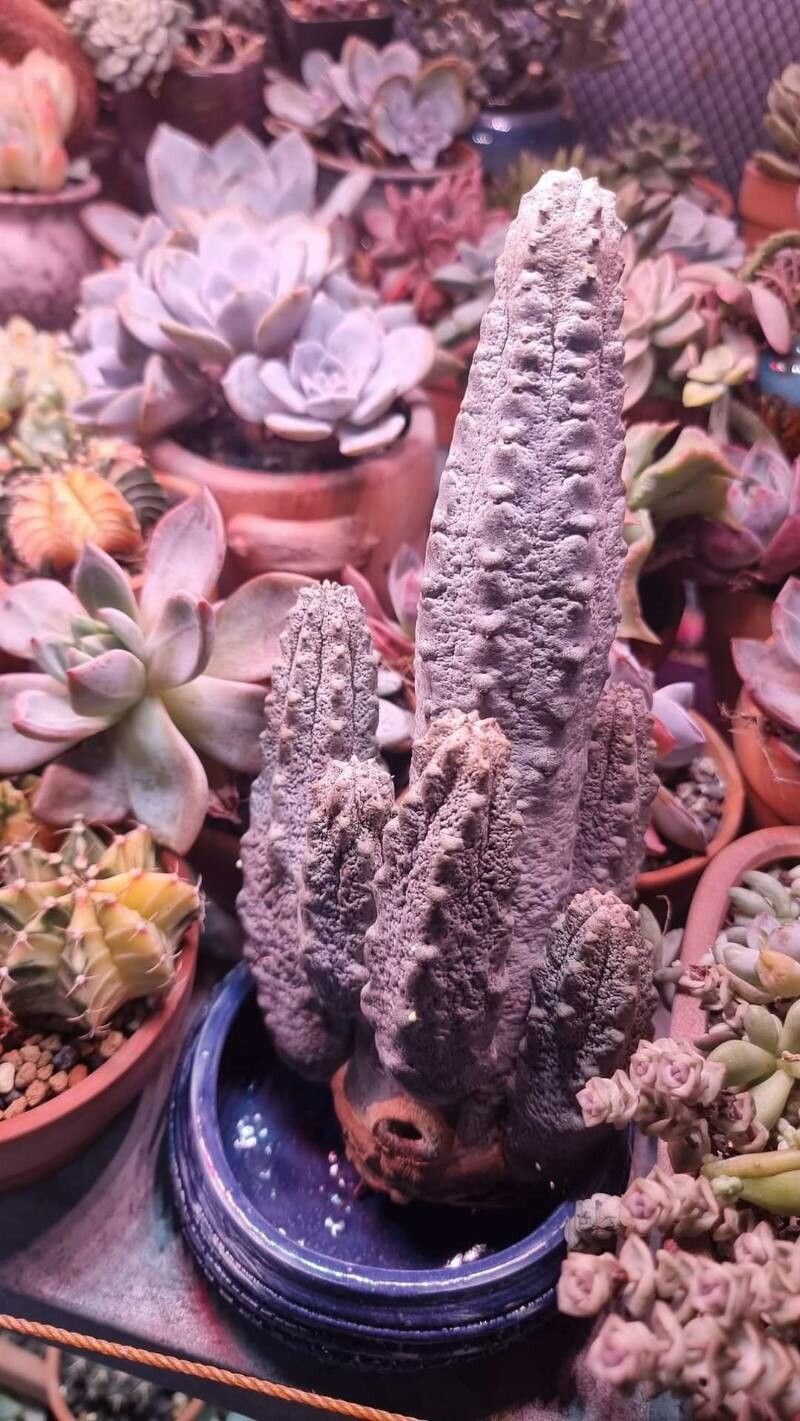
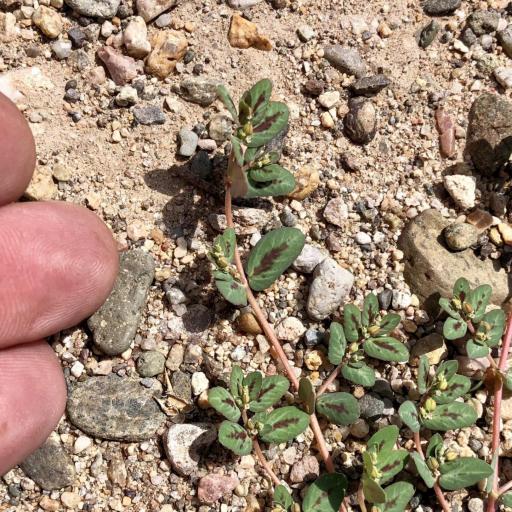
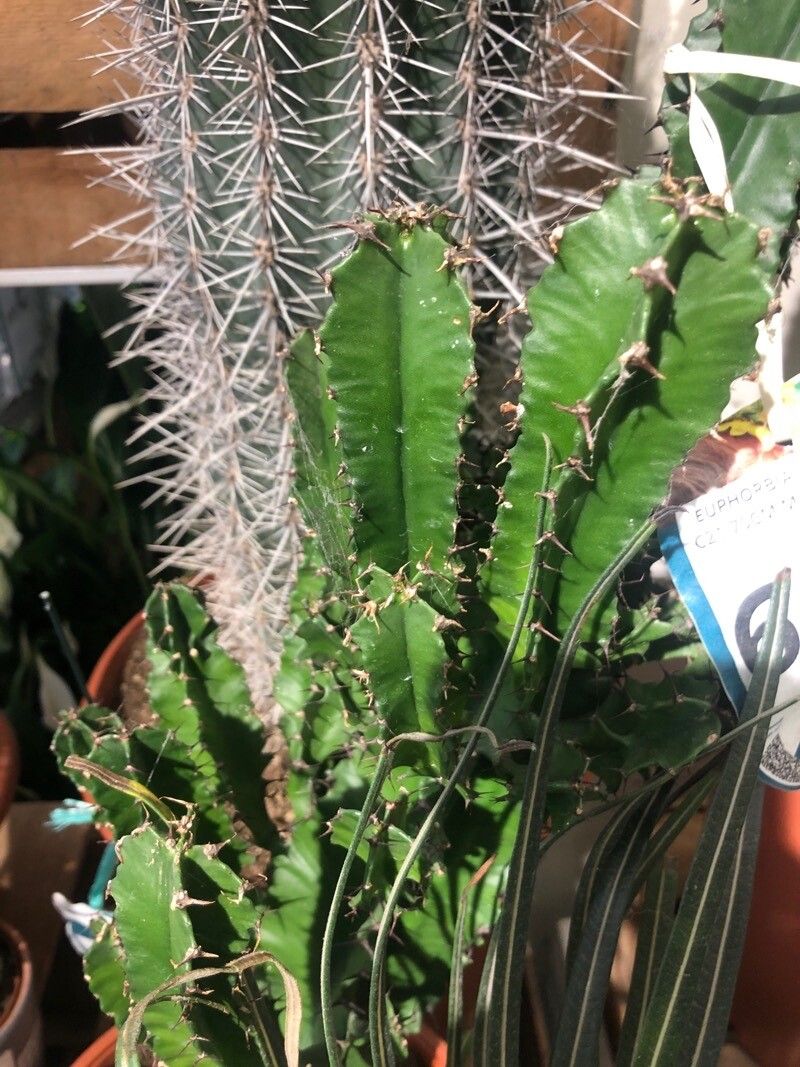
Pincushion euphorbia has moderate disease resistance and is relatively sensitive to high humidity and overwatering. It becomes more prone to disease if kept in low light and given too much water. Regarding care, pincushion euphorbia is drought-tolerant and can withstand extended intervals between waterings. It needs little fertilizer and only occasional pruning. These characteristics make it suitable for people of all experience levels, especially those who prefer to spend less time on plant care or who may be away from home for extended periods. It is a good option for anyone who does not want to devote a lot of time to caring for plants but still wants an easy-to-maintain specimen.
How to keep Euphorbia Heptagona.
Light
Pincushion euphorbia thrives in places where there is plenty of sunlight for the majority of the day, but it can also grow well with somewhat restricted sun exposure. Its origins in landscapes with considerable sun radiation mean that the amount of light, whether little or plenty, can have a significant impact on the health and growth of this plant.
Water
The pincushion euphorbia thrives in dry, semi-arid environments and is tolerant of drought conditions. To prevent overwatering, it should be watered once a week. Since it is commonly grown indoors, it is important to ensure proper drainage in the container to avoid root rot and maintain healthy moisture levels.
Temperature
The pincushion euphorbia flourishes in hot climates and needs elevated temperatures in its growth period to boost its development and metabolism. It favors abundant sunlight, suitable humidity, and adequate air circulation. Nevertheless, it is vulnerable to harm from exceedingly low temperatures and too much watering. It's crucial to maintain a balance, circumventing excessively soaring temperatures and extremely dry conditions as well.
Fertilizer
For the Pincushion euphorbia, it's enough to lightly fertilize 1-2 times annually during the growth period. Refrain from fertilizing during winter and summer when the plant is dormant. After repotting, lessen the amount of fertilizer and hold off on fertilizing for a few months. The act of fertilizing promotes robust growth and stimulates flowering.
Pot & Repot
Repot your pincushion euphorbia every 2 to 3 years during the spring. When you do, choose a larger pot with excellent drainage. After repotting, position the plant in a location with bright, indirect light. Refrain from watering it for a week to prevent root rot and to help the plant recover.
Botanical profile.
- Plant Type
- Succulent
- Life Cycle
- Perennial
- Genus
- Euphorbia
- Family
- Euphorbiaceae
- Hardiness Zone
- 9-11
- Mature Height
- 30 cm
- Mature Spread
- 49 cm
- Leaf Color
- Dark Green
- Leaf Type
- Deciduous
- Flower Color
- Yellow
- Bloom Time
- Summer
- Planting Time
- Spring, Autumn
- Harvest Time
- Late summer, Early fall, Mid fall
- Native Area
- South Africa
Other names.