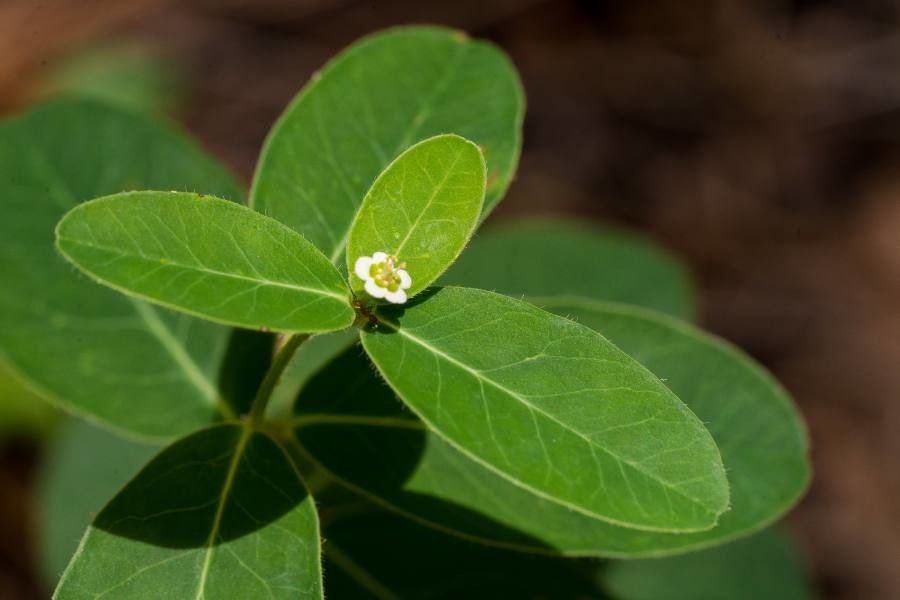
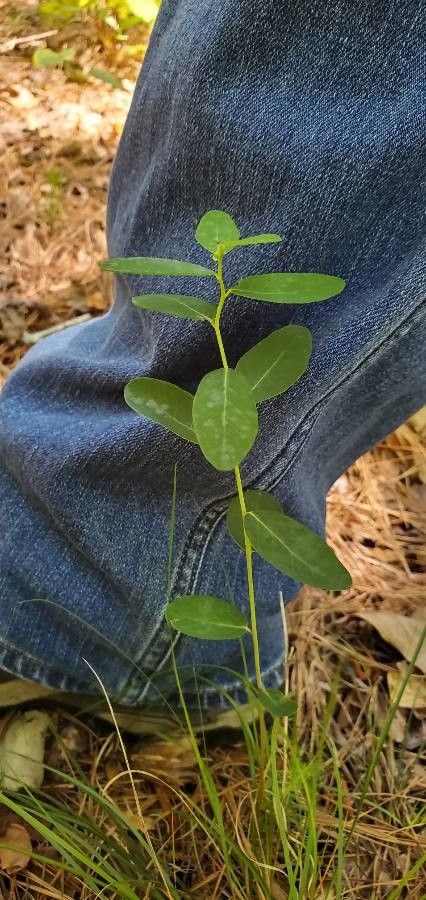
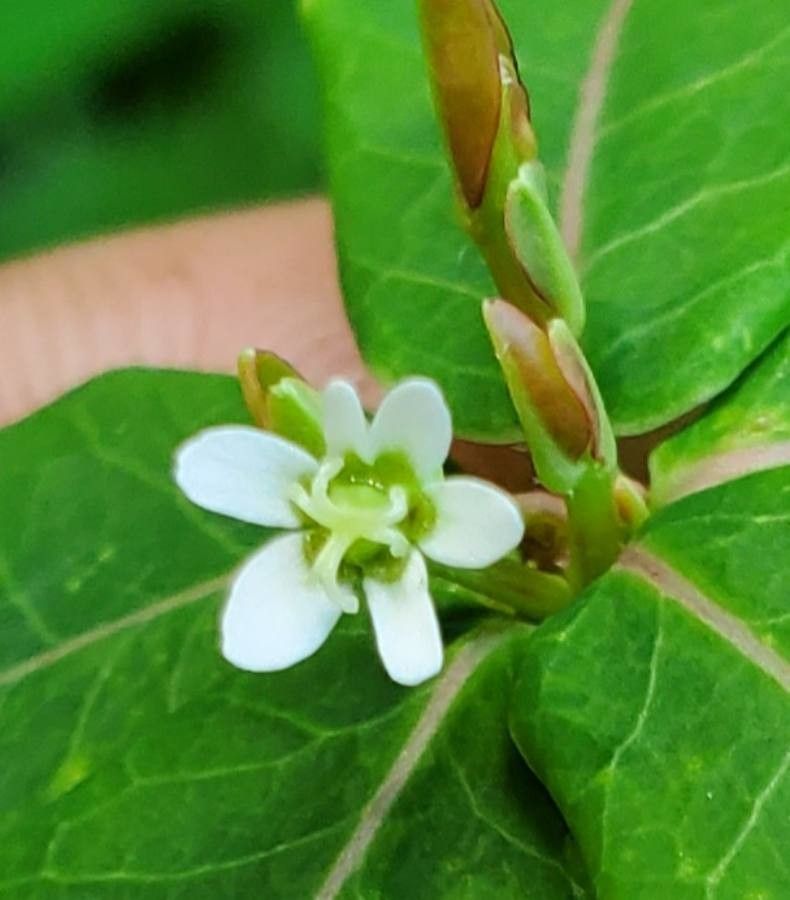
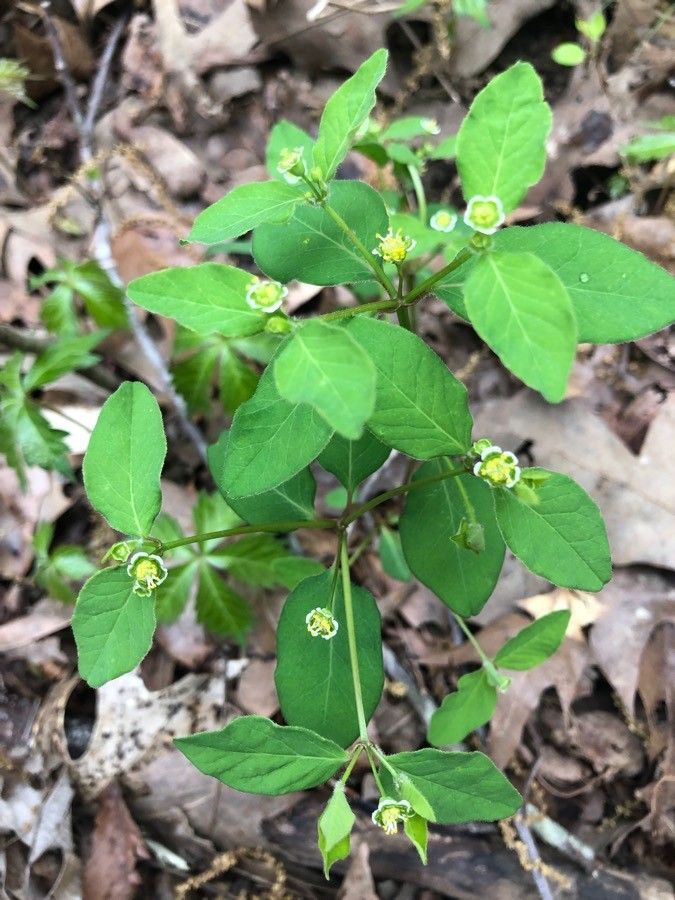
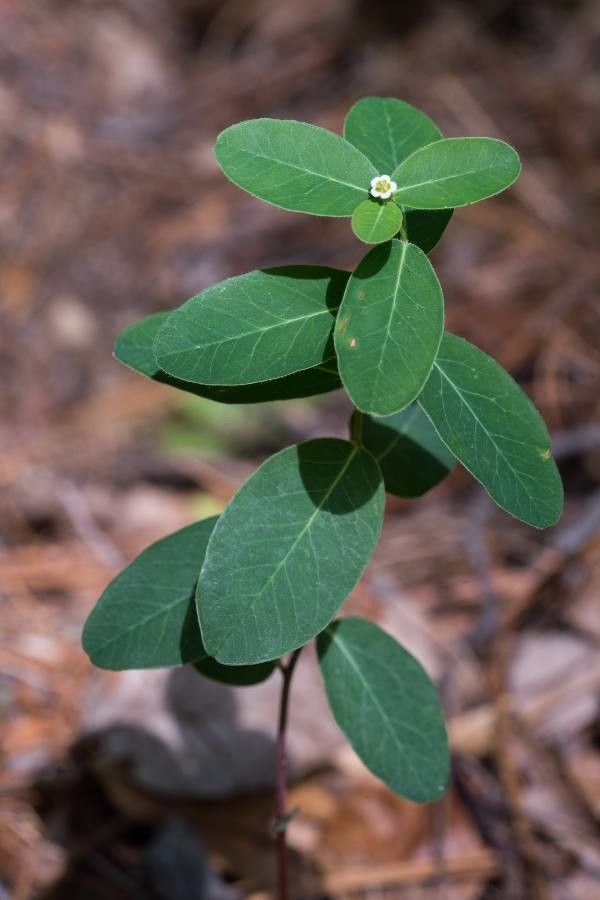
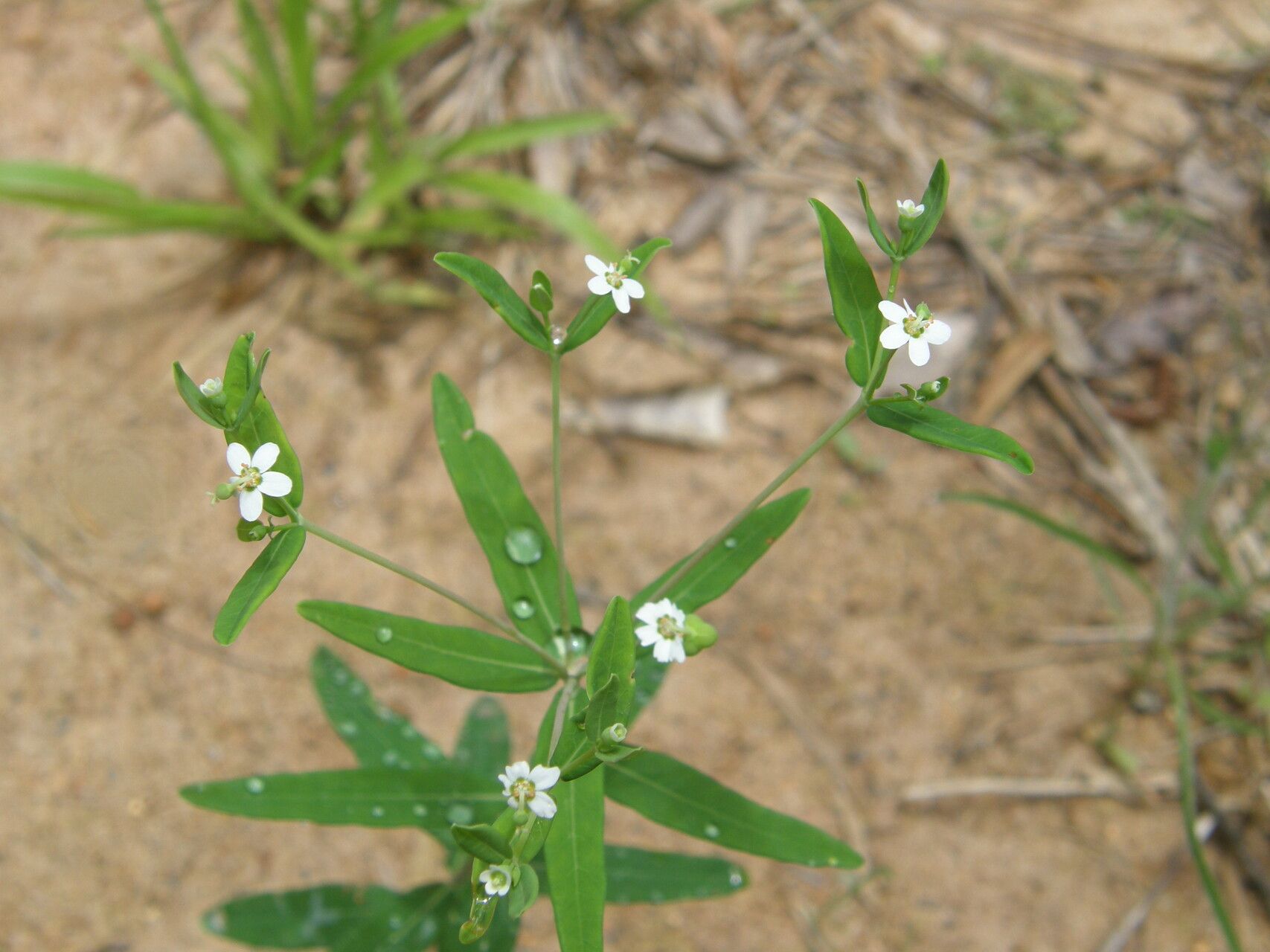
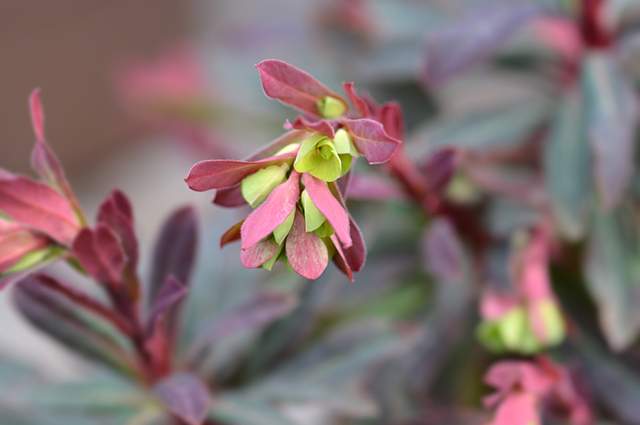
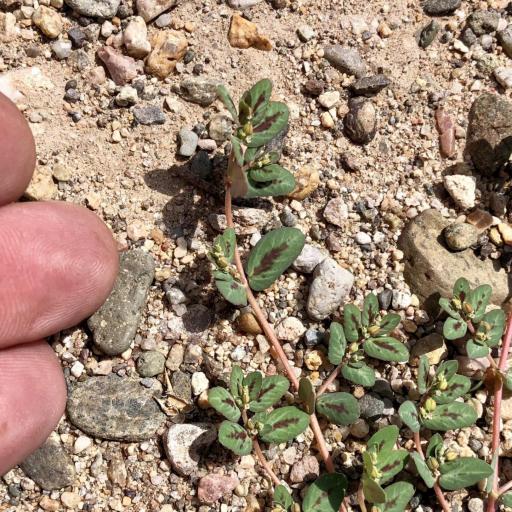
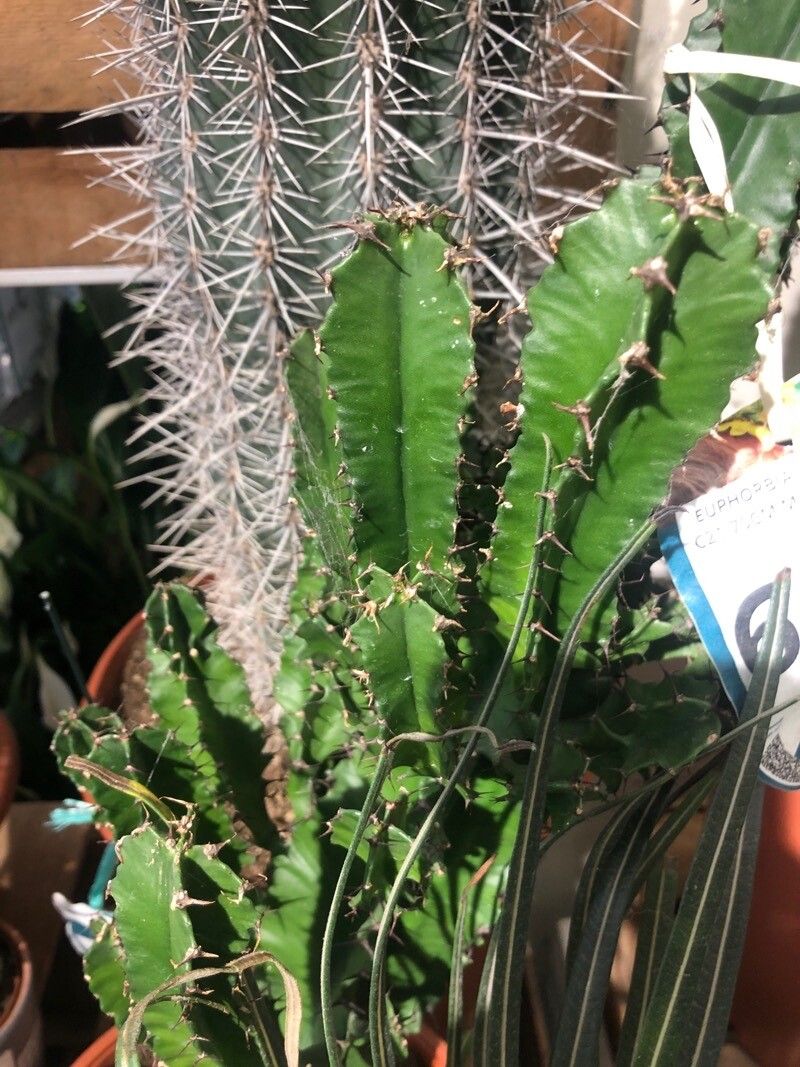
Euphorbia pubentissima, commonly called the southeastern flowering spurge or false flowering spurge, is a species of plant in the spurge family. It is native to the Southeastern United States where it is found in areas of sandy, open woodlands. It produces small flowers surrounded by white involucral gland appendages from spring to fall.Euphorbia pubentissima is a variable species with a complex taxonomic history. It has been included in Euphorbia corollata by past researchers, which has obscured the true limits of its geographic distribution.
False flowering spurge has good resistance to disease and is generally not prone to illnesses. Nevertheless, it can be affected by pests and diseases present in the surrounding area, though such infections are typically mild. Regarding care, the plant is medium maintenance. It should be pruned regularly to preserve an attractive appearance and encourage healthy growth. Applying fertilizer can also help promote flowering. False flowering spurge is well suited for anyone with outdoor space, like a garden or patio, and does not demand extensive care experience. It may need more attention when cultivated indoors.
How to keep Euphorbia Pubentissima.
Light
False flowering spurge occurs naturally in habitats such as forest understories or rocky areas, where it is exposed to natural shade. It prefers partial sun but can tolerate full sun or full shade, illustrating its versatile and hardy nature.
Water
False flowering spurge thrives in moderate moisture conditions and benefits from consistent hydration, making weekly watering ideal. This plant is typically grown indoors, where it prefers a stable environment and a regular watering schedule to mimic natural rainfall, which is essential for maintaining its lush appearance.
Temperature
False flowering spurge can tolerate a broad range of temperatures, though its distribution may still be constrained by different combinations of moisture and heat. It performs best in warm summer climates with sufficient rainfall or watering. Extended periods of cloudy, rainy weather or prolonged high temperatures can increase the risk of the plant dying. In winter, adequate protection from the cold can enhance its survival rate.
Fertilizer
One spring application of fertilizer is generally enough for False flowering spurge, though additional feedings can enhance growth. Feed every four to six weeks. Fertilization improves the leaves' appearance and function, helping maintain even color and a healthy texture. It also promotes root development and nutrient uptake for long-term plant health.
Pruning
The false flowering spurge thrives in well-drained soils and is known for its delicate flowering patterns. To improve air circulation, reduce the risk of disease, and encourage fuller growth, prune any damaged stems from early to late spring. Be sure to sanitize your tools to prevent infection, and time your pruning to align with the plant's growth cycle for the best results.
Botanical profile.
- Plant Type
- Herb
- Life Cycle
- Perennial
- Genus
- Euphorbia
- Family
- Euphorbiaceae
- Hardiness Zone
- 7-10
- Mature Height
- 30 cm to 61 cm
- Mature Spread
- 30 cm to 46 cm
- Leaf Color
- Green, Dark Green
- Leaf Type
- Deciduous
- Flower Color
- Green, Yellow
- Flower Size
- 0.51 cm to 0.76 cm
- Bloom Time
- Mid spring, Late spring, Early summer
- Planting Time
- Spring, Summer
- Harvest Time
- Summer
Other names.
Reader questions.
What are the sunlight requirements for False Flowering Spurge (Euphorbia pubentissima)?
The False Flowering Spurge (Euphorbia pubentissima) thrives in various sunlight conditions. It requires full sun, which means it should receive above 6 hours of direct sunlight daily. It can also grow in partial sun, needing about 3-6 hours of sunlight each day. It's important to observe the movement of sunlight through your garden carefully to find the perfect spots that offer a good balance of light and shade. This ensures the plants stay happy and healthy.