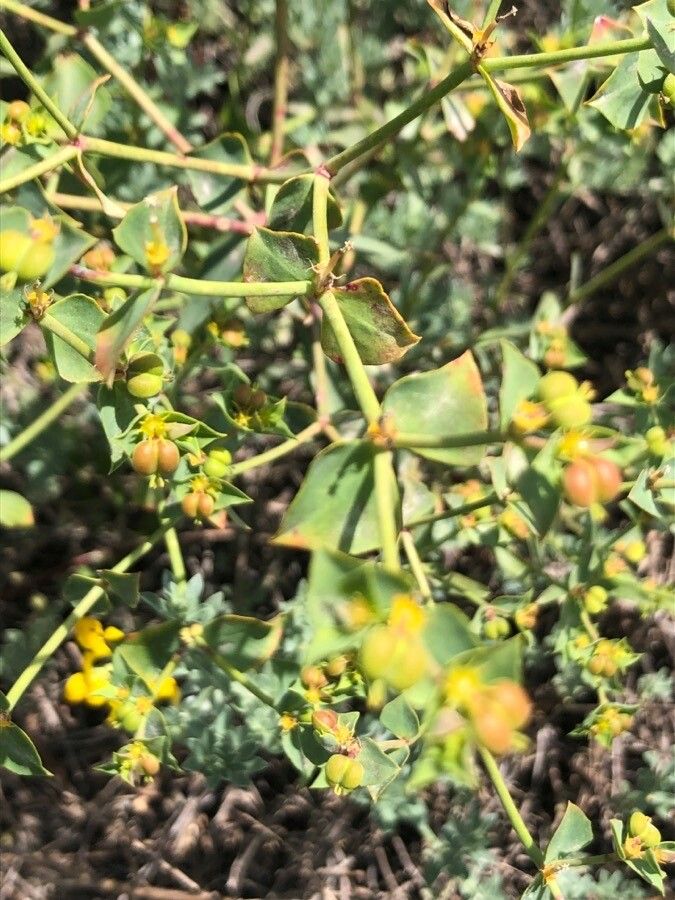
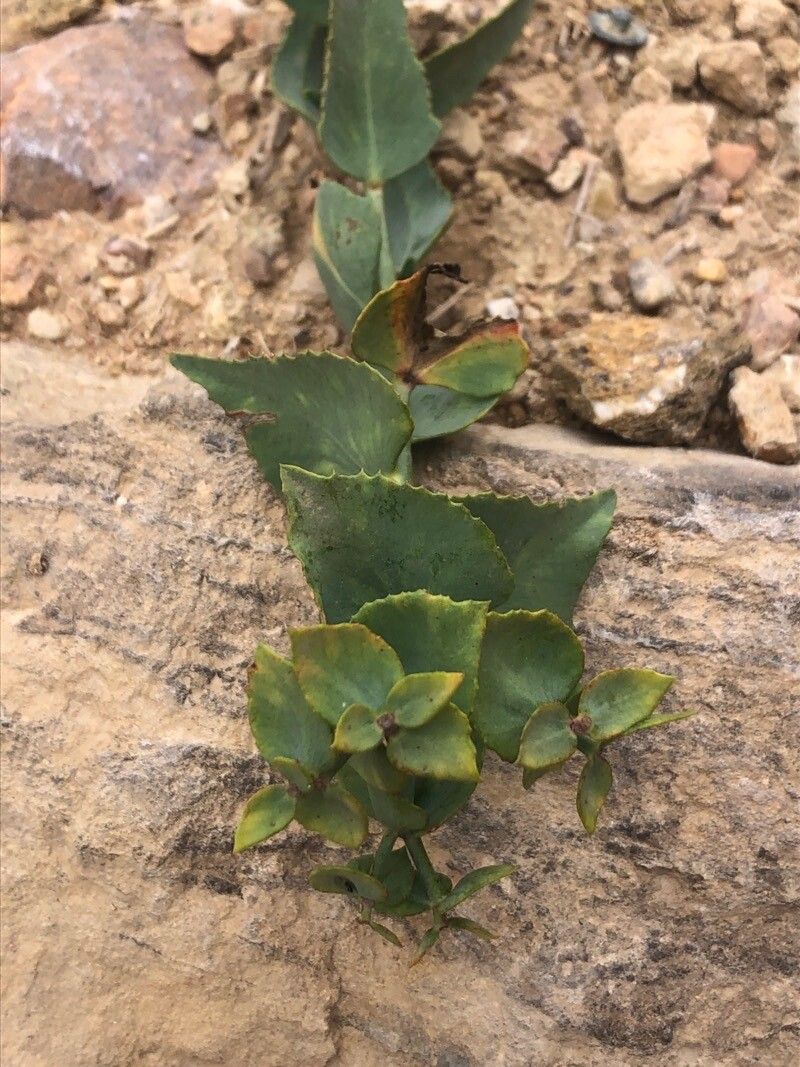
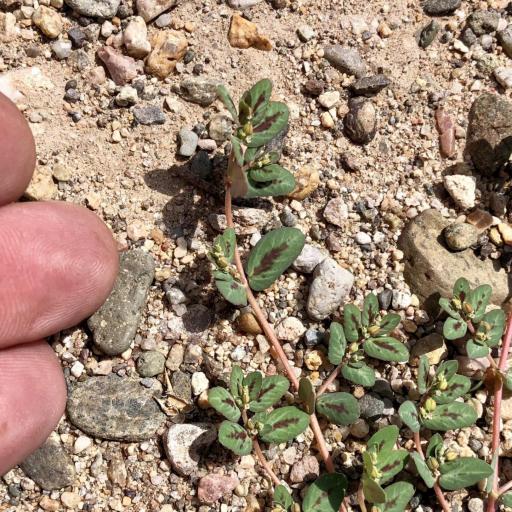
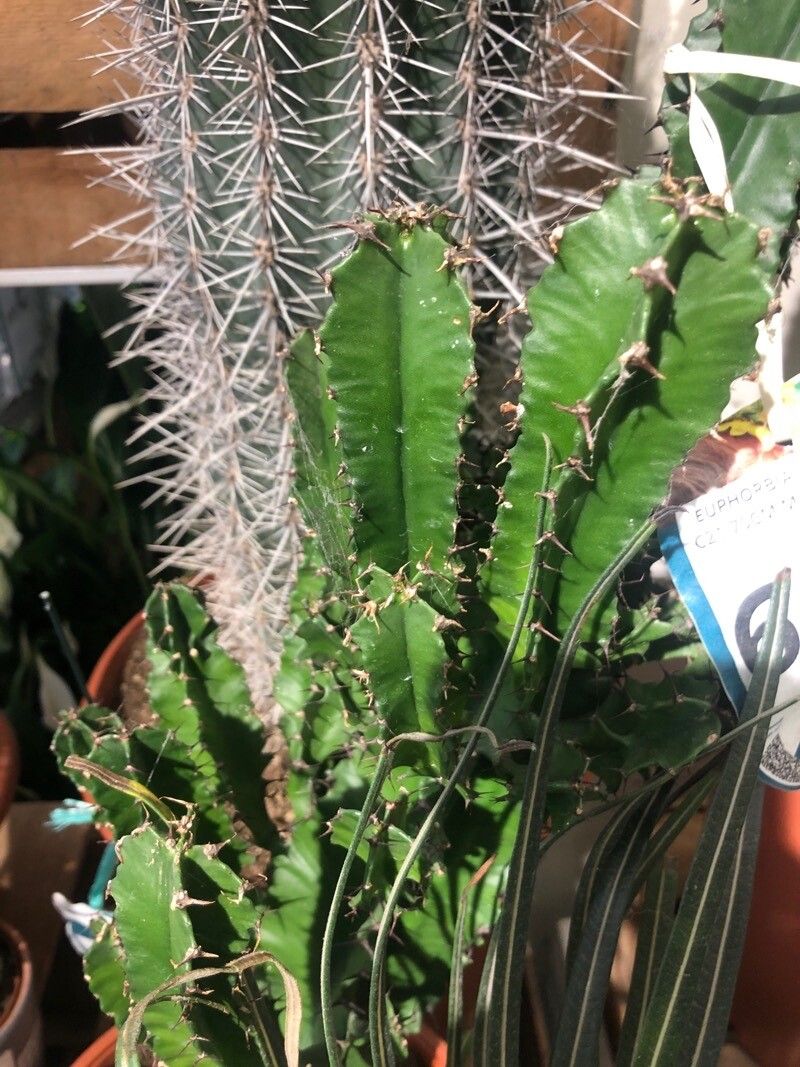
Euphorbia terracina, commonly known as Mediterranean spurge, is a perennial herbaceous plant belonging to the Euphorbiaceae family. Native to the Mediterranean region, it thrives in various habitats, including rocky slopes, coastal cliffs, and disturbed areas.
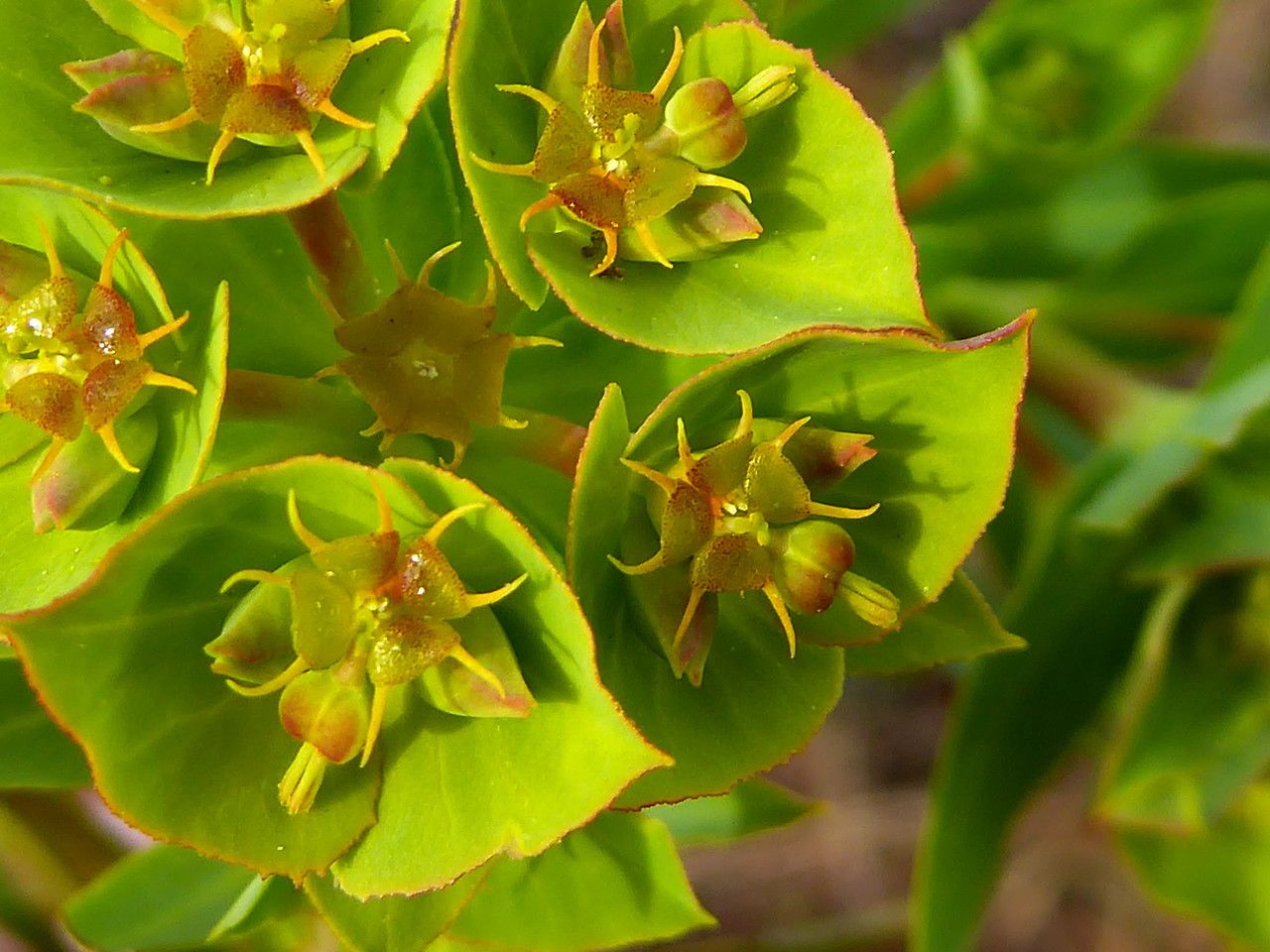
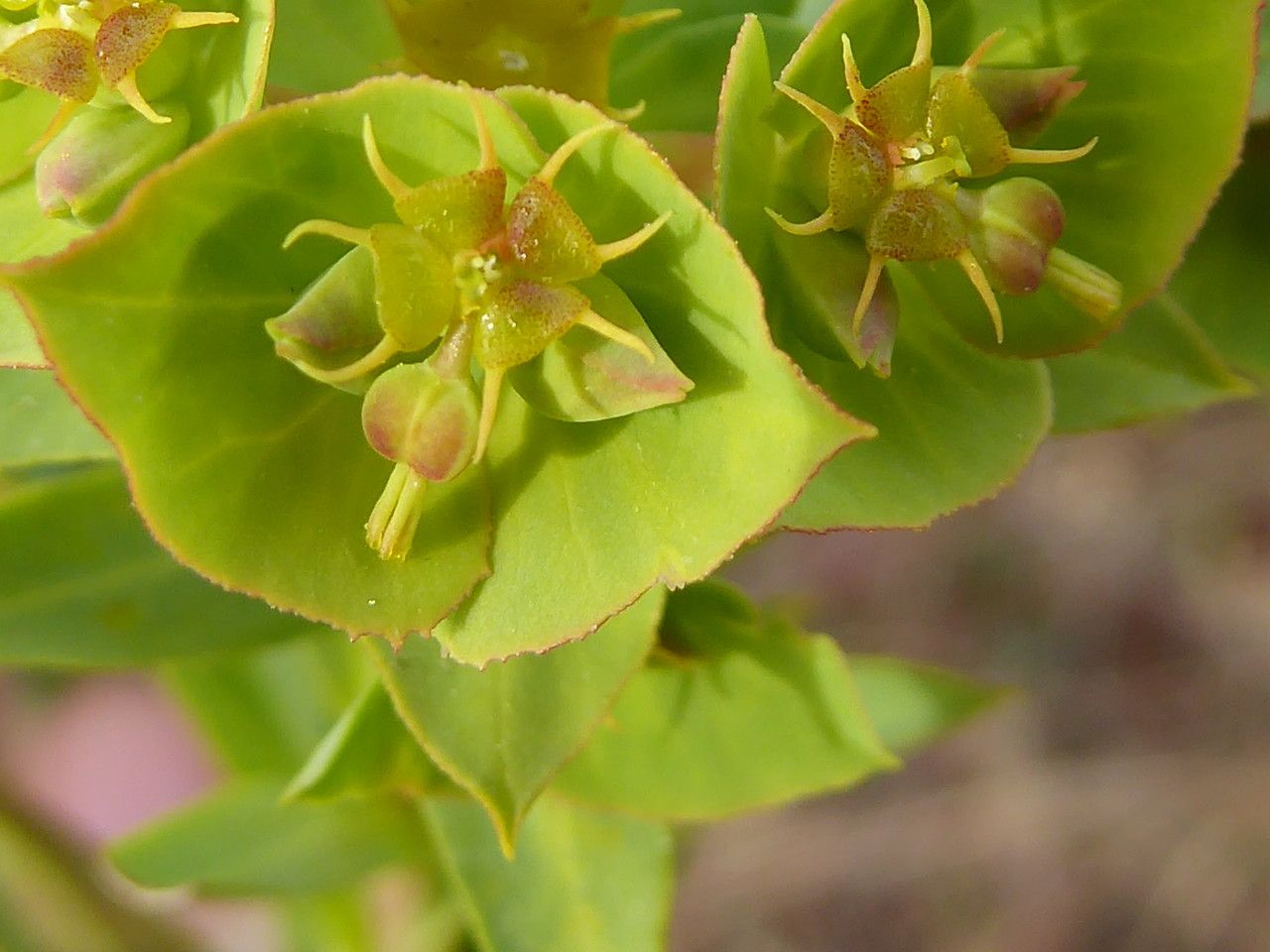
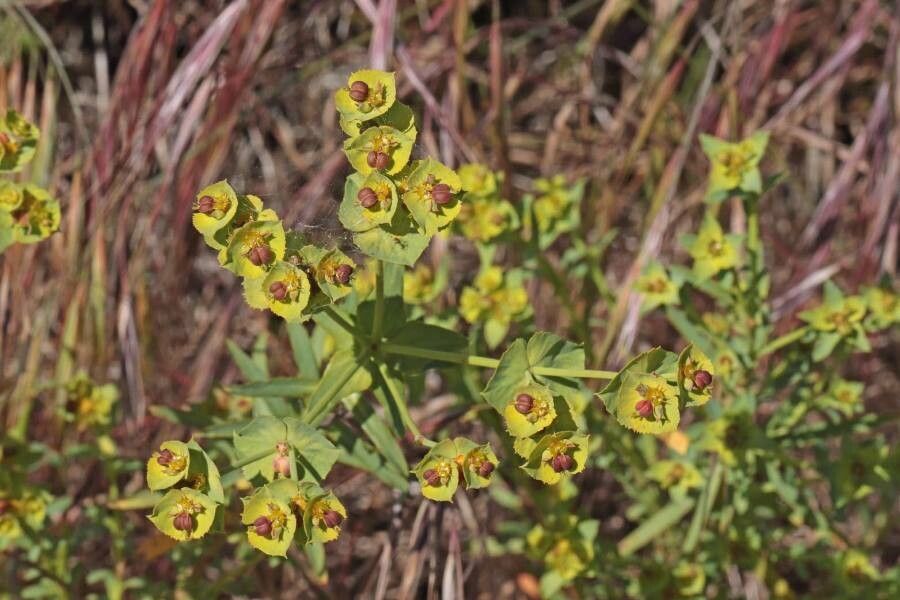
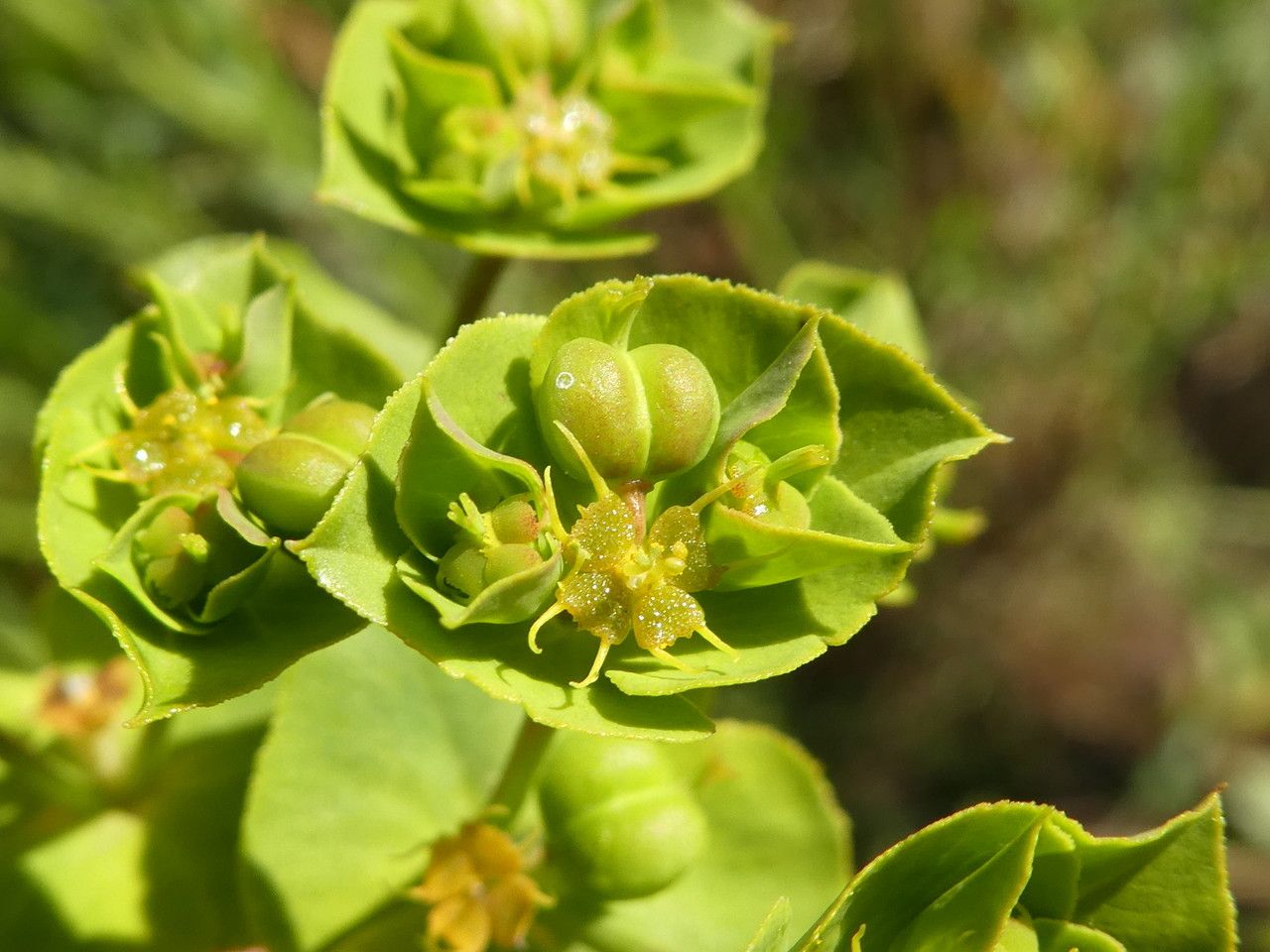
This plant can grow up to 1 meter in height and features a woody stem with numerous branches. Its leaves are alternately arranged, oblong-shaped, and display a bluish-green color. The flowers are small, yellow-green, and grouped in clusters called cyathia.
Euphorbia terracina has been used for medicinal purposes for centuries due to its anti-inflammatory properties. However, caution is necessary when handling it, as the plant contains toxic latex that can cause skin irritation or even blindness if it comes into contact with eyes.
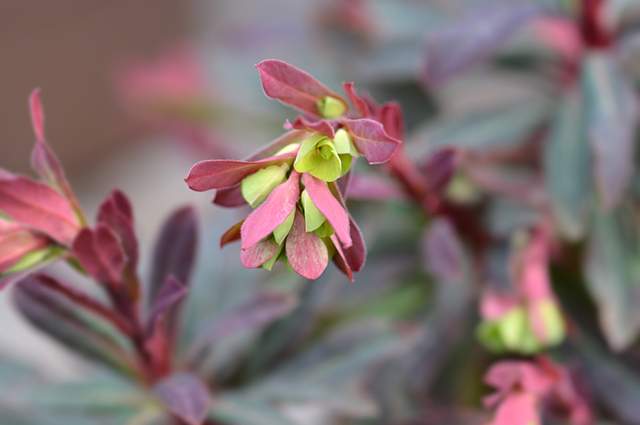
Besides its medicinal uses, Euphorbia terracina is also valued for its ornamental appeal, thanks to its attractive foliage and unique flowers. It is easy to grow from seeds or cuttings but requires well-drained soil and full sun exposure.
Overall, Euphorbia terracina is a fascinating plant that offers both medicinal benefits and ornamental value, making it an excellent addition to any garden or landscape design project.
Carnation Spurge has strong resistance to disease and is generally not prone to illnesses. It can, however, be affected by pests and diseases present in its environment, though such infections are usually mild. For care, this plant requires moderate maintenance. It should be pruned regularly to maintain a tidy appearance and healthy growth, and fertilizing can help encourage flowering. Carnation Spurge is suitable for anyone with outdoor space, such as a garden or patio, and does not demand extensive gardening experience. It may need more care when grown indoors.
How to keep Euphorbia Terracina.
Light
Carnation Spurge does best when it receives plenty of sun throughout the day, though it can also tolerate a mix of sun and shade. Its place of origin is characterized by warm light exposure. Too much or too little sunlight can hinder growth and may lead to poor health.
Water
Carnation spurge thrives in a Mediterranean climate and can handle occasional droughts, but it does best with consistent moisture. To maintain optimal health, water it weekly, especially during dry seasons. This outdoor plant prefers full sun, and its growth is affected by rainfall. During prolonged dry spells, it will require more frequent irrigation.
Temperature
Carnation Spurge is native to areas with mild climates and grows best at temperatures between 50 to 106 °F (10 to 41 ℃). Adjustments are rarely necessary because the plant readily tolerates temperature fluctuations.
Fertilizer
One fertilizer application in spring is generally enough for Carnation Spurge, though repeated feedings can help maximize growth. Feed every month to every month and a half. Fertilization improves the leaves' appearance and function, maintaining even color and a healthy texture. It also encourages root development and better nutrient uptake for the plant's long-term health.
Botanical profile.
- Plant Type
- Herb
- Life Cycle
- Perennial
- Genus
- Euphorbia
- Family
- Euphorbiaceae
- Hardiness Zone
- 6-13
- Mature Height
- 91 cm
- Mature Spread
- 0.2 m to 3.96 m
- Leaf Color
- Green
- Leaf Type
- Evergreen
- Flower Color
- Yellow, Green
- Flower Size
- 0.20 cm to 0.25 cm
- Bloom Time
- Spring, Summer
- Planting Time
- Spring, Summer, Autumn
- Harvest Time
- Late spring, Summer, Early fall, Mid fall
- Native Area
- Saudi Arabia, Libya, Egypt, Turkey, Tunisia, Montenegro, Cyprus, Greece, Croatia, Morocco, Yemen, Ukraine, Lebanon, Serbia, Syria, Jordan, Italy, Spain, Israel, France, Albania, Azerbaijan, Algeria, Portugal
Other names.
Reader questions.
How should I water my Carnation Spurge?
To properly water the Carnation Spurge, it is best to use filtered water at room temperature. Tap water should be avoided as it may contain harmful particles. The reason for using room temperature water is that this plant is accustomed to warm environments and cold water can be stressful for it. It is also recommended to avoid overhead watering, as this can cause problems with the foliage. Instead, water the plant by applying filtered room temperature water directly to the soil until it is fully soaked. This helps to moisturize the roots and assist them in spreading through the soil to access necessary nutrients.
What does Carnation Spurge require in terms of sunlight?
Carnation Spurge thrives in full sunlight, ideally soaking up lots of sun throughout the day. It can also adapt to a mix of shade and sun. Originating from regions known for their warm light exposure, this plant's growth may be hindered by too much shade or excessive sunlight. For optimal growth, it benefits from locations that provide a mix of both conditions. Proper sunlight is crucial, as inadequate light can lead to various health issues for the plant.
What is the ideal climate for Carnation Spurge?
Carnation Spurge thrives in regions with mild climates, with ideal temperatures ranging from 50 to 106 °F (10 to 41 °C). It can adeptly handle temperature fluctuations, making adjustments rarely necessary. This plant possesses strong cold resistance, meaning special frost protection measures are typically not required in winter. Nonetheless, in scenarios where winter temperatures are expected to fall below the critical growth limit, it's crucial to provide some form of cold protection, such as covering the plant with soil or straw. To further aid in winter preparation, watering the plant abundantly before the first freeze in autumn is recommended to keep the soil moist and prevent drought during the colder months.
What do I do if I give my Carnation Spurge too much or too little water?
Overwatering is a common issue that can harm your Carnation Spurge. When this happens, the stems and leaves may start to wilt and turn yellow. Over time, overwatering can also cause diseases like root rot, mold, and mildew, which can be fatal for your plant. On the other hand, underwatering is less likely to occur since the Carnation Spurge can tolerate drought. However, when underwatering does occur, the leaves will become brittle and brown. It's important to be vigilant and catch the signs of overwatering early. Some diseases caused by overwatering, like root rot, may be irreversible if you wait too long. If you notice signs of overwatering, reduce your watering schedule right away. Additionally, check the drainage of the soil your Carnation Spurge is in. If it doesn't drain well, replace it with a loose, well-draining potting mix. Conversely, if you see signs of underwatering, simply water more regularly until the signs improve.
How can I use artificial lighting for my Carnation Spurge?
When natural sunlight is insufficient, especially during winter or in less sunny spaces, artificial lighting can be a vital solution for your Carnation Spurge. It's recommended to choose LED lights as they can offer the specific wavelengths needed for optimal plant growth. Full sun plants require 30-50W/sq ft, partial sun plants need 20-30W/sq ft, and full shade plants need 10-20W/sq ft of artificial light. Place the light source 12-36 inches above the plant and mimic natural daylight hours, usually providing 8-12 hours of light per day to promote healthier growth.
How does low temperature affect Carnation Spurge and what are the solutions?
Carnation Spurge is known for its cold tolerance, optimal growth occurring above the suitable growth minimum temperature. Throughout winter, temperatures should remain above the tolerable growth minimum. If temperatures dip below the growth limit, while immediate effects may not be noticeable, it could lead to a decrease in or absence of sprouting in the spring. As a solution, removing any parts of the plant that failed to sprout in spring can help manage this issue.
How often should I give my Carnation Spurge water?
If your Carnation Spurge is in a pot, you can easily check if it needs water by inserting your finger into the soil. If the top two to three inches of soil feel dry, then it's time to water it. The same method can be used if you have planted your Carnation Spurge outdoors in the ground. If the top few inches of soil are dry, then it's time to water it. In the spring and early fall, watering once a week is usually sufficient, but during extremely hot weather, you may need to water it twice or more per week. However, it's important to note that mature and well-established Carnation Spurges have a great ability to tolerate drought.
What symptoms indicate my Carnation Spurge is not receiving enough light?
Symptoms of insufficient lighting in Carnation Spurge include smaller new leaves than previous ones, leggy or sparse growth, accelerated leaf drop, halted or slowed new growth, and pale or irregularly colored new leaves. These symptoms reflect the plant's struggle to adapt to inadequate lighting conditions, leading to reduced health and vitality. Conversely, excessive sunlight can cause symptoms like chlorosis, sunscald, leaf curling, wilting, and leaf scorching, indicating the plant is receiving too much direct light.
How does high temperature affect Carnation Spurge and what measures can be taken?
During the summer, it's important for Carnation Spurge to remain below the suitable maximum growth temperature. Should temperatures soar above the tolerable growth maximum, you may notice the leaves becoming lighter, curling, or even suffering from sunburn, which in severe cases can cause the entire plant to wilt and dry out. To mitigate these issues, it is advisable to trim away any sunburned or dried parts of the plant. Moving the plant to a shaded area during the midday and afternoon sun, or utilizing a shade cloth, can offer protection. Ensuring the soil remains moist by watering in the morning and evening is also beneficial.
How often should I water my Carnation Spurge plant?
To water your Carnation Spurge effectively, don't hold back on the amount of water you give. Wait until the top two to three inches of soil are dry before giving it a good, deep watering. Make sure the water soaks the entire soil. You should add enough water that it flows through the drainage holes at the bottom of the pot. If you don't see any excess water draining, it means you haven't given enough water. On the other hand, be careful not to let the water accumulate in the soil as it can harm the plant. If the water isn't draining properly, it could be due to poorly draining soil, which is not good for the plant's health and must be avoided. If the plant is outside, receiving about one inch of rain per week should be enough.
How do I address light-related issues for Carnation Spurge?
To address light-related issues for Carnation Spurge, consider moving the plants to a location where they can receive at least 6 hours of direct sunlight daily, especially if indoors, utilize a south-facing window and keep curtains open during the day. If the plant is large or not easily movable, supplement with artificial light, keeping a lamp on for at least 8 hours daily or use professional grow lights. For outdoor plants, gradually introduce them to sunnier spots to avoid sunburn. Prune surrounding foliage to reduce obstructions and transplant smaller plants to sunnier locations during their dormant period for better sunlight exposure and healthy growth.
How do I water my Carnation Spurge as it grows?
The water needs of the Carnation Spurge can vary depending on its growth stages. When the plant is in its early years or has been recently transplanted, it requires more water than usual. This is because during these stages, the plant focuses on developing new roots that will support future growth. These new roots perform best with slightly higher moisture levels. As the plant matures over a few seasons, it will require less water. Additionally, during the bloom period, the flower development of the Carnation Spurge requires a significant amount of moisture, so it may need more water during this time.