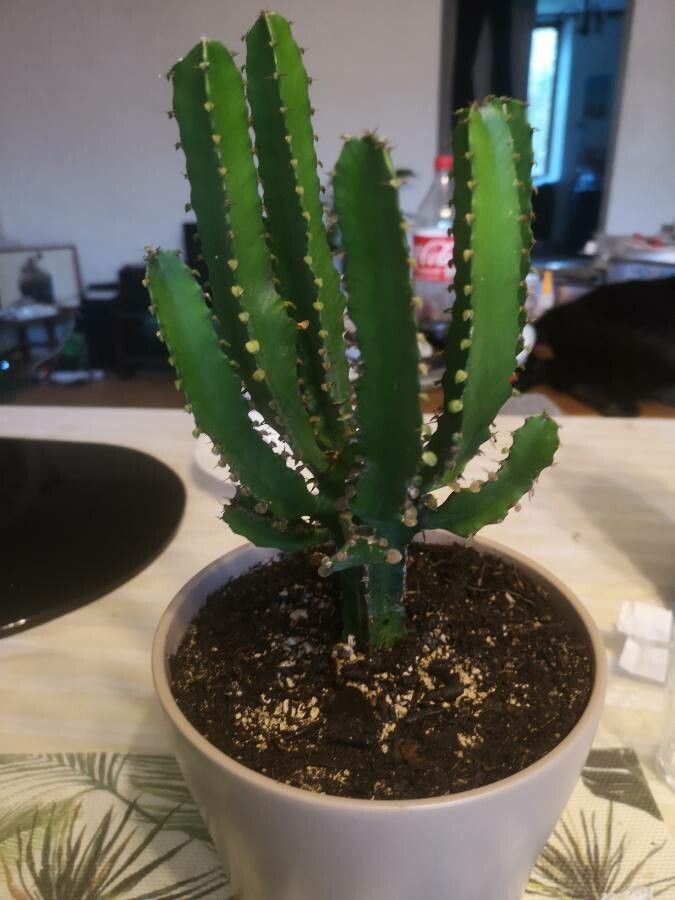
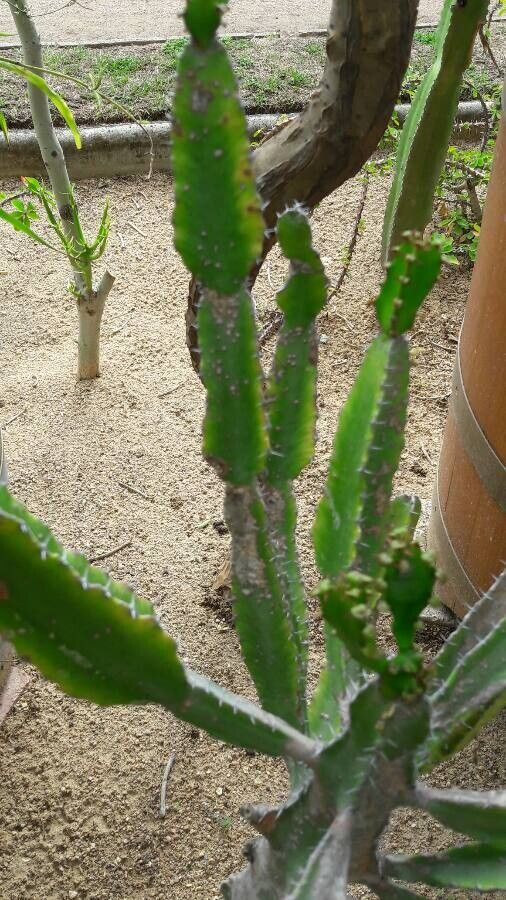
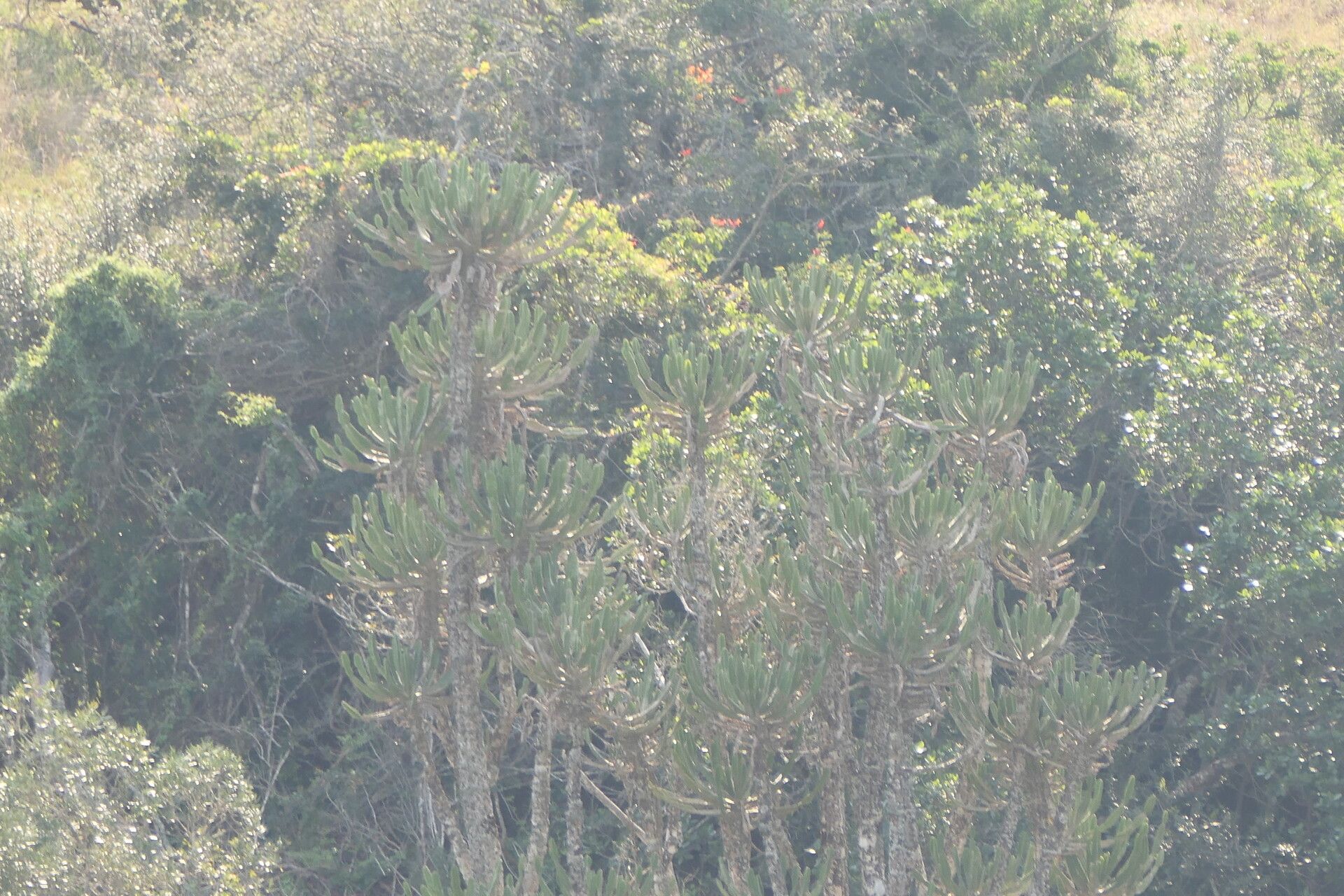
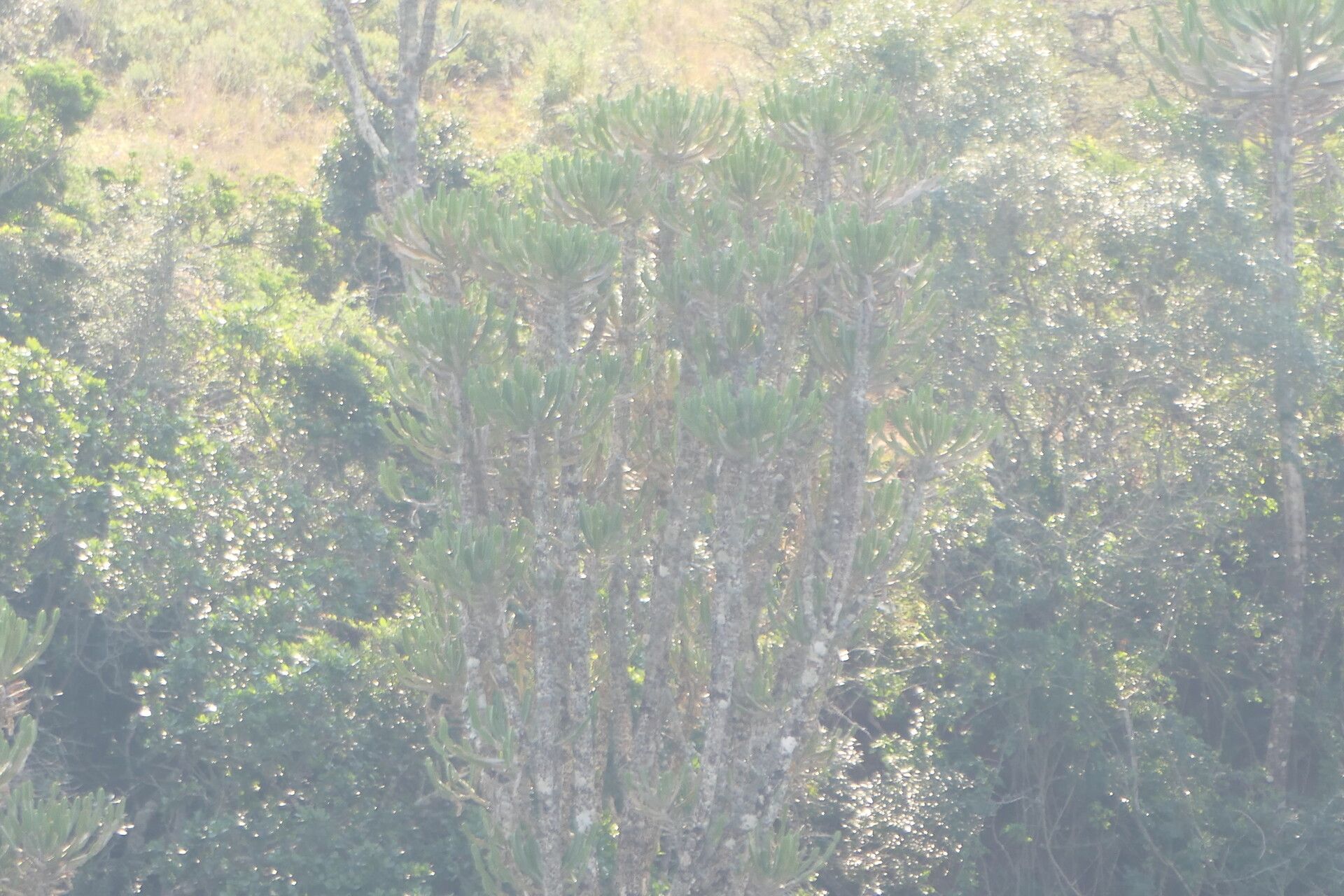
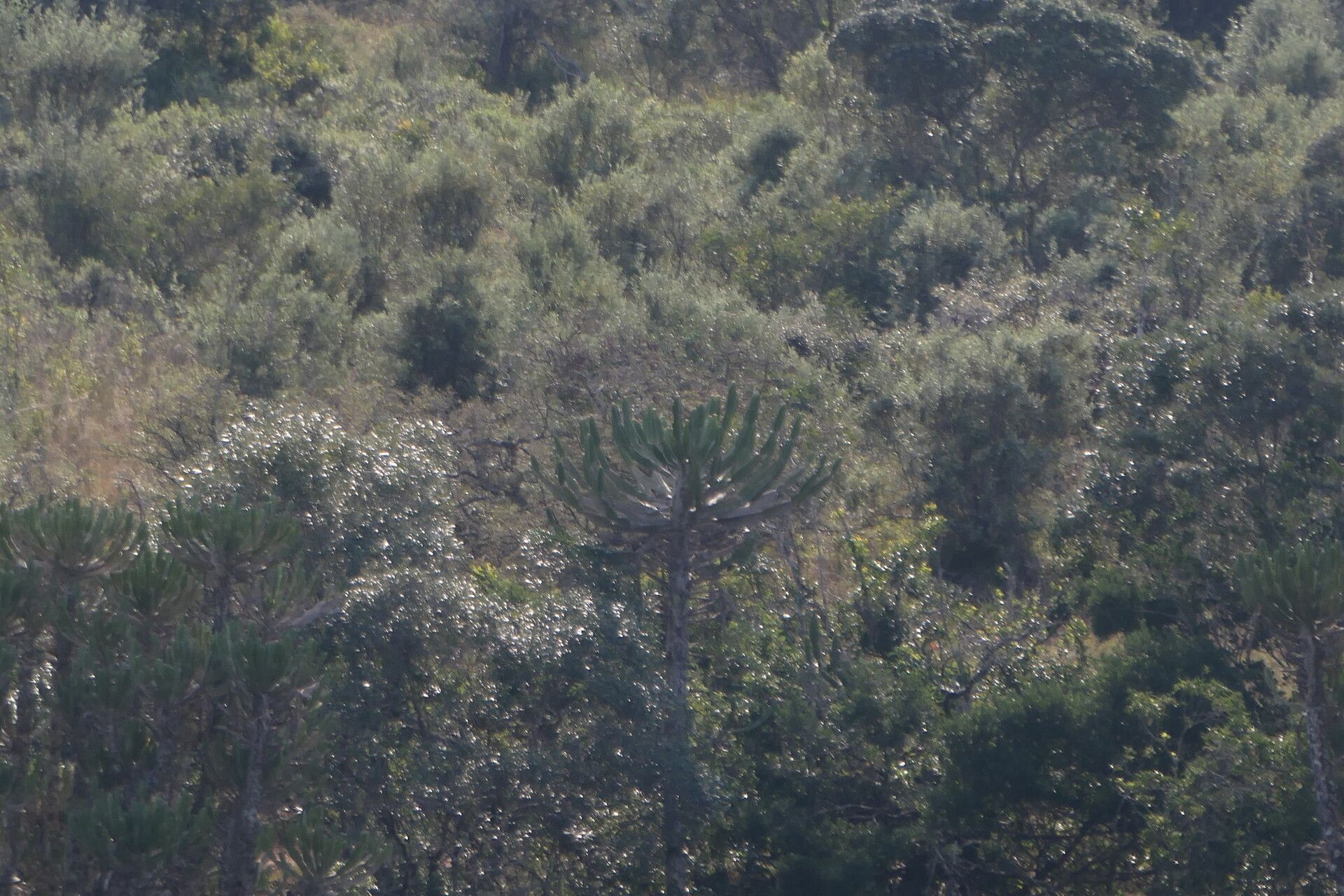
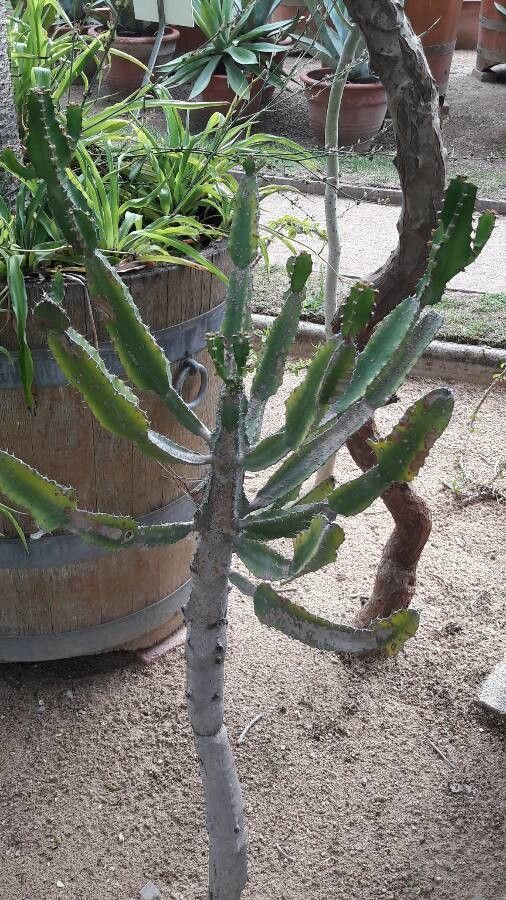
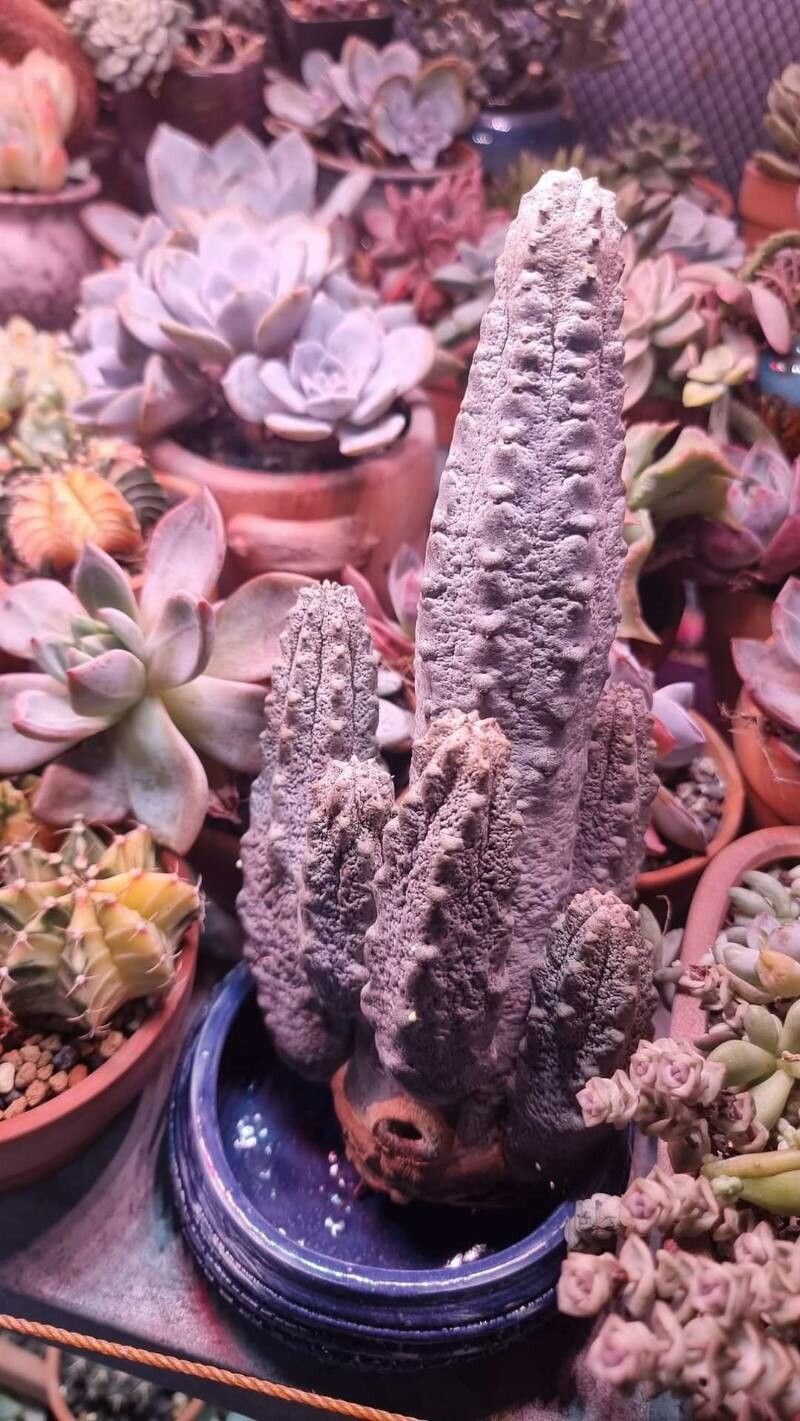
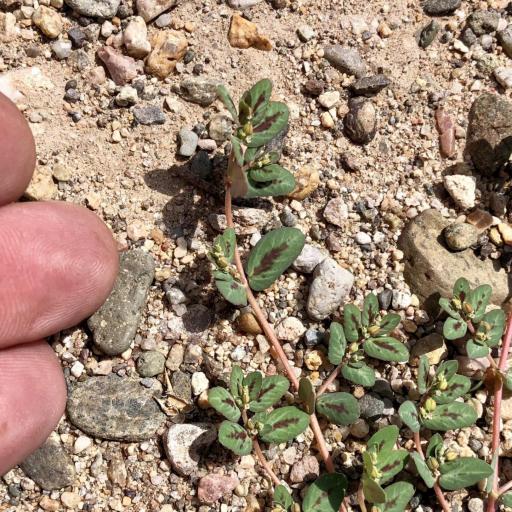
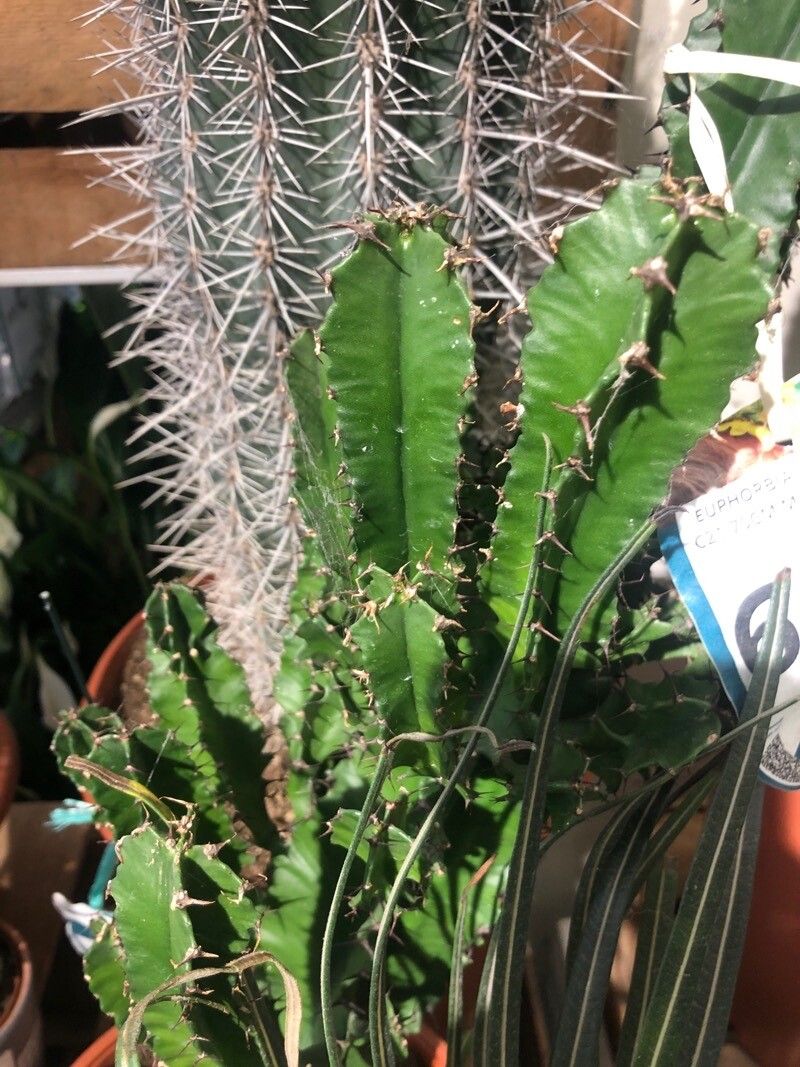
Euphorbia triangularis is a succulent plant in the Euphorbia family, native to Madagascar and commonly cultivated as an ornamental plant in gardens and indoor spaces. Its distinctive triangular stem can grow up to 30 cm in height, with small leaves that line the edges of the stem.
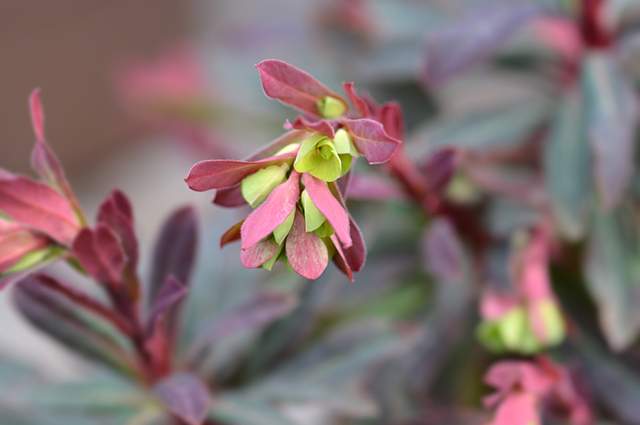
During its blooming season, which typically occurs in late winter or early spring, Euphorbia triangularis produces small, yellow-green flowers clustered at the top of the stem, surrounded by bright red bracts.
This plant is low-maintenance and can thrive in various growing conditions. It prefers well-draining soil and moderate watering, as overwatering can lead to root rot. Additionally, it needs bright but indirect sunlight for optimal growth.
Interestingly, Euphorbia triangularis has been used for medicinal purposes by indigenous people in Madagascar for centuries, owing to its anti-inflammatory properties. However, it should be noted that this plant contains toxic sap, which can cause skin irritation or even blindness if ingested or if it comes into direct contact with skin without proper precautions.
Overall, Euphorbia triangularis is an attractive succulent with unique features, ideal for both indoor spaces and outdoor gardens. Just be sure to follow proper care guidelines and handle this toxic beauty with caution!
Chandelier Tree has moderate resistance to disease but is relatively sensitive to humidity and to overwatering. It is also more likely to develop disease if it is kept in low light and overwatered. Regarding care, Chandelier Tree is drought-tolerant and can endure long periods without watering. It requires little fertilizer and only occasional pruning. This makes it appropriate for growers of all experience levels, particularly for people who want to spend less time on plant care and who may sometimes be away from home for extended periods. It is a good option for those who do not want to devote much time to maintenance but still want an easy-to-care-for plant.
How to keep Euphorbia Triangularis.
Light
Originating from arid regions, the Chandelier Tree does best in full sun, its native habitat having intense sunlight and very little shade. It can also tolerate partial sun, which provides some flexibility in its growth.
Water
Euphorbia triangularis thrives in arid conditions by efficiently storing water, making it suitable for weekly watering. It prefers well-draining soil and is ideal for indoor environments where humidity can be managed. To ensure optimal growth and vibrant foliage during its active growing season, provide ample light for the plant.
Temperature
Chandelier Tree performs best in warm conditions and requires higher temperatures during the growing season to support growth and metabolic activity. It favors abundant sunlight, proper moisture levels, and good air circulation. However, it is vulnerable to harm from very low temperatures and from too much watering. It is also important to maintain balance and avoid both excessively high heat and overly dry conditions.
Fertilizer
For the Chandelier Tree, light applications of fertilizer once or twice a year during the growing season are adequate. Avoid fertilizing in winter and summer while it is dormant. Reduce feeding for repotted plants and wait a couple of months after repotting before applying fertilizer. Fertilizing promotes healthy growth and encourages blooms.
Pruning
Euphorbia triangularis has distinctive triangular stems and benefits from pruning in early spring to promote better growth and shape. To maintain the plant's health and prevent shock, remove only up to one-third of its size. This also helps improve airflow. Ensure you use sterilized tools to prevent infections, and remember to wear gloves, as the sap of Euphorbia triangularis can be irritating.
Botanical profile.
- Plant Type
- Succulent, Shrub
- Life Cycle
- Perennial
- Genus
- Euphorbia
- Family
- Euphorbiaceae
- Hardiness Zone
- 9-11
- Mature Height
- 3.05 m to 6.1 m
- Mature Spread
- 0.91 m to 2.13 m
- Leaf Color
- Dark Green
- Leaf Type
- Evergreen
- Bloom Time
- Late spring, Summer
- Planting Time
- Spring, Summer, Autumn
- Harvest Time
- Mid summer, Late summer, Early fall, Mid fall
- Native Area
- South Africa, Eswatini, Mozambique
Other names.
Reader questions.
What are the sunlight requirements for Euphorbia triangularis?
Euphorbia triangularis, also known by its botanical name, requires specific sunlight conditions to thrive. It needs full sun, which is above 6 hours of sunlight daily, to flourish. However, it can also tolerate partial sun, meaning about 3-6 hours of sunlight each day. It's important to observe how sunlight moves through your garden throughout the day. This observation will help you choose the optimal spots that provide a harmonious balance of light and shade, ensuring your Euphorbia triangularis remains happy and healthy.
What is Euphorbia triangularis?
Euphorbia triangularis, also known by its botanic name Euphorbia triangularis, is a plant species. This particular entry does not include detailed information about its essentials or symptoms related to its care or issues.