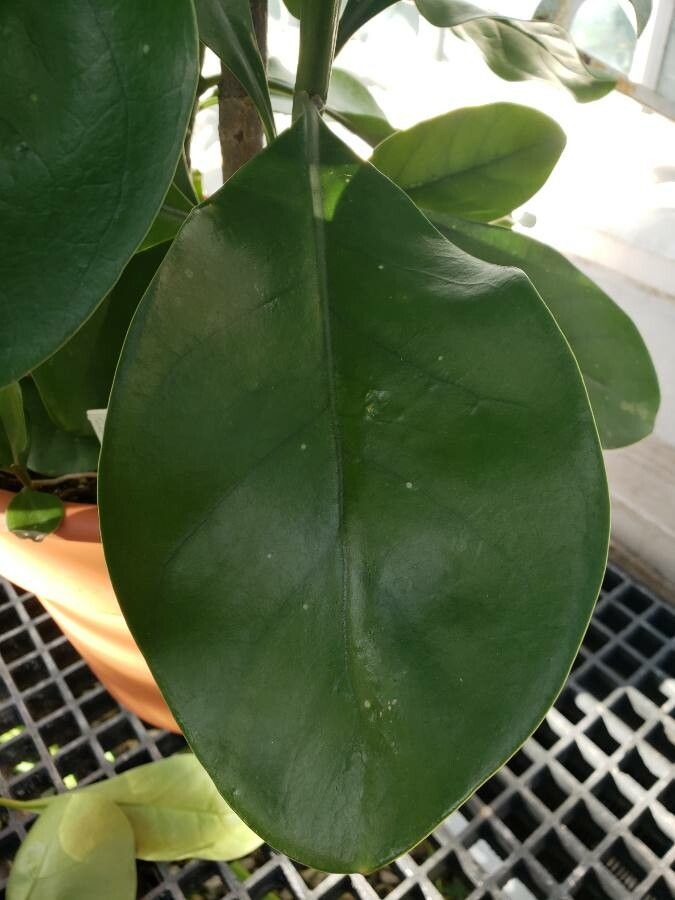
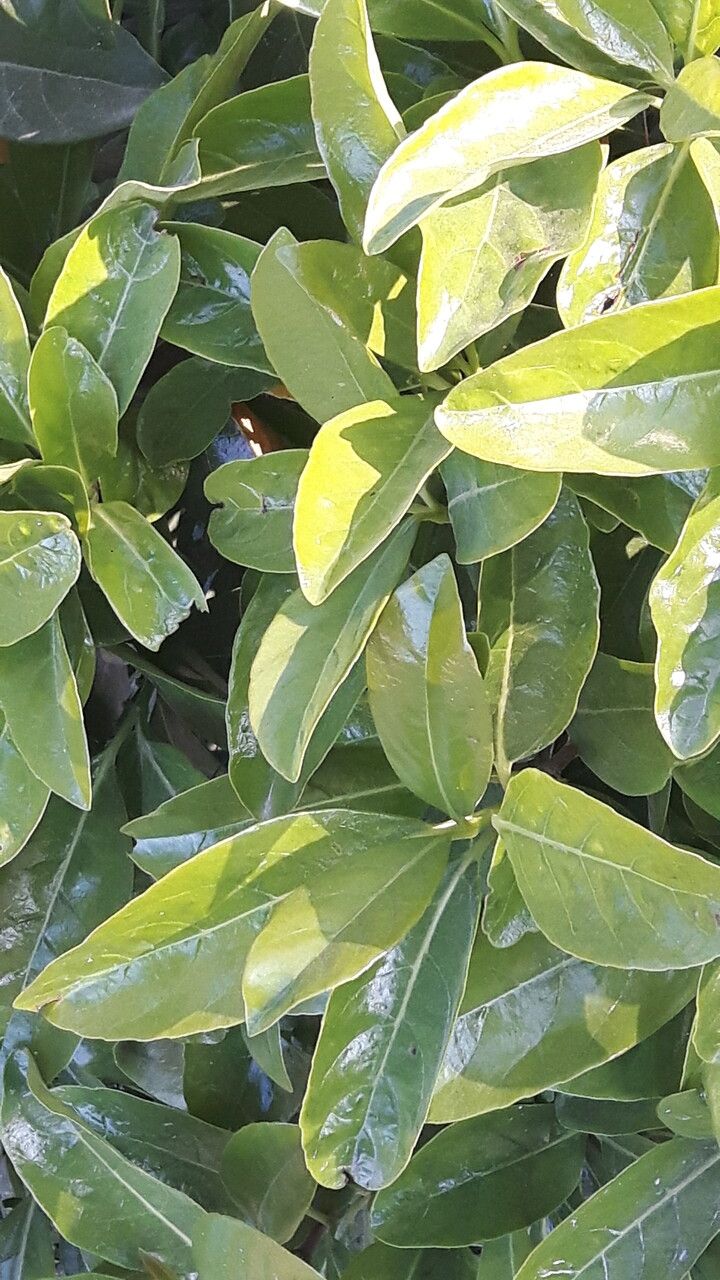
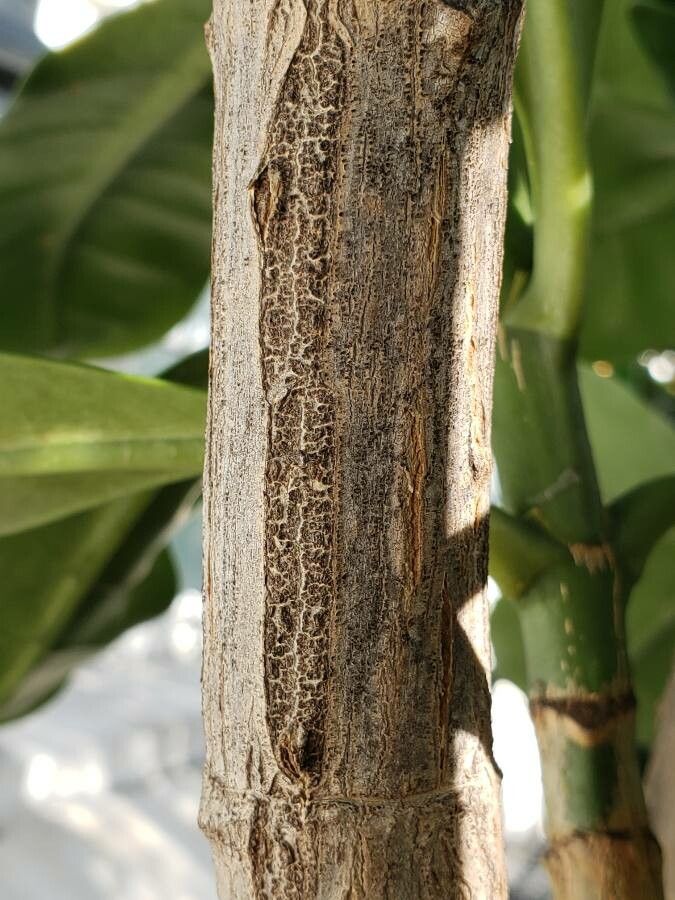
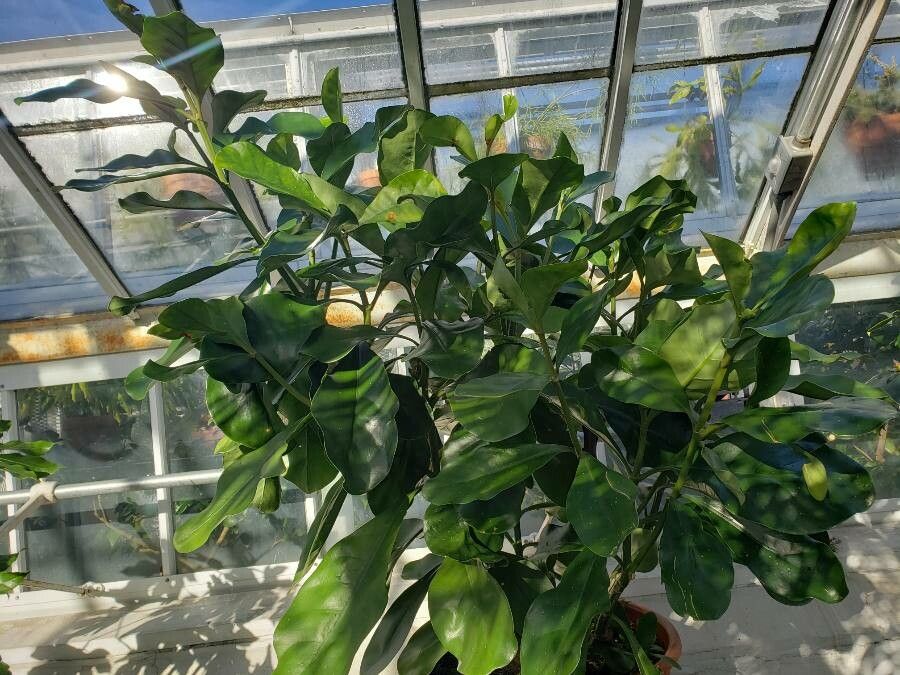
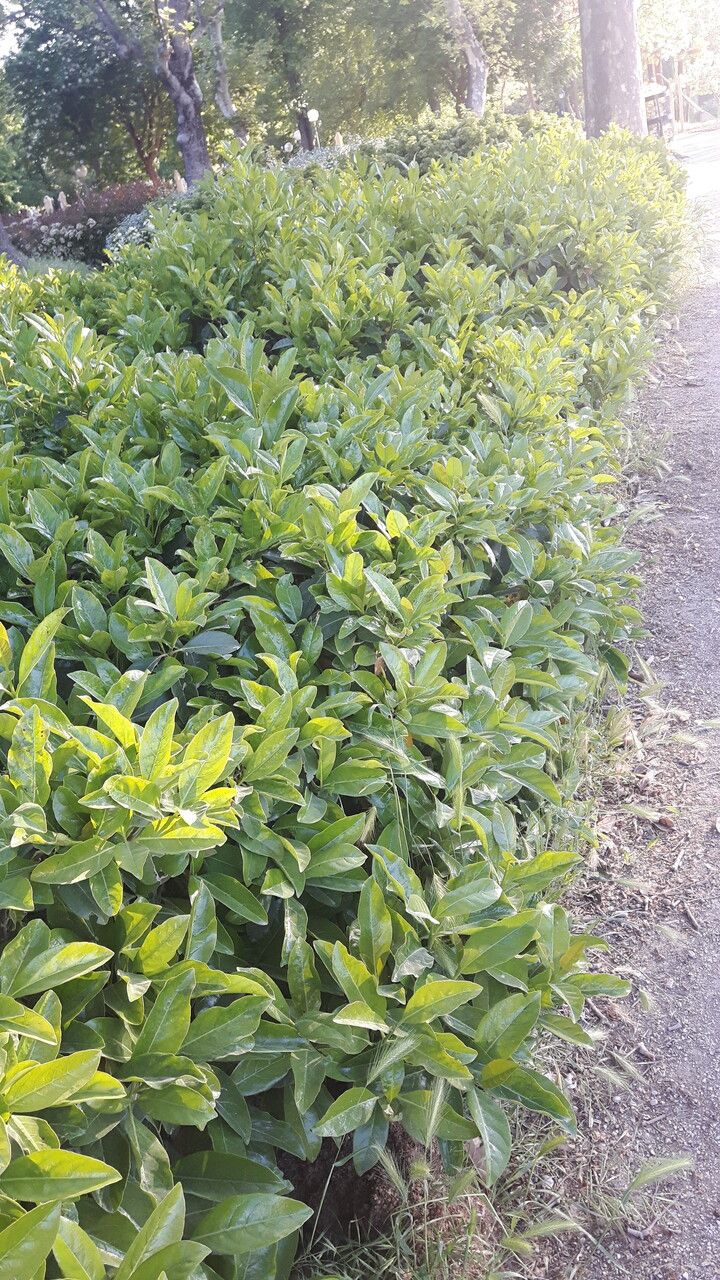
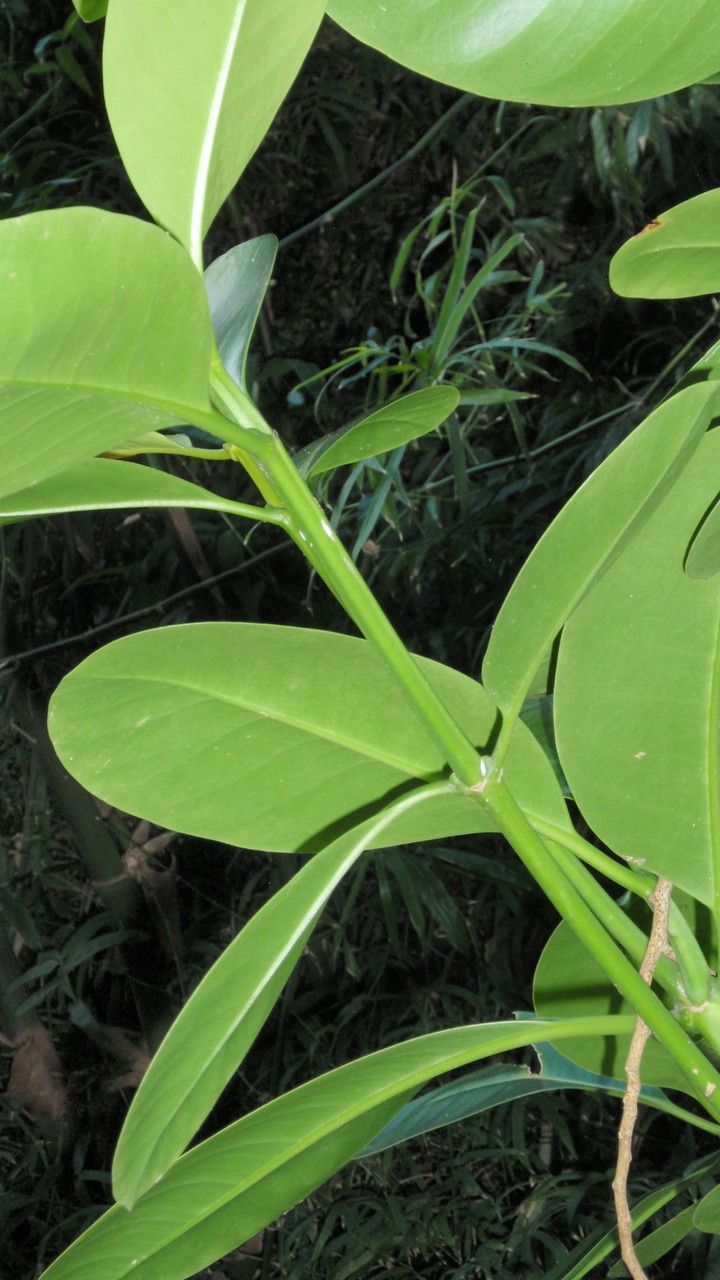
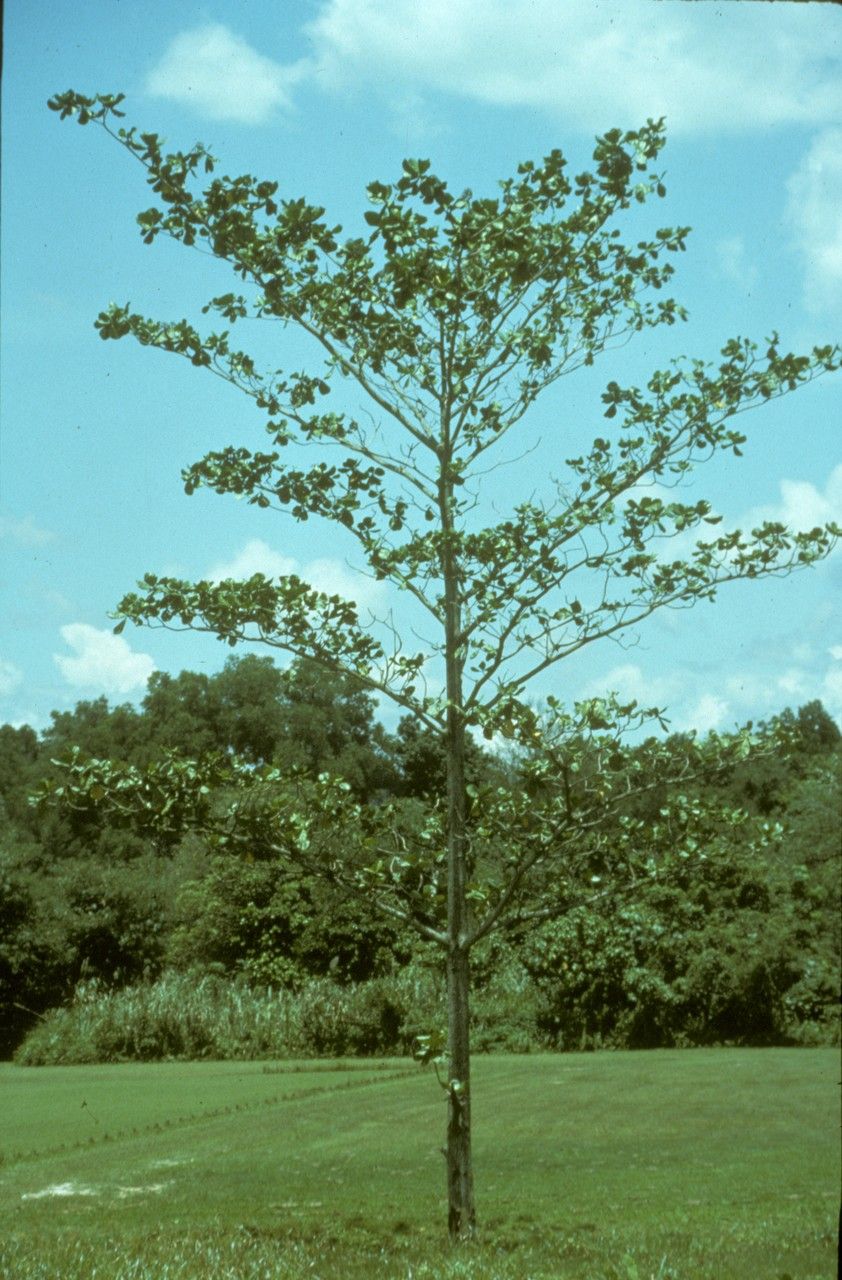
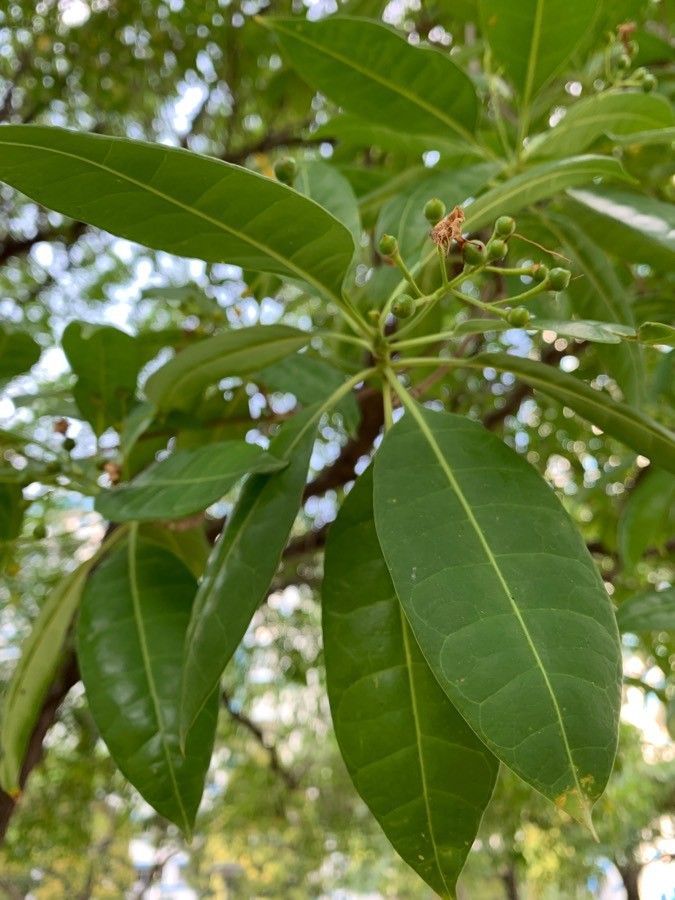
Fagraea ceilanica is a species of small tree in the family Gentianaceae growing to heights of up to 10 metres. Typical habitat is seasonal tropical forest, but it is also grown as an ornamental tree in many places in India, Indo-China and Malesia.It has been described as "epiphytic" or a "strangler" when young, since like strangling figs (Ficus) its seeds germinate in cracks and branch joints of living tree trunks from where the young plants' roots grow around the trunk down to the ground, using the tree as support but without killing it. Occasionally flowering Fagraea ceilanica bushes are seen high up on tree trunks, remaining there as epiphytes. It is also recorded as a lithophyte growing on rocks and rock faces.
The perfume flower tree is resistant to disease and is generally not prone to illnesses. Regarding care, this plant is fairly low-maintenance. When grown outdoors it needs only minimal watering, and larger plants typically do not require pruning. Smaller plants, however, should be pruned after they finish blooming. The perfume flower tree is suitable for anyone with an outdoor area, such as a garden or deck, and does not demand much prior care experience.
How to keep Fagraea Ceilanica.
Light
The perfume flower tree does best with plenty of sunlight each day but can tolerate moderate light. The strength of sunlight affects its growth and overall health. Although it comes from areas with abundant sun, the species can also cope with less bright conditions. Both too much and too little sun can harm the plant's health.
Water
The perfume flower tree, native to tropical forests, thrives in environments with high humidity and consistent moisture. While it can moderately tolerate drought, regular watering every two weeks is beneficial for maintaining its foliage. Being an evergreen, the tree's water requirements change with the climate, necessitating careful soil moisture management, especially during the warmer months.
Temperature
The perfume flower tree originates from regions with moderate to high temperatures and grows best between 68 and 100°F (20 and 38°C). During cold seasons it needs protection from the weather or to be kept indoors.
Fertilizer
The best time to fertilize a Perfume flower tree is in early spring, when it breaks dormancy. This encourages overall growth and flower development. Fertilization improves foliage, stems, and branches, and supports flowers that are larger, more vivid, and longer-lasting. It helps transport nutrients from the roots to the flowers and boosts the plant’s health and resistance to disease.
Pruning
The perfume flower tree, known for its fragrant blooms and glossy leaves, thrives with strategic pruning. Essential practices involve cutting away dead branches, thinning overcrowded areas, and shaping the tree to encourage growth. It's best to prune the tree from early to late winter to improve air circulation and boost flowering. Ensure you use clean, sharp tools for accurate cuts.
Pot & Repot
Repot your perfume flower tree every two years in the spring to promote optimal growth. Choose large, sturdy pots to ensure the tree remains stable. Keep the soil consistently moist, but be careful to avoid waterlogging. Place the tree in partial shade and use well-draining soil to help it recover. With the proper care, you can enjoy the tree's unique fragrance as a reward.
Botanical profile.
- Plant Type
- Tree
- Life Cycle
- Perennial
- Genus
- Fagraea
- Family
- Gentianaceae
- Hardiness Zone
- 11
- Mature Height
- 10.06 m
- Mature Spread
- 40 cm to 61 cm
- Leaf Color
- Dark Green
- Leaf Type
- Evergreen
- Flower Color
- White
- Flower Size
- 6.35 cm to 7.62 cm
- Bloom Time
- Summer, Early fall, Mid fall
- Planting Time
- Spring, Summer, Autumn, Winter
- Harvest Time
- Fall, Early winter, Mid winter
Other names.
Reader questions.
What are the sunlight requirements for a perfume flower tree?
The perfume flower tree, also known as Fagraea ceilanica, thrives best under full sun conditions, which means it requires more than 6 hours of sunlight daily. However, it can also grow in partial sun, receiving about 3-6 hours of sunlight. It's essential to observe how sunlight moves through your garden to find spots that offer the right balance of light and shade, ensuring the optimal growth and health of your plant.
What is the native environment of the Perfume flower tree?
The Perfume flower tree, botanically known as Fagraea ceilanica, is native to environments that experience moderate to high temperatures. It thrives best in conditions ranging from 68 to 100°F (20 to 38°C). This tree is extremely heat-loving and requires protection or indoor accommodation during cold seasons to safeguard against temperatures that could harm its growth.
What are the essentials for growing a perfume flower tree successfully?
For successful growth, a perfume flower tree needs abundant daily sunlight but can endure moderate light conditions. The intensity of the sun's rays significantly influences its growth and overall wellness. Originating from environments with ample sunlight availability, it can nevertheless adapt to less radiant conditions. Both overexposure and underexposure to sunlight can be detrimental to the plant's health. In scenarios where natural light is insufficient, especially during winter or in less sunny spaces, artificial lighting can be a lifesaver by promoting faster, healthier growth. Effective indoor artificial lighting involves choosing the right type of light, like LED lights, determining the correct wattage (30-50W/sq ft for full sun plants), the appropriate distance (12-36 inches above the plant), and duration (8-12 hours per day) of light exposure.
How should the Perfume flower tree be cared for in cold seasons?
During cold seasons, it is crucial to protect the Perfume flower tree from low temperatures. The tree should be brought indoors to avoid the cold, ideally placed near a bright window to ensure it gets enough light. However, it's important to keep the tree at a certain distance from heaters to prevent it from being exposed to excessively dry air. Maintaining indoor temperatures above 20°C during winter benefits the tree’s growth, and it is vital to keep it above 10°C to avoid detrimental effects.
What are the symptoms of inadequate lighting for indoor perfume flower trees?
Indoor perfume flower trees suffering from insufficient light may exhibit several symptoms signaling the need for better lighting conditions. These include the emergence of smaller new leaves, leggy or sparse growth, a quicker shedding of older leaves, halted or no new growth, paler new leaves indicating a lack of chlorophyll, chlorosis (leaves turning yellow), sunscald on leaves or stems due to intense exposure, leaf curling as a protective measure against sunlight, wilting from excessive water loss, and leaf scorching marked by brown, dry edges. These symptoms highlight the plant's struggle with inadequate light.
What are the symptoms of low temperature exposure in Perfume flower trees?
Perfume flower trees prefer warm temperatures and do not tolerate low temperatures well. When exposed to temperatures below 20°C, particularly during winter, ensuring the environment remains above 10°C is essential. Symptoms of exposure to temperatures below 5°C include leaves lightening in color. Frost damage can cause the leaves to gradually turn brown or black, accompanied by wilting and drooping.
How can I address lighting issues for my perfume flower tree?
To resolve lighting issues for a perfume flower tree, gradually increase its exposure to sunlight. For indoor plants, you can move them closer to a south-facing window for at least 6 hours of direct sunlight daily, keeping curtains open to maximize light. If the plant is large or not easily moveable, consider supplementary artificial lighting, keeping a lamp on for at least 8 hours a day or investing in grow lights. For outdoor plants, transition them to sunnier spots gradually to avoid shock. Removing any obstructions like overhanging branches can also improve sunlight exposure. If necessary, transplant smaller plants during their dormant phase to a location with better sunlight and drainage. It's important to note that while parts of the plant that have suffered from insufficient light may not recover, new growth will be healthy with improved lighting conditions.
How should you care for a Perfume flower tree after frost damage?
After frost damage, the affected parts of the Perfume flower tree should be trimmed off, and the tree should be immediately moved to a warm indoor environment for protection against the cold. Placing the plant near a south-facing window is recommended to ensure it receives ample sunlight. Additionally, it is advised to avoid placing the plant near heaters or air conditioning vents to prevent the air around it from becoming excessively dry.
What are the symptoms of high temperature exposure in Perfume flower trees?
During the summer, it's important to ensure that the temperatures where the Perfume flower tree is kept do not exceed 38°C. Exposure to temperatures above 43°C can cause the leaves to lighten in color and make the plant more susceptible to sunburn.
How should you care for a Perfume flower tree after it has been exposed to high temperatures?
Following exposure to high temperatures, it is important to trim away the sunburned and dried-up parts of the Perfume flower tree. Moving the plant to a location that provides shade during the midday and afternoon sun will help protect it. Watering the plant in the morning and the evening is recommended to keep the soil moist and help the tree recover.