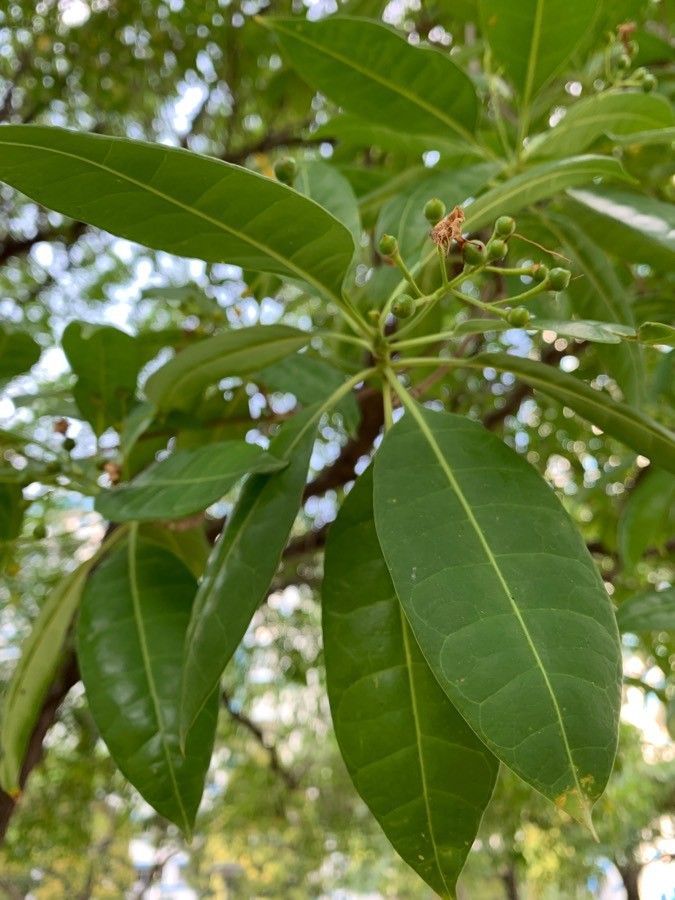
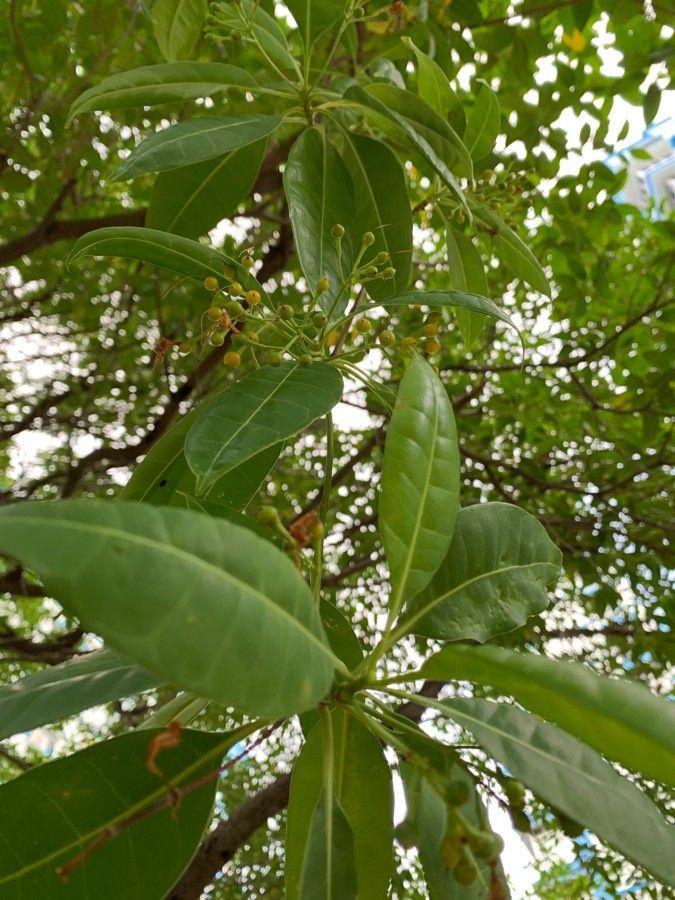
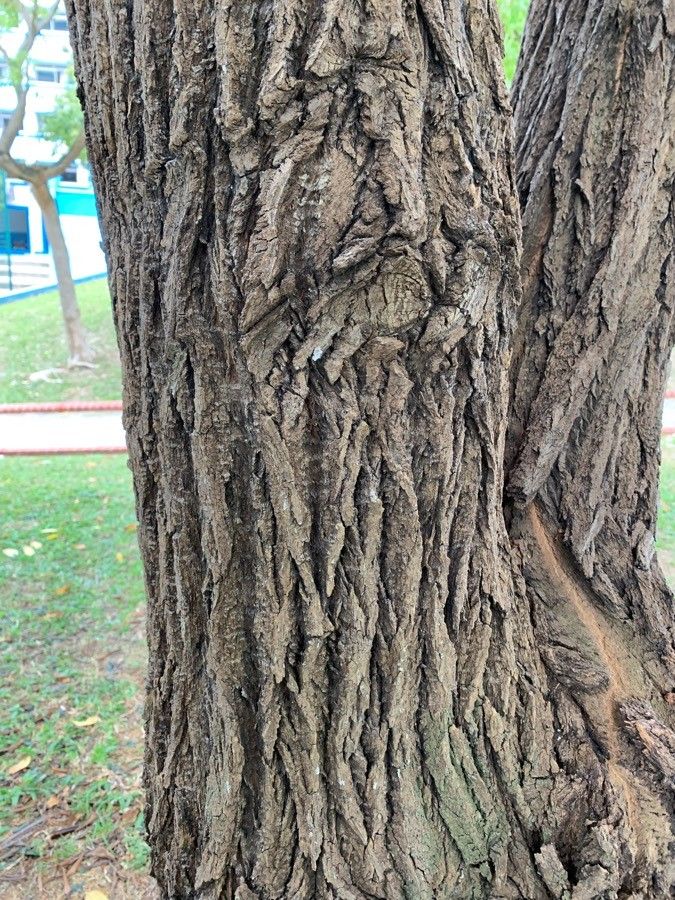
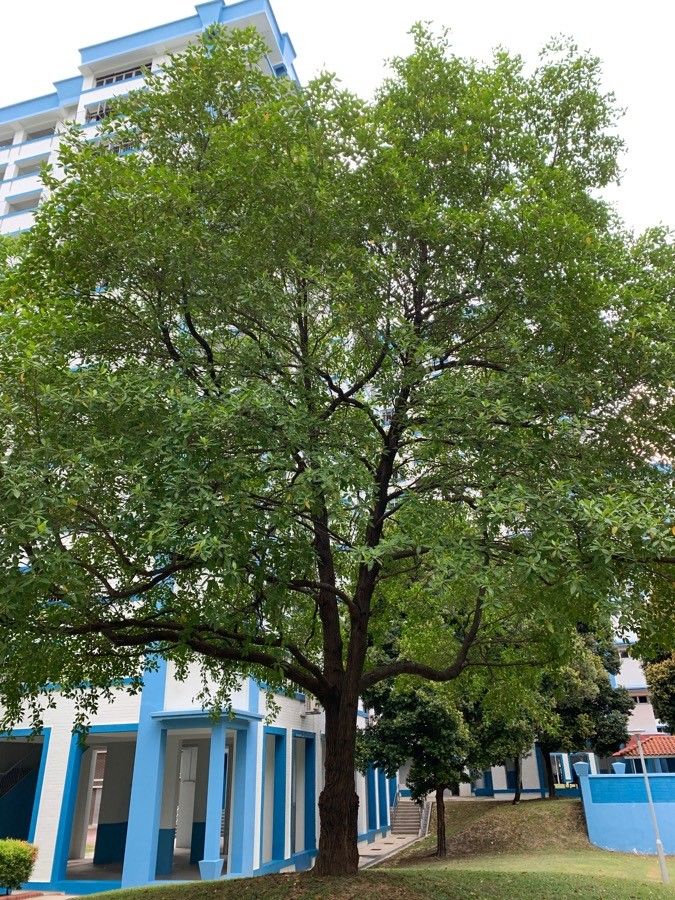
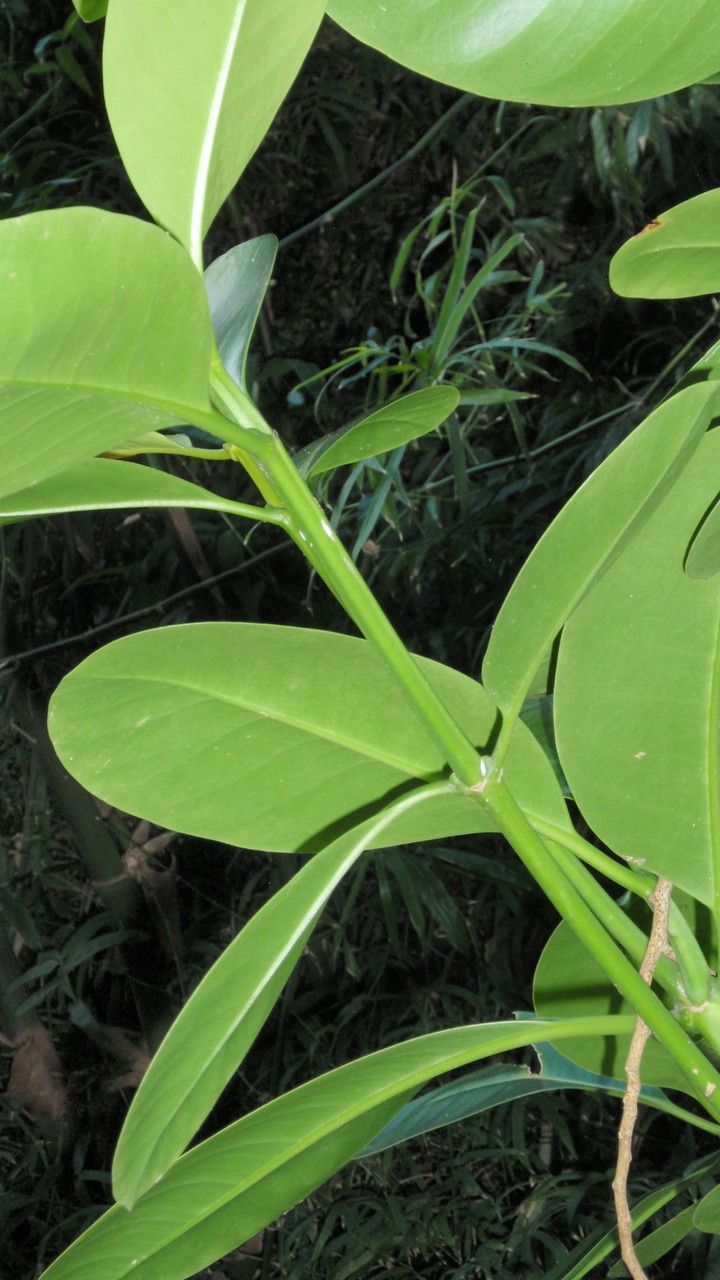
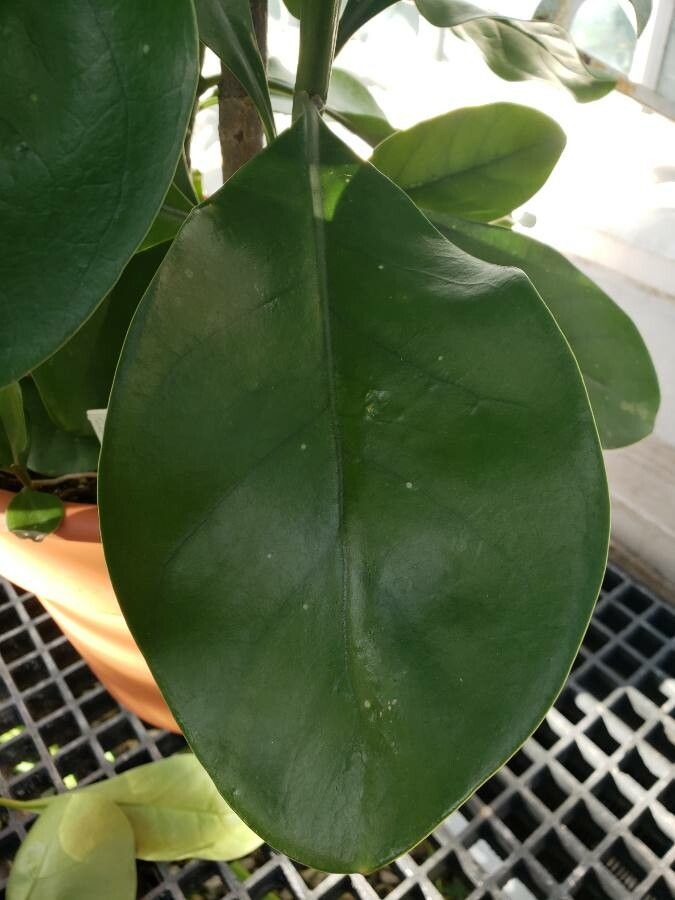
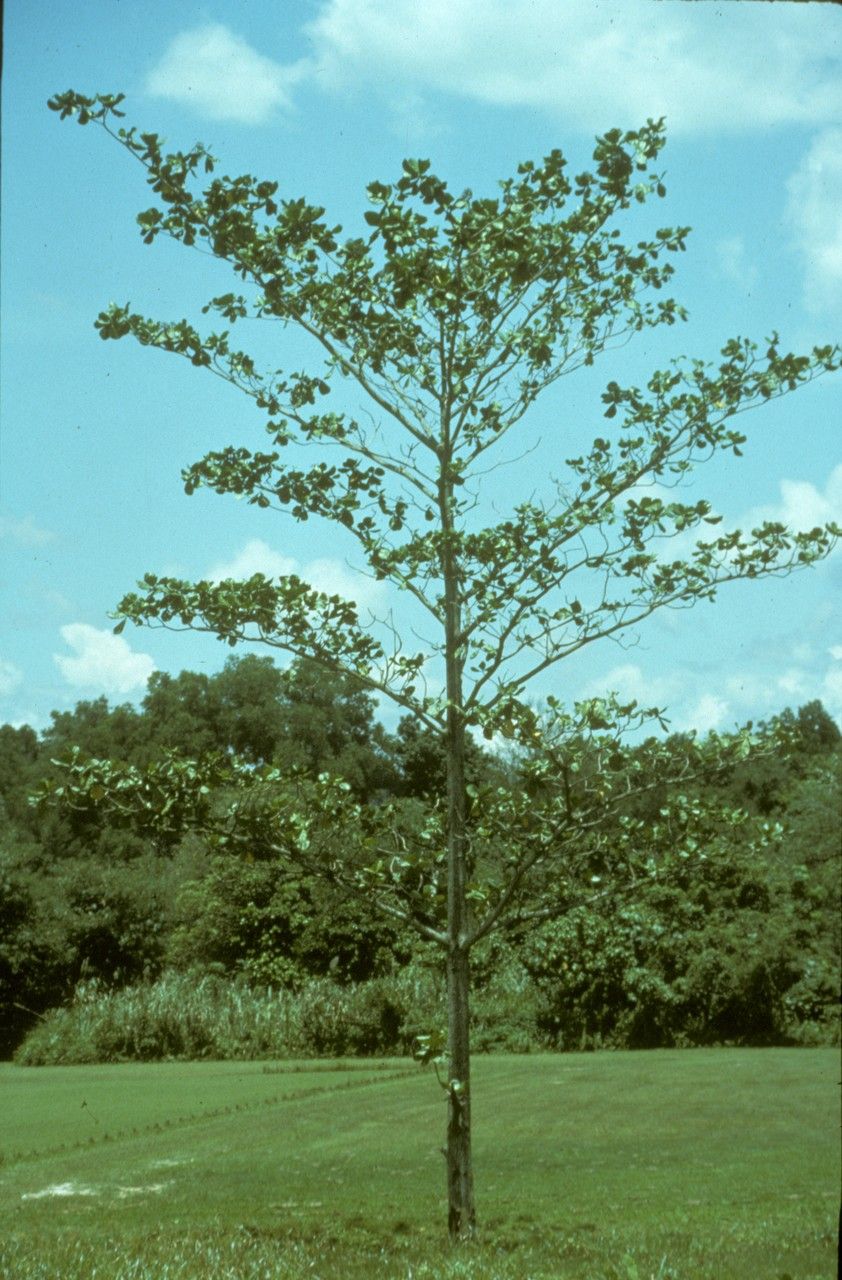
The tembusu is a large evergreen tree in the family Gentianaceae, native to Southeast Asia (from Indo-China to New Guinea). It is the Malay name for Cyrtophyllum fragrans (synonym Fagraea fragrans).Its trunk is dark brown, with deeply fissured bark, looking somewhat like a bittergourd. The tree grows in an irregular shape from 10 to 25 metres high, with light green oval-shaped leaves, and yellowish flowers with a distinct fragrance. The fruits of the tree are bitter tasting red berries, which are eaten by Pteropus fruit bats.
Burma yellow heart is highly resistant to disease and generally does not suffer from illnesses. In terms of upkeep, this plant is fairly low-maintenance. When grown outdoors it needs only minimal watering, and larger plants usually do not require pruning. Smaller plants, however, should be pruned after they finish blooming. Burma yellow heartt is appropriate for anyone with an outdoor area, such as a garden or a deck, and does not demand extensive care experience.
How to keep Fagraea Fragrans.
Light
Burma yellow heart grows best with plentiful sunlight, though it can tolerate moderate light levels. Its native habitat reflects this, consisting of areas that receive a great deal of sun. However, either too much or too little sunlight can harm its health and growth, affecting leaf color and its capacity to bloom.
Temperature
Burma yellow heart comes from tropical areas, where the climate is usually warm and humid. Therefore, it is suited to high temperatures and humidity. It does not tolerate sudden temperature changes and favors a stable temperature, so indoor temperature fluctuations should be avoided. It typically cannot withstand cold and needs higher temperatures to grow. If the surrounding temperature falls too low, the plant may stop growing or even die.
Fertilizer
Early spring, when the Burma yellow heart breaks dormancy, is the best time to apply fertilizer. This encourages overall growth and flower development. Fertilization improves the foliage, stems, and branches, while encouraging larger, more vibrant, and longer-lasting flowers. It helps move nutrients from the roots to the flowers and enhances the plant's health and resistance to disease.
Botanical profile.
- Plant Type
- Tree
- Life Cycle
- Perennial
- Genus
- Fagraea
- Family
- Gentianaceae
- Hardiness Zone
- 10-12
- Mature Height
- 10.06 m to 24.99 m
- Mature Spread
- 7.92 m to 11.89 m
- Leaf Color
- Green, Blue
- Leaf Type
- Evergreen
- Flower Color
- White, Cream
- Flower Size
- 2.03 cm
- Bloom Time
- Late spring, Summer
- Planting Time
- Spring, Summer, Autumn, Winter
- Harvest Time
- Late summer, Fall
- Native Area
- Malaysia, Indonesia, Cambodia, Vietnam, Myanmar, Philippines, Singapore, Laos, Brunei, Thailand, China
Other names.