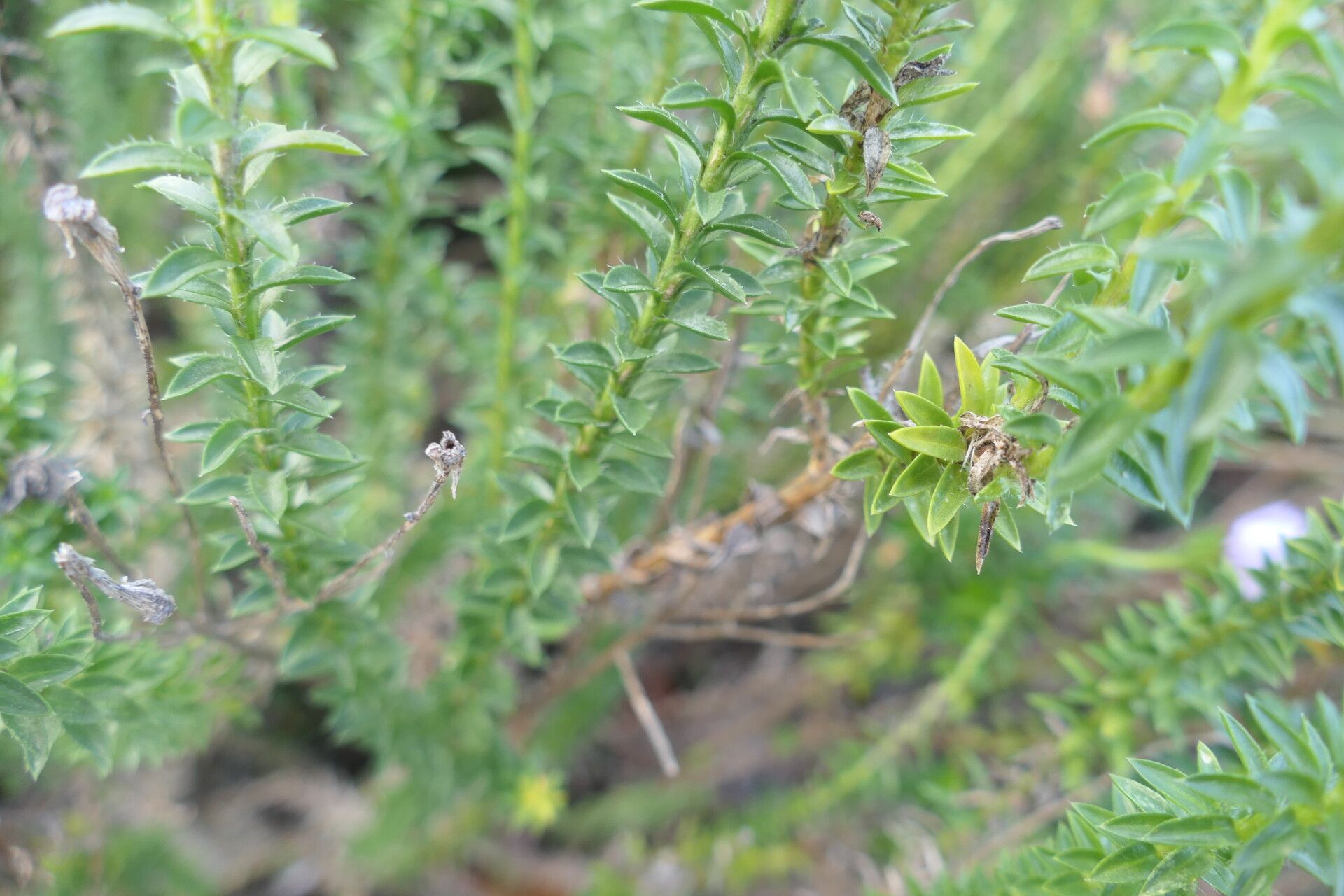
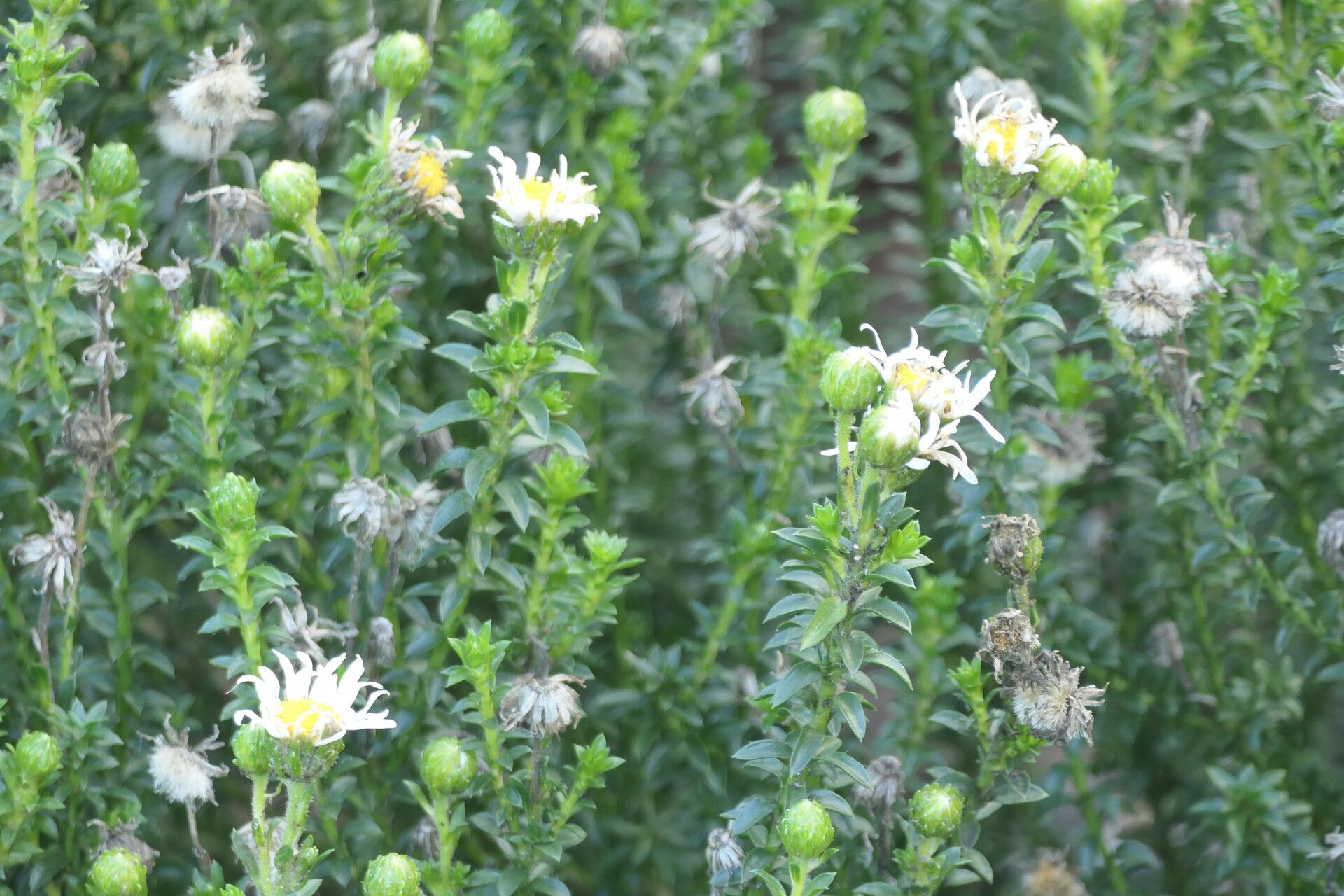
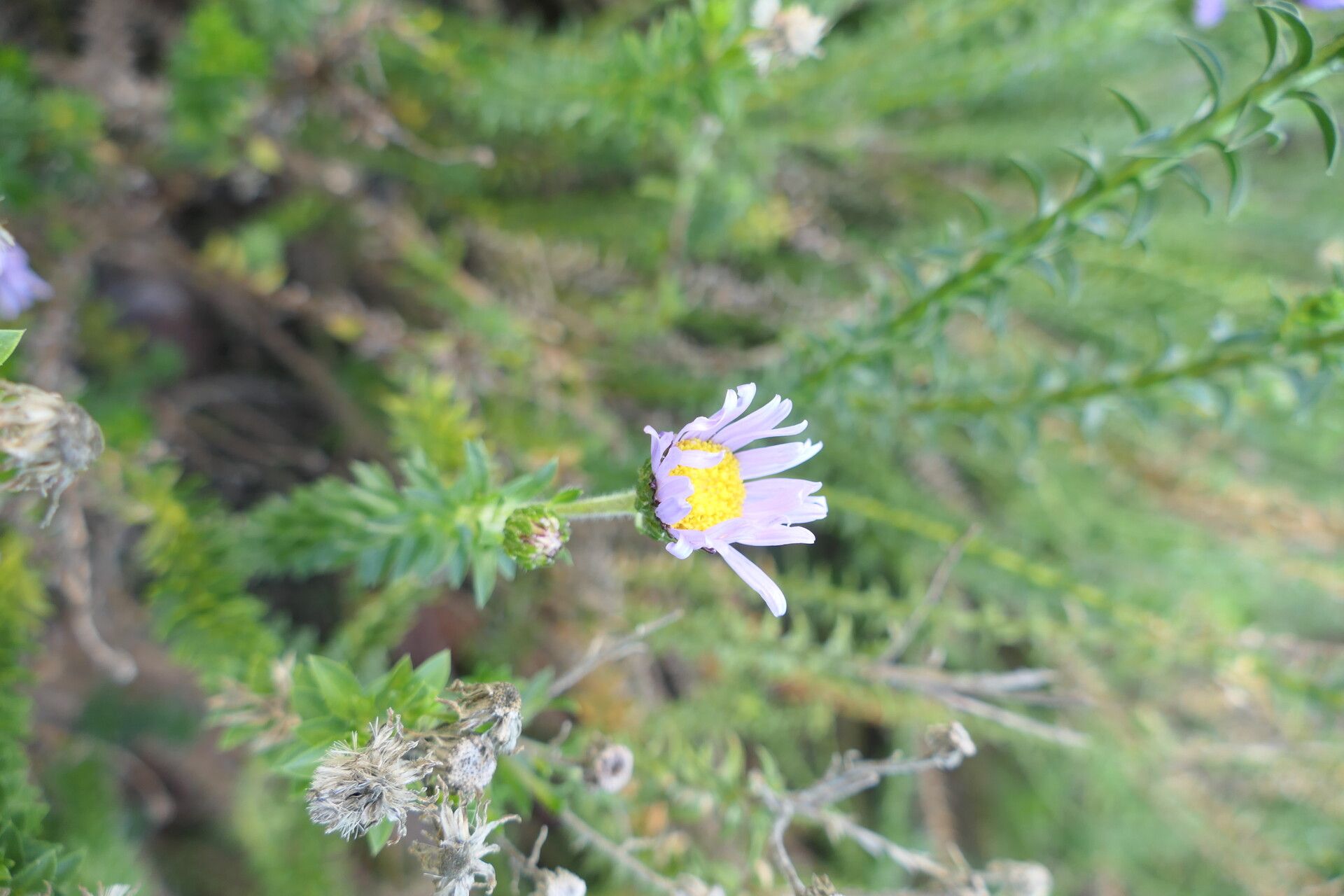
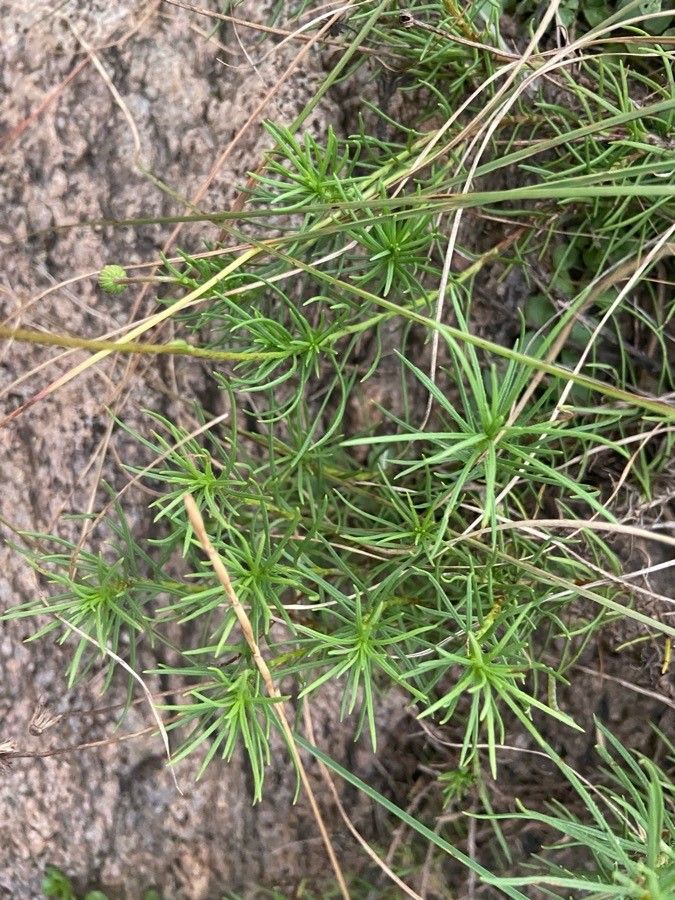
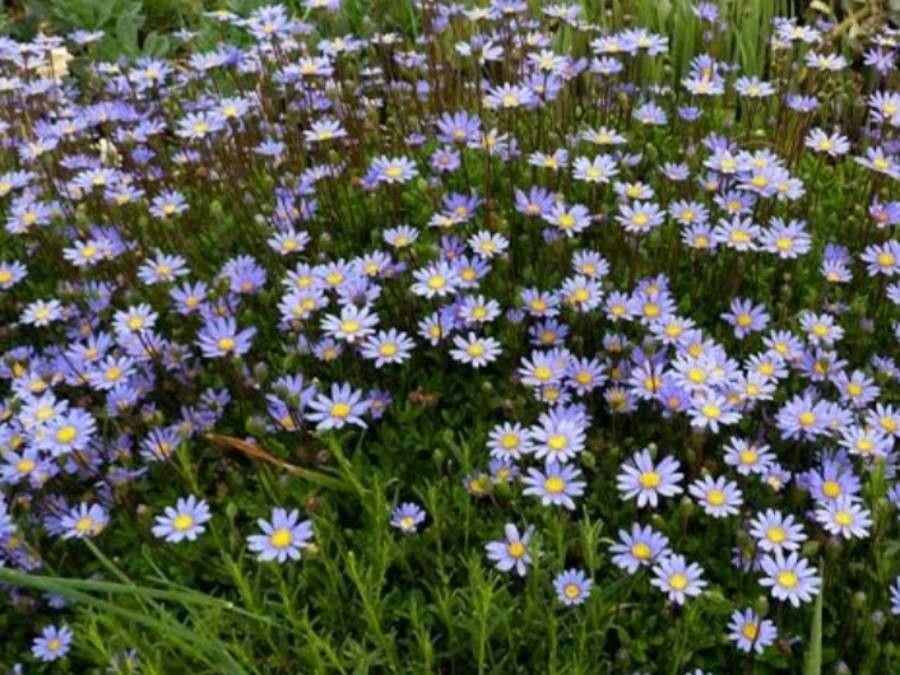
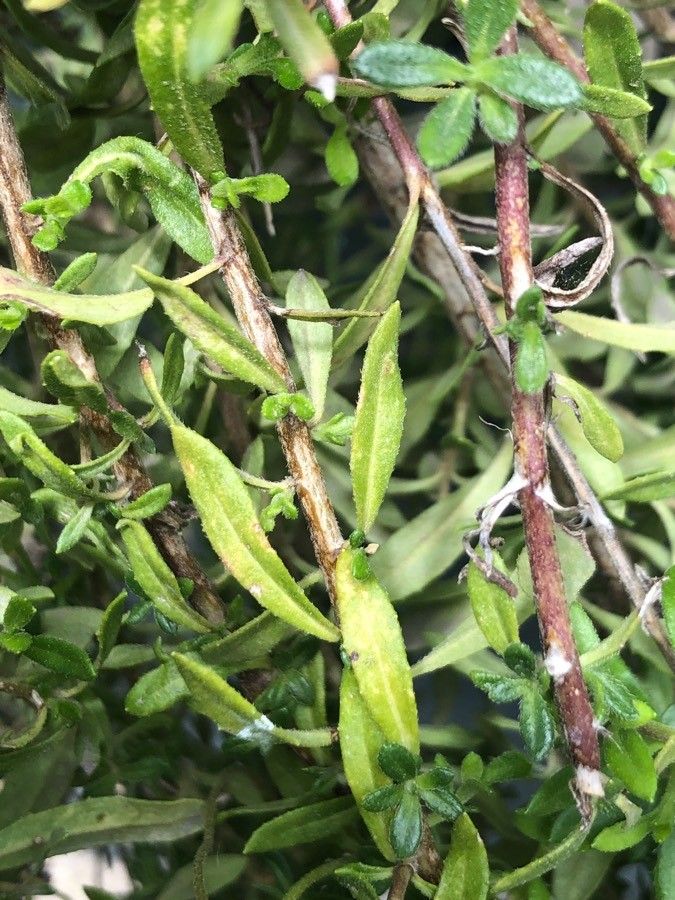
Felicia echinata, commonly known as the dune daisy or prickly felicia, is a species of shrub native to South Africa belonging to the daisy family (Compositae or Asteraceae). It grows to 1 m (3.3 ft) high and bears blue-purple flower heads with yellow central discs. In the wild, it flowers April to October.
Dune Felicia shows good resistance to disease and is typically not prone to illnesses. Nevertheless, it can be affected by pests and diseases present in its environment. These problems are usually minor. For care, this plant requires moderate maintenance. It should be pruned regularly to preserve a neat appearance and encourage healthy growth. Fertilizing can also aid in boosting flowering. Dune Felicia is well suited for anyone with outdoor space, such as a garden or patio, and does not demand extensive care experience. It may need more attention when grown indoors.
How to keep Felicia Echinata.
Light
Dune Felicia is a sun-loving, herbaceous perennial that originates from open habitats and commonly grows in meadows and grasslands. It prefers full sun but can tolerate partial sun.
Water
Felicia echinata thrives in semi-arid environments, where there is moderate humidity and some tolerance to drought. If you're growing it outdoors, water it every 1-2 weeks, but remember to adjust the frequency based on the natural rainfall. Adequate hydration is crucial for its healthy growth, especially during its active growing season.
Temperature
Dune Felicia is highly adaptable to a variety of climatic conditions, handling both hot summers and cold winters. That said, it does have an optimal temperature range for growth. If temperatures get too high, the plant is susceptible to heat and humidity stress, which can lead to its death. In areas where temperatures near the lower threshold of its cold tolerance, providing insulation is important to protect the plant.
Fertilizer
Fertilize your Dune Felicia in early spring to encourage healthy growth. Regular feeding improves overall health, producing vigorous growth, greater tolerance of challenging conditions, and enhanced resistance to pests and diseases. Keep a specific fertilization schedule for your Dune Felicia to maintain foliage that is vibrant, deeply colored, and lush in appearance.
Pruning
Felicia echinata is a hardy flowering plant that produces daisy-like blooms. To encourage growth, prevent legginess, and improve flower production, prune the plant in early spring by trimming it back by one-third of its height. Be sure to use clean, sharp tools for pruning to ensure effectiveness and to prevent disease, which will help keep the plant healthy.
Botanical profile.
- Plant Type
- Shrub, Herb
- Life Cycle
- Perennial
- Genus
- Felicia
- Family
- Asteraceae
- Hardiness Zone
- 9-11
- Mature Height
- 10 cm to 30 cm
- Mature Spread
- 20 cm to 40 cm
- Leaf Color
- Green
- Leaf Type
- Deciduous
- Flower Size
- 2.03 cm to 3.05 cm
- Bloom Time
- Spring, Early summer, Mid summer
- Planting Time
- Spring, Autumn
- Harvest Time
- Late spring, Summer
- Native Area
- South Africa
Other names.
Reader questions.
What are the sunlight requirements for Felicia echinata?
Felicia echinata requires specific sunlight conditions to thrive. For full sun exposure, the plant needs above 6 hours of sunlight daily. In conditions of partial sun, around 3-6 hours of sunlight is sufficient. It's important to observe the way sunlight moves through your garden throughout the day. Choosing the right spots that provide a balanced amount of light and shade is crucial for the health and happiness of your Felicia echinata.
What is Felicia echinata?
Felicia echinata is a plant known by its botanical name as Felicia echinata. This entry does not contain specific details about the plant's essentials, symptoms related to its care or growing conditions, or any additional information. It appears to be focused solely on identifying the plant by its common and botanical names.