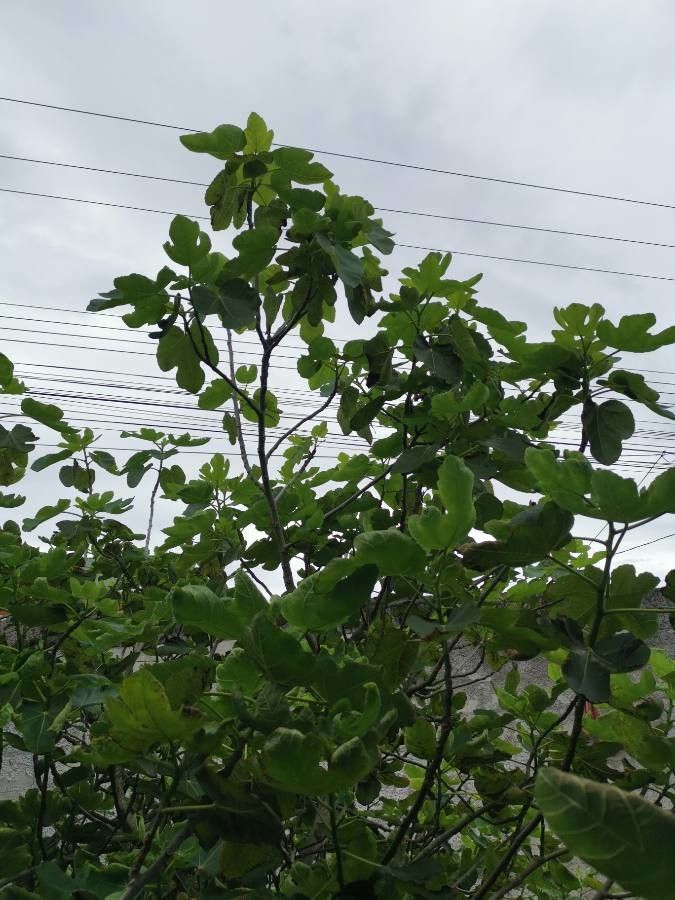
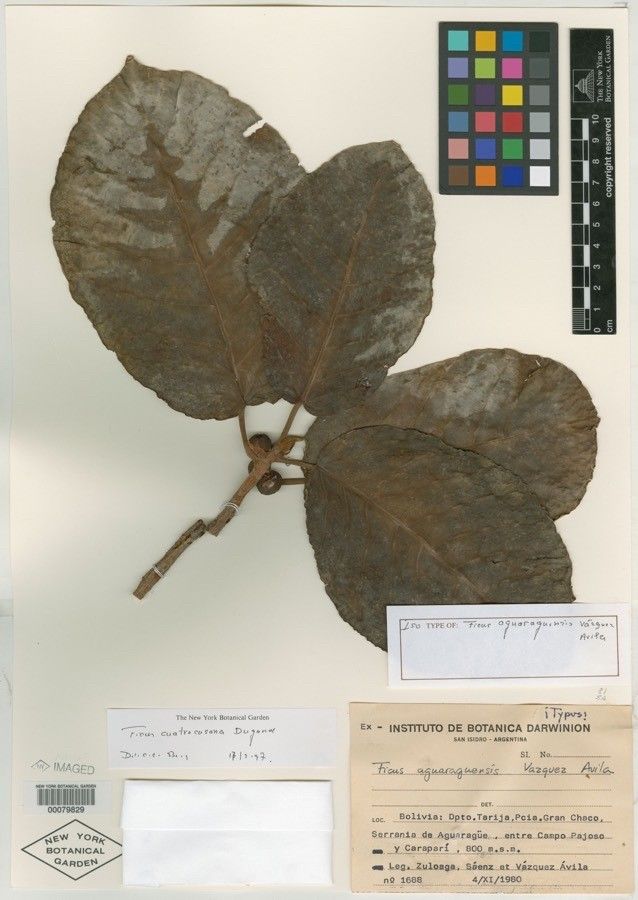
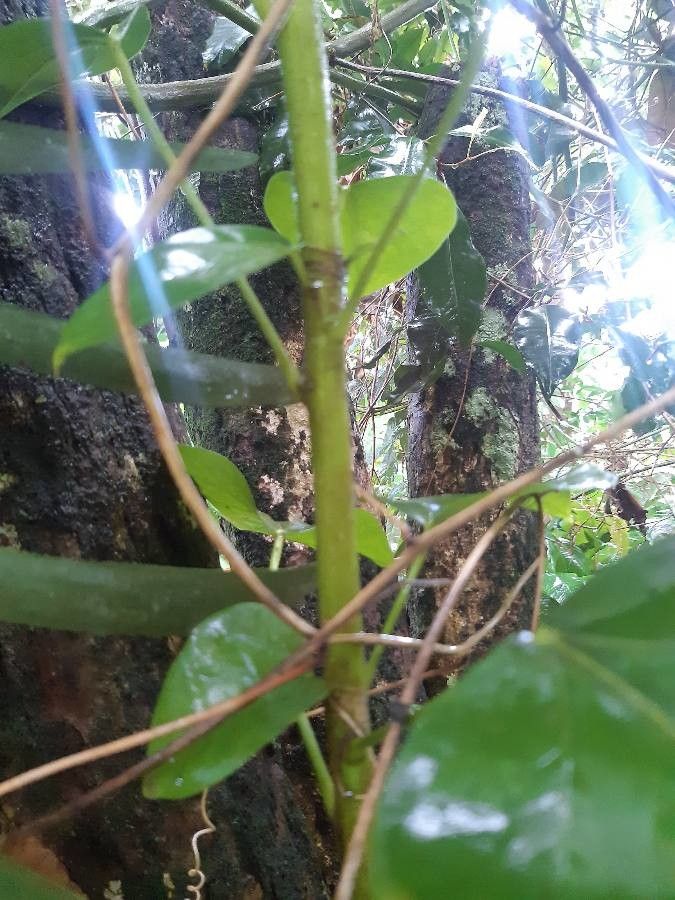
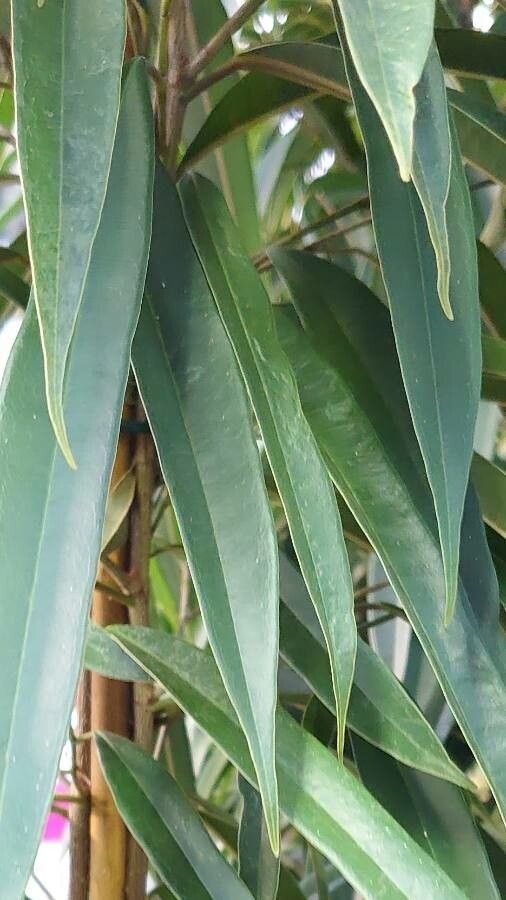
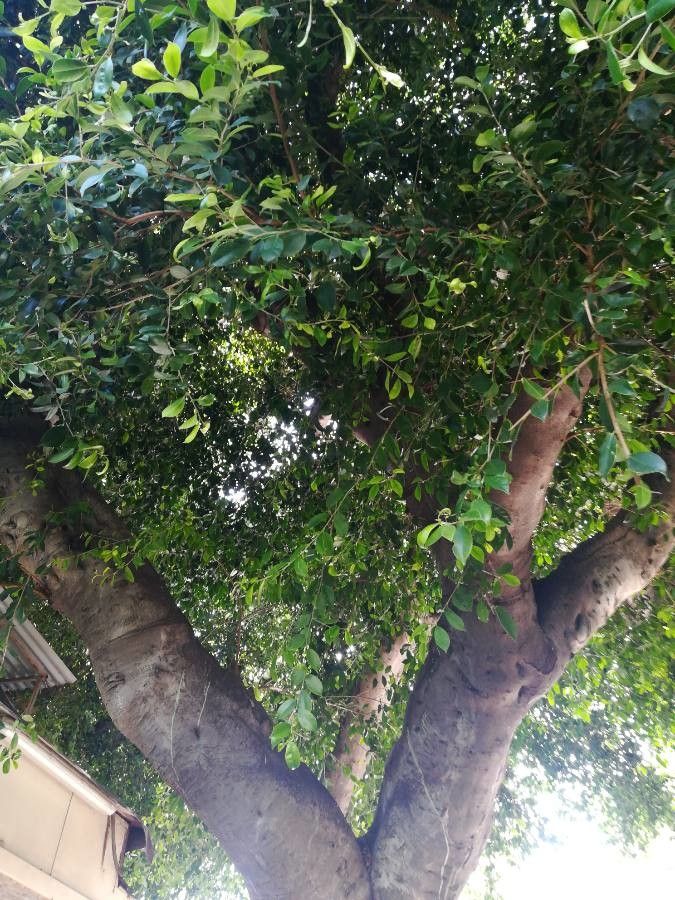
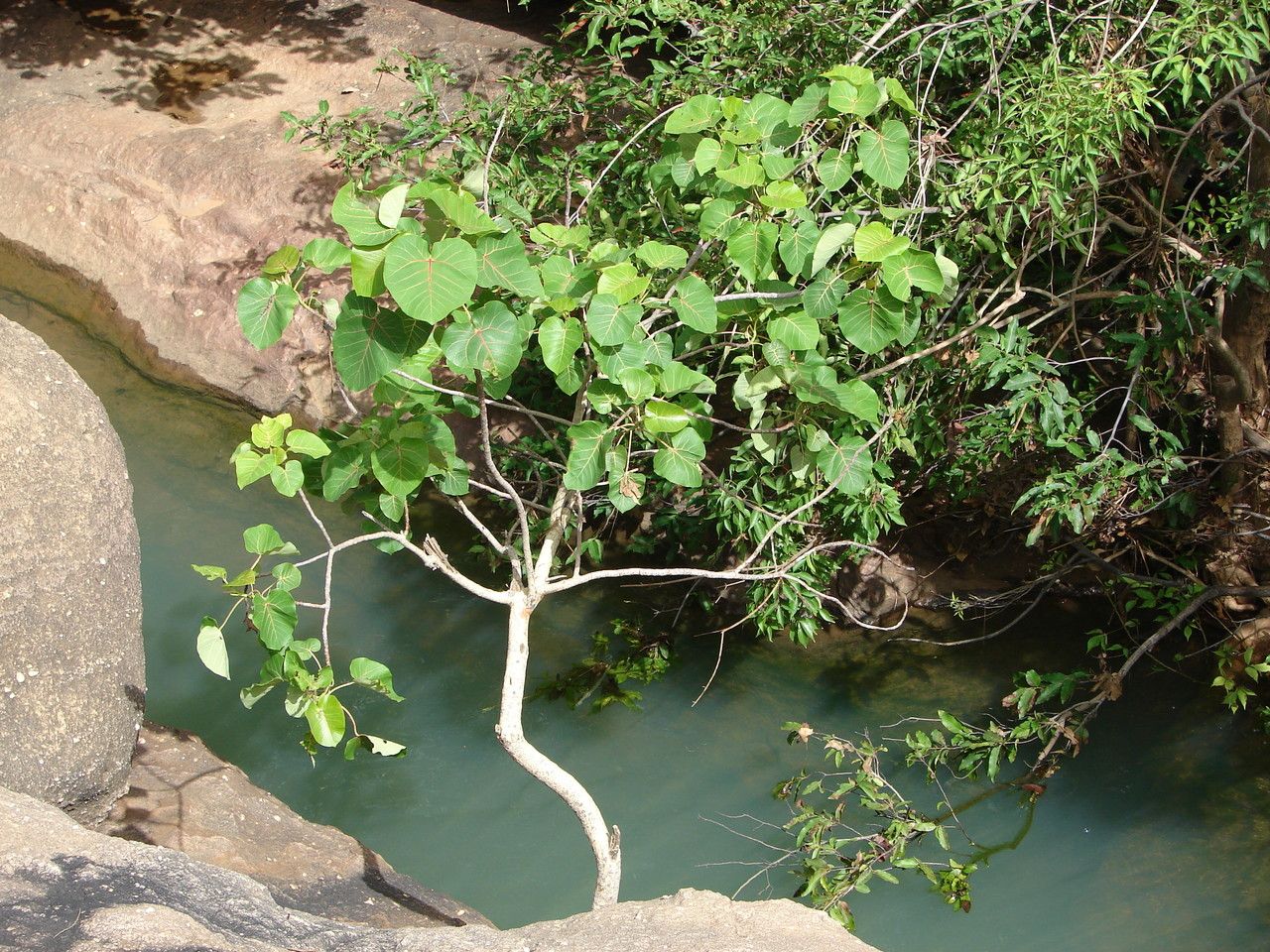
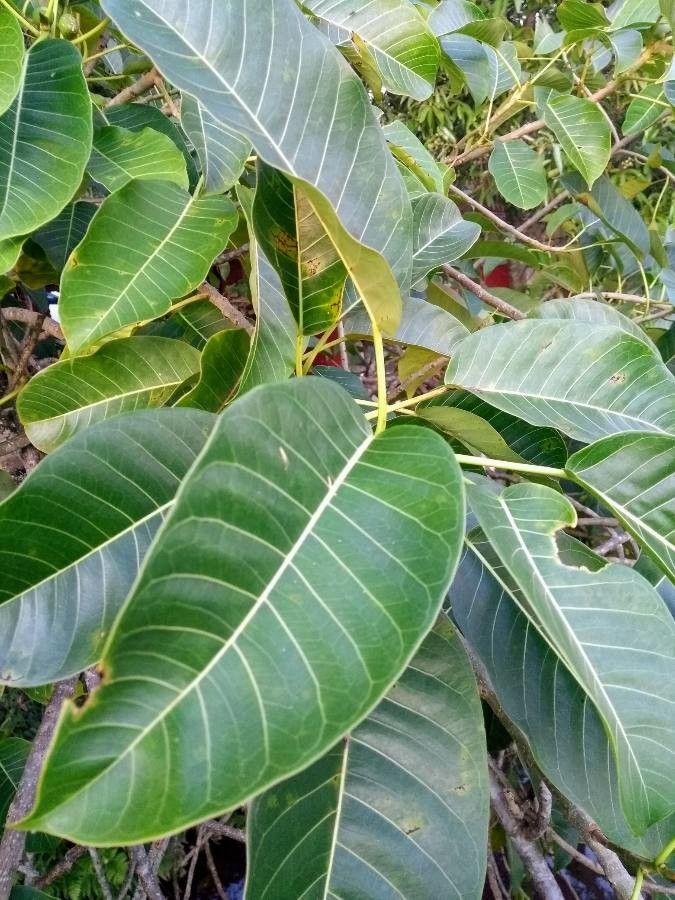
Ficus nymphaeifolia is a strangler fig found in central and South America. Growing up to 35 metres tall, the habitat is coastal plains, savannah and rainforest. This plant first appeared in scientific literature in 1768. Published in The Gardeners Dictionary by the English botanist, Philip Miller from specimens collected in the Caribbean. Latex from the plant may be used in the form of a plaster, to treat sprains and fractures and cuts to the body, to offer relief from pain and to protect a wound from infection.
Ficus nymphaeifolia has strong resistance to disease and is generally not prone to illnesses. In terms of care, this plant is fairly low-maintenance. When grown outdoors it needs minimal watering, and larger specimens usually do not require pruning. Smaller plants, however, should be pruned after they have bloomed. Ficus nymphaeifolia is suitable for anyone with outdoor space, such as a garden or deck, and does not demand a great deal of care experience.
How to keep Ficus Nymphaeifolia.
Light
Ficus nymphaeifolia occurs naturally in habitats like forest understories or rocky locations, where it grows in natural shade. It prefers partial sun but can tolerate full sun or full shade, demonstrating its adaptability and hardiness.
Temperature
Ficus nymphaeifolia comes from tropical areas, where the climate is generally warm and humid. Consequently, it is adapted to high temperatures and moisture. It is sensitive to sudden temperature changes and prefers a steady temperature, so avoiding indoor temperature fluctuations is important. It typically cannot tolerate cold and needs warmer conditions to grow. If the surrounding temperature becomes too low, the plant may stop growing or even die.
Fertilizer
Fertilization is essential for the care of Ficus nymphaeifolia. Regular feeding during the growing season maintains the energy required for its showy foliage and supports overall growth. Failing to fertilize can lead to unhealthy leaves, reduced ornamental value, and stunted or weak growth that is more likely to break.
Botanical profile.
- Plant Type
- Tree
- Life Cycle
- Perennial
- Genus
- Ficus
- Family
- Moraceae
- Hardiness Zone
- 10-12
- Mature Height
- 20.12 m to 29.87 m
- Mature Spread
- 14.94 m to 24.99 m
- Leaf Color
- Dark Green, Forest Green
- Leaf Type
- Evergreen
- Bloom Time
- All year round
- Planting Time
- Spring, Summer, Autumn
- Harvest Time
- All year round
- Native Area
- Colombia, Belize, Honduras, Bolivia, Venezuela, Peru, Guyana, Brazil, Nicaragua, Ecuador, Costa Rica, Panama
Other names.