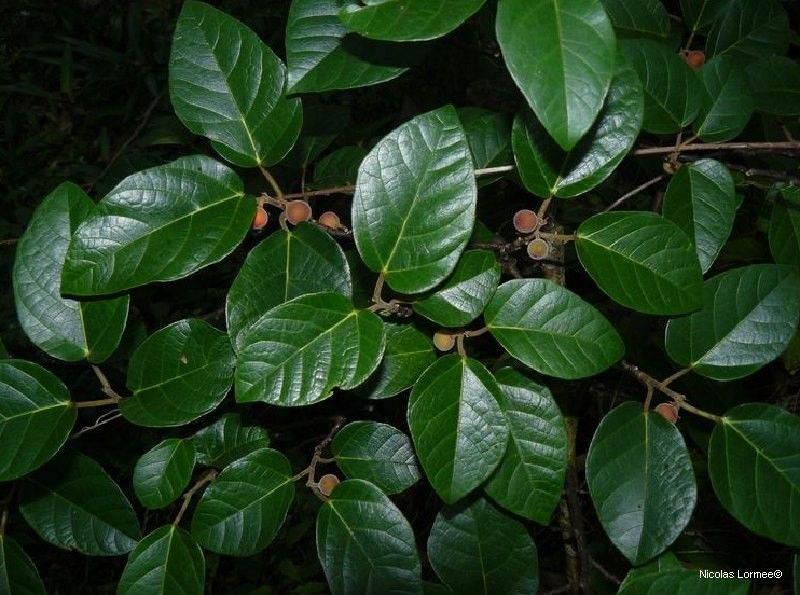
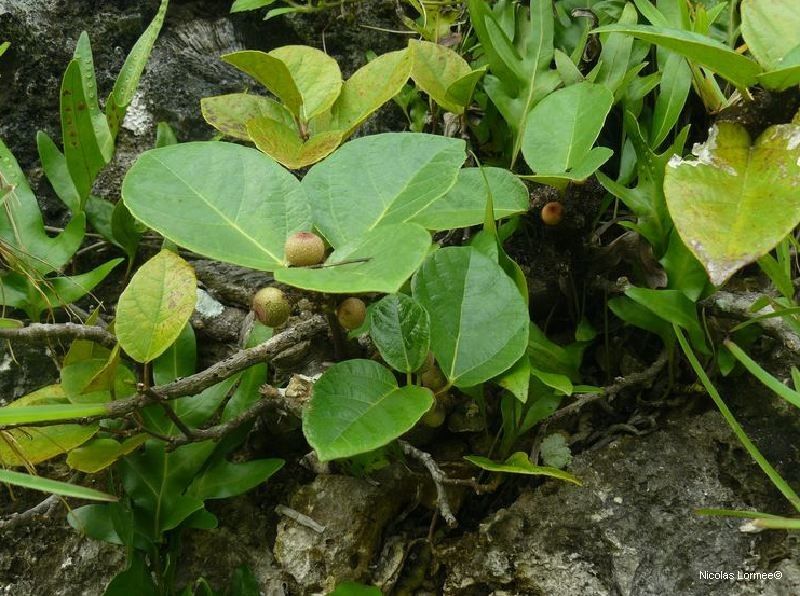
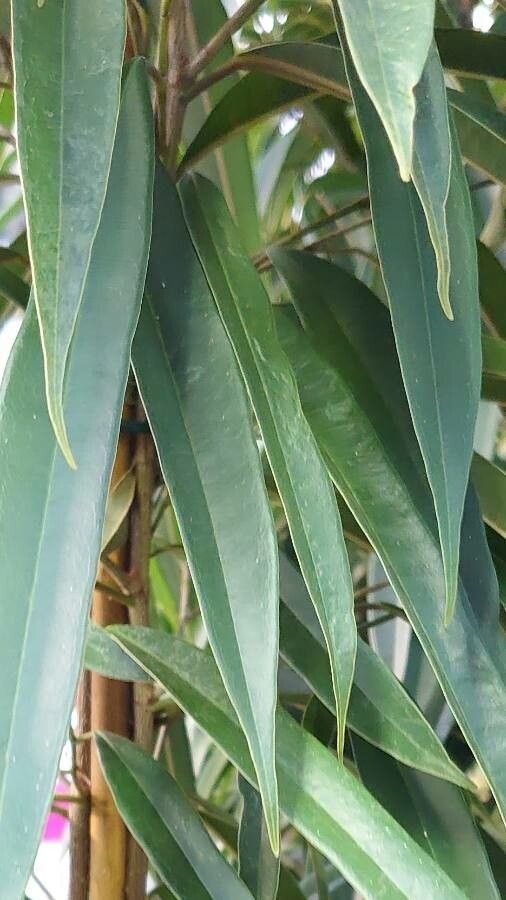
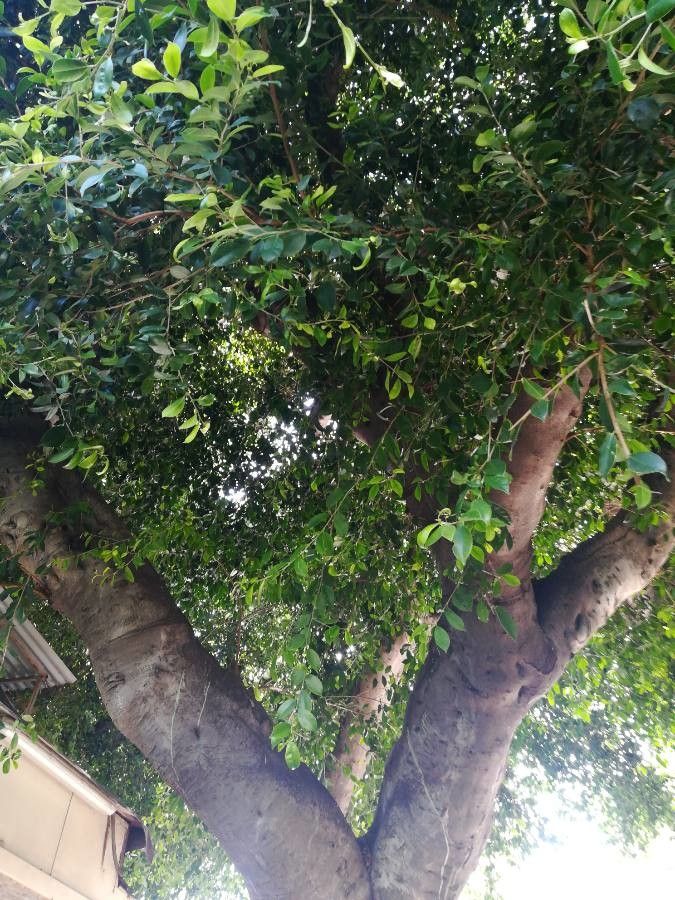
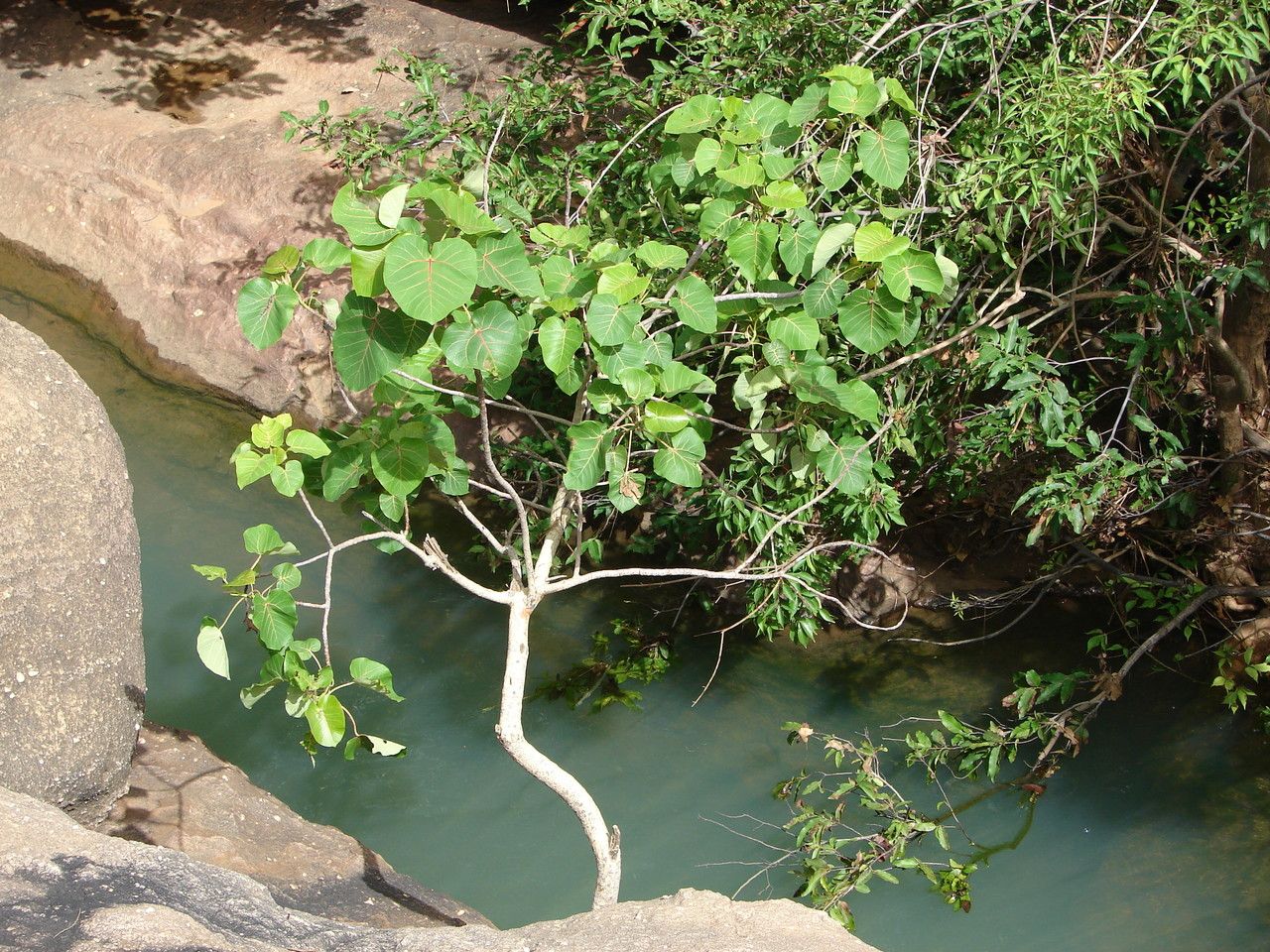
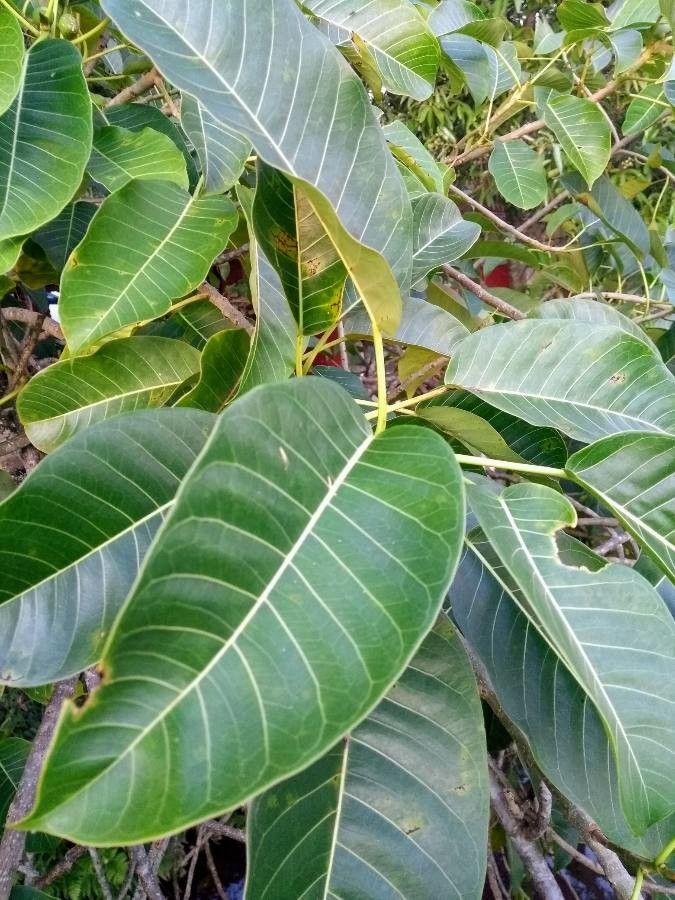
Ficus scabra is a fig species in the family Moraceae native to Fiji, New Caledonia, Niue, Samoa, Tonga, Vanuatu, and Wallis-Futuna Island in the southwestern Pacific.
The opposite-leaf fig has strong disease resistance and is generally not vulnerable to illnesses. In terms of care, this plant is fairly low-maintenance. When grown outdoors it needs only light watering, and larger plants typically do not require pruning. Smaller plants, however, should be pruned after they have finished blooming. The opposite-leaf fig is suitable for anyone with outdoor space, such as a garden or deck, and does not demand much experience in plant care.
How to keep Ficus Scabra.
Light
The opposite leaf fig demonstrates a notable preference for ample light, yet also exemplifies robustness in low light or filtered brightness scenarios. The plant, native to terrains abundant in sunlight, has evolved to flourish in such environments, which are vital for its vigorous growth. Nonetheless, too much sunlight can negatively impact its wellbeing, whereas insufficient light may restrict its growth.
Temperature
The opposite leaf fig naturally grows in areas where the temperature usually ranges from 68 to 100 °F (20 to 38 ℃). It has a preference for warmer climates, thus aim to sustain these temperatures when growing it. During chillier periods, think about enhancing the surrounding warmth.
Fertilizer
The perfect period to feed an Opposite leaf fig is at the onset of spring, when it's breaking the dormancy. This stimulates overall growth and the formation of flowers. Fertilizing strengthens the leaves, stems, and branches, while encouraging the production of big, bright, and enduring blooms. It supports the transport of nutrients from the roots to the flowers and elevates the plant's overall well-being and resistance to diseases.
Botanical profile.
- Plant Type
- Tree, Shrub
- Life Cycle
- Perennial
- Genus
- Ficus
- Family
- Moraceae
- Hardiness Zone
- 10-12
- Mature Height
- 6.1 m to 15.24 m
- Mature Spread
- 11.89 m
- Leaf Color
- Green
- Leaf Type
- Evergreen
- Flower Size
- 1.02 cm to 2.03 cm
- Bloom Time
- All year round
- Planting Time
- Spring, Autumn
- Harvest Time
- All year round
- Native Area
- Nepal, Sri Lanka, India, Malaysia, Indonesia, Cambodia, Vietnam, Myanmar, Bhutan, Bangladesh, Pakistan, Laos, Thailand, China
Other names.