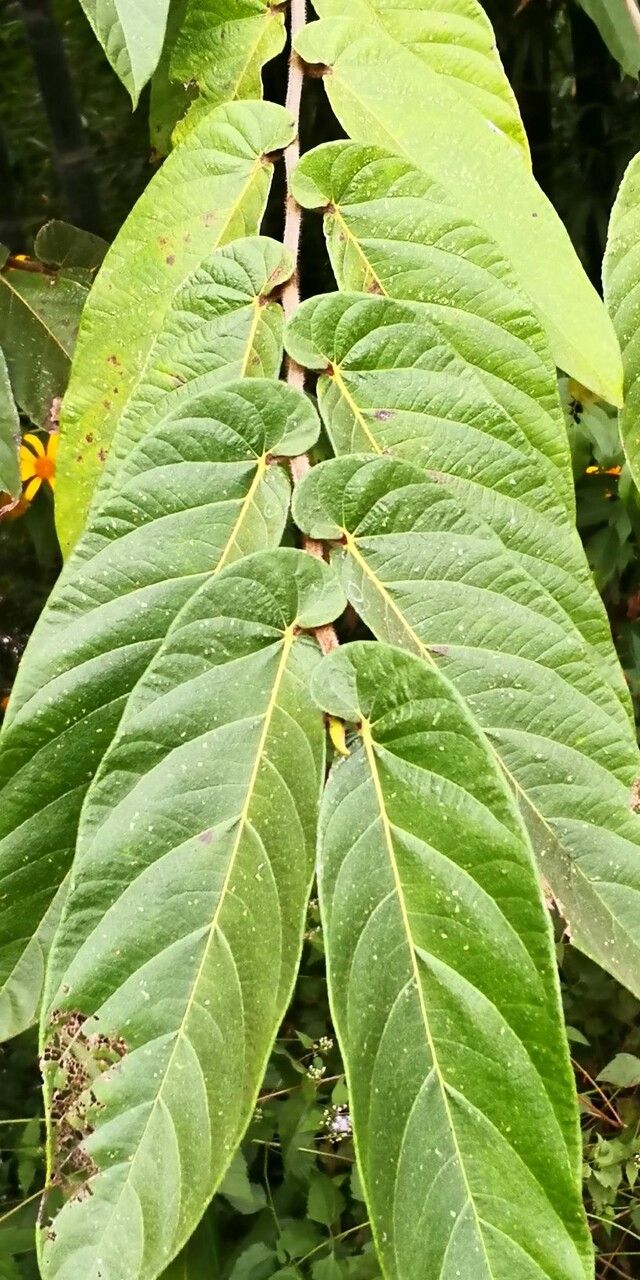
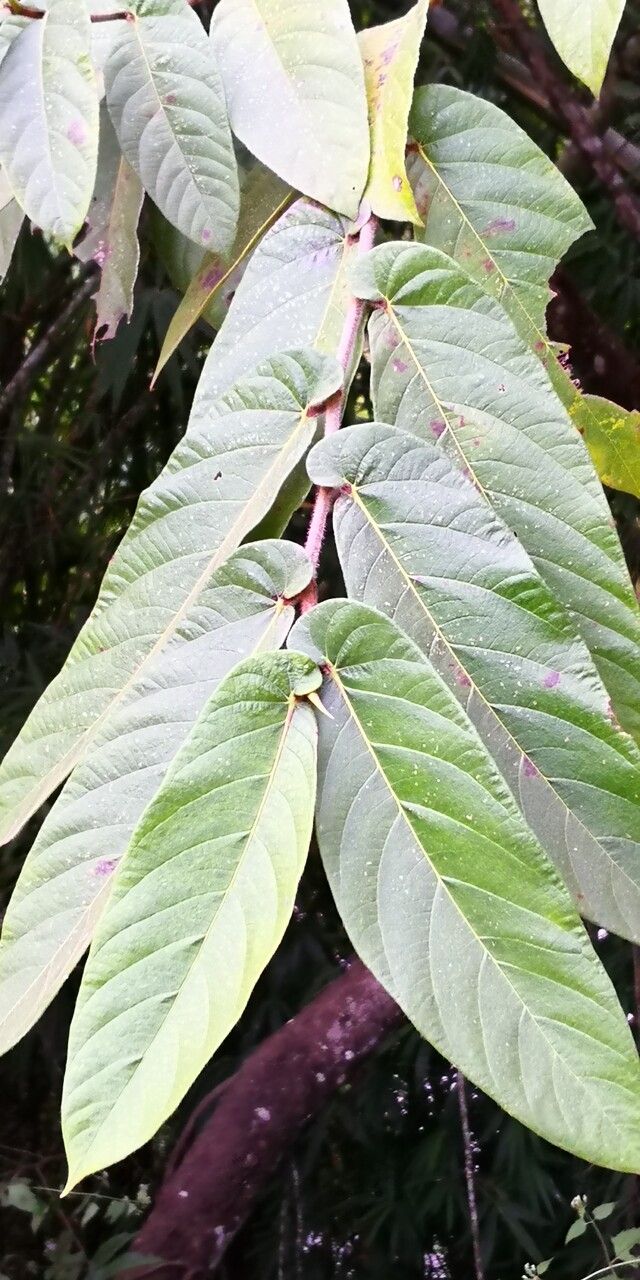
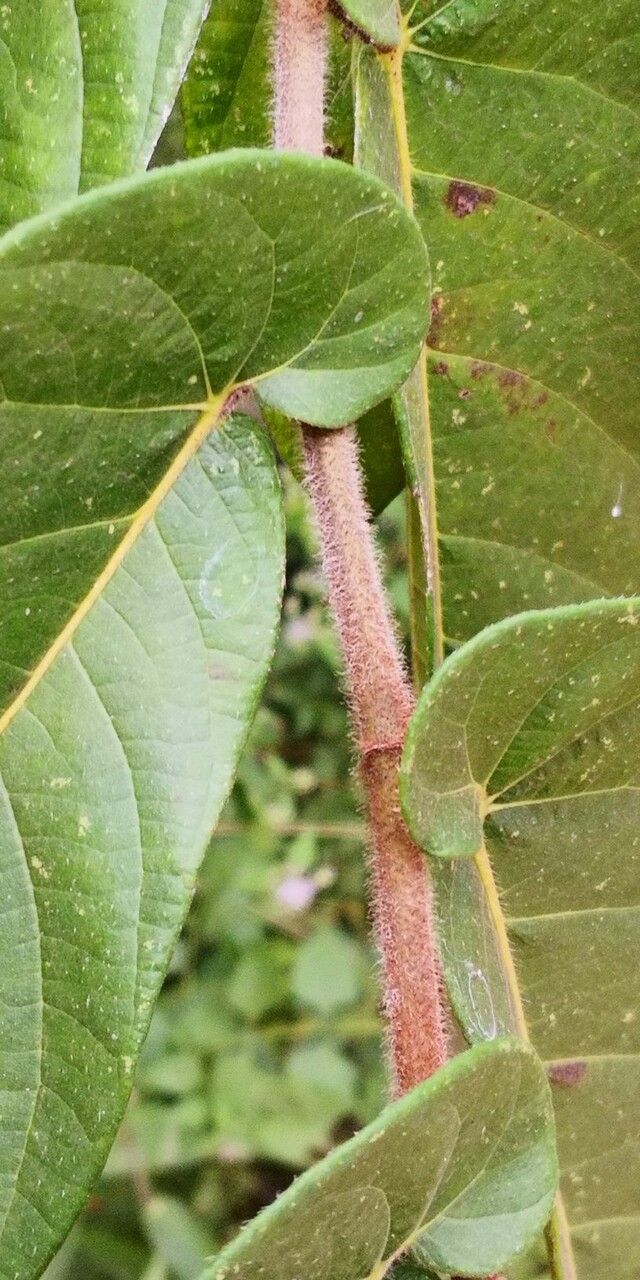
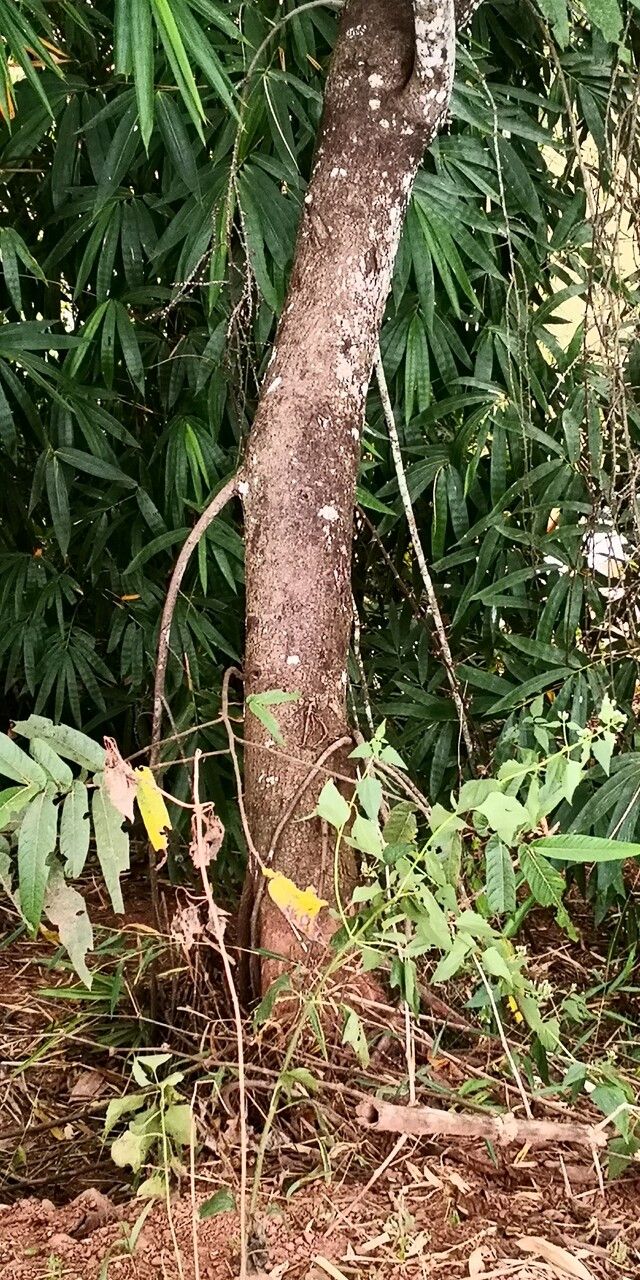
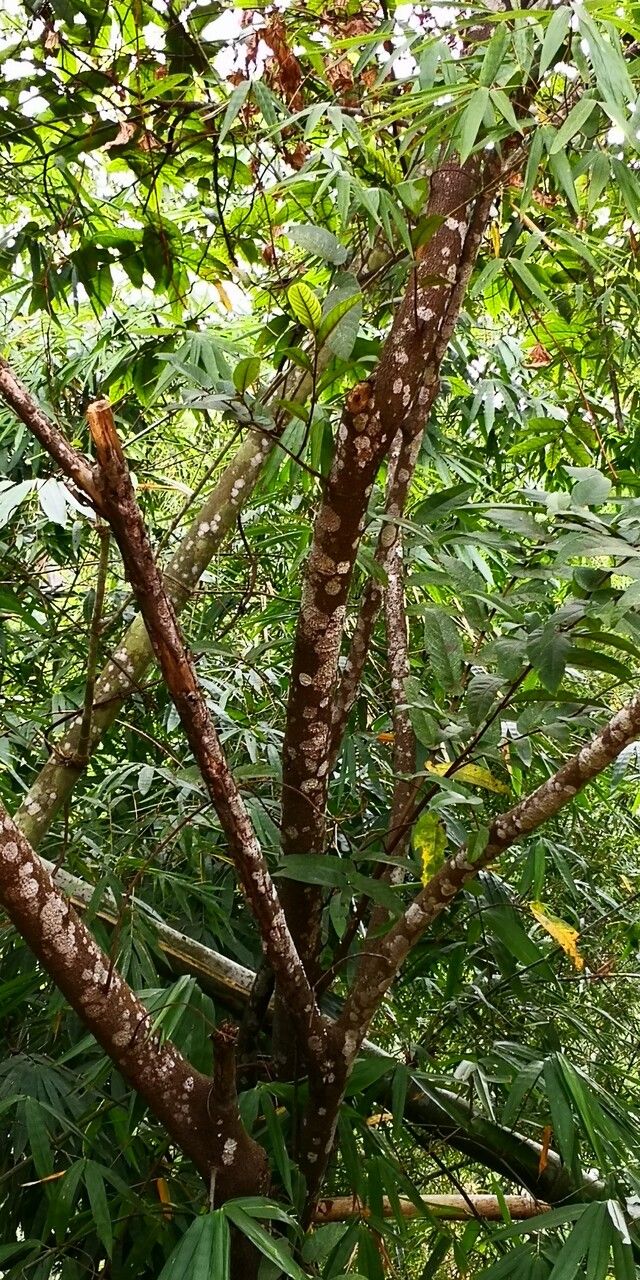
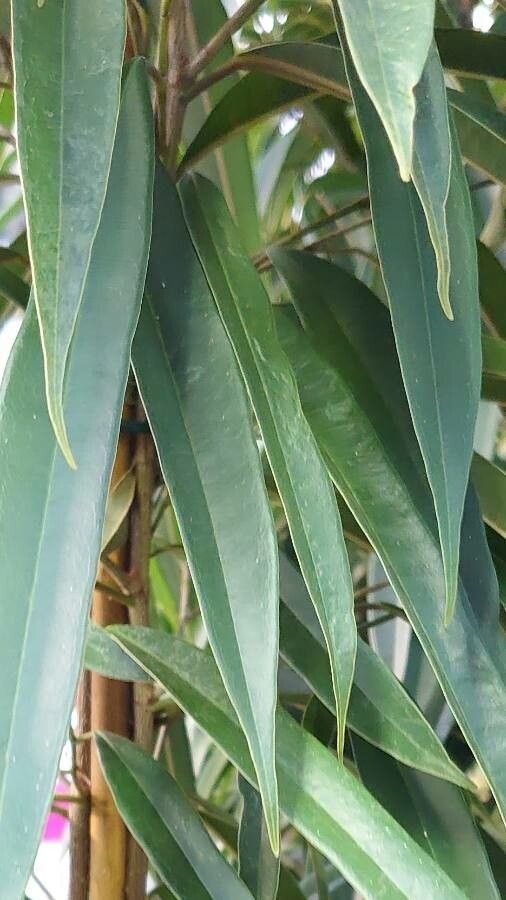
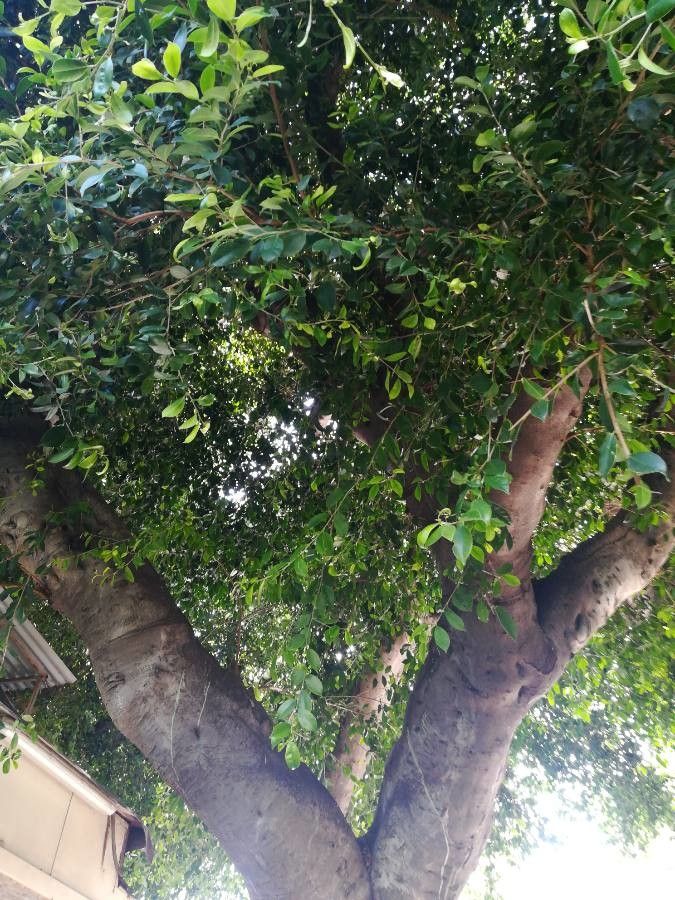
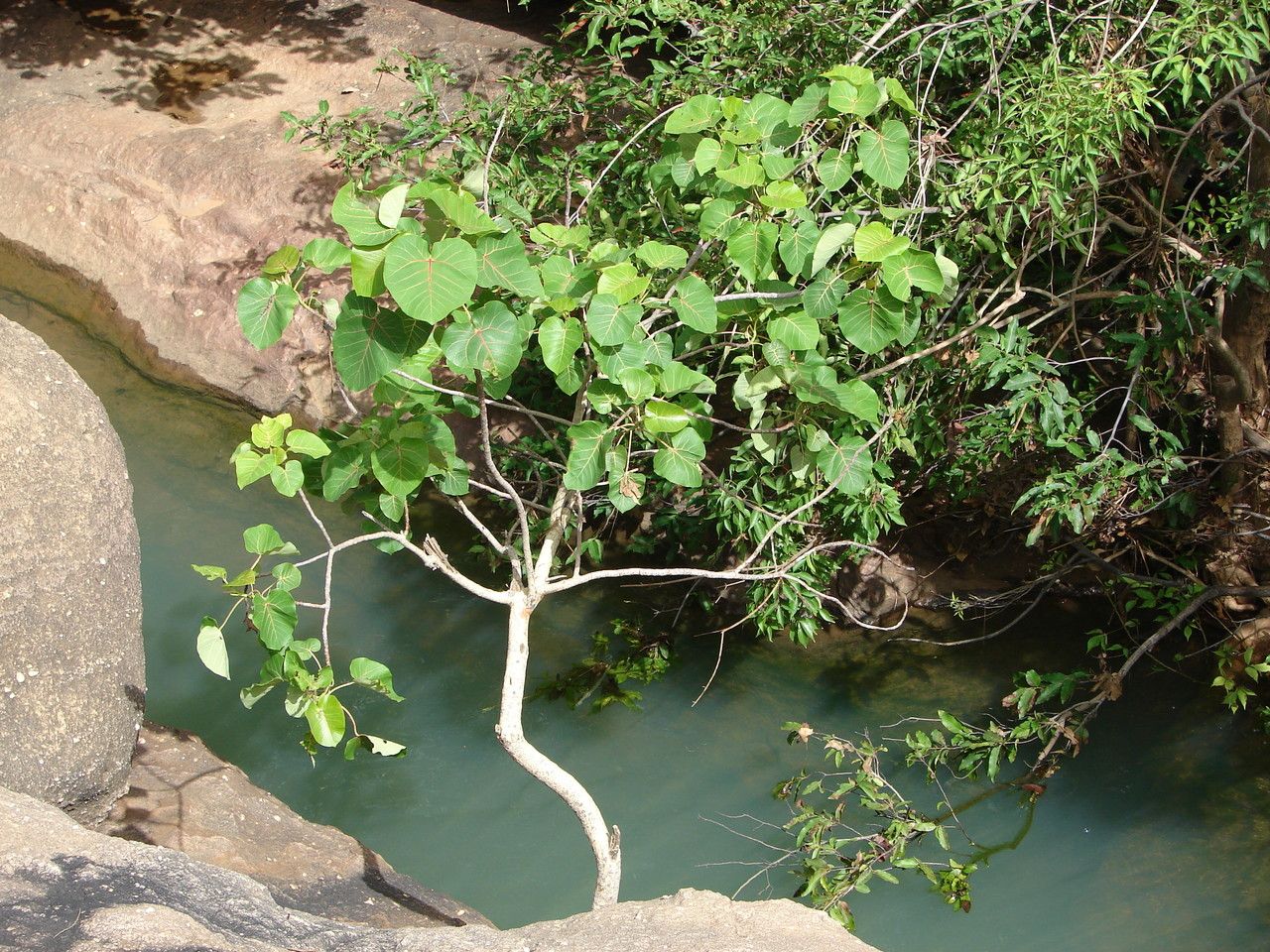
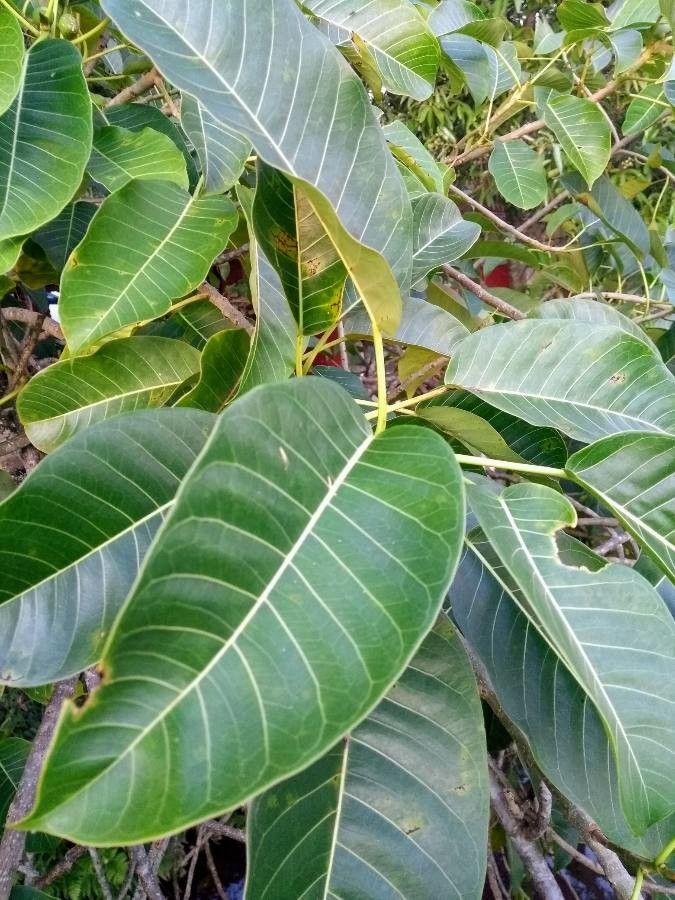
Ficus semicordata, commonly known as the drooping fig, is a small to medium-sized fodder tree of genus Ficus. It bears edible fruit. The figs on the lower part of the leafless branches may develop in leaf litter and humus, and be buried in the surface of the soil, where the seeds germinate. Otherwise birds and other animals distribute the seeds. Ficus semicordata is dioecious, with male and female flowers produced on separate individuals.
The drooping fig has strong resistance to disease and is generally unlikely to suffer from illnesses. In terms of care, this plant is fairly low-maintenance. When grown outdoors it needs only light watering, and larger specimens usually do not require pruning. Smaller plants, however, should be pruned after they finish blooming. The drooping fig is appropriate for anyone who has an outdoor area, like a garden or deck, and does not demand extensive care experience.
How to keep Ficus Semicordata.
Light
The drooping fig is native to habitats like forest understories or rocky areas, where it grows in natural shade. It prefers partial sun but can adapt to full sun or full shade, demonstrating its versatile and hardy nature.
Temperature
The drooping fig comes from tropical areas, where the climate is generally warm and humid. Consequently, it is adapted to high temperatures and humidity. It does not tolerate sudden temperature shifts and prefers a steady temperature, so avoiding indoor temperature fluctuations is important. It usually cannot withstand cold and needs warmer conditions to grow. If the ambient temperature falls too far, the plant may stop growing or even die.
Fertilizer
Providing fertilizer is essential for drooping fig care. Consistent feeding during the growing season preserves the energy required for its showy leaves and supports overall growth. Failing to fertilize can lead to unhealthy foliage, reduced ornamental value, and stunted or weak growth that is prone to breaking.
Botanical profile.
- Plant Type
- Tree
- Life Cycle
- Perennial
- Genus
- Ficus
- Family
- Moraceae
- Hardiness Zone
- 10-12
- Mature Height
- 7.92 m to 14.94 m
- Mature Spread
- 4.88 m to 7.92 m
- Leaf Color
- Dark Green, Forest Green
- Leaf Type
- Evergreen
- Bloom Time
- All year round
- Planting Time
- Spring, Summer, Autumn
- Harvest Time
- All year round
- Native Area
- Nepal, India, Malaysia, Vietnam, Myanmar, Bhutan, Bangladesh, Pakistan, Laos, Thailand, China