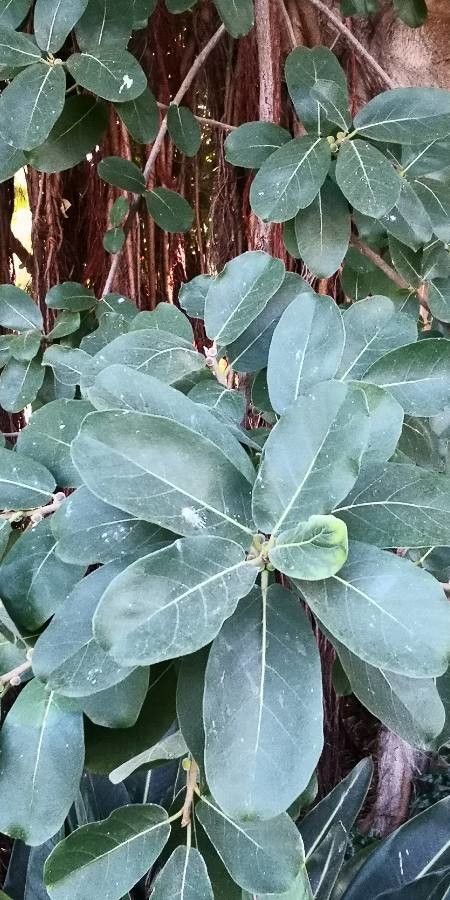
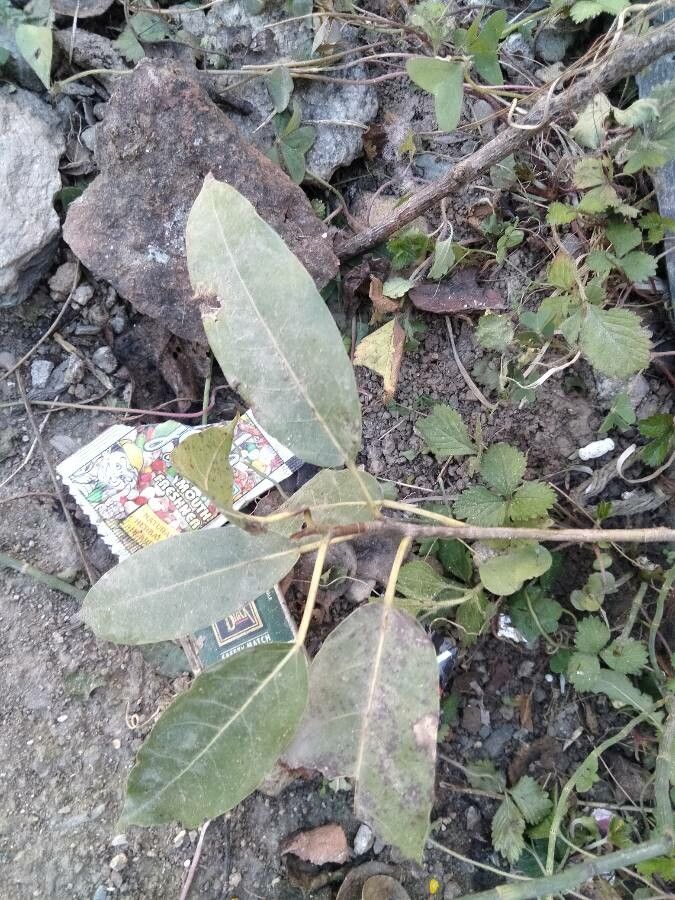
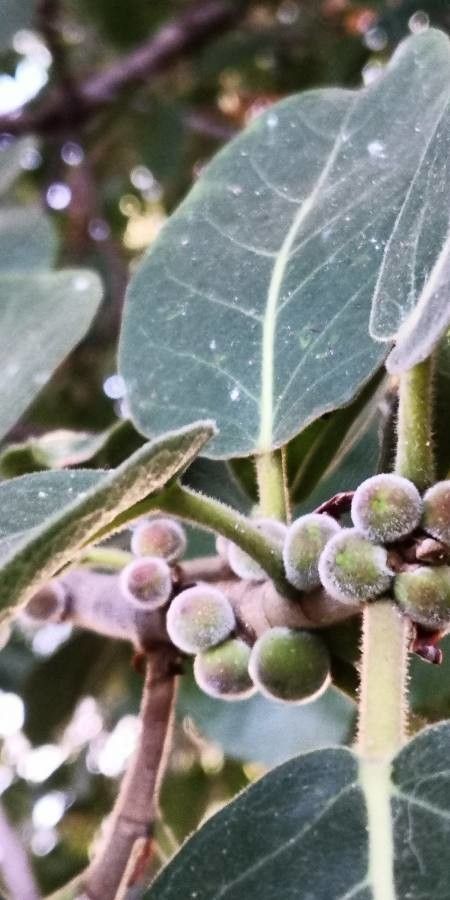
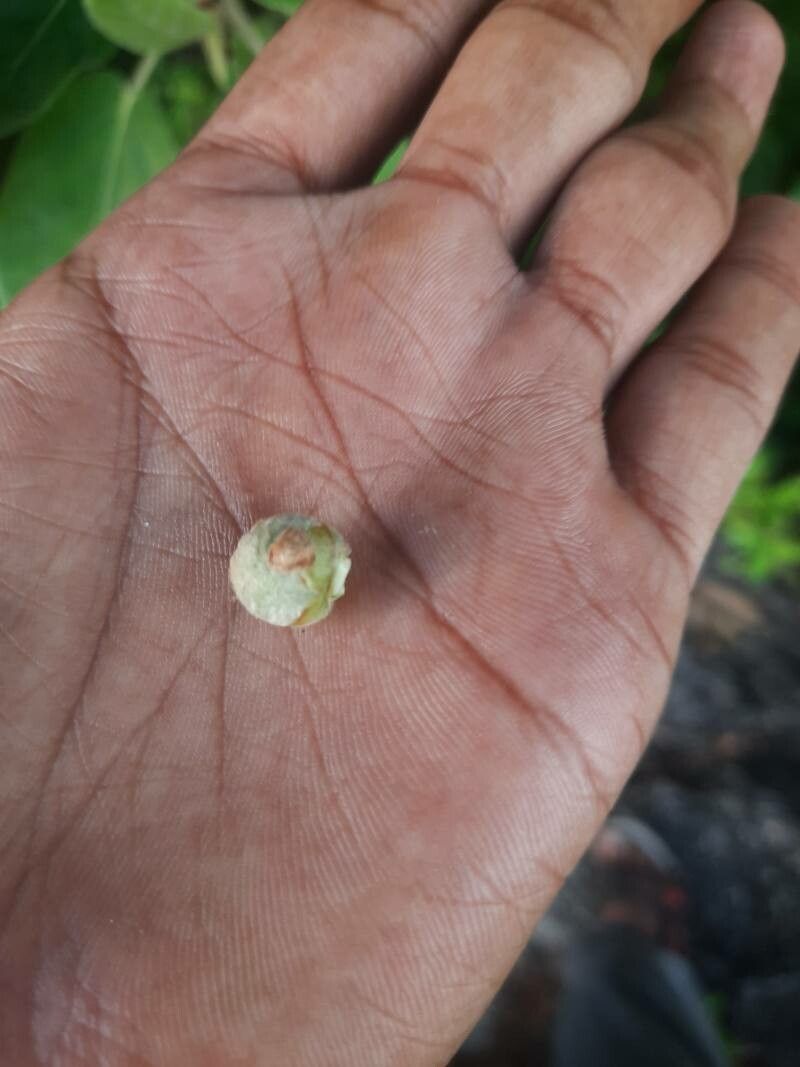
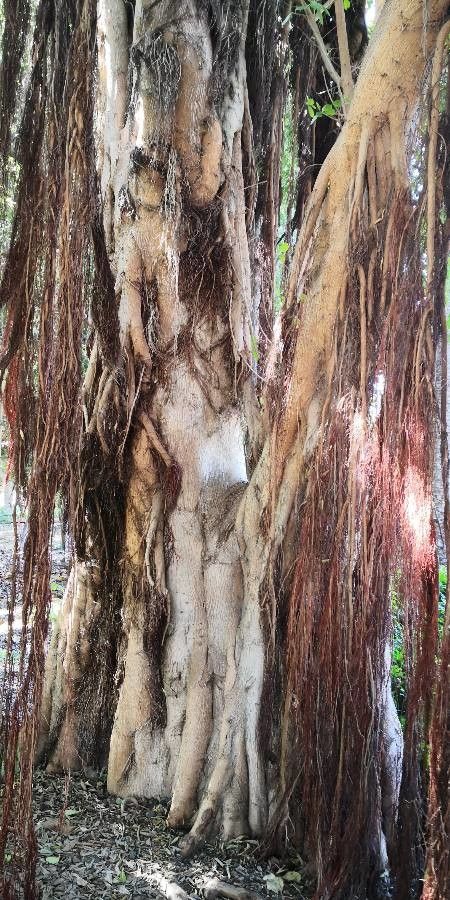
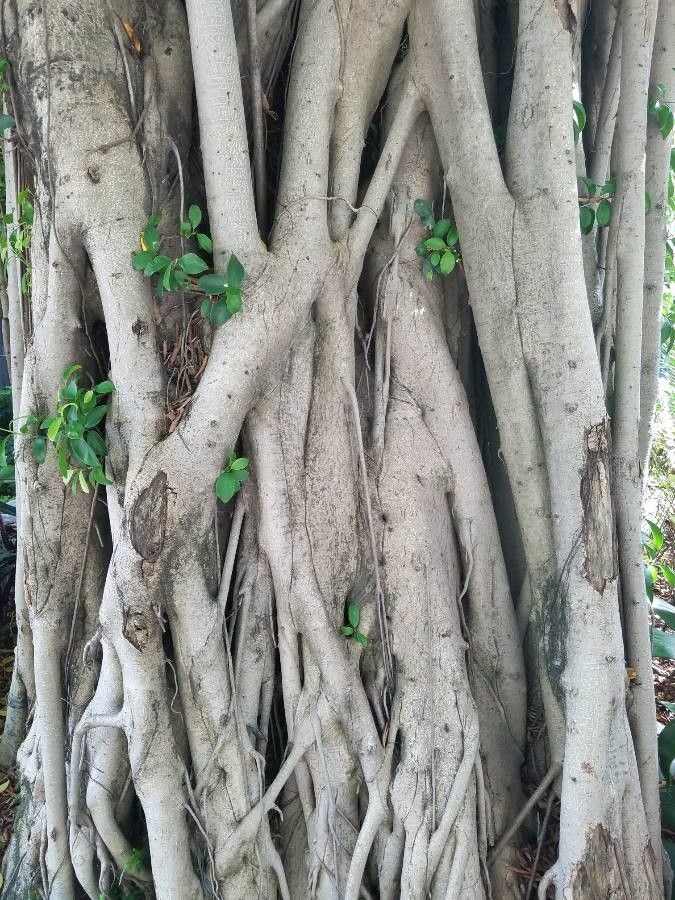
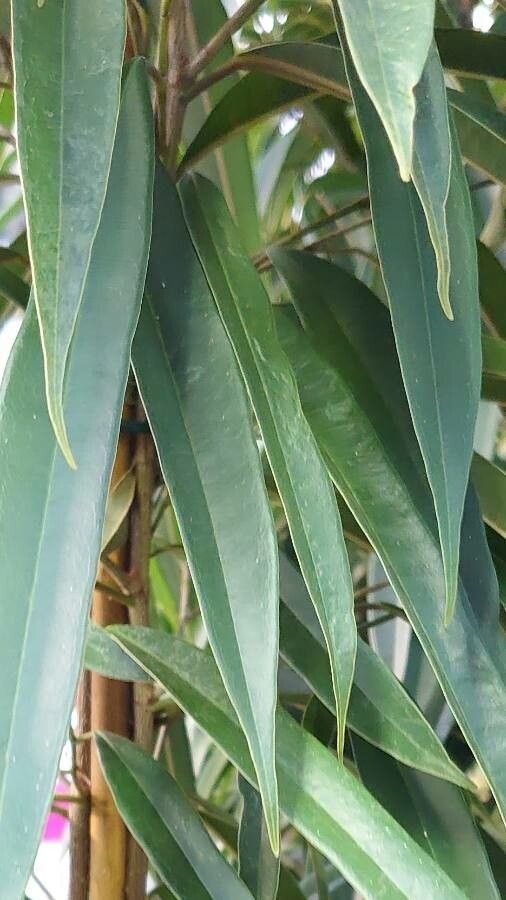
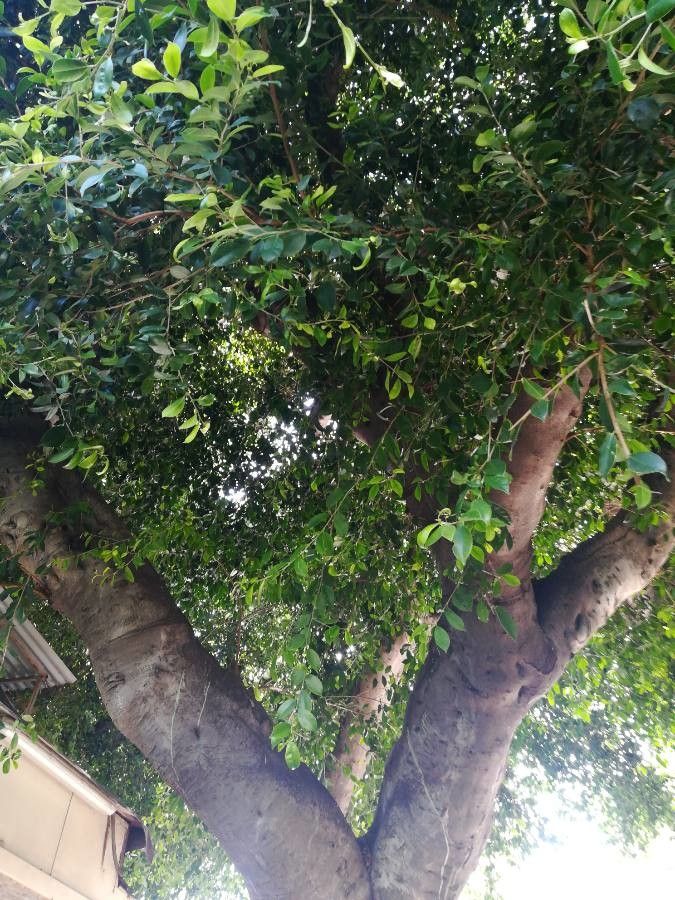
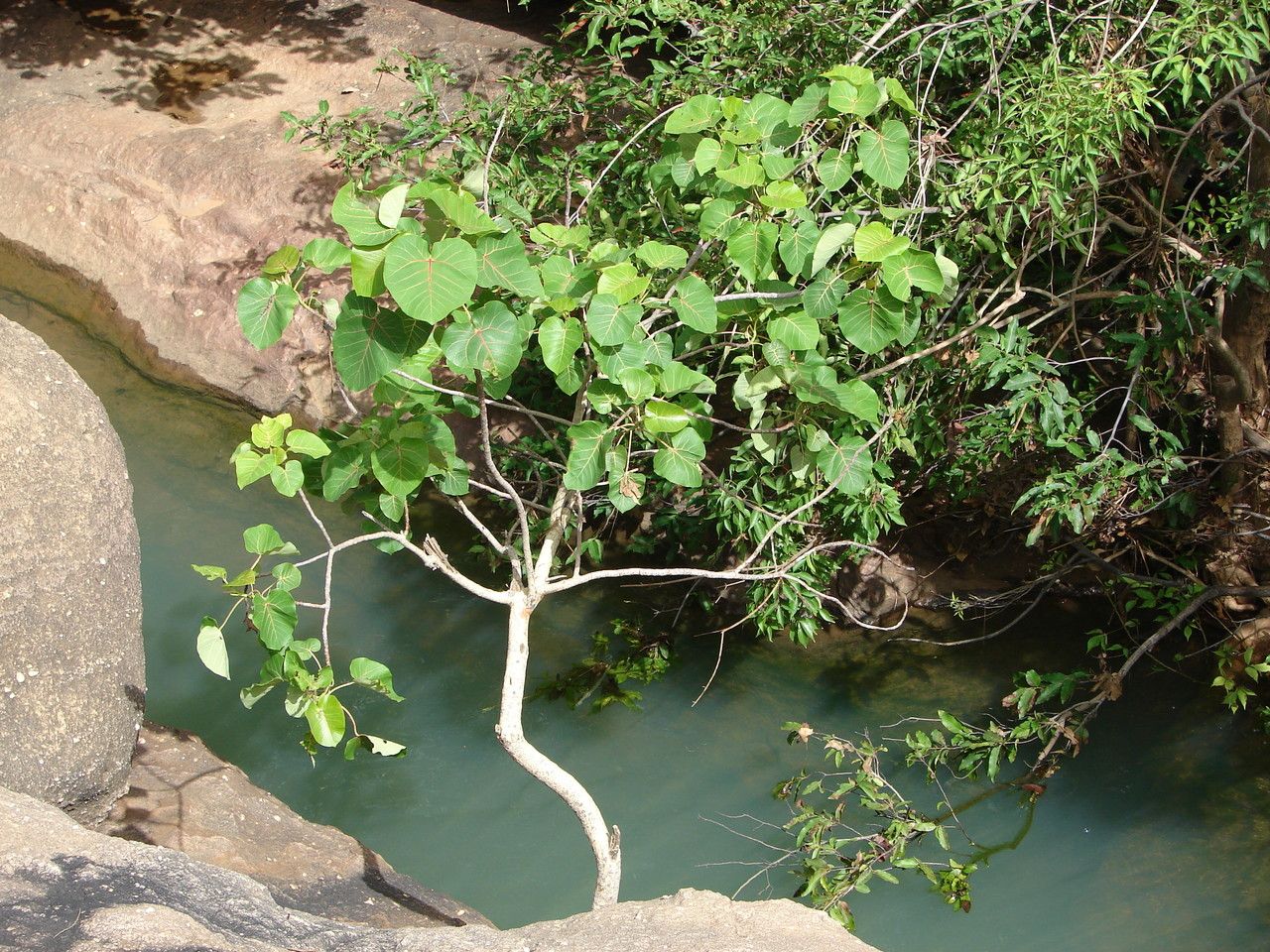
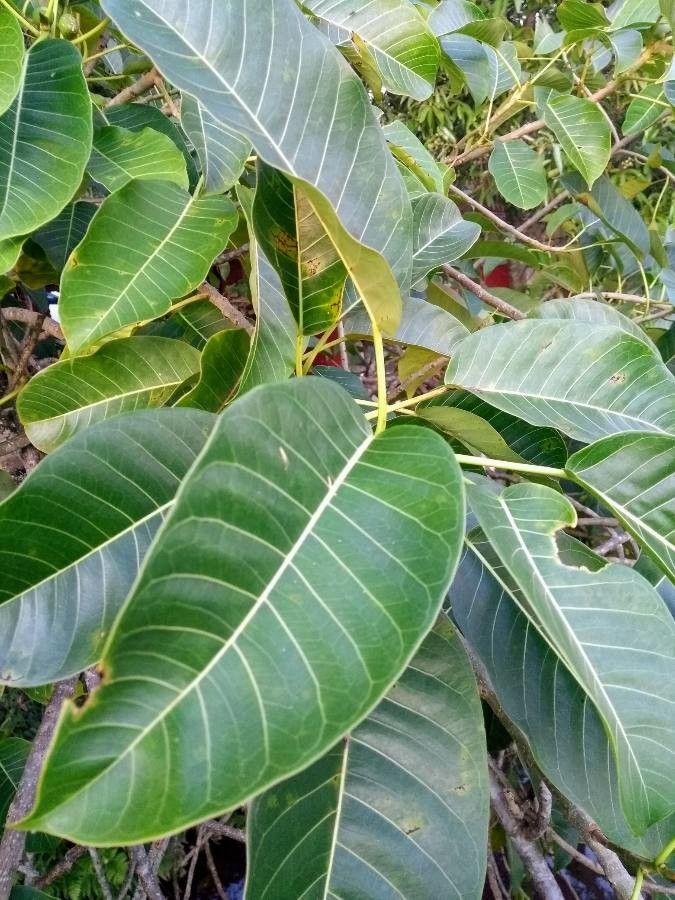
Ficus stuhlmannii is a tree in the family Moraceae. It is commonly known as the lowveld fig. These trees are distributed from KwaZulu-Natal in South Africa to east Africa.
Stuhlmann's fig is strongly resistant to disease and is generally unlikely to develop illnesses. As for care, this plant is fairly low-maintenance. When grown outdoors it needs little watering, and larger plants usually do not need pruning. Smaller plants, however, should be pruned after they finish blooming. Stuhlmann's fig is well suited to anyone with an outdoor area like a garden or deck and does not require extensive gardening experience.
How to keep Ficus Stuhlmannii.
Temperature
Stuhlmann's fig comes from tropical areas, where the climate is generally warm and humid. As a result, it is adapted to high temperatures and humidity. It is sensitive to sudden temperature shifts and prefers a stable thermal environment, so avoiding temperature fluctuations indoors is important. It typically cannot tolerate cold and requires warmer conditions for growth. If the surrounding temperature drops too low, the plant may stop growing or even die.
Fertilizer
Fertilizing is essential for caring for Stuhlmann's fig. Regular feeding during the growing season maintains the energy needed for its showy foliage and supports overall growth. If fertilization is neglected, leaves may become unhealthy, the plant’s ornamental value can decline, and growth may be stunted or weak and more likely to break.
Botanical profile.
- Plant Type
- Tree
- Life Cycle
- Perennial
- Genus
- Ficus
- Family
- Moraceae
- Hardiness Zone
- 6-13
- Native Area
- Malawi, Mozambique, South Africa, Zambia, Eswatini, Kenya, Congo (DRC), Uganda, Tanzania, Zimbabwe
Other names.