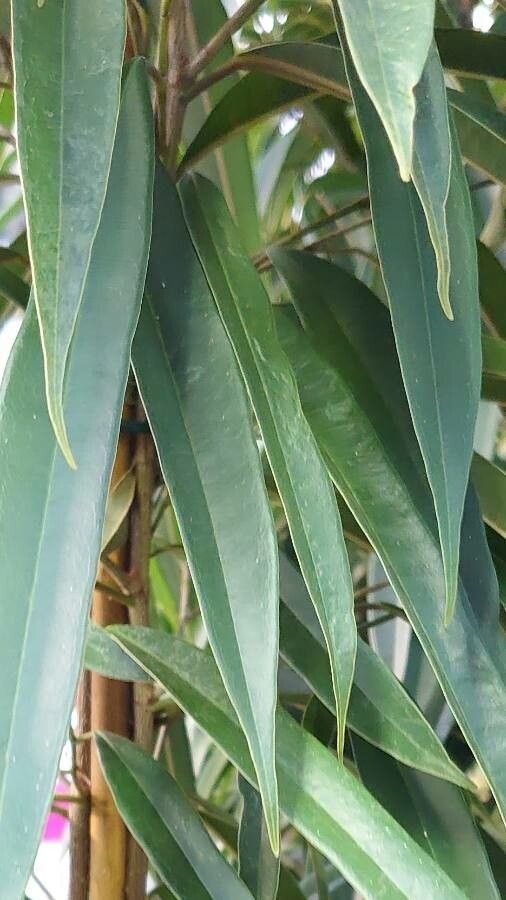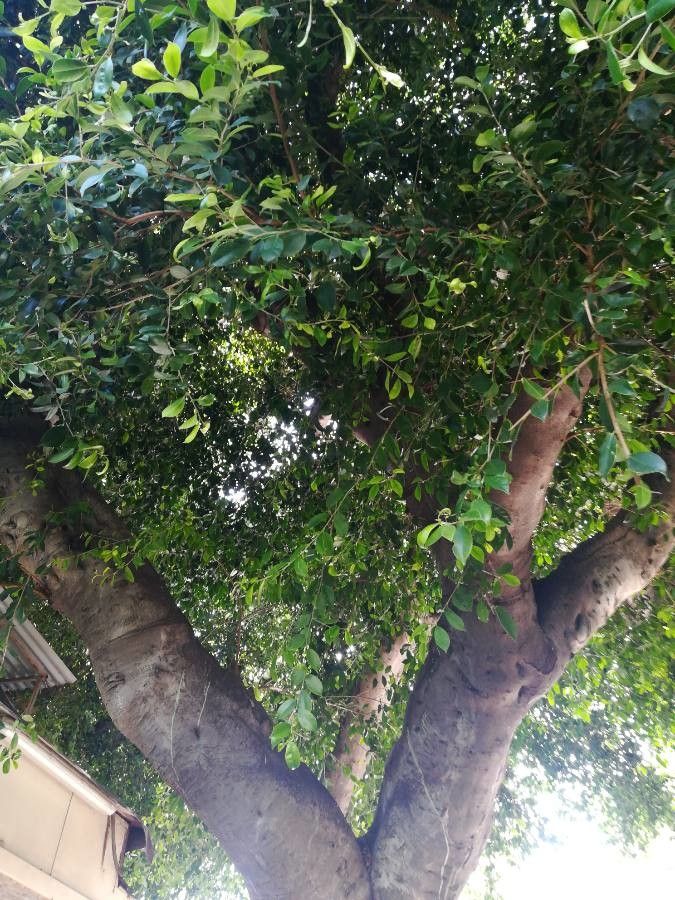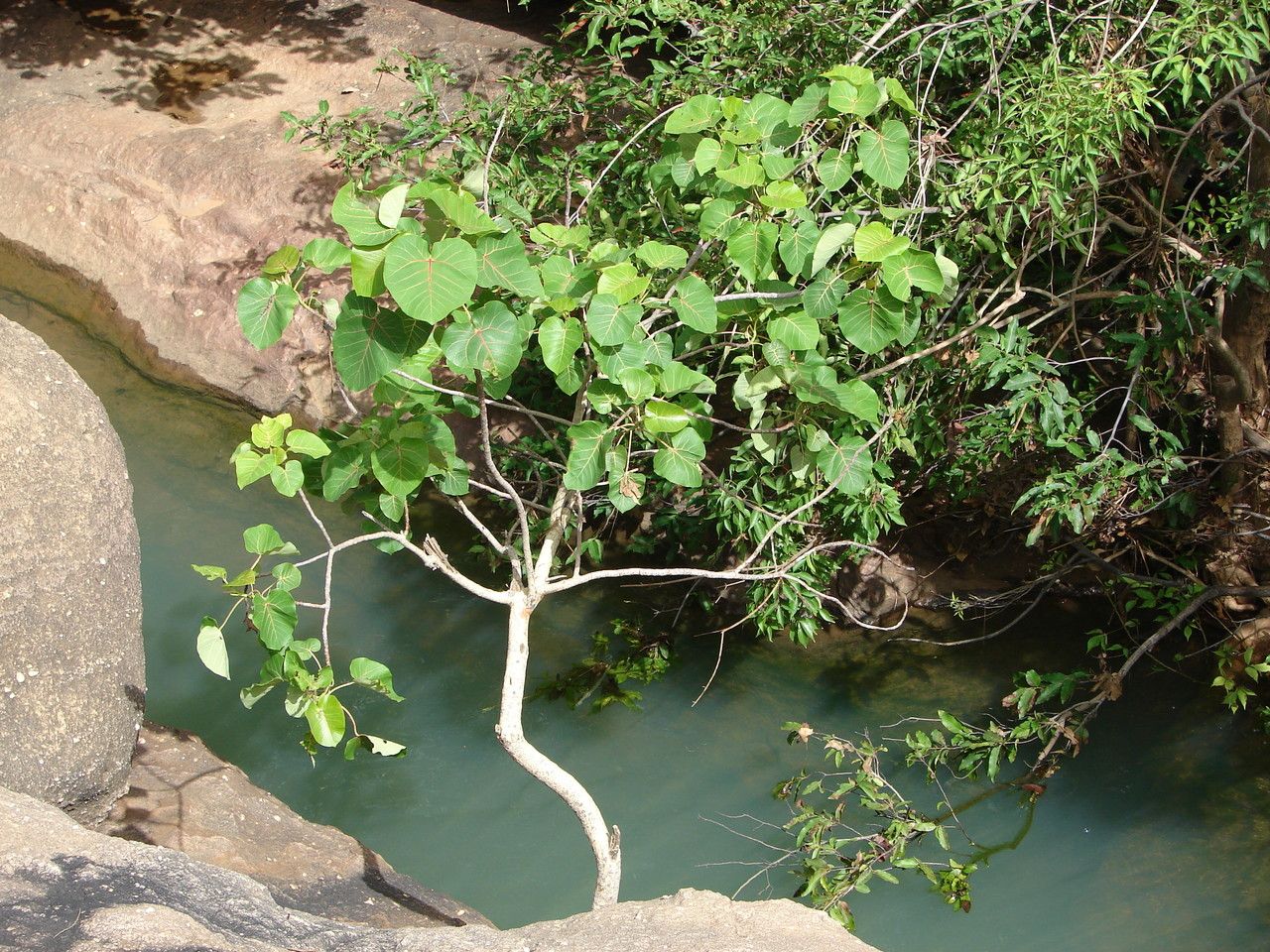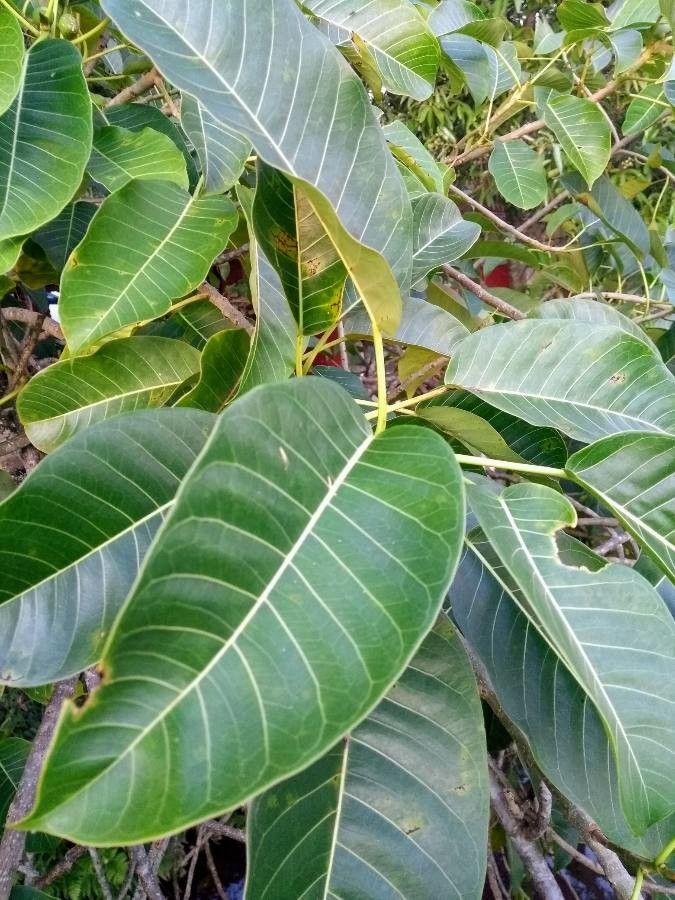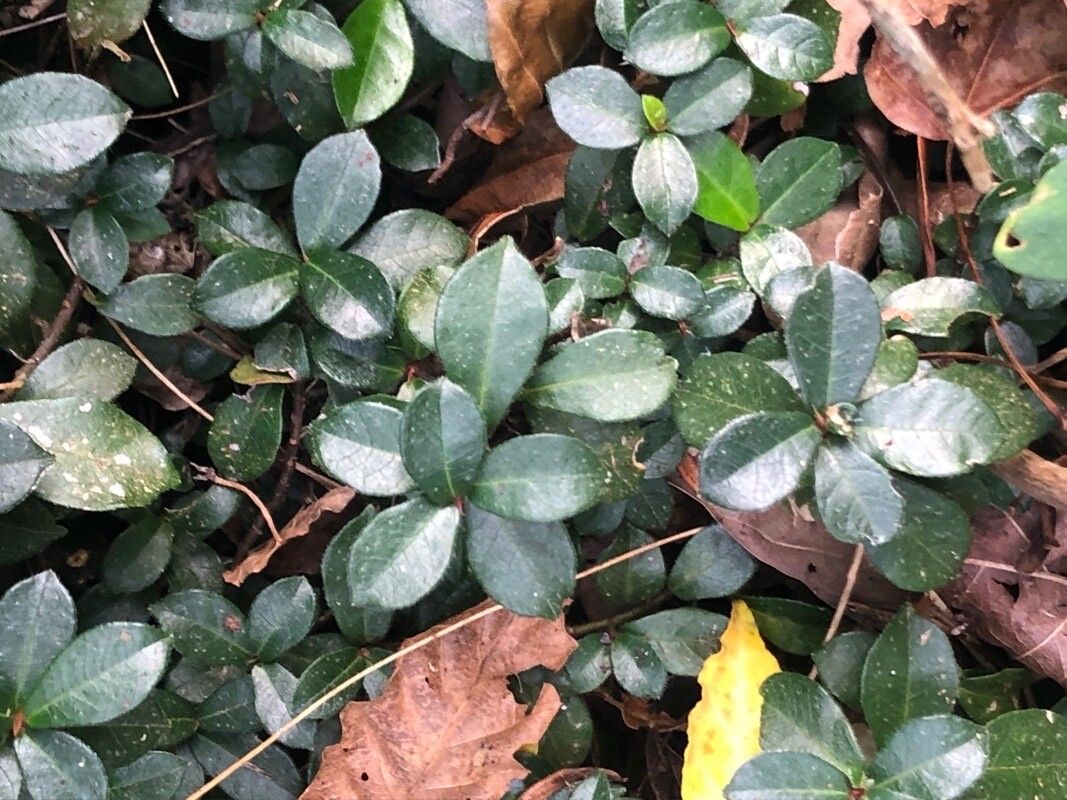
The Formosan creeping fig is highly resistant to disease and typically does not suffer from illnesses. In terms of care, this plant is fairly low-maintenance. When grown outdoors it needs only light watering, and larger specimens generally do not require pruning. Smaller plants, however, should be pruned after they have finished blooming. The Formosan creeping fig is suitable for anyone with an outdoor area, such as a garden or deck, and does not demand extensive plant-care experience.
How to keep Ficus Vaccinioides.
Light
Formosan creeping fig is native to settings like forest understories or rocky areas, where it occurs in natural shade. It prefers partial sun but can tolerate full sun or full shade, showing its hardy and adaptable nature.
Water
The Formosan creeping fig thrives in moderate humidity and can tolerate short periods of dryness. Water it every 1-2 weeks, ensuring the soil dries slightly between watering sessions. As an indoor evergreen, it benefits from regular misting to mimic its naturally humid environment.
Temperature
Formosan creeping fig is highly adaptable to temperature, able to withstand high heat and considerable temperature swings. In hot conditions, care should be taken to water properly and provide suitable shading to prevent sunburn. Conversely, it is not very tolerant of low temperatures; while it can endure some cold, very cold conditions may cause frost damage.
Fertilizer
Fertilize your Formosan creeping fig in early spring to encourage healthy growth. Regular feeding improves overall health, leading to vigorous growth, greater tolerance of harsh conditions, and increased resistance to pests and diseases. Keep a consistent fertilizing schedule for your Formosan creeping fig to achieve lively foliage with deep color and a full, lush appearance.
Pruning
The Formosan creeping fig benefits from annual pruning, which is best done in early to late winter. This practice helps maintain the plant's vitality and manage its growth. When pruning, concentrate on removing dead stems, thinning out crowded sections, and shaping the plant. Make sure to use clean, angled cuts to prevent water damage, which also improves air circulation and sunlight penetration. This will contribute to a healthier and more attractive plant.
Botanical profile.
- Plant Type
- Shrub
- Life Cycle
- Perennial
- Genus
- Ficus
- Family
- Moraceae
- Hardiness Zone
- 10-12
- Mature Height
- 5 cm to 10 cm
- Mature Spread
- 46 cm to 61 cm
- Leaf Color
- Yellow, Green
- Leaf Type
- Evergreen
- Bloom Time
- Late spring, Summer, Early fall, Mid fall
- Planting Time
- Spring, Summer, Autumn
- Harvest Time
- Mid summer, Late summer, Fall, Early winter
- Native Area
- China
Other names.
Reader questions.
What are the sunlight requirements for Formosan creeping fig?
Formosan creeping fig thrives under partial sun, requiring about 3-6 hours of sunlight daily. However, it can also adapt well to full sun conditions, which means receiving more than 6 hours of sunlight each day. It's noteworthy that this plant is versatile enough to grow in full shade, making it ideal for various environments, including forest understories or rocky areas. Observing the movement of sunlight through your garden and selecting spots that offer a perfect balance of light and shade will ensure the optimal growth and happiness of your plants.
What is the common name of Ficus vaccinioides?
The common name of Ficus vaccinioides is Formosan creeping fig.
How can artificial lighting support the growth of indoor Formosan creeping figs?
When natural sunlight is insufficient, especially during winter or in less sunny indoor spaces, artificial lighting becomes crucial for the growth of Formosan creeping figs. LED lights are recommended due to their ability to be customized to provide specific wavelengths needed by plants. The requirements are as follows: full sun plants need 30-50W/sq ft, partial sun plants require 20-30W/sq ft, and full shade plants need 10-20W/sq ft of artificial light. The artificial light source should be placed 12-36 inches above the plant, mimicking natural sunlight as closely as possible, and it should be kept on for 8-12 hours per day to simulate the length of natural daylight hours.
What are the symptoms associated with Ficus vaccinioides?
There are no specific symptoms mentioned for Ficus vaccinioides.
What are the symptoms of light deficiency in Formosan creeping fig?
Formosan creeping fig may exhibit several symptoms under insufficient light, including smaller new leaves, leggy or sparse growth, faster leaf drop, slower or no new growth, lighter-colored new leaves, and symptoms like chlorosis, sunscald, leaf curling, wilting, and leaf scorching. These symptoms indicate a lack of adequate sunlight, which is essential for photosynthesis and maintaining the plant's overall health. It's important to monitor these signs and adjust the plant's exposure to light accordingly.
What are the essential details to know about Formosan creeping fig?
For Formosan creeping fig, there are no essential details provided, including content or additional information.
How can I manage light conditions for my Formosan creeping fig to improve growth?
Optimizing light conditions for Formosan creeping fig involves gradually introducing the plant to sunnier spots to receive 3-6 hours of direct sunlight daily. For indoor plants that are large or hard to move, consider using artificial lighting, such as desk lamps or professional grow lights, for at least 8 hours daily. Outdoors, it's crucial to move plants gradually to sunnier locations to prevent sunburn, taking care to make these changes slowly. Additionally, reducing obstructions like pruning tree branches can help increase sunlight exposure. For plants in the ground, consider transplanting during the dormant period to a location with better sunlight and drainage. It's important to note that while parts of the plant affected by insufficient light may not recover, new growth should be healthy with improved light conditions.