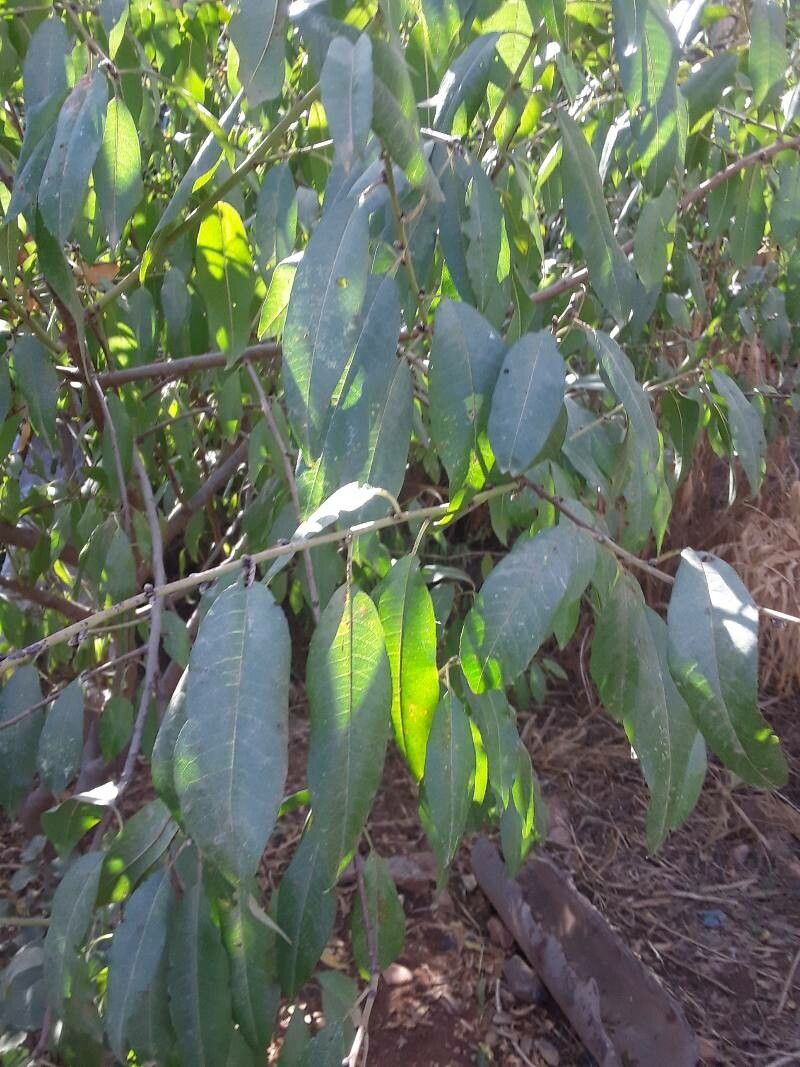
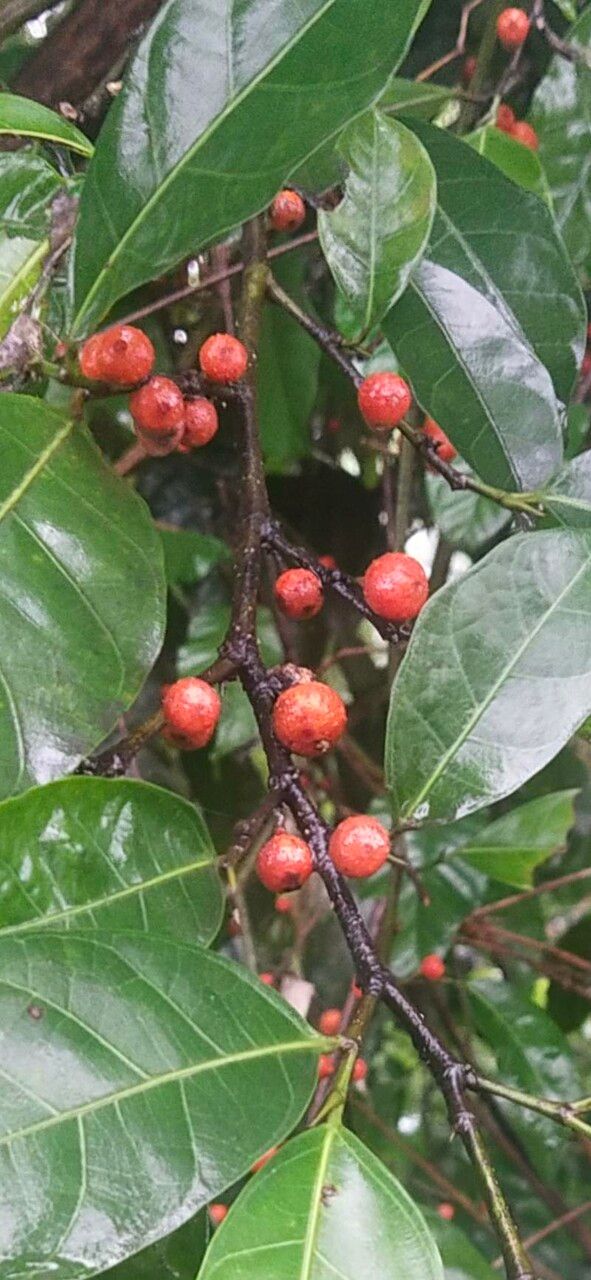
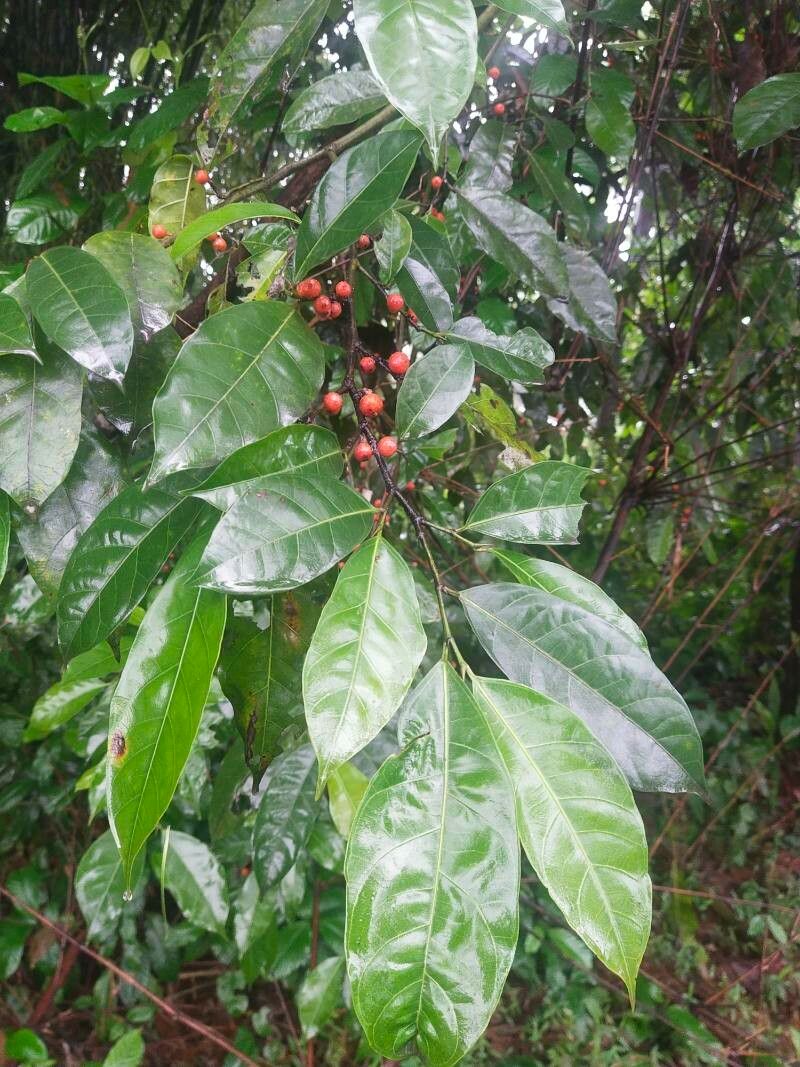
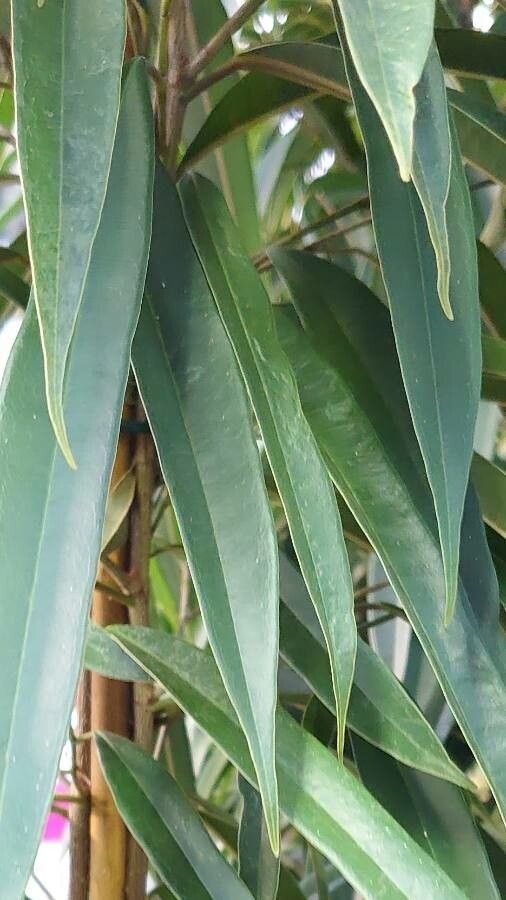
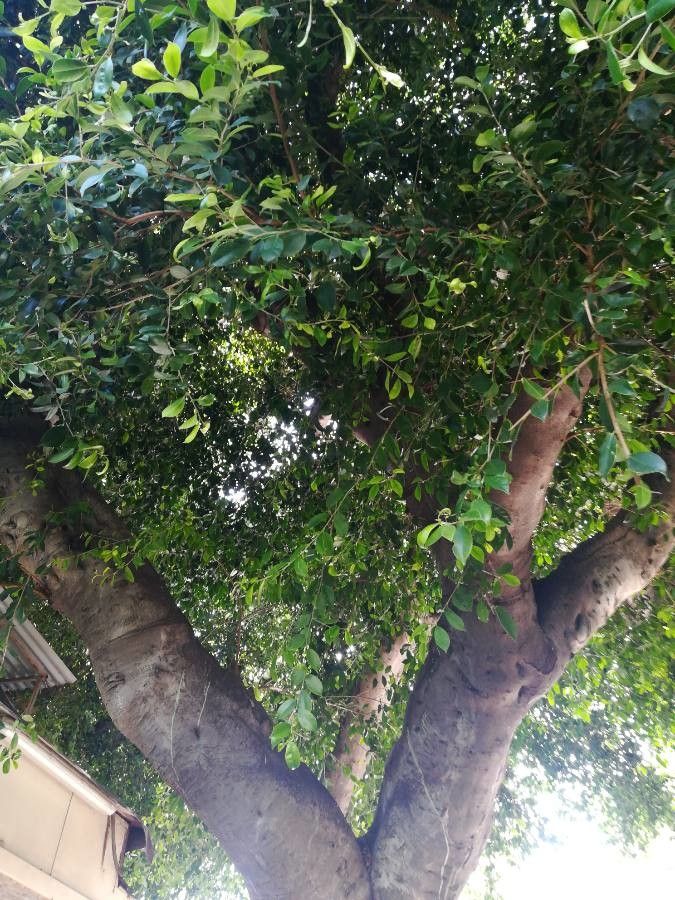
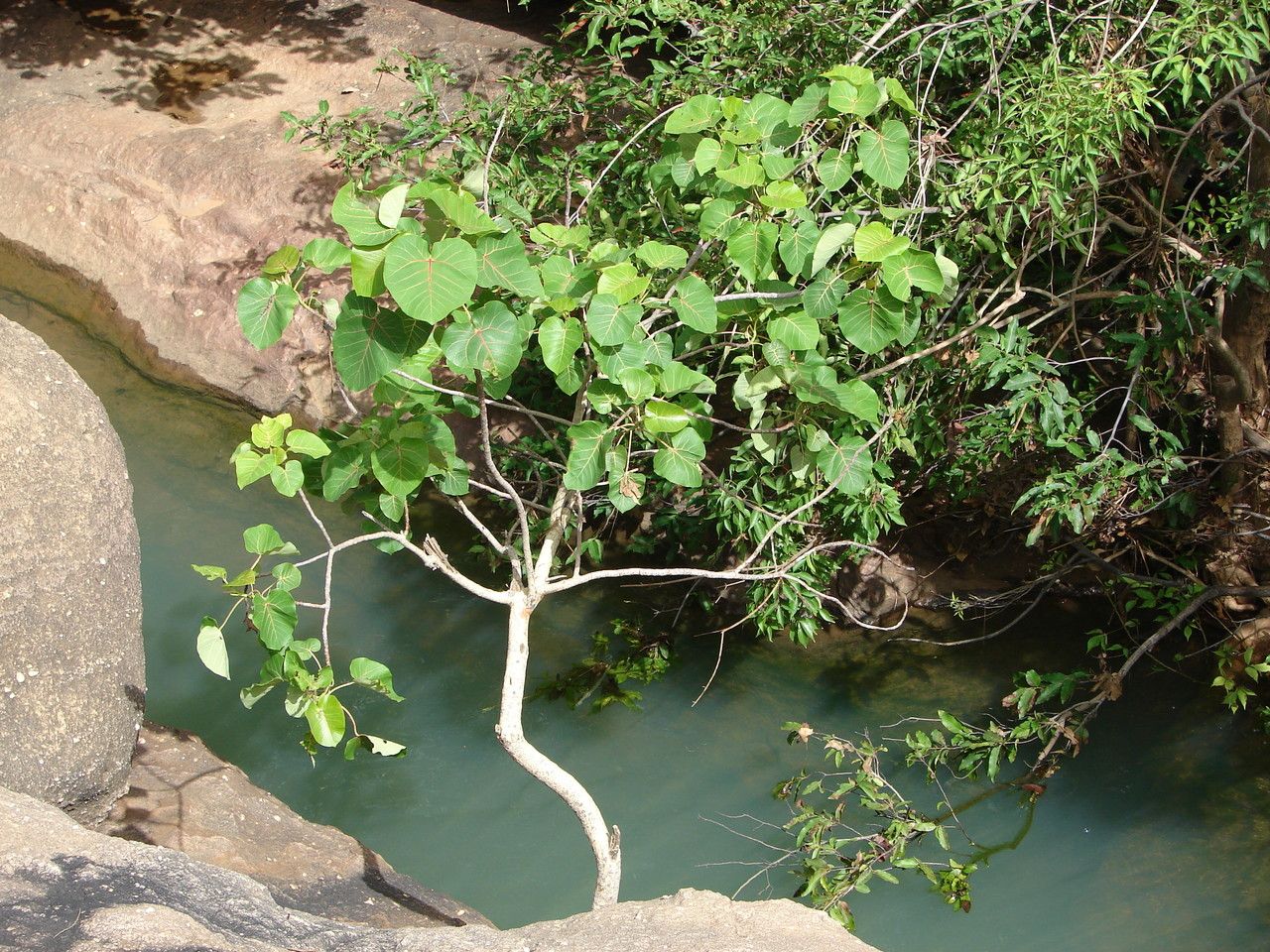
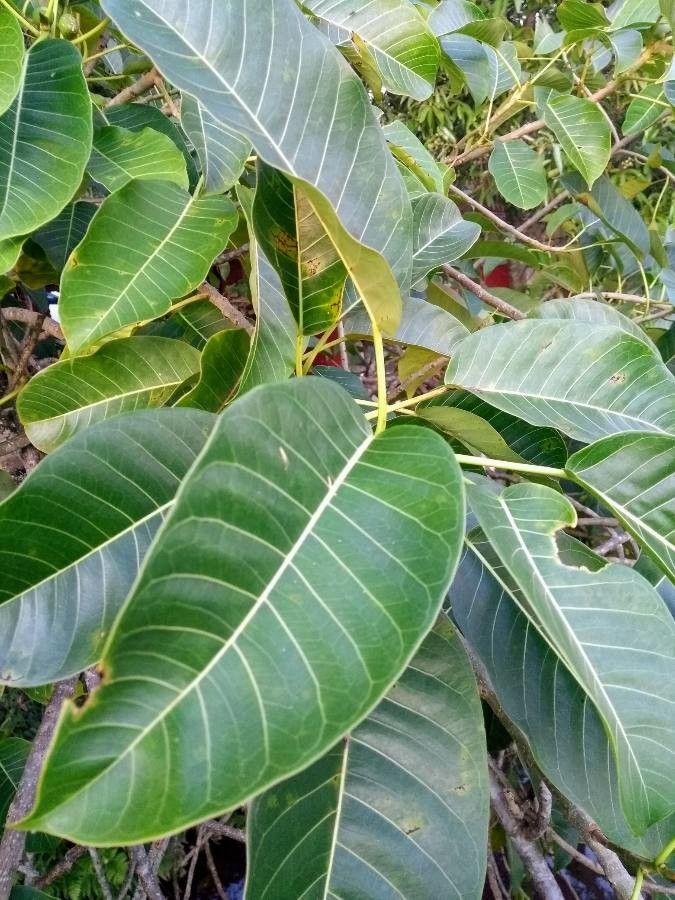
Ficus virgata, commonly known as the white fig or Himalayan fig, is a species of flowering plant in the Moraceae family. Native to Southeast Asia, it can be found in countries such as India, Nepal, Bhutan, and Myanmar.
Ficus virgata can grow up to 20 meters tall with a trunk diameter reaching up to 1 meter. It features smooth grey bark and large, oval-shaped leaves with pointed tips. The leaves are dark green on top and a lighter green underneath.
The white fig produces small flowers that develop into edible fruit, which is about 2-3 cm in diameter when ripe. The fruit has a sweet taste when fully ripened but can be quite bitter if eaten beforehand.
Ficus virgata is often used for ornamental purposes due to its attractive foliage, but it also possesses medicinal properties that have been utilized for centuries by traditional healers in Southeast Asia.
Overall, Ficus virgata is an intriguing plant species that offers both aesthetic value and medicinal benefits, making it an important part of many cultures around the world.
Sandpaper fig has strong resistance to disease and is generally unlikely to develop illnesses. Regarding care, this plant is fairly low-maintenance. When grown outdoors it needs only light watering, and larger specimens typically do not require pruning. Smaller plants, however, should be pruned after they finish blooming. Sandpaper figt is appropriate for anyone with an outdoor area, such as a garden or deck, and does not demand much gardening experience.
How to keep Ficus Virgata.
Light
Sandpaper fig does best with moderate sunlight — not in direct harsh rays nor in complete darkness. Proper light is crucial for its health and growth. Native to areas where tree canopies diffuse the sun, the sandpaper fig can develop yellow leaves or show stunted growth if it gets either too little or too much light.
Water
The sandpaper fig is well-suited to dry climates, as it has a high tolerance for drought. It typically requires watering only every 2-3 weeks. This plant grows best outdoors, where it can take advantage of natural rainfall. For optimal growth, plant the sandpaper fig in well-draining soil to prevent root rot during wet seasons.
Temperature
Sandpaper fig adapts well to heat and can endure higher temperatures and wide temperature swings. During hot weather, care should be taken with watering and providing adequate shade to avoid sunburn. However, Sandpaper fig is relatively sensitive to low temperatures; it can tolerate some cold, but overly cold conditions can cause frost damage.
Fertilizer
Fertilize your Sandpaper fig in early spring to encourage healthy growth. Regular fertilization boosts overall health, resulting in vigorous growth, greater tolerance of harsh conditions, and improved resistance to pests and diseases. Maintain a specific fertilization schedule to keep the foliage vibrant, richly colored, and lush.
Pruning
Pruning sandpaper fig trees from early to late winter helps improve air circulation and allows more sunlight to penetrate the foliage. To do this effectively, remove any weak, damaged, or crossing branches, and make sure to use sharp, clean tools. Regular pruning maintains the tree's size, stimulates new growth, and enhances the overall health of the plant.
Botanical profile.
- Plant Type
- Tree
- Life Cycle
- Perennial
- Genus
- Ficus
- Family
- Moraceae
- Hardiness Zone
- 9-11
- Mature Height
- 10.06 m to 29.87 m
- Mature Spread
- 7.92 m to 11.89 m
- Leaf Color
- Dark Green, Forest Green
- Leaf Type
- Evergreen
- Flower Color
- White
- Bloom Time
- Late spring, Summer, Early fall
- Planting Time
- Spring, Summer, Autumn
- Harvest Time
- Late summer, Fall, Early winter
- Native Area
- Indonesia, Japan, Vanuatu, Philippines, China
Other names.
Reader questions.
What is the botanical name of Sandpaper fig?
The botanical name of Sandpaper fig is Ficus virgata.