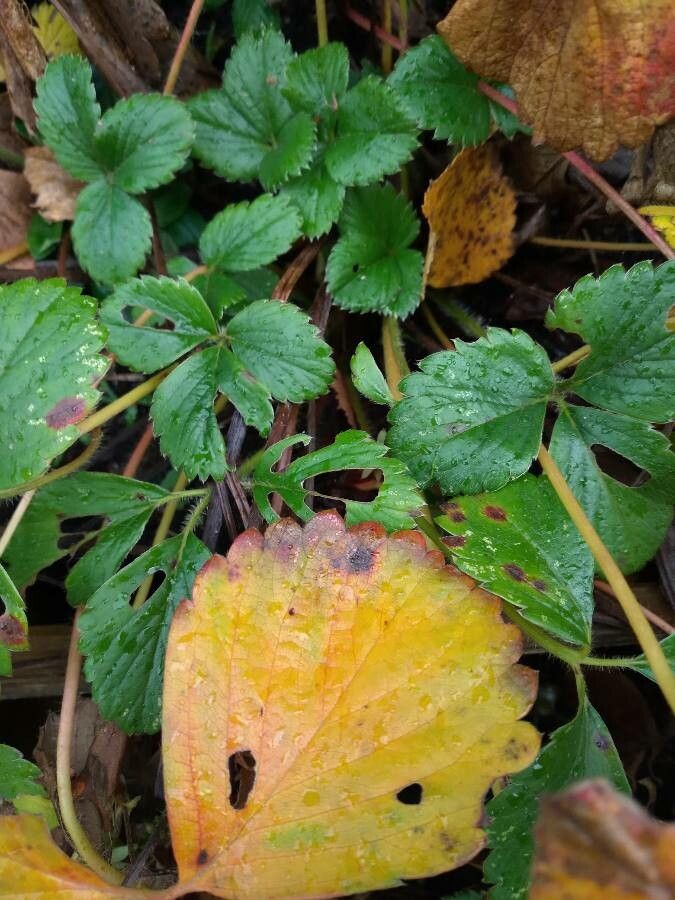
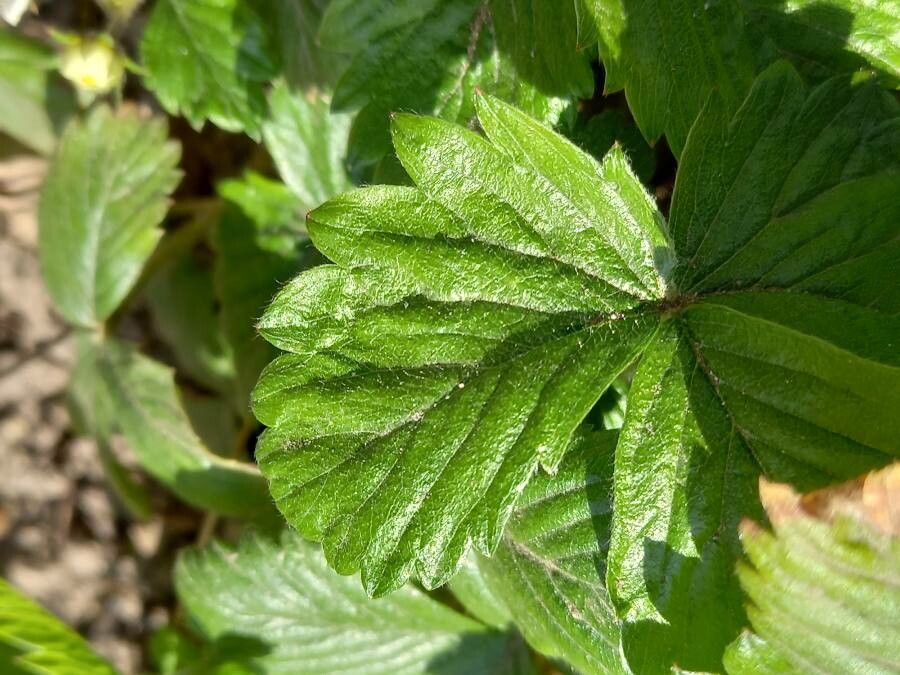
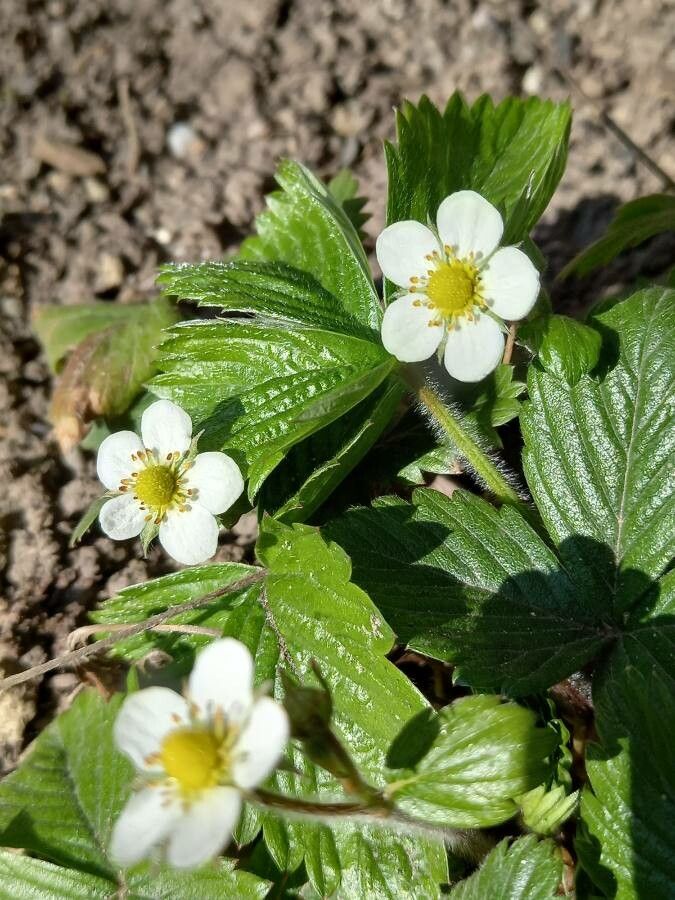
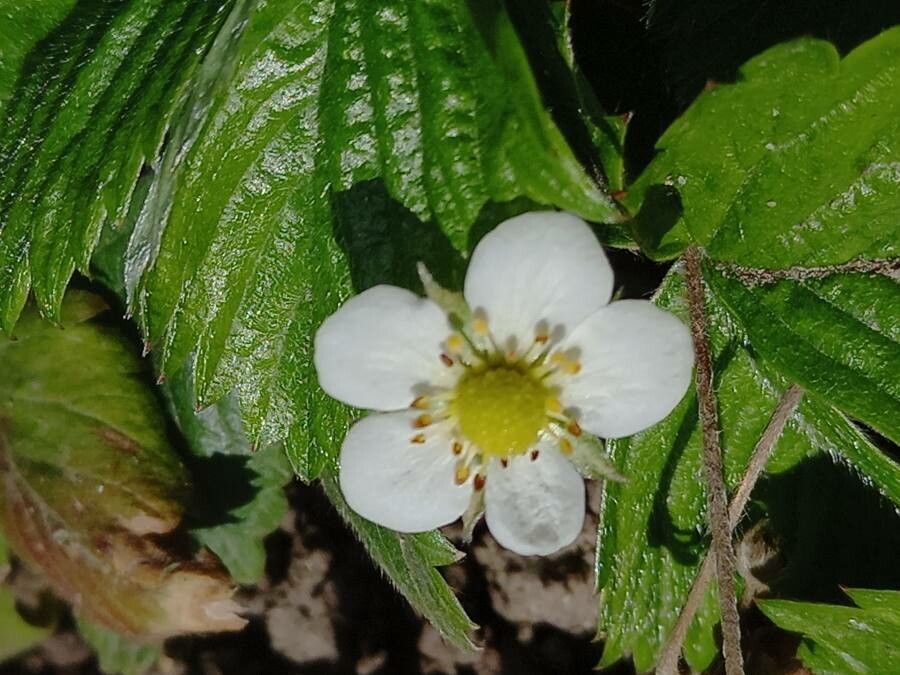
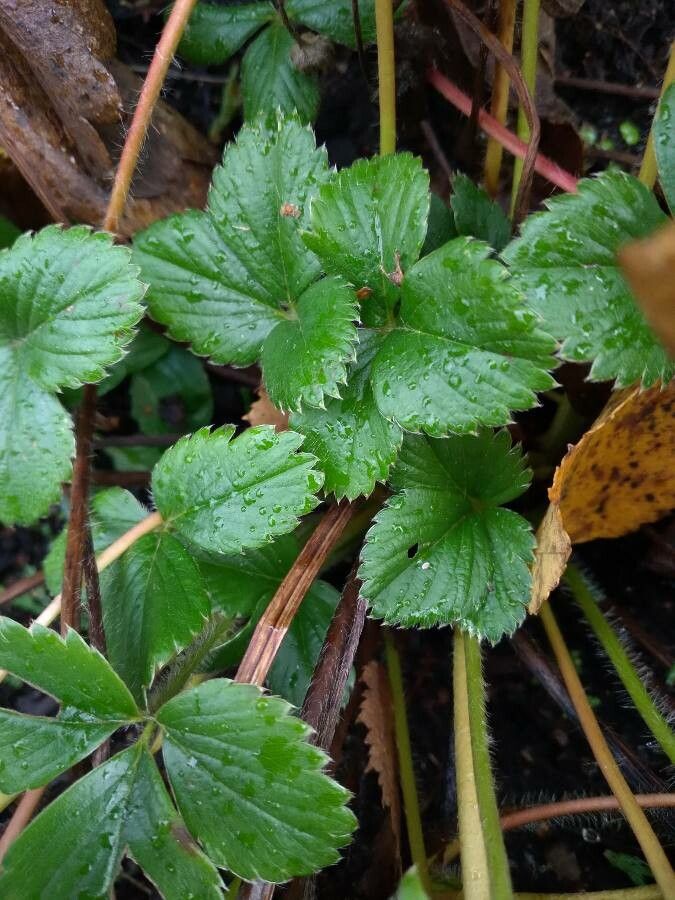
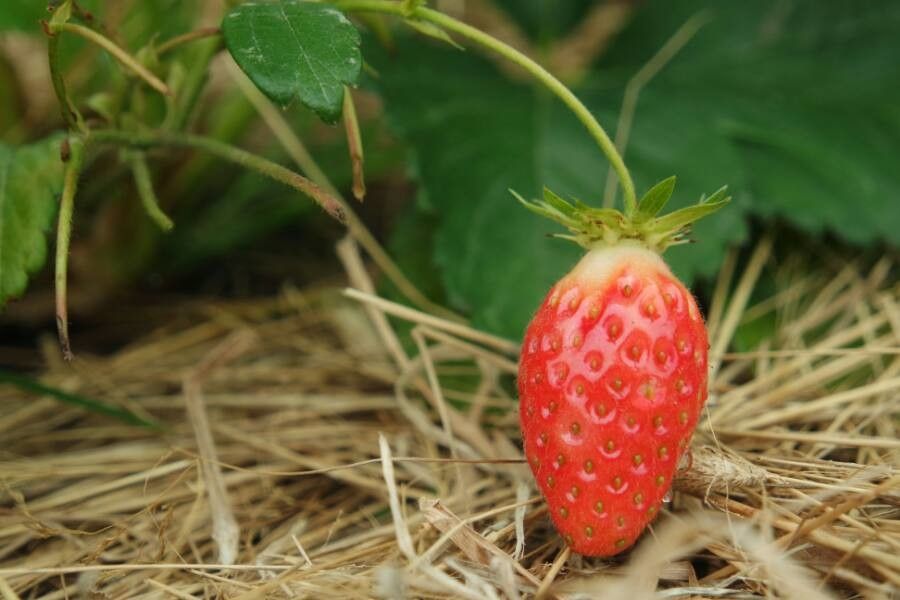
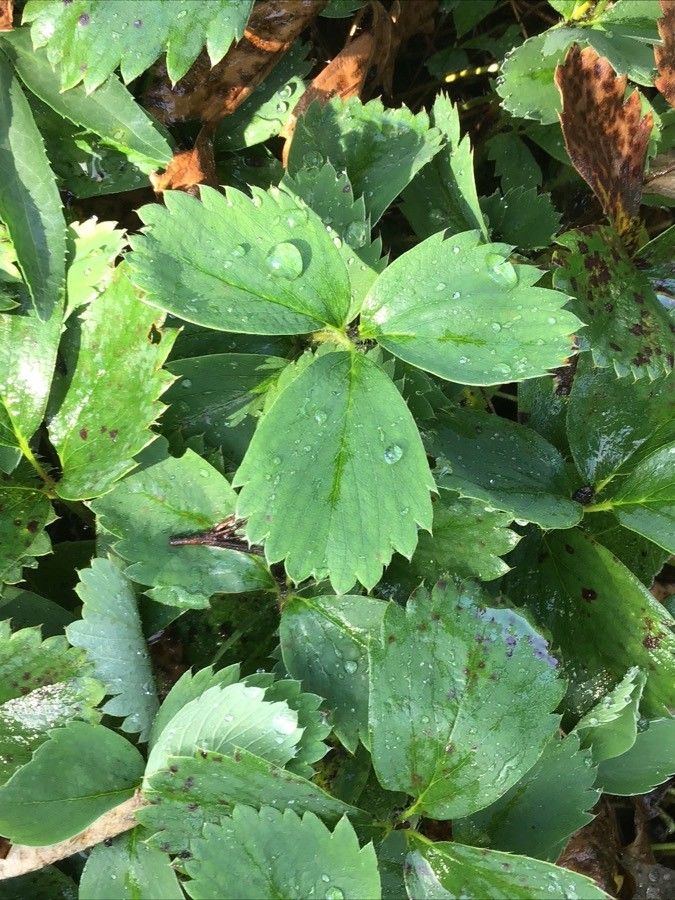
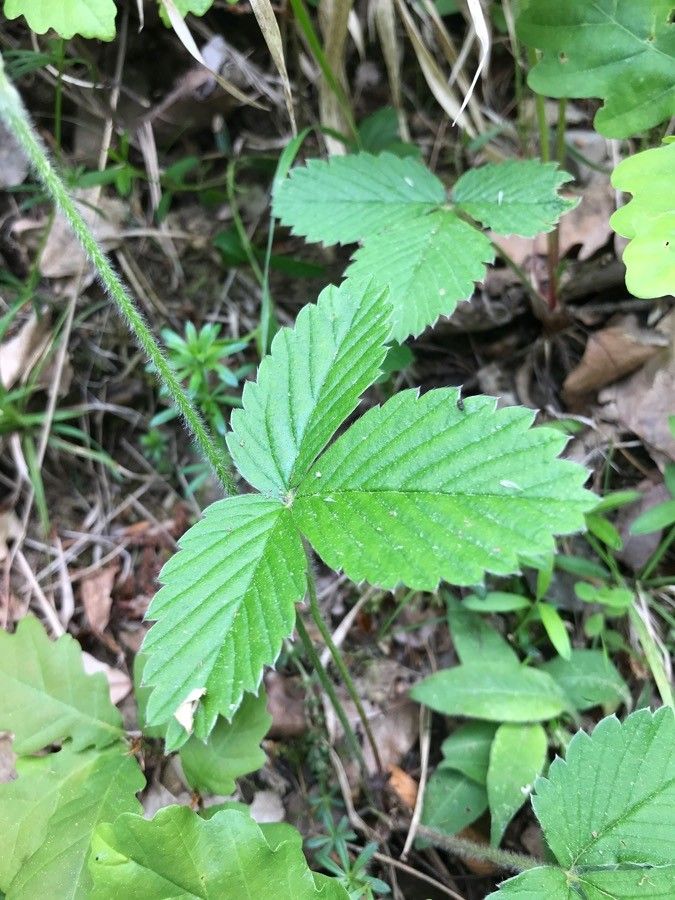
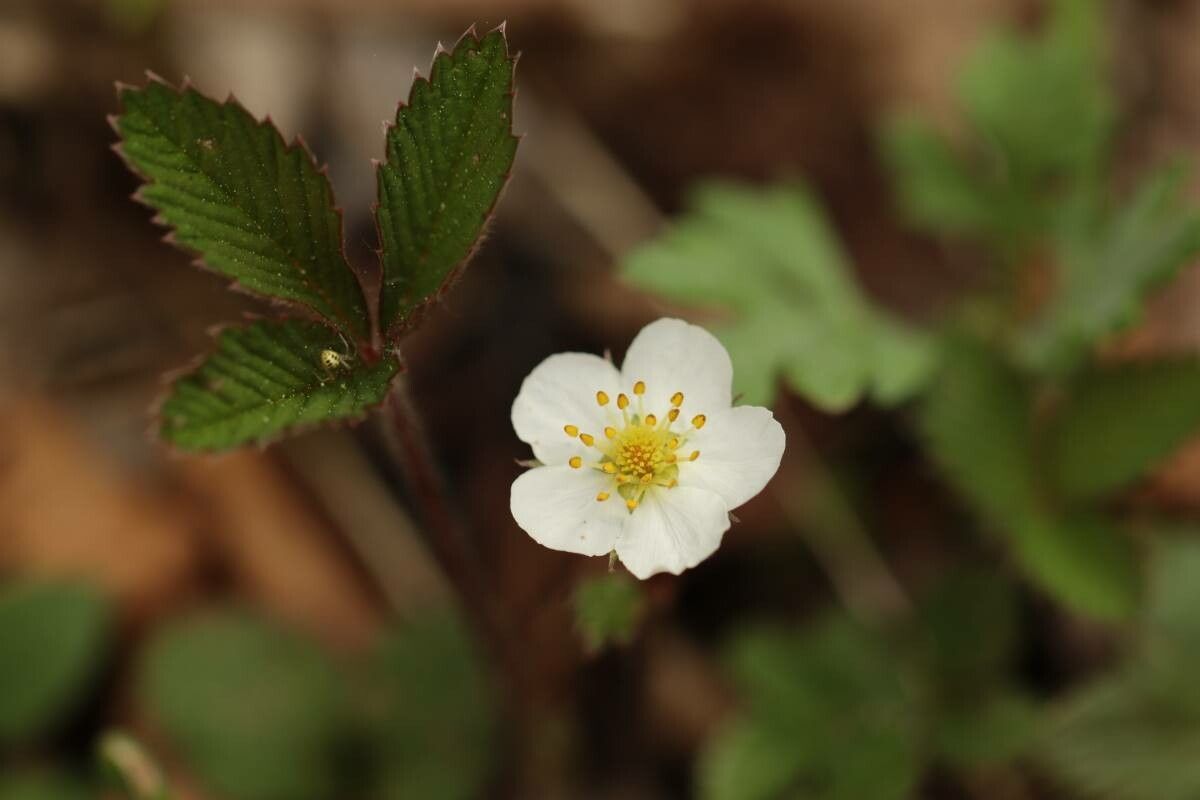
The garden strawberry (or simply strawberry; Fragaria × ananassa) is a widely grown hybrid species of the genus Fragaria, collectively known as the strawberries, which are cultivated worldwide for their fruit. The fruit is widely appreciated for its characteristic aroma, bright red color, juicy texture, and sweetness. It is consumed in large quantities, either fresh or in such prepared foods as jam, juice, pies, ice cream, milkshakes, and chocolates. Artificial strawberry flavorings and aromas are also widely used in products such as candy, soap, lip gloss, perfume, and many others. The garden strawberry was first bred in Brittany, France, in the 1750s via a cross of Fragaria virginiana from eastern North America and Fragaria chiloensis, which was brought from Chile by Amédée-François Frézier in 1714. Cultivars of Fragaria × ananassa have replaced, in commercial production, the woodland strawberry (Fragaria vesca), which was the first strawberry species cultivated in the early 17th century.The strawberry is not, from a botanical point of view, a berry. Technically, it is an aggregate accessory fruit, meaning that the fleshy part is derived not from the plant's ovaries but from the receptacle that holds the ovaries. Each apparent "seed" (achene) on the outside of the fruit is actually one of the ovaries of the flower, with a seed inside it.In 2019, world production of strawberries was nine million tonnes, led by China with 40% of the total.
How to keep Fragaria X Ananassa.
Water
Be careful not to overwater your plant. The rule of thumb is to keep your garden strawberry plant in moist soil. Keep your soil moist with about 1 inch of water once a week to maintain the proper moisture levels and encourage fruit production. When the plants grow larger or, the weather is warmer, increase the frequency to 2 to 3 times a week.
Humidity
This plant needs special care because it loves high humidity levels of 60-80% or more. The best way to achieve this is by placing a humidifier near the plant. Daily misting is also essential! Make sure the room has good ventilation.
Temperature
Garden strawberry plants thrive best in 50- 80°F (10-27°C). It can tolerate cold weather; however, a harsh temperature of 32°F (0°C) or below can damage the development of fruits and flowers. Maintaining a humidity of about 65-75% can yield good fruit size and quality. Higher humidity may encourage the development and spread of mildew. Provide enough air circulation for your plant for the best growth and production of fruits.
Fertilizer
Fertilizers for your garden strawberry plant should be rich in micronutrients, including boron. Choose a fertilizer with a slow-release form of nitrogen, either sulfur- or resin-coated. This allows for a healthier plant with firmer berries. Add 1 pound of fertilizer for every 20-foot row of strawberries 1 month after planting. Once they have produced fruit, you may fertilize the plant once a year at ½ pound for every 20-foot row.
Pruning
When your garden strawberry plants have finished fruiting, take some shears or a large pair of scissors and cut near the crown. It doesn’t take much to dislodge the plant from the soil, so be careful not to pull at the plant when removing the growth. Trim away old growth, dead foliage, and dead stems. Regularly remove weeds around the strawberry bed. New growths will produce at about 2 to 3 weeks after pruning, and your plant will look fresh and tidy by the time winter comes in.
Toxicity
The garden strawberry plant is non-toxic for humans and pets, whether fruit or foliage. It’s best to be cautious as some may have allergies to the fruit.
Further reading →
The toxicity and danger assessments provided are for reference only. We do not assure their accuracy, so it's crucial not to depend on them. Seek professional advice when necessary for accurate guidance.
Botanical profile.
- Plant Type
- Flowering plant
- Genus
- Fragaria
- Family
- Rosaceae
- Hardiness Zone
- 5 to 8 for perennials
- Bloom Time
- Late spring, early summer
- Planting Time
- Autumn, Spring
- Harvest Time
- Autumn, Spring, Summer
- Native Area
- Temperature regions of the Northern Hemisphere
Other names.