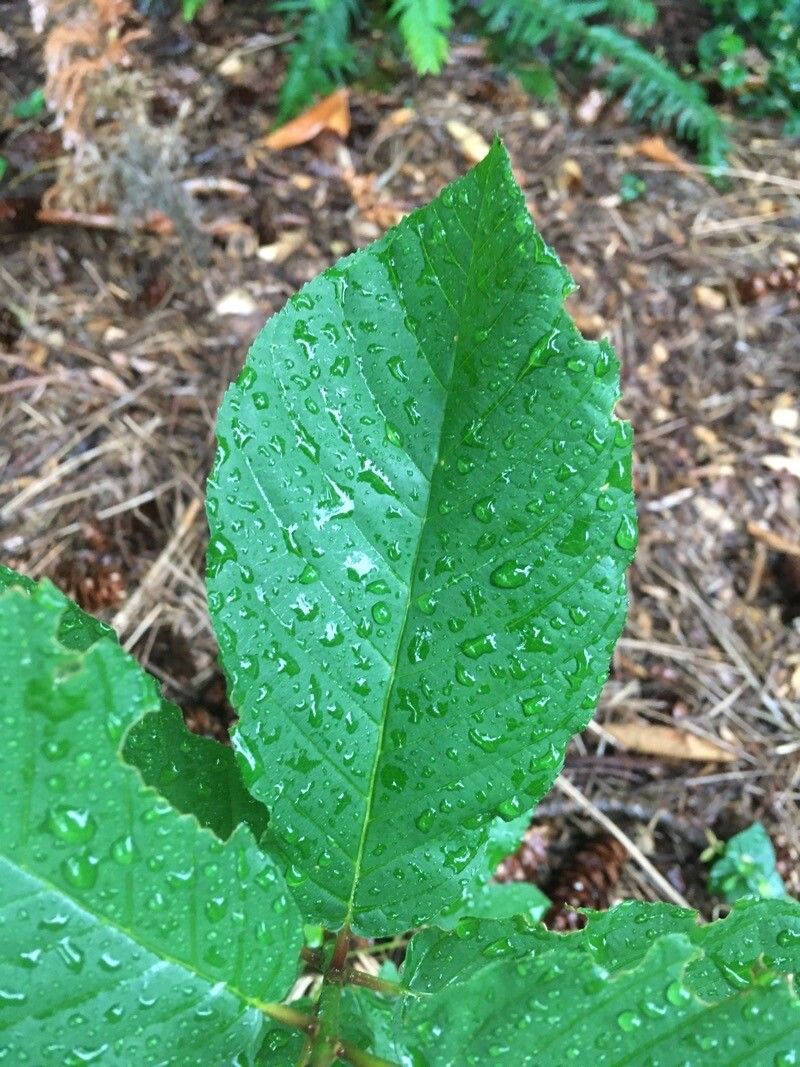
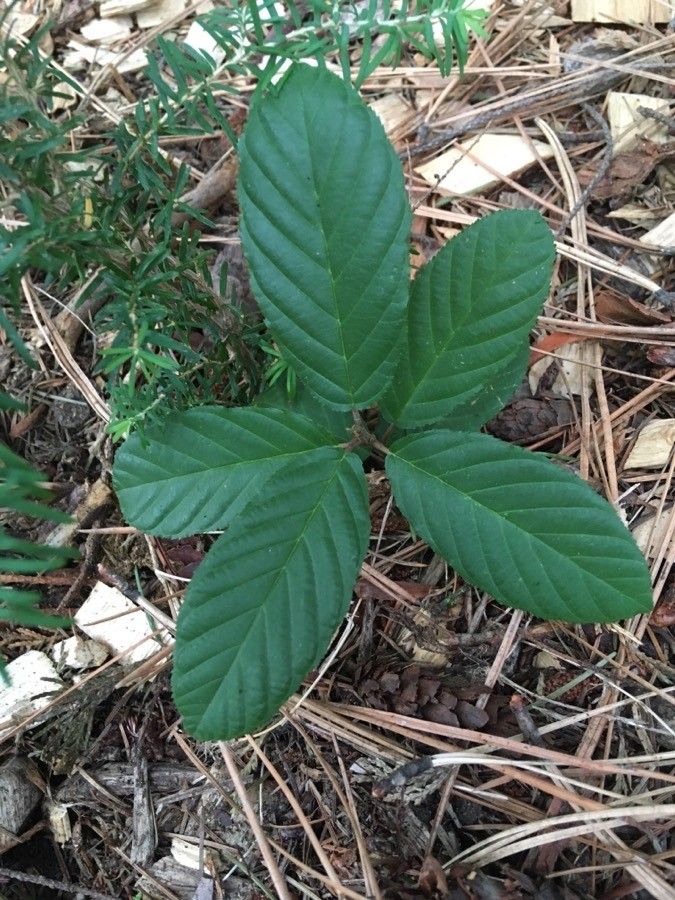
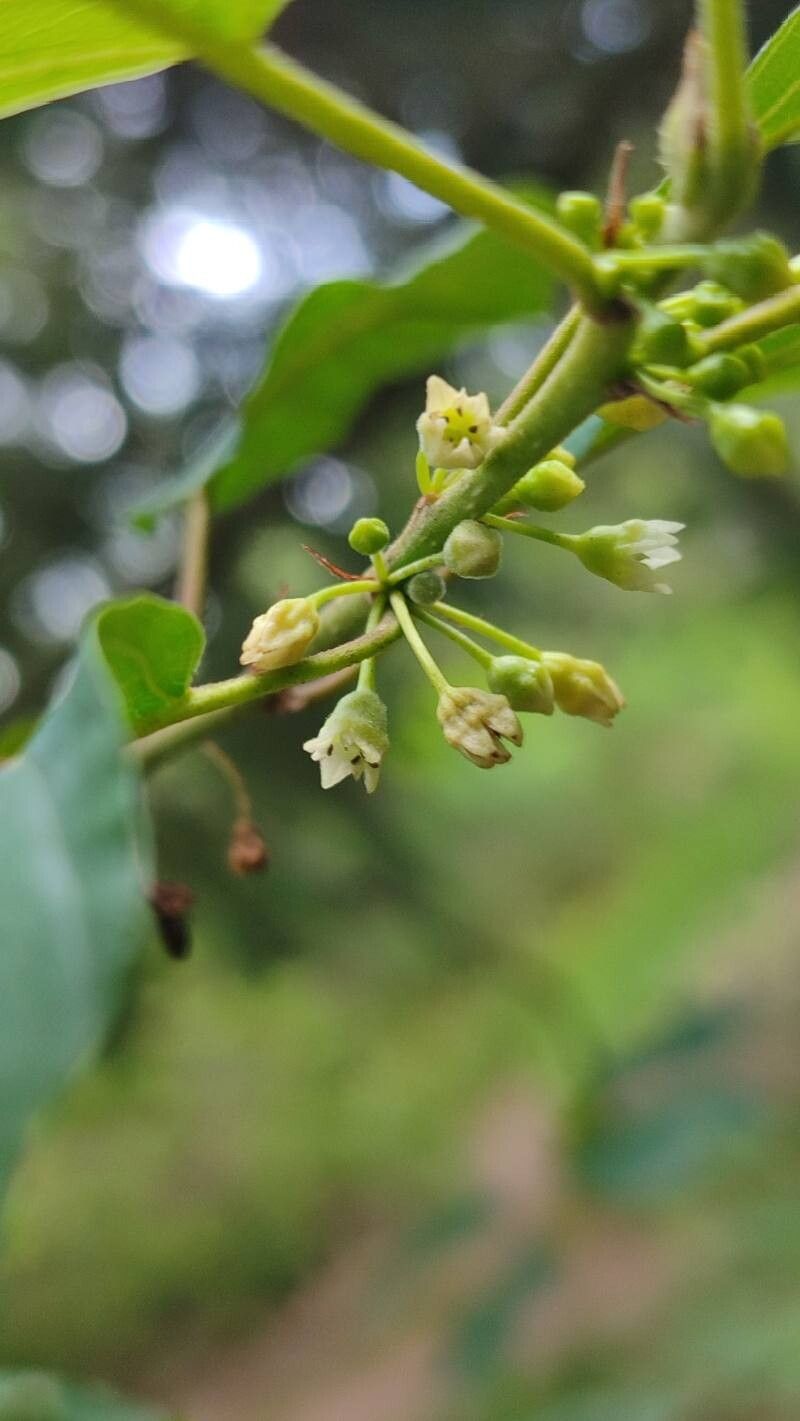
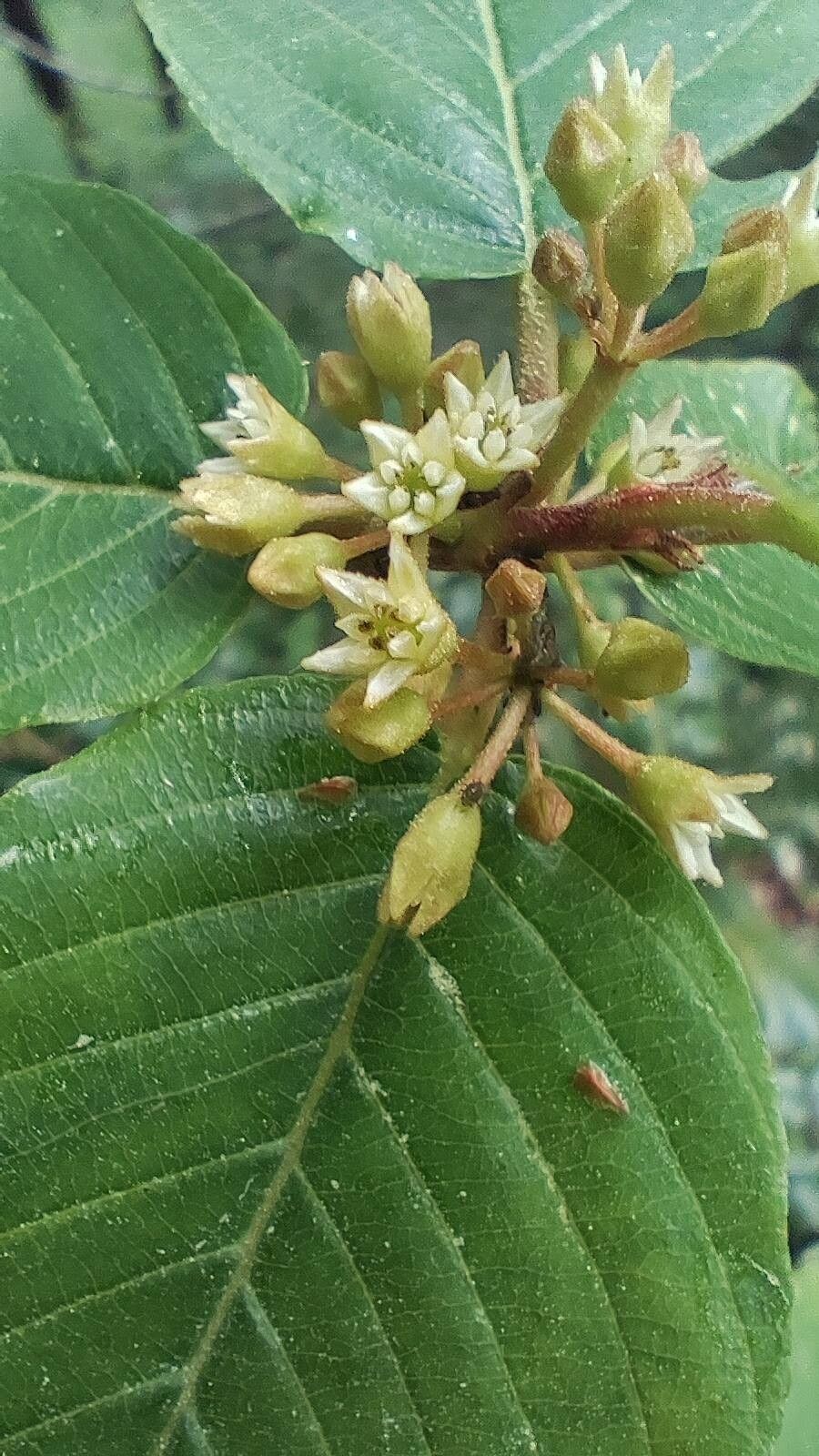
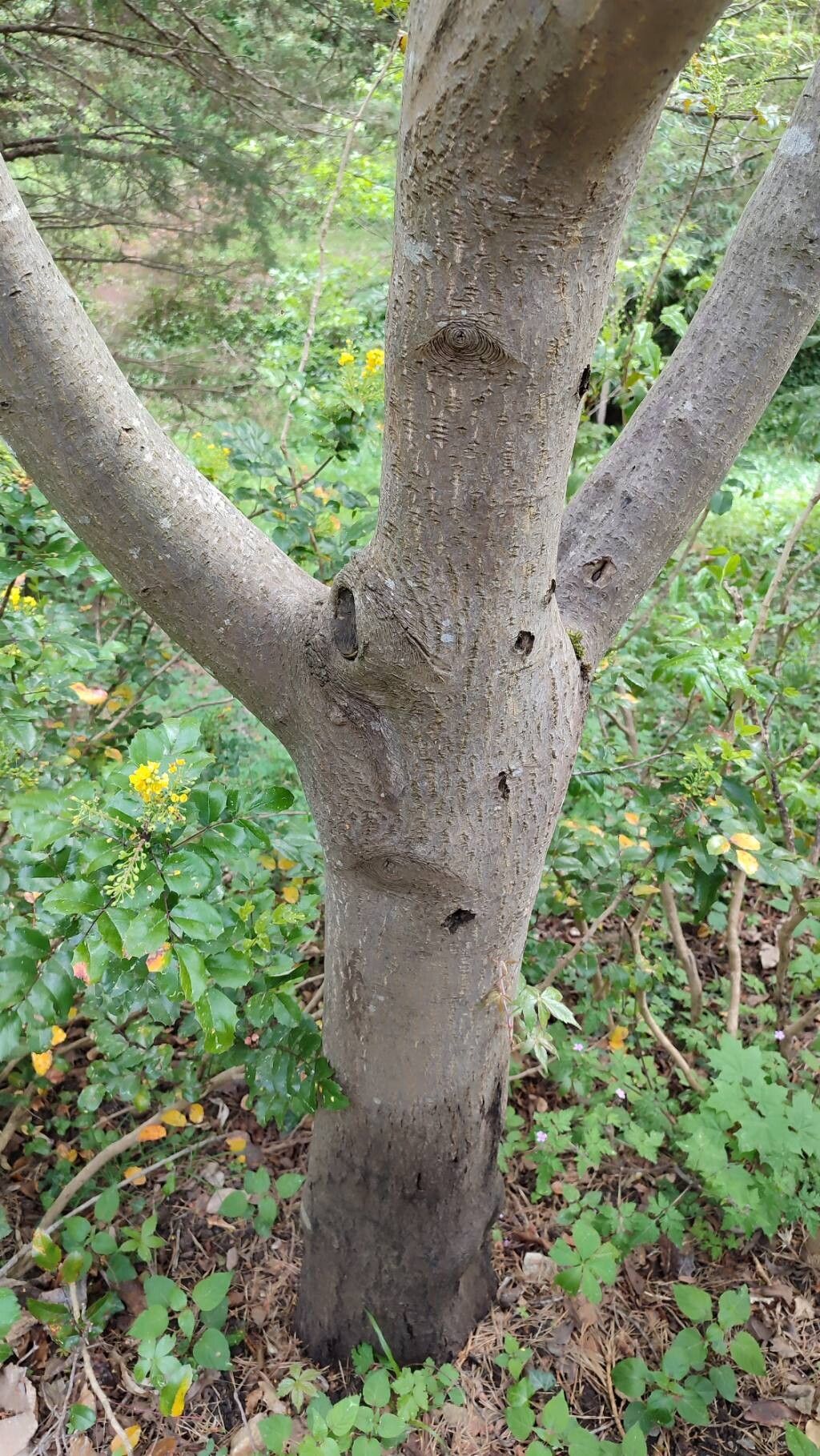
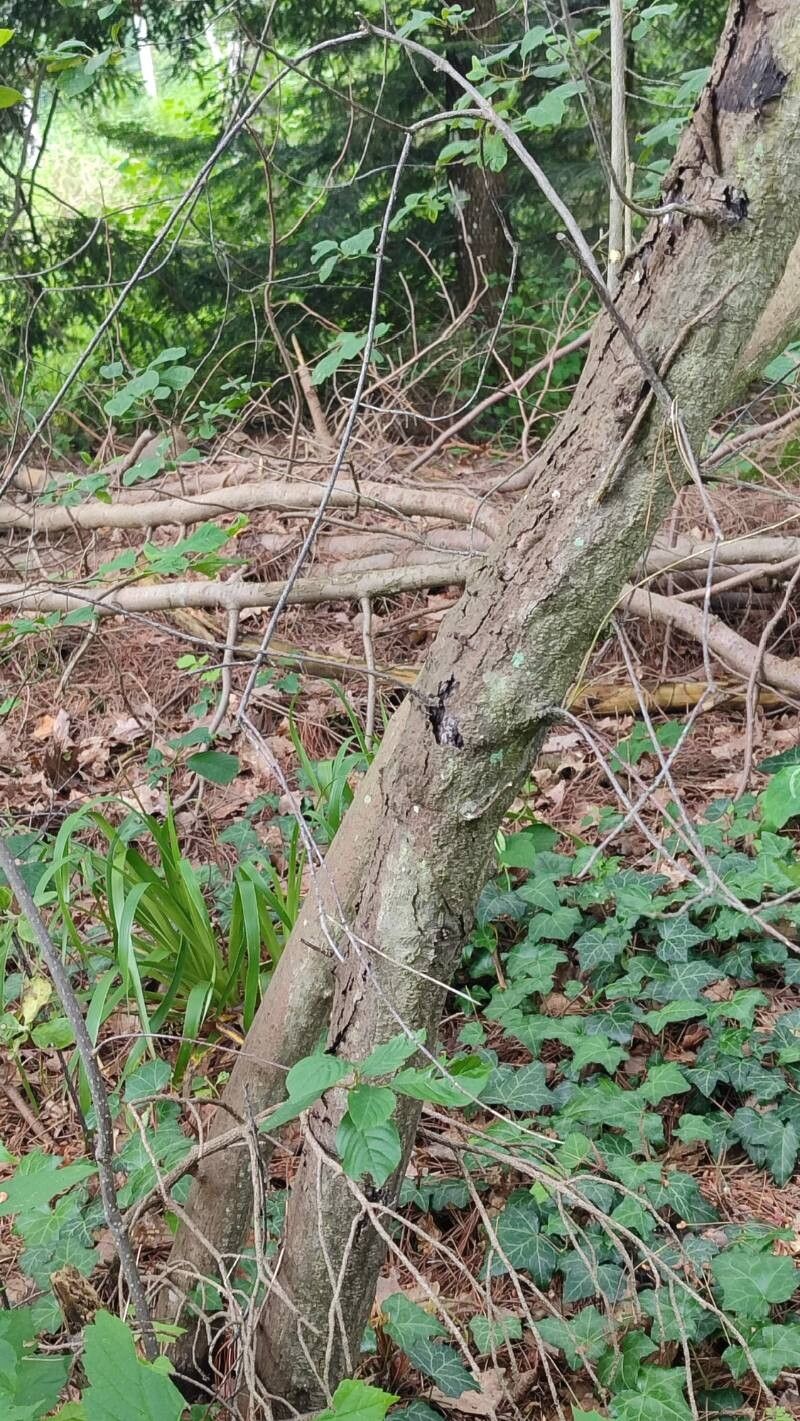
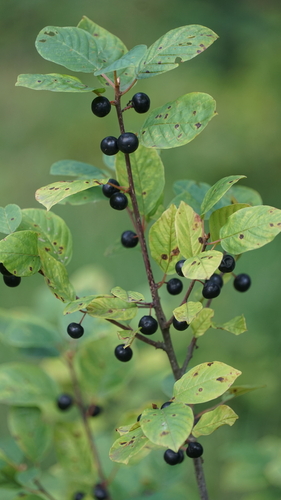
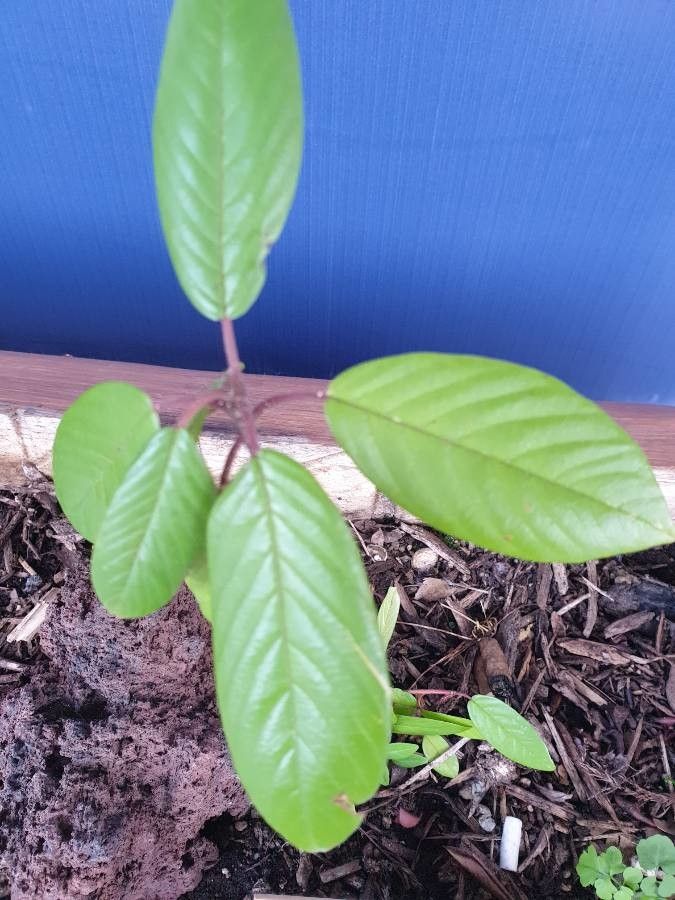
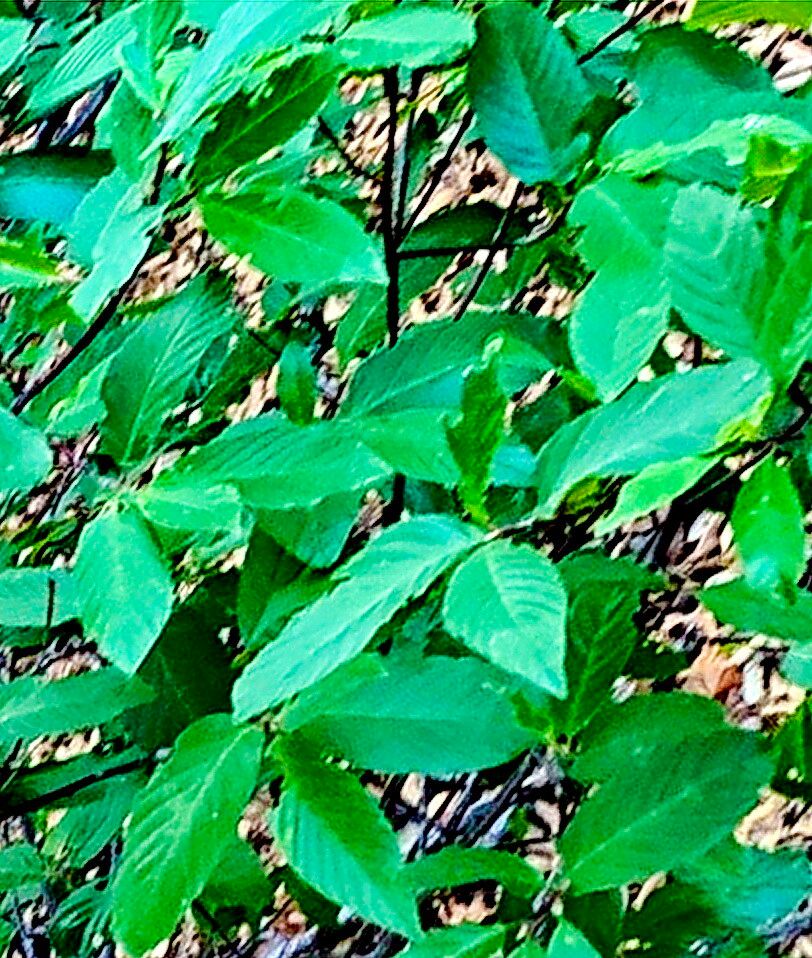
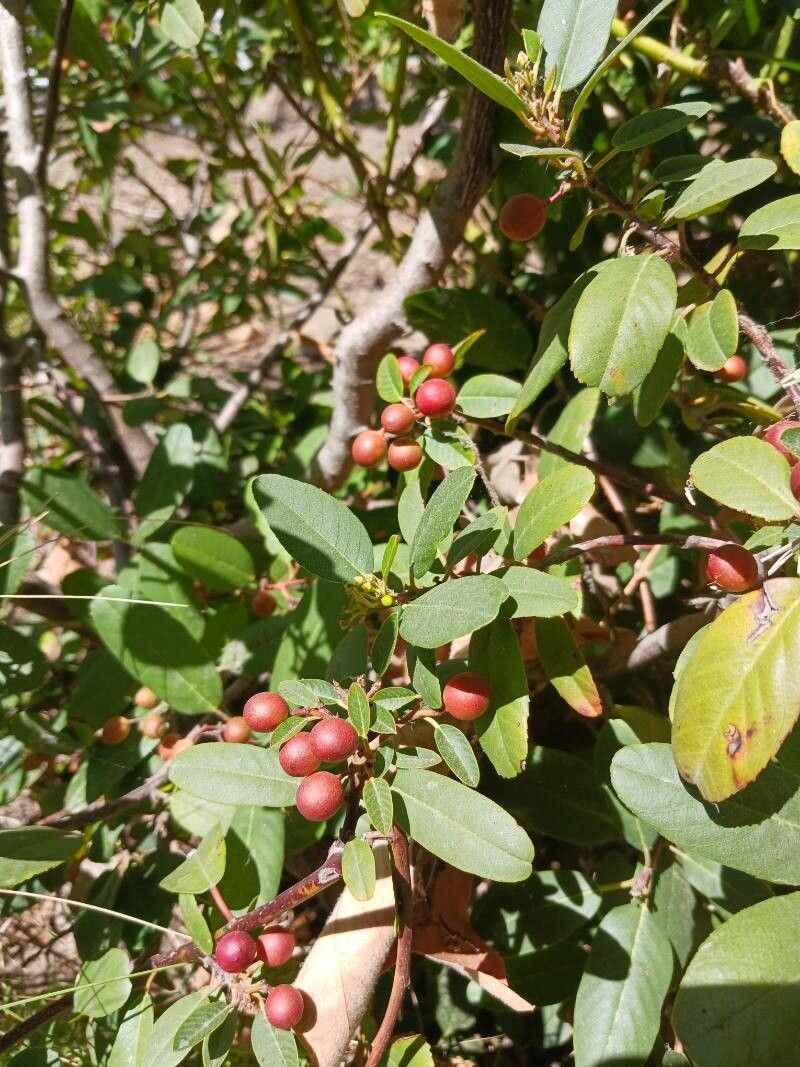
Frangula purshiana (cascara, cascara buckthorn, cascara sagrada, bearberry, and in the Chinook Jargon, chittem stick and chitticum stick; syn. Rhamnus purshiana) is a species of plant in the family Rhamnaceae. It is native to western North America from southern British Columbia south to central California, and eastward to northwestern Montana. The dried bark of cascara was used as a laxative in folk medicine by the indigenous peoples of the Pacific Northwest, and later worldwide in conventional medicines until 2002.
Cascara serpentine buckthorn is resistant to diseases and generally not susceptible to them. In terms of care, this plant is fairly low-maintenance. When grown outdoors it needs only light watering, and larger specimens usually do not require pruning. Smaller specimens, however, should be trimmed after they finish blooming. Cascara serpentine buckthorn is appropriate for anyone with an outdoor area, such as a garden or deck, and does not demand much gardening experience.
How to keep Frangula Purshiana.
Light
Cascara serpentine buckthorn naturally occurs in habitats like forest understories and rocky areas, where it grows in natural shade. It prefers partial sun but can tolerate both full sun and full shade, demonstrating that it is versatile and hardy.
Water
The Cascara serpentined buckthorn flourishes in environments with moderate moisture. It should be watered every 1–2 weeks. Although it can withstand short periods of drought, this plant prefers soil that remains consistently moist. To ensure the plant's optimal health, adjust its watering schedule based on the local climate and rainfall conditions.
Temperature
Cascara serpentine buckthorn is highly adaptable to a wide range of climate conditions, whether in searing summers or frigid winters. It does, however, have a preferred temperature range for healthy growth. When temperatures become excessively high, the plant is susceptible to heat and humidity stress, which can lead to its death. In areas where temperatures approach the lower limit of its cold tolerance, it is important to provide insulation to protect the plant.
Fertilizer
Fertilize your Cascara serpentine buckthorn in early spring to encourage healthy growth. Consistent feeding improves overall health, producing vigorous growth, greater tolerance of challenging conditions, and enhanced resistance to pests and diseases. Follow a specific fertilization schedule to keep the foliage bright with rich color and a lush appearance.
Pruning
Cascara, also known as serpentine buckthorn, is a deciduous shrub or tree appreciated for its dark green leaves and medicinal bark. To maintain its health and appearance, prune it in early spring. This helps remove dead or diseased branches and improves air circulation. Using clean, sharp tools is crucial, as they minimize damage and encourage healthier growth.
Botanical profile.
- Plant Type
- Tree
- Life Cycle
- Perennial
- Genus
- Frangula
- Family
- Rhamnaceae
- Hardiness Zone
- 5-9
- Mature Height
- 11.89 m
- Mature Spread
- 9.14 m
- Leaf Color
- Dark Green
- Leaf Type
- Deciduous
- Flower Size
- 0.51 cm to 0.51 cm
- Bloom Time
- Mid spring, Late spring, Early summer
- Planting Time
- Spring, Summer
- Harvest Time
- Late summer, Early fall, Mid fall
Other names.