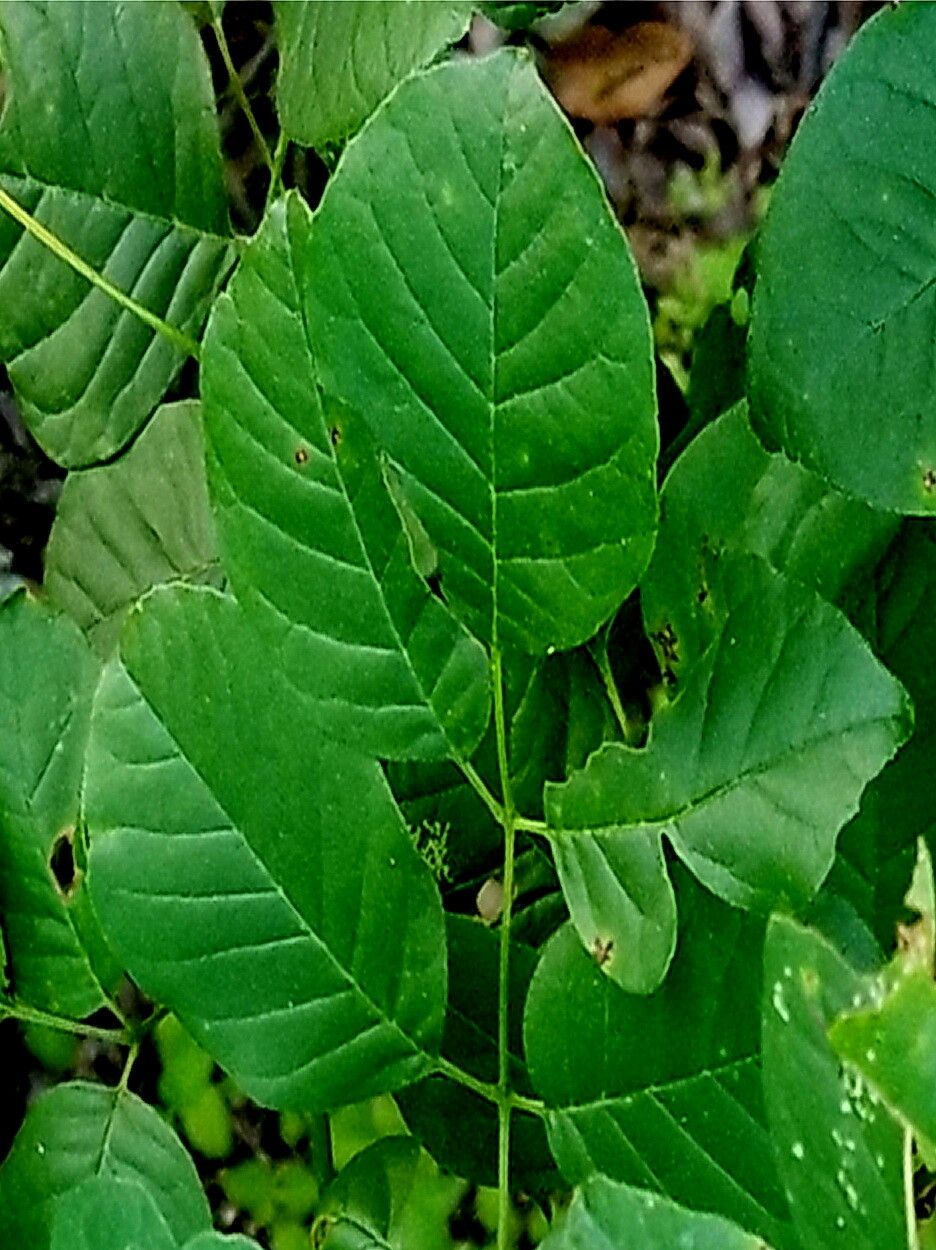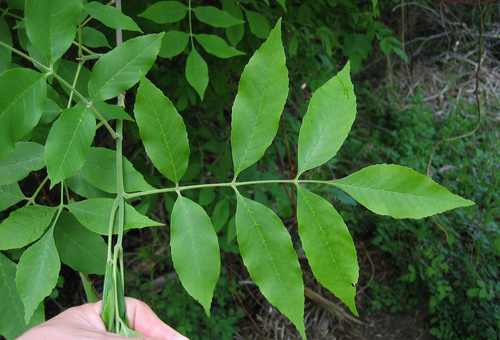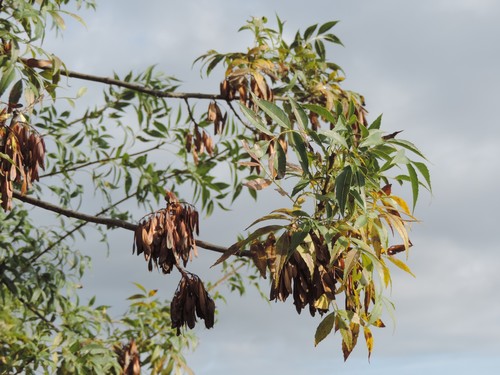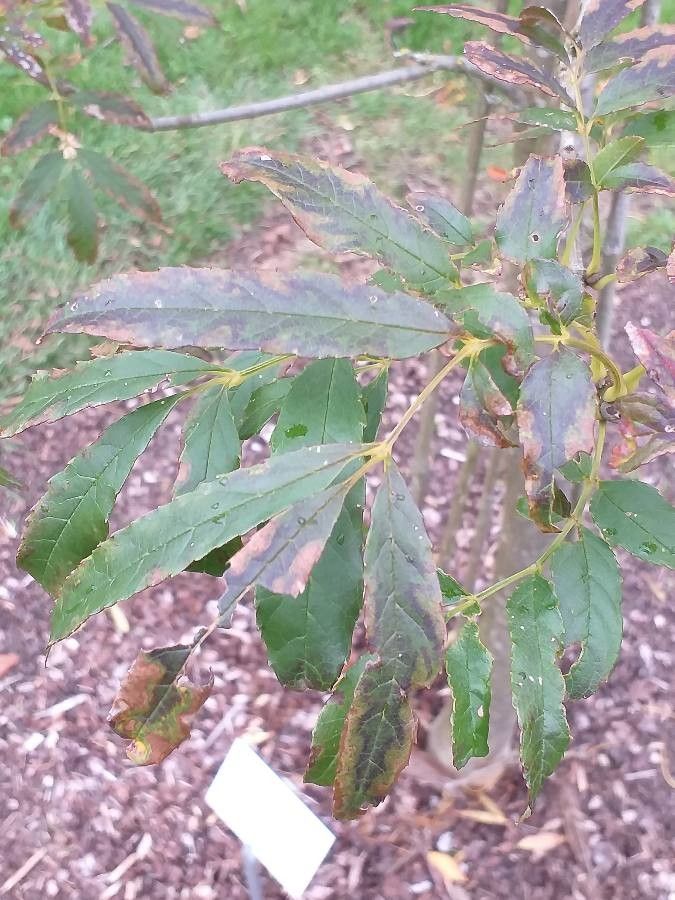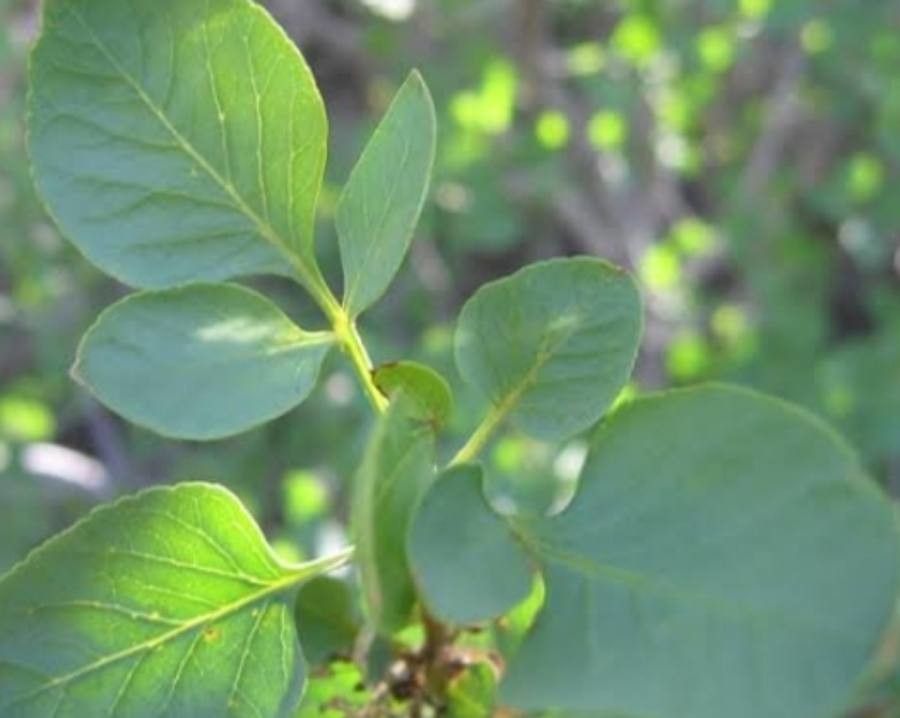
Fraxinus anomala is a species of ash tree known by the common name single-leaf ash. It is native to the southwestern United States and northern Mexico, where it grows in a number of habitats including desert scrub and chaparral. It is unusual in the genus in that some (though not all) specimens have simple leaves instead of the pinnate leaves more characteristic of the group.
Single-leaf ash has strong resistance to disease and is usually not susceptible to illnesses. Regarding care, this plant is fairly low-maintenance. When grown outdoors it requires little watering, and larger plants typically do not need pruning. Smaller plants, however, should be pruned after they have bloomed. Single-leaf asht is suitable for anyone with outdoor space, such as a garden or deck, and does not require much experience in plant care.
How to keep Fraxinus Anomala.
Light
The single-leaf ash is native to open habitats like sunny meadows and forest edges, where light is plentiful. It performs best in Full Sun but can also tolerate Partial Sun, showing good adaptability to different light conditions.
Water
The single-leaf ash, native to arid regions, is highly drought-tolerant. When cultivated, it needs to be watered weekly. This tree thrives in well-draining soil, which mirrors the rocky terrains where it originally grows. Overwatering can be detrimental to its health, as it prefers drier conditions.
Temperature
Single-leaf ash is highly adaptable to a wide range of climate conditions, whether in scorching summers or chilly winters. However, it has an optimal temperature range for growth. If temperatures become excessively high, the plant is susceptible to heat and humidity stress, which can lead to its death. In areas where temperatures approach the lower limit of its cold tolerance, it is important to provide insulation to protect the plant.
Fertilizer
Fertilize your Single-leaf ash in early spring to encourage healthy growth. Regular feeding improves overall health, leading to vigorous growth, greater tolerance of harsh conditions, and enhanced resistance to diseases and pests. Maintain a consistent fertilization schedule for your Single-leaf ash to achieve vibrant, deeply colored, and lush foliage.
Pruning
The single-leaf ash tree is notable for its distinctive single-leaf structure. To keep it healthy and promote growth, prune it in early spring. Focus on removing dead or diseased branches and thinning out crowded areas to improve air circulation. Be careful not to prune too heavily, as maintaining the tree's natural shape is important for its overall health. For more detailed guidance, refer to reliable sources on pruning techniques.
Botanical profile.
- Plant Type
- Tree
- Life Cycle
- Perennial
- Genus
- Fraxinus
- Family
- Oleaceae
- Hardiness Zone
- 4-8
- Mature Height
- 3.05 m to 6.1 m
- Mature Spread
- 2.13 m to 3.96 m
- Leaf Color
- Green, Dark Green
- Leaf Type
- Deciduous
- Flower Size
- 0.25 cm to 0.51 cm
- Bloom Time
- Early spring, Mid spring
- Planting Time
- Spring, Summer, Autumn
- Harvest Time
- Mid summer, Late summer, Early fall
- Native Area
- Mexico
Other names.
Reader questions.
What are the sunlight requirements for a Single-leaf ash (Fraxinus anomala)?
The Single-leaf ash, or Fraxinus anomala, requires specific sunlight conditions to thrive. For full sun exposure, the plant needs more than 6 hours of sunlight daily. In conditions of partial sun, about 3-6 hours of sunlight each day is necessary. It's important to observe the movement of sunlight through your garden to find spots that offer the ideal mix of light and shade, ensuring your plant's well-being and happiness.
What is the botanical name of Single-leaf ash?
The botanical name of Single-leaf ash is Fraxinus anomala.