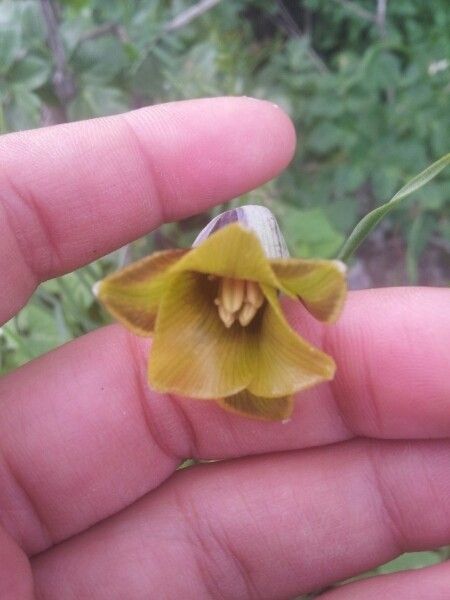
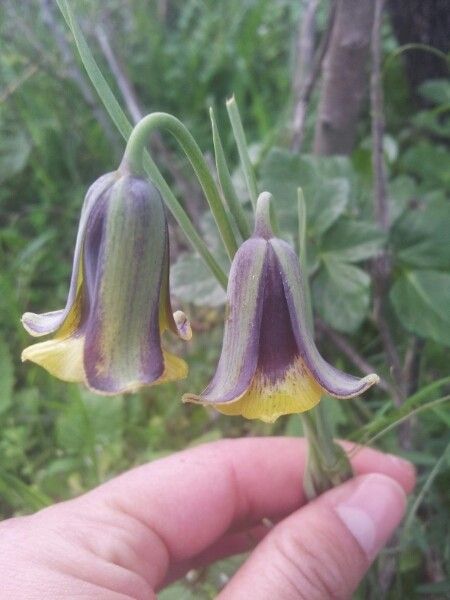
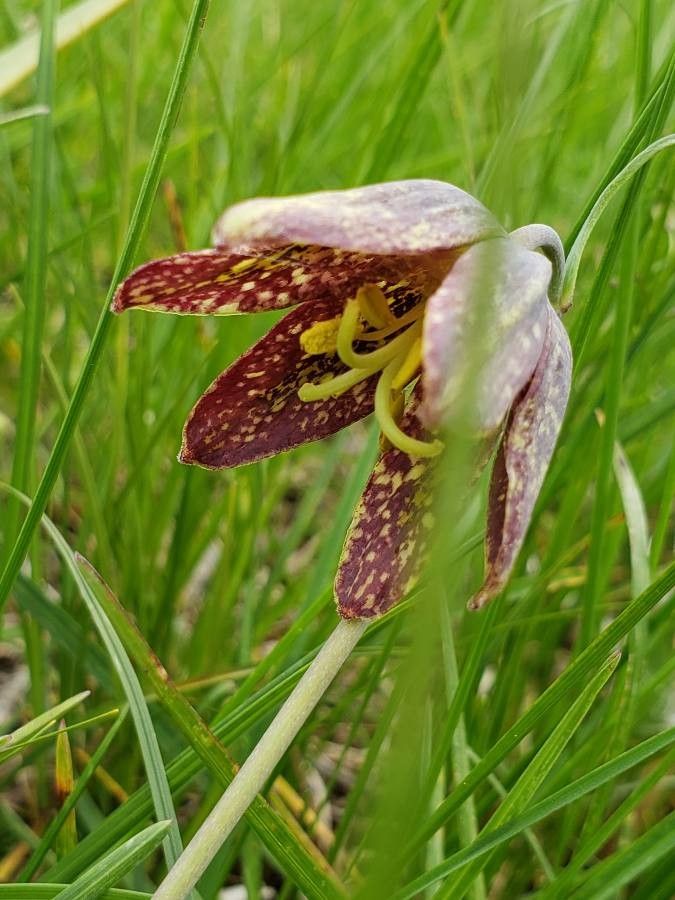
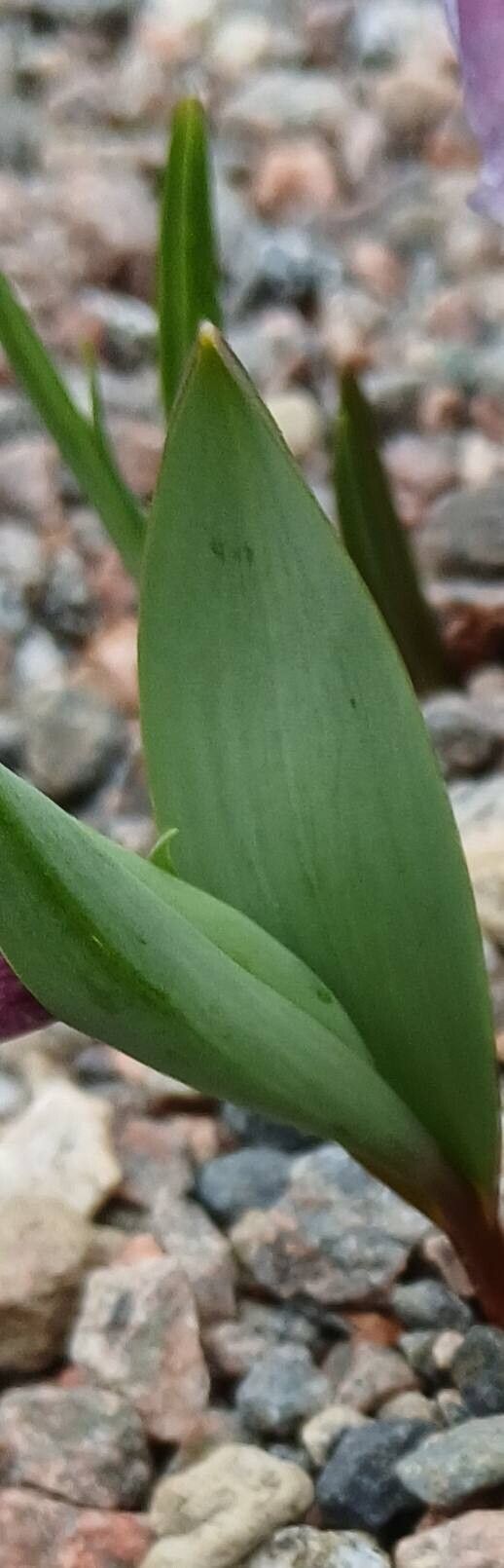
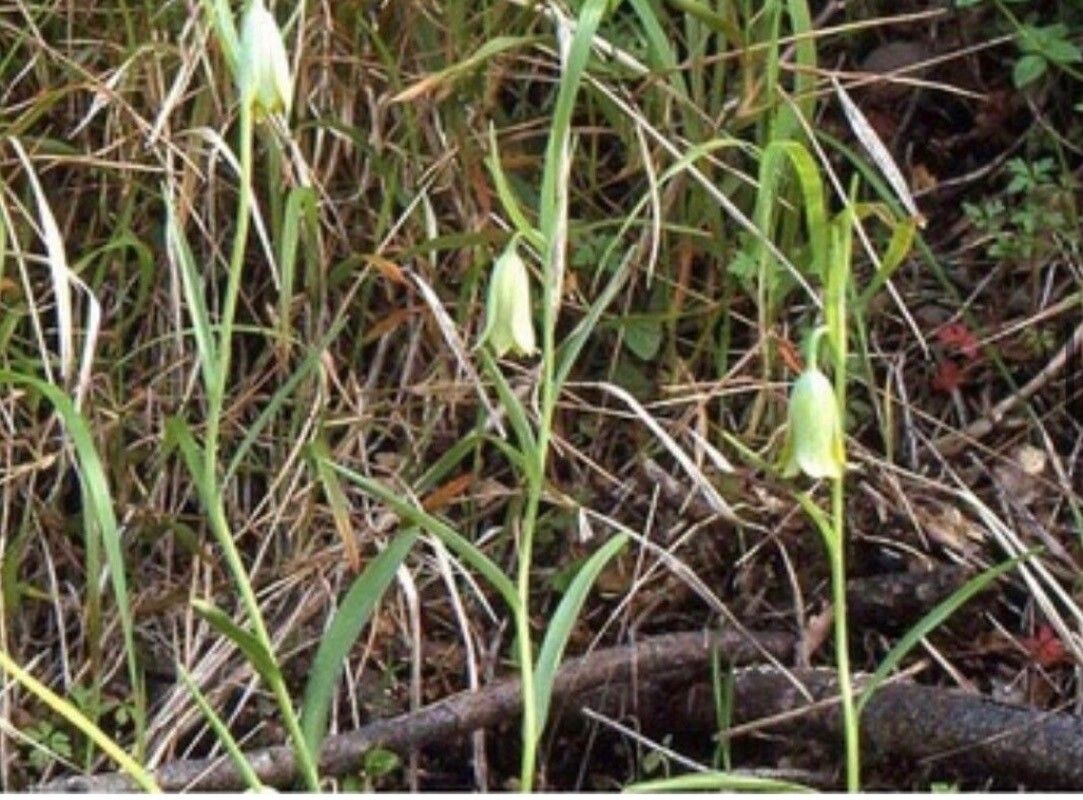
Fritillaria acmopetala, the pointed-petal fritillary, is a species of flowering plant in the lily family Liliaceae, native to rocky limestone mountain slopes in the Middle East. It was described by the Swiss botanist Pierre Edmond Boissier in 1846.
The pointed-petal fritillary is fairly disease-resistant and typically does not suffer from many illnesses. Still, it can be affected by pests and diseases present in its environment, though such outbreaks are generally mild. Regarding maintenance, this plant needs a moderate level of care. Regular pruning is necessary to keep it looking tidy and to support healthy growth. Applying fertilizer can also encourage it to bloom. The pointed-petal fritillary is well suited to people who have outdoor areas like a garden or patio and does not demand extensive horticultural experience. It may need more attention if cultivated indoors.
How to keep Fritillaria Acmopetala.
Light
Pointed-petal fritillary is native to habitats like forest understories and rocky areas, where it grows in natural shade. It prefers partial sun but can tolerate full sun or full shade, showing a versatile and hardy character.
Water
The pointed-petal fritillary flourishes in regions with moderate rainfall and needs weekly watering. It is resilient to varying hydration levels and typically grows outdoors. During dry periods, it enters dormancy to conserve water until conditions improve.
Temperature
Pointed-petal fritillary can adapt to a wide range of temperature conditions, but its distribution can still be limited by different combinations of water and heat conditions. It does best in warm summers with sufficient rainfall or watering. Extended periods of cloudy, rainy weather or prolonged high temperatures can increase the likelihood that Pointed-petal fritillary will die. In winter, appropriate protection from cold can improve the plant's survival rate.
Fertilizer
For Pointed-petal fritillary, the best time to apply fertilizer is in early spring when the flowers are developing. The proper fertilizer promotes better blooms and helps Pointed-petal fritillary produce attractive flowers. Fertilizing in early spring guarantees strong flowering during the season and supplies energy for dormant growth phases.
Pruning
To maintain the appeal and promote the growth of pointed-petal fritillaries, light pruning is recommended. In early to late spring, remove any dead foliage to improve air circulation and reduce the risk of disease. Make sure to use clean, sharp tools for pruning, as this will encourage vigorous blooming and contribute to the plant's overall health.
Botanical profile.
- Plant Type
- Herb
- Life Cycle
- Perennial
- Genus
- Fritillaria
- Family
- Liliaceae
- Hardiness Zone
- 5-9
- Mature Height
- 30 cm
- Mature Spread
- 10 cm
- Leaf Color
- Green
- Leaf Type
- Deciduous
- Flower Color
- Purple, Green
- Flower Size
- 3.05 cm to 5.08 cm
- Bloom Time
- Mid spring, Late spring
- Planting Time
- Spring, Summer
- Harvest Time
- Early summer, Mid summer
Other names.
Reader questions.
What are the sunlight requirements for Pointed-petal fritillary (Fritillaria acmopetala)?
Pointed-petal fritillary (Fritillaria acmopetala) requires careful consideration when it comes to sunlight exposure for optimal growth. There are two key sunlight conditions to consider: Full sun and partial sun. Full sun conditions mean the plant should receive above 6 hours of direct sunlight per day, making it ideal for locations that are exposed to plenty of natural light. For partial sun requirements, about 3-6 hours of sunlight per day is sufficient, which caters to areas of your garden that might be lightly shaded or receive filtered light. It's important to observe how sunlight moves through your garden throughout the day, to find spots that offer the right balance of light and shade. This careful placement will ensure your Pointed-petal fritillary thrives, bringing joy and beauty to your garden.
What is the Pointed-petal Fritillary?
The Pointed-petal fritillary, known scientifically as Fritillaria acmopetala, doesn't have a detailed description, symptoms, or additional essential information provided here. It is a specific species within the Fritillaria genus, which is renowned for its unique and sometimes intricately patterned flowers.