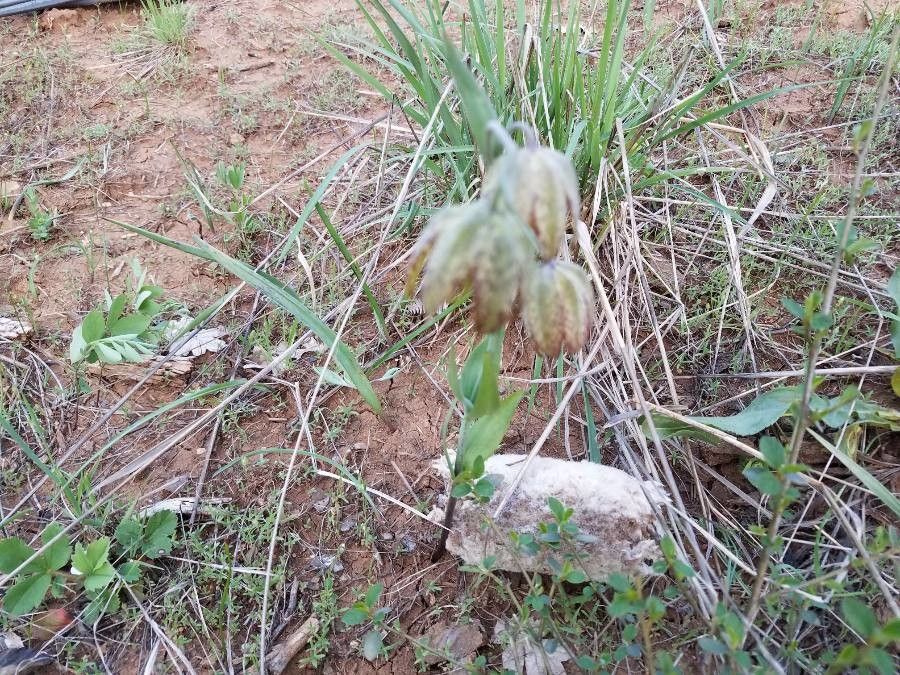
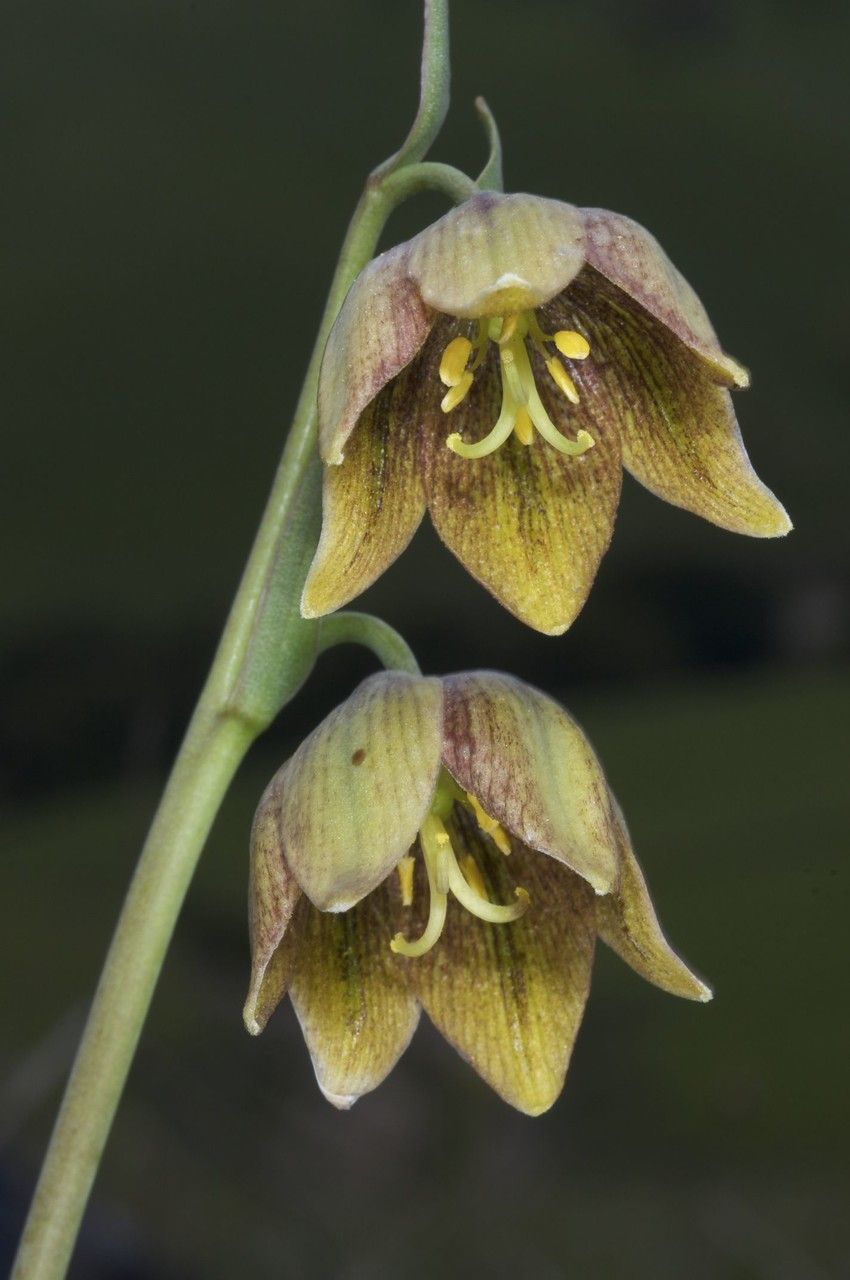
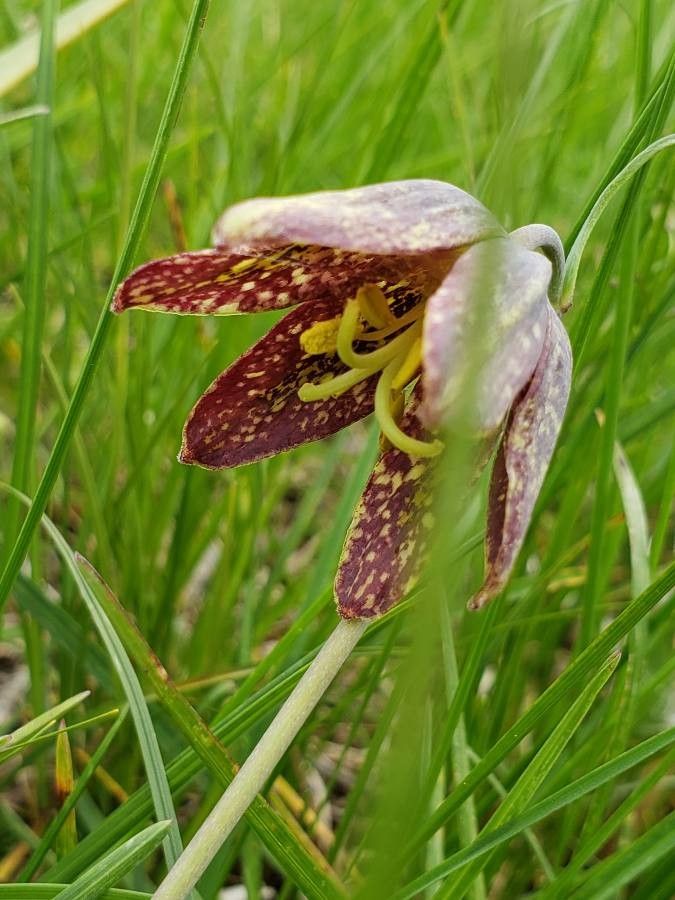
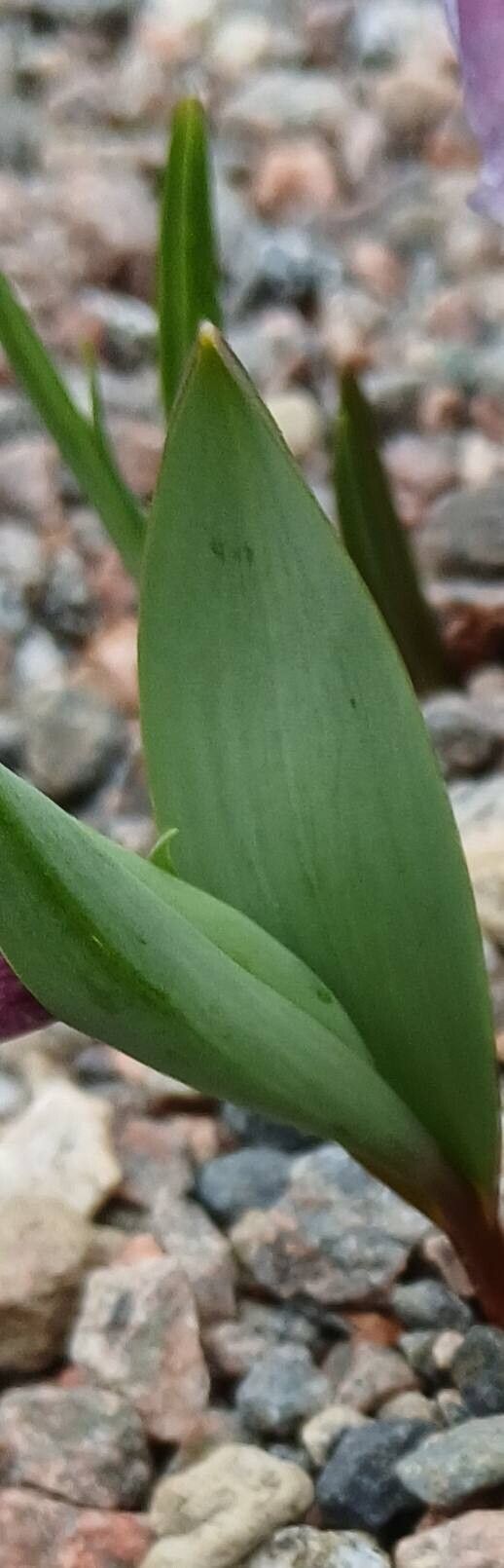
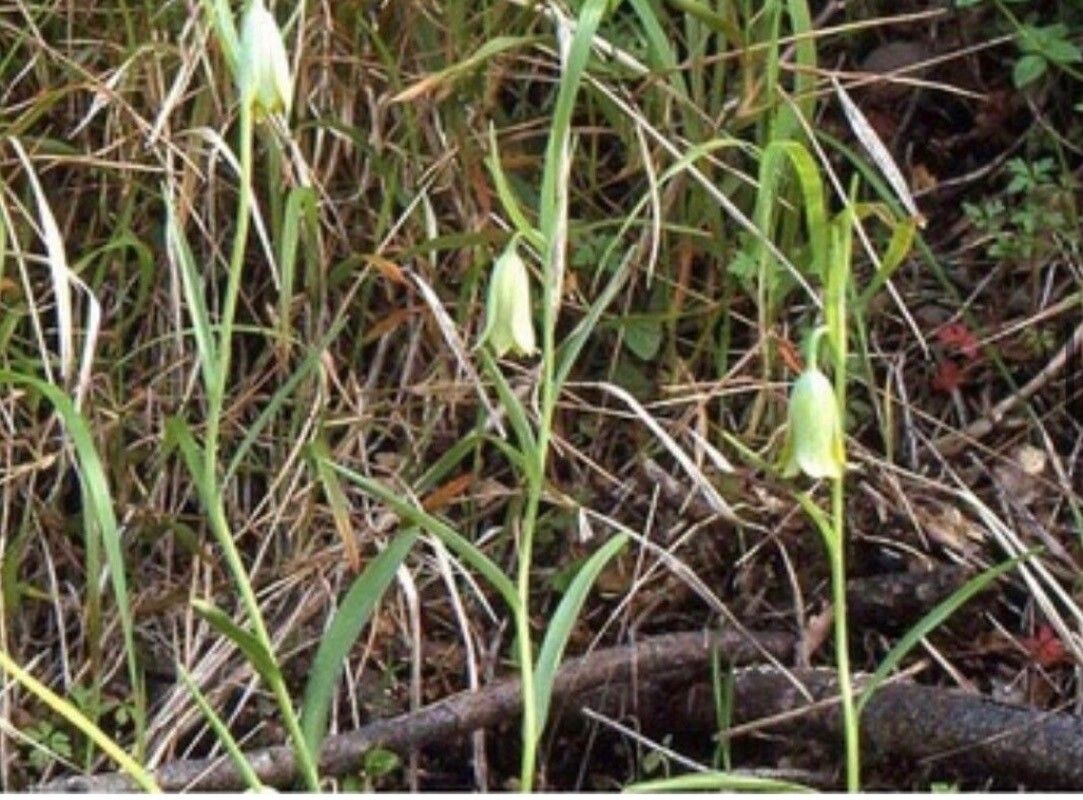
Fritillaria agrestis is a species of fritillary known by the common name stinkbells. It is endemic to California, where it is found in scattered populations from Mendocino County and Butte County to Ventura County. It grows in heavy soils, particularly clay. It is not common.
Stink bells has good disease resistance and is generally not prone to diseases. However, it may be vulnerable to pests and diseases present in its surroundings. These infections are typically not severe. Regarding care, this plant needs a moderate level of maintenance. It should be pruned regularly to maintain a tidy appearance and support healthy growth. Fertilization can also help encourage flowering. Stink bells is appropriate for anyone with an outdoor area, such as a garden or patio, and does not demand extensive care experience. When cultivated indoors, it may need more attentive care.
How to keep Fritillaria Agrestis.
Fertilizer
Typically, a single fertilizer application in spring is enough for Stink bells, though additional feedings can help maximize growth. Apply fertilizer about once every one to one and a half months. Fertilization improves the leaves' appearance and function, helping maintain even color and a healthy texture. It also promotes root development and nutrient uptake, supporting long-term plant health.
Pruning
Stink bells are known for their bell-shaped flowers and strong odor. They require minimal pruning. To maintain their health, perform light pruning in early spring. This helps improve air circulation and reduces the risk of disease. It's best to limit pruning to preserve the plant's natural growth habit. Only remove dead or damaged stems to ensure optimal health.
Botanical profile.
- Plant Type
- Herb
- Life Cycle
- Perennial
- Genus
- Fritillaria
- Family
- Liliaceae
- Hardiness Zone
- 4-8
Other names.
Reader questions.
What are the sunlight requirements for Stink Bells (Fritillaria agrestis)?
Stink Bells, also known by its botanical name Fritillaria agrestis, thrives in various sunlight conditions. For those looking to cultivate these plants, it's crucial to understand their light preferences. They can prosper in full sun, which means they should receive above 6 hours of sunlight daily. Alternatively, they can also grow well in partial sun, needing about 3-6 hours of sunlight. It's essential to observe the movement of sunlight through your garden carefully to find spots that offer an ideal balance of light and shade. This careful selection helps ensure the plants' well-being.
What are Stink Bells?
Stink Bells, known botanically as Fritillaria agrestis, are a type of flowering plant. Details about the plant's essentials, such as care, habitat, and specific characteristics, were not provided. Likewise, information about common symptoms associated with or relevant to the Stink Bells is absent. This entry focuses specifically on introducing the Stink Bells by its common and botanical name.