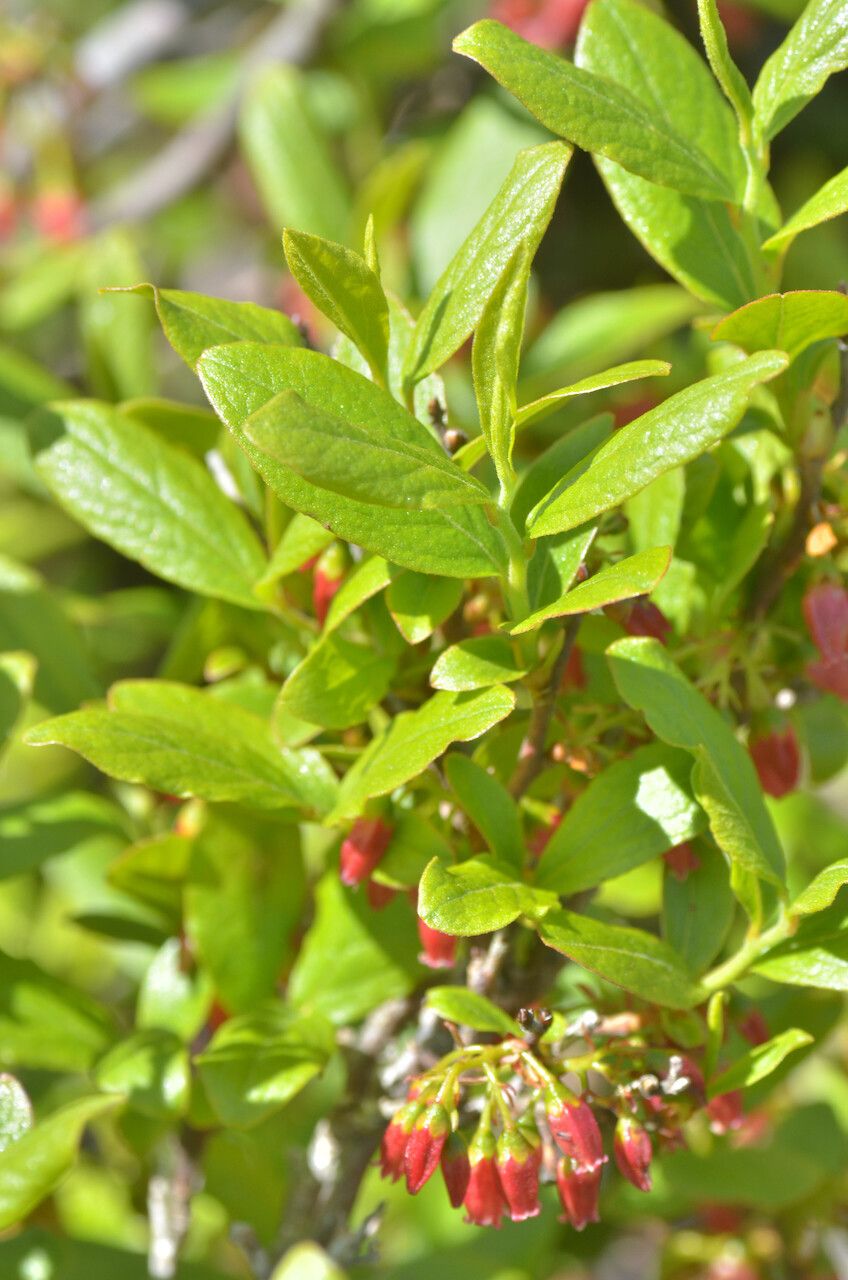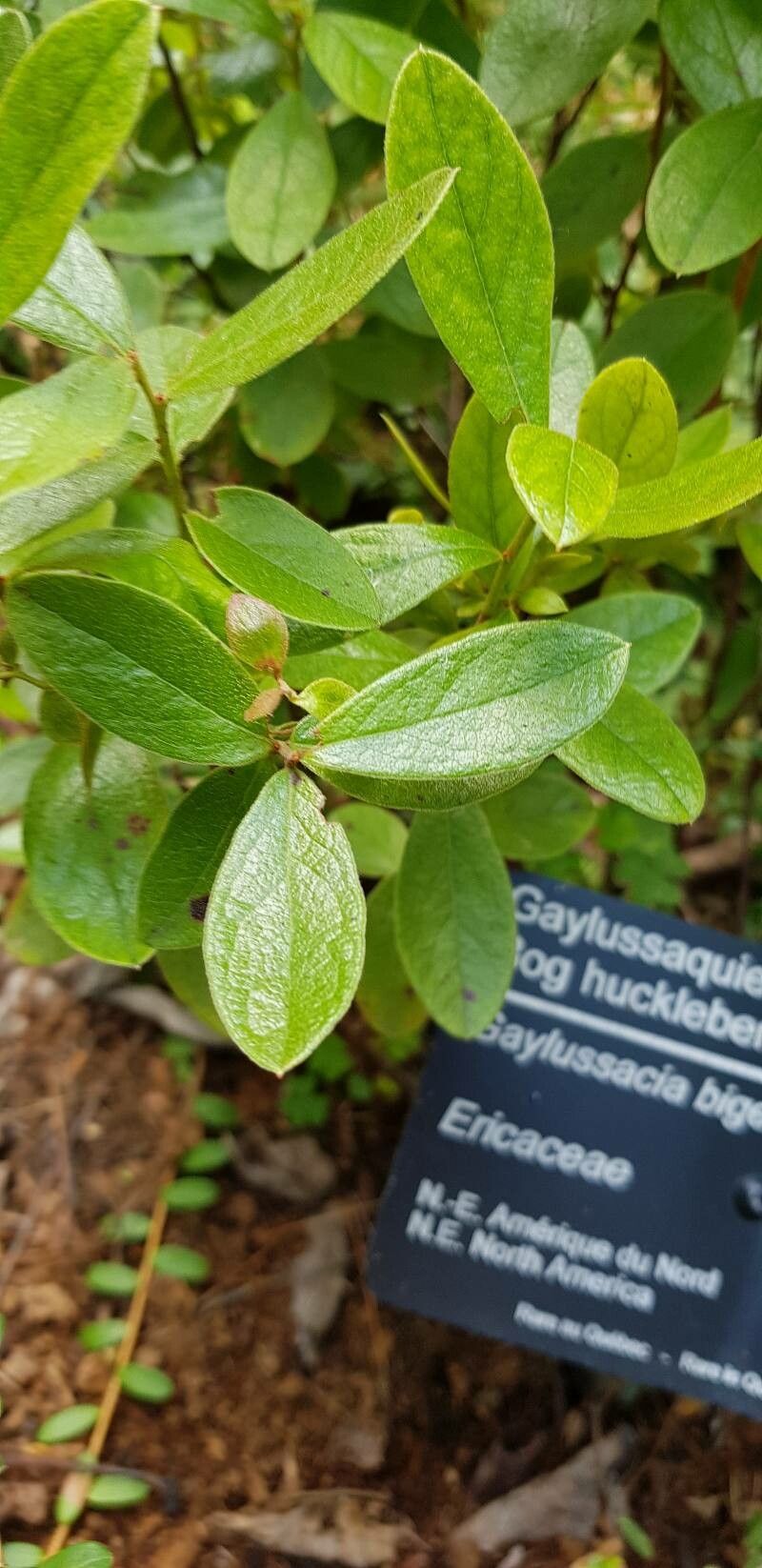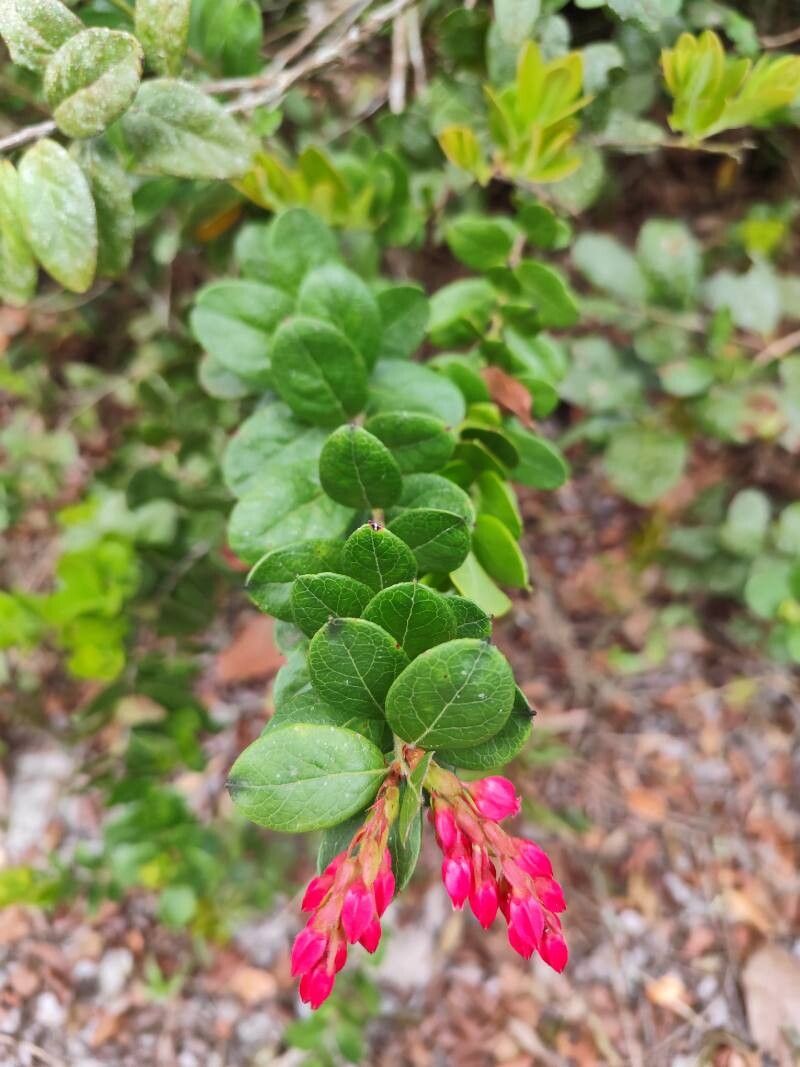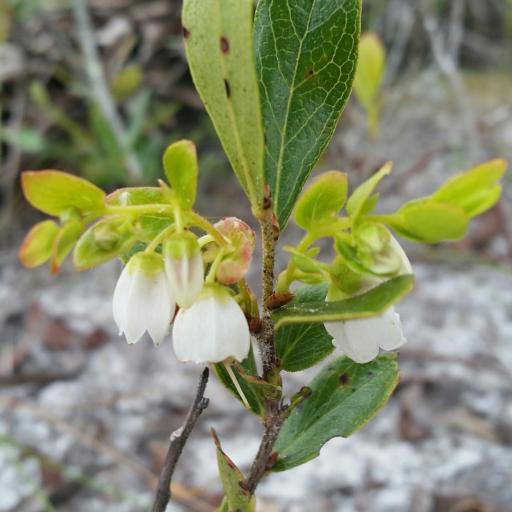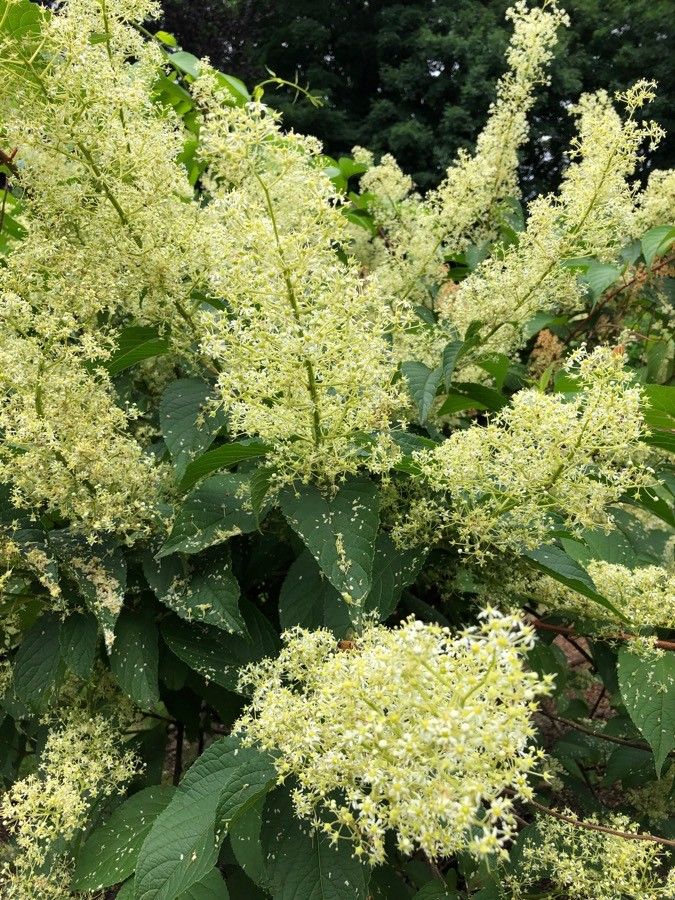
Gaylussacia brachycera, commonly known as box huckleberry or box-leaved whortleberry, is a low North American shrub related to the blueberry and the other huckleberries. It is native to the east-central United States.
Box huckleberry is disease-resistant and typically not susceptible to illnesses. In terms of care, this plant is fairly low-maintenance. When grown outdoors it needs little watering, and larger plants usually do not require pruning. Smaller plants, however, should be trimmed after they have finished flowering. Box huckleberryt is suitable for anyone with an outdoor space, such as a garden or deck, and does not demand extensive care experience.
How to keep Gaylussacia Brachycera.
Light
Box huckleberry comes from open habitats, such as sunny meadows and forest edges, that provide abundant light. It does best in full sun but can also tolerate partial sun, adapting well to a range of light conditions.
Water
Box huckleberry thrives in moderate moisture and prefers consistent humidity. Once established, it requires deep watering every three weeks. Typically grown outdoors, it benefits from dappled light and occasional rainfall, making it ideal for temperate climates with regular precipitation.
Temperature
Box huckleberry is very adaptable to different climate conditions, tolerating both scorching summers and cold winters. Still, it does have a preferred temperature range for healthy growth. When temperatures rise too high, the plant can experience heat and humidity stress, which may lead to its death. In areas where temperatures approach the lower limit of its cold tolerance, it is important to provide insulation to protect the plant.
Fertilizer
The timing of fertilizing Box huckleberry is important. Apply fertilizer in early spring and continue doing so monthly until early summer. Fertilizer promotes attractive blooms and supplies energy during both dormant and active growth phases.
Pruning
The box huckleberry is a small evergreen shrub that benefits from early spring pruning. This helps to remove dead branches and improve air circulation. Since the plant grows slowly, minimal pruning is needed. However, regular maintenance can enhance its vigor, leading to better flowering and fruit production. For more detailed guidance, consult horticultural resources.
Botanical profile.
- Plant Type
- Shrub
- Life Cycle
- Perennial
- Genus
- Gaylussacia
- Family
- Ericaceae
- Hardiness Zone
- 5-8
- Mature Height
- 30 cm to 91 cm
- Mature Spread
- 61 cm to 91 cm
- Leaf Color
- Green
- Leaf Type
- Semi-evergreen
- Flower Color
- Pink, White
- Flower Size
- 0.51 cm to 0.76 cm
- Bloom Time
- Mid spring, Late spring
- Planting Time
- Spring, Summer
- Harvest Time
- Mid summer, Late summer, Early fall