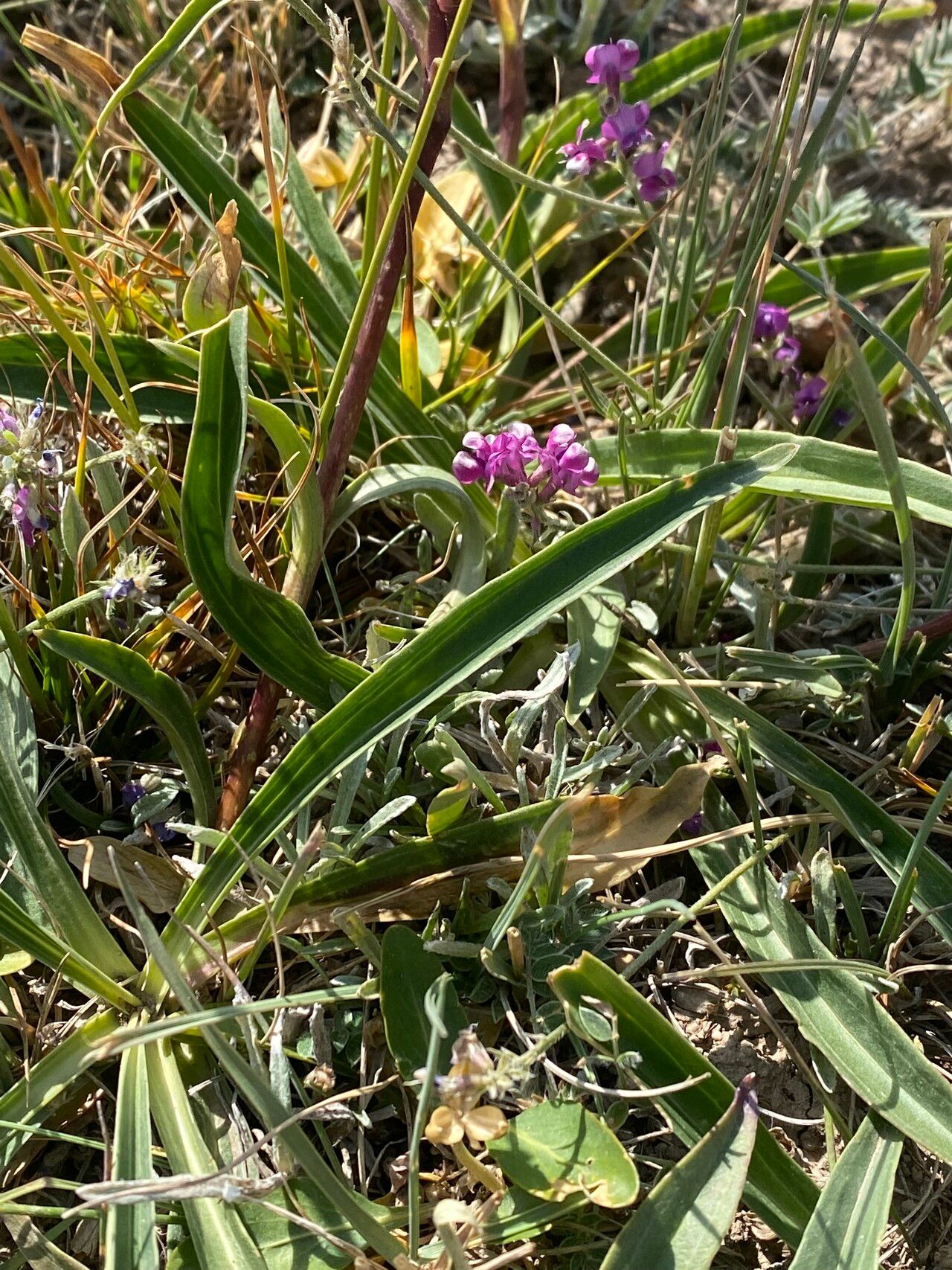
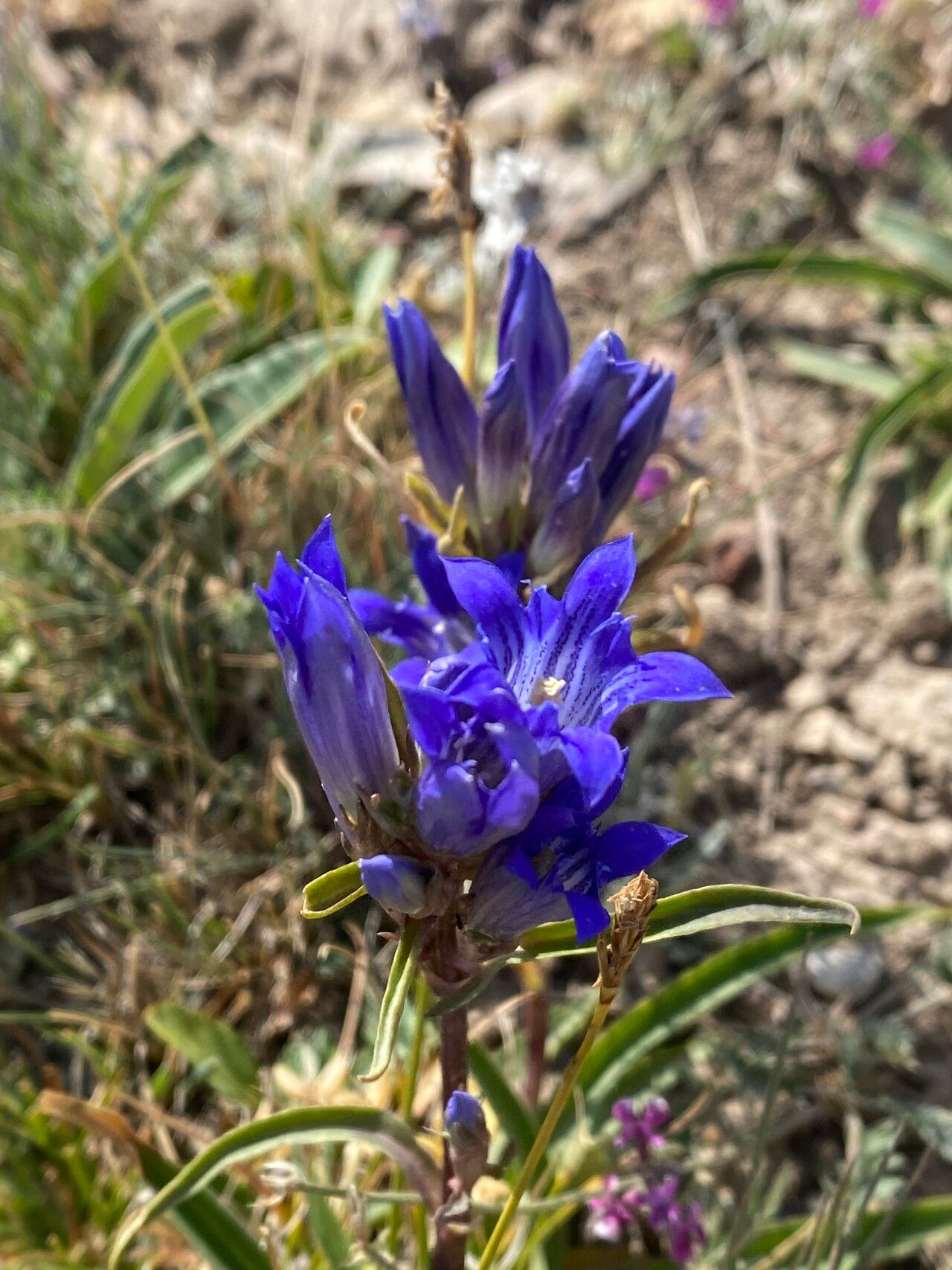
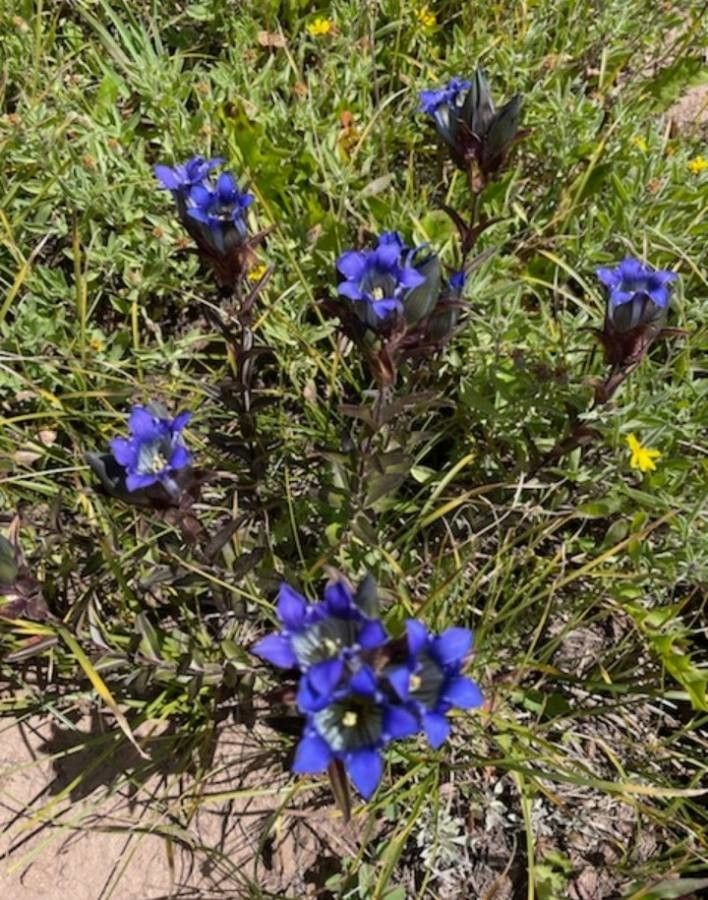
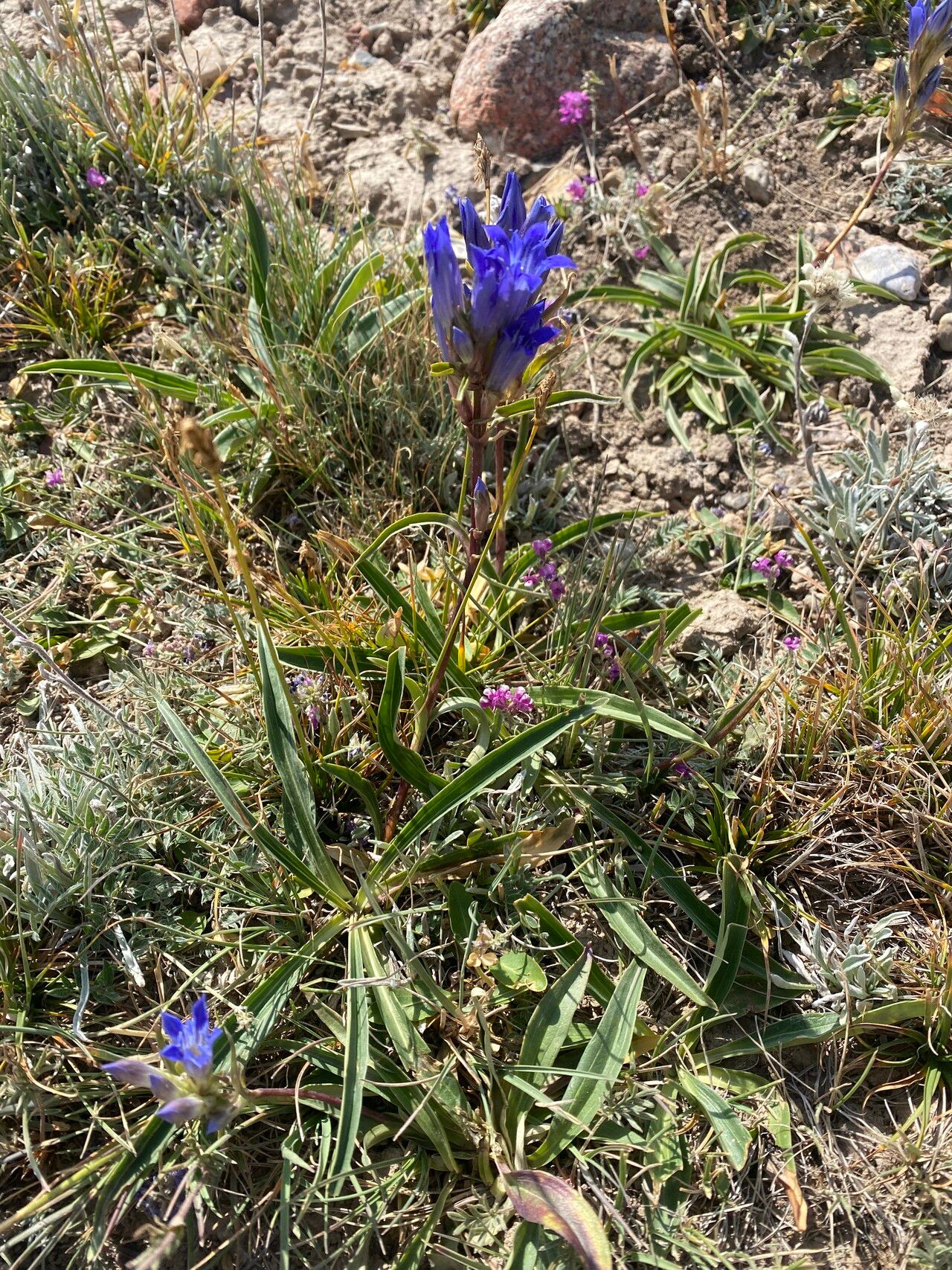
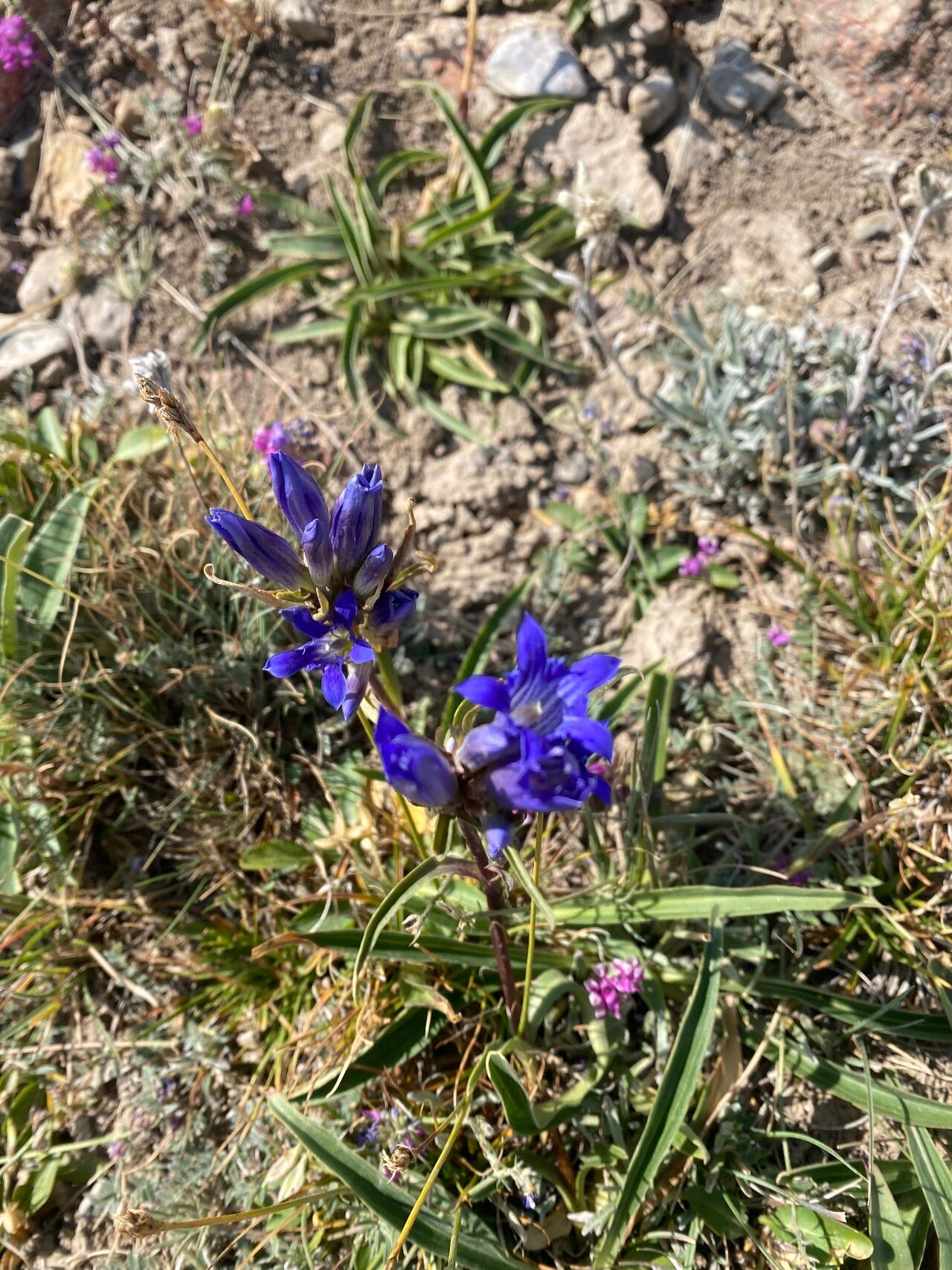
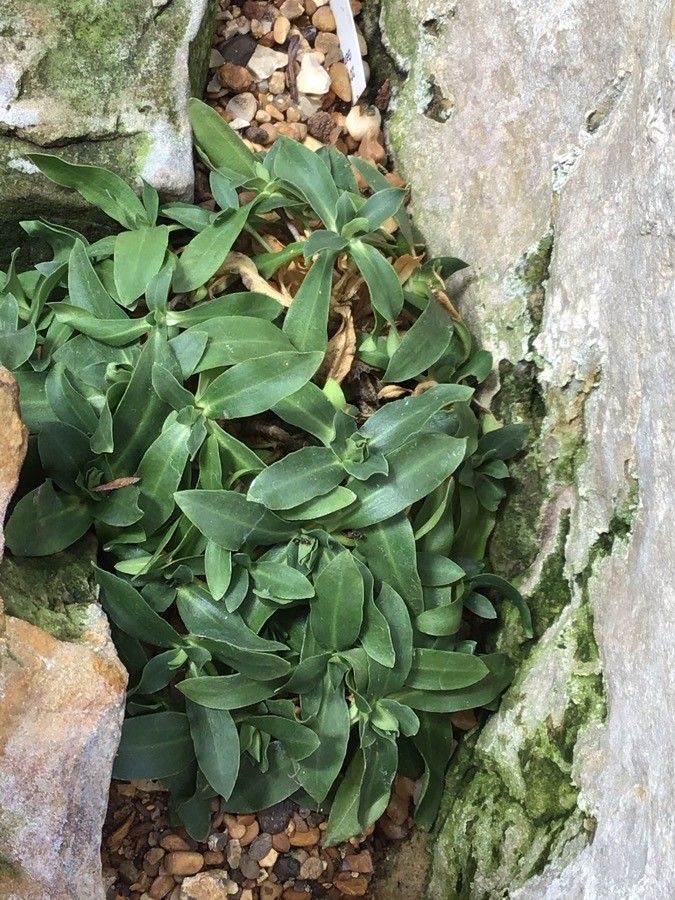
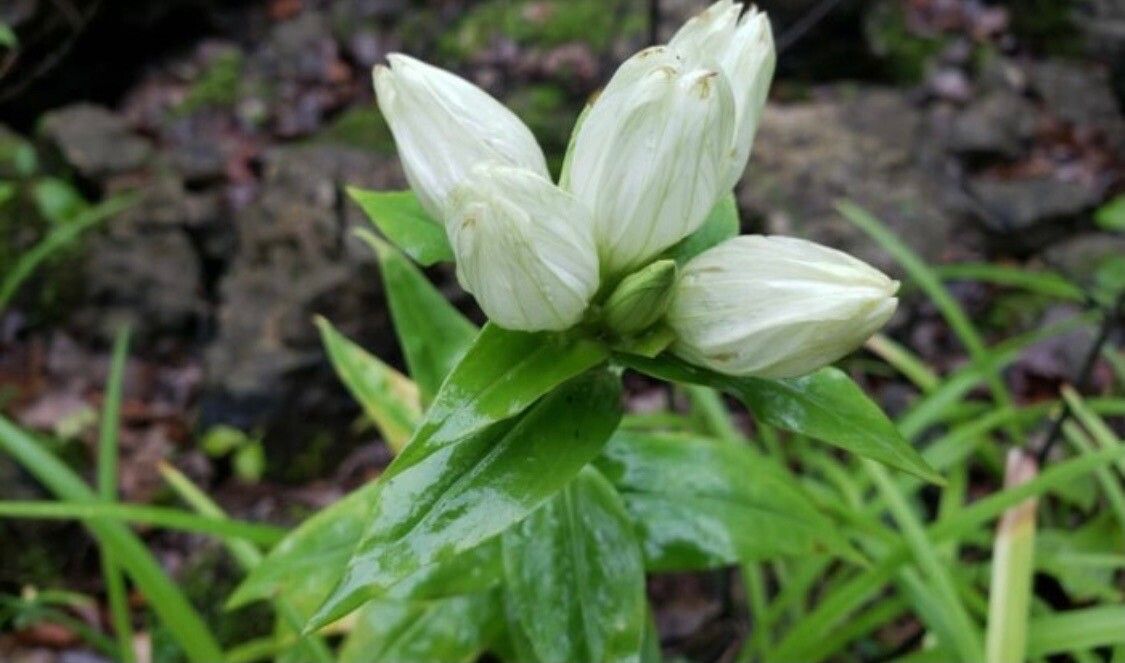
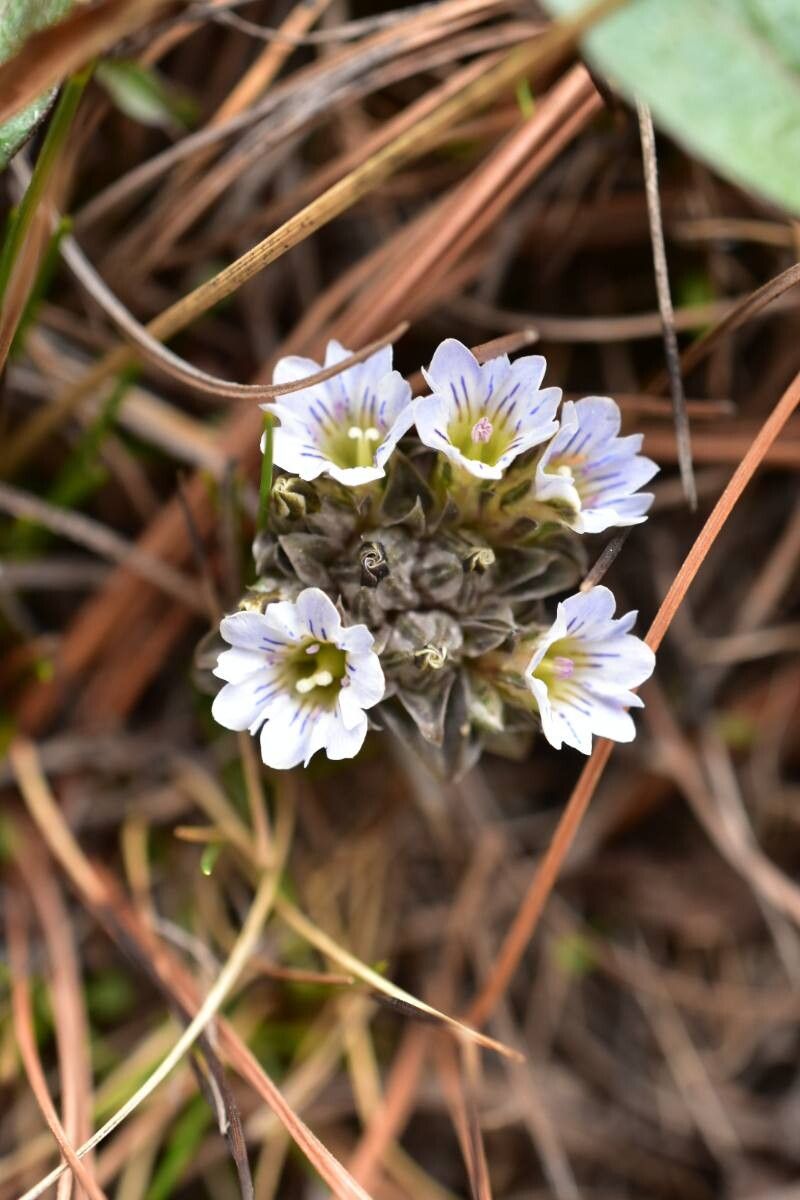
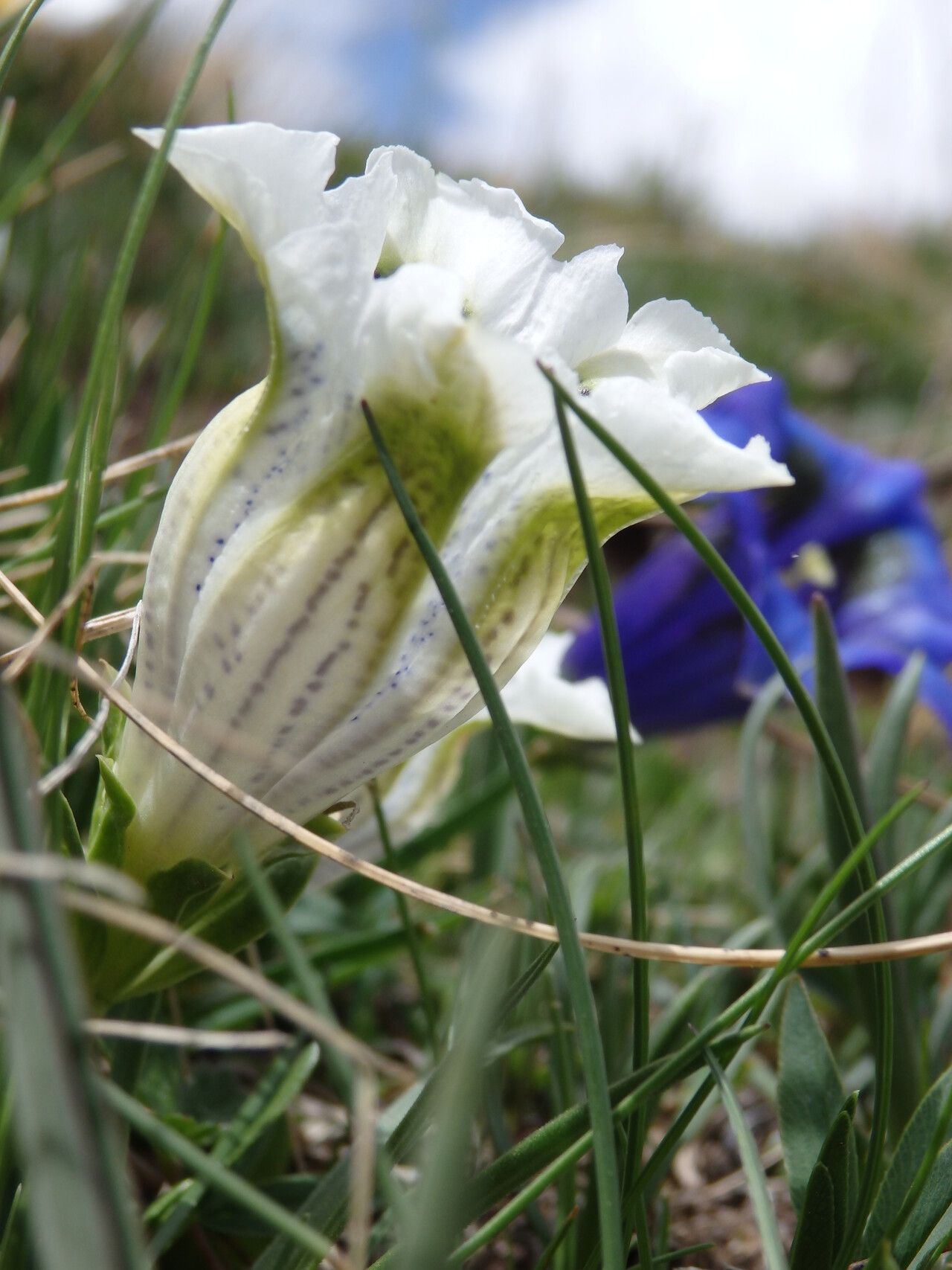
Gentiana affinis is a species of flowering plant in the family Gentianaceae. It is native to western and central North America, ranging from southwestern Canada to the western and central United States. It is commonly known as the prairie gentian or pleated gentian.
Pleated gentian has strong disease resistance and is typically not prone to illness. Still, it can be affected by pests and diseases present in its surroundings, though such infections are generally mild. Regarding care, this plant requires moderate maintenance. Regular pruning is needed to preserve a neat appearance and support healthy growth. Fertilizing can also encourage better flowering. Pleated gentian is suitable for anyone with outdoor space, such as a garden or patio, and does not demand extensive care experience. It may need more attention when grown indoors.
How to keep Gentiana Affinis.
Light
The pleated gentian does best in spots that get a generous amount of sun every day, though it can also tolerate locations where sunlight is somewhat filtered. Its optimal growth can be hindered if light is too limited or excessively intense. In its native habitat it would be accustomed to abundant sunshine. Sunlight is essential at every stage of its life cycle.
Water
Pleated gentian thrives in humid, moist environments, preferring soil that remains consistently damp, although it can tolerate moderate drought. To maintain its moisture levels, it is recommended to water it weekly. As an herbaceous perennial, pleated gentian is most vigorous during wetter seasons, and its health is closely linked to water availability.
Temperature
Pleated gentian naturally grows in regions with temperatures from 32 to 90°F (0 to 32°C). The plant favors cooler conditions and can tolerate temperature fluctuations through the seasons. For best growth, keep it within a similar temperature range.
Fertilizer
The optimal time to fertilize a Pleated gentian is in early spring, as it comes out of dormancy and begins active growth. Fertilizing supplies essential nutrients needed for healthy development. Although Pleated gentian has relatively low fertilizer requirements, applying fertilizer once a year can improve its survival and encourage better, longer-lasting flowers.
Pruning
The pleated gentian boasts vibrant blue flowers and upright stems. To keep it thriving, prune from early to late spring. Remove dead stems to encourage new growth, and trim away spent blooms to maintain its appearance and prevent seed formation. Regular pruning not only enhances air circulation but also reduces the risk of disease. For the best results, always use clean, sharp tools when caring for your plants.
Botanical profile.
- Plant Type
- Herb
- Life Cycle
- Perennial
- Genus
- Gentiana
- Family
- Gentianaceae
- Hardiness Zone
- 3-8
- Mature Height
- 5 cm to 61 cm
- Mature Spread
- 15 cm to 30 cm
- Leaf Color
- Green, Dark Green
- Leaf Type
- Deciduous
- Flower Color
- Blue, Purple
- Flower Size
- 2.54 cm to 4.06 cm
- Bloom Time
- Mid summer, Late summer, Early fall
- Planting Time
- Spring, Summer
- Harvest Time
- Early fall, Mid fall
Other names.
Reader questions.
What are the sunlight requirements for Pleated Gentian?
Pleated Gentian thrives in areas that receive a generous amount of sun daily but can also adapt to places where sunlight is somewhat filtered. For optimal growth, areas with full sun (above 6 hours of sunlight) or partial sun (about 3-6 hours of sunlight) are ideal. It's crucial to watch how sunlight moves through your garden and select spots that balance light and shade effectively, ensuring the plants' well-being. In its native habitat, the Pleated Gentian would be accustomed to abundant sunshine, making sunlight vital at each stage of its life cycle.
What is the native temperature range for Pleated gentian?
Pleated gentian is indigenous to zones where temperatures fluctuate between 32 to 90°F (0 to 32°C). Ideally suited to cooler climates, it is adaptable to a broad spectrum of temperatures across different seasons. For optimal growth, it's crucial to maintain temperatures within this range. The plant exhibits a strong resistance to cold and typically does not require special frost protection measures during winter. Nonetheless, if winter temperatures are anticipated to plunge below -35°C, it becomes essential to safeguard the plant against the cold by covering it with insulating materials such as soil or straw. Additionally, abundant watering before the initial freeze in autumn is advisable to ensure the soil remains moist and enters a frozen state, thus preventing drought and water scarcity for the plant during the winter and early spring months.
How can artificial lighting be used for Pleated Gentian?
When natural sunlight is insufficient, particularly in winter or less sunny spaces, artificial lighting becomes essential for Pleated Gentian's growth. Indoor plants require adequate lighting for optimal growth. LED lights, for instance, are a popular choice because they can be customized to provide specific wavelengths needed by plants. Full sun plants need 30-50W/sq ft, partial sun plants need 20-30W/sq ft, and full shade plants need 10-20W/sq ft of artificial light. The light source should be placed 12-36 inches above the plant to mimic natural sunlight, and most plants need 8-12 hours of light per day.
How does Pleated gentian respond to low temperatures?
Pleated gentian demonstrates a robust tolerance to low temperatures and flourishes optimally when temperatures remain above 0°C. Throughout the winter season, it is important to ensure that the temperature does not drop below -30°C. Exposure to temperatures below -35°C might not initially manifest observable changes during the winter; however, it could lead to a reduction in springtime sprouting or, in some cases, result in no sprouting at all. In the event that parts of the plant fail to sprout in spring, the affected segments should be removed.
What are the symptoms of light deficiency in Pleated Gentian?
Symptoms of light deficiency in Pleated Gentian include smaller new leaves, leggy or sparse growth, faster leaf drop, slower or no new growth, and lighter-colored new leaves. Additionally, excessive sunlight can cause chlorosis, sunscald, leaf curling, wilting, and leaf scorching. Each of these symptoms signifies the plant's struggle with its light environment, whether there's too little or too much light.
What should be done if Pleated gentian experiences high temperatures?
During the summer months, Pleated gentian should ideally be kept at temperatures below 32°C. If temperatures soar above 35°C, the plant's leaves may start to lighten in color, curl, become susceptible to sunburn, and in severe cases, the plant might wilt and dry out entirely. To mitigate these effects, any sunburned and dried parts of the plant should be trimmed away. Moving the plant to a shaded location particularly during the midday and afternoon sun, or utilizing a shade cloth to provide shade, can protect it from excessive sun exposure. Additionally, watering the plant during the cool times of the morning and evening can help maintain soil moisture.
How can I address light-related issues for Pleated Gentian?
To ensure optimal growth for Pleated Gentian, gradually moving plants to sunnier locations each week until they receive at least 6 hours of direct sunlight daily is beneficial. For indoor plants, consider using artificial light if the plant is large or not easily movable, keeping a lamp on for at least 8 hours daily, or investing in professional plant grow lights. Outdoors, avoid sudden changes in light intensity to prevent sunburn. If obstructions block sunlight, like trees, consider pruning them or transplant smaller plants to sunnier locations during their dormant period for ample sunlight and good drainage. Note that parts of the plant affected by insufficient sunlight may not recover, but new growth will be healthy after adjusting light exposure.
What is the botanical name of Pleated gentian?
The botanical name for Pleated gentian is Gentiana affinis. This plant is known for its adaptability to a variety of temperate climates and exhibits a remarkable tolerance to both low and high temperatures, making it a versatile plant for gardeners in different regions.