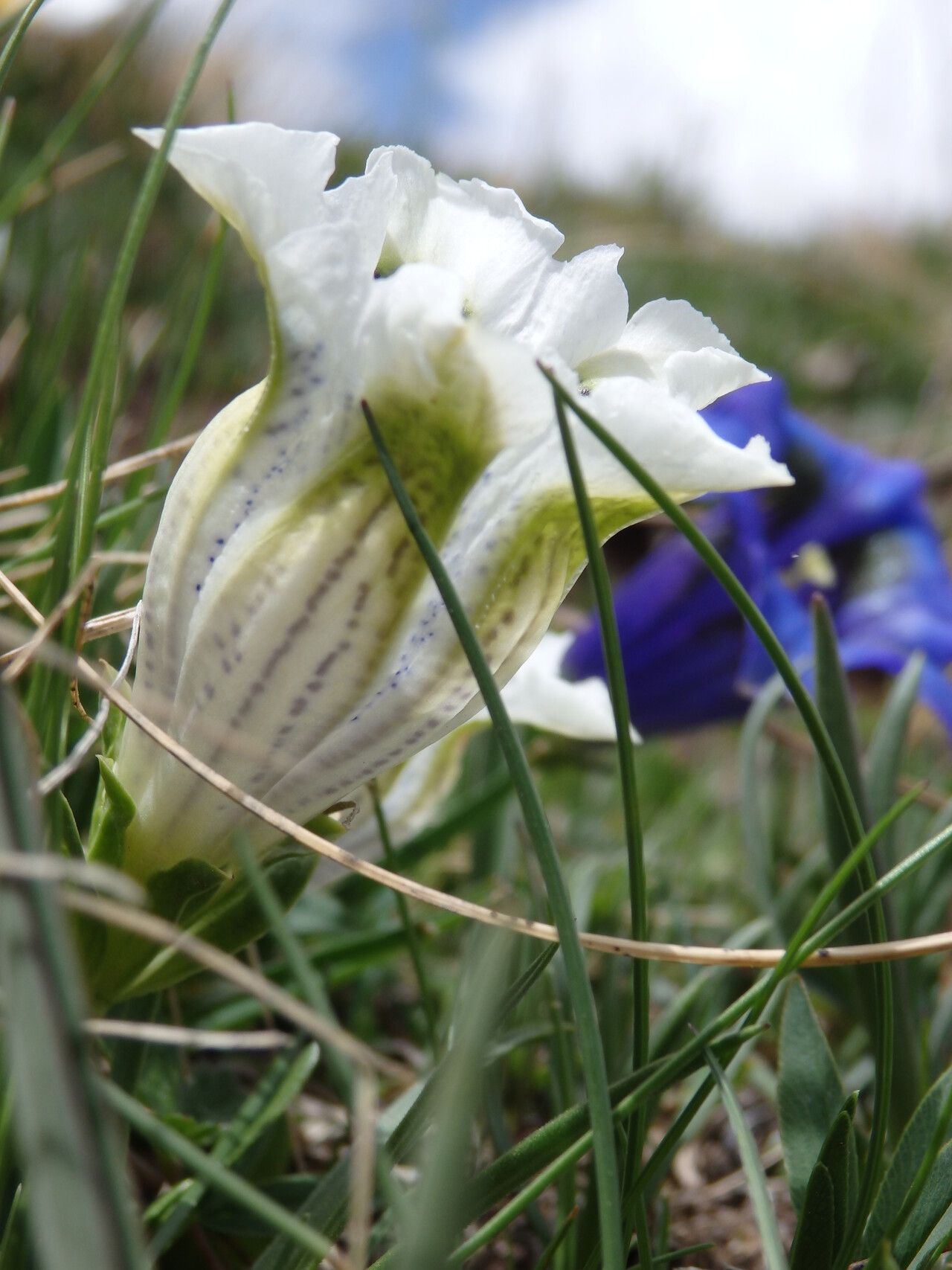
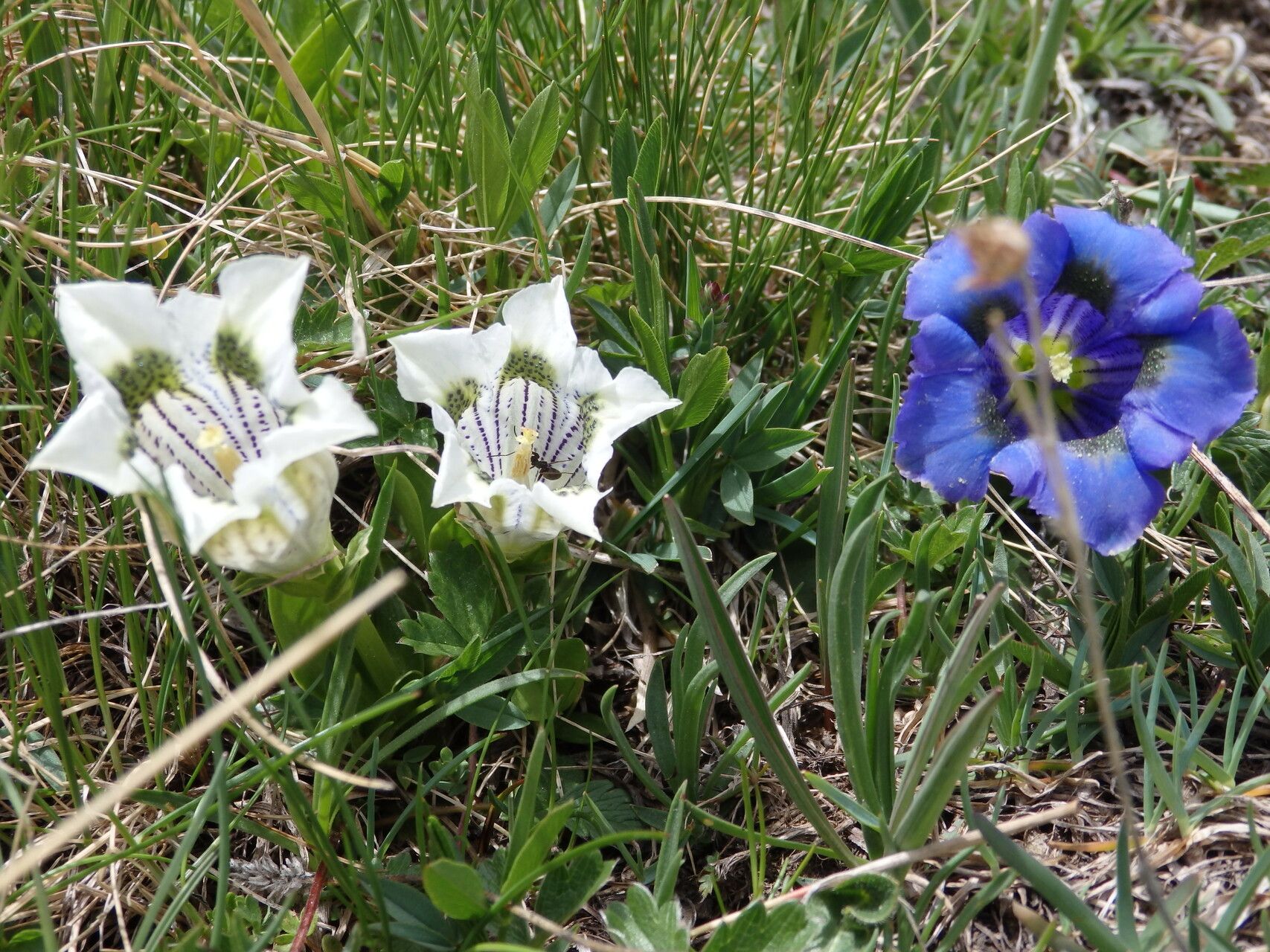
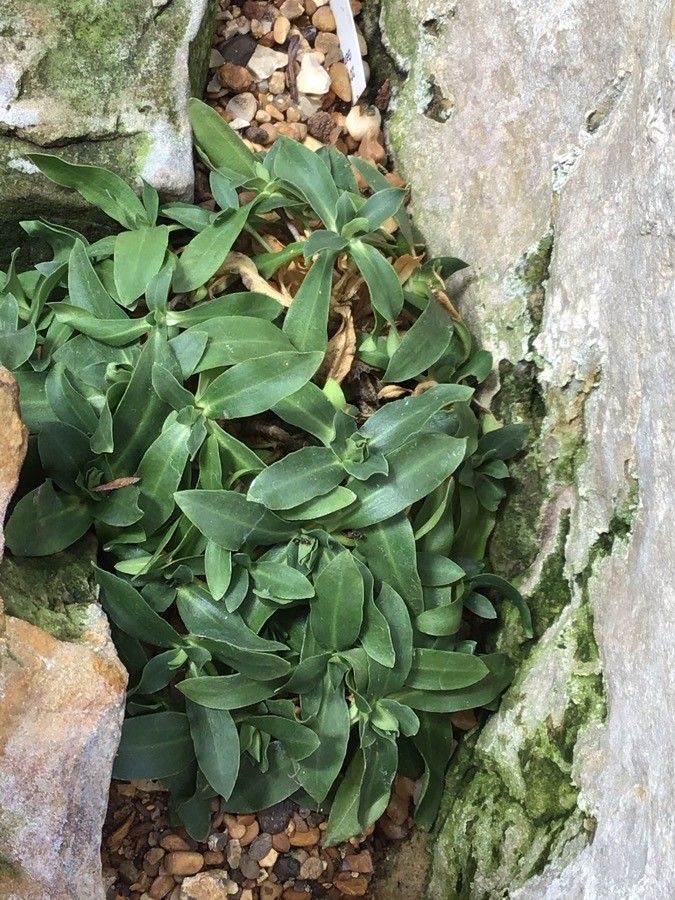
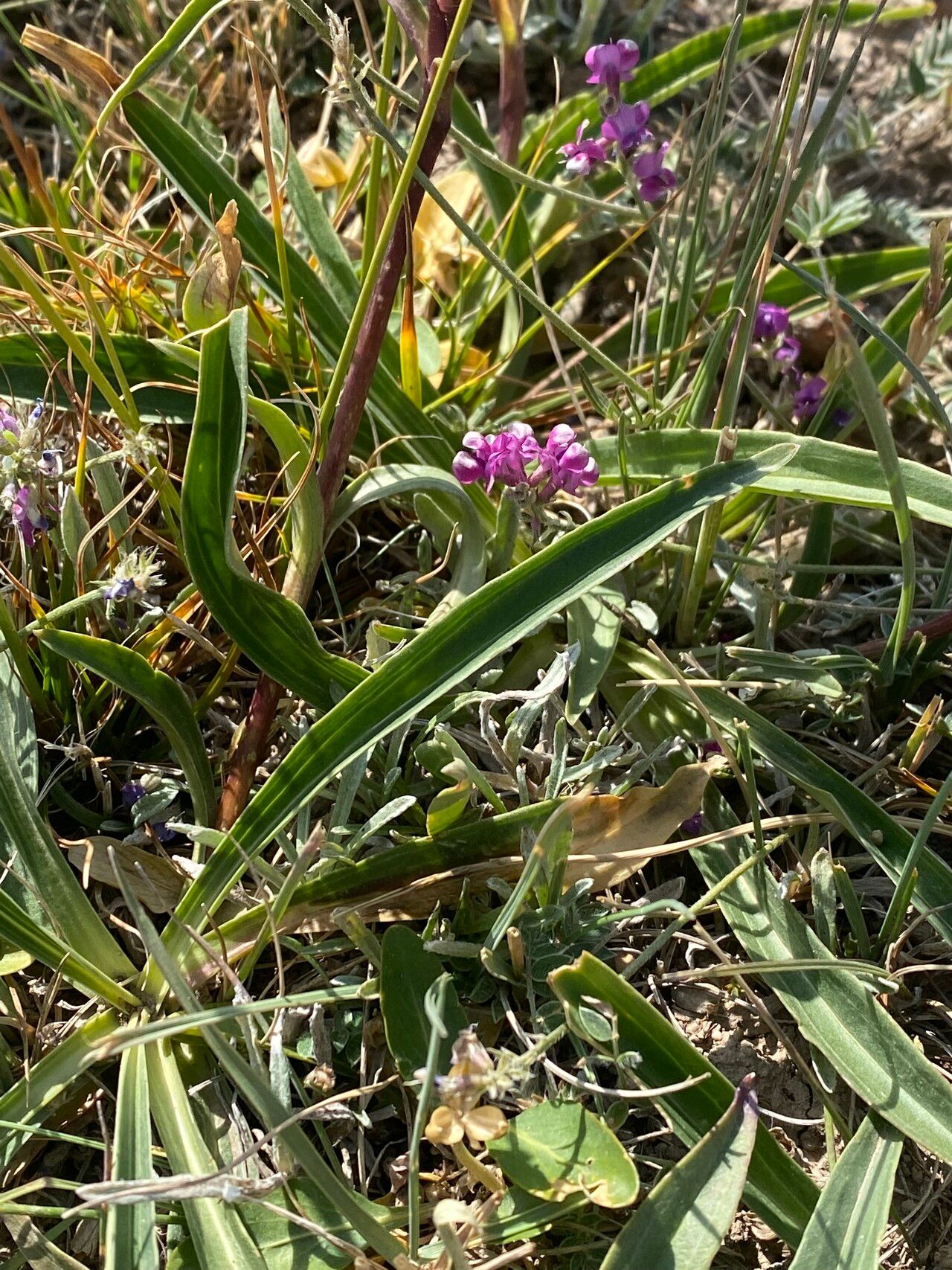
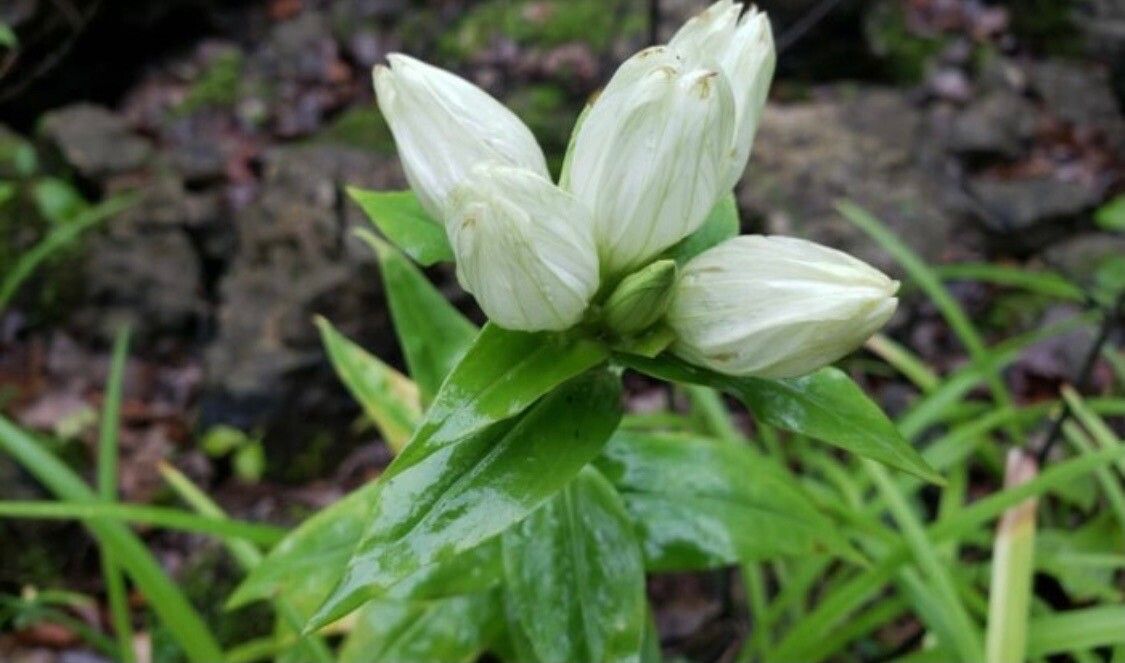
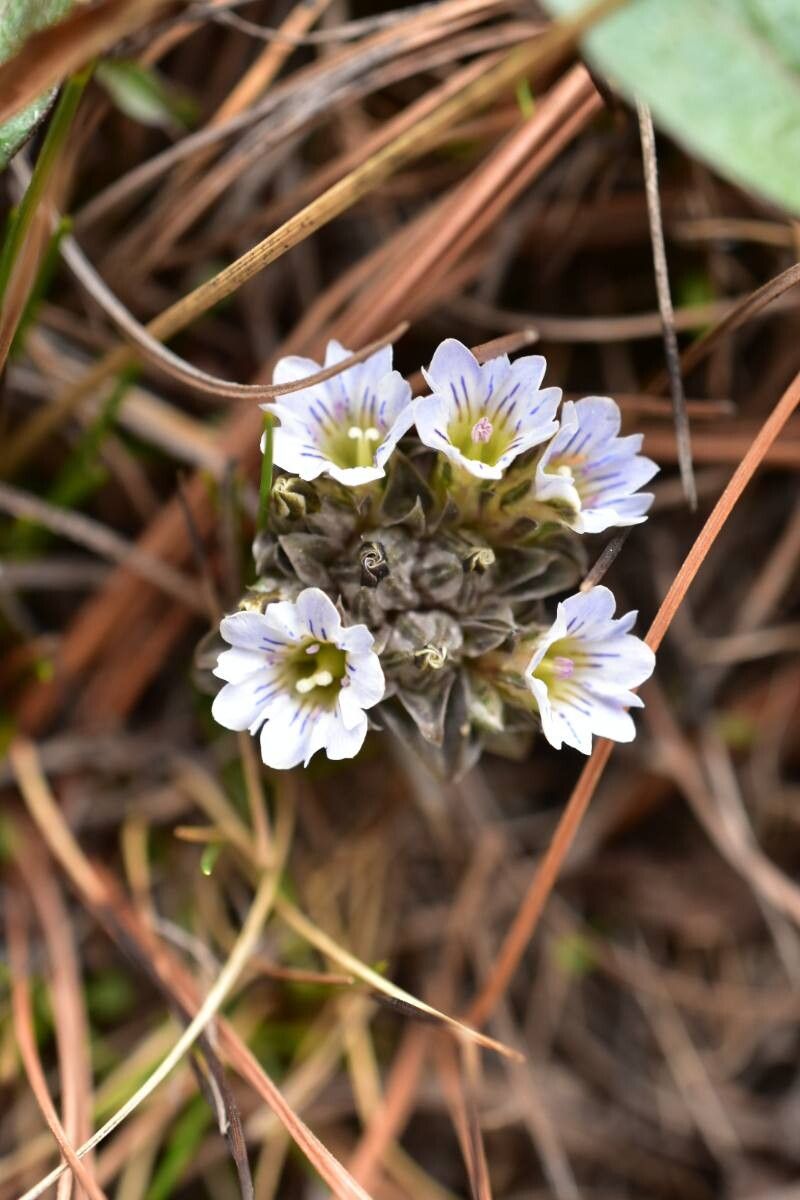
Gentiana algida, commonly known as the snow gentian, is a perennial herbaceous plant belonging to the Gentianaceae family. Native to the high-altitude regions of Europe and Asia, it thrives in alpine meadows and rocky slopes. The plant typically reaches a height of 10-20 cm and features a basal rosette of lance-shaped, dark green leaves.
This plant produces striking blue-violet flowers that bloom from July to September. The trumpet-shaped flowers have five petals fused at the base, forming a tube-like structure, and are about 2-3 cm long with white stripes on the petals.
Gentiana algida has been used for medicinal purposes for centuries, primarily due to its bitter taste, which stimulates digestion. Additionally, it is believed to have anti-inflammatory properties, making it useful for treating various ailments such as fever, arthritis, and liver disorders.
Snow gentian requires well-drained soil with good moisture retention and thrives in either full sun or partial shade, depending on its growing conditions. It can be propagated through seeds or by dividing the root system during early spring or autumn.
Overall, Gentiana algida is an attractive alpine plant that enhances gardens or rockeries with its beauty and color. Furthermore, when used appropriately by herbalists or traditional healers, it offers valuable medicinal benefits.
Whitish gentian is fairly disease-resistant and generally not prone to illnesses. However, it can be vulnerable to pests and diseases present in its surroundings. These infections are usually mild. In terms of care, this plant requires a moderate amount of maintenance. It should be pruned regularly to keep a neat appearance and support healthy growth. Fertilizing can also help encourage flowering. Whitish gentian is suitable for anyone with an outdoor area, such as a garden or patio, and does not demand a lot of gardening experience. It may need extra care when grown indoors.
How to keep Gentiana Algida.
Light
Whitish gentian is a sun-loving perennial herbaceous species that comes from open habitats and is commonly found in meadows and grasslands. It prefers full sun but can also tolerate partial sun conditions.
Water
Whitish gentian flourishes when it has consistent moisture and can tolerate both cold and moderate drought. To keep it slightly damp as it prefers, water it weekly. This plant is ideal for outdoor cultivation and adapts well to temperate climates. It offers a resilient evergreen option that requires minimal maintenance.
Fertilizer
For Whitish gentian, the primary time to fertilize is in early spring when the flowers are forming. The proper fertilizer promotes better blooms and helps Whitish gentian produce attractive flowers. Fertilizing in early spring ensures excellent flowers during the season and supplies energy for dormant growth phases.
Pruning
The whitish gentian is known for its striking blue flowers and can greatly benefit from careful pruning, ideally done from early to late spring. Remove any dead or diseased stems and spent flowers to encourage better blooming. It's best to keep pruning to a minimum in order to preserve the plant's delicate structure and ensure it remains a strong feature in your garden.
Botanical profile.
- Plant Type
- Herb
- Life Cycle
- Perennial
- Genus
- Gentiana
- Family
- Gentianaceae
- Hardiness Zone
- 3-7
- Mature Height
- 10 cm to 15 cm
- Mature Spread
- 5 cm to 10 cm
- Leaf Color
- Dark Green
- Leaf Type
- Deciduous
- Flower Color
- White
- Flower Size
- 3.05 cm to 5.08 cm
- Bloom Time
- Early summer, Mid summer
- Planting Time
- Spring, Summer
- Harvest Time
- Late summer, Early fall
- Native Area
- Russia, Kyrgyzstan, Kazakhstan, Japan, Mongolia, Koppen, Bhutan, China
Other names.