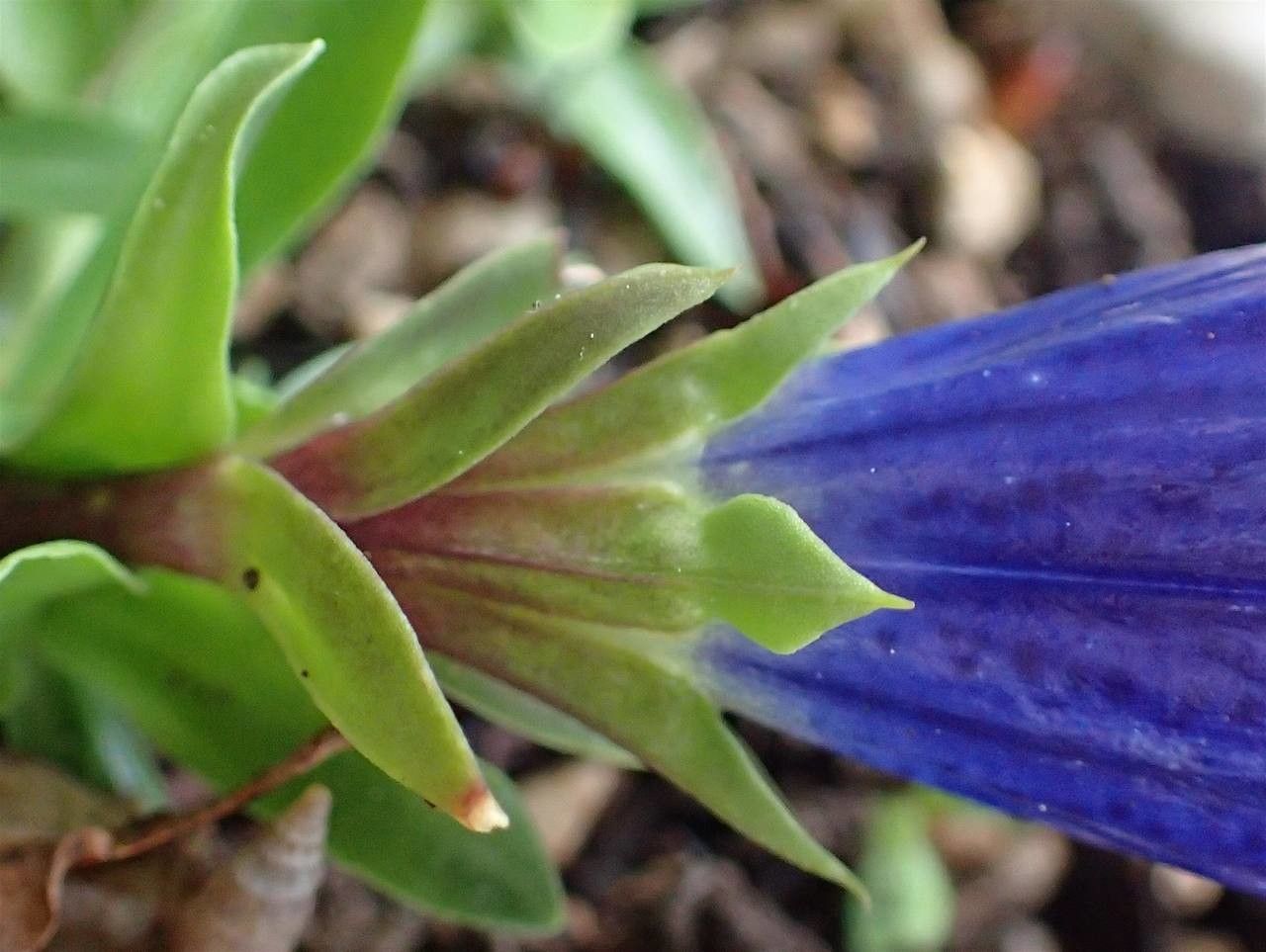
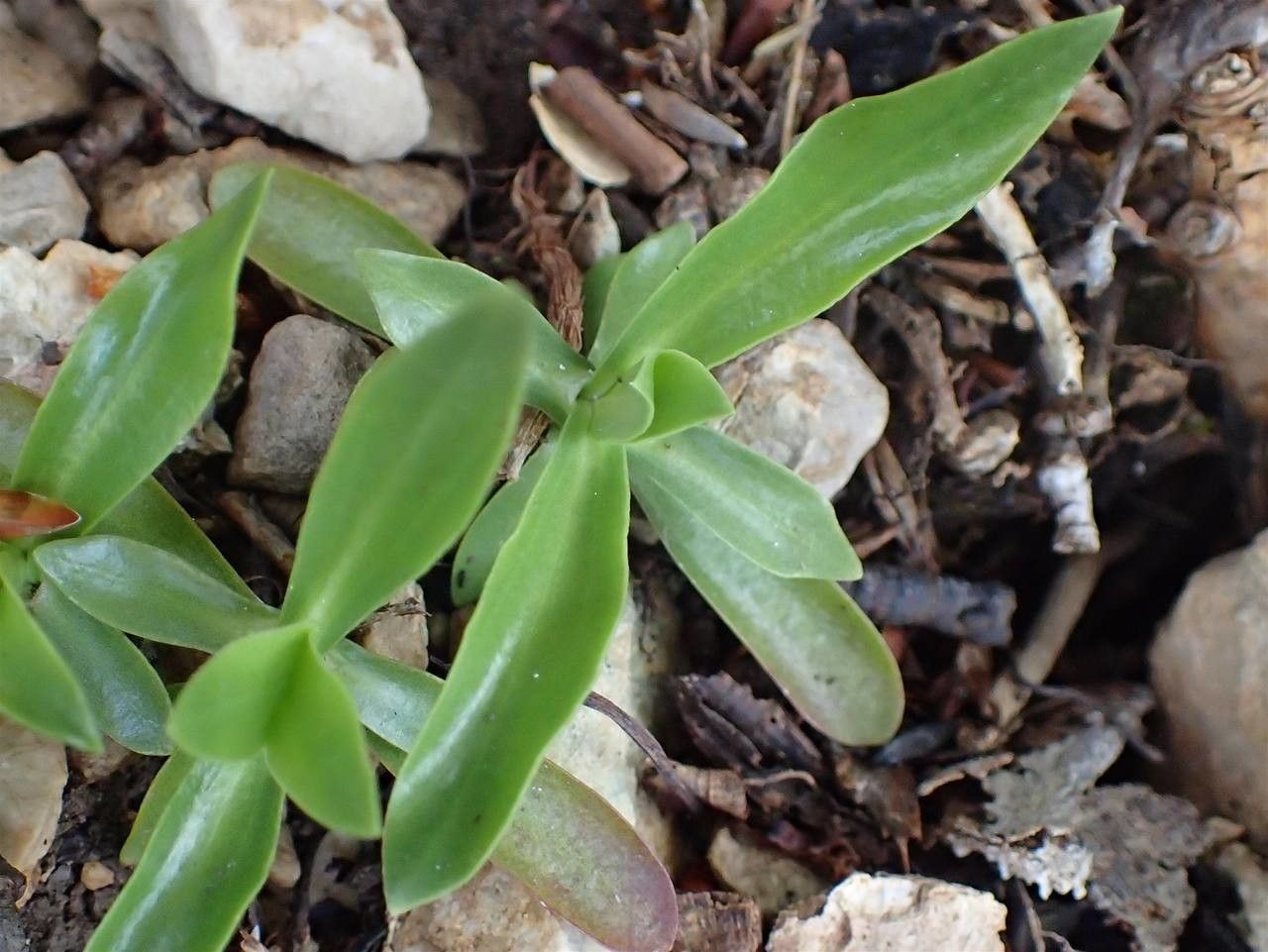
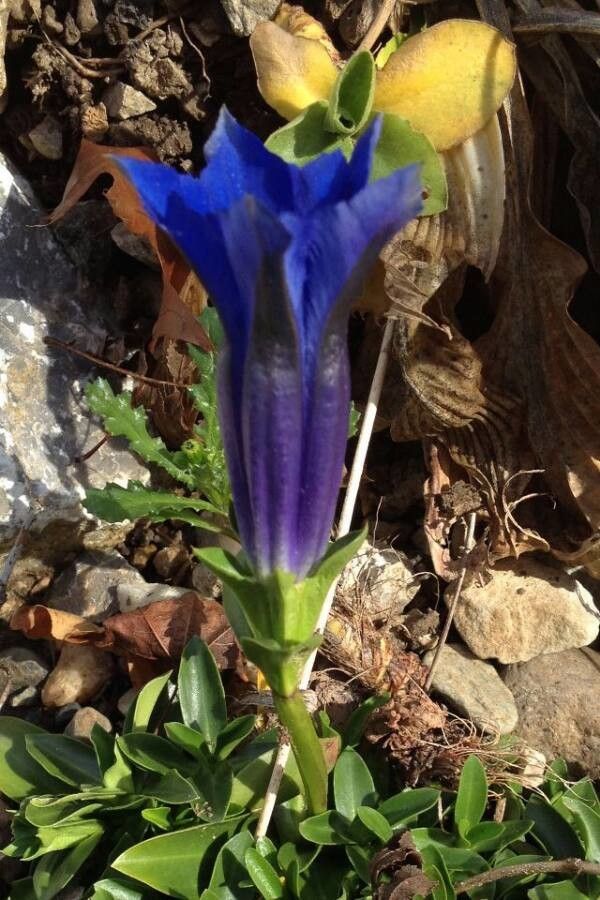
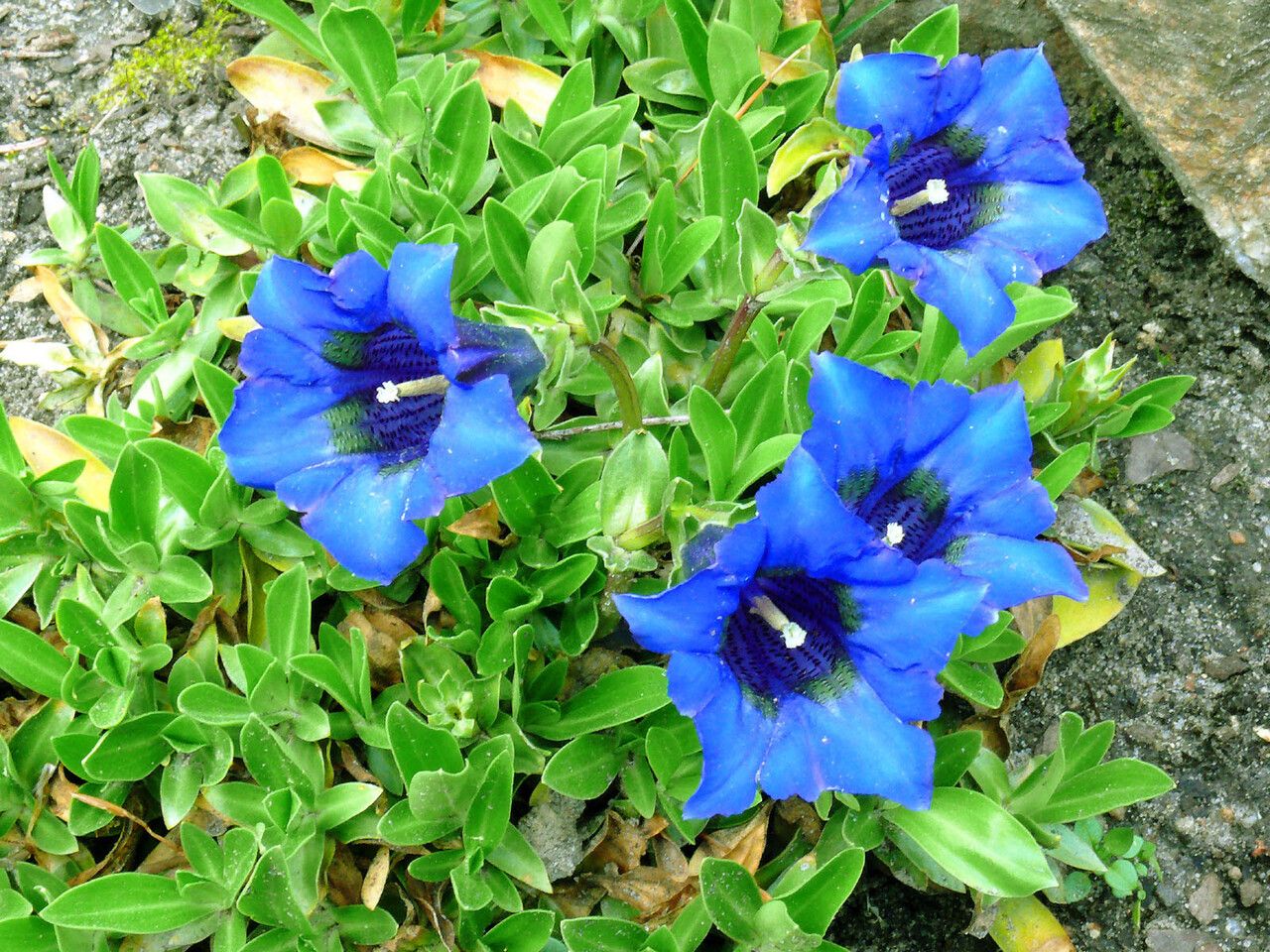
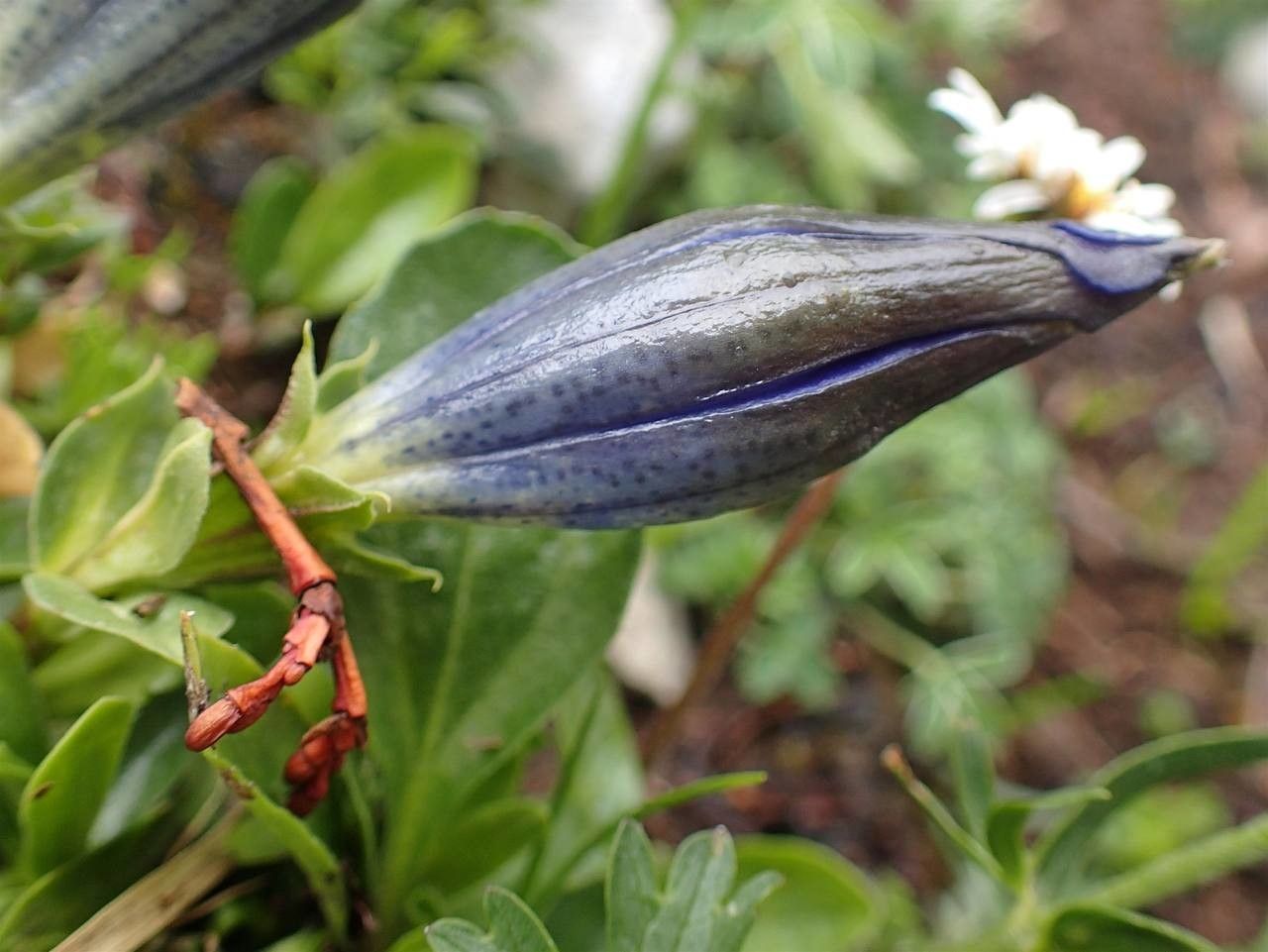
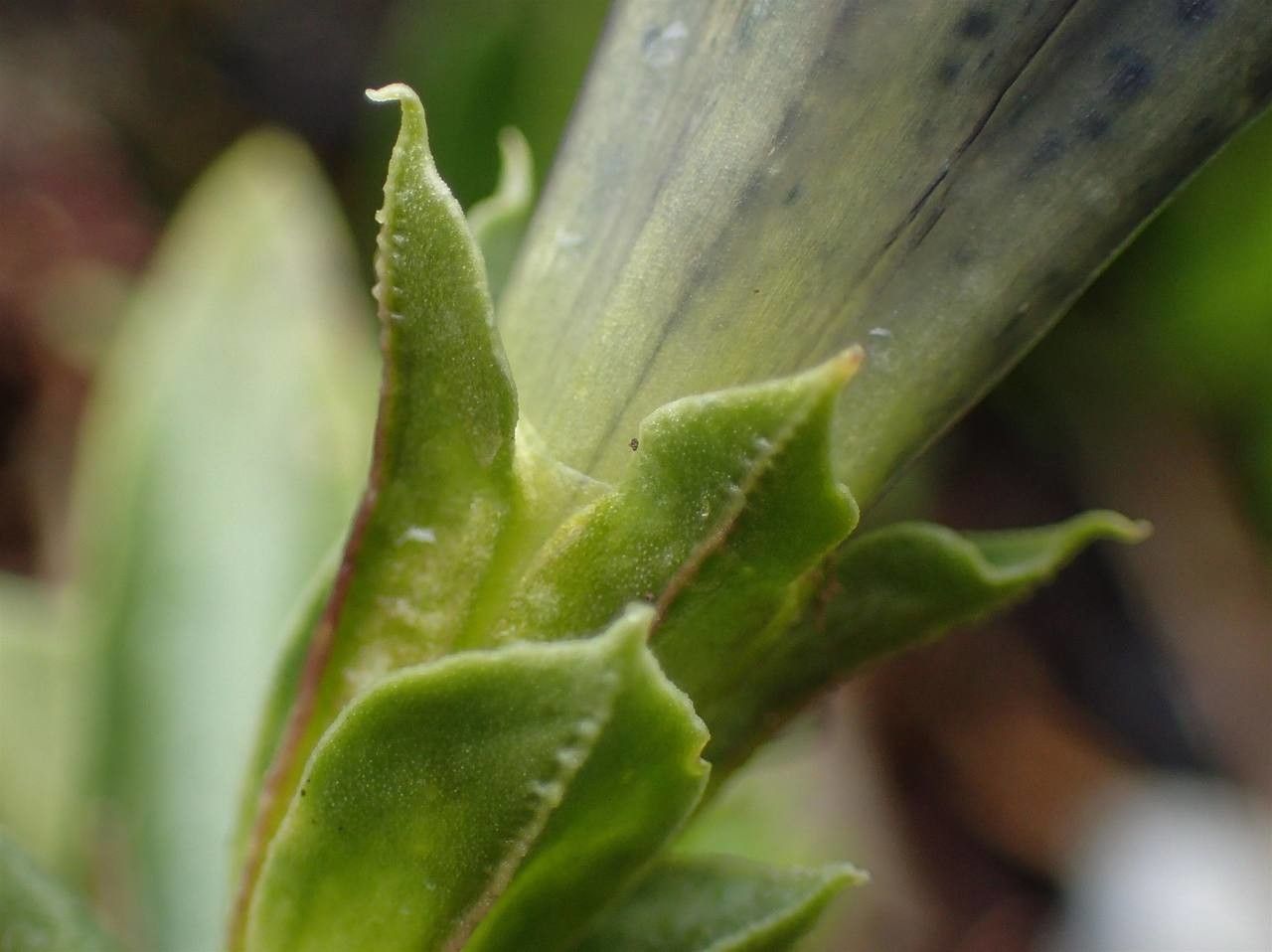
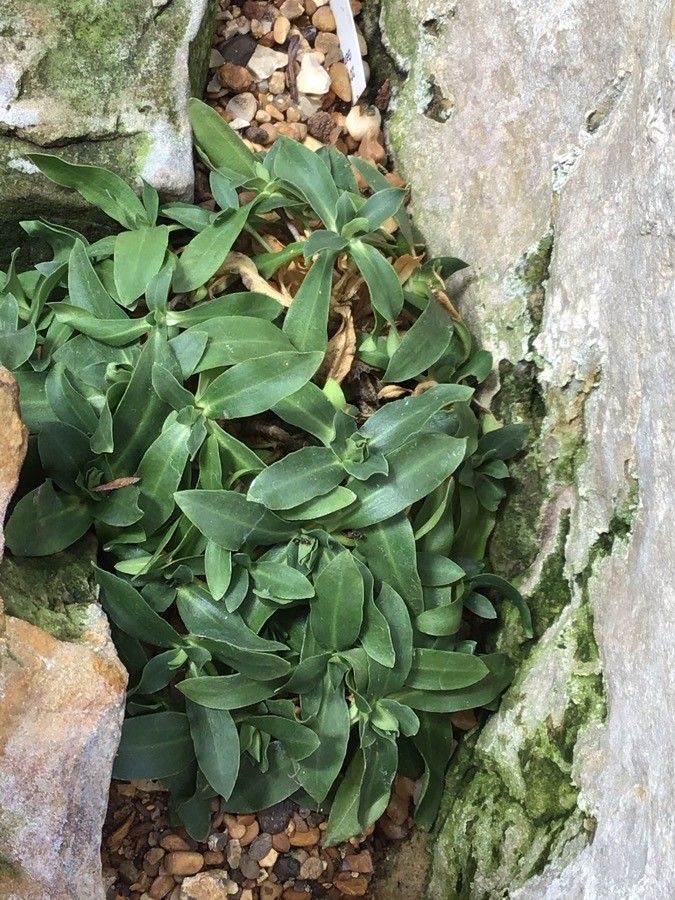
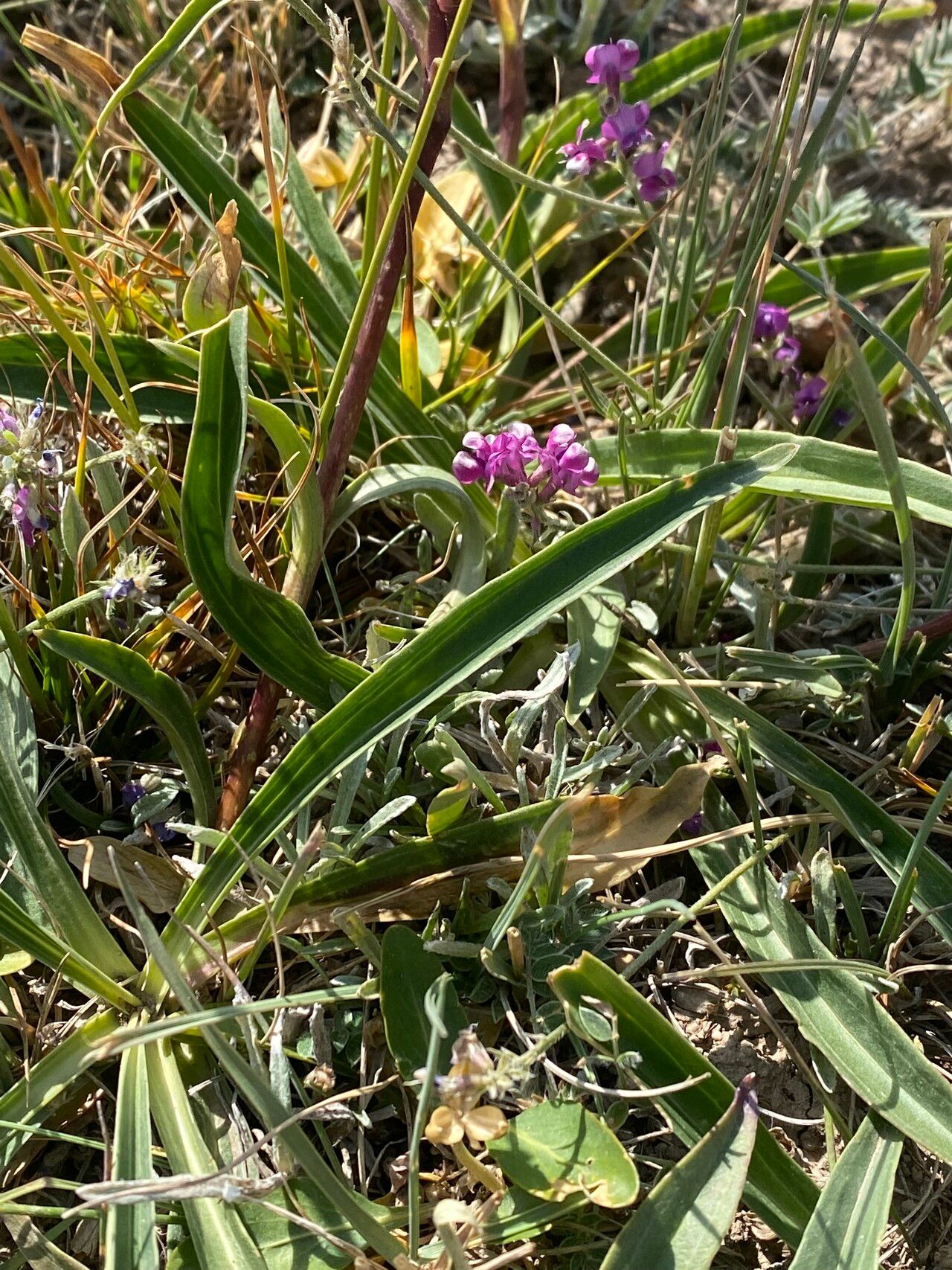
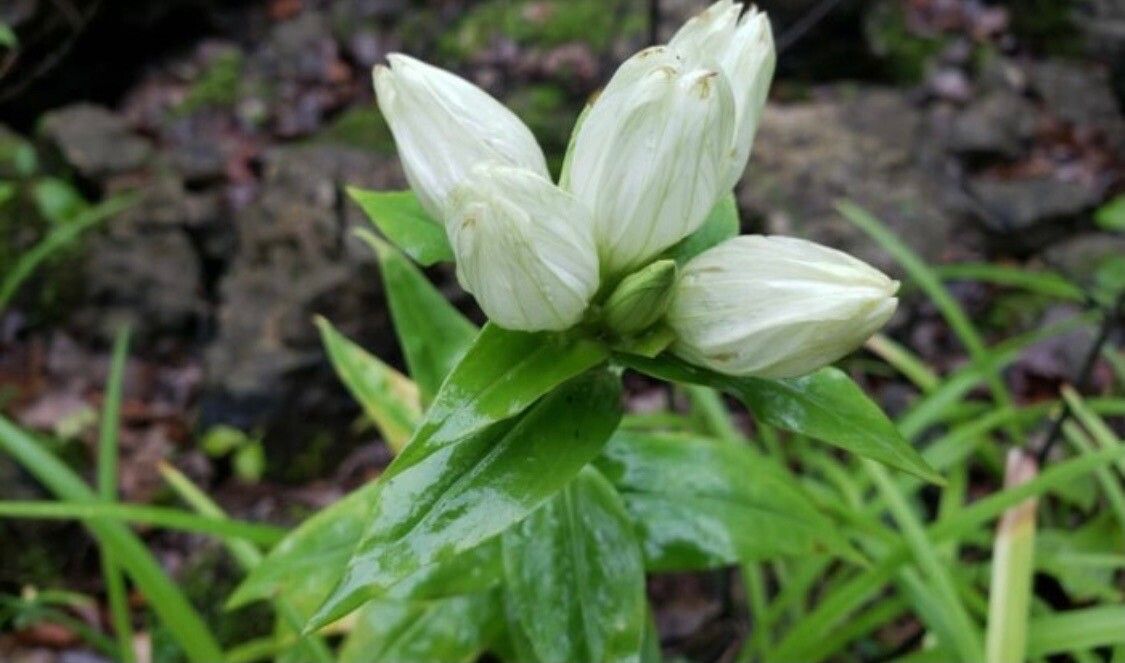
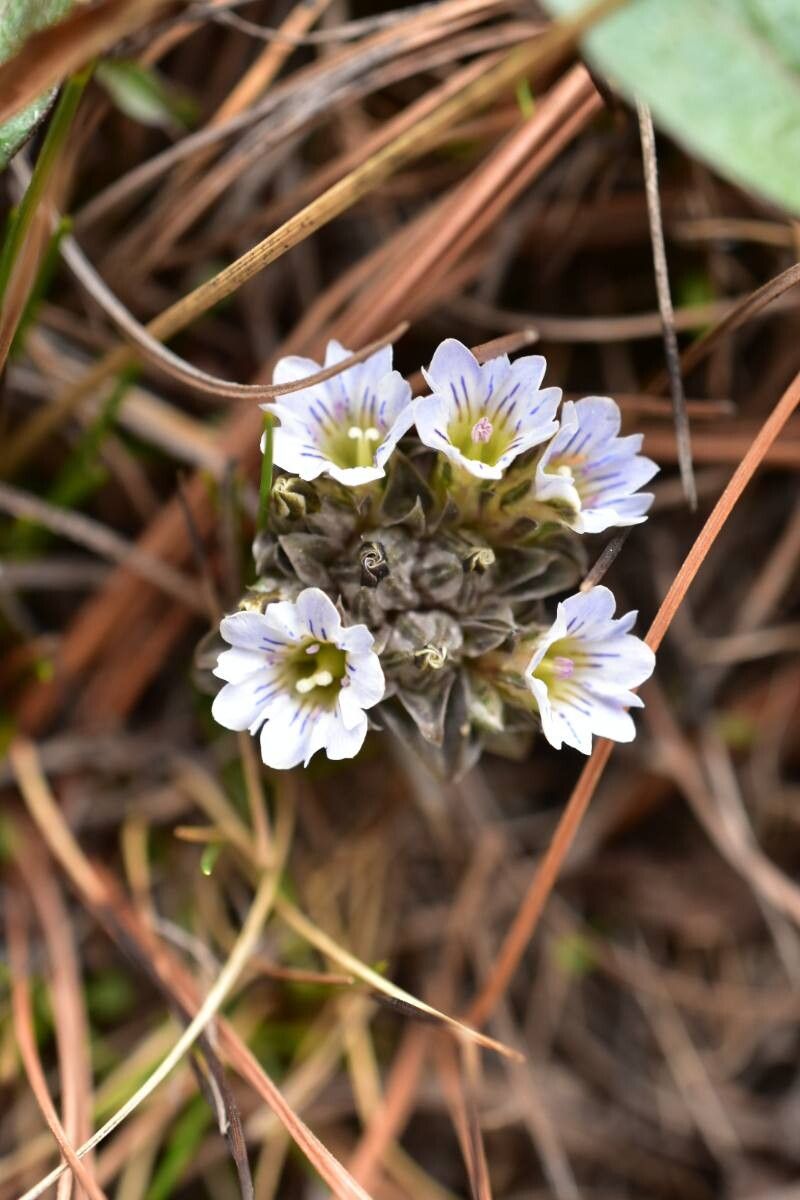
Stemless gentian has good resistance to disease and is generally unlikely to suffer from illnesses. However, it can be vulnerable to pests and diseases present in its surroundings. These infections are typically not severe. For care, the plant requires a moderate level of maintenance. It should be pruned regularly to maintain a neat appearance and healthy growth. Fertilizing can also help encourage flowering. Stemless gentian is suitable for anyone with outdoor space, such as a garden or patio, and does not need extensive care experience. It may need more attention when grown indoors.
How to keep Gentiana Angustifolia.
Light
The stemless gentian thrives when exposed to ample light, copying its natural environment, which promotes proper development and growth. All growth phases require a similar level of light intensity. Excessive exposure can lead to leaf burn, while inadequate light may affect blossoming. It's also able to tolerate a certain degree of shaded light.
Water
Gentian, a plant native to alpine areas, flourishes in environments with consistent moisture but can tolerate short dry spells. To mimic its natural habitat, it is recommended to water the plant weekly, ensuring the soil remains evenly moist during its active growing season. This practice supports optimal flowering and overall vitality.
Temperature
The stemless gentian flourishes in regions where temperatures range from 68 to 95 °F (20 to 35 ℃). It thrives in climates with gentle winters and hot summers. In conditions that are markedly hotter or colder, it is advised to form a managed habitat tailored to its requirements.
Fertilizer
Fertilization of Stemless gentian primarily occurs during the early spring, which is when flowers start to take shape. The appropriate fertilizer aids in enhancing blossom quality and supports the production of beautiful flowers by the Stemless gentian. Fertilizing at the onset of spring guarantees outstanding flowers throughout the season and supplies energy for periods of inactive growth.
Pruning
Gentians are known for their vibrant flowers and thrive in sunny, well-drained environments. To maintain their health, it's best to prune them in early spring or late winter. This involves removing dead stems to encourage new growth. Pruning not only promotes better air circulation but also reduces the risk of disease. For detailed pruning techniques, it is advisable to consult horticultural guides.
Botanical profile.
- Plant Type
- Herb
- Life Cycle
- Perennial, Annual
- Genus
- Gentiana
- Family
- Gentianaceae
- Hardiness Zone
- 3-7
- Mature Height
- 10 cm
- Mature Spread
- 49 cm
- Leaf Color
- Green
- Leaf Type
- Evergreen
- Flower Color
- Blue
- Flower Size
- 2.03 cm to 6.35 cm
- Bloom Time
- Mid spring, Late spring, Early summer
- Planting Time
- Spring
- Harvest Time
- Early summer, Mid summer
- Native Area
- Germany, Austria, Italy, Spain, Switzerland, Czech Republic, Serbia, Montenegro, Bulgaria, Poland, Romania, Croatia, Slovenia, Ukraine, France
Reader questions.
How should I water my Gentian plant?
To properly water the Gentian, it is recommended to use filtered water that is at room temperature. Tap water can have harmful particles, so filtering it is ideal for the plant's health. The Gentian prefers warm temperatures, so it is important to avoid using cold water as it can shock the plant. Additionally, overhead watering should be avoided as it can cause issues with the foliage. Instead, water the plant by applying filtered room temperature water directly to the soil until it is soaked completely. This method benefits the Gentian by moistening the roots, allowing them to spread and absorb necessary nutrients from the soil.
Why should I add fertilizer to my Gentian plant?
Fertilization is important for the Gentian and other plants as it provides essential nutrients for growth above and below ground. While a Gentian can survive without fertilization, annual fertilization can greatly benefit the plant by keeping it alive and promoting the development of longer-lasting flowers. Those wishing to enhance the appearance of their Gentian should make it a point to fertilize annually.
What are the sunlight requirements for Gentian?
Gentian, scientifically known as Gentiana angustifolia, favors full sun conditions, thriving with more than 6 hours of sunlight daily. However, it can also grow well under partial sun, with about 3-6 hours of sunlight. To ensure the health and happiness of your plants, observe the movement of sunlight through your garden, selecting areas that offer a harmonious balance of light and shade suited to the needs of your Gentian.
What should I do if I give my Gentian plant too much water or not enough water?
It is important to be cautious about both overwatering and underwatering your Gentian plant, but overwatering is a more common issue. When the Gentian plant is overwatered, its stems and leaves may wilt and turn yellow. Overwatering for a long duration can also lead to diseases like root rot, mold, and mildew, which can be fatal for the plant. On the other hand, underwatering is less likely as Gentian plants have good tolerance to drought. However, it is still possible, and in such cases, the leaves of the Gentian plant will become brittle and brown. To properly care for your Gentian plant, it is crucial to recognize the signs of overwatering as early as possible. Some diseases caused by overwatering, such as root rot, cannot be reversed if you delay addressing the issue. If you notice early signs of overwatering, reduce your watering frequency immediately. Additionally, assess the quality of the soil in which your Gentian plant is growing. If the soil drains poorly, replace it with loose, well-draining potting mix. On the other hand, if you observe signs of underwatering, simply increase your watering routine until those signs disappear.
When should I fertilize my Gentian plant?
The best time to fertilize a Gentian is in late winter to early spring when it is transitioning from dormancy to active growth. This stimulates healthy growth and sets the stage for a successful season. Although early spring is the most advantageous time to fertilize, it is also acceptable to do so in the fall. However, it is not recommended to fertilize a Gentian during summer or winter.
What are the essential care tips for Gentian?
Gentian is a sun-loving perennial herbaceous plant that thrives in open habitats like meadows and grasslands. It requires full sun to partial sun for optimal growth. When sunlight is insufficient, especially during winter or in less sunny locations, artificial lighting can be a beneficial alternative. For indoor plants, using the right type of artificial light, such as LED lights, is crucial. These lights should provide 30-50W/sq ft for full sun plants, 20-30W/sq ft for partial sun plants, and 10-20W/sq ft for full shade plants. The artificial light source should be placed 12-36 inches above the plant, mimicking the natural sunlight duration, usually 8-12 hours per day.
How frequently do I need to water my Gentian?
If your Gentian plant is in a pot, you can check if it needs water by sticking your finger into the soil. If the top few inches of soil are dry, it's time to water it. If your Gentian is growing outdoors in the ground, you can use the same method to test the soil. If the top few inches are dry, it's time to water it. Typically, you'll need to water this plant about once a week in spring and early fall. During extremely hot weather, you may need to water it twice a week or more. However, mature and well-established Gentian plants can tolerate drought well.
When is it not a good idea to fertilize my Gentian plant?
To properly care for your Gentian plant, it's important to know when to fertilize it. The best time to fertilize is during late winter and early spring. This plant doesn't require much fertilizer, so a single annual feeding is sufficient. Fertilizing during spring, summer, and fall can actually do more harm than good, leading to overfertilization and its complications. The only exception is if you missed fertilizing in spring, then it's okay to feed the plant in the fall. It's also worth noting that there's no need to fertilize during the winter. The Gentian plant goes into a dormant phase during this time, so it doesn't need any new growth stimulation.
What are the symptoms of insufficient light for Gentian?
When Gentian plants are exposed to inadequate lighting, several symptoms may manifest. These include smaller new leaves, leggy or sparse growth, faster leaf drop, delayed or ceased new growth, lighter-colored new leaves, chlorosis, sunscald, leaf curling, wilting, and leaf scorching. Each of these symptoms indicates a specific issue related to light deficiency or overexposure, reflecting the plant's struggle to maintain its health and vitality in less-than-ideal lighting conditions.
How much water does my Gentian plant need?
When watering your Gentian, don't hold back - give it a generous amount of water. Wait until the top two to three inches of soil are dry before watering and make sure to fully saturate the soil. The water should flow out of the drainage holes at the bottom of the pot. If you don't see any excess water draining, you may have not watered enough. However, be cautious not to let water accumulate in the soil, as it can harm the plant. In addition, poorly draining soil should be avoided. If the Gentian is outside, one inch of rain per week should be enough.
What kind of fertilizer is best for my Gentian?
Any general-purpose fertilizer that has a good balance of the three main plant nutrients will be suitable for a Gentian plant. However, there are specific nutrient blends that can provide even greater benefits. Some gardeners believe that higher levels of phosphorus can promote stronger roots and better flowers. Since Gentians are flowering plants, using a fertilizer rich in phosphorus may be the best choice. It doesn't matter if the fertilizer is granular or liquid, as long as it contains plenty of nutrients. Apart from commercially available fertilizers, you can also use organic methods to improve the soil for your Gentians. Using compost, manure, and similar materials can greatly contribute to creating a healthy growing medium for your plants.
How can I address light exposure issues for Gentian plants?
To optimize light exposure for Gentian, consider the following solutions based on the plant's location. Indoors, gradually move the plants to brighter areas until they receive at least 6 hours of direct sunlight a day, using a south-facing window for maximum sunlight exposure. Artificial light, such as plant grow lights, can also supplement natural light, especially for large or immobile plants. Outdoors, transition plants to sunnier spots weekly to avoid sunburn. Prune any obstructions like branches to enhance sunlight access. If necessary, transplant smaller plants during their dormant period to a location with better sunlight and drainage. Note that parts of the plant damaged by inadequate light may not recover, but new growth should be healthy with improved light conditions.