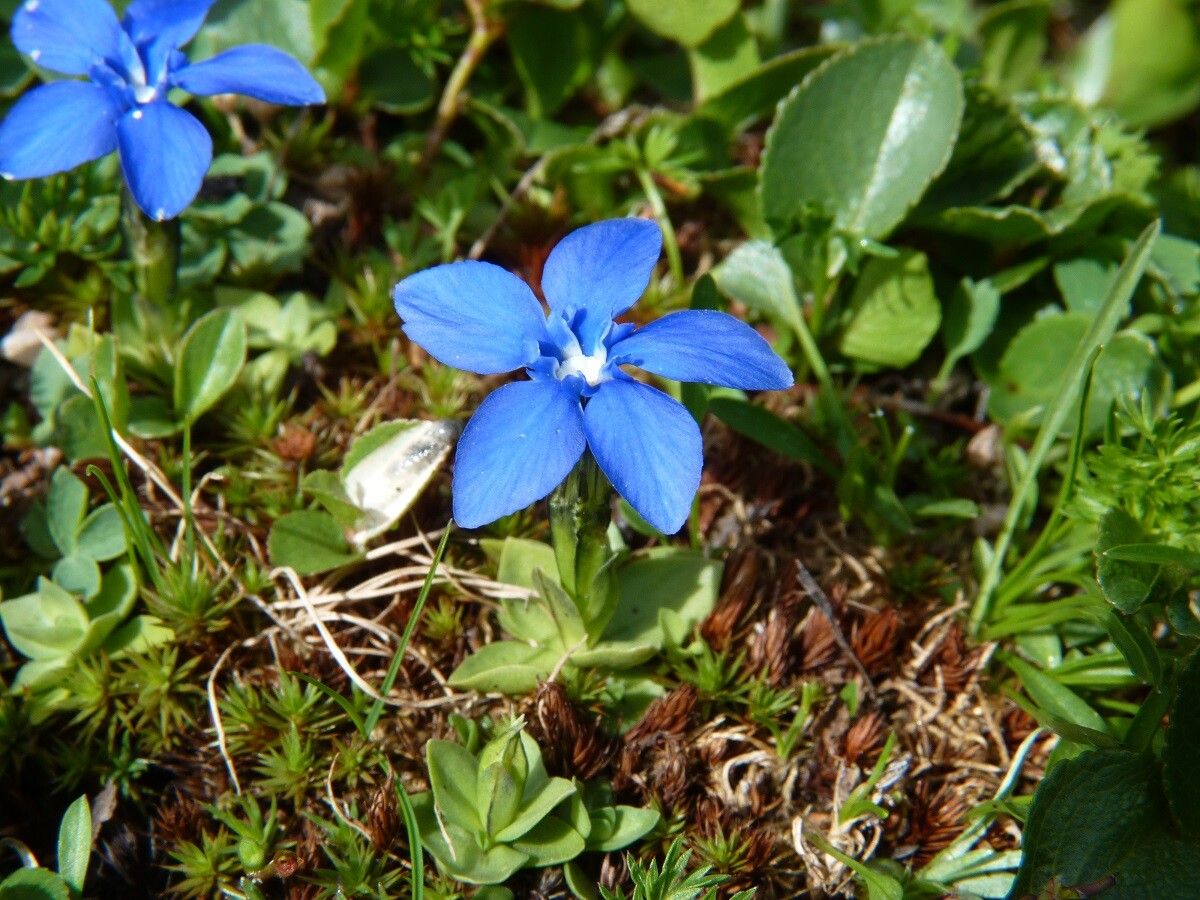
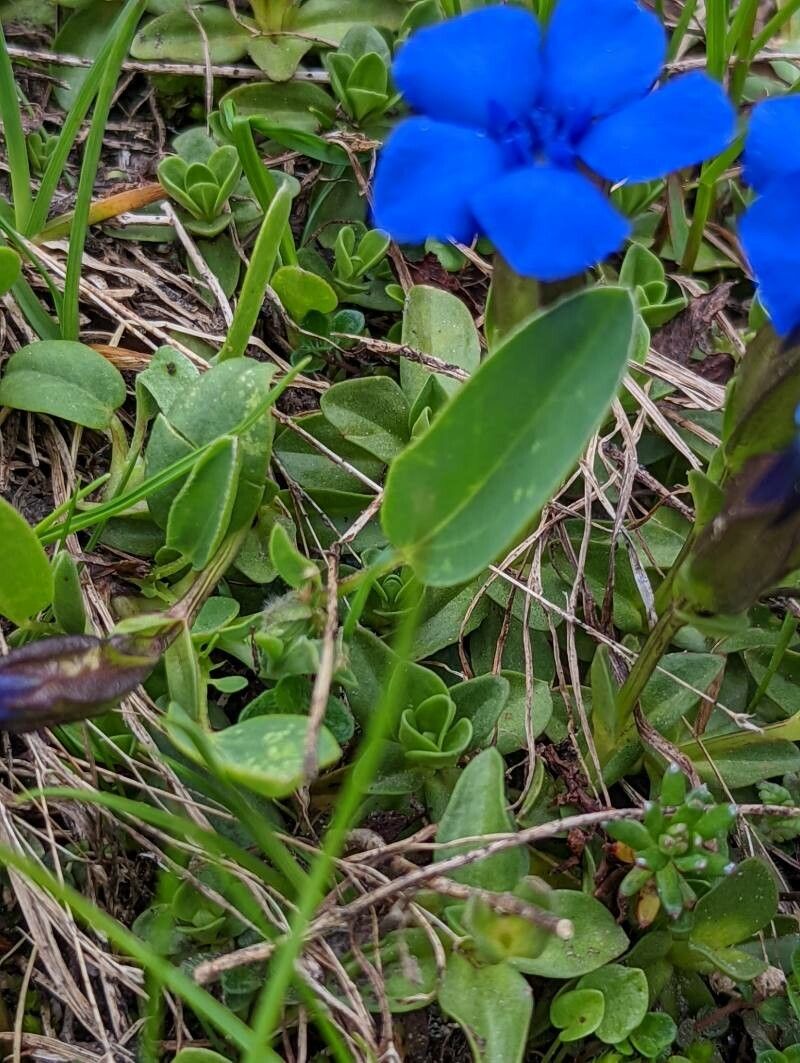
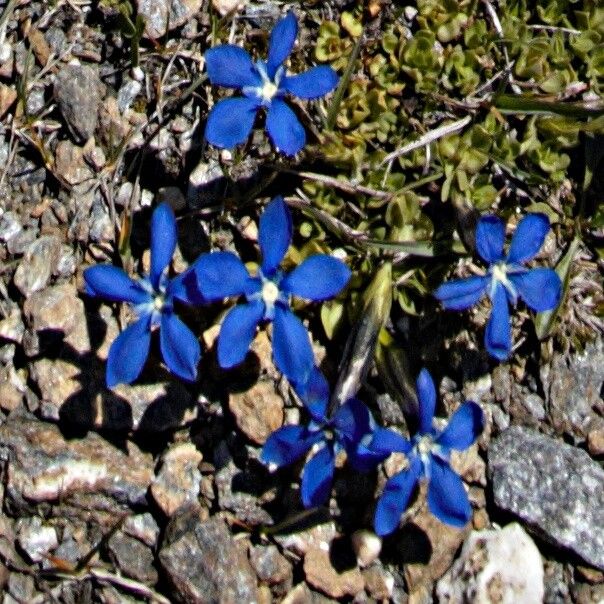
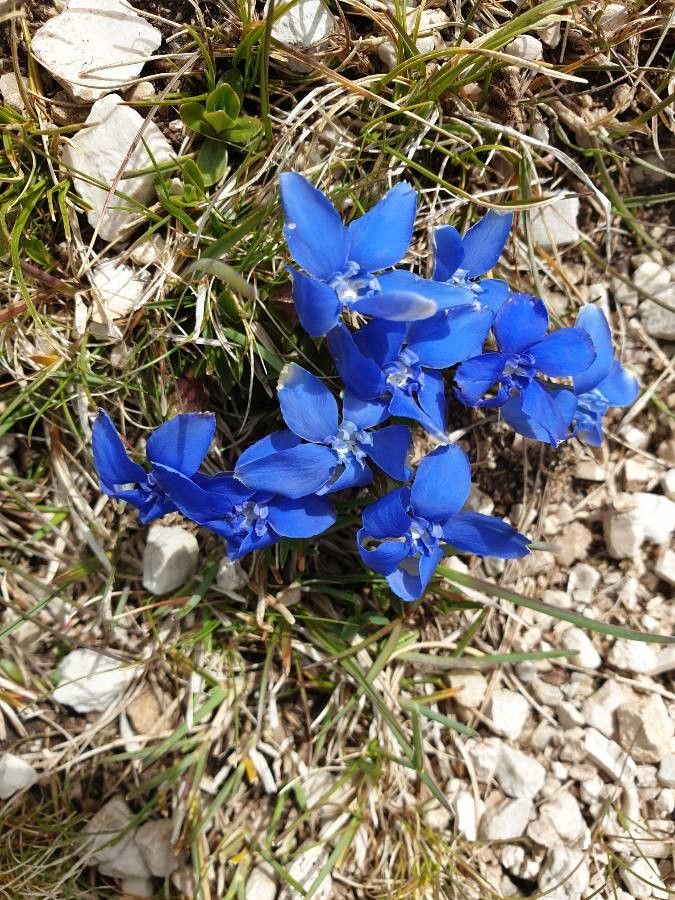
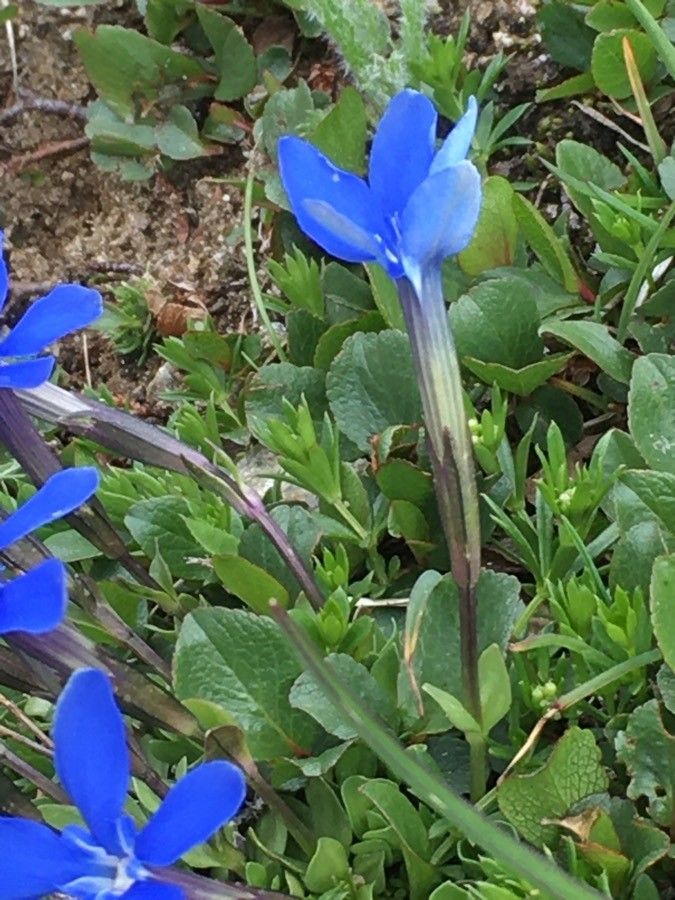
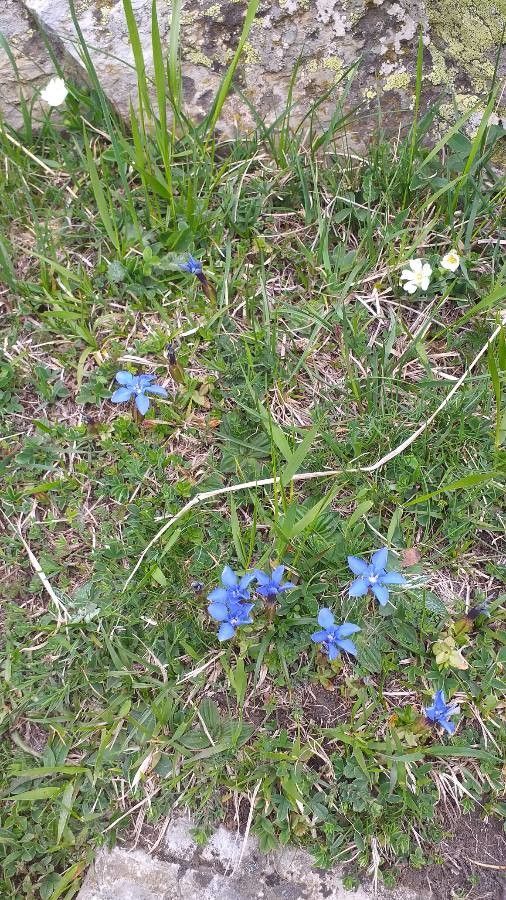
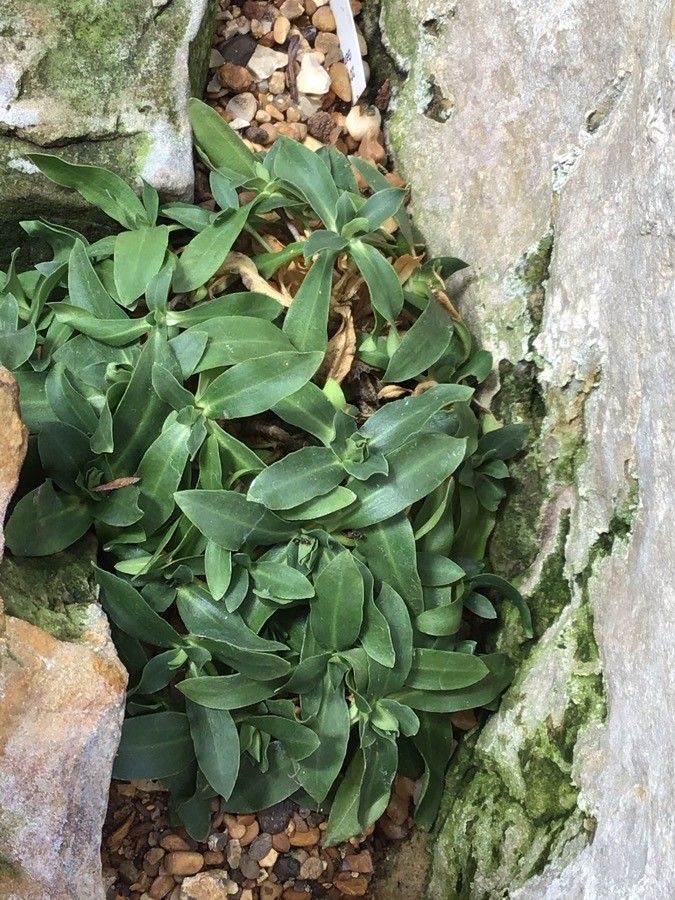
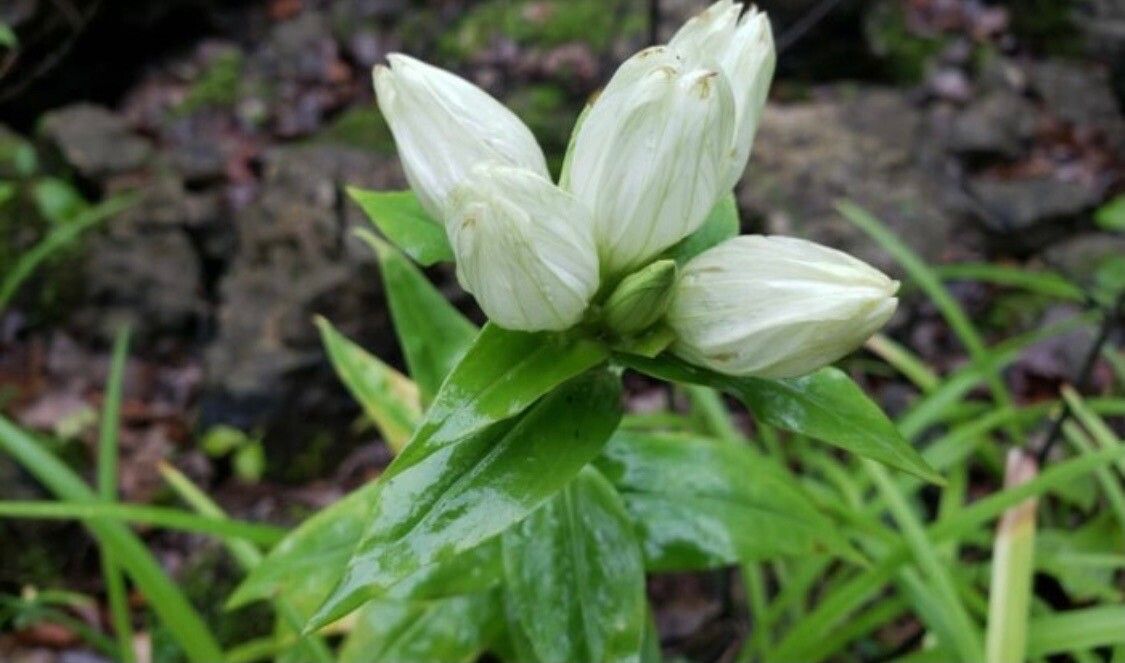
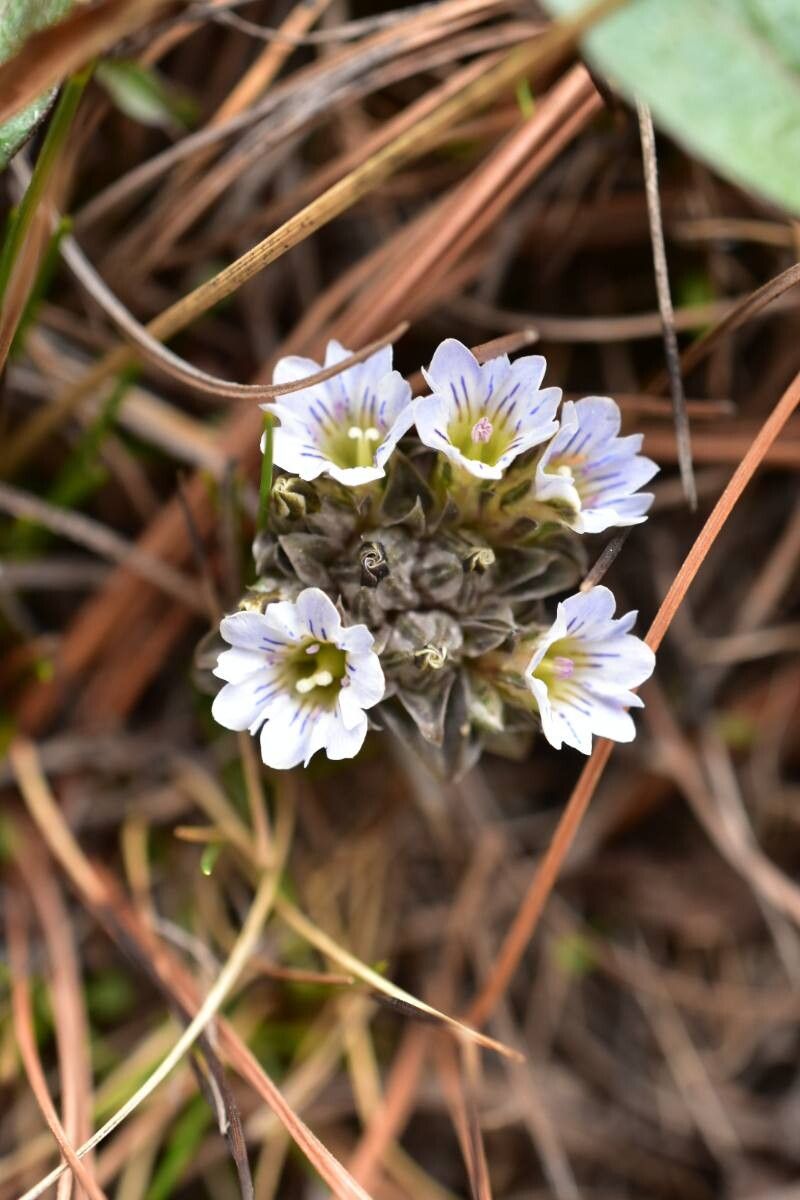
Short-leaved gentian has strong disease resistance and is usually not prone to illnesses. However, it can be affected by pests and diseases present in its environment, and these infections are typically not severe. For care, this plant requires a moderate level of maintenance. It should be pruned regularly to keep a good appearance and support healthy growth. Fertilizing can also help encourage flowering. Short-leaved gentian is appropriate for anyone with outdoor space, such as a garden or patio, and does not demand much gardening experience. It may need additional care when kept indoors.
How to keep Gentiana Brachyphylla.
Light
Short-leaved gentian is a sun-loving, perennial herbaceous plant native to open habitats and commonly found in meadows and grasslands. It favors full sun exposure but can also tolerate partial sunlight.
Fertilizer
For Short-leaved gentian, a single fertilizer application in spring is typically enough, although repeated feedings can maximize growth. Apply fertilizer about once a month to every month and a half. Fertilization improves leaf appearance and function, helping maintain even color and a healthy texture. It also promotes root development and nutrient absorption, supporting long-term plant health.
Pruning
The short-leaved gentian is a low-growing alpine perennial known for its vibrant blue flowers. To promote growth and improve air circulation, prune it in early spring to remove dead stems. Regular and careful pruning helps maintain the plant's shape and health, enhancing its blooming and overall garden vitality.
Botanical profile.
- Plant Type
- Herb
- Life Cycle
- Perennial
- Genus
- Gentiana
- Family
- Gentianaceae
- Hardiness Zone
- 3-7
- Mature Height
- 2 cm to 5 cm
- Mature Spread
- 5 cm to 10 cm
- Leaf Color
- Dark Green
- Leaf Type
- Evergreen
- Flower Size
- 1.02 cm to 2.03 cm
- Bloom Time
- Early summer, Mid summer
- Planting Time
- Spring, Summer
- Harvest Time
- Late summer, Early fall
- Native Area
- Italy, Switzerland, Austria, France
Other names.