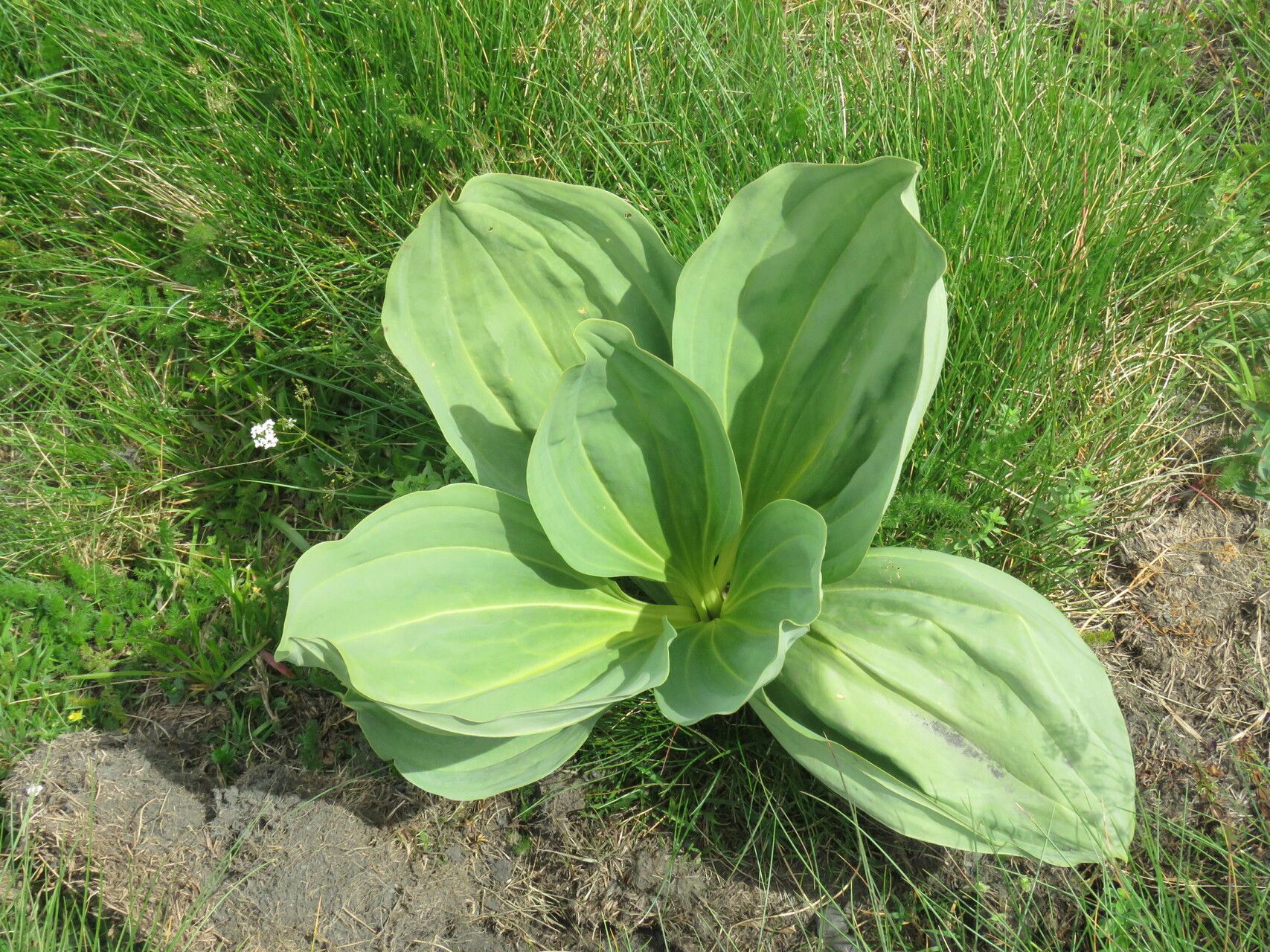
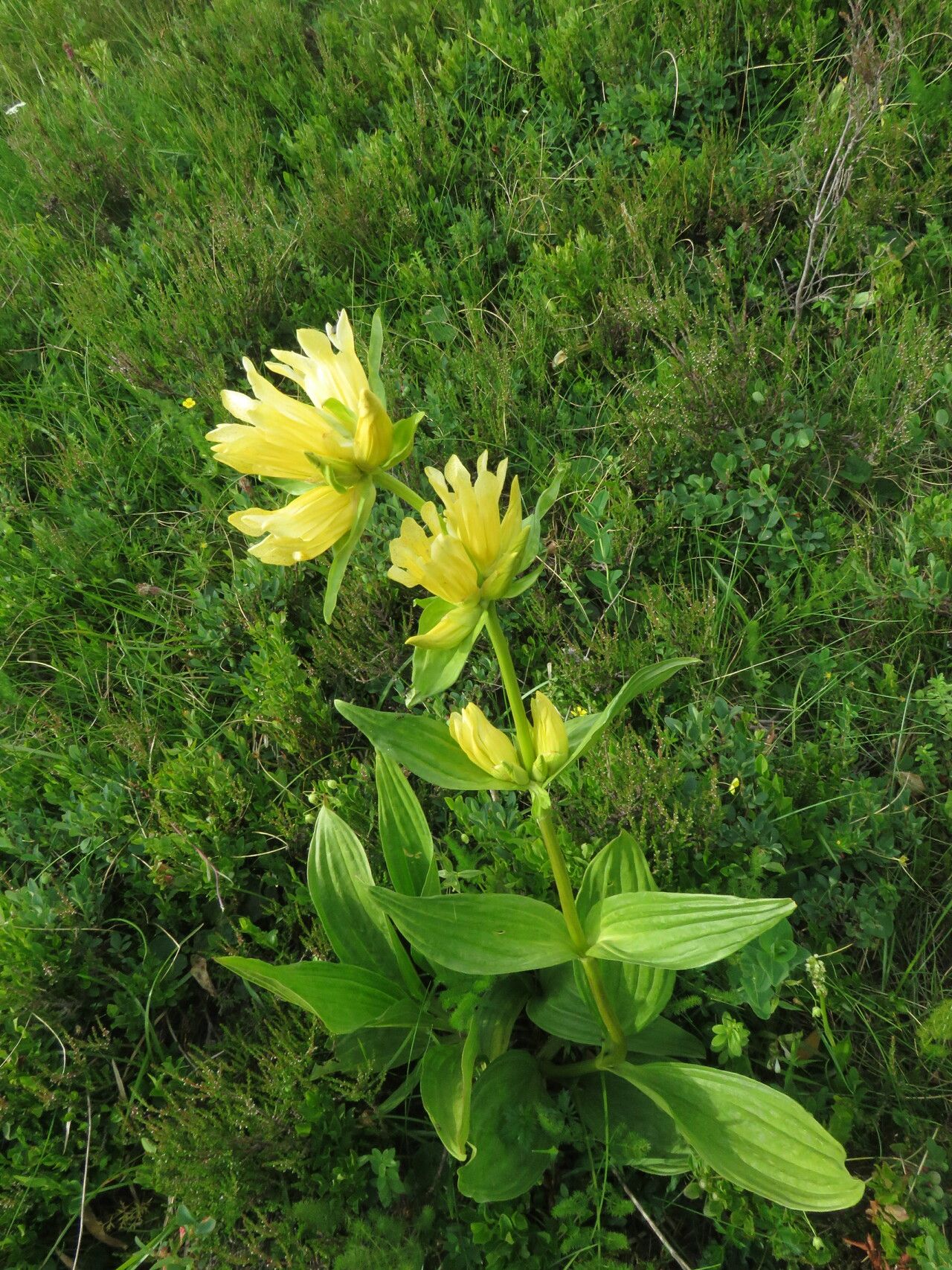
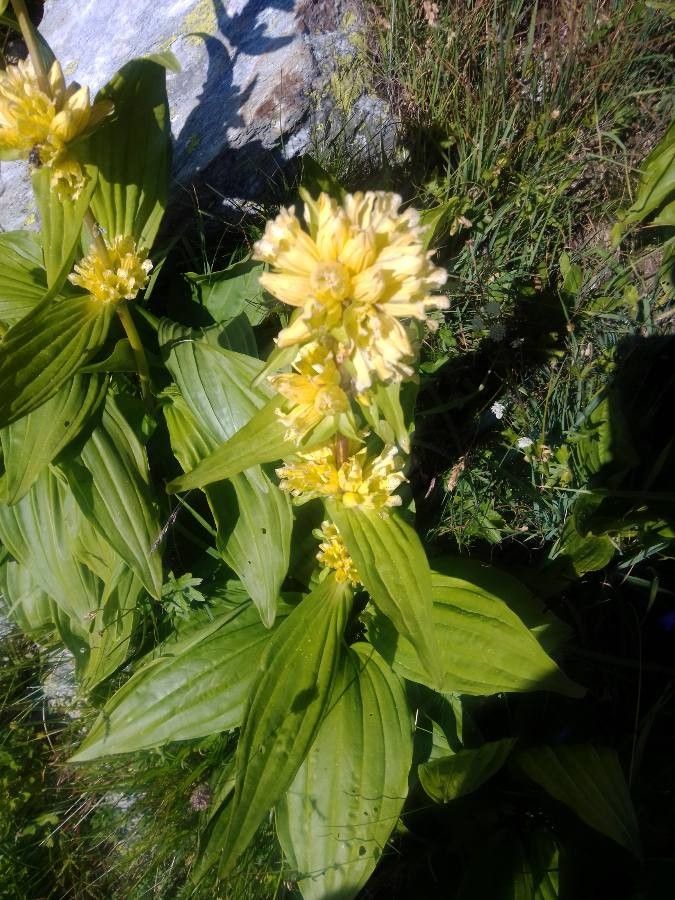
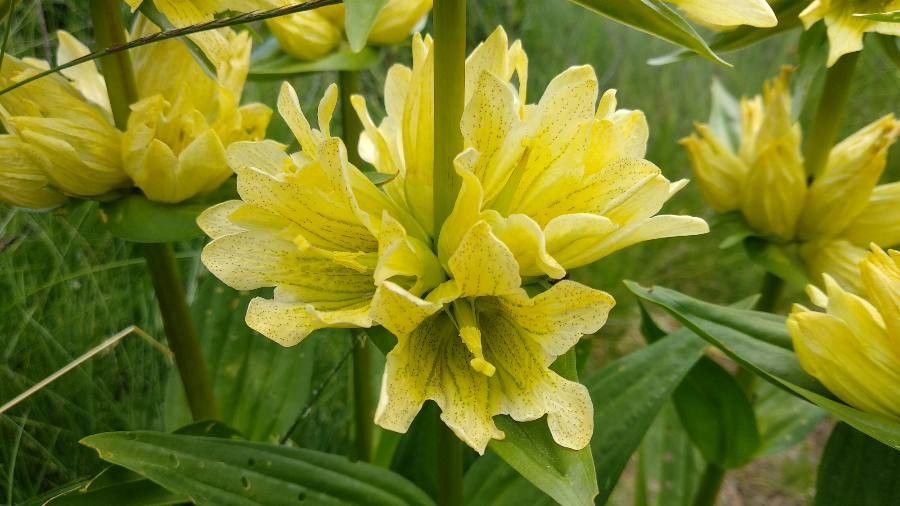
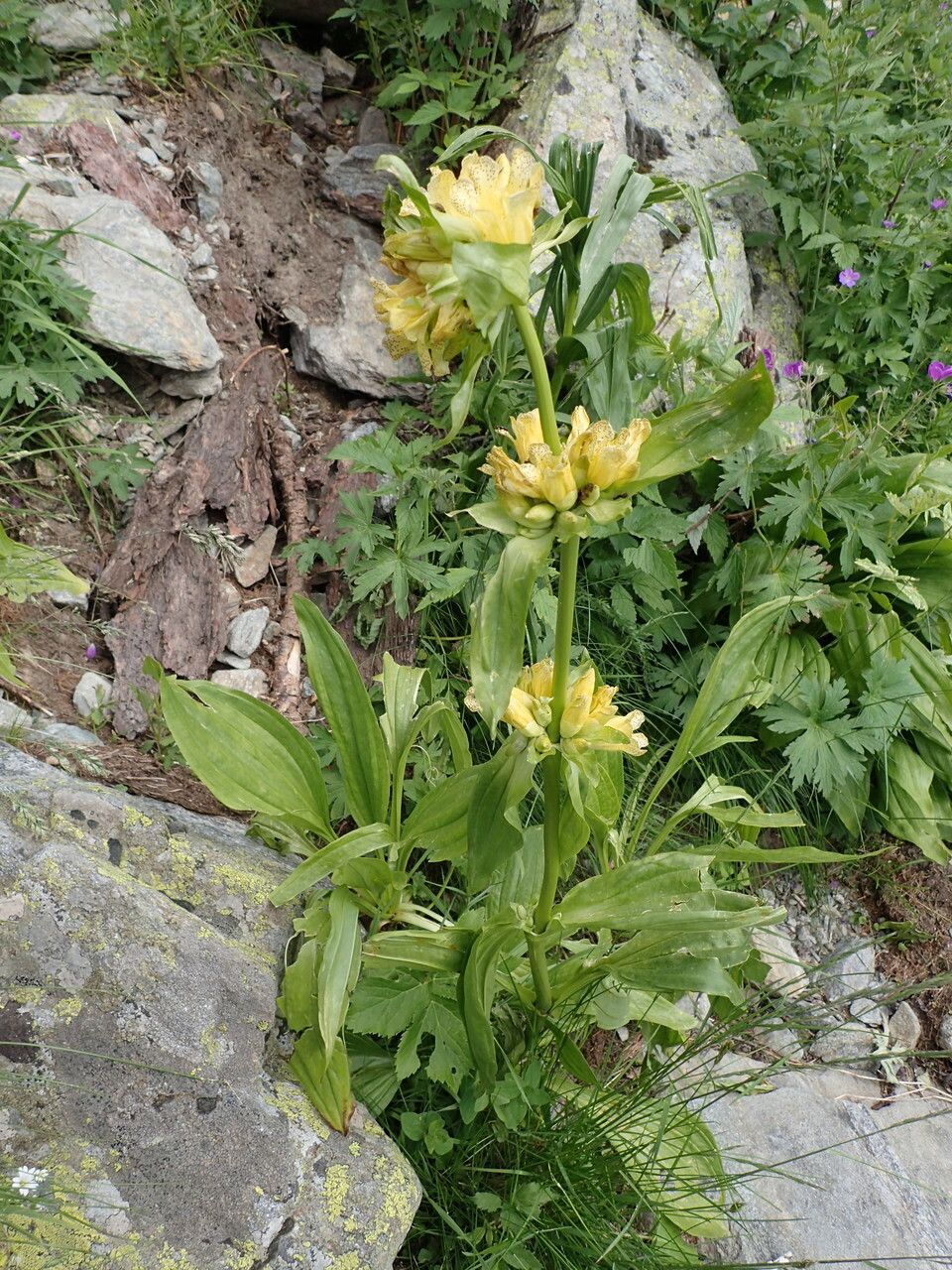
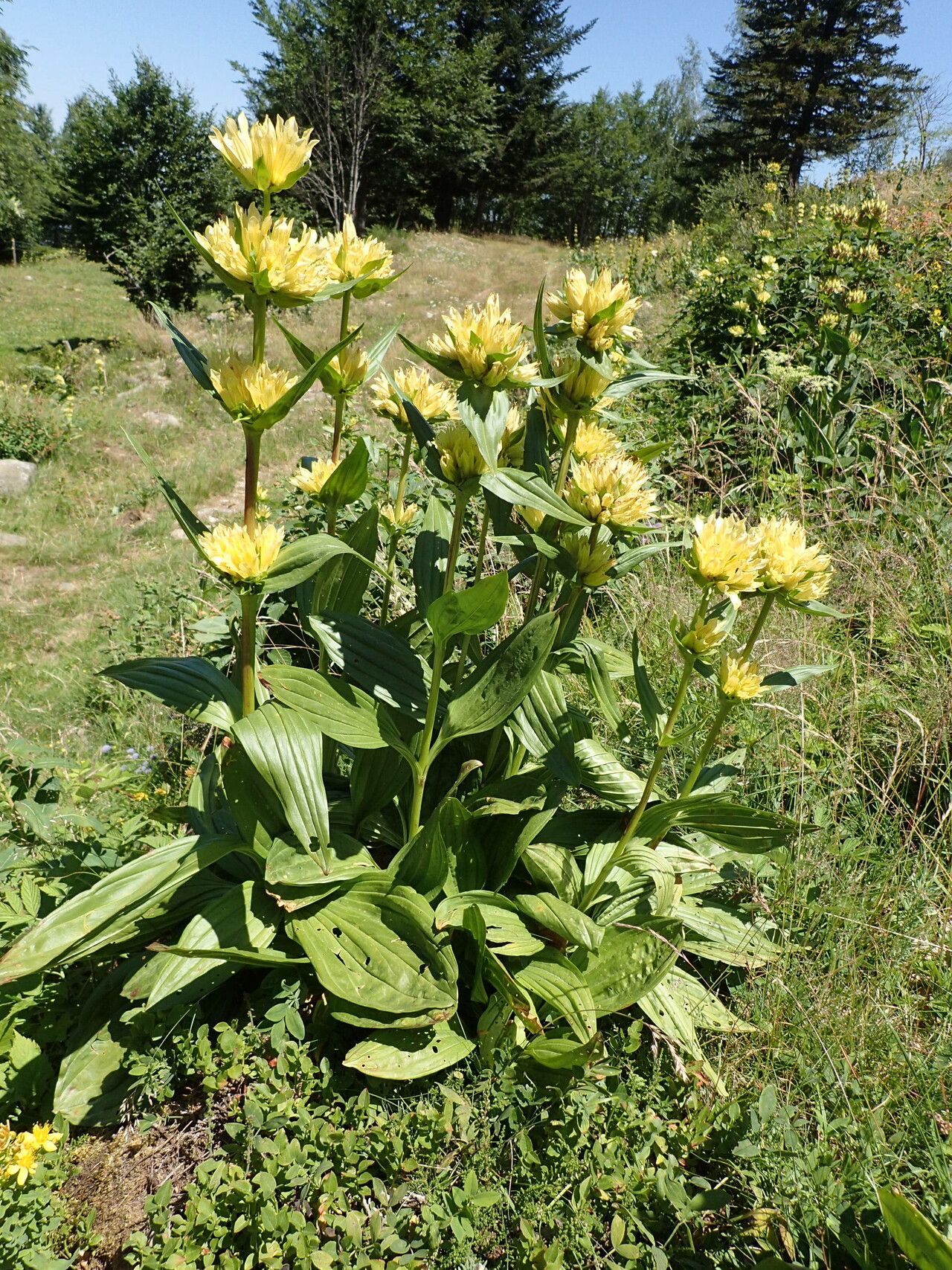
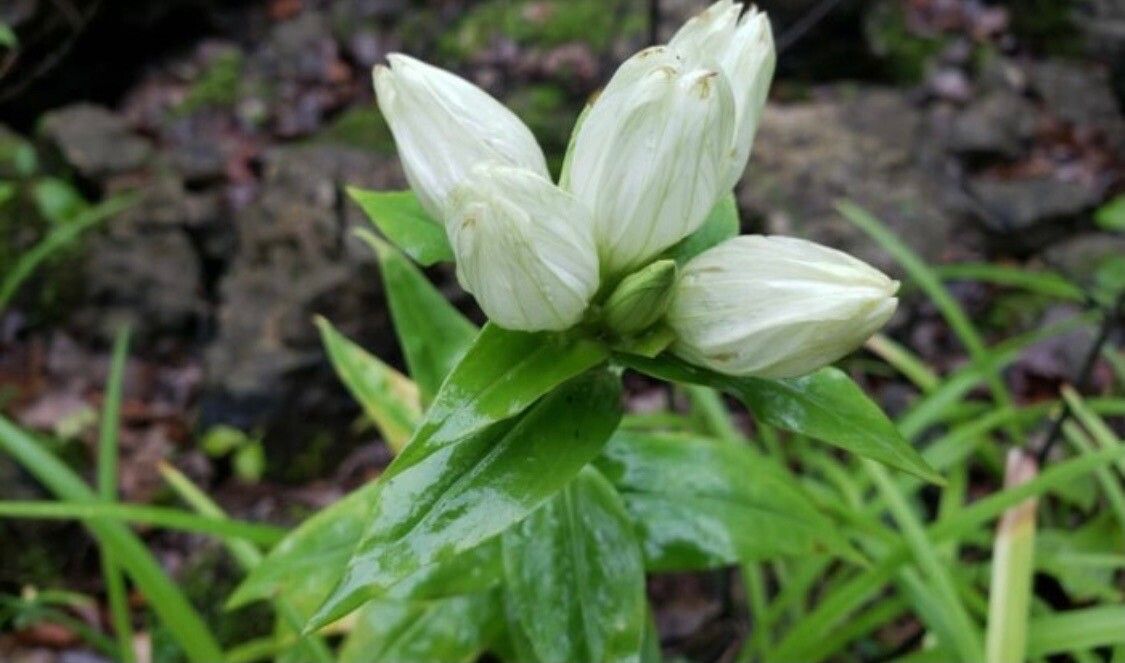
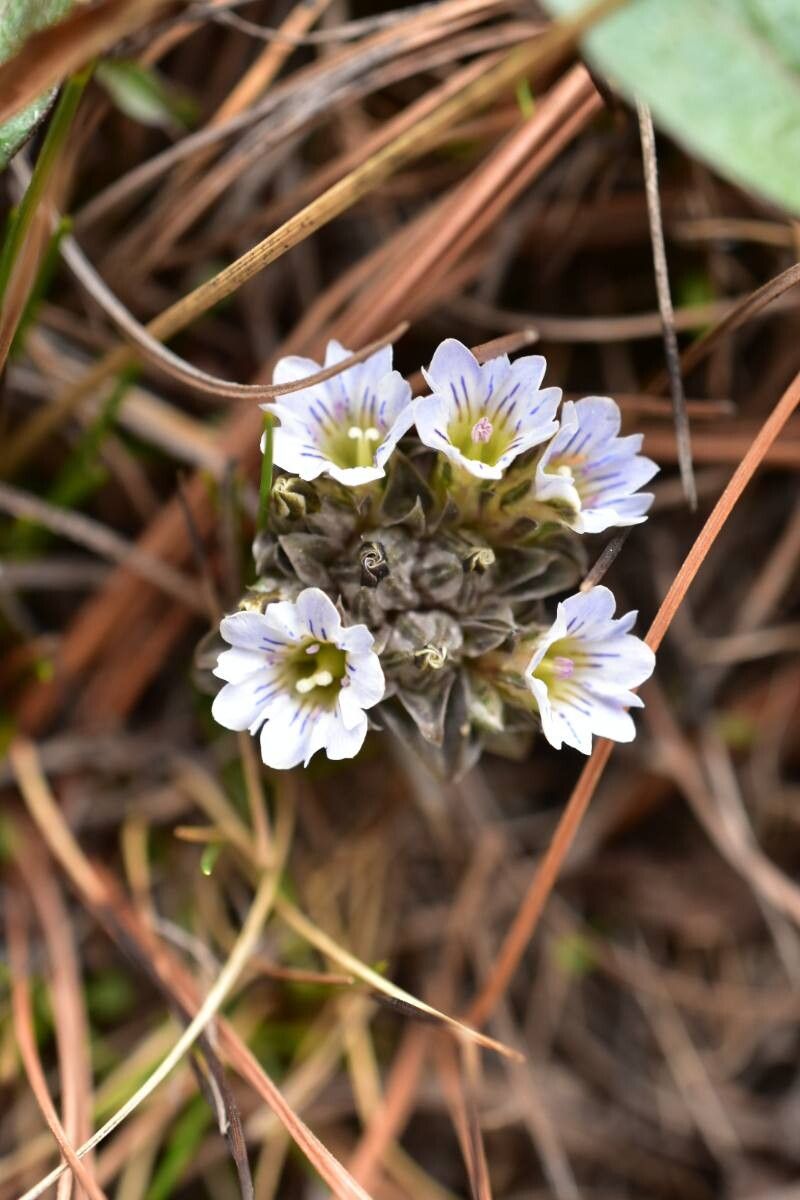
Yellow gentian is fairly disease-resistant and usually not prone to illness. Nonetheless, it can be affected by pests and diseases present in its environment, and such problems are typically not severe. Regarding care, the plant needs moderate maintenance. Regular pruning is required to keep a good appearance and support healthy growth. Fertilizing can also help encourage flowering. Yellow gentian is suitable for people with outdoor space, like a garden or patio, and does not require much gardening experience. It may need more attention if grown indoors.
How to keep Gentiana Burseri.
Light
Yellow gentian is a sun-loving, perennial, herbaceous species that occurs in open habitats, often flourishing in meadows and grasslands. It prefers full sun but can also tolerate partial sun.
Water
Yellow gentian thrives in moderate humidity and typically obtains water from occasional rainfall. For optimal health, it should be watered weekly. This plant is neither drought-tolerant nor does it prefer excessive moisture. Being deciduous, yellow gentian sheds its leaves annually to reduce water loss during dry periods.
Fertilizer
For Yellow gentian, the primary time to fertilize is in early spring as the flowers are developing. The correct fertilizer promotes improved blooms and helps Yellow gentian produce attractive flowers. Fertilizing in early spring ensures strong flowering during the season and supplies energy for dormant growth phases.
Pruning
Yellow gentian is known for its vibrant yellow flowers and benefits greatly from proper pruning. To ensure healthy growth, start pruning in early to late spring by removing any dead stems and thinning out crowded areas. This improves air circulation, which enhances the plant's beauty, boosts flower production, and increases disease resistance—all without overstressing the plant.
Botanical profile.
- Plant Type
- Herb
- Life Cycle
- Perennial
- Genus
- Gentiana
- Family
- Gentianaceae
- Hardiness Zone
- 4-8
- Mature Height
- 20 cm to 61 cm
- Mature Spread
- 15 cm to 30 cm
- Leaf Color
- Dark Green
- Leaf Type
- Deciduous
- Flower Color
- Yellow, Purple
- Flower Size
- 4.06 cm to 6.35 cm
- Bloom Time
- Early summer, Mid summer
- Planting Time
- Spring, Summer
- Harvest Time
- Late summer, Early fall
Reader questions.
What are the sunlight requirements for Yellow Gentian?
Yellow Gentian (Gentiana burseri) is a perennial herbaceous plant that thrives in full sun, requiring above 6 hours of sunlight daily. It can also adapt to partial sun conditions with about 3-6 hours of sunlight. It's essential to monitor the movement of sunlight through your garden to ensure your plants are in spots that offer the ideal balance of sunlight and shade, promoting their health and growth.
Do Yellow Gentian plants require artificial lighting when grown indoors?
Yes, when natural sunlight is insufficient, especially in less sunny spaces or during winter, Yellow Gentian plants benefit from artificial lighting to maintain optimal growth. LED lights are recommended due to their adjustability to provide specific light wavelengths needed by plants. For plants that prefer full sun, 30-50W/sq ft of artificial light is required; for partial sun plants, 20-30W/sq ft; and for full shade plants, 10-20W/sq ft. The light source should be placed 12-36 inches above the plant, mimicking natural sunlight for 8-12 hours per day.
What are the symptoms of inadequate lighting for Yellow Gentian?
Symptoms of light deficiency in Yellow Gentian include small leaves, leggy or sparse growth, faster leaf drop, slower or stopped new growth, lighter-colored new leaves, chlorosis, sunscald, leaf curling, wilting, and leaf scorching. These symptoms indicate the plant's struggle in low-light conditions, affecting its growth, color, and overall health.
How can I alleviate symptoms of inadequate lighting for my Yellow Gentian?
To combat inadequate lighting, gradually move your Yellow Gentian to a sunnier spot, aiming for at least 6 hours of direct sunlight daily. If the plant is indoors and not easily movable, consider supplementing with artificial light, keeping a desk or ceiling lamp on for at least 8 hours daily, or using professional grow lights. Outdoor plants should also be gradually moved to receive optimal sunlight, avoiding sudden changes to prevent sunburn. Note that affected parts may not recover, but new growth will be healthy after adjusting light exposure.