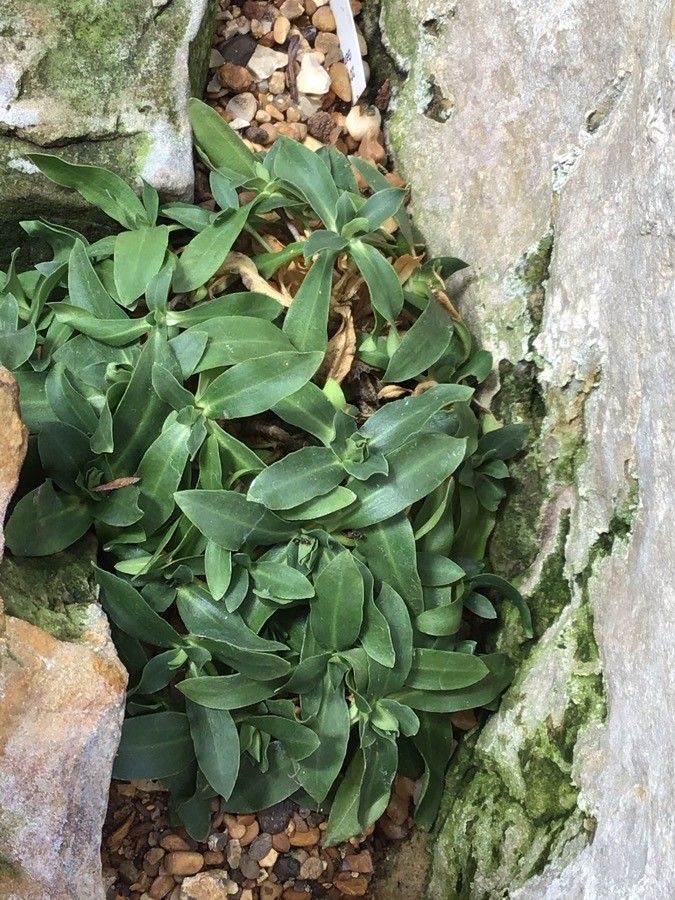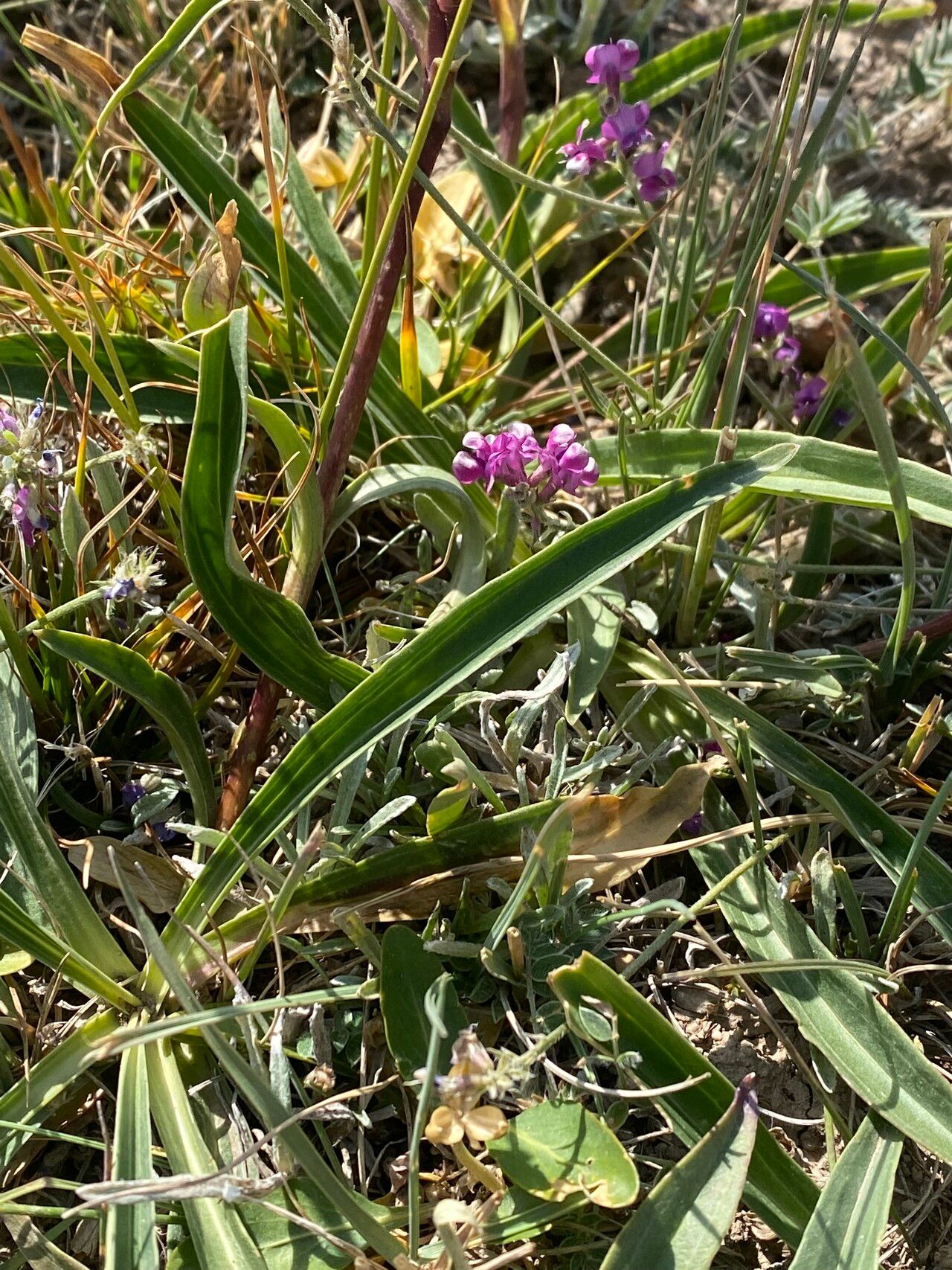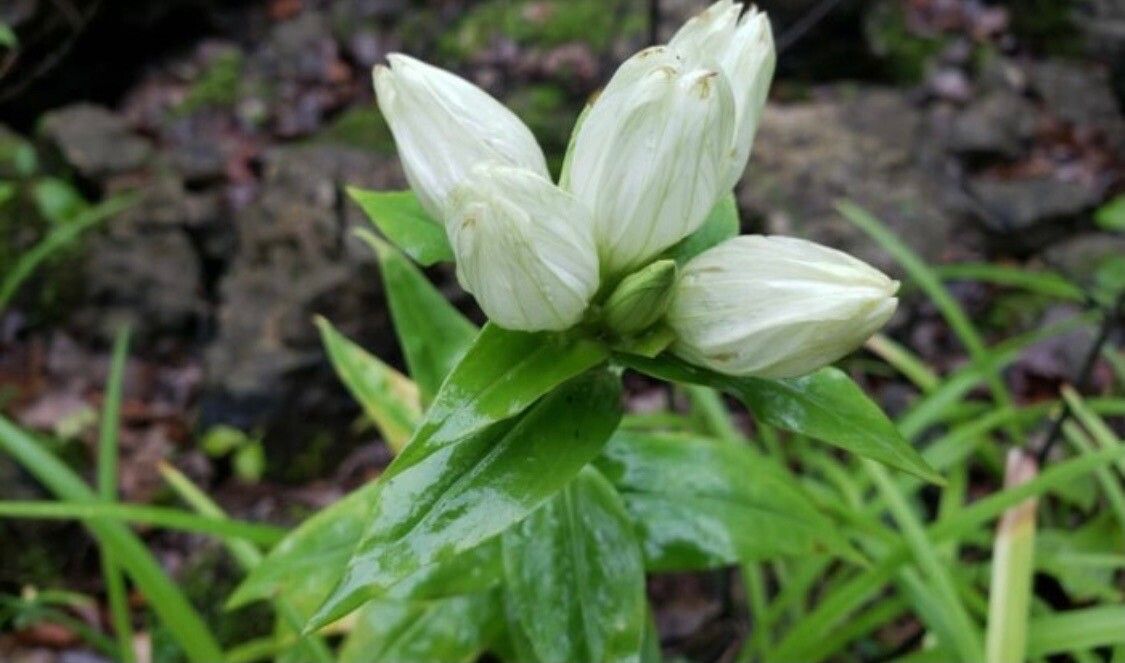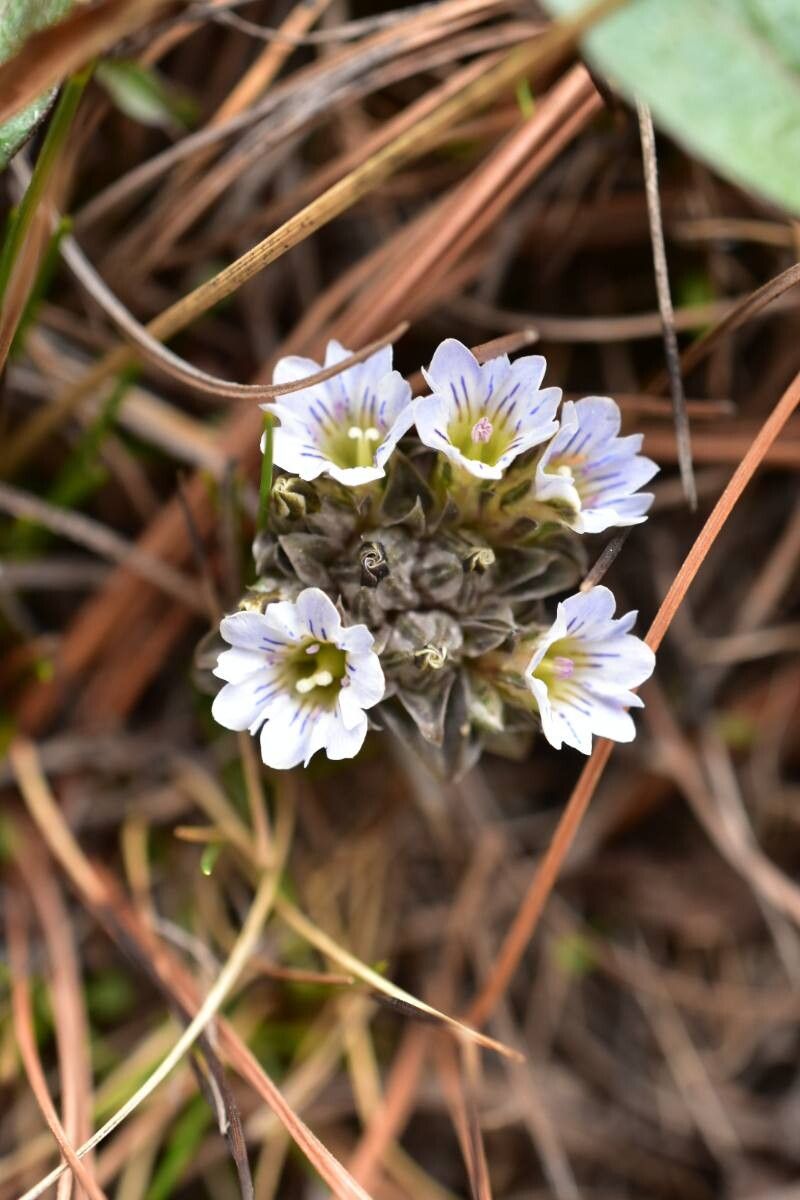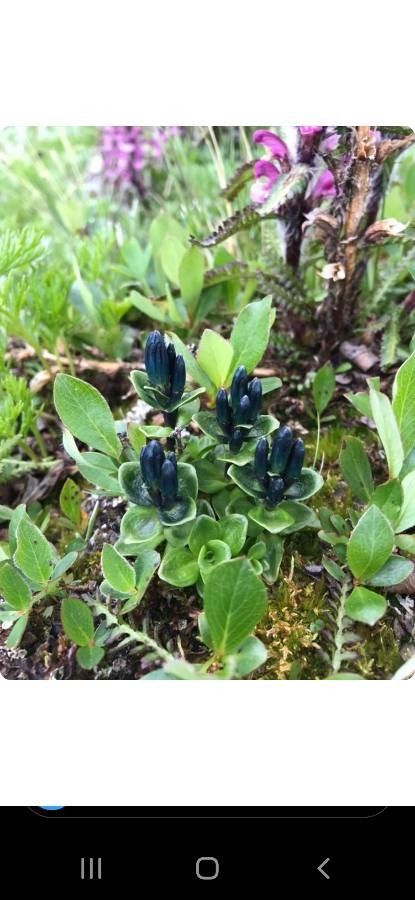
Gentiana glauca is a species of flowering plant in the gentian family known by the common names pale gentian and glaucous gentian. It is native to eastern Asia and northwestern North America from Alaska to the Northwest Territories to Washington and Montana.This perennial herb produces a rosette of oval leaves each 1–2 cm (0.39–0.79 in) centimeters long from a rhizome. Leaves on the stem are oppositely arranged. The stem grows to a maximum height near 15 cm (5.9 in). The inflorescence is a cluster of three to five blue or blue-green flowers up to 2 cm (0.79 in) long. The fruit is a tubular capsule. The plant reproduces sexually by seed and spreads vegetatively by sprouting from its rhizome.This plant grows on tundra and in a variety of moist, treeless habitat types. It occurs in subalpine and alpine climates. It occurs at elevations around 2,485 m (8,153 ft) in Montana and at least 1,500 m (4,900 ft) in Alaska.
Pale gentian has strong resistance to disease and is generally not vulnerable to illnesses. Still, it can be affected by pests and diseases present in its environment. Such infections are typically mild. Regarding care, this plant needs a moderate level of attention. It should be pruned on a regular basis to preserve a neat appearance and encourage healthy growth. Applying fertilizer can also aid in boosting flowering. Pale gentian is appropriate for anyone with an outdoor area, like a garden or patio, and does not demand extensive gardening experience. It may need more intensive care if cultivated indoors.
How to keep Gentiana Glauca.
Light
Pale gentian is a sun-loving, perennial herbaceous plant native to open habitats and commonly found in meadows and grasslands. It prefers full sun but can also tolerate partial sun.
Water
Pale gentian thrives in alpine environments and prefers well-draining soil with regular moisture. To mimic its natural conditions, it needs weekly watering and shows moderate drought tolerance. Cooler temperatures and dew on its foliage during the growing season improve its water absorption.
Fertilizer
A single fertilizer application in spring is generally sufficient for Pale gentian, though multiple feedings can enhance growth. Feed every month to six weeks. Fertilization improves the leaves' appearance and function, helping them keep an even color and healthy texture. It also encourages root development and nutrient uptake, supporting long-term plant health.
Pruning
Pale gentian features subtle flowers and delicate foliage, which flourishes with pruning from early to late spring. Key techniques include deadheading the flowers and trimming any leggy stems. It's important to sterilize your tools to prevent the spread of disease. Regular pruning helps maintain the plant’s shape and encourages strong growth, ensuring a vibrant plant throughout the growing season.