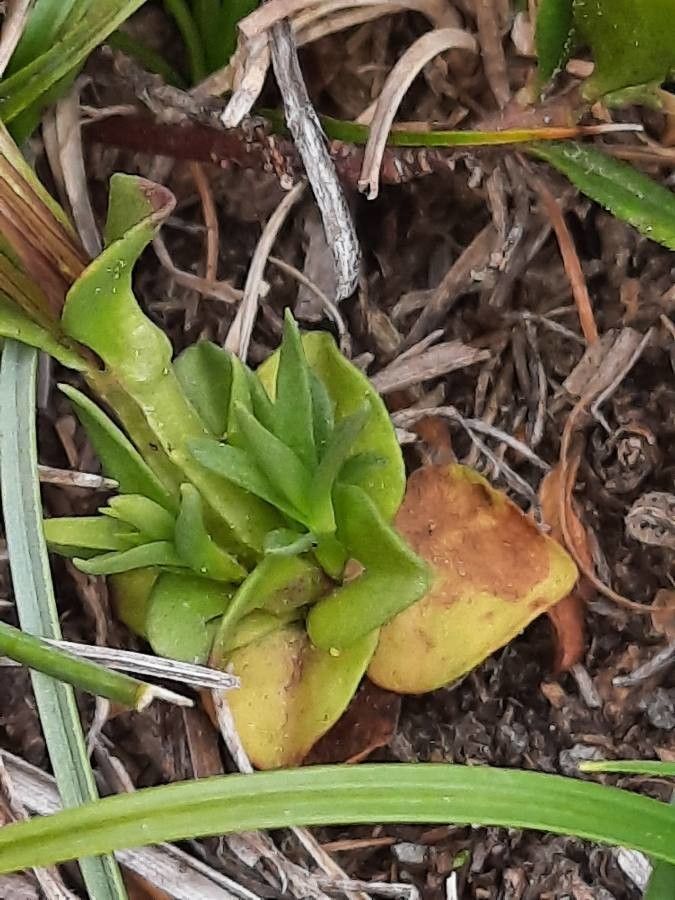
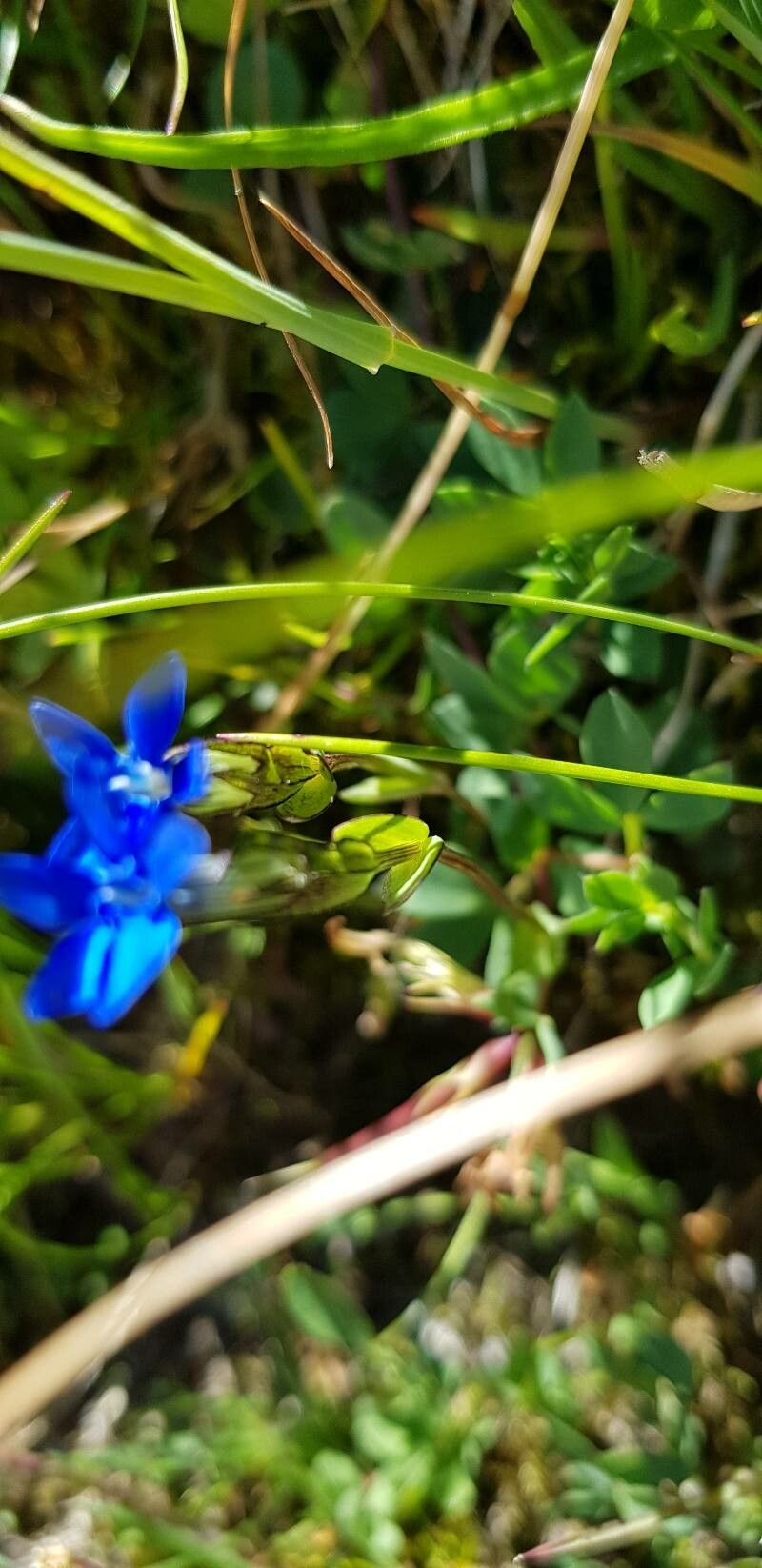
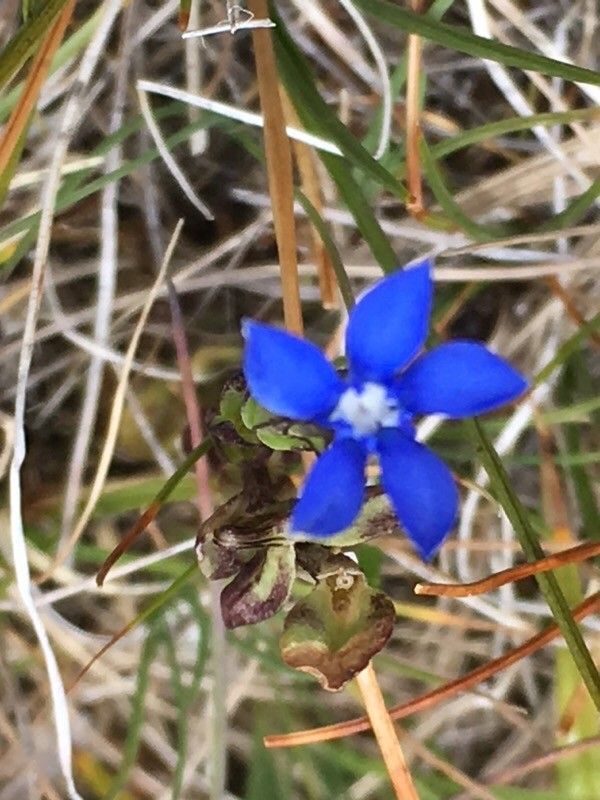
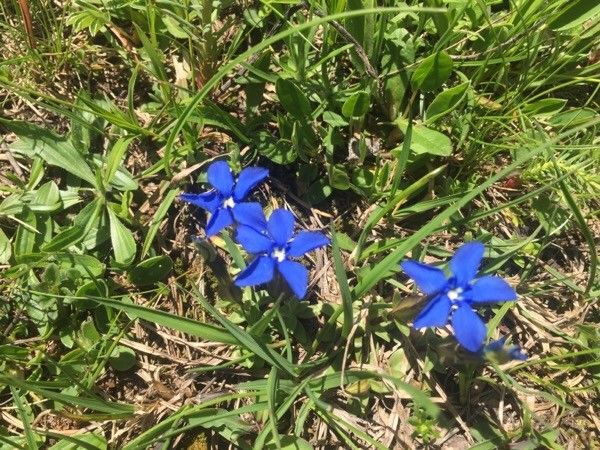
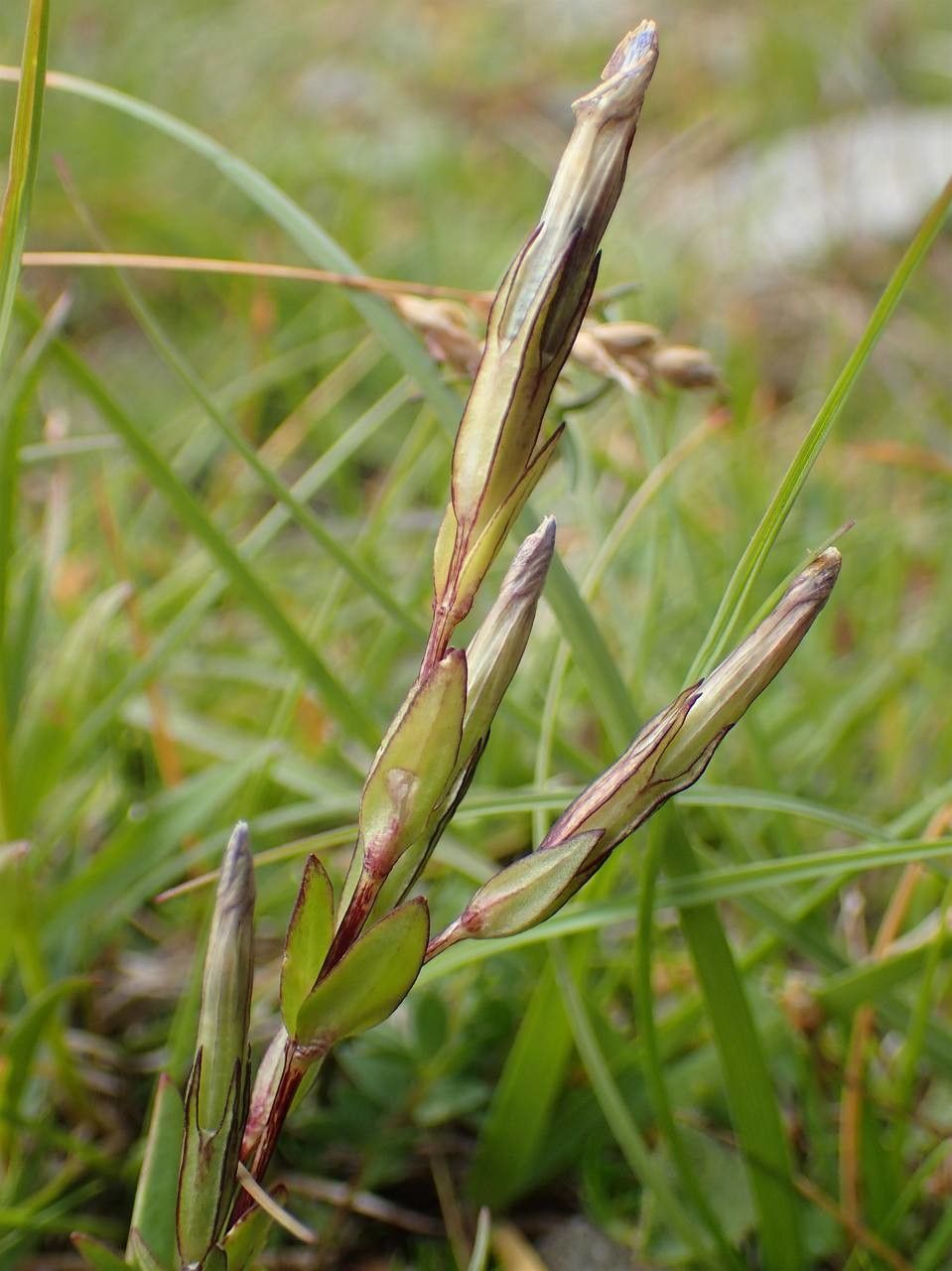
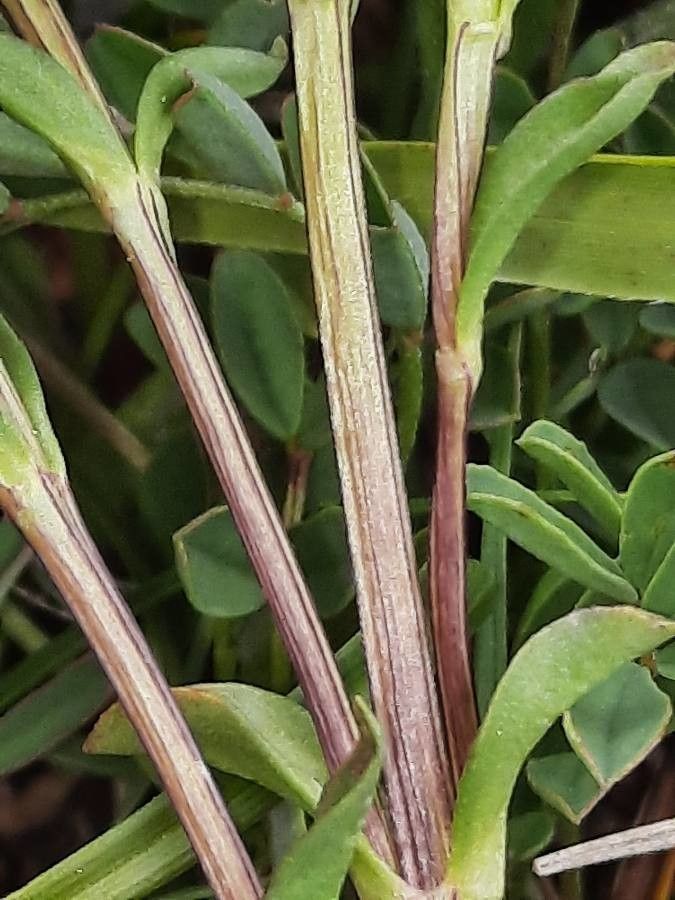
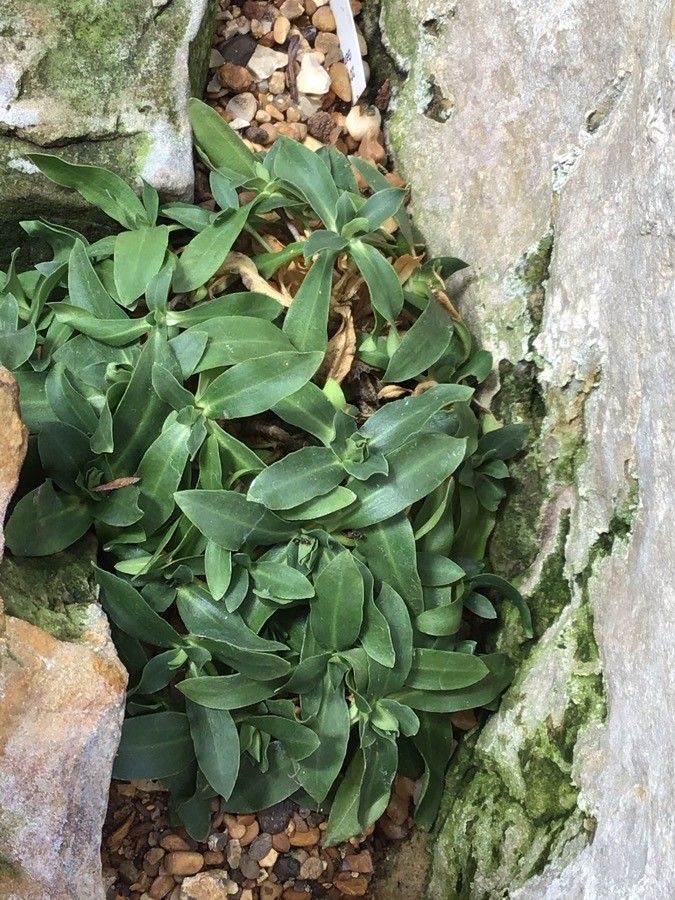
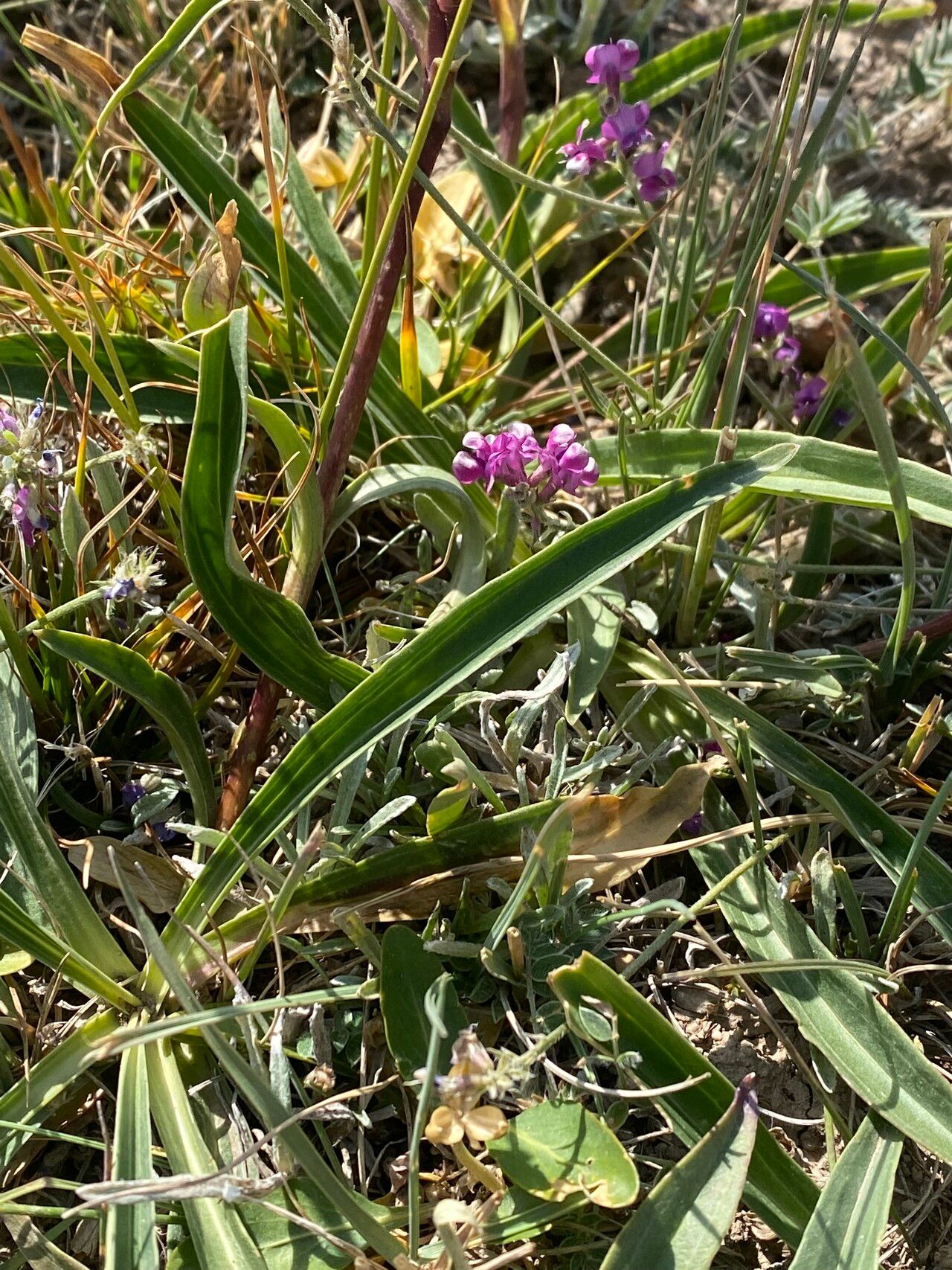
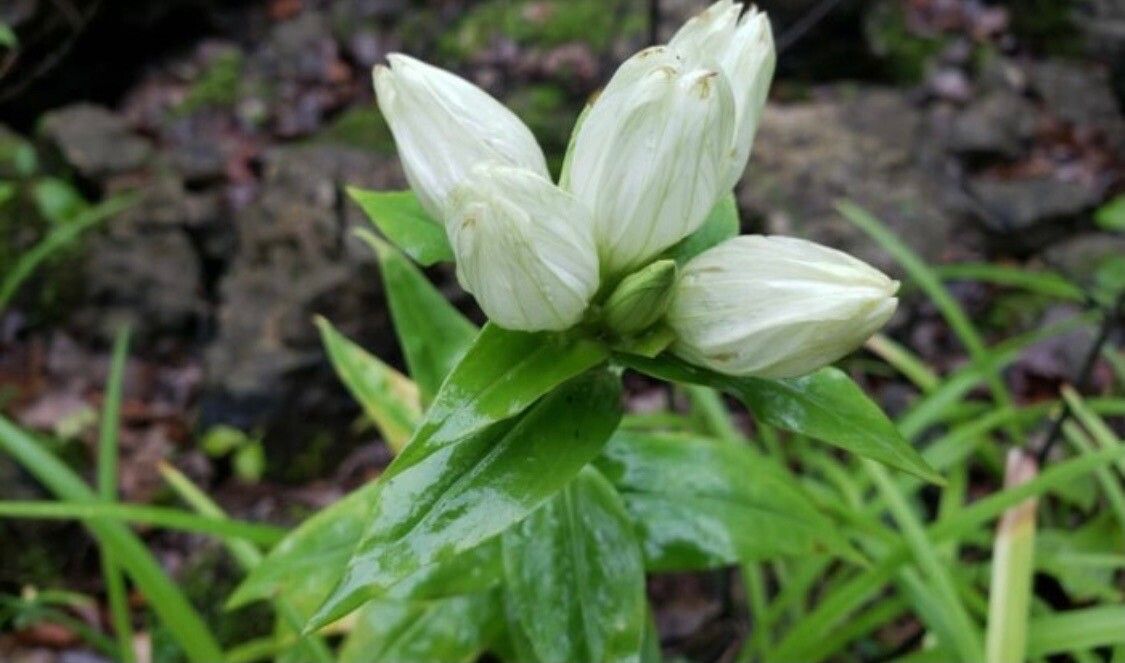
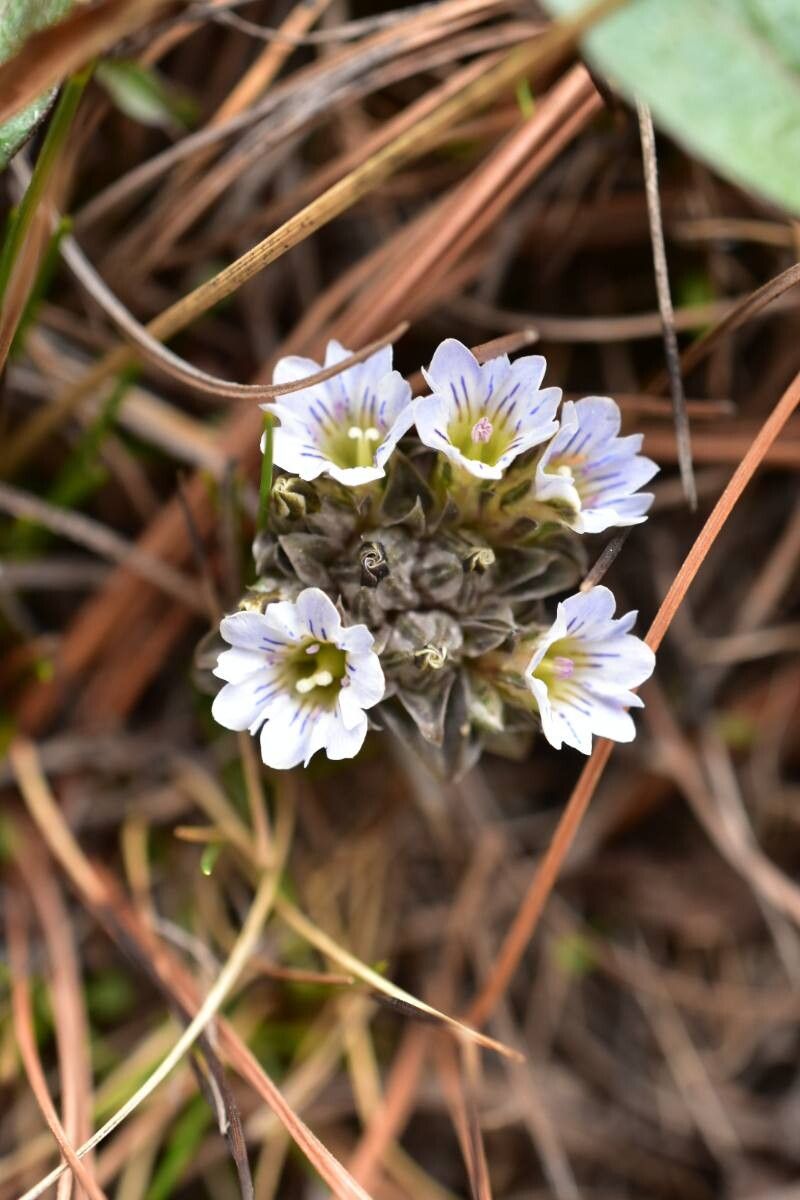
Gentiana nivalis, commonly known as the snow gentian, is a small alpine plant belonging to the Gentianaceae family. It is native to high-altitude regions of Europe and Asia, thriving in rocky and gravelly soils. Characterized by a rosette of lance-shaped, dark green basal leaves, the plant produces trumpet-shaped flowers with five petals that are typically blue or purple, though they can also appear in white or pink. These flowers bloom from late spring to early summer.
The snow gentian has adapted to survive in harsh alpine environments, which are marked by extreme temperatures, strong winds, and intense sunlight. Notable adaptations include a deep root system that aids in water absorption and offers protection from frost damage.
Traditionally, the plant has been utilized for its medicinal properties. Its bitter taste has been used to stimulate digestion, and it contains compounds with anti-inflammatory properties that have been effective in treating rheumatism.
Ecologically, Gentiana nivalis plays a crucial role in alpine ecosystems by providing a food source for pollinators such as bees and butterflies during its blooming period, a time when other plants may be scarce at high altitudes.
Overall, Gentiana nivalis is a fascinating alpine plant with unique adaptations that allow it to thrive in harsh environments. It also provides significant ecological benefits, particularly to pollinators.
Snow gentian is fairly resistant to disease and usually does not suffer from many ailments. Still, it can be vulnerable to pests and diseases present in its environment. These problems are typically mild. For care, the plant requires moderate maintenance. It should be pruned regularly to keep a neat appearance and encourage healthy growth. Fertilizing can also help increase flowering. Snow gentian is suitable for anyone with outdoor space, such as a garden or patio, and does not need extensive gardening experience. Grown indoors, it may demand more attention.
How to keep Gentiana Nivalis.
Light
Snow gentian is a sun-loving, perennial herbaceous plant native to open habitats and frequently thriving in meadows and grasslands. It prefers full sun but can also tolerate partial sun conditions.
Water
Adapted to alpine environments, the snow gentian thrives with weekly watering due to its preference for consistent hydration. This species is resilient to short dry spells and optimizes water absorption during its brief growing season, especially when meltwater is available.
Temperature
Snow gentian comes from cool climates and favors temperatures of 32 to 77 °F (0 to 25 °C). To reproduce its natural habitat, seasonal temperature adjustments may be necessary, especially in warmer regions.
Fertilizer
For Snow gentian, the primary time to fertilize is in early spring when the flowers are developing. The proper fertilizer promotes better blooms and helps Snow gentian produce attractive flowers. Fertilizing in early spring ensures strong flowering during the season and provides energy for dormant growth phases.
Pruning
Snow gentian is known for its stunning blue flowers and requires only minimal pruning. To keep it healthy and vibrant, remove any dead branches in early spring and trim away spent flowers in late spring to encourage more blooms. Avoid heavy pruning and always use clean tools for cutting. Regular maintenance will ensure the plant remains both healthy and beautiful.
Botanical profile.
- Plant Type
- Herb
- Life Cycle
- Perennial
- Genus
- Gentiana
- Family
- Gentianaceae
- Hardiness Zone
- 3
- Mature Height
- 3 cm to 15 cm
- Mature Spread
- 5 cm to 10 cm
- Leaf Color
- Green
- Leaf Type
- Deciduous
- Flower Color
- Blue
- Flower Size
- 1.52 cm
- Bloom Time
- Early summer, Mid summer
- Planting Time
- Spring, Summer, Autumn
- Harvest Time
- Late summer, Early fall
- Native Area
- Turkey, Sweden, Austria, Slovakia, Montenegro, Bulgaria, Armenia, Poland, Croatia, Slovenia, Ukraine, Serbia, Russia, Norway, Germany, Italy, Spain, Switzerland, Denmark, Iceland, Finland, Azerbaijan, United Kingdom, Romania, France
Other names.
Reader questions.
How should I water my Snow gentian plant in the best way?
To properly water the Snow gentian, use filtered water at room temperature or slightly warmer. Tap water may contain harmful particles. Since the Snow gentian thrives in a warm environment, avoid using cold water as it could be a shock. Instead of overhead watering, apply the filtered room temperature water directly to the soil until it is fully soaked. This method benefits the plant by moistening the roots and aiding in nutrient absorption.
What are the sunlight requirements for Snow gentian?
Snow gentian (Gentiana nivalis) is a perennial herbaceous plant that thrives in open habitats such as meadows and grasslands. To ensure its health and happiness, it requires full sun, meaning it should receive more than 6 hours of direct sunlight daily. However, it can also tolerate partial sun conditions, where it would receive about 3-6 hours of sunlight. It's crucial to observe how sunlight moves through your garden and select locations that offer a balanced exposure to light and shade. This careful placement encourages optimal growth and development of the Snow gentian.
What is the native climate for Snow Gentian?
Snow gentian, also known by its botanic name Gentiana nivalis, is native to cool climates. It thrives in temperatures ranging from 32 to 77 °F (0 to 25 °C). To mimic its natural habitat, especially in warmer regions, seasonal temperature adjustments might be necessary. This plant exhibits high cold tolerance and does not require additional measures for frost protection during winter. However, to prevent drought and water scarcity during the colder months and early spring, it's advised to water the plant generously before the first freeze in autumn, ensuring the soil remains moist and enters a frozen state.
What should I do if I give my Snow gentian too much water or too little water?
Snow gentians can be negatively affected by both overwatering and underwatering, but overwatering is more common and can cause wilting, yellowing, and diseases like root rot, mold, and mildew. Underwatering is less common due to the plant's drought tolerance, but it can cause brittle, brown leaves. It's important to identify signs of overwatering early to prevent irreversible damage, so reduce watering if you see these signs. Additionally, check the soil's drainage and replace it with a well-draining mix if necessary. If your Snow gentian shows signs of underwatering, simply water it more regularly until the signs disappear.
Can Snow gentian grow under artificial lighting?
Yes, Snow gentian can grow under artificial lighting, especially when natural sunlight is insufficient, such as during winter or in less sunny indoor spaces. Adequate artificial lighting can support optimal growth by compensating for the lack of natural light. LED lights are particularly recommended because they can be tailored to provide specific light wavelengths that plants require for photosynthesis. Full sun plants benefit from 30-50W/sq ft of artificial light, whereas partial sun plants require 20-30W/sq ft. Ensure the artificial light source is placed 12-36 inches above the plant, mimicking natural sunlight conditions, and keep the lights on for about 8-12 hours per day to simulate the length of natural daylight hours.
How does low temperature affect Snow Gentian?
Snow gentian demonstrates remarkable tolerance to cold temperatures and can withstand winter conditions as low as -35°C. While there might not be immediate visible effects during the winter even if the temperature drops below this point, a significant concern is the potential reduction or absence of sprouting in the following spring. To address this, it's recommended to remove any parts of the plant that have failed to sprout in the spring, promoting healthier growth.
How often should I add water to my Snow gentian?
If your Snow gentian is in a pot, the most precise way to determine if it needs water is to stick your finger in the soil. If the top two to three inches are dry, it's time to water. If your Snow gentian is planted outdoors, you can use the same method. When the top few inches of soil are dry, it needs water. In the spring and early fall, you'll typically need to water once a week. In hot weather, you may need to water twice a week or more. However, mature Snow gentians are quite resilient and can withstand drought well.
What are the signs of insufficient light in Snow gentian?
Symptoms of light deficiency in Snow gentian include the presence of smaller new leaves, leggy or sparse growth, a faster rate of leaf drop, slower or halted new growth, and the development of lighter-colored or pale new leaves. Additionally, the plant may experience chlorosis, where leaves lose their green color and turn yellow, sunscald with pale or necrotic areas on leaves due to intense sunlight exposure, leaf curling as a defense mechanism against extreme sunlight, wilting from excessive water loss, and leaf scorching characterized by brown, dry, and crisp leaf edges. These symptoms indicate the plant's struggle in inappropriate lighting conditions.
What should I do if Snow Gentian is exposed to high temperatures?
Snow gentian struggles in high-temperature environments, particularly when the temperature exceeds 25°C. Under such conditions, its growth may cease, and the plant becomes more prone to rot. To mitigate high temperature stress, you should trim away any sunburned or dried parts of the plant. Relocating the plant to a shaded area or employing a shade cloth to protect it from the midday and afternoon sun can be beneficial. Additionally, watering the plant in the morning and evening helps maintain soil moisture, which is crucial for its wellbeing in warmer temperatures.
How much water does my Snow gentian plant require?
To properly water your Snow gentian, make sure the first two to three inches of soil are dry. Give the plant a thorough watering until the soil is completely soaked. You should add enough water for it to flow through the drainage holes at the bottom of the pot. If you don't see any excess water draining, you may have underwatered the plant. However, be careful not to let water accumulate in the soil as it can harm the plant. If there is a lack of water draining through the pot, it could indicate poorly draining soil, which is not good for the plant. If the plant is outdoors, 1 inch of rain per week should be enough.
What can be done to alleviate light deficiency symptoms in Snow gentian?
To address light deficiency symptoms in Snow gentian, gradually move the plant to a sunnier location, aiming for at least 6 hours of direct sunlight daily. If the plant is indoors and too large to move, consider using artificial light, keeping a desk or ceiling lamp on for at least 8 hours a day, or investing in professional plant grow lights. Outdoors, adapt the plant to increased sunlight gradually to prevent sunburn. Reducing obstructions, such as by pruning branches that shade the plant, and transplanting smaller plants to sunnier spots with good drainage during their dormant period, can also help. Note that while parts of the plant damaged by insufficient sunlight may not recover, new growth should be healthy once proper light conditions are restored.
How should I water my Snow Gentian as it grows?
The water requirements of the Snow gentian can vary depending on its growth stages. When the plant is young or has just been transplanted, it will need more water than usual. During these stages, the Snow gentian focuses its energy on developing new roots, which require extra moisture to support future growth. As the plant matures, it will require less water. Additionally, the bloom period is another stage where the Snow gentian may need more water due to the significant moisture needed for flower development.