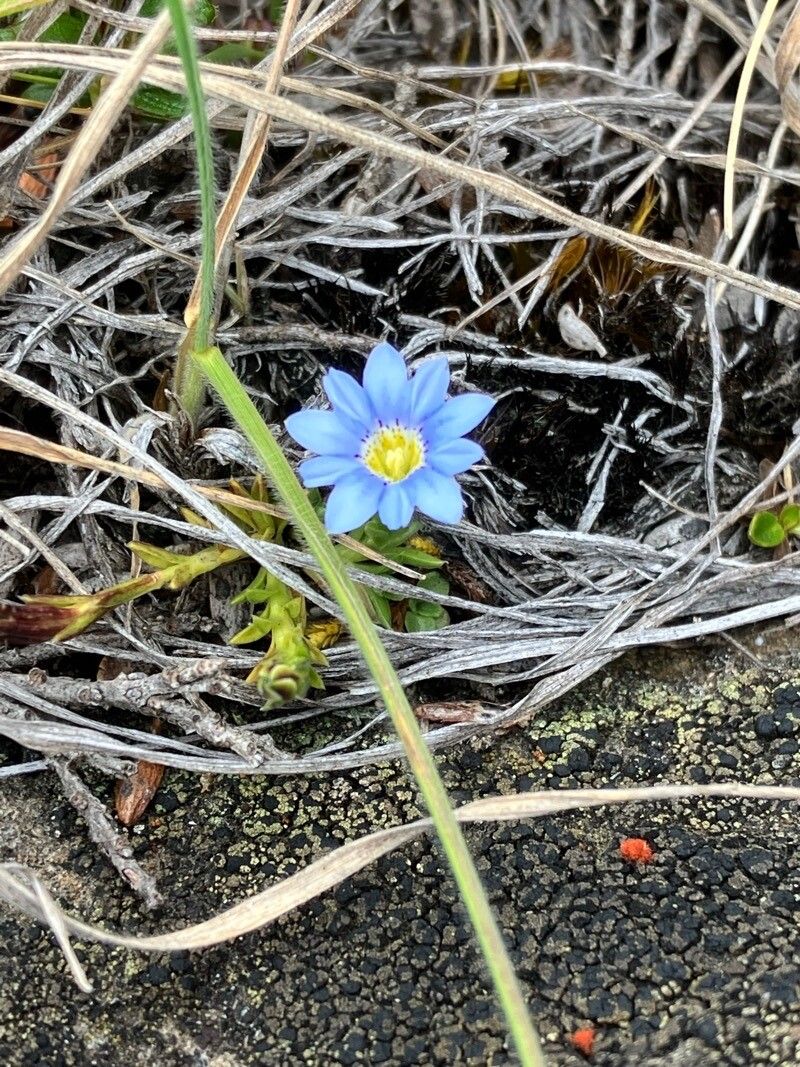
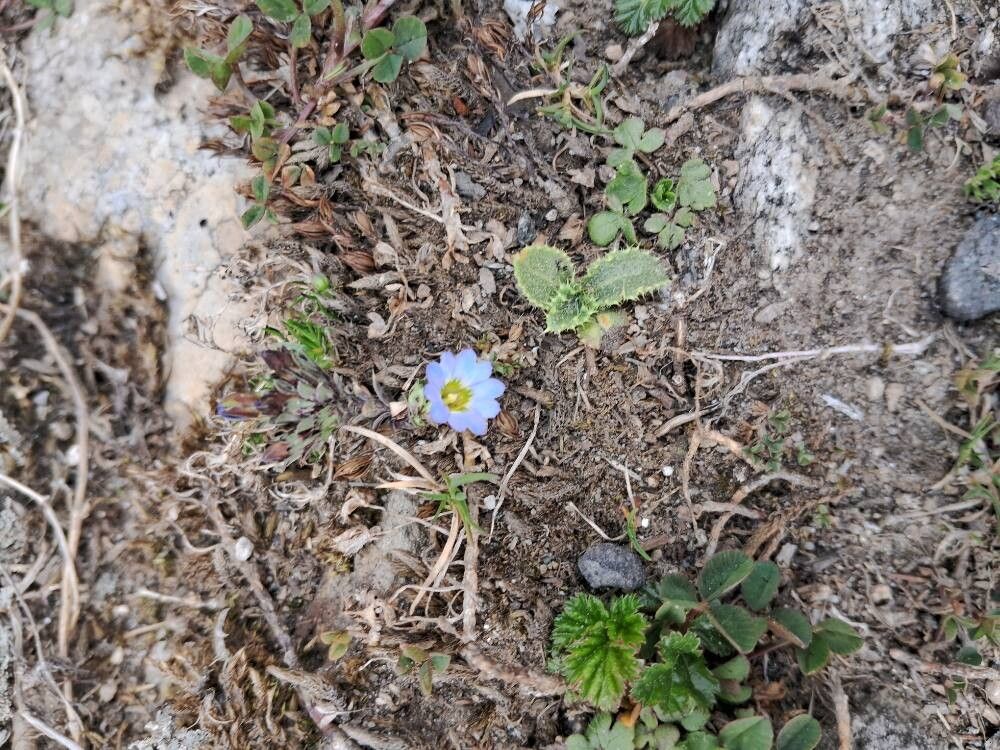
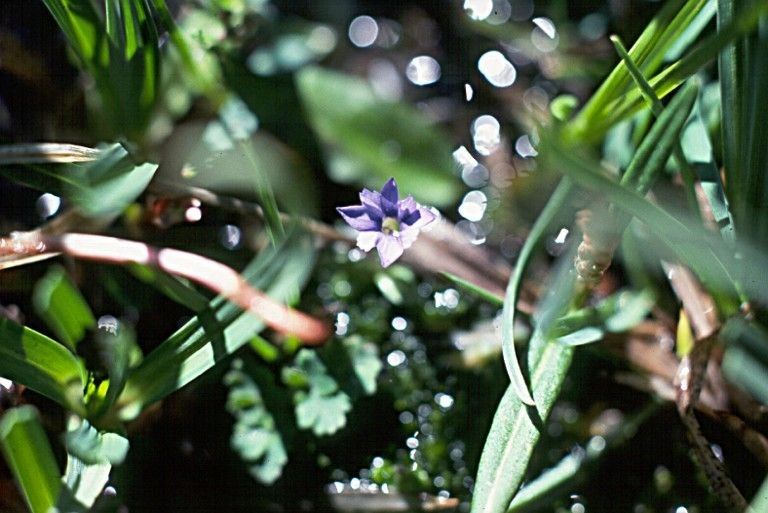
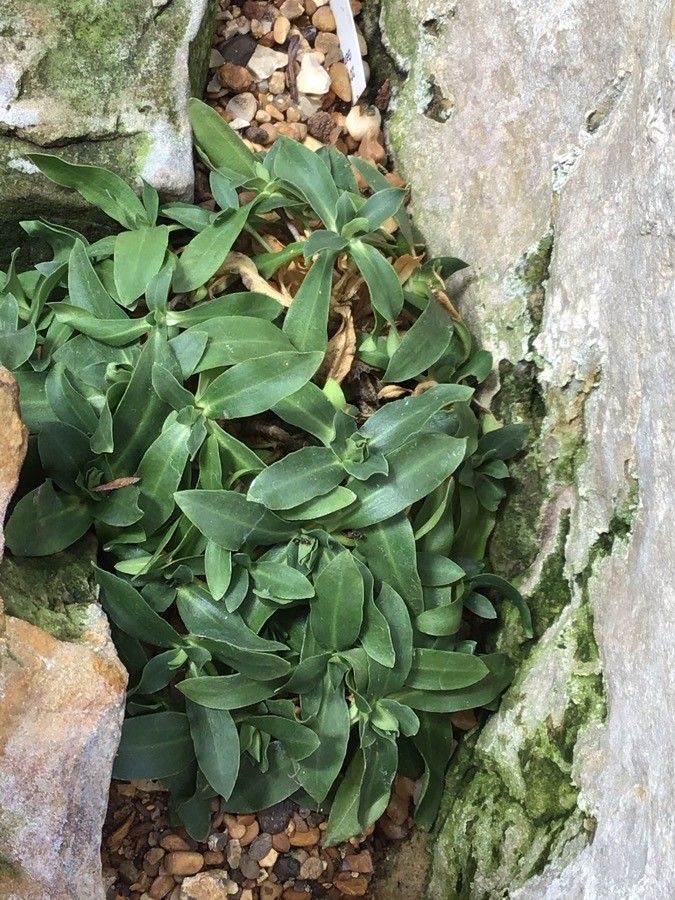
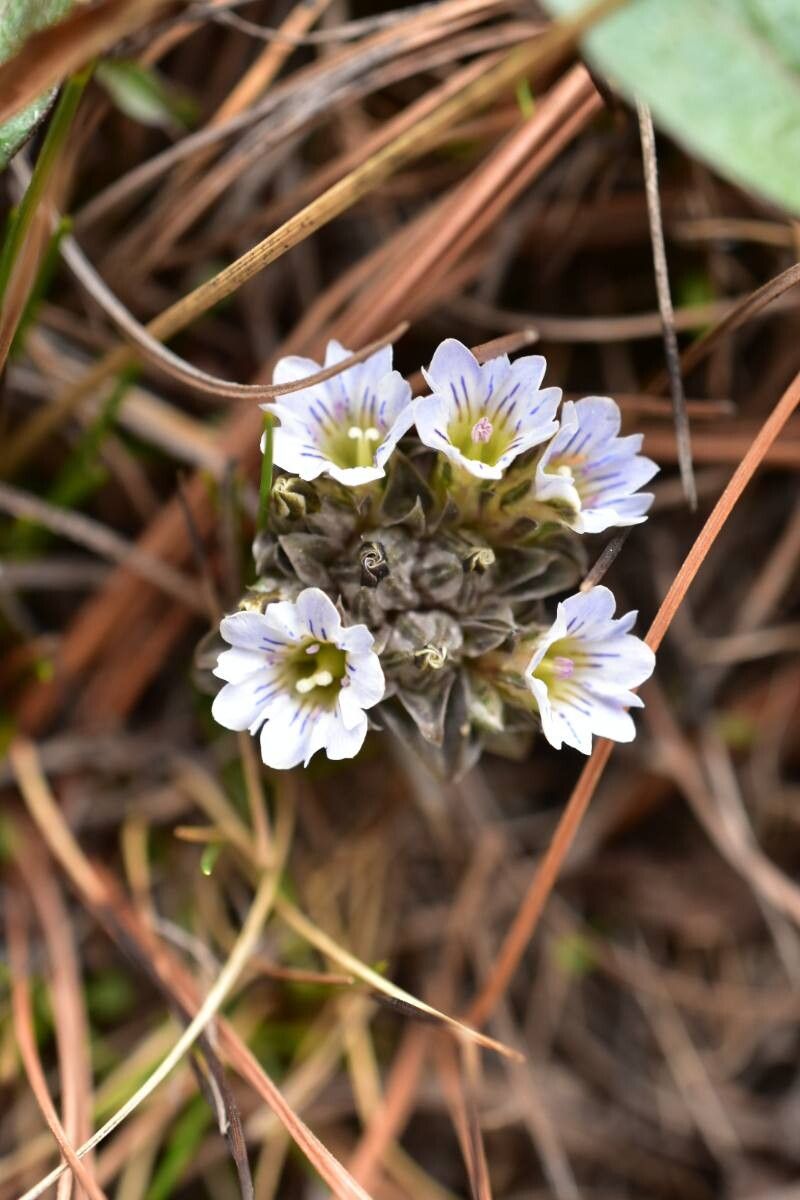
Gentiana prostrata is a rare species of gentian known by the common name pygmy gentian. It is native to Eurasia and to western North America from Alaska and northern Canada to Colorado and California. It is a resident of moist areas in the high mountains.
Bavarian gentian is fairly disease-resistant and generally not prone to illnesses. However, it can be vulnerable to pests and diseases present in its environment. These infections are usually mild. For care, the plant requires a moderate level of maintenance. It should be pruned regularly to maintain a neat appearance and healthy growth. Fertilizing can also help encourage flowering. Bavarian gentian is suitable for anyone with an outdoor area, such as a garden or patio, and does not demand extensive care experience. It may need more attention when cultivated indoors.
How to keep Gentiana Prostrata.
Light
The bavarian gentian grows best when it gets a generous amount of sunlight each day; any less can interfere with its development. Coming from habitats with abundant light, it does better in those conditions. Reduced light can cause stunted growth and less vibrant blooms, while too much light does not harm it.
Temperature
Bavarian gentian thrives in climates with temperatures from 41 to 89.6 °F (5 to 32 ℃). Its native growing conditions favor somewhat cooler surroundings. Seasonal changes should be managed carefully, particularly in the warmer months.
Fertilizer
For Bavarian gentian, the main time to fertilize is in early spring when flowers are forming. The proper fertilizer promotes better blooms and helps Bavarian gentian produce attractive flowers. Fertilizing in early spring ensures excellent flowers during the season and supplies energy for its dormant growth phases.
Botanical profile.
- Plant Type
- Herb
- Life Cycle
- Perennial
- Genus
- Gentiana
- Family
- Gentianaceae
- Hardiness Zone
- 4-7
- Mature Height
- 15 cm
- Mature Spread
- 15 cm
- Leaf Color
- Green, Yellow
- Leaf Type
- Evergreen, Deciduous
- Flower Color
- Blue
- Flower Size
- 2.03 cm to 3.05 cm
- Bloom Time
- Early summer, Mid summer
- Planting Time
- Spring, Summer, Autumn
- Harvest Time
- Late summer, Early fall
- Native Area
- Germany, Austria, Italy, Switzerland, France
Other names.