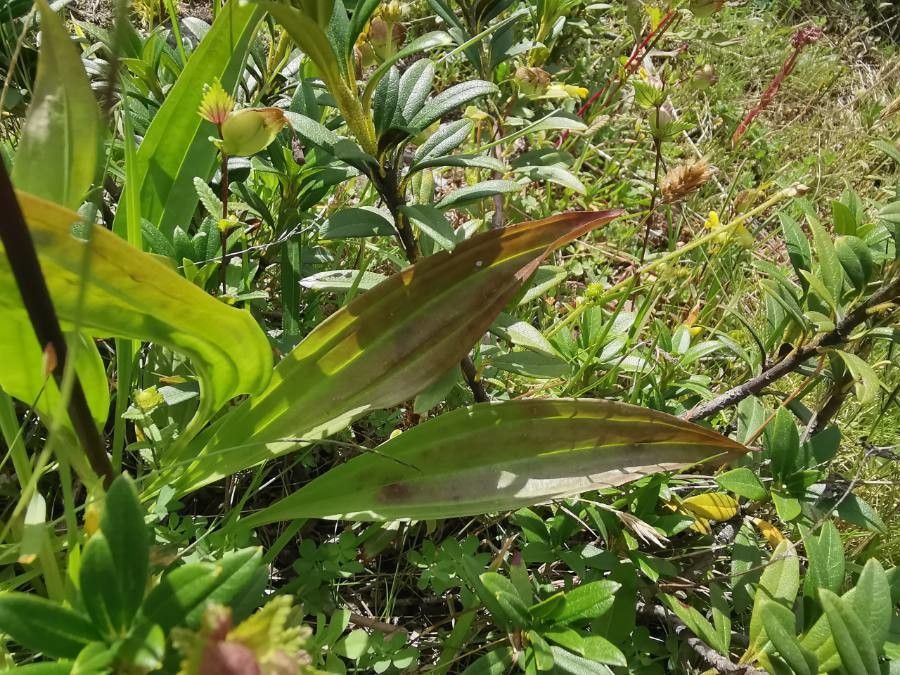
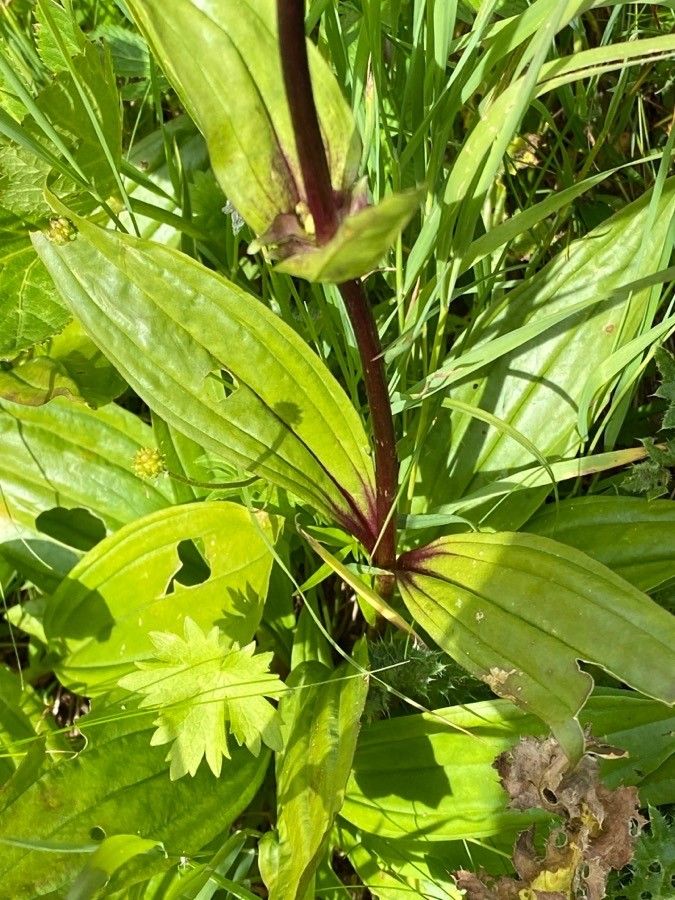
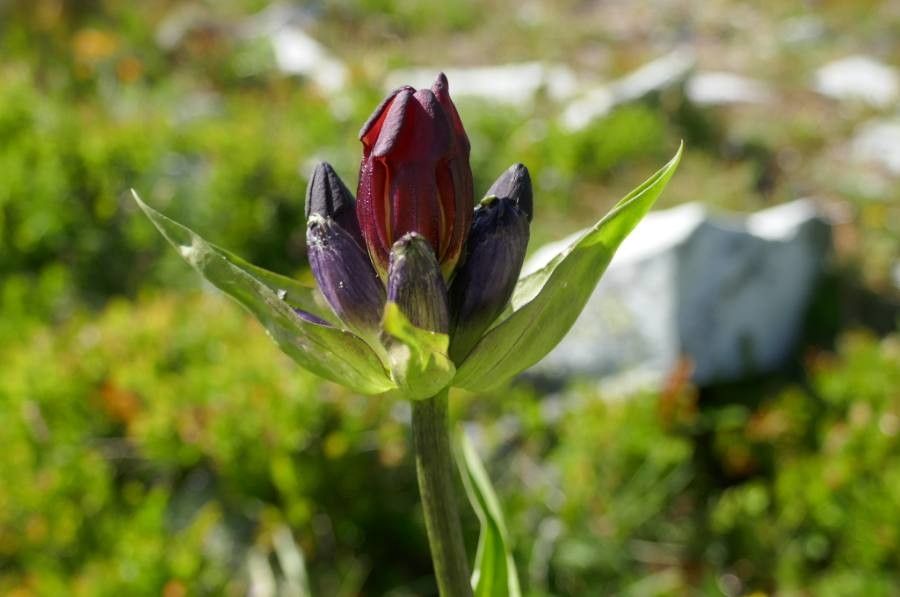
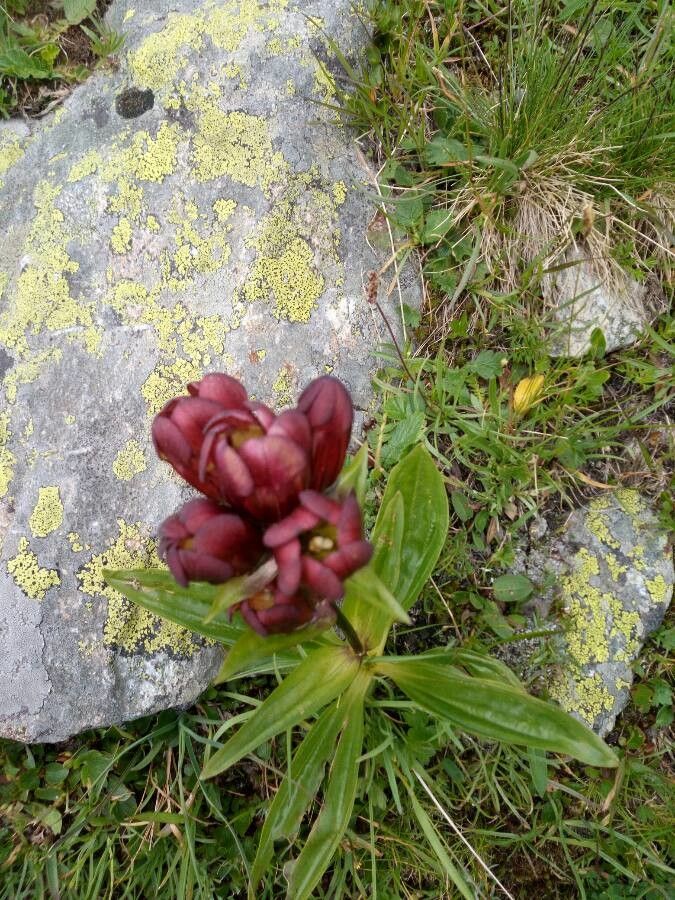
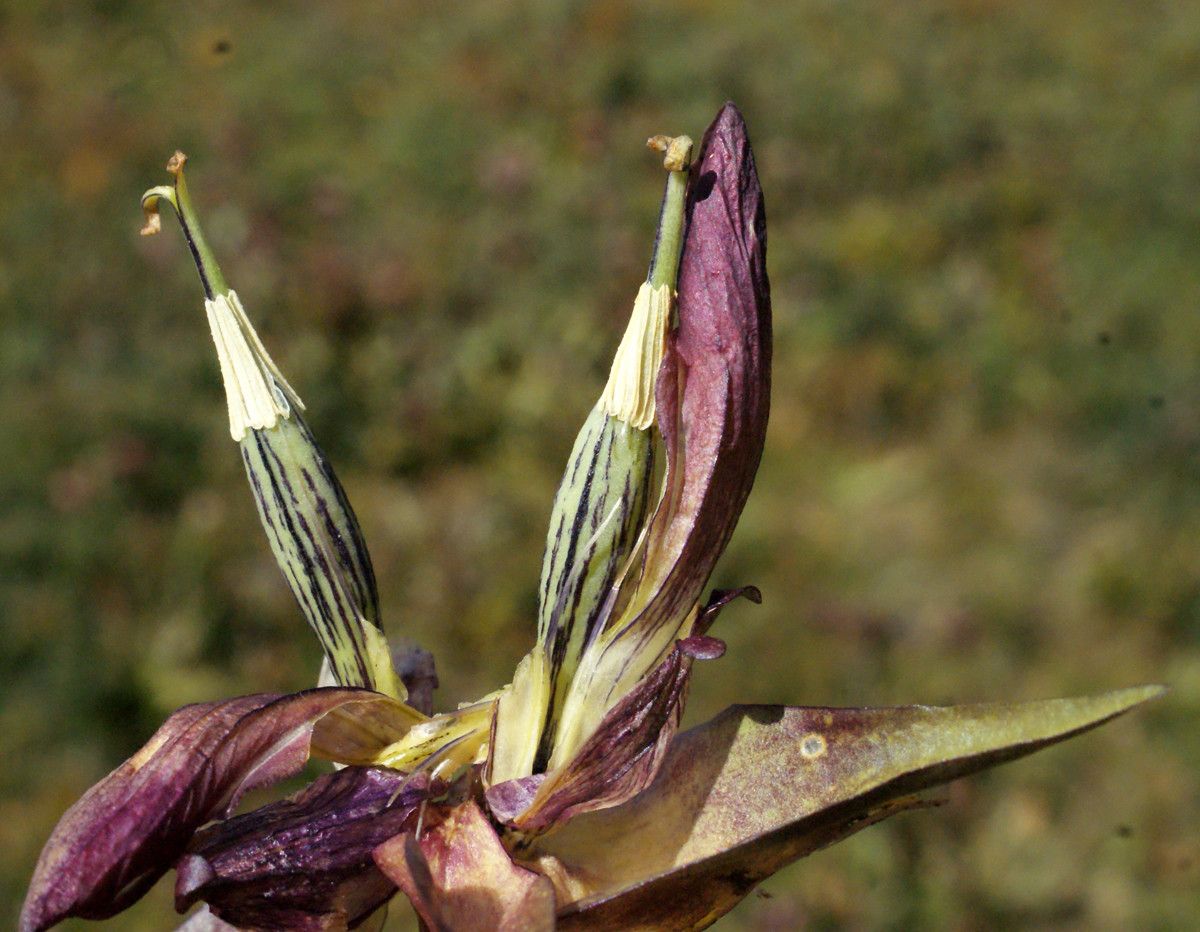
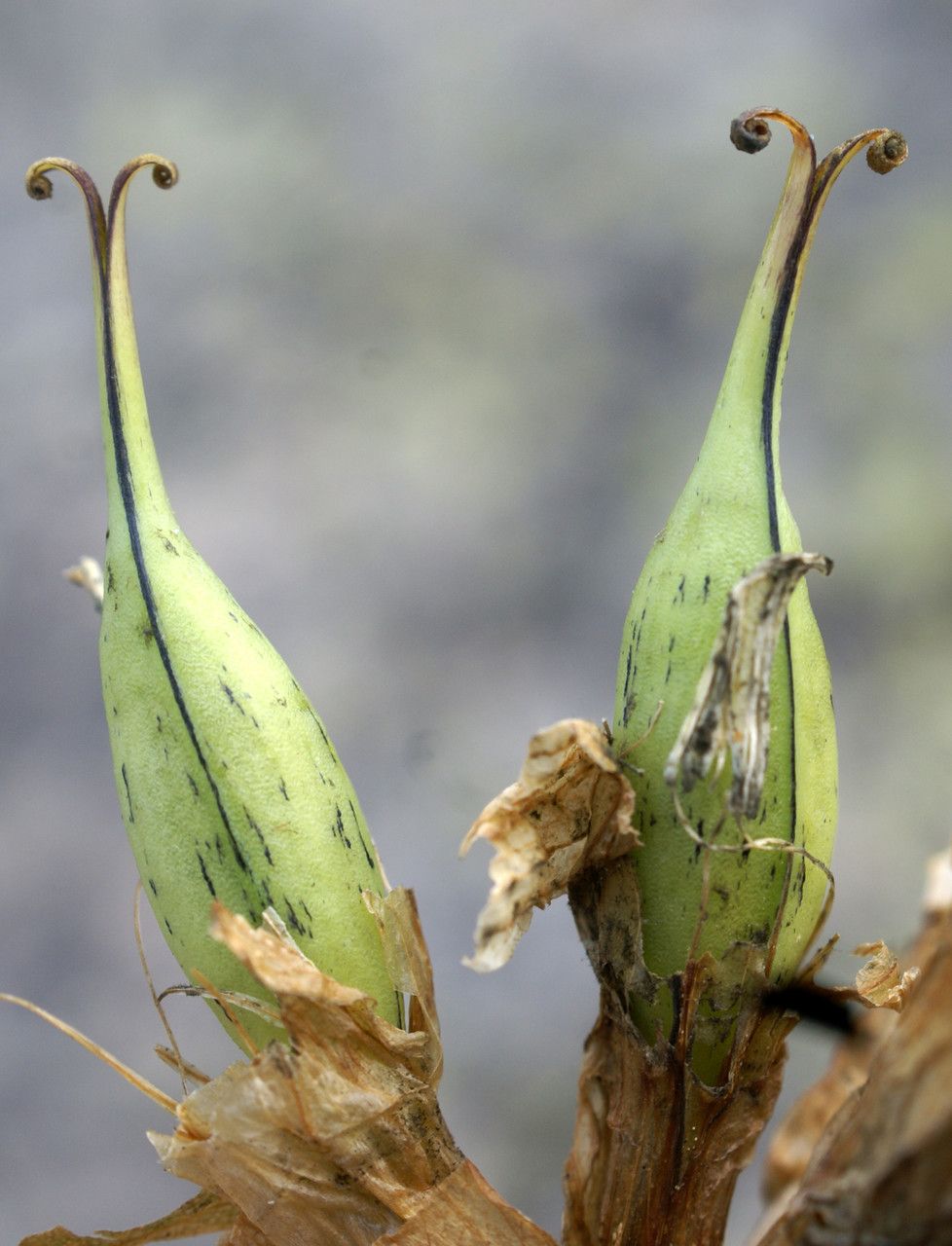
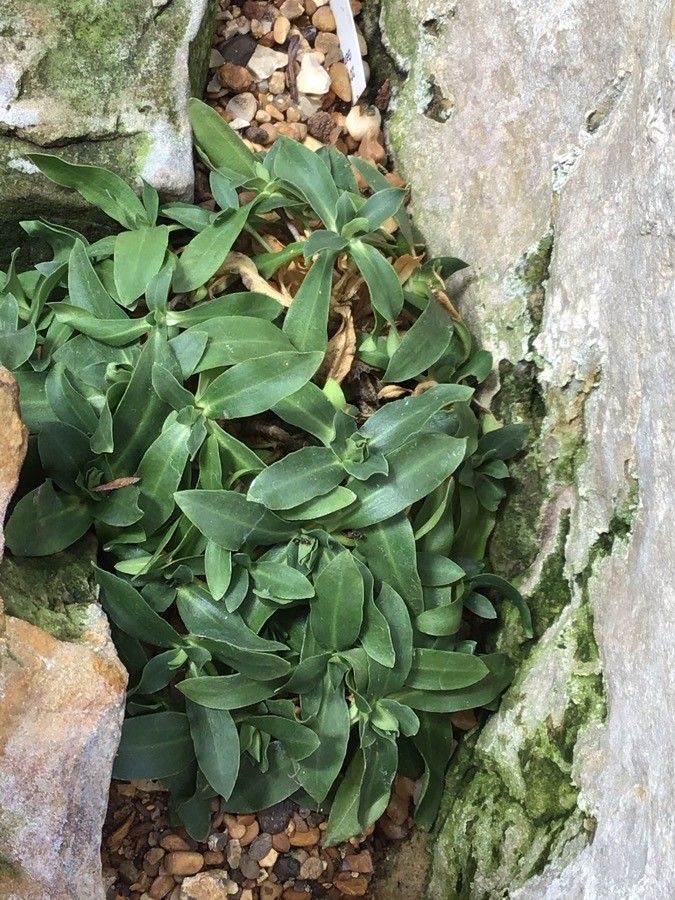
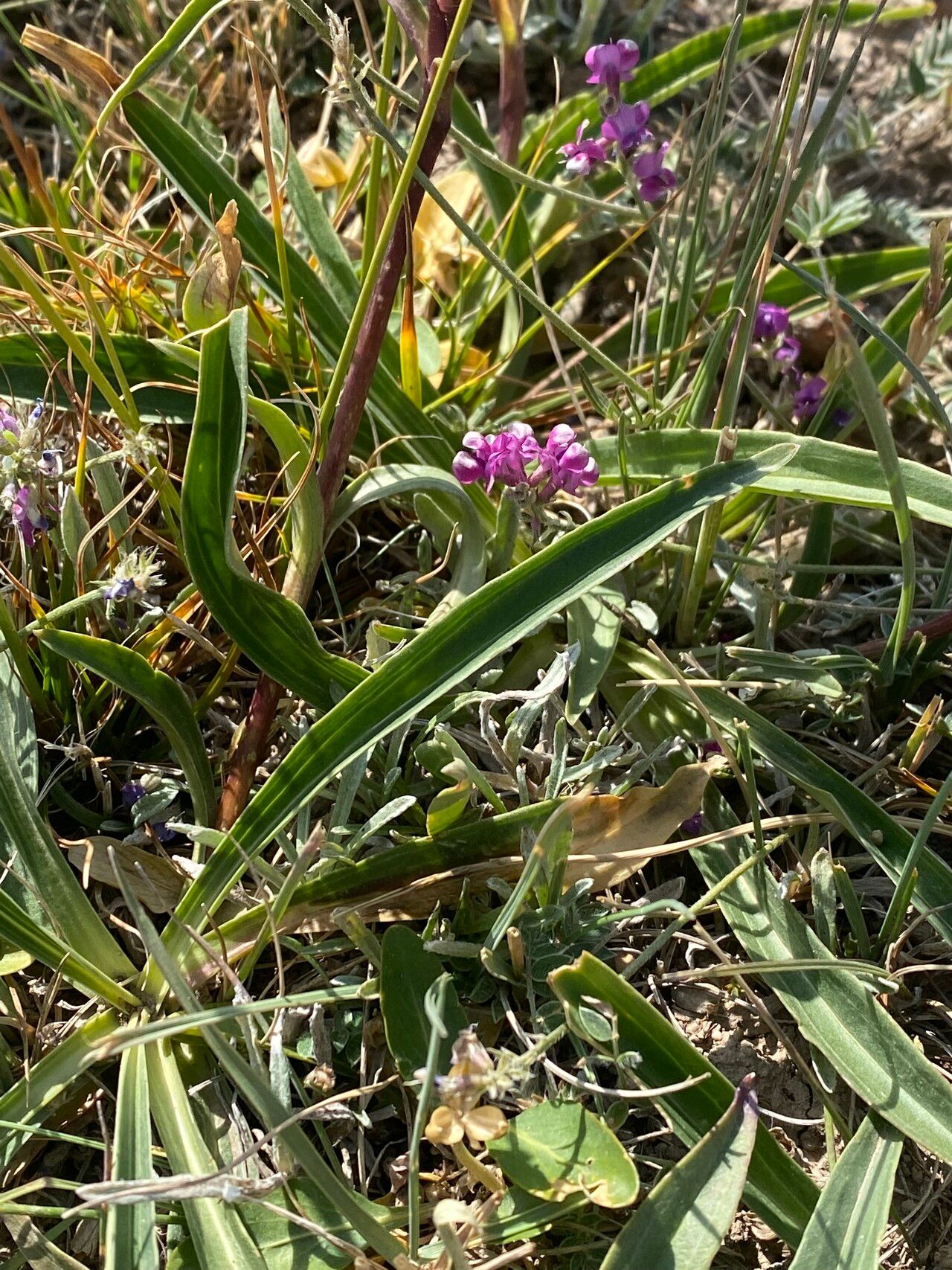
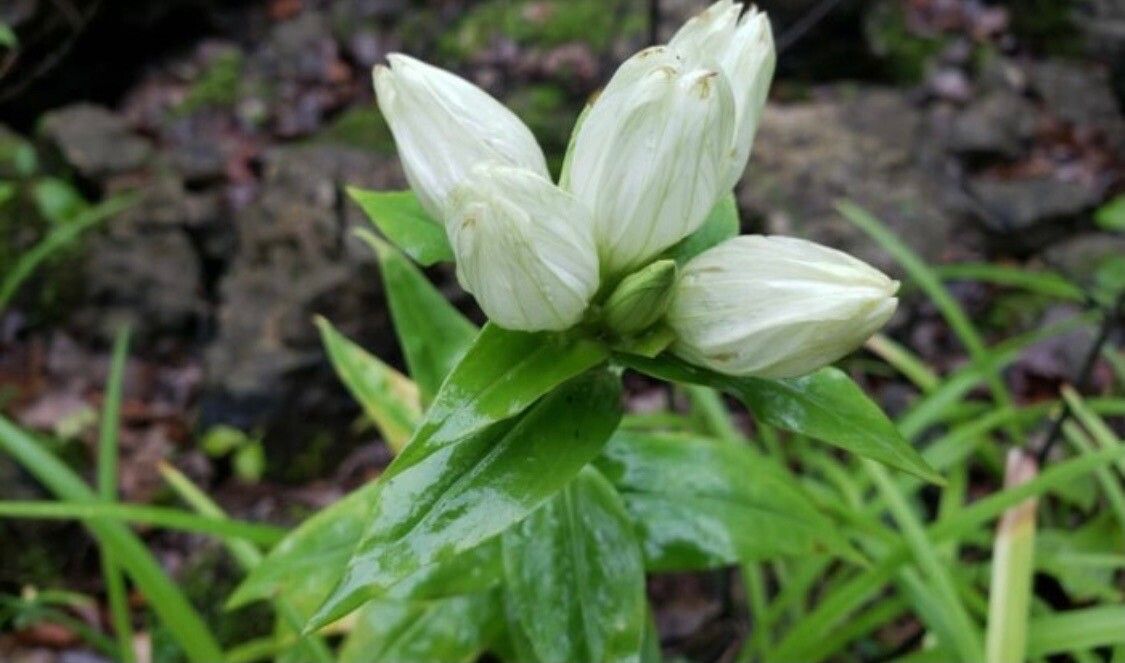
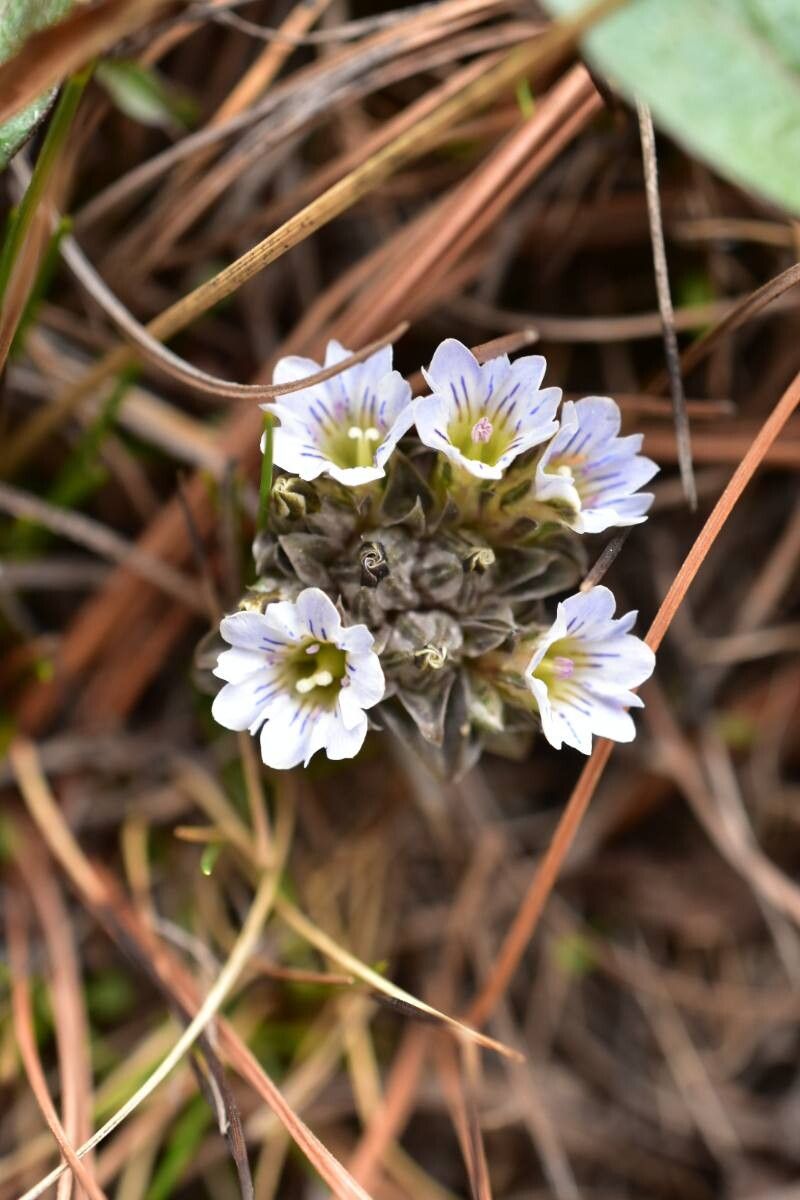
Gentiana purpurea, commonly known as the purple gentian, is a perennial herbaceous plant in the Gentianaceae family. Native to Europe, it thrives in damp meadows, rocky slopes, and alpine regions. The plant can reach a height of up to 60 cm and features a basal rosette of dark green, lance-shaped leaves.
The flowers of Gentiana purpurea are trumpet-shaped with five petals, displaying colors that range from deep blue-purple to violet-blue. Blooming from July through September, these nectar-rich flowers attract pollinators such as bees and butterflies.
Historically, the purple gentian has been valued for its medicinal properties. Its bitter components stimulate digestion, and it has been utilized as a natural remedy for various ailments including fever, liver disorders, anemia, and rheumatism.
In addition to its medicinal uses, Gentiana purpurea is a visually striking addition to any garden. Its vibrant blooms provide a splash of color in late summer, a period when many other plants have ceased flowering. The plant prefers moist, well-drained soil but can tolerate some drought conditions once established.
Overall, Gentiana purpurea is a beautiful plant with both aesthetic appeal and medicinal benefits, making it a valuable addition to gardens and traditional medicine practices.
Botanical profile.
- Plant Type
- Herb
- Life Cycle
- Perennial
- Genus
- Gentiana
- Family
- Gentianaceae
- Hardiness Zone
- 4-8
- Mature Height
- 61 cm
- Mature Spread
- 20 cm to 30 cm
- Leaf Color
- Dark Green
- Leaf Type
- Semi-evergreen
- Flower Color
- Red, Purple, Brown
- Flower Size
- 4.06 cm to 6.35 cm
- Bloom Time
- Early summer, Mid summer
- Planting Time
- Winter, Spring
- Harvest Time
- Late summer, Early fall
- Native Area
- Norway, Germany, Austria, Italy, Switzerland, France
Other names.