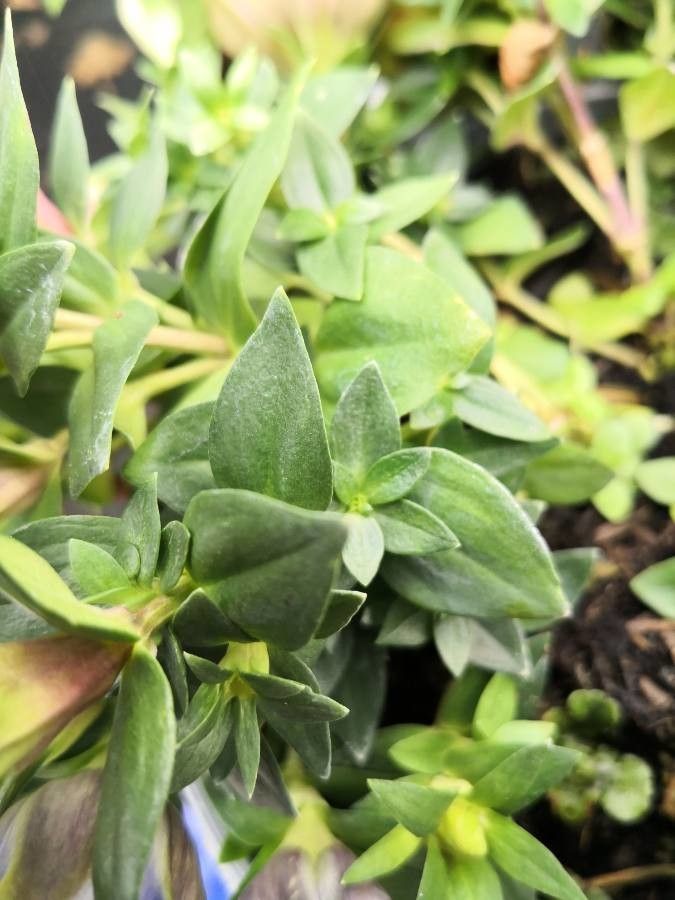
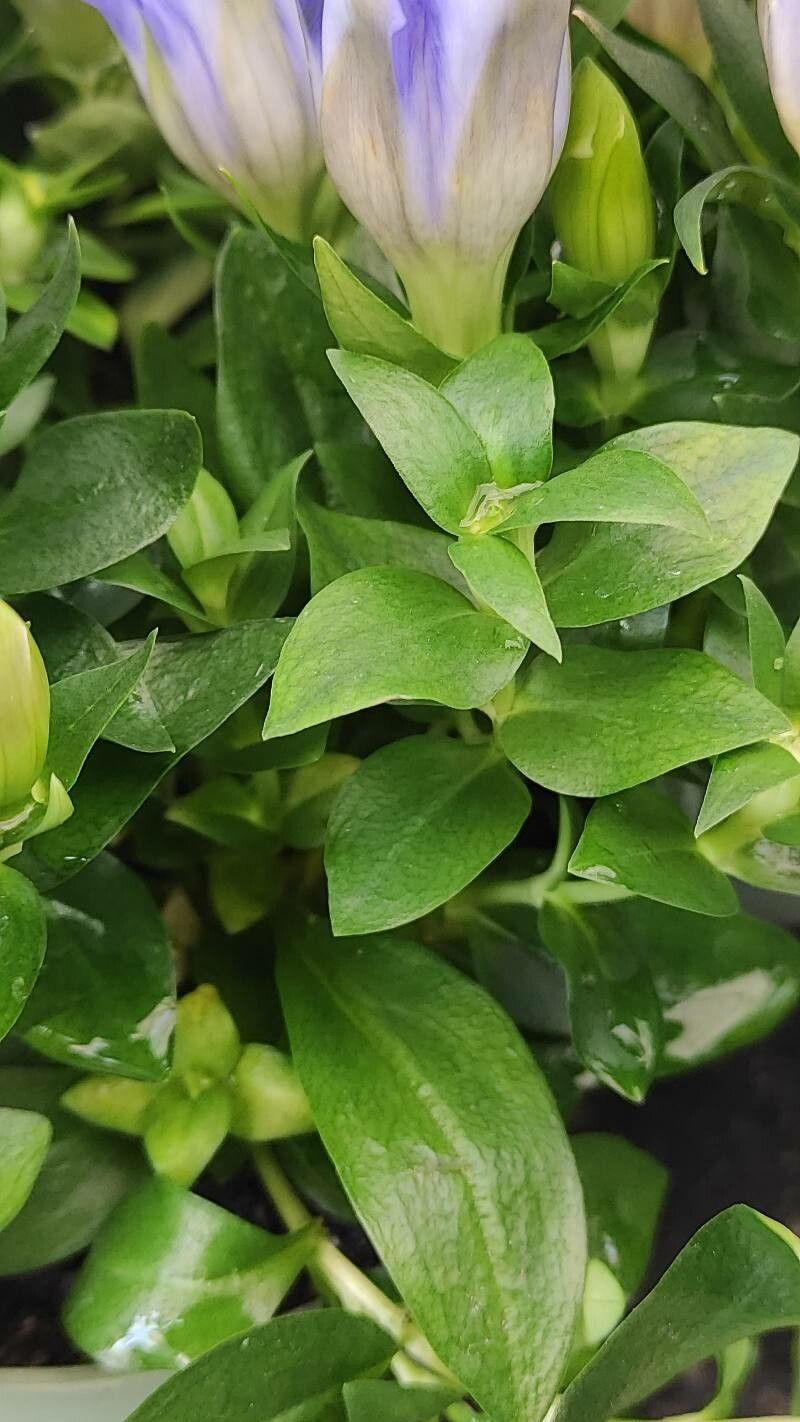
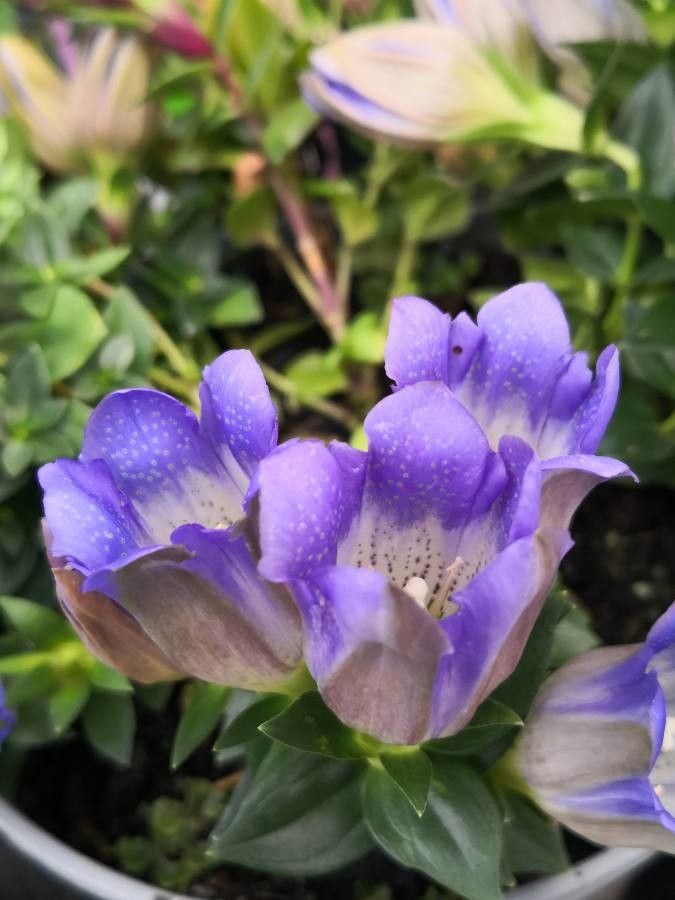
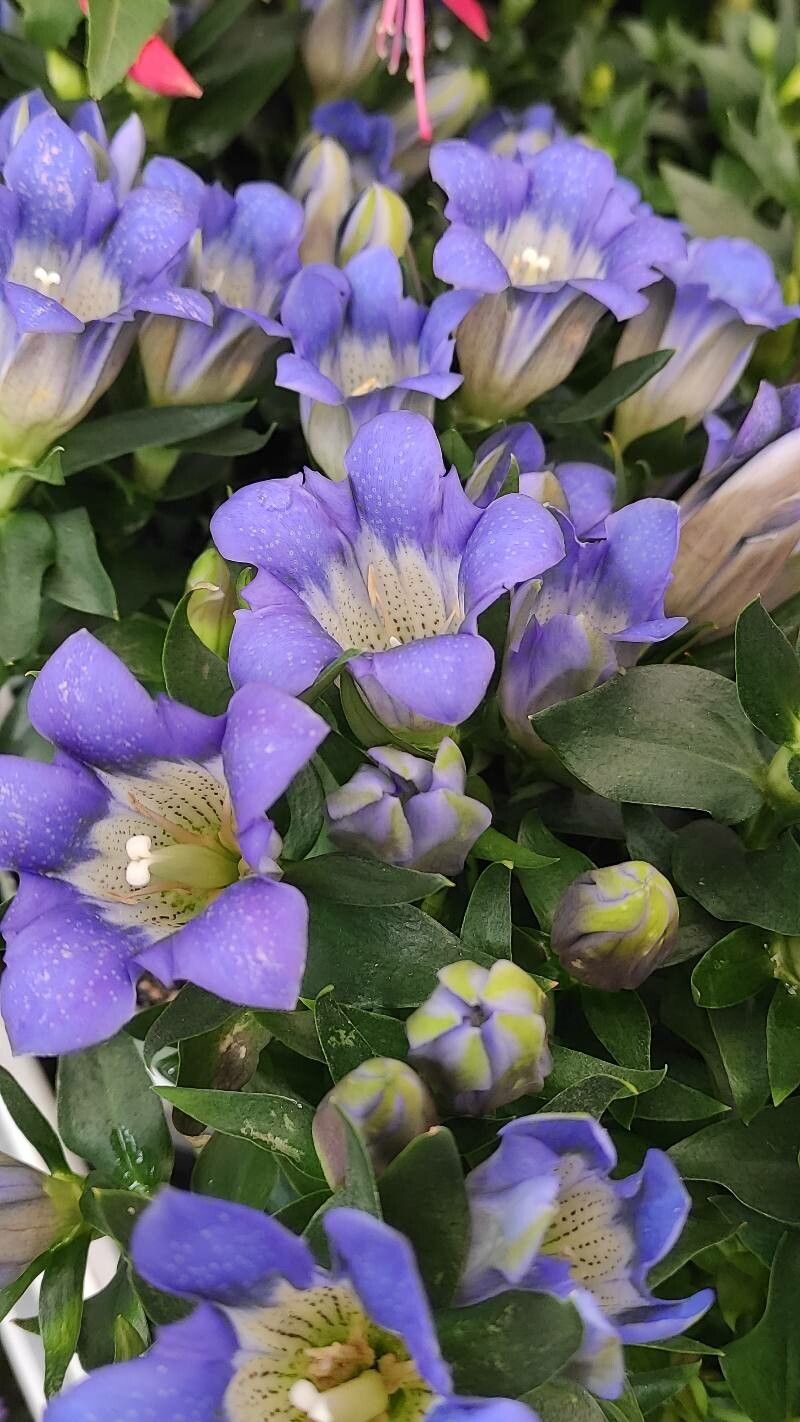
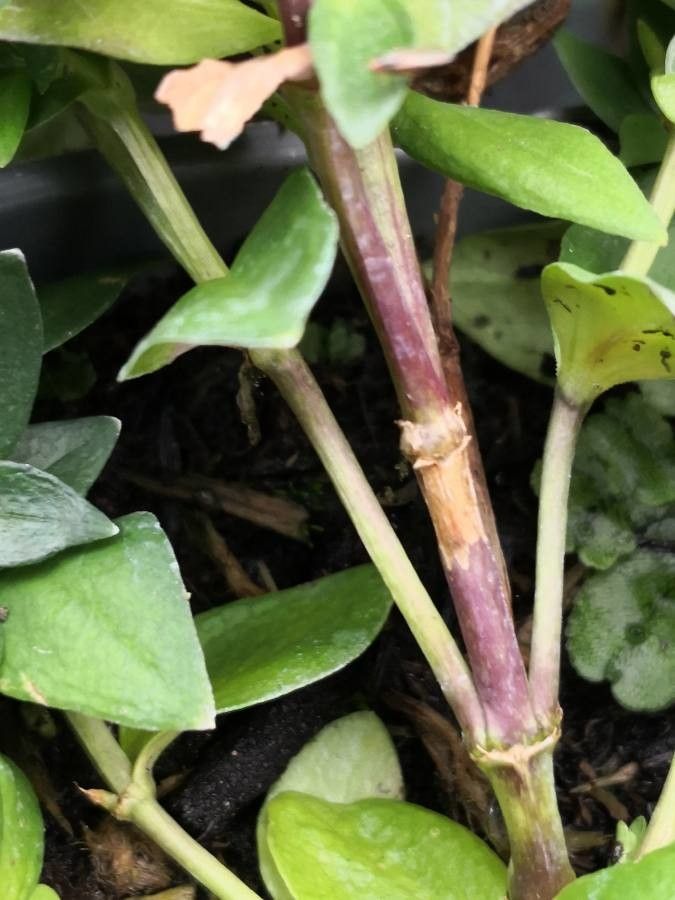
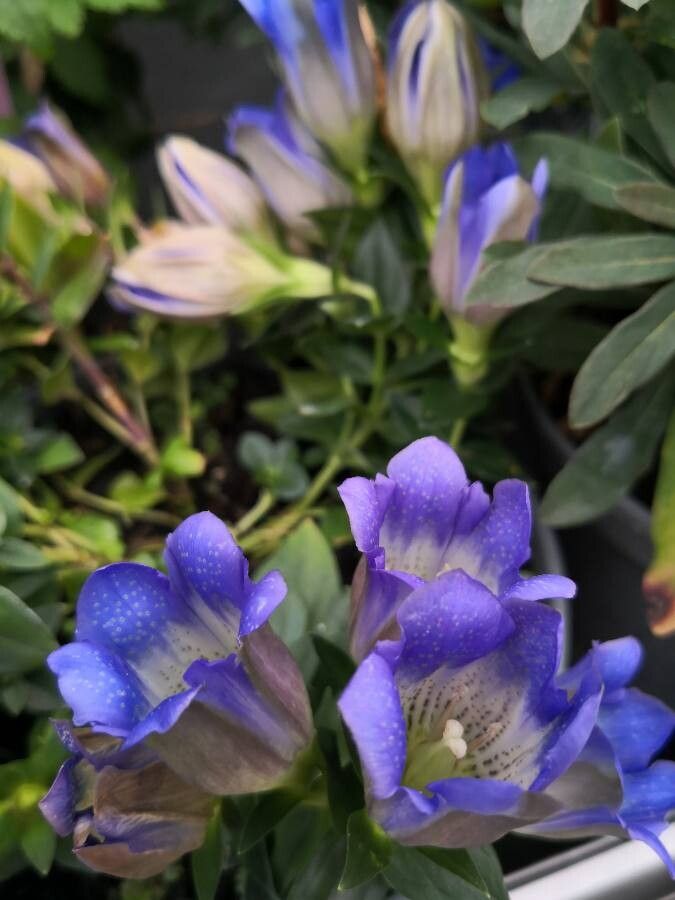
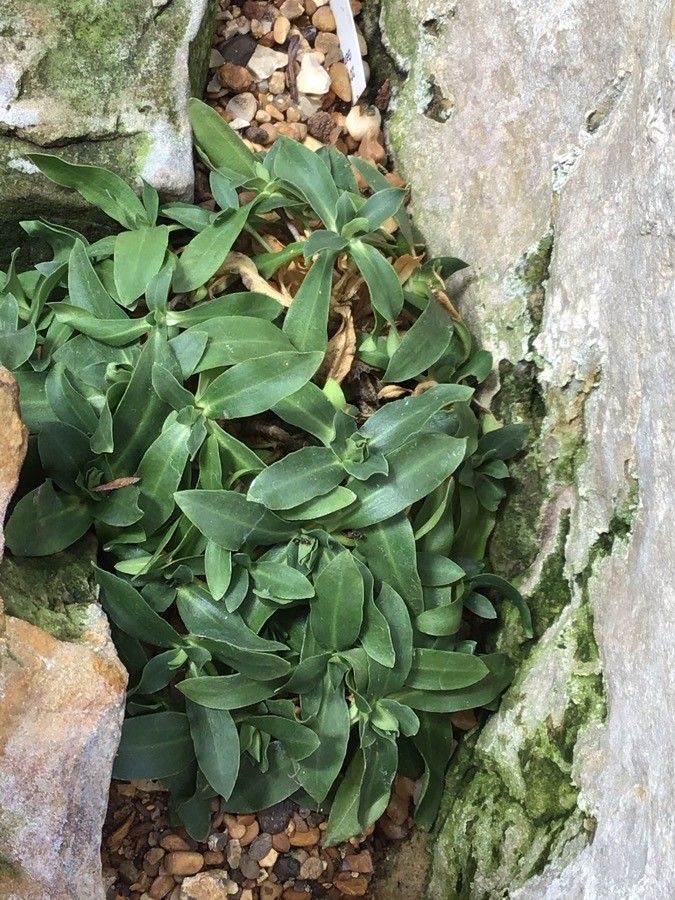
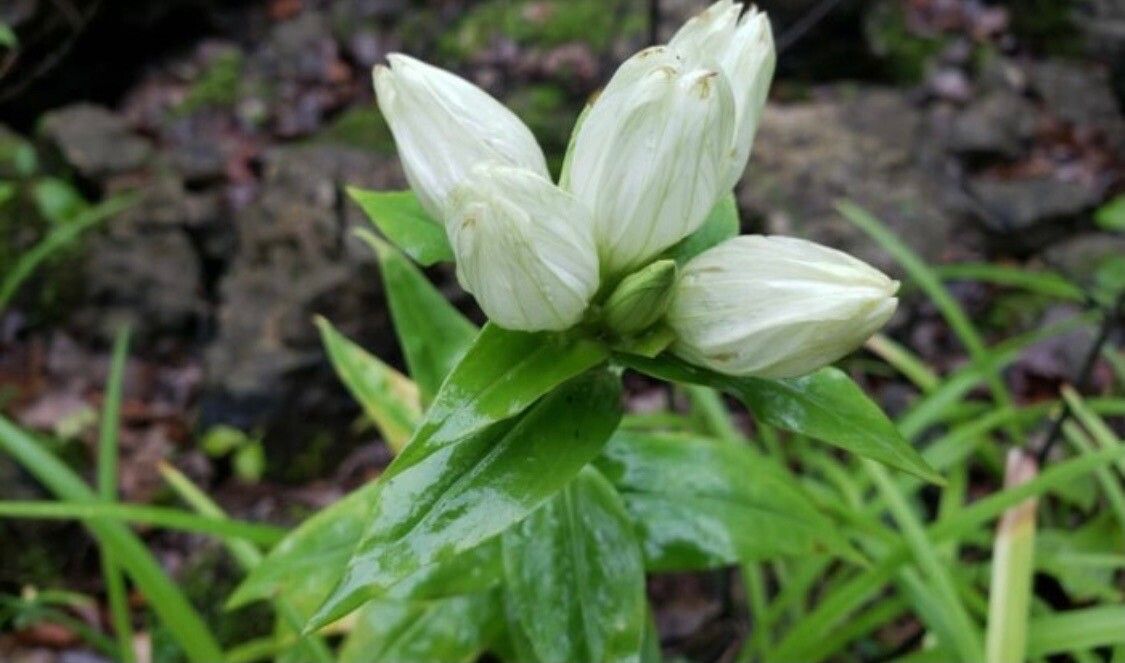
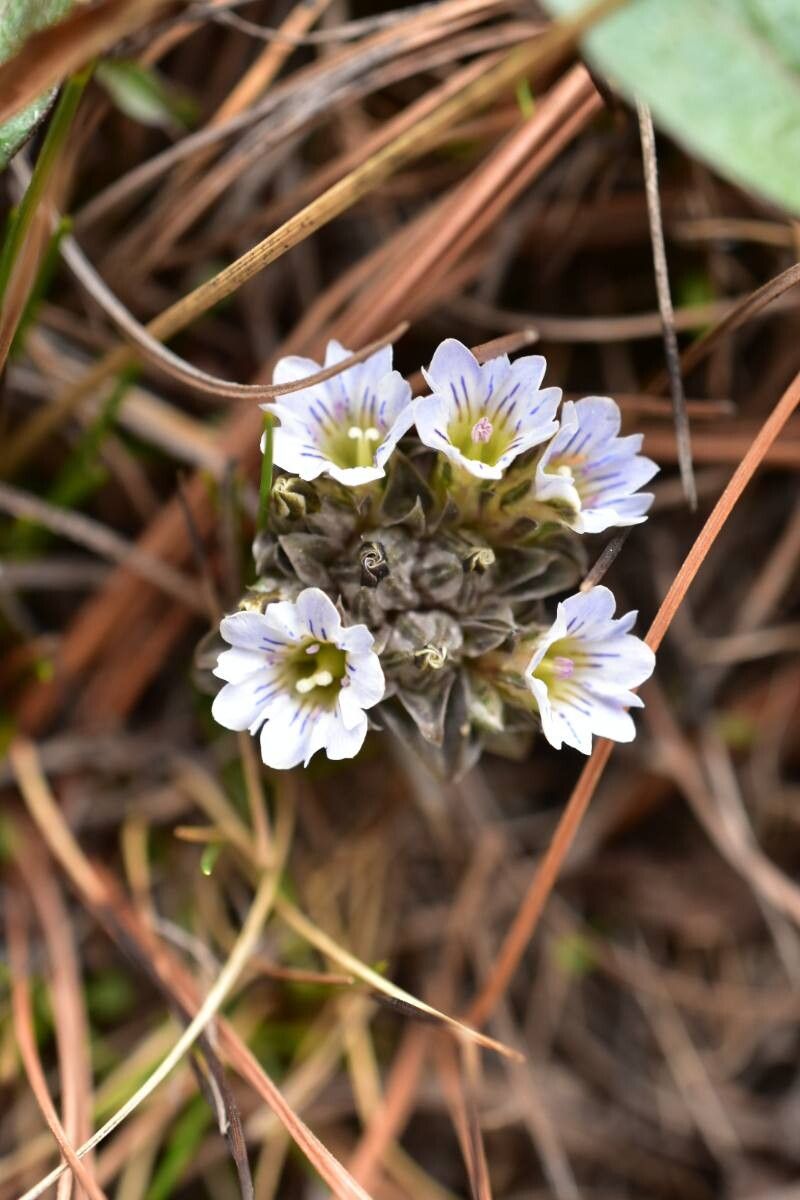
Gentiana scabra, the Japanese gentian, is a species of flowering plant in the Gentian family (Gentianaceae), found in much of East Asia. The flowers bloom in mid-summer, autumn and are blue or dark blue in color.
Japanese gentian is quite resistant to disease and typically not susceptible to illnesses. Still, it can be affected by pests and diseases present in its environment, though such infections are generally mild. Regarding care, this plant needs moderate attention. It requires regular pruning to maintain a tidy appearance and support healthy growth. Fertilizing can also help stimulate flowering. Japanese gentian is well suited for anyone with outdoor space, such as a garden or patio, and does not demand extensive care experience. It may need more attention when cultivated indoors.
How to keep Gentiana Scabra.
Light
Japanese gentian does best when provided with a balance of sun and shade during the day. While continuous direct sunlight won't harm it, it does prefer some shelter. Native to areas with dappled light, too much or too little illumination can hinder its vigorous growth and flowering.
Water
Native to temperate regions, Japanese gentian thrives in moist environments with consistent hydration. To maintain optimal moisture levels without causing waterlogging, water the plant weekly. Known for its vibrant blooms, this outdoor plant requires careful watering to achieve peak flowering performance.
Temperature
In its native environment, Japanese gentian prospers at temperatures of 68 to 95°F (20 to 35°C). This temperature range supports its best growth. Seasonal care may need to account for colder conditions.
Fertilizer
The best time to fertilize a Japanese gentian is in early spring, as it comes out of dormancy and begins active growth. Fertilization supplies essential nutrients needed for healthy development. Although Japanese gentian has relatively modest fertilizer requirements, applying fertilizer annually can improve its survival and encourage better, longer-lasting flowers.
Pruning
Japanese gentian, known for its vibrant blue flowers, benefits significantly from pruning. It's best to prune the plant in early to late spring, focusing on removing any dead stems to promote healthy growth and blooming. Making clean, precise cuts helps improve air circulation and light penetration, which enhances the plant's overall health.
Pot & Repot
Repot Japanese gentian every 2 to 3 years in early spring. Use a container that is slightly larger than the root ball to prevent waterlogging. After repotting, keep the soil moist and provide partial sunlight. This will help ensure a smooth transition and promote healthy growth.
Botanical profile.
- Plant Type
- Herb
- Life Cycle
- Perennial, Annual
- Genus
- Gentiana
- Family
- Gentianaceae
- Hardiness Zone
- 3-8
- Mature Height
- 30 cm to 61 cm
- Mature Spread
- 20 cm
- Leaf Color
- Green
- Leaf Type
- Semi-evergreen
- Flower Color
- Blue
- Flower Size
- 7.62 cm to 15.24 cm
- Bloom Time
- Late summer, Early fall, Mid fall
- Planting Time
- Spring, Summer
- Harvest Time
- Mid fall, Late fall, Early winter
- Native Area
- Russia, Japan, Koppen, South Korea, China
Other names.
Reader questions.
What are the sunlight requirements for Japanese gentian?
Japanese gentian thrives in environments that offer a balance of sun and shade throughout the day. It requires partial sun, about 3-6 hours of sunlight, to full sun, which is above 6 hours of sunlight daily. The plant does best when it receives a mixture of both light and shade, mimicking its natural habitat conditions. While it can tolerate full sun exposure, some protection from the intense midday sun helps maintain its health and vigor. It's important to observe the movement of sunlight in your garden and select planting spots that offer the ideal light conditions for this plant.
What are the optimal growing conditions for Japanese gentian?
Japanese gentian thrives best in its native habitat where the optimal temperature range is between 68 to 95°F (20 to 35°C). It is able to achieve optimal growth within this temperature range. Despite its robust cold resistance, ensuring the plant is well-cared for during colder weather is advisable to maintain its health and vigor.
How does artificial lighting support Japanese gentian growth?
Artificial lighting is crucial for supporting the growth of Japanese gentian, especially when natural sunlight is insufficient, such as during winter or in less sunny indoor spaces. Indoor plants can benefit significantly from artificial lights, which promote healthier and faster growth. LED lights are recommended for their ability to be adjusted to provide specific wavelengths needed by plants. For optimal growth under artificial light, full sun plants should get 30-50W/sq ft, partial sun plants need 20-30W/sq ft, and full shade plants require 10-20W/sq ft of light. It's important to place the light source 12-36 inches above the plant to mimic natural sunlight conditions and ensure the plant receives 8-12 hours of light per day.
How should you protect Japanese gentian in winter?
Due to its strong cold resistance, Japanese gentian usually does not require special frost protection measures during winter. If however, temperatures are expected to plummet below -35°C, it's crucial to safeguard the plant. This can be done by covering it with insulating materials such as soil or straw. Additionally, abundantly watering the plant before the first freeze in autumn helps the soil stay moist and freeze, which is beneficial for preventing drought and water scarcity during the colder months and into early spring.
What are the symptoms of light deficiency in Japanese gentian?
When Japanese gentian does not receive adequate light, it displays various symptoms indicating light deficiency. These include the development of smaller leaves compared to older ones, leggy or sparse growth characterized by longer spaces between stems or leaves, and a tendency for faster leaf drop as the plant tries to conserve resources. The plant may also exhibit slower or halted growth, lighter-colored or chlorotic new leaves indicating a lack of chlorophyll, and symptoms of overexposure like sunscald, leaf curling, wilting, and leaf scorching. These signs reflect the plant's struggle to adapt to insufficient or excessive light conditions.
What are the symptoms of Japanese gentian being exposed to low temperatures?
Japanese gentian is known for its cold tolerance, ideally thriving when temperatures are above 20°C and maintained above 0°C during winter. Exposure to temperatures below -35°C might not show immediate alterations during winter but can lead to decreased sprouting or complete lack of sprouting come springtime.
How can I address light-related issues for a Japanese gentian plant?
To address light-related issues in Japanese gentian, gradually acclimatize the plant to its ideal light conditions. For indoor plants, move them to sunnier locations each week until they receive the necessary 3-6 hours of direct sunlight daily. If moving the plant isn't feasible, consider using artificial lighting, like desk lamps or professional grow lights, for at least 8 hours a day. For outdoor plants, also gradually shift them to appropriate sunlight spots, avoiding sudden exposures that can cause sunburn. If obstruction is an issue, particularly for ground plants, pruning or transplanting during the dormant period may be necessary to ensure sufficient sunlight and promote healthy growth.
What should be done if a Japanese gentian is adversely affected by low temperatures in spring?
If a Japanese gentian is negatively impacted by low temperatures resulting in decreased or no sprouting in spring, it is recommended to remove any parts of the plant that have failed to sprout to encourage new growth and maintain the plant's overall health.
How does high temperature affect Japanese gentian and what solutions exist?
During the summer, Japanese gentian should ideally be kept in conditions below 35°C. Exposing the plant to temperatures above 38°C can lead to various symptoms such as lighter leaf color, leaf curling, sunburn, and in severe cases, wilting and drying of the entire plant. To counteract these effects, prune away the damaged parts of the plant, relocate it to a shaded area or utilize a shade cloth to protect it from the harshest sun rays. Furthermore, watering the plant during cooler morning and evening times can help keep the soil adequately moist.