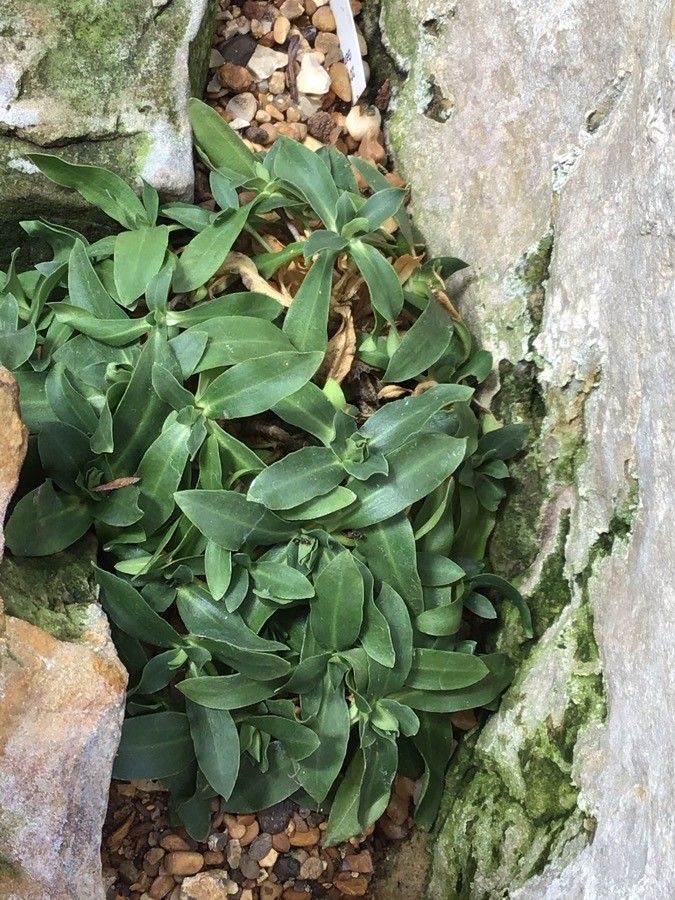
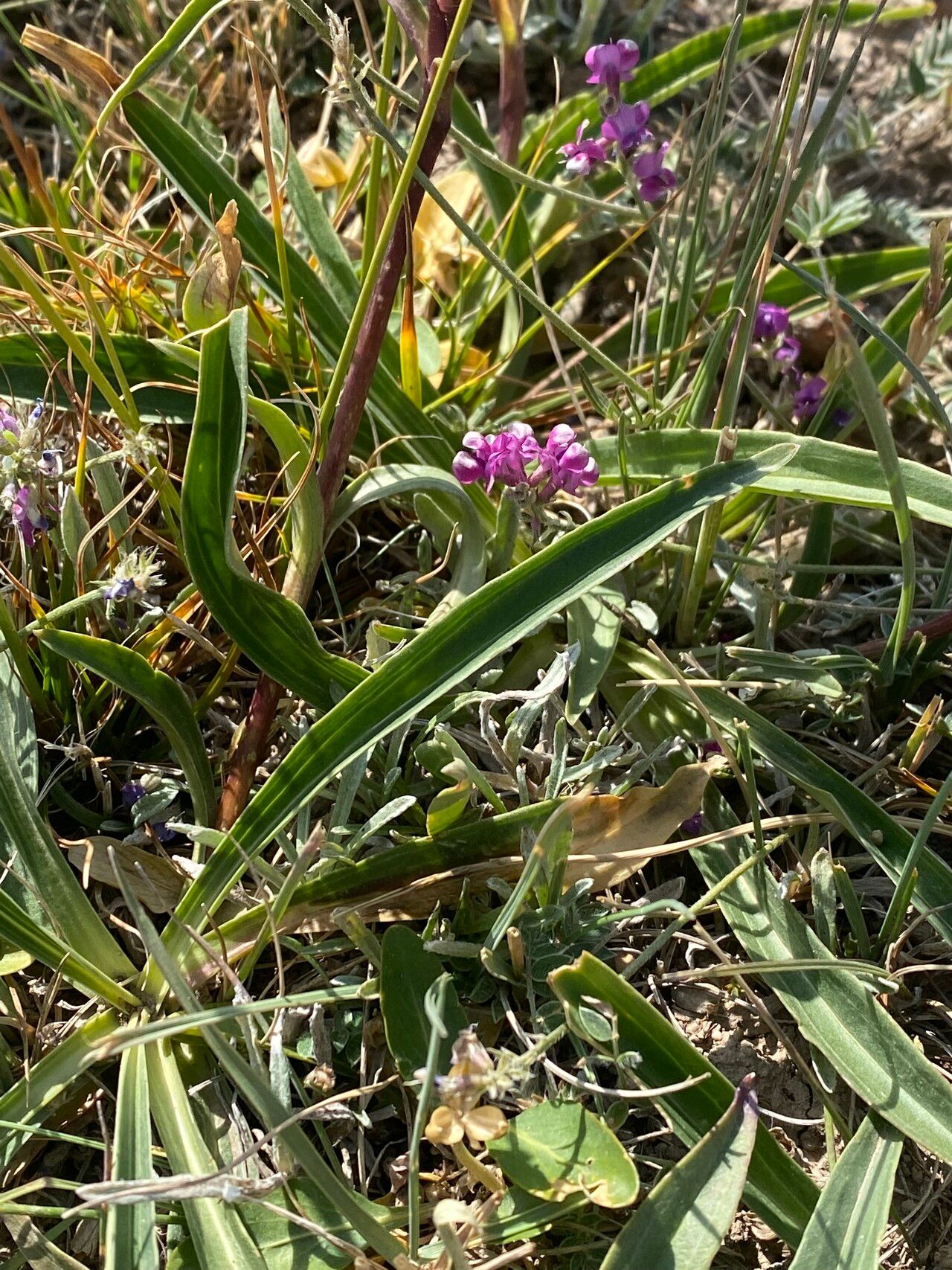
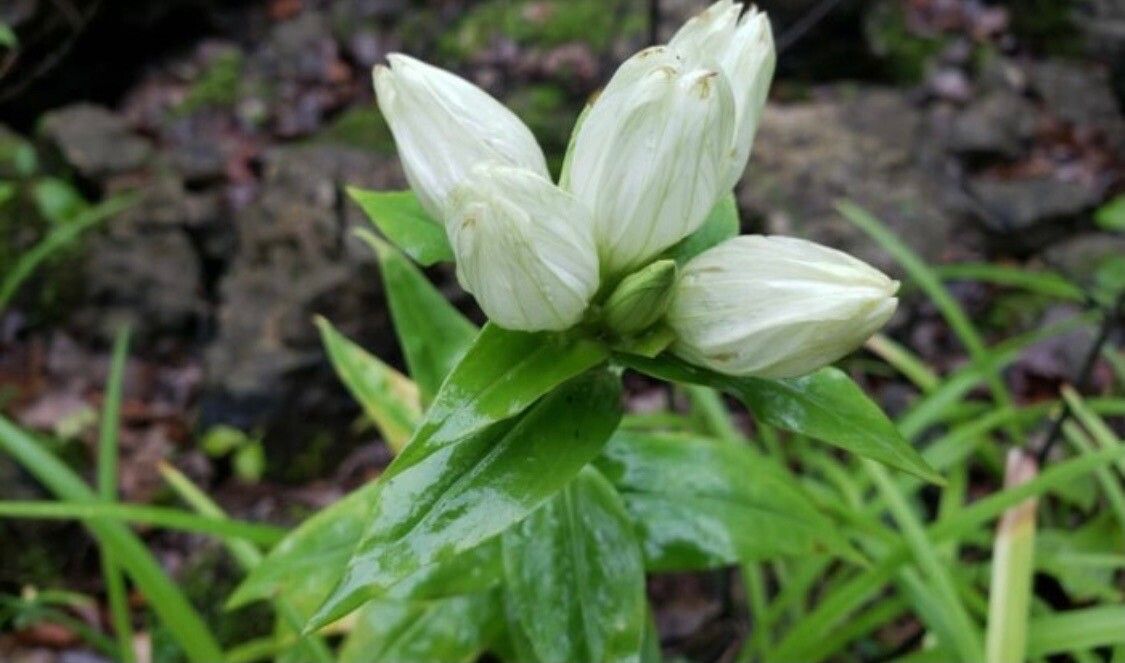
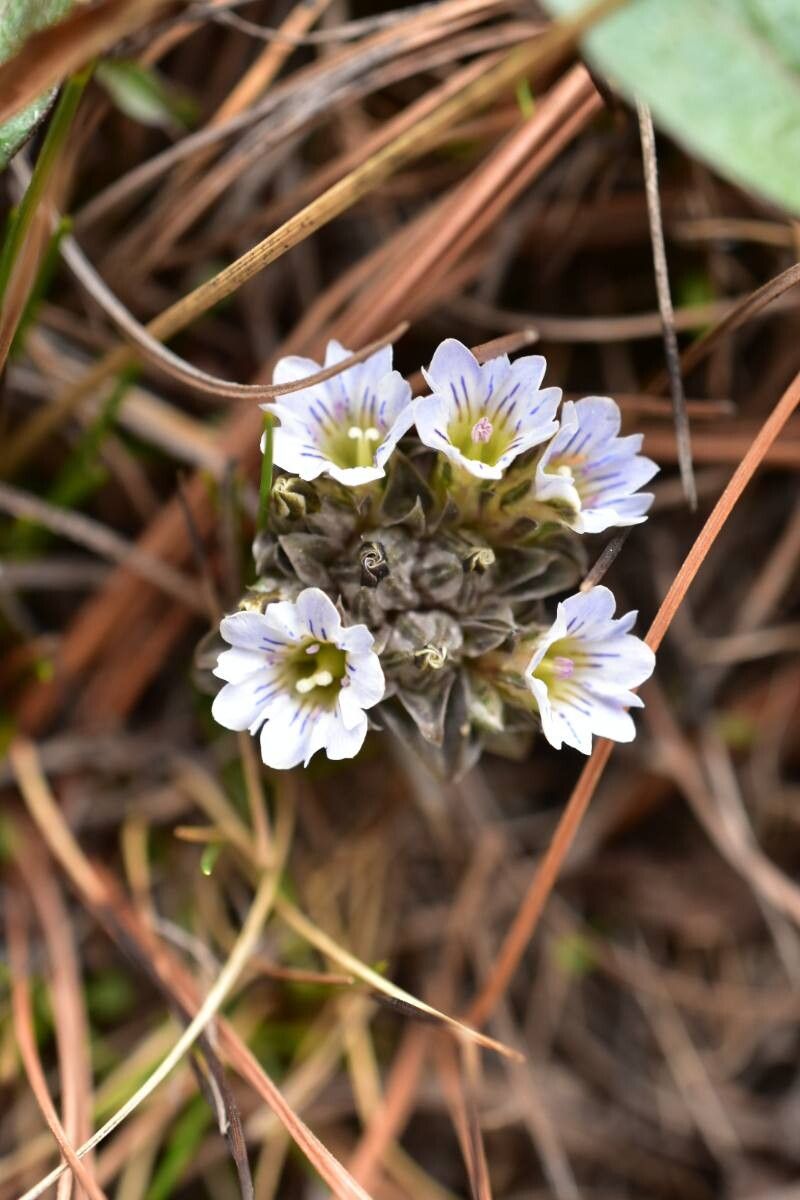
Gentiana villosa, commonly known as hairy gentian, is a perennial herbaceous plant belonging to the Gentianaceae family. It is native to western North America, including regions such as Alaska and Canada. This plant typically grows up to 60 cm in height and features a basal rosette of lance-shaped, hairy leaves.
The flowers of Gentiana villosa are trumpet-shaped with five petals, ranging in color from deep blue to purple. Blooming from mid-summer through early fall, these flowers attract pollinators like bees, butterflies, and hummingbirds.
Hairy gentian thrives in moist soils found in open meadows or along stream banks at high elevations, typically ranging from 1,500 to 3,500 meters above sea level. Indigenous people have traditionally used this plant for medicinal purposes, particularly for treating digestive disorders such as stomachaches.
In addition to its medicinal uses, Gentiana villosa is valued by horticulturists for its striking blue flowers. However, it can be challenging to cultivate outside its natural habitat due to its specific soil requirements.
Overall, Gentiana villosa is an attractive wildflower with medicinal properties, found naturally in high elevations across western North America.
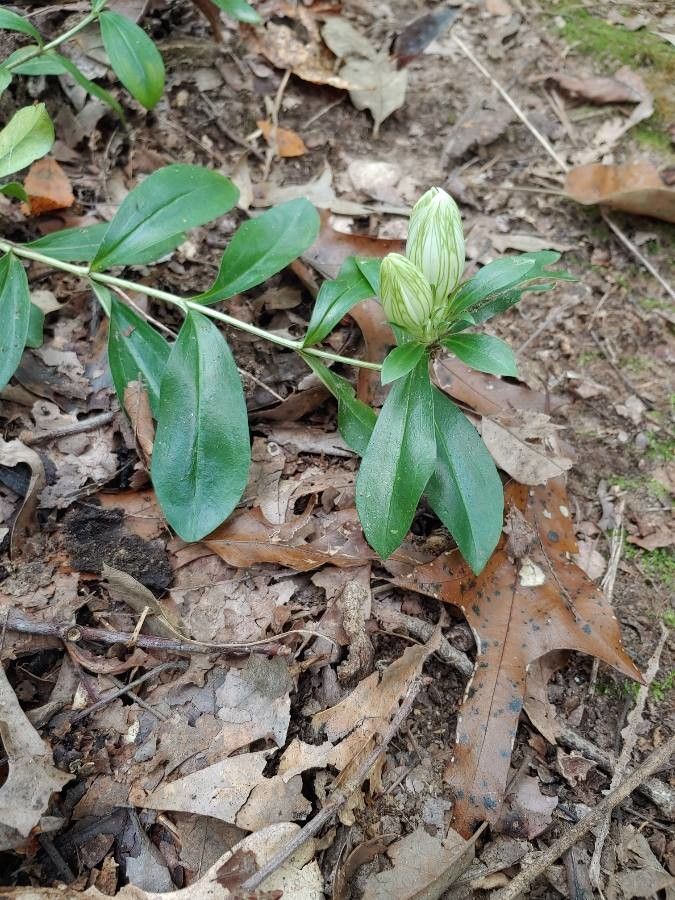
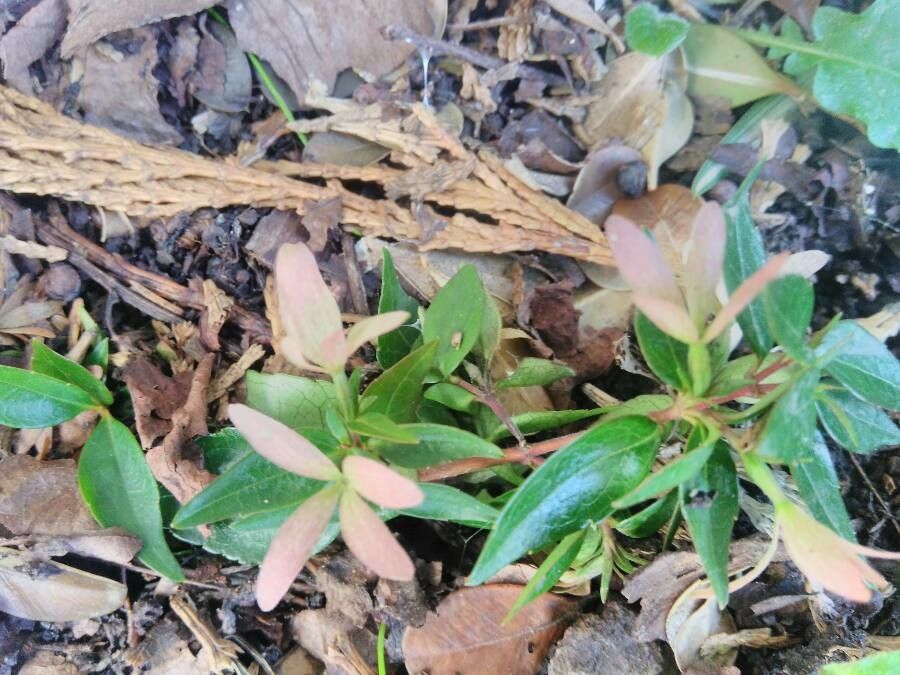
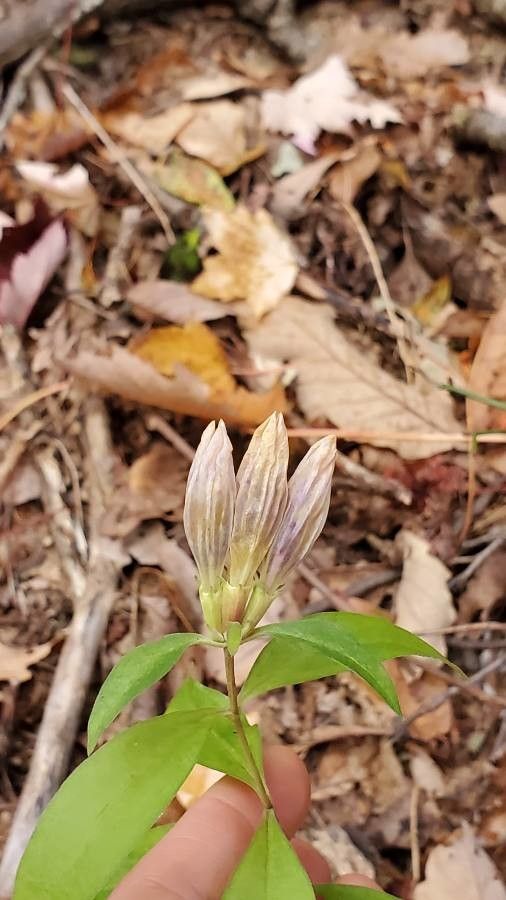
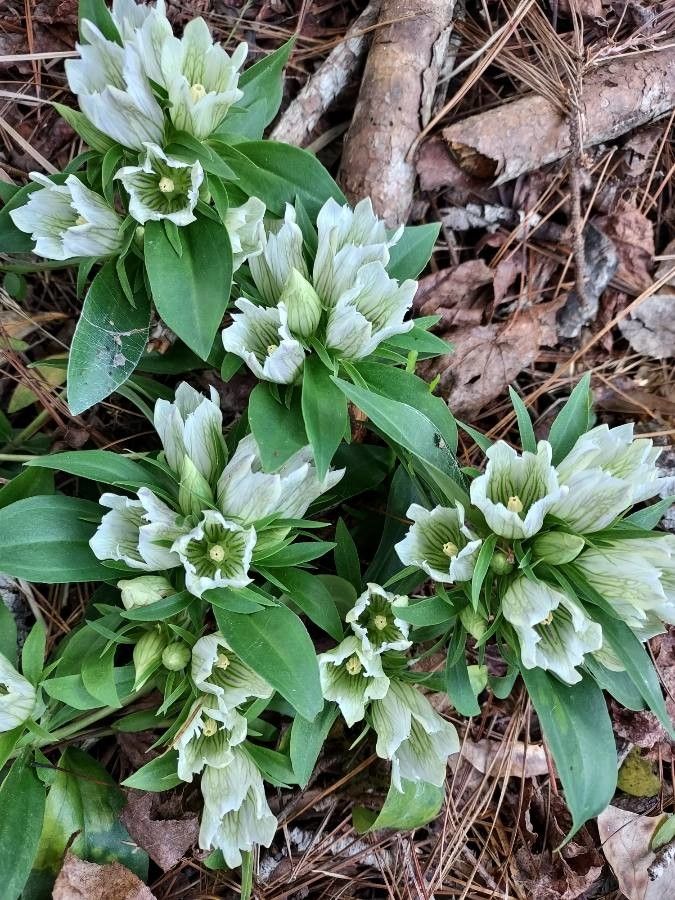
In the Home
Striped gentian has strong disease resistance and is generally not very susceptible to disease. Nevertheless, it can be affected by pests and diseases present in its environment. Such infections are generally mild. Care-wise, this plant needs a moderate amount of maintenance. It should be pruned regularly to keep a neat appearance and encourage healthy growth. Applying fertilizer can also help stimulate flowering. Striped gentian is well suited to anyone with an outdoor area, such as a garden or patio, and does not demand extensive gardening experience. It may need additional attention when grown indoors.