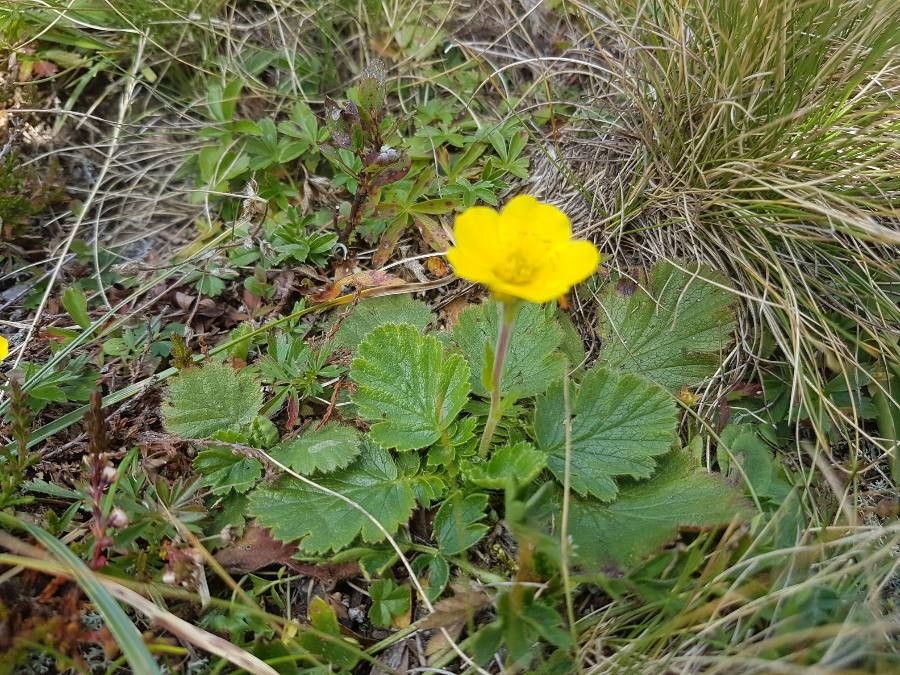
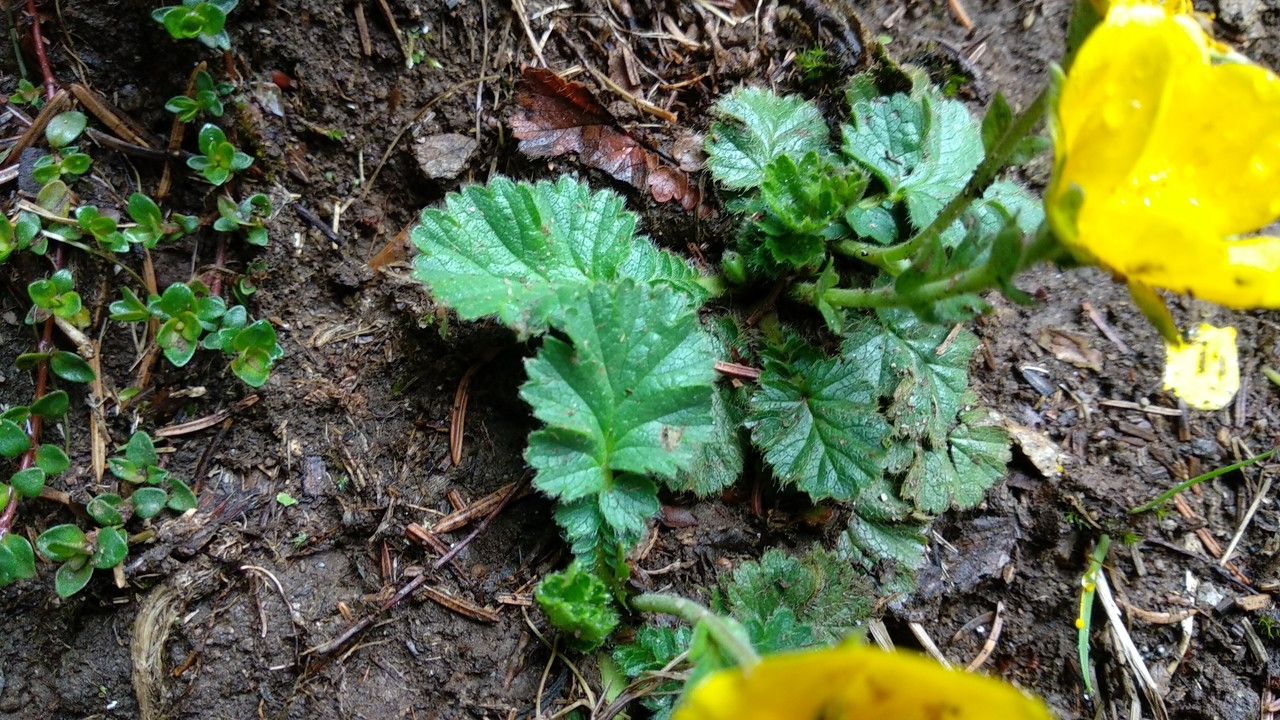
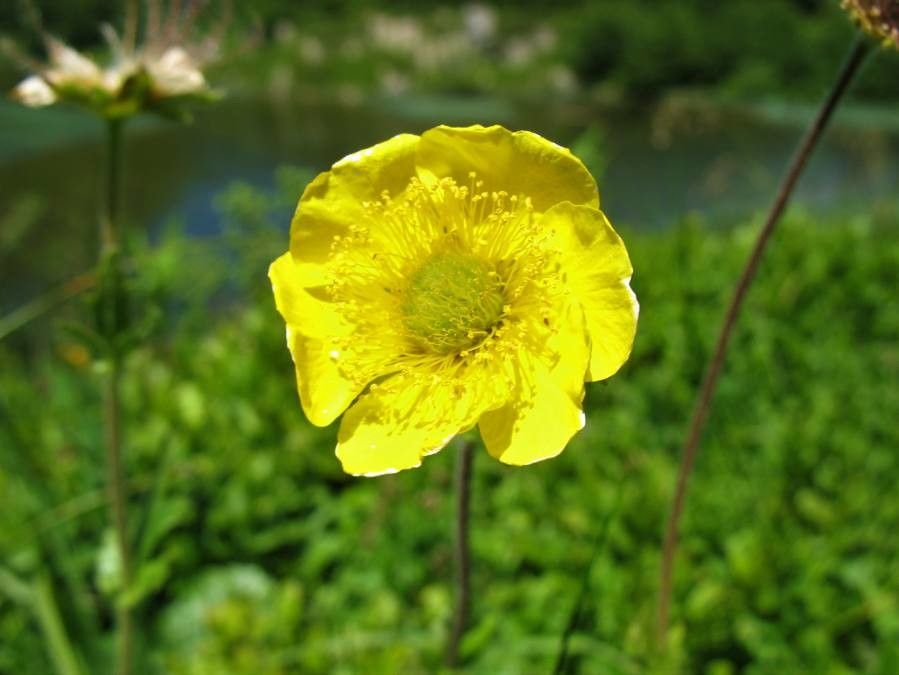
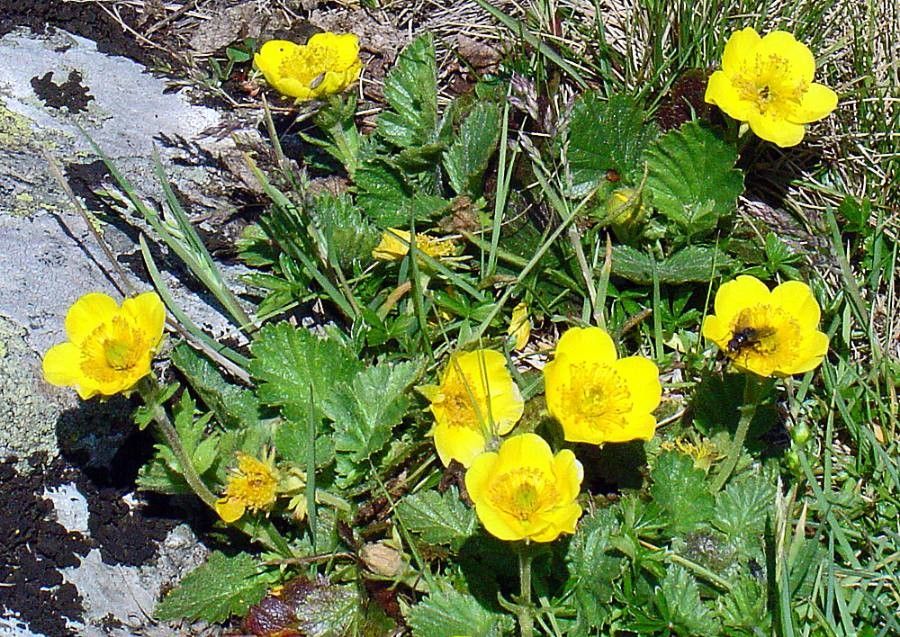
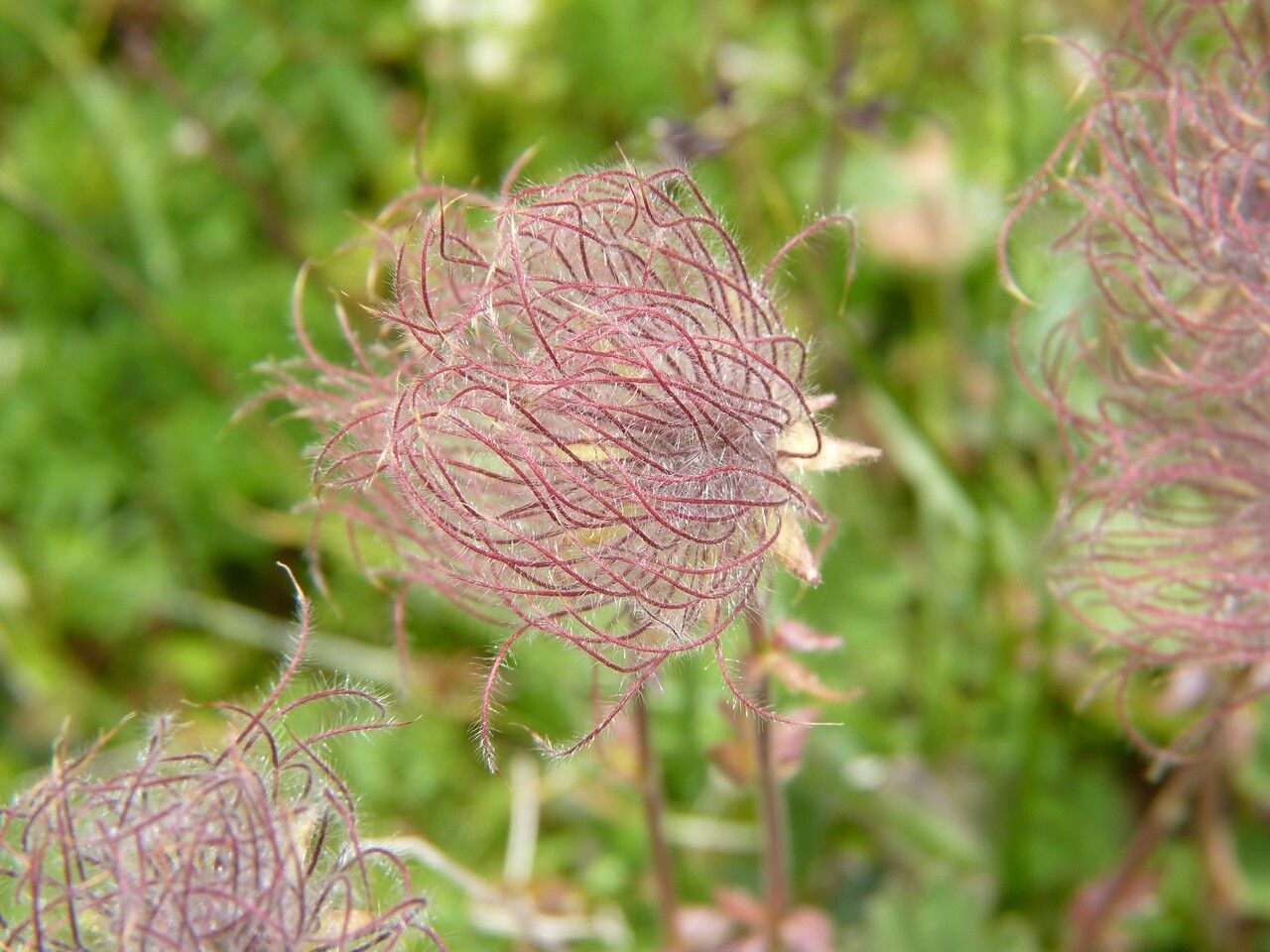
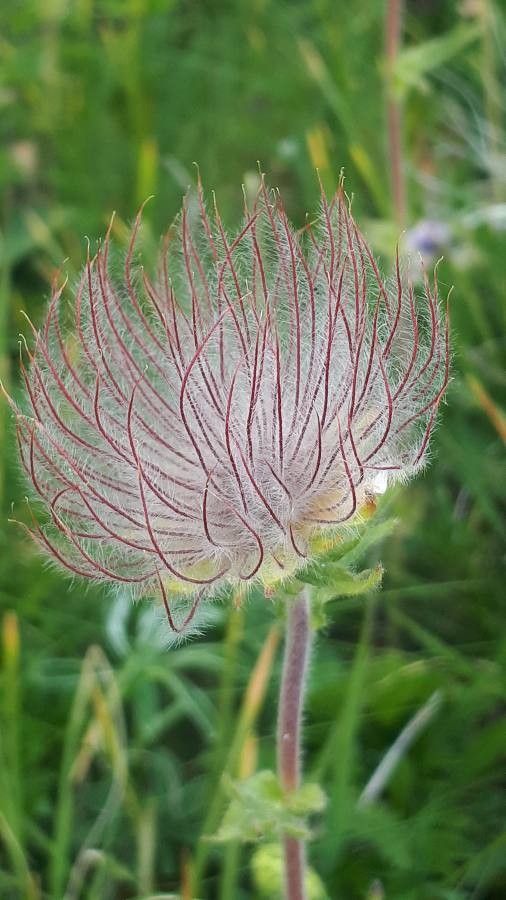
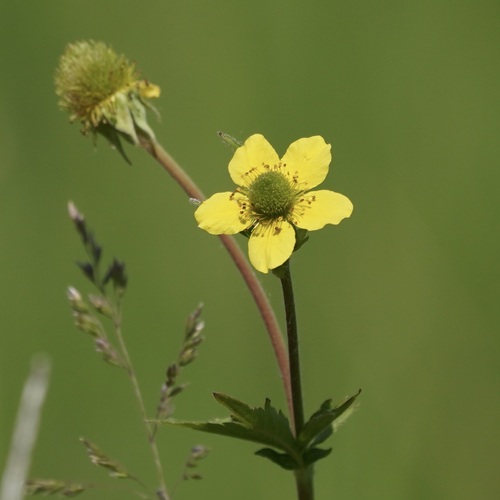
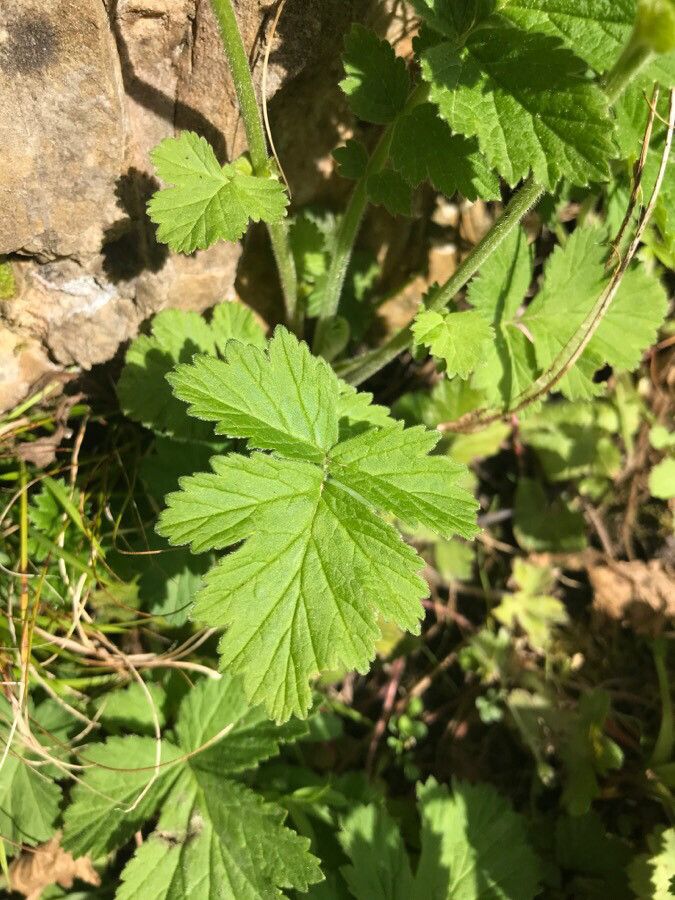
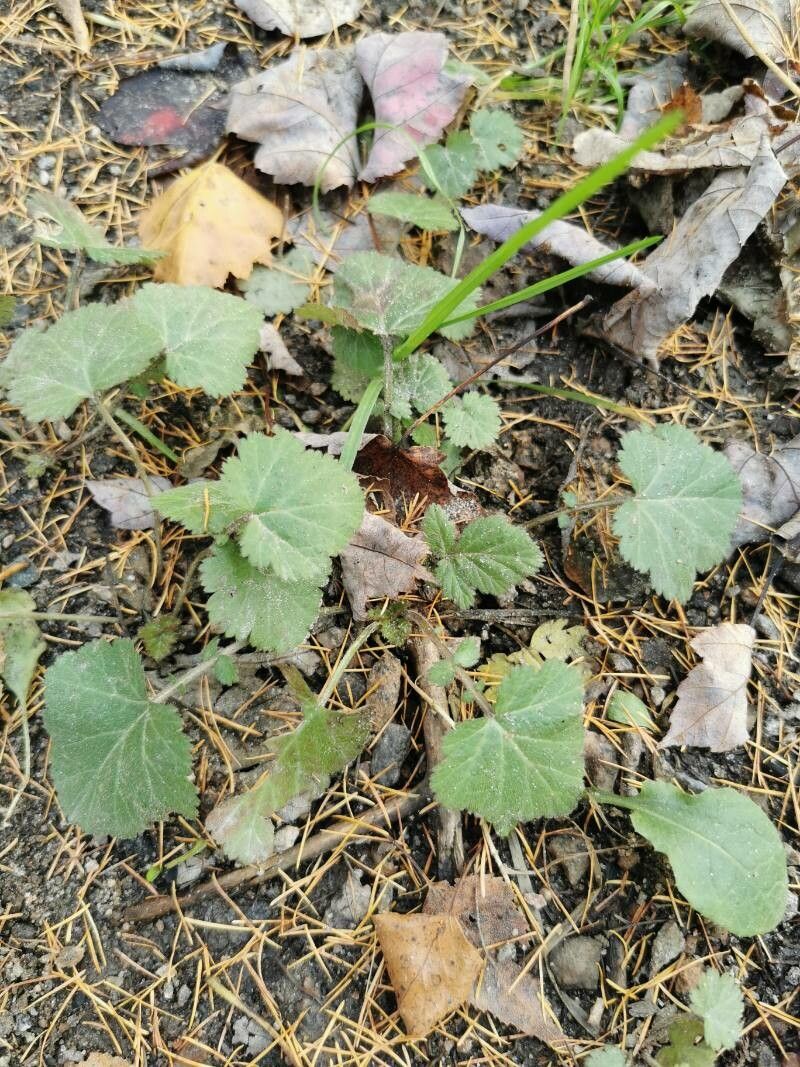
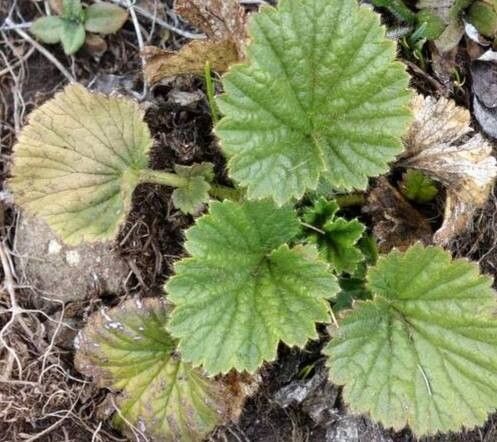
Geum montanum, the Alpine avens, is a species of flowering plant of the genus Geum in the Rosaceae family, native to the mountains of central and southern Europe.
Alpine avens has good disease resistance and is generally unlikely to suffer from diseases. However, it can be vulnerable to pests and diseases present in its surroundings. These infections are typically not serious. Regarding care, this plant needs moderate maintenance. It should be pruned regularly to maintain an attractive appearance and healthy growth. Fertilizing can also help encourage flowering. Alpine avens is suitable for anyone with an outdoor area, such as a garden or patio, and does not require extensive care experience. It may need more attention when grown indoors.
How to keep Geum Montanum.
Light
Alpine avens grows best with abundant sunlight, though it can tolerate some shaded conditions. Native to alpine habitats, the plant is adapted to intense sunlight and the warmth that supports its optimal growth. However, too much or too little sun can interfere with its health and development.
Water
Alpine avens, a plant native to alpine regions, thrives in well-drained soils with consistent moisture and can tolerate short periods of dryness. For optimal health, it should be watered weekly. The plant adapts well to cooler temperatures and natural rainfall, making it less reliant on irrigation during its dormant phase.
Temperature
Alpine avens is a plant native to alpine environments and well adapted to harsh temperatures. Its ideal temperature range is 32 to 90°F (0 to 32℃), and it tolerates colder seasons easily. When temperatures climb significantly, careful watering is advised.
Fertilizer
The primary time to fertilize Alpine avens is in early spring, when the flowers are beginning to form. Using the proper fertilizer promotes better blooms and helps Alpine avens produce attractive flowers. Fertilizing in early spring ensures strong flowering through the season and supplies energy for dormant growth phases.
Pruning
Alpine avens thrives with careful pruning. In early spring, trim away old foliage, and in late spring, deadhead the spent blooms to promote growth and encourage a second bloom cycle. Avoid heavy pruning, as it can stress the plant. By following these guidelines, you'll ensure a healthier plant with greater ornamental appeal.
Botanical profile.
- Plant Type
- Herb
- Life Cycle
- Perennial
- Genus
- Geum
- Family
- Rosaceae
- Hardiness Zone
- 3-7
- Mature Height
- 15 cm
- Mature Spread
- 30 cm
- Leaf Color
- Green
- Leaf Type
- Evergreen
- Flower Color
- Yellow
- Flower Size
- 2.54 cm
- Bloom Time
- Mid spring, Late spring, Early summer
- Planting Time
- Spring, Summer
- Harvest Time
- Mid summer, Late summer
- Native Area
- Austria, Czech Republic, Slovakia, Bulgaria, Poland, Greece, Croatia, Slovenia, Ukraine, Serbia, Germany, Italy, Spain, Switzerland, Albania, Romania, France
Other names.
Reader questions.
How should I water my Alpine avens to keep them healthy?
To ensure proper care for the Alpine avens plant, it is recommended to use filtered water at room temperature. This is because tap water may contain harmful particles. Since the Alpine avens is accustomed to warm environments, it is best to avoid using cold water as it can be a bit of a shock to the plant. Additionally, overhead watering should be avoided to prevent any foliage complications. Instead, simply water the plant by applying filtered room temperature water directly to the soil until it is entirely soaked. This method is beneficial as it ensures the roots are well-moistened and can continue to spread and gather necessary nutrients from the soil.
Why is it necessary to fertilize my Alpine avens?
The main structure of the Alpine avens is made up of its leaves. Fertilization plays a crucial role in keeping these leaves looking great and functioning properly. It ensures that the leaves maintain a consistent color and healthy texture. Fertilization also has benefits below the surface, promoting the growth of new roots and maintaining existing ones in the root system. This not only keeps the plant healthy in the present, but also improves its ability to absorb nutrients from the soil in the future.
What are the sunlight requirements for plants?
Plants have varying sunlight requirements to thrive. Full sun plants need above 6 hours of sunlight, while partial sun plants require about 3-6 hours of sunlight. It's essential to observe sunlight patterns in your garden to select spots that offer the right balance of light and shade, ensuring your plants grow healthily.
What is the native environment of Alpine avens?
Alpine avens, or Geum montanum, is native to alpine environments where it thrives in conditions that many other plants might find harsh. It is perfectly acclimated to withstand cold temperatures, making it an ideal plant for areas with temperatures ranging from 32 to 90°F (0 to 32°C). Even during colder seasons, Alpine avens exhibits a high tolerance to the cold and does not require additional frost protection measures.
What should I do if I give my Alpine avens too much or too little water?
Overwatering is a common issue that can harm your Alpine avens. When this happens, the stems and leaves may droop and turn yellow. Over time, diseases like root rot, mold, and mildew can develop, which can be fatal for your plant. Underwatering, on the other hand, is less common but still possible. In this case, the leaves of your Alpine avens may become brittle and brown. It's important to detect signs of overwatering early. Diseases like root rot may become irreversible if not addressed promptly. If you notice early signs, reduce your watering schedule and check the soil's drainage. Replace poorly draining soil with a loose, well-draining potting mix. If your Alpine avens shows signs of underwatering, increase your watering frequency until the signs improve.
When is the right time to add plant food to my Alpine avens?
When you grow your Alpine avens outdoors, it will produce new growth in early spring. This is the signal to start fertilizing for the year. Usually, one application of fertilizer is enough, but if you want to promote maximum growth, you can fertilize multiple times in spring and early summer. In this case, you should feed your Alpine avens approximately once a month or every month and a half.
How does Alpine avens react to sunlight exposure?
Alpine avens, known scientifically as Geum montanum, flourishes with abundant sunlight exposure, a testament to its alpine heritage where it's adapted to strong sunlight and corresponding warmth for optimal growth. Nevertheless, it's capable of enduring some shaded conditions. However, both excessive and insufficient sunlight can impact its health adversely.
How should Alpine avens be cared for in varying temperatures?
Alpine avens requires different care practices depending on the temperature. In its ideal temperature range of 32 to 90°F (0 to 32°C), it can withstand colder seasons with ease, but significant temperature rises necessitate careful watering. Before the first freeze of autumn, it's recommended to water the plant generously to ensure the soil remains moist and enters a frozen state, which helps in preventing drought and water scarcity for the plant during winter and early spring. For high temperatures exceeding 32°C, measures should include trimming sunburned parts, providing shade, and keeping the soil moist with morning and evening watering.
How often should I give water to my Alpine avens?
If your Alpine avens is in a pot, the most accurate way to check if it needs water is to stick your finger into the soil. If the top two to three inches of soil feel dry, it's time to water it. For outdoor gardens, you can use the same method. Once the first few inches of soil have dried out, it's time to water. During spring and early fall, watering once a week is usually sufficient. However, when it's very hot, you may need to water twice or more per week. Keep in mind that mature, well-established Alpine avens are often able to withstand drought.
When is it NOT a good time to fertilize my Alpine avens?
During the late fall and winter, your Alpine avens will go into a dormant phase and will not produce new growth. It is important to avoid fertilizing them during this time. In the spring and summer, if you choose to fertilize, start decreasing the amount as summer approaches because the growth rate of your Alpine avens will also slow down. It is not recommended to fertilize your Alpine avens during extremely hot weather or when the soil is very dry as it can cause stress and premature death.
What are the artificial lighting requirements for indoor plants?
Artificial lighting is crucial for indoor plants, especially in conditions of inadequate natural sunlight, like in winter or less sunny locations. LED lights are recommended due to their ability to offer specific wavelengths needed by plants. Full sun plants should get 30-50W/sq ft of artificial light, partial sun plants 20-30W/sq ft, and full shade plants 10-20W/sq ft. It's important to place the light source 12-36 inches above the plant and ensure it receives 8-12 hours of light daily to simulate natural daylight conditions.
How does Alpine avens handle extreme cold and high temperatures?
Alpine avens is extremely cold-tolerant, capable of withstanding winter temperatures above -35°C. Dropping below this temperature might not show immediate damage, but could lead to decreased or no sprouting in spring. In such cases, removing parts that failed to sprout is recommended. As for high temperatures above 32°C, Alpine avens' growth halts, and it becomes susceptible to rot. Solutions include trimming sunburned and dried-up parts, moving the plant to shaded areas, or using shade cloths, along with watering in the morning and evening to maintain soil moisture.