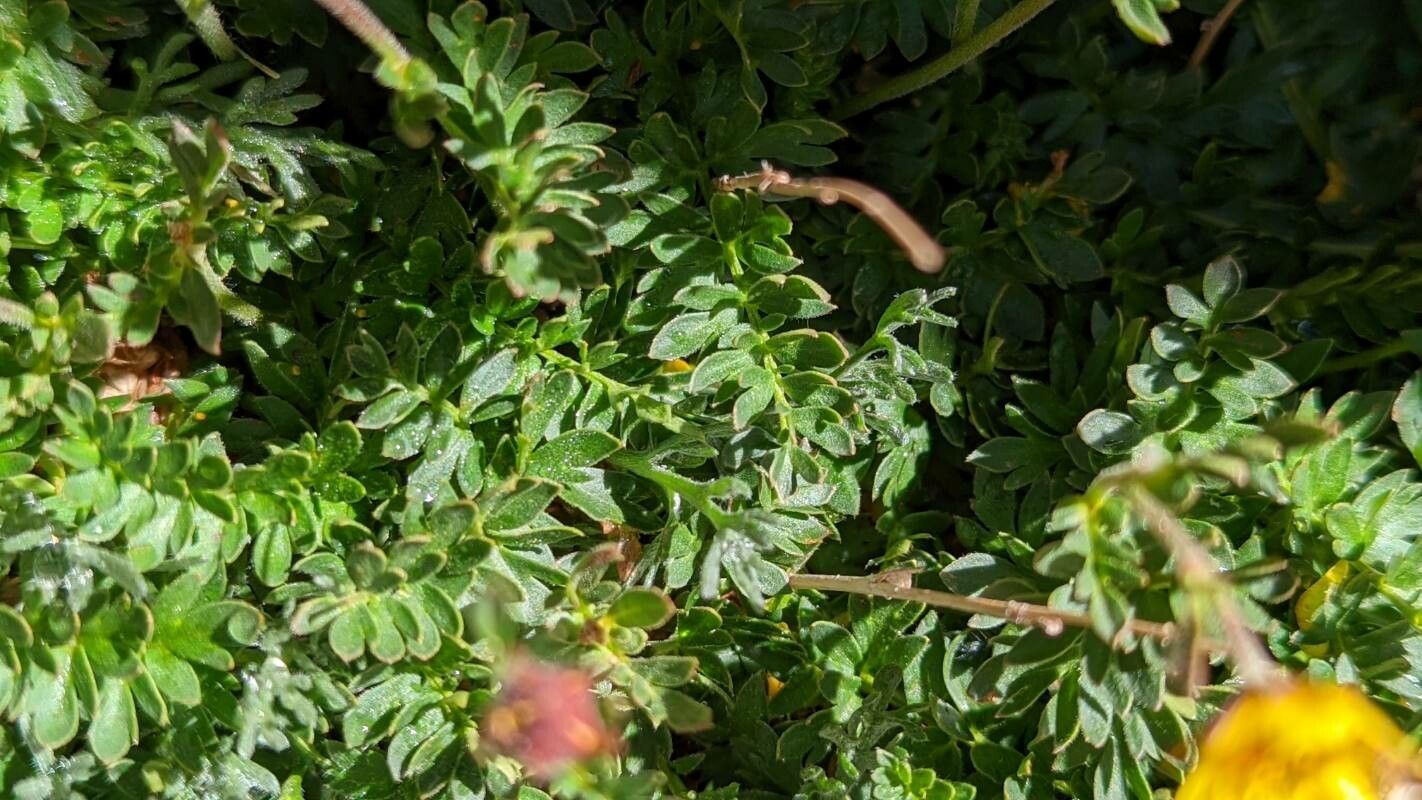
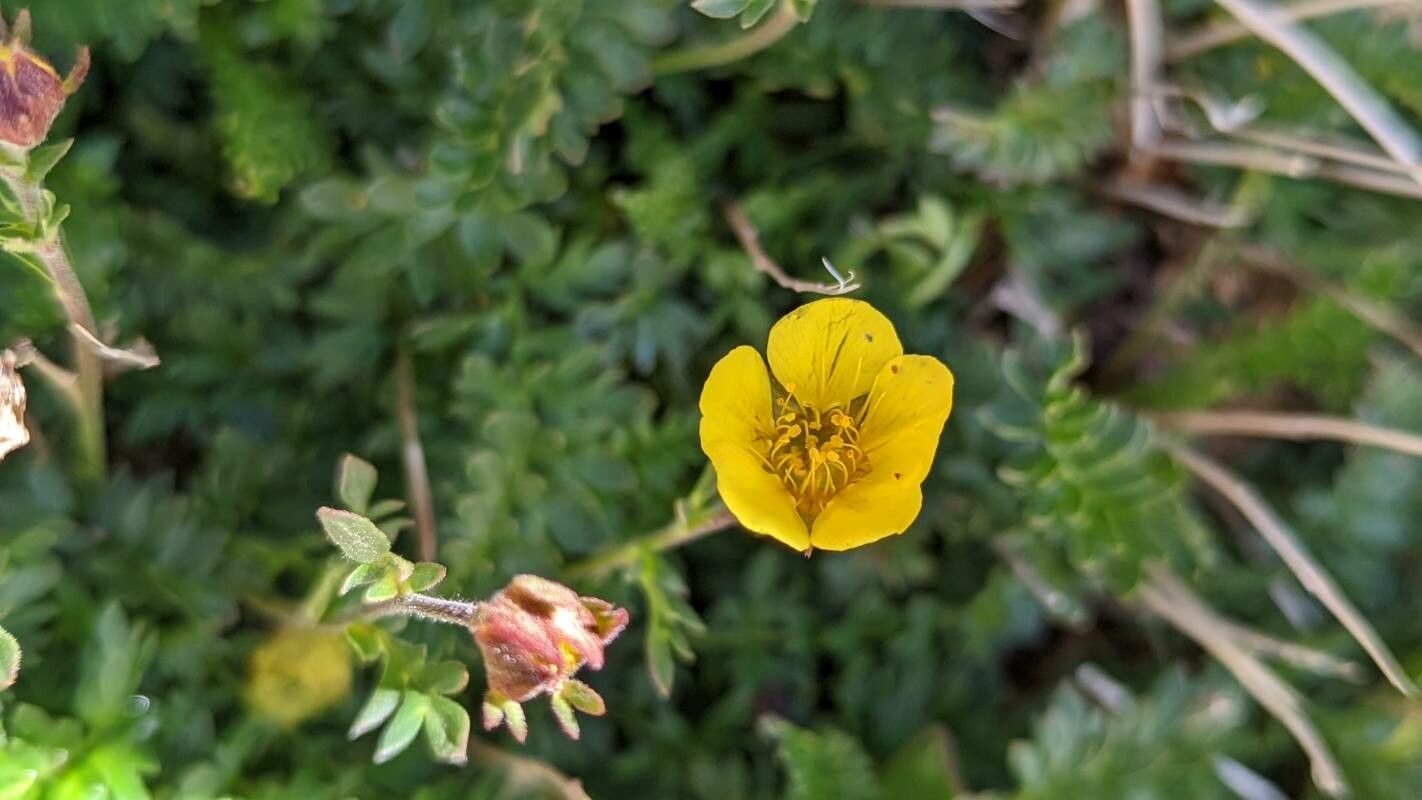
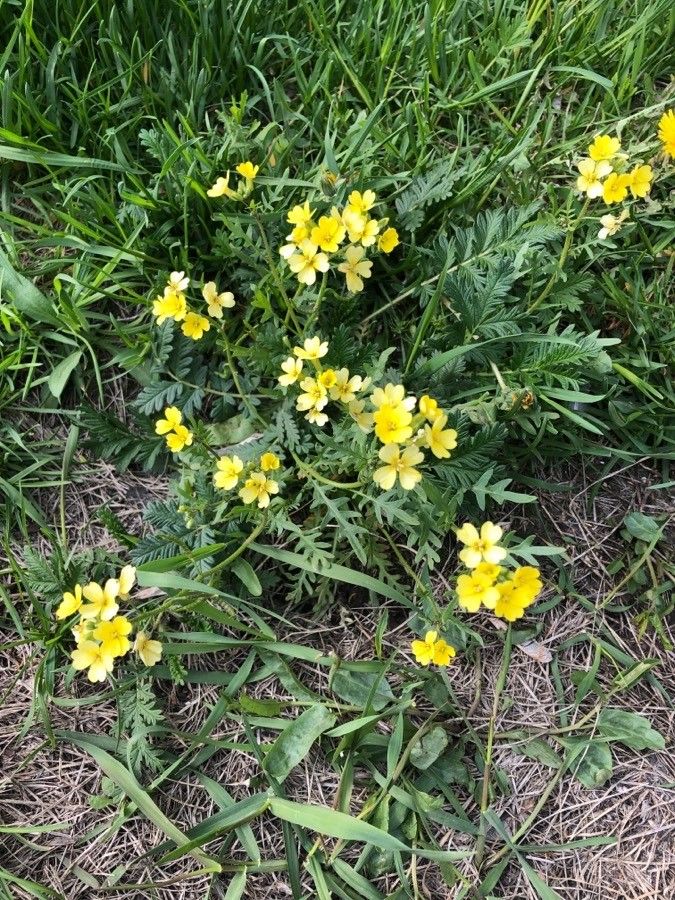
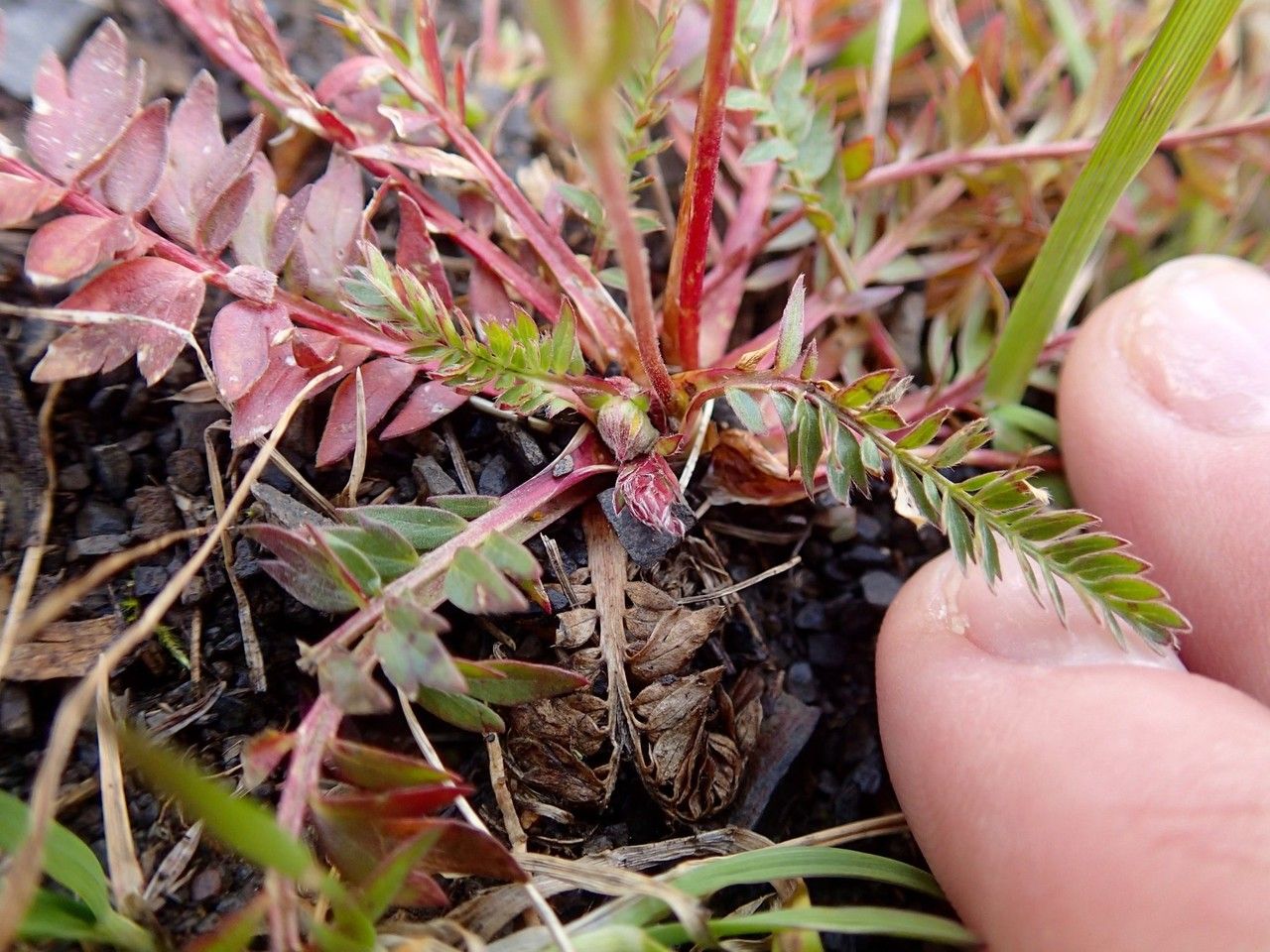
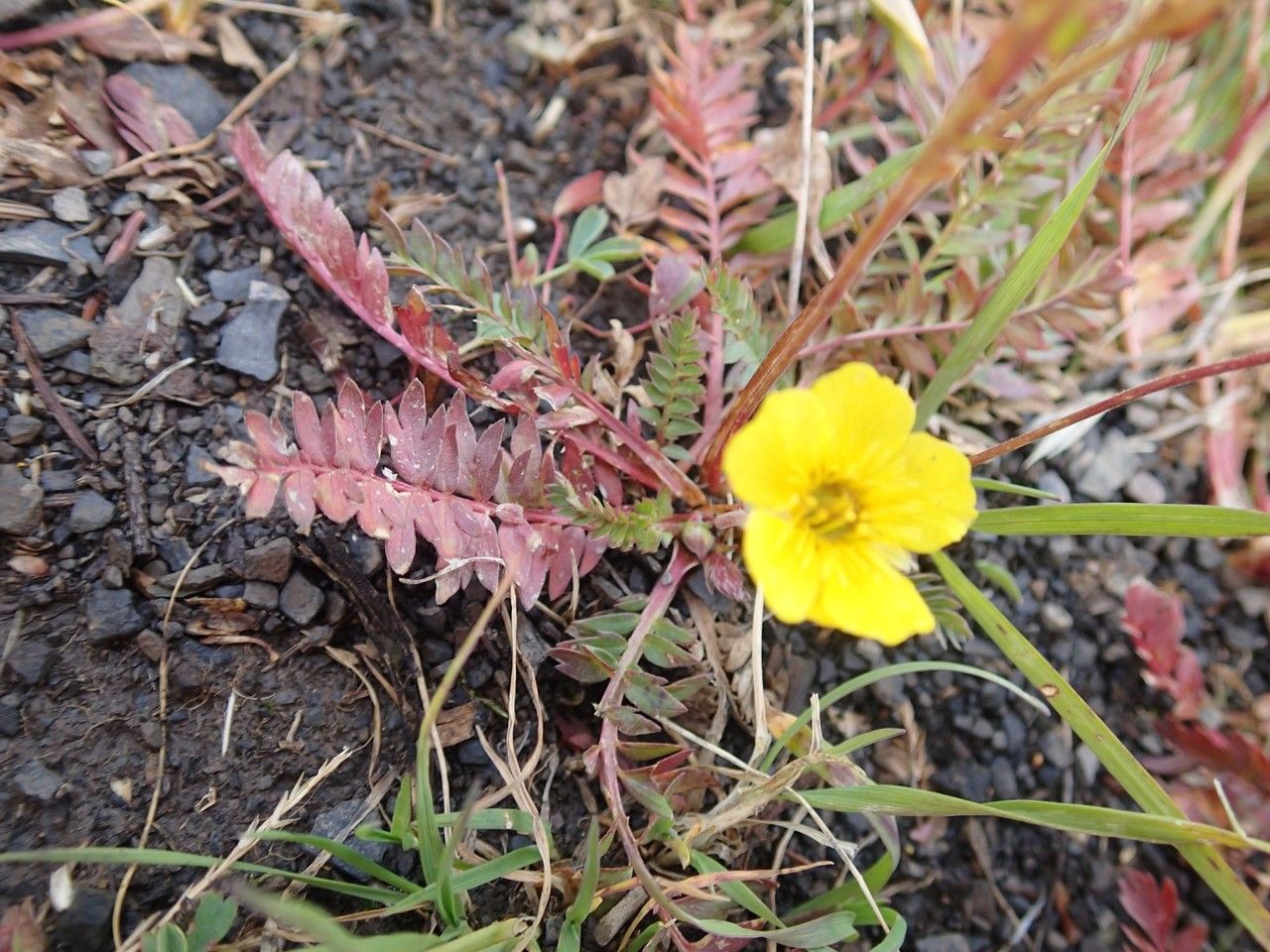
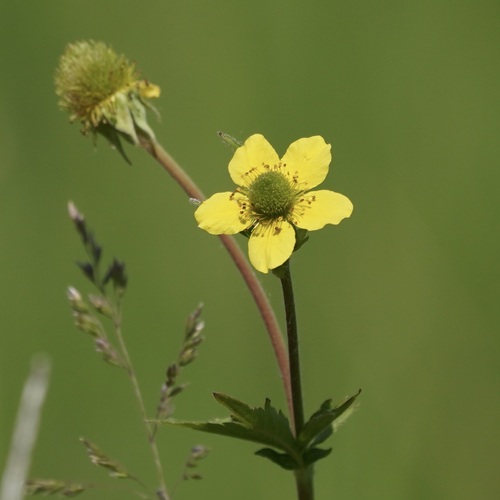
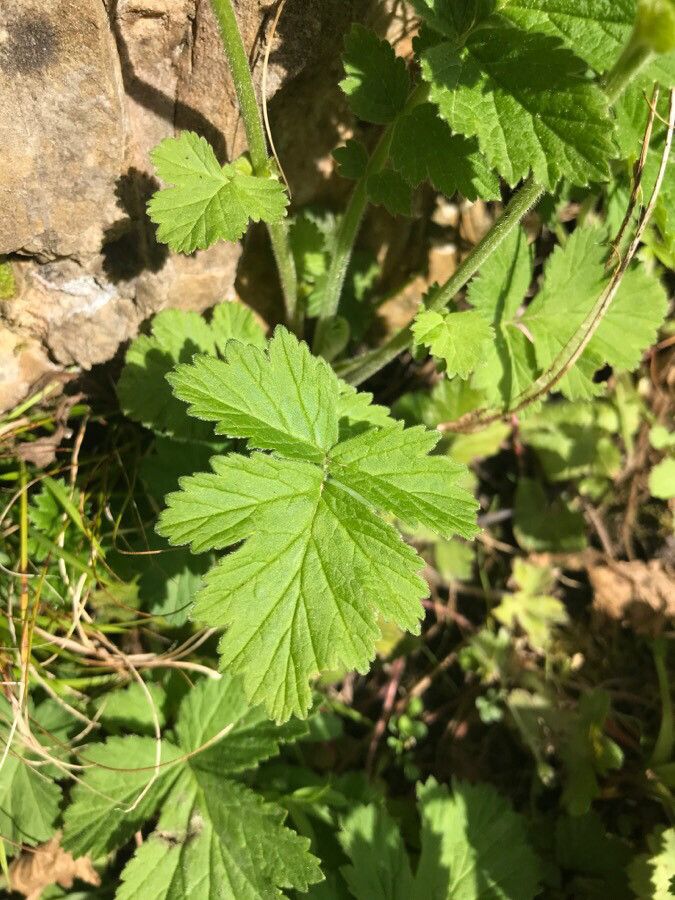
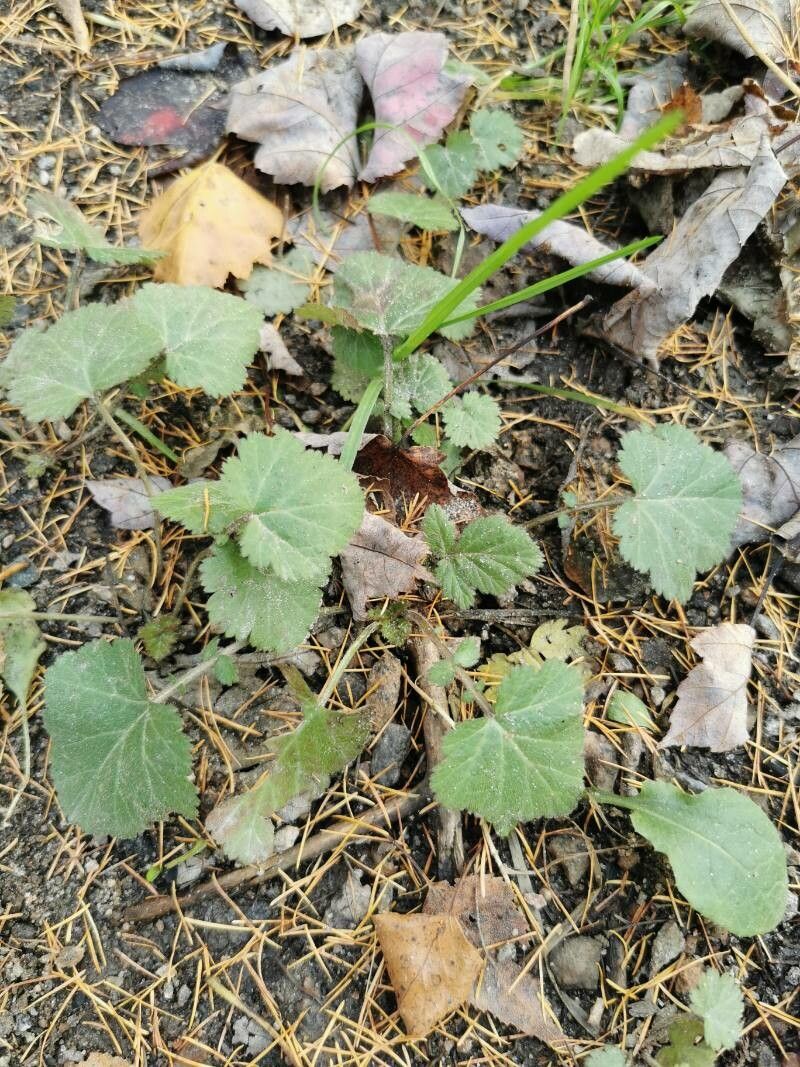
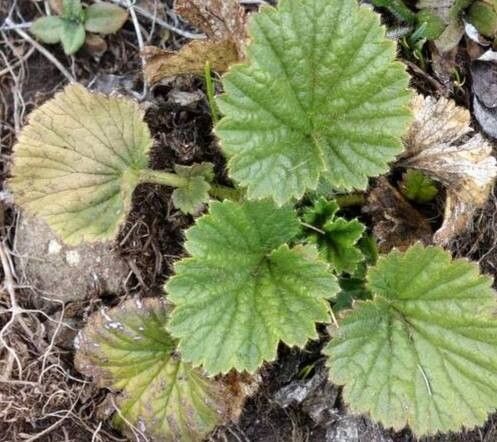
Geum rossii is a species of flowering plant in the rose family known by the common names Ross' avens and alpine avens. It is native to North America where its distribution spans northern Canada and the high mountains of the western United States. It grows at high-latitude and high-elevation habitat, including the Arctic and in alpine climates. There are three varieties. One, var. depressum, is endemic to Washington in the United States, where it is limited to the Wenatchee Mountains.The plants' flowers are similar in appearance to those of species in the Potentilla (or cinquefoil) genus. Geum rossii has less flowers per stem and leaves which are somewhat fernlike.
Ross' avens has strong disease resistance and is generally not prone to illness. However, it can be affected by pests and diseases present in its environment. These problems are usually mild. Care-wise, this plant needs a moderate amount of maintenance. It should be pruned regularly to maintain a pleasing appearance and healthy growth. Fertilizing can also help encourage flowering. Ross' avens is suitable for anyone with outdoor space, such as a garden or patio, and does not demand extensive care experience. It may need more attention when grown indoors.
How to keep Geum Rossii.
Light
Ross' avens is a sun-loving herbaceous perennial native to open habitats, commonly thriving in meadows and grasslands. It prefers full sun but can also tolerate partial sun.
Water
Ross' avens thrive with consistent moisture and well-drained soils. Once established, they display a moderate tolerance to drought. During the growing season, especially when the plant is in bloom, it is essential to water them weekly to maintain vibrant flowers.
Fertilizer
For Ross' avens, the best time to fertilize is in early spring as the flowers are forming. The proper fertilizer promotes better blooms and helps Ross' avens produce attractive flowers. Fertilizing in early spring ensures excellent blooms during the season and supplies energy for periods of dormant growth.
Pruning
Ross' avens is known for its bright yellow flowers, and it benefits from pruning in early spring. To encourage growth and promote a second bloom, remove any dead or diseased stems as well as spent flowers. Make clean cuts just above the nodes to improve air circulation and reduce the risk of disease. For additional maintenance tips, consult reliable sources.
Botanical profile.
- Plant Type
- Herb
- Life Cycle
- Perennial
- Genus
- Geum
- Family
- Rosaceae
- Hardiness Zone
- 3-8
- Mature Height
- 5 cm to 20 cm
- Mature Spread
- 10 cm to 30 cm
- Leaf Color
- Dark Green, Forest Green
- Leaf Type
- Deciduous
- Flower Size
- 2.03 cm to 3.05 cm
- Bloom Time
- Mid spring, Late spring, Early summer
- Planting Time
- Spring, Summer, Autumn
- Harvest Time
- Summer
- Native Area
- Russia, Denmark
Other names.