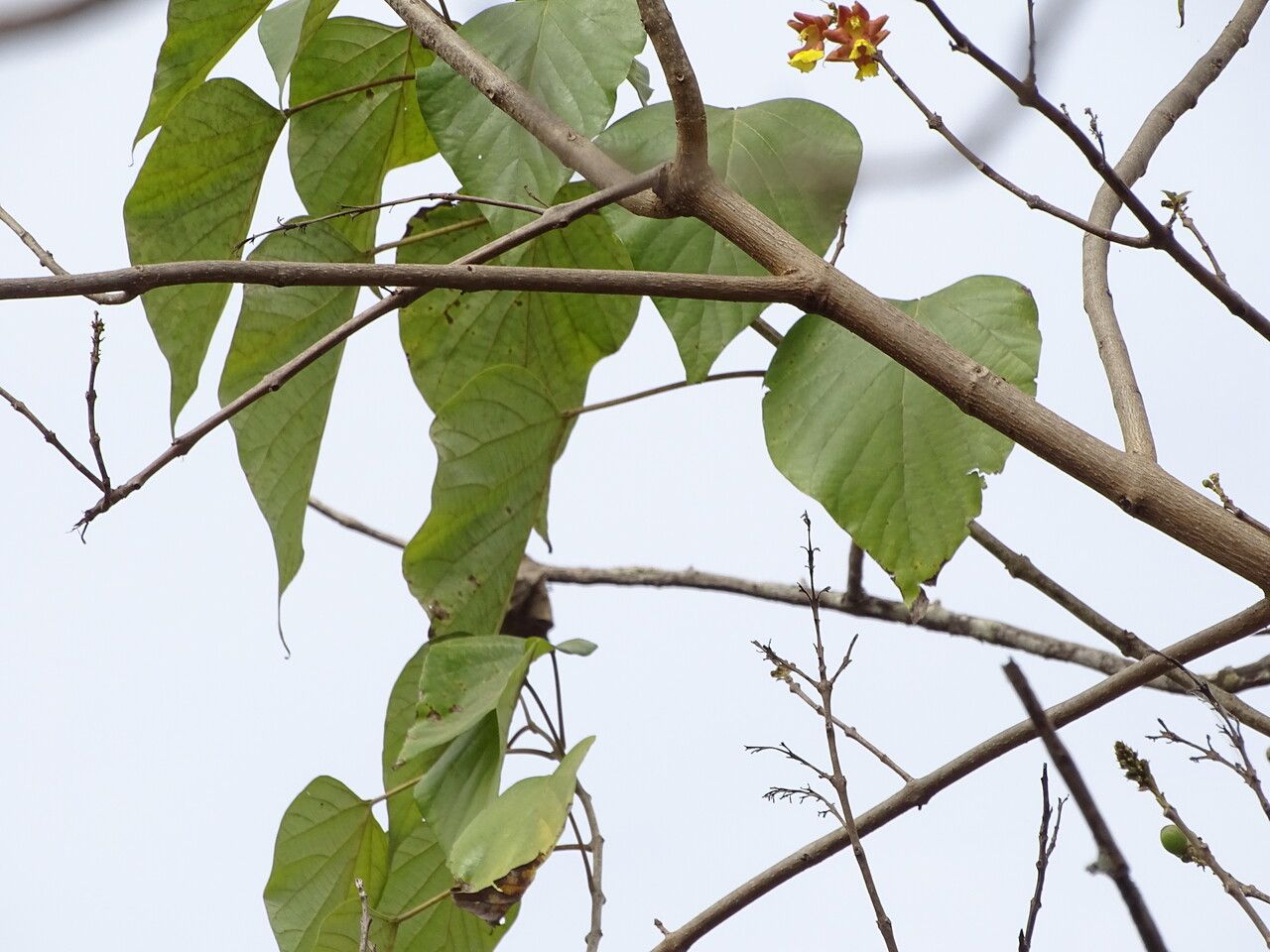
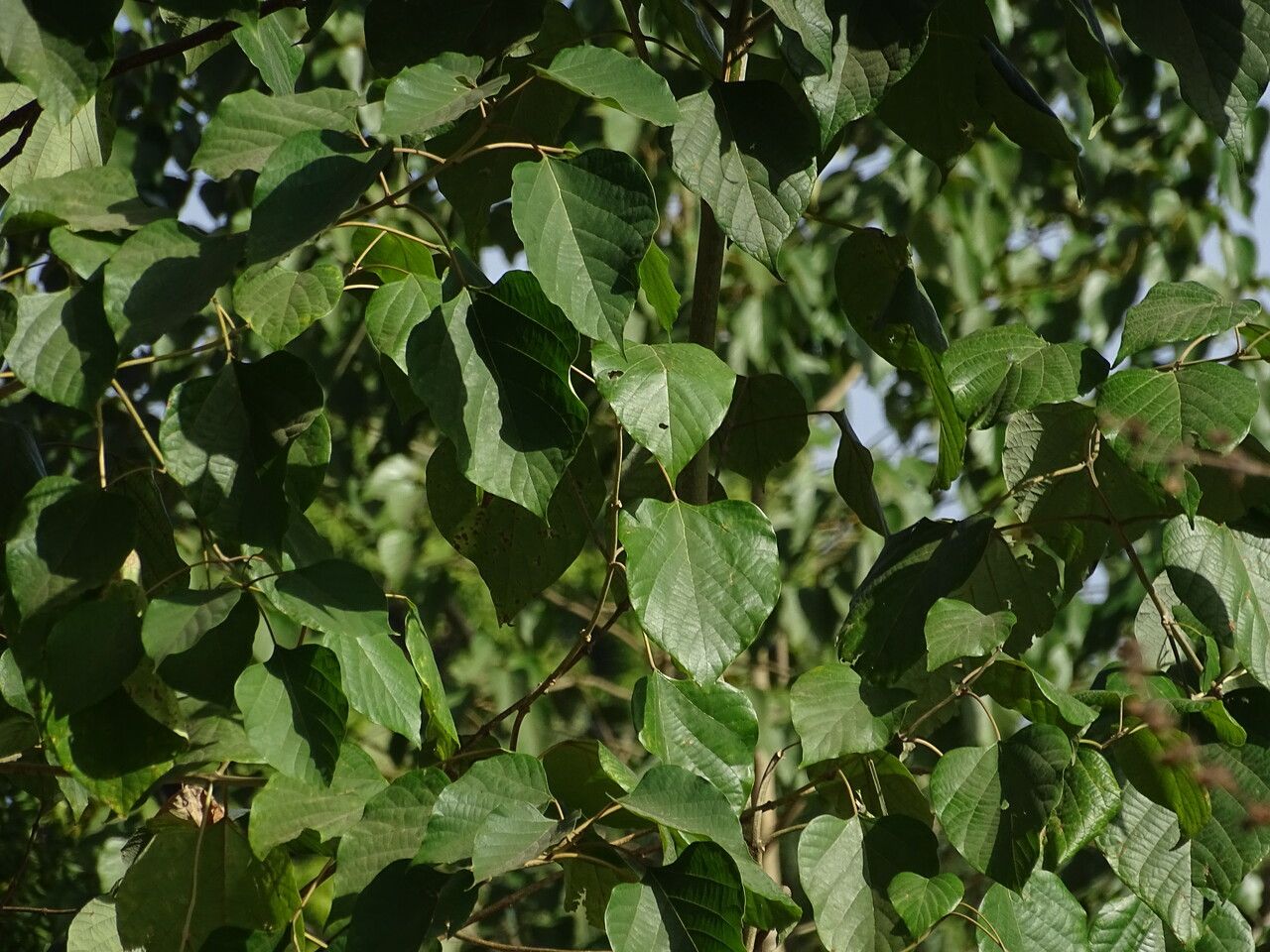
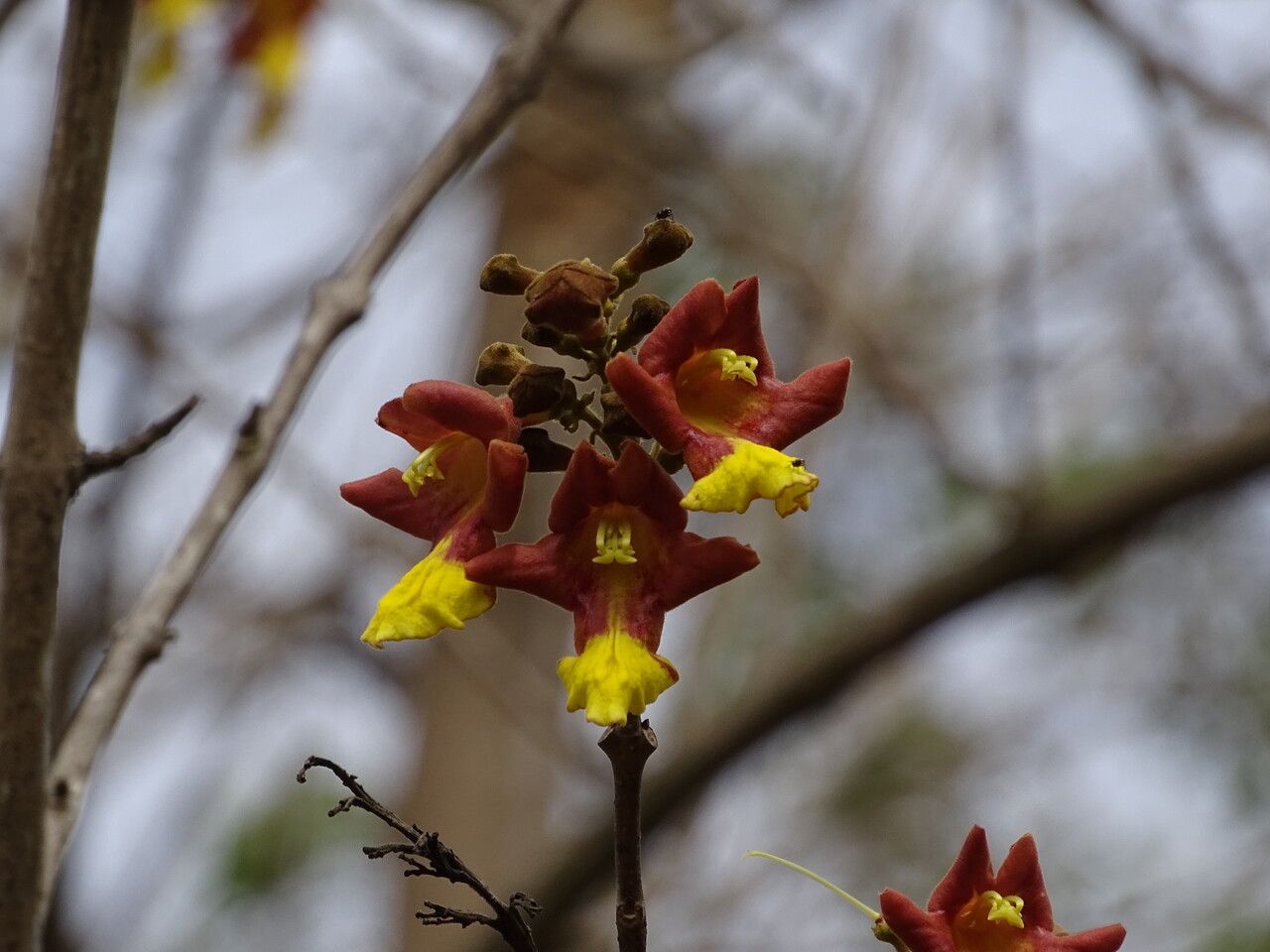
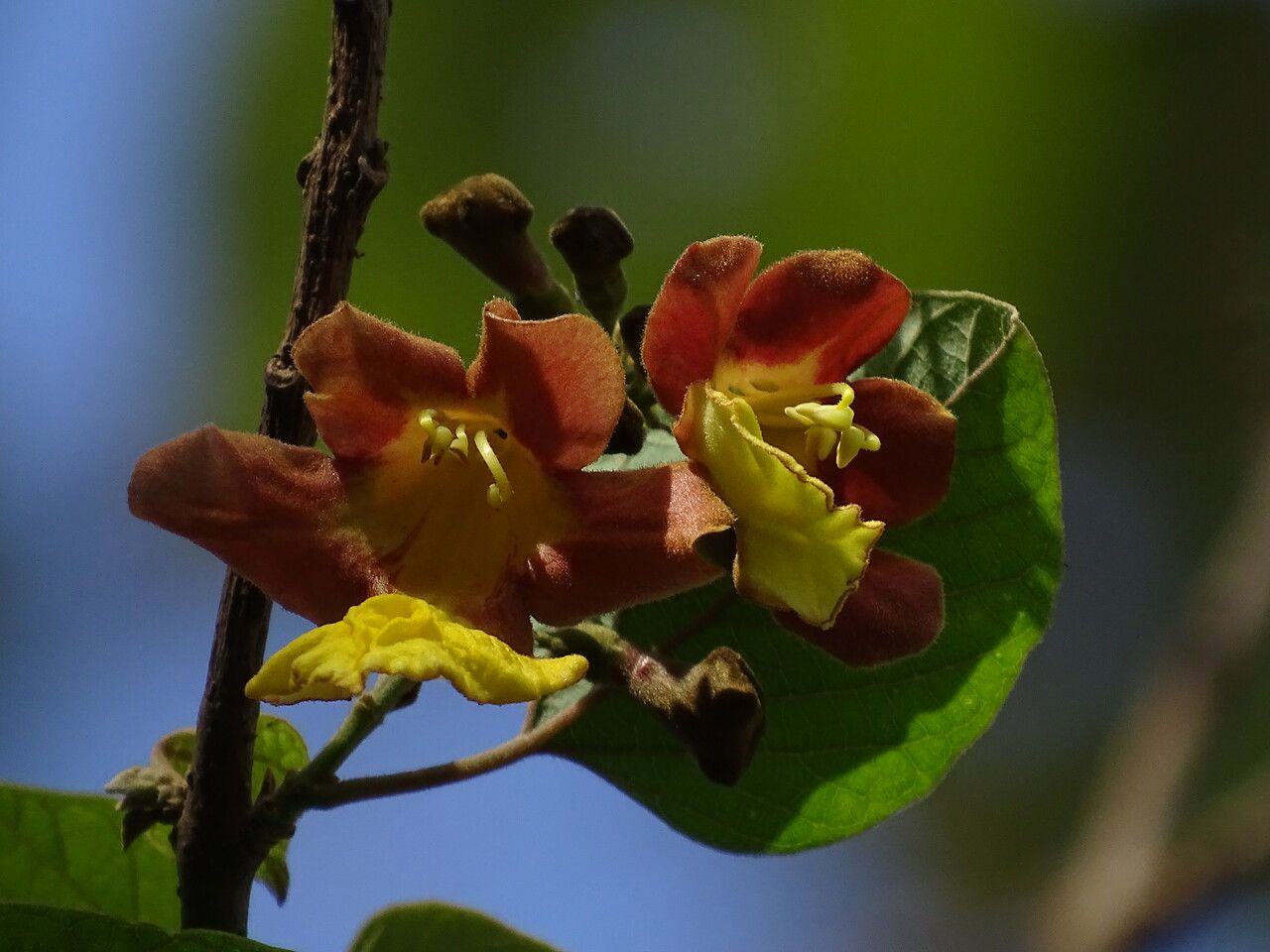
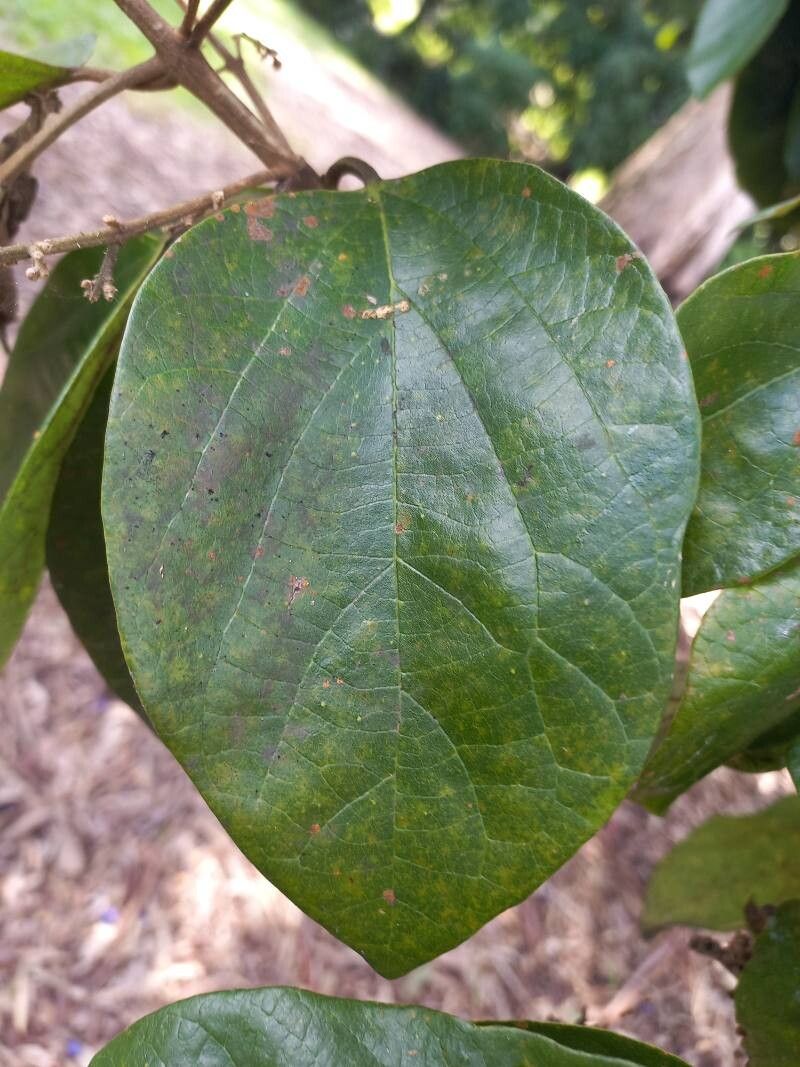
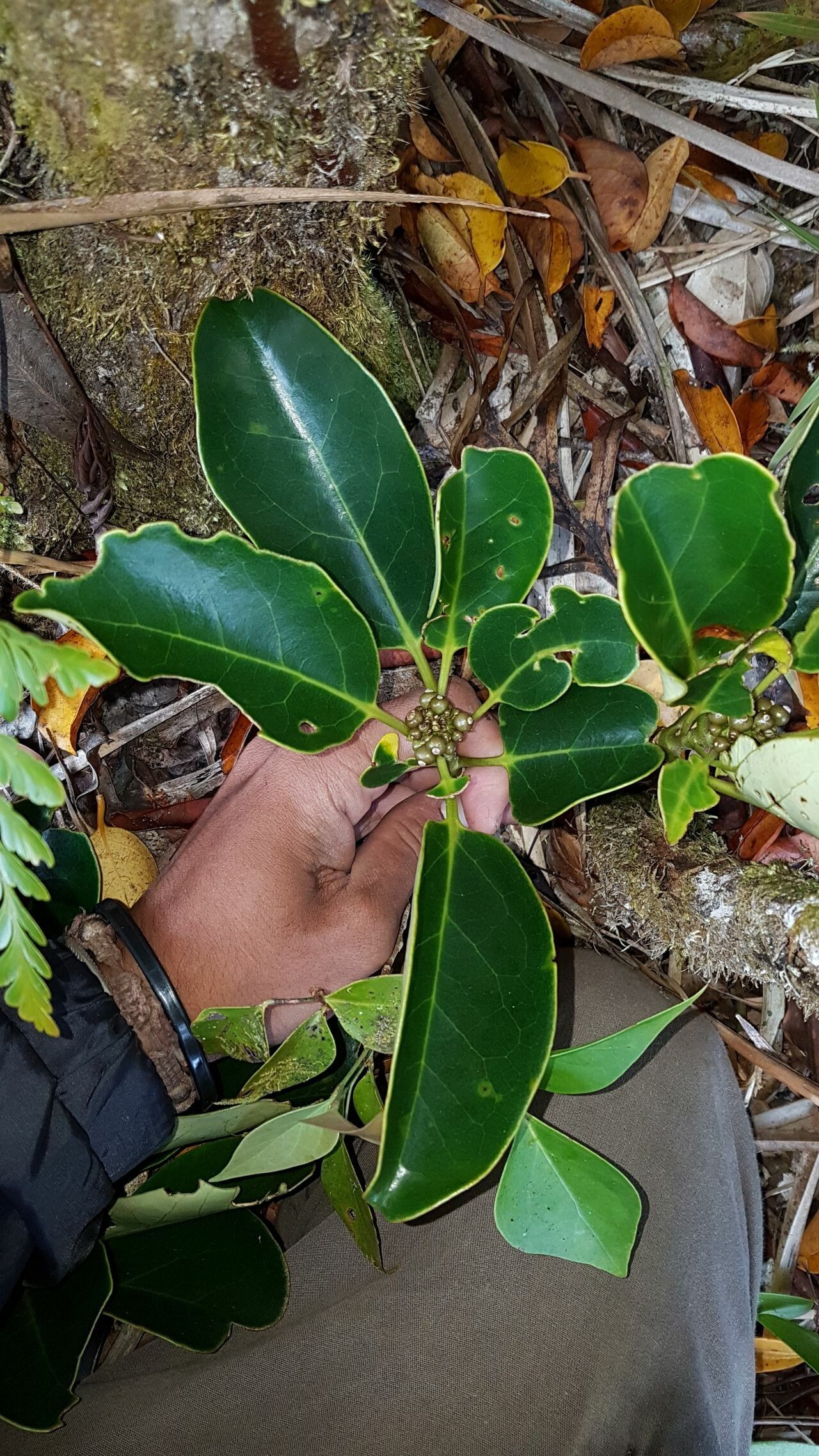
Gmelina arborea, commonly known as the Gmelina tree, is a fast-growing deciduous tree belonging to the family Verbenaceae. Native to Southeast Asia, it can be found in countries such as India, Indonesia, and the Philippines. This tree can reach heights of up to 30 meters and have a trunk diameter of up to 2 meters.
The Gmelina arborea tree features a straight trunk with smooth, grey bark that peels off in flakes. Its large, simple leaves are oval-shaped, measuring approximately 15-30 cm in length and 8-16 cm in width. The leaves are dark green on the upper side and pale green underneath.
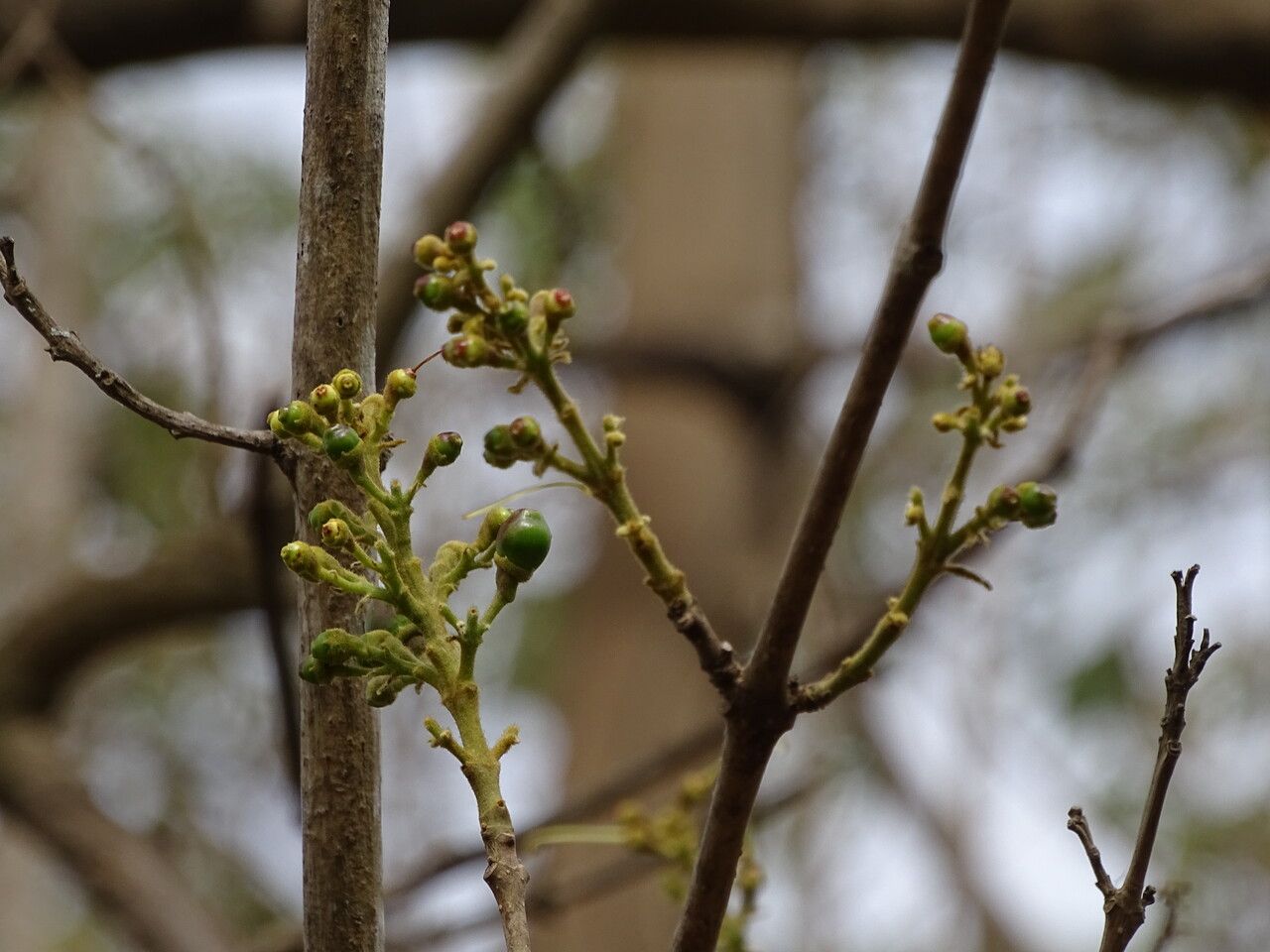
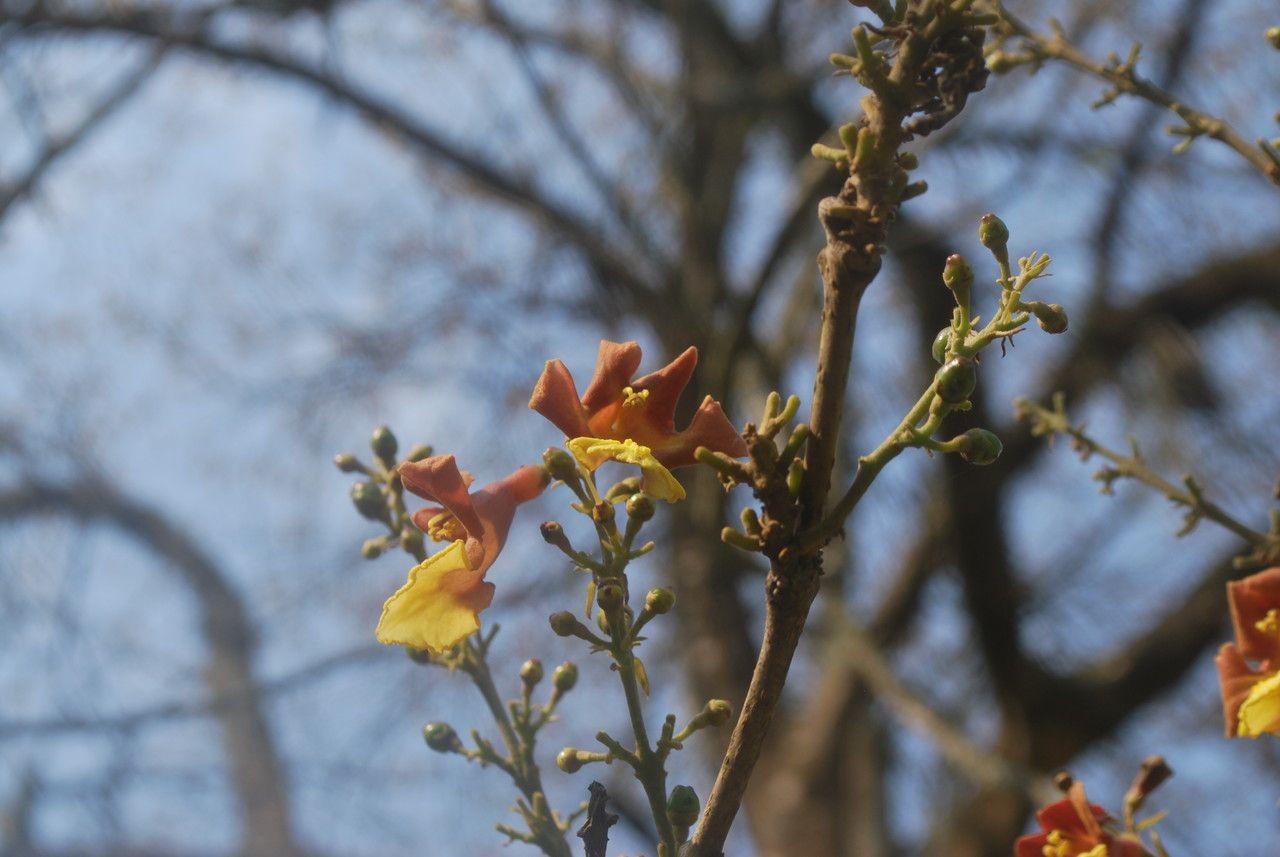
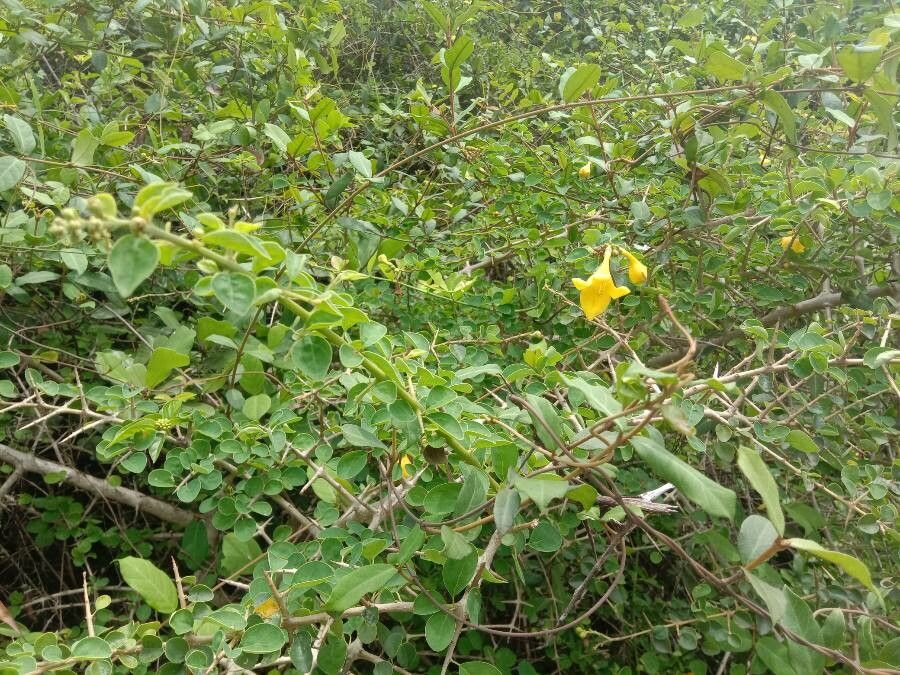
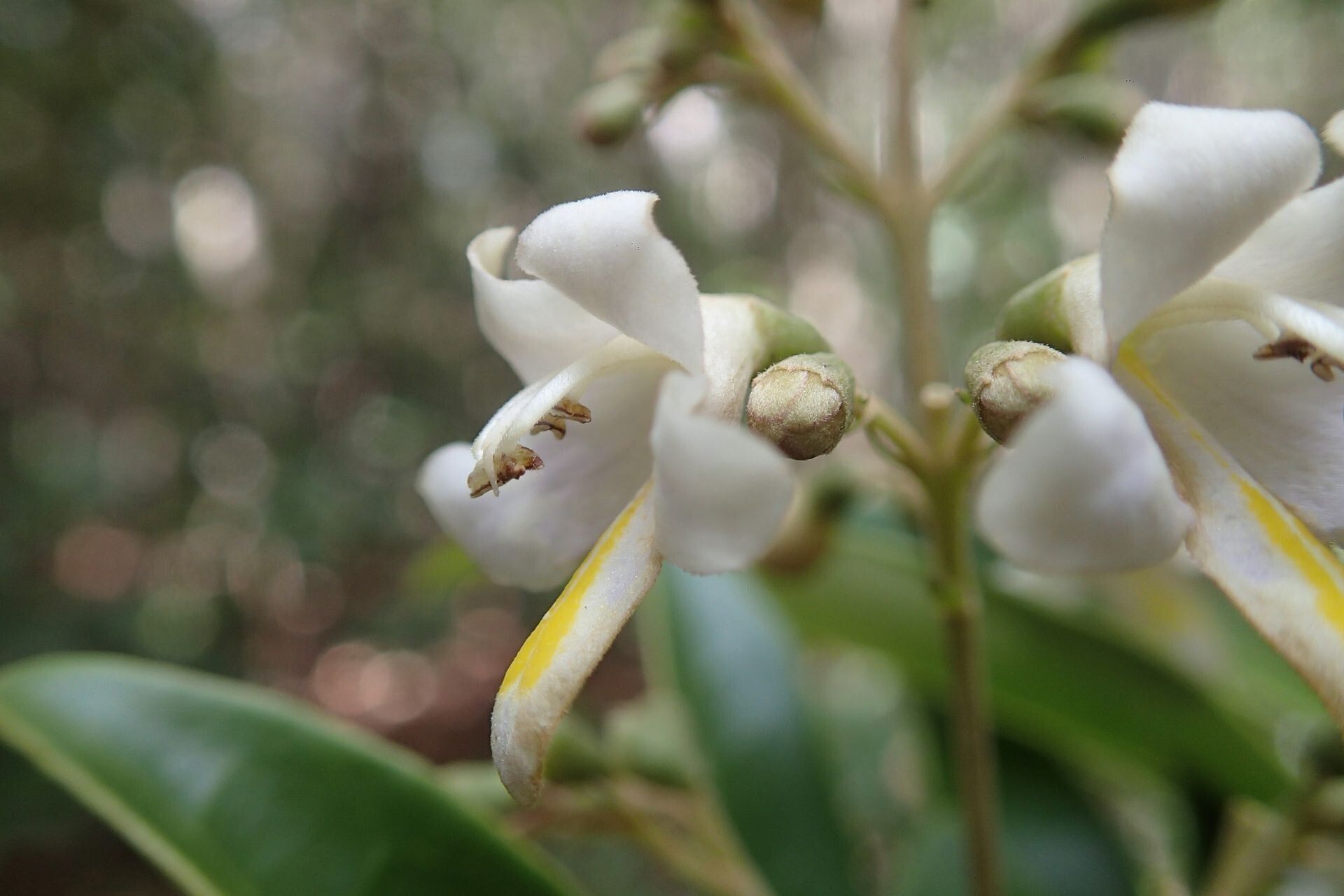
During the summer months, the tree produces small yellow flowers in clusters, which later develop into small fruits containing seeds. These seeds are dispersed by wind or water.
Gmelina arborea has numerous uses. It is valued for timber production due to its strong wood properties, such as durability and resistance to termites, fungi, and decay. Additionally, its high cellulose content makes it suitable for furniture and paper pulp production. The tree also has medicinal properties; various parts of the plant have been traditionally used to treat ailments such as fever and to aid in wound healing.
Overall, Gmelina arborea is an important species both ecologically and economically. Ecologically, it provides habitat for various animals, while economically, it supports livelihoods through timber production.
White teak is resistant to disease and is generally not susceptible to illnesses. In terms of care, this plant is relatively low-maintenance. When grown outdoors it requires little watering, and larger specimens typically do not need pruning. However, smaller plants should be pruned after they finish blooming. White teak is suitable for anyone with an outdoor area, such as a garden or a deck, and does not demand extensive gardening experience.
How to keep Gmelina Arborea.
Light
White teak performs best in conditions similar to its native habitat, with a high amount of daily sunlight. Those conditions largely determine its ultimate growth and vigor. Excessive or insufficient light can influence the plant's growth, as it can tolerate lower light but may not thrive there.
Water
White teak thrives in high-humidity, moist forest environments. Although it can tolerate moderate drought, it prefers consistent moisture and should ideally be watered every two weeks. Typically grown outdoors, this evergreen requires careful watering during its growing season to maintain its vibrant foliage.
Temperature
White teak naturally occurs in regions where temperatures range from 68 to 95 °F (20 to 35 ℃). It grows most successfully in these warm climates. In colder seasons, consider altering its environment to replicate the temperature conditions of its native habitat.
Fertilizer
Timing is critical when fertilizing White teak. Apply fertilizer in early spring and continue every month until early summer. Fertilizer encourages attractive blooms and supplies energy during both dormant and active growth periods.
Pruning
White teak is a fast-growing tree that produces valuable timber. To keep it healthy and well-shaped, prune it in early spring. This involves removing dead branches and thinning out crowded areas to improve air circulation. Doing so not only promotes the tree's health but also enhances its structure and ensures maximum sunlight exposure, encouraging vigorous growth. For detailed pruning techniques, consult reliable horticultural sources.
Botanical profile.
- Plant Type
- Tree
- Life Cycle
- Perennial
- Genus
- Gmelina
- Family
- Lamiaceae
- Hardiness Zone
- 9-10
- Mature Height
- 24.99 m to 29.87 m
- Mature Spread
- 21.95 m
- Leaf Color
- Green, Blue
- Leaf Type
- Deciduous
- Flower Color
- Yellow, Orange
- Flower Size
- 3.05 cm to 4.06 cm
- Bloom Time
- Spring
- Planting Time
- Spring, Summer, Autumn
- Harvest Time
- Summer
- Native Area
- Nepal, Sri Lanka, India, Cambodia, Vietnam, Myanmar, Bhutan, Bangladesh, Pakistan, Laos, Thailand, China
Other names.
Reader questions.
What are the sunlight requirements for White teak?
White teak thrives under conditions that mimic its natural habitat, which means being exposed to a significant amount of daily sunlight is ideal for its growth and health. Full sun, defined as more than 6 hours of sunlight a day, is beneficial for the plant, though it can also tolerate partial sun, about 3-6 hours of sunlight. However, it's important to observe the movement of sunlight through your garden to find spots that offer a good balance of light and shade, ensuring the plants' wellbeing. White teak may not flourish as well under lesser light conditions but can tolerate them to some extent.
What is the ideal temperature range for White teak?
White teak, or Gmelina arborea, thrives in warm climates with temperatures ranging from 68 to 95°F (20 to 35°C). It has some cold tolerance and generally does not require additional protection when temperatures are above 0°C. However, if temperatures are expected to drop below 0°C, temporary cold protection measures, such as wrapping the plant with plastic film, fabric, or other suitable materials, should be taken. Once the temperature rises again, these protective measures should be removed promptly to ensure the plant's health.
How does artificial lighting affect White teak's growth indoors?
Indoor plants, including White teak, require adequate lighting to grow optimally. In conditions where natural sunlight is scarce, such as during winter or in spaces that don't receive enough sunlight, artificial lighting becomes crucial. It helps in promoting faster and healthier growth. LED lights are especially recommended because they can be customized to provide specific light wavelengths needed by plants. For full sun plants, 30-50W per square foot of artificial light is needed, partial sun plants require 20-30W per square foot, and full shade plants need 10-20W per square foot. The artificial light source should be placed 12-36 inches above the plant, mimicking natural sunlight as closely as possible, and kept on for 8-12 hours daily to simulate natural daylight hours.
How does White teak respond to low temperatures?
White teak has a moderate tolerance to low temperatures, performing best when temperatures remain above 20°C. During the winter months, it's important to keep the plant above 0°C. If temperatures fall below -5°C, the leaves may start to droop, and while they can recover in mild cases, severe cold can cause the leaves to wilt and eventually fall off. To protect White teak from frost damage, trim off the frost-damaged parts and wrap the plant with non-woven fabric or cloth, also constructing a wind barrier to shield it from cold winds.
What are common symptoms of light deficiency in White teak?
When White teak does not receive sufficient light, especially indoors during winter, it may exhibit several symptoms. These include smaller new leaves compared to older ones, leggy or sparse growth where the spaces between leaves or stems elongate, faster dropping of older leaves, and halted or no new growth as the plant enters survival mode. Additionally, new leaves might develop lighter colors or irregular color patterns due to a lack of chlorophyll and essential nutrients, which indicates insufficient sunlight. Conversely, excessive sunlight can cause symptoms like chlorosis, where leaves turn yellow due to chlorophyll breakdown, sunscald, leaf curling as a defense mechanism against water loss, wilting from increased transpiration, and leaf scorching with brown, dry edges on leaves.
What steps should be taken if White teak is exposed to high temperatures?
During the summer, it is crucial to ensure that White teak is kept below 35°C to prevent heat stress. Exposure to temperatures above 41°C can result in lighter leaf color, dry and withered leaf tips, curling leaves, and increased susceptibility to sunburn. If the plant shows signs of sunburn or drying, trim away the damaged parts and move the plant to a location that is shaded during the midday and afternoon sun. Additionally, using a shade cloth can help provide necessary shade, and watering the plant in the morning and evening will help maintain soil moisture levels suitable for White teak's health.
How can I solve light deficiency issues for my White teak?
To address light deficiency in White teak, gradually moving plants to locations with at least 6 hours of direct sunlight daily is recommended. Using a south-facing window and keeping curtains open during daylight hours can maximize sunlight exposure. If the plant is large or not easily movable, consider supplementing with artificial light, keeping a lamp on for at least 8 hours daily or investing in professional grow lights. When moving plants outdoors, do so gradually to avoid sunburn, allowing plants to adapt by increasing sunlight exposure each week. Furthermore, reduce obstructions like overhanging branches to let in more sunlight, and consider transplanting smaller plants during their dormant period to sunnier locations with good drainage.