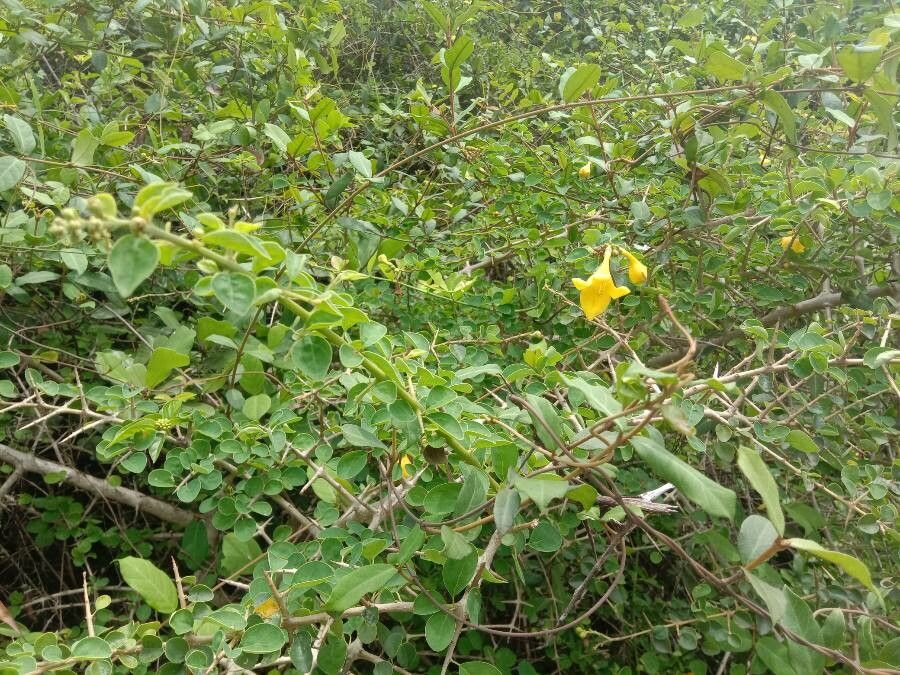
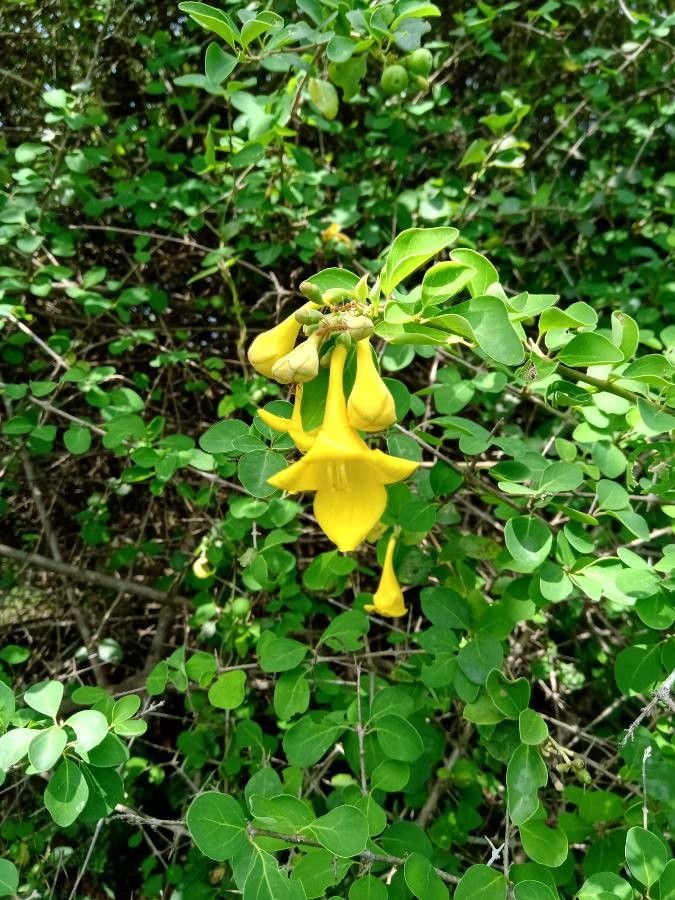
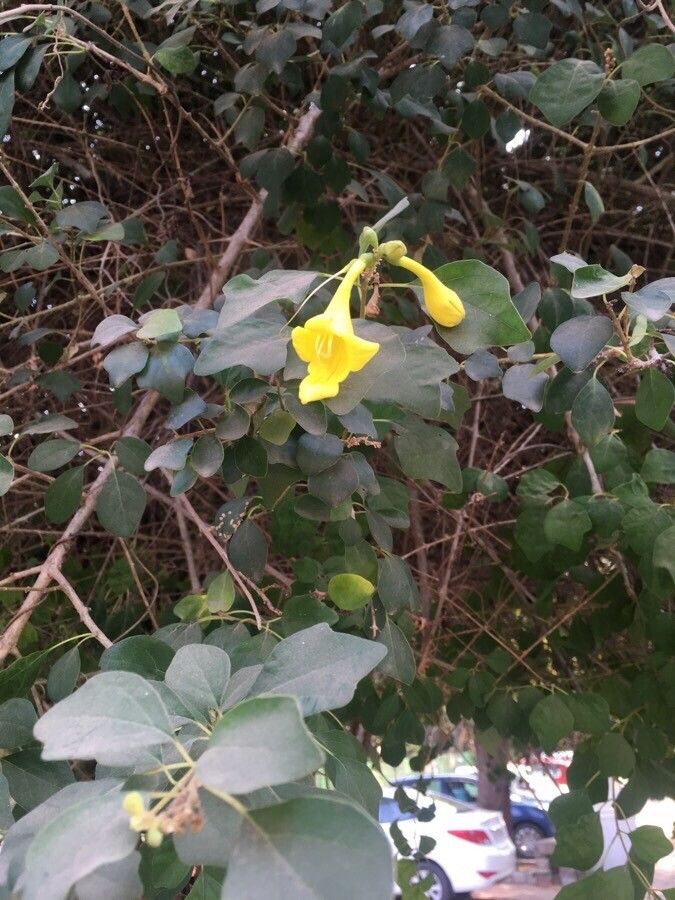
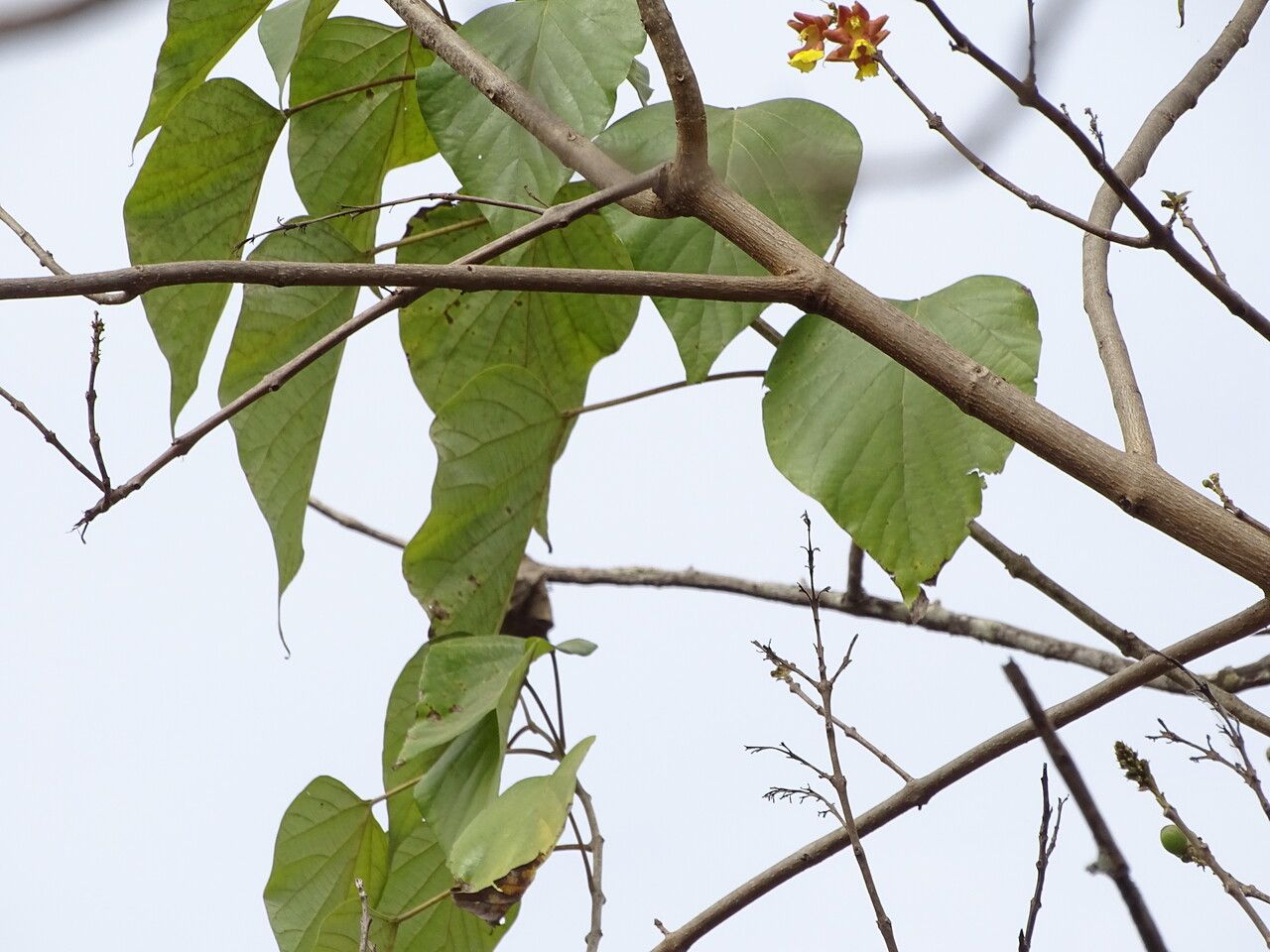
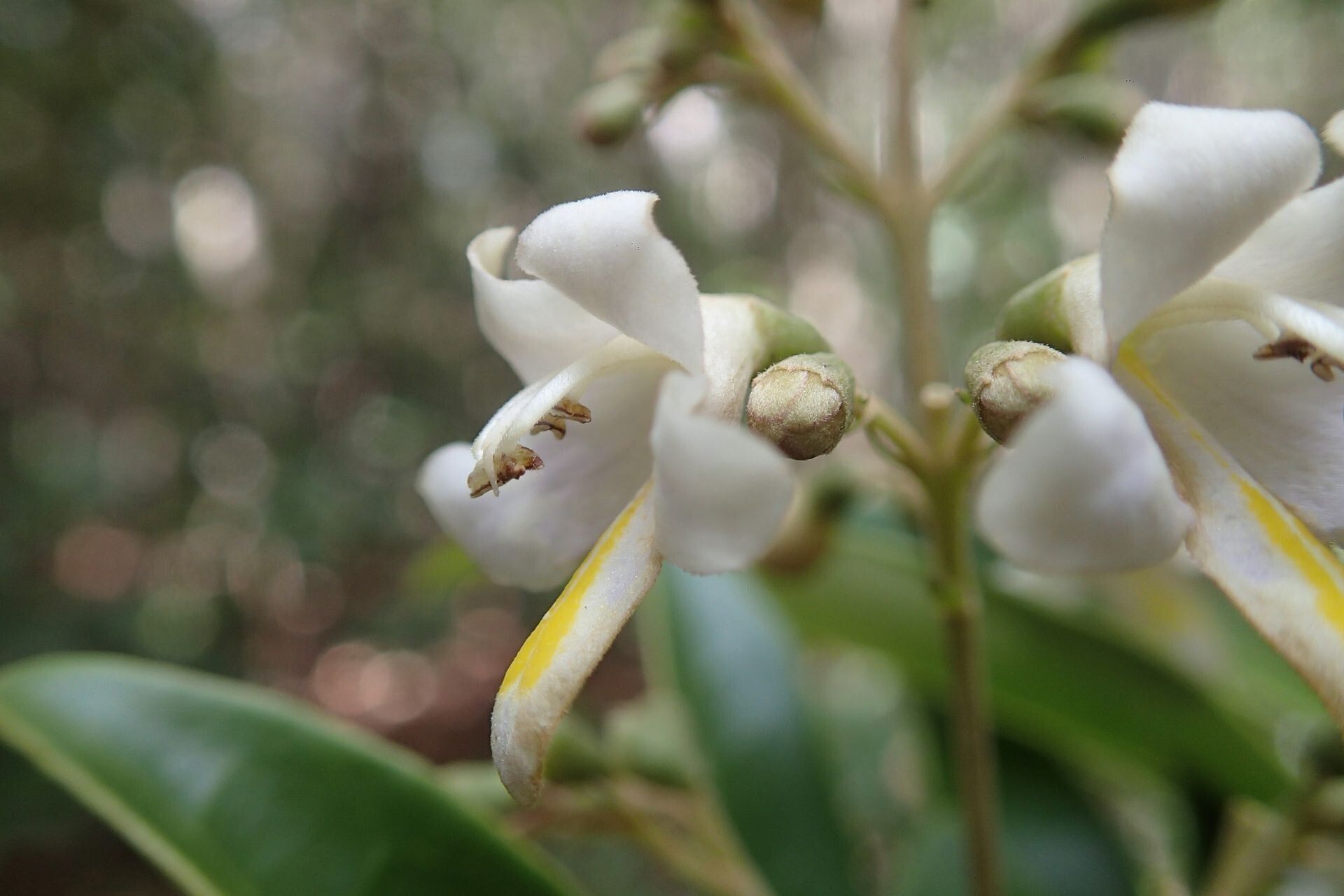
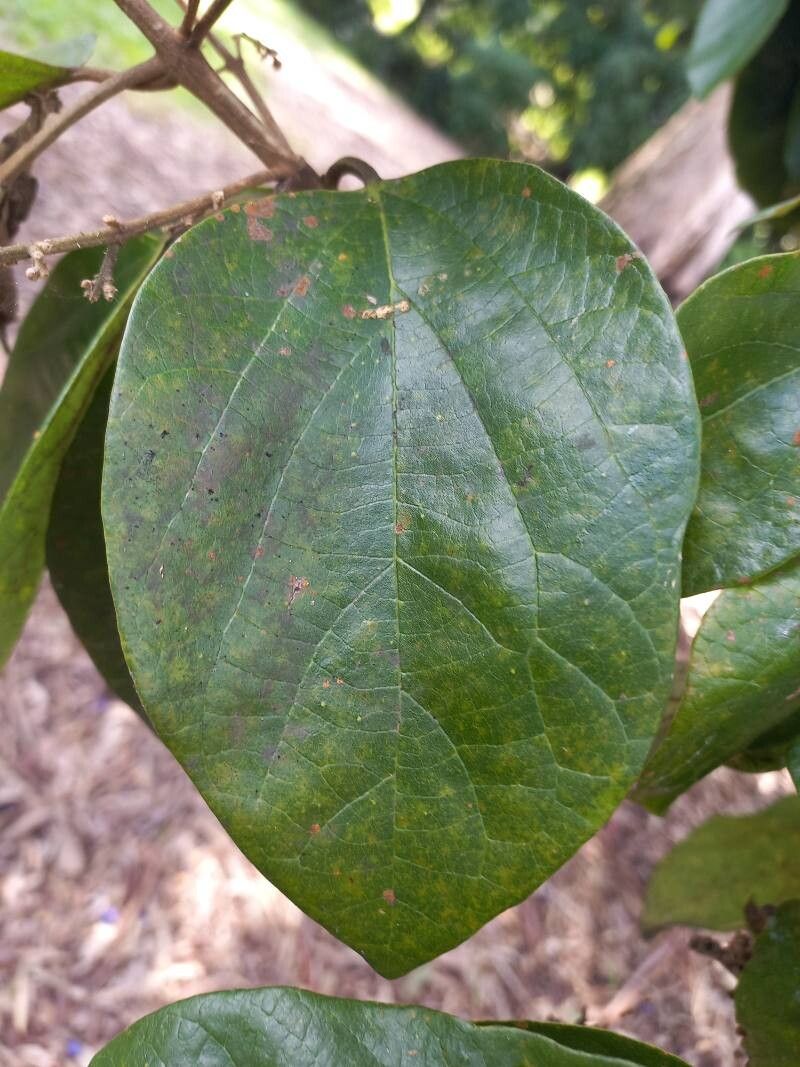
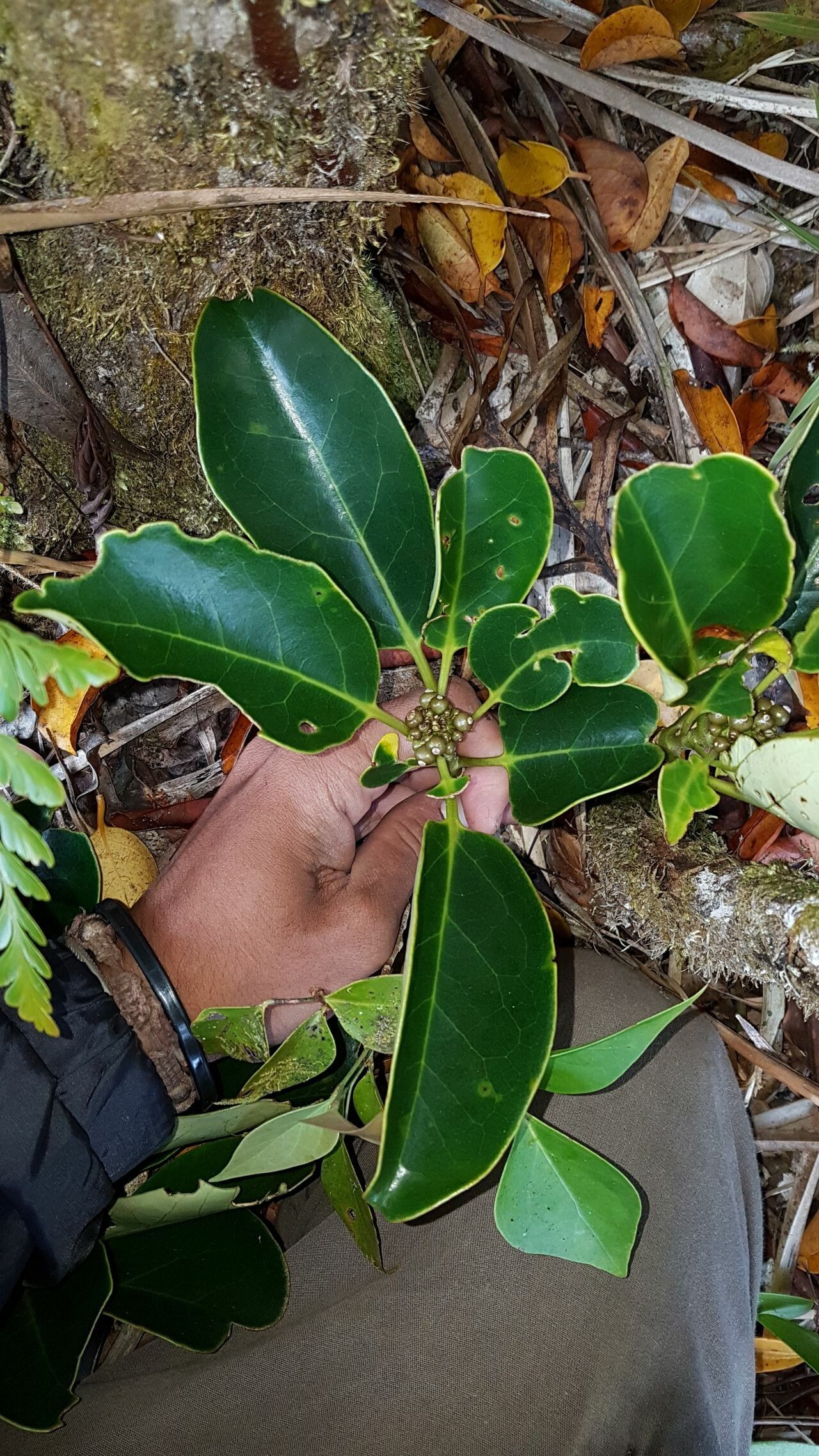
Gmelina asiatica is a plant species, described by Linnaeus, in the family Lamiaceae (but previously placed on the Verbenaceae). No subspecies are listed in the Catalogue of Life.
Asian bushbeech demonstrates good resistance to disease and is usually not susceptible to illnesses. As for maintenance, this plant is fairly low-maintenance. Planted outdoors it needs only minimal watering, and larger specimens typically do not require pruning. Smaller plants, however, should be pruned once they have finished blooming. Asian bushbeech is suitable for anyone with an outdoor area, such as a garden or deck, and does not require much plant-care experience.
How to keep Gmelina Asiatica.
Light
The Asian bushbeech does best when it gets plentiful sunlight all day, supplying the ideal energy for photosynthesis and growth. It can also tolerate reduced sun exposure, although that may hinder its development. Excessive light or a prolonged shortage of sunlight can have harmful effects on the plant.
Water
The Asian bushbeech, native to tropical rainforests, thrives in humid environments and requires moderate watering. For optimal health, it should be watered every 2-3 weeks. Although it is typically grown outdoors, the Asian bushbeech does well in moisture-retentive containers, which align with its preference for consistent hydration.
Temperature
Asian bushbeech comes from tropical areas, where the climate is generally warm and humid. Consequently, it is adapted to high temperatures and moisture. It is sensitive to sudden temperature shifts and prefers a steady thermal environment, so indoor temperature fluctuations should be avoided. It typically cannot tolerate cold and needs elevated temperatures to grow. If the surrounding temperature falls too low, the plant may stop growing or even die.
Fertilizer
The best time to fertilize an Asian bushbeech is in early spring as it comes out of dormancy. Doing so supports overall growth and flower development. Fertilizing improves the foliage, stems, and branches, and encourages flowers that are large, vibrant, and long-lasting. It also helps transport nutrients from the roots to the flowers and strengthens the plant’s health and disease resistance.
Pruning
Pruning Asian bushbeech in early spring is beneficial for several reasons. By removing dead branches, thinning crowded areas, and shaping the plant for improved airflow, you encourage healthy growth and abundant flowering. This practice also helps prevent pest problems, ensuring the plant remains vigorous and visually appealing.
Botanical profile.
- Plant Type
- Shrub
- Life Cycle
- Perennial
- Genus
- Gmelina
- Family
- Lamiaceae
- Hardiness Zone
- 9-11
- Mature Height
- 0.91 m to 10.06 m
- Mature Spread
- 2.13 m to 3.96 m
- Leaf Color
- Green
- Leaf Type
- Deciduous
- Flower Color
- Yellow, White
- Flower Size
- 4.06 cm to 5.08 cm
- Bloom Time
- Spring, Summer
- Planting Time
- Spring, Summer
- Harvest Time
- Summer, Fall
- Native Area
- Sri Lanka, India, Cambodia, Vietnam, Myanmar, Bangladesh, Laos, Thailand, China
Other names.
Reader questions.
What are the sunlight requirements for Asian bushbeech?
The Asian bushbeech requires full sun, which means it should receive above 6 hours of sunlight daily to thrive optimally. However, it can also tolerate partial sun exposure, about 3-6 hours of sunlight. It's important to observe the sunlight movement in your garden to ensure plants get a suitable balance of light and shade, as both overexposure and insufficient sunlight can negatively affect the plant's health.
How essential is sunlight for the growth of Asian bushbeech?
Sunlight is crucial for the Asian bushbeech, providing the necessary energy for photosynthesis and growth. Although the bushbeech can grow under less sun exposure, its development might be impeded. The plant's resilience allows it to adapt to varying amounts of sunlight, yet extreme conditions of too much or too little light can lead to health issues. When natural sunlight isn't sufficient, especially for indoor plants, artificial lighting can be employed to promote healthy growth, with recommendations on the type of light, wattage per square foot, distance from the plant, and daily duration.
What symptoms indicate insufficient sunlight for Asian bushbeech?
Asian bushbeech shows several symptoms when it receives insufficient sunlight, such as new leaves growing smaller, leggy or sparse growth, faster leaf drop, slower or stopped growth, and lighter-colored or chlorotic leaves. Excessive sunlight can cause symptoms like sunscald, leaf curling, wilting, leaf scorching, and chlorosis, indicating the plant's struggle to adapt to its lighting environment. These symptoms highlight the plant's sensitivity to its light exposure, dictating a need for optimal sunlight conditions.
What solutions can help Asian bushbeech thrive in optimal lighting conditions?
To ensure optimal growth for the Asian bushbeech, gradually increasing its sunlight exposure is key. For indoor plants, moving them to a location with at least 6 hours of direct sunlight, such as near a south-facing window, or using artificial lighting like desk lamps or grow lights can help. Outdoor plants should also be moved gradually to sunnier spots to avoid sunburn. Minimizing sunlight obstructions and considering transplanting during dormant periods for smaller plants can enhance their exposure to sunlight. Remember, damaged parts might not recover, but new growth will be healthy with better light conditions.