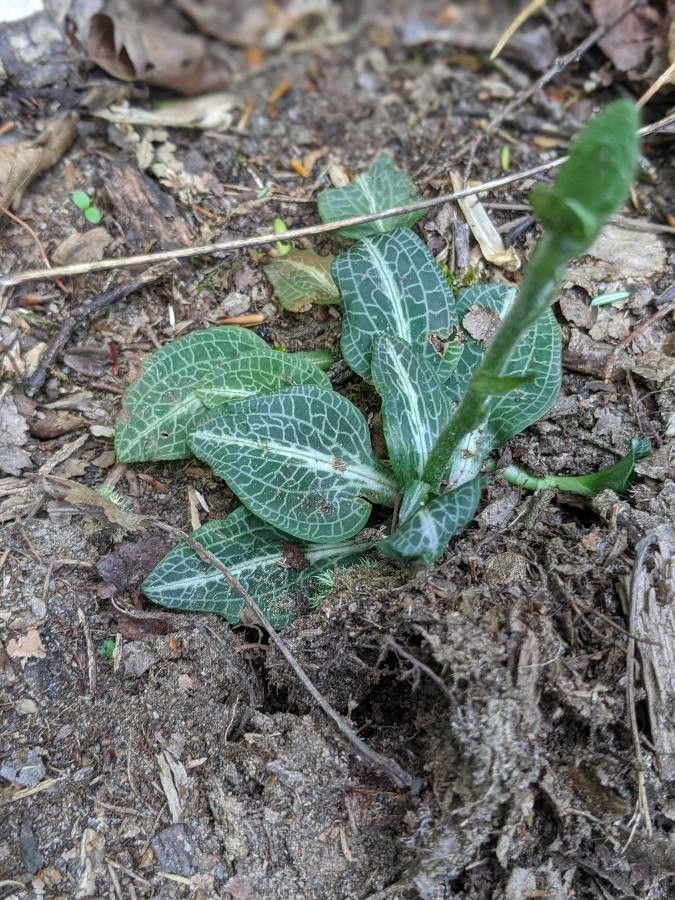
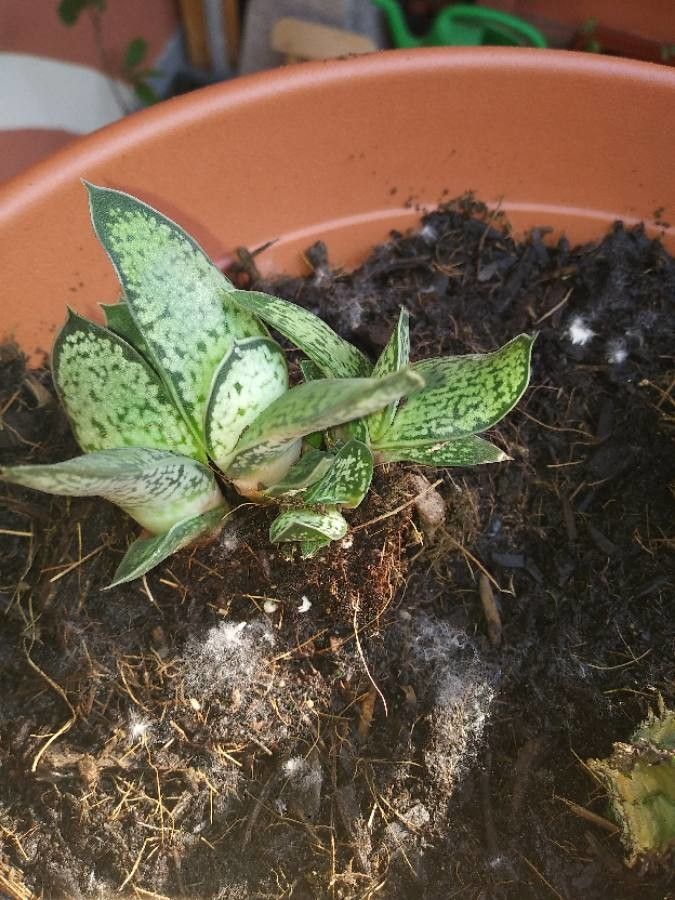
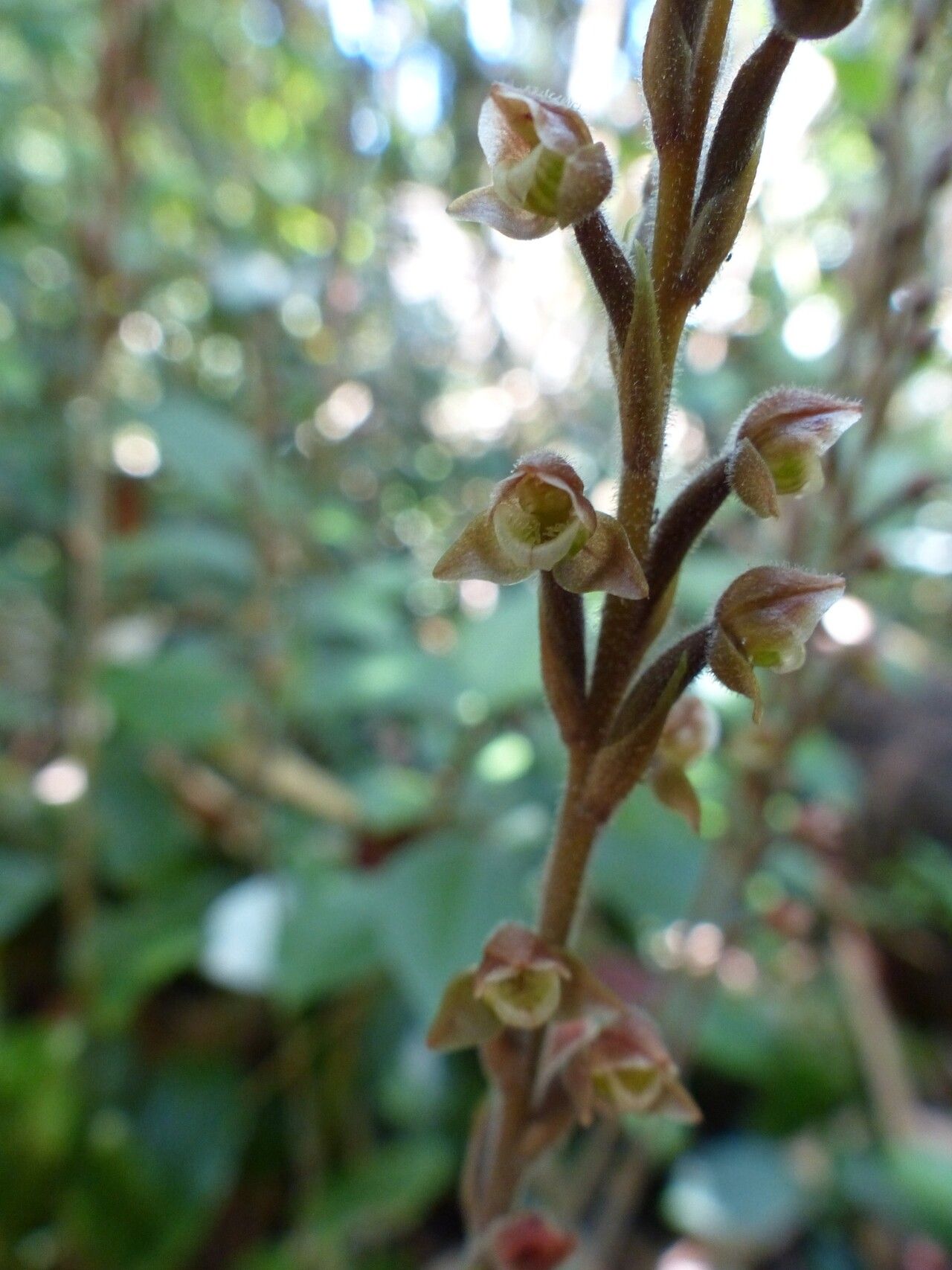
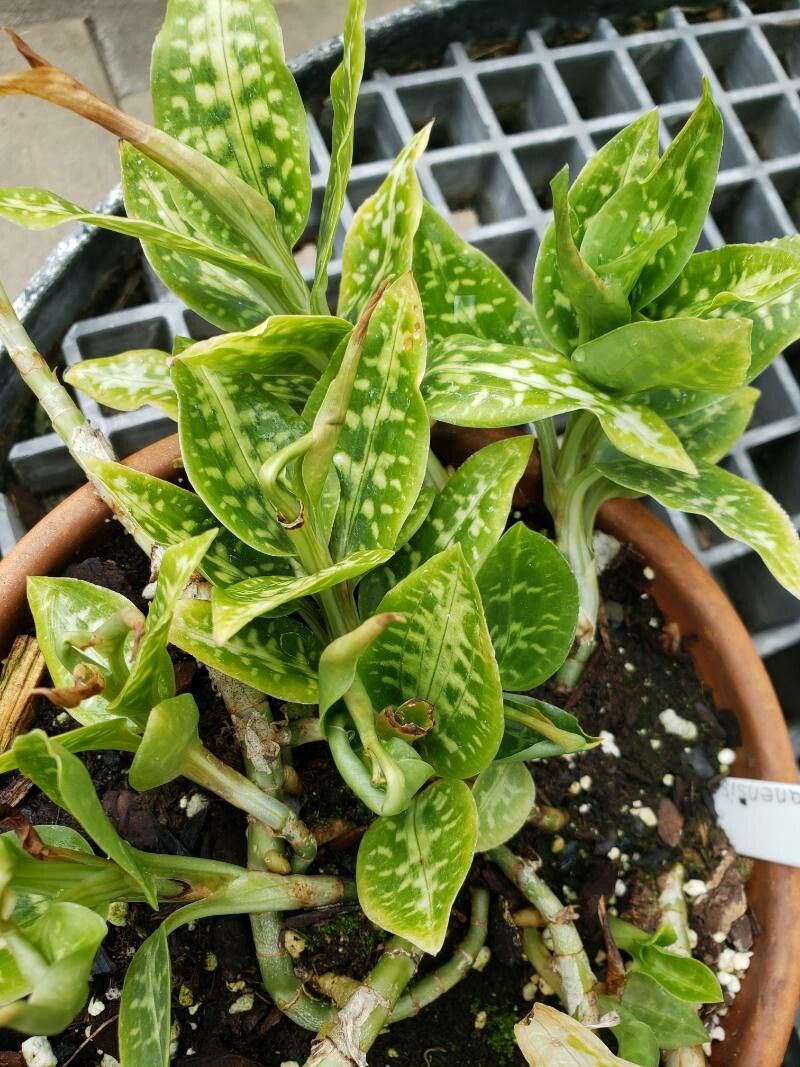
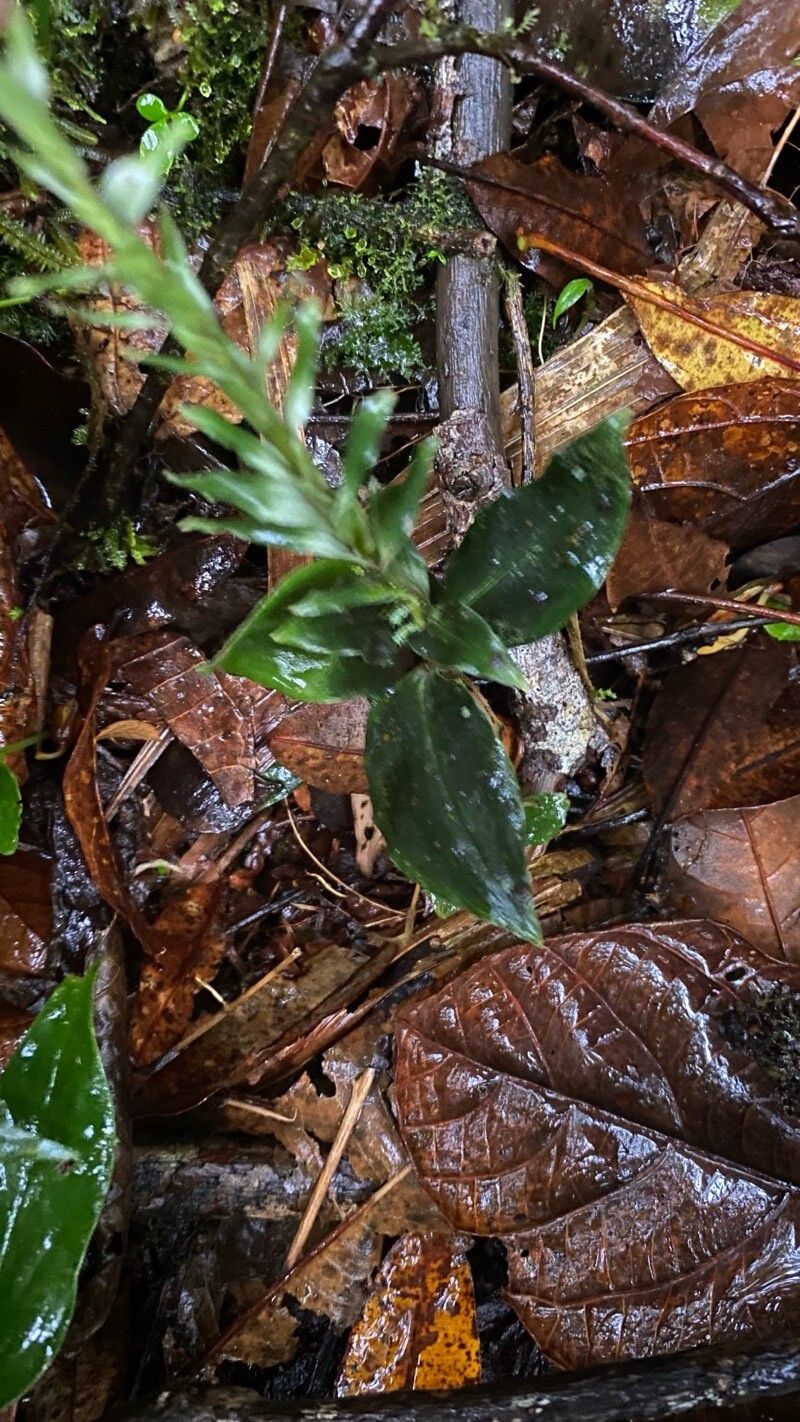
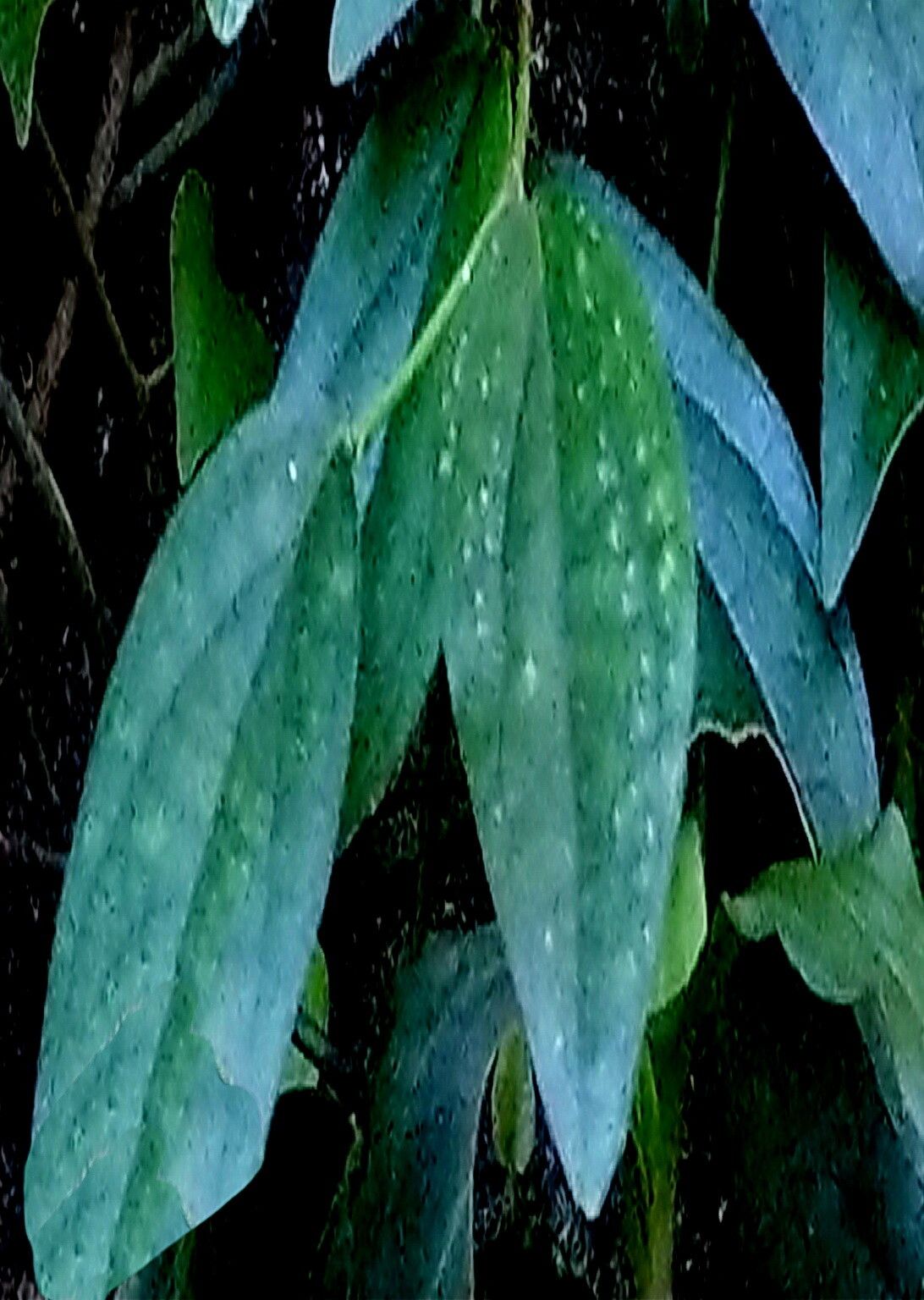
Goodyera tesselata is a plant in the orchid family (Orchidaceae), called by the common name checkered rattlesnake plantain. It is native to eastern Canada from Manitoba to Newfoundland, and to the northeastern United States from Maine to Maryland, west to Minnesota .Goodyera tesselata has low basal leaves with white reticulated lines. The inflorescence is an upright stalk with small white flowers.
How to keep Goodyera Tesselata.
Water
The checkered rattlesnake plantain thrives with adequate moisture, though it can tolerate brief periods of mild drought. During the summer, water the plant once a week. In the fall and winter, reduce this frequency to every 10 days. To maintain humidity, especially in dry conditions, mist the plant regularly. Use water with a neutral pH for watering and misting. If you're using tap or rainwater, let it sit for a while before use.
Fertilizer
The checkered rattlesnake plantain needs very little fertilizer. After it sprouts in spring, apply a nitrogen-rich fertilizer (N-P-K = 30-10-10) every 10 days. In summer, switch to a balanced fertilizer (N-P-K = 20-20-20). During the fall, using a phosphorus-rich fertilizer can improve blooming.
Pruning
The checkered rattlesnake plantain features distinctive checkered leaves and thrives in shaded, moist environments. To promote air circulation and reduce the risk of disease, prune it lightly in early spring. Avoid heavy pruning or cutting while the plant is blooming to preserve its health and appearance. This approach helps ensure vibrant growth and attractive foliage.
Botanical profile.
- Life Cycle
- Perennial
- Genus
- Goodyera
- Family
- Orchidaceae
- Mature Height
- 18 cm to 33 cm
Other names.
Reader questions.
What is the botanical name of the Checkered rattlesnake plantain?
The Checkered rattlesnake plantain is botanically named Goodyera tesselata. This name helps in identifying the species accurately within the scientific community.