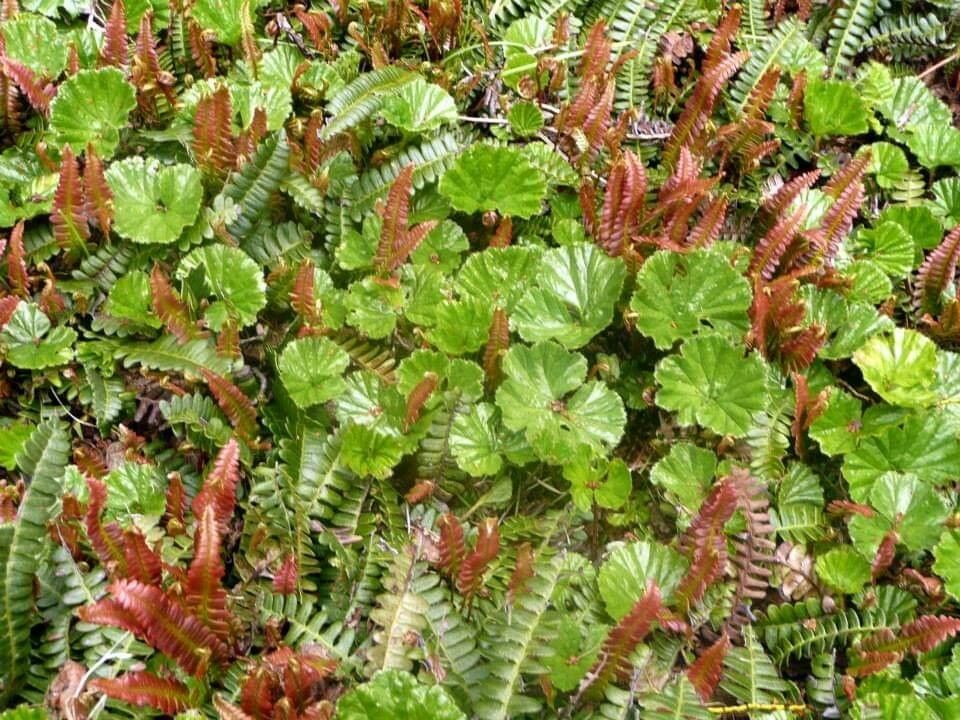
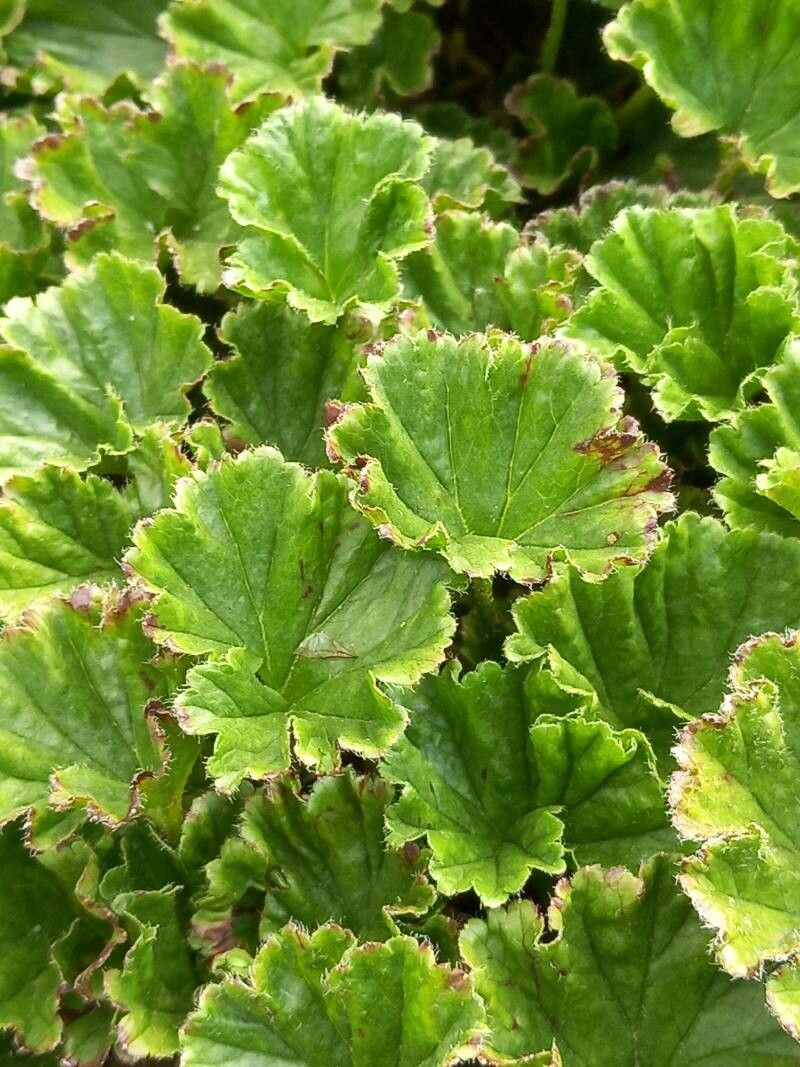
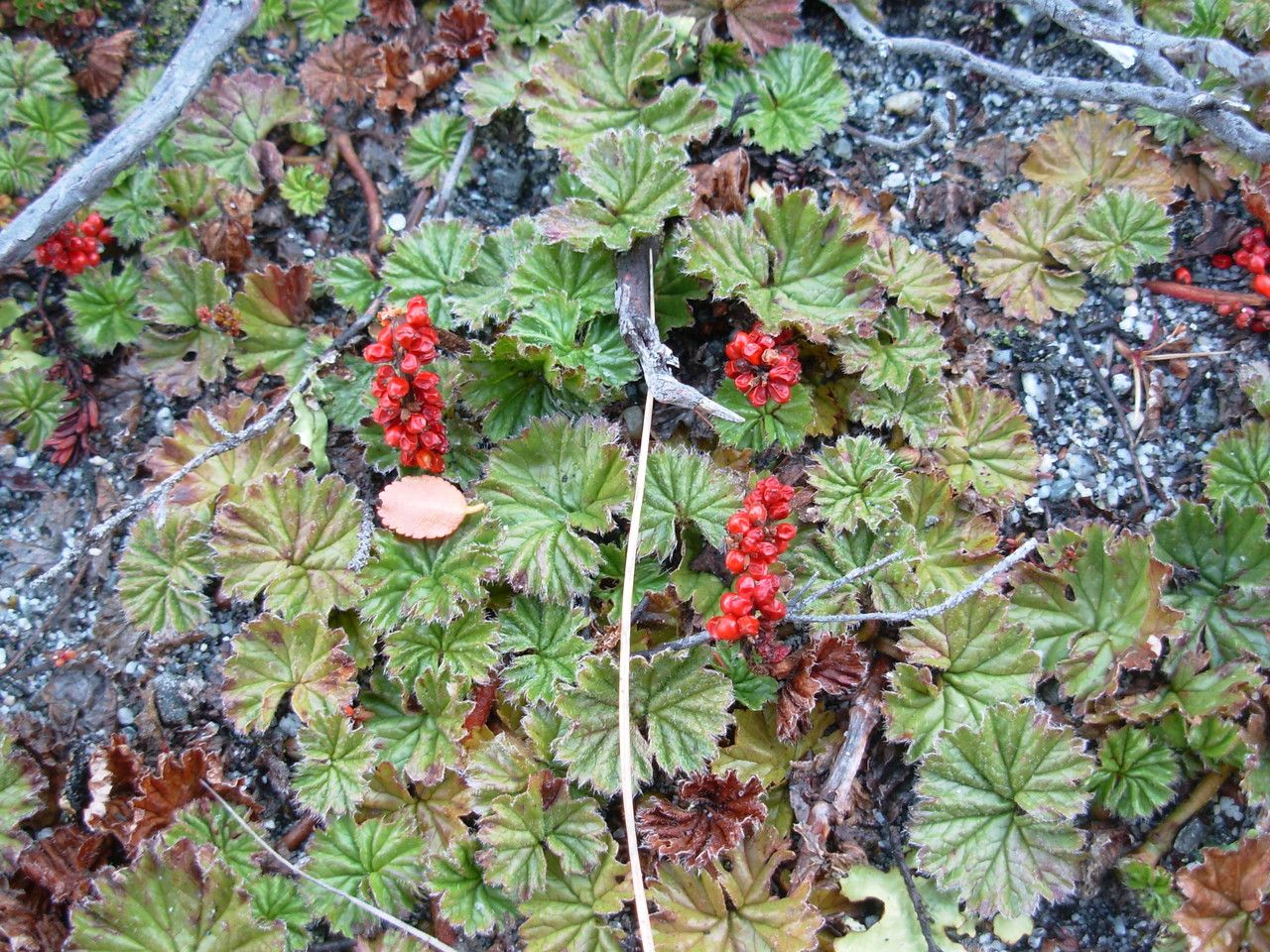
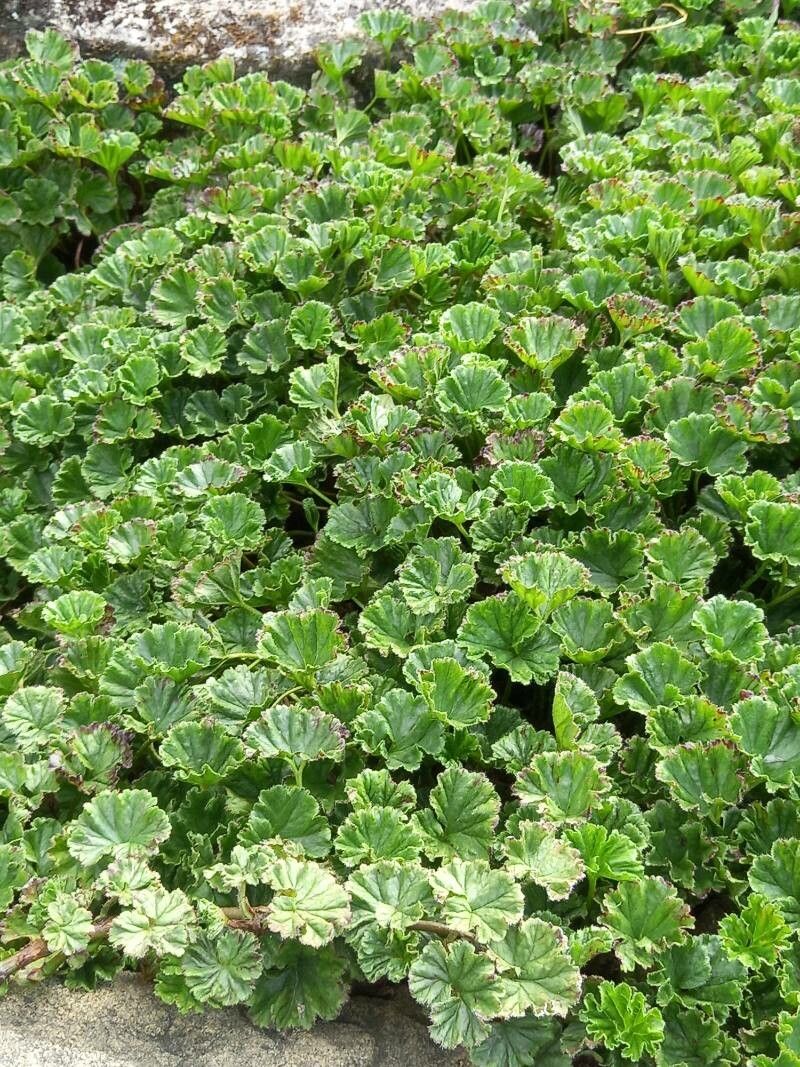
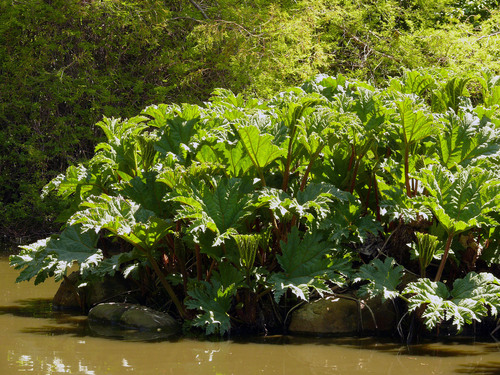
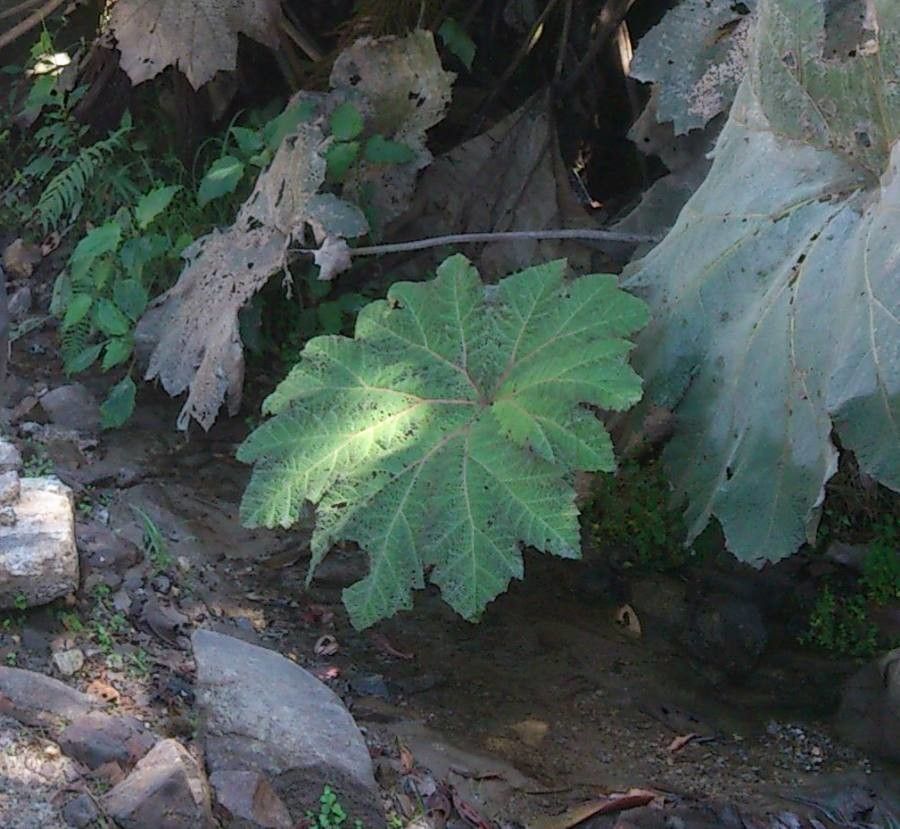
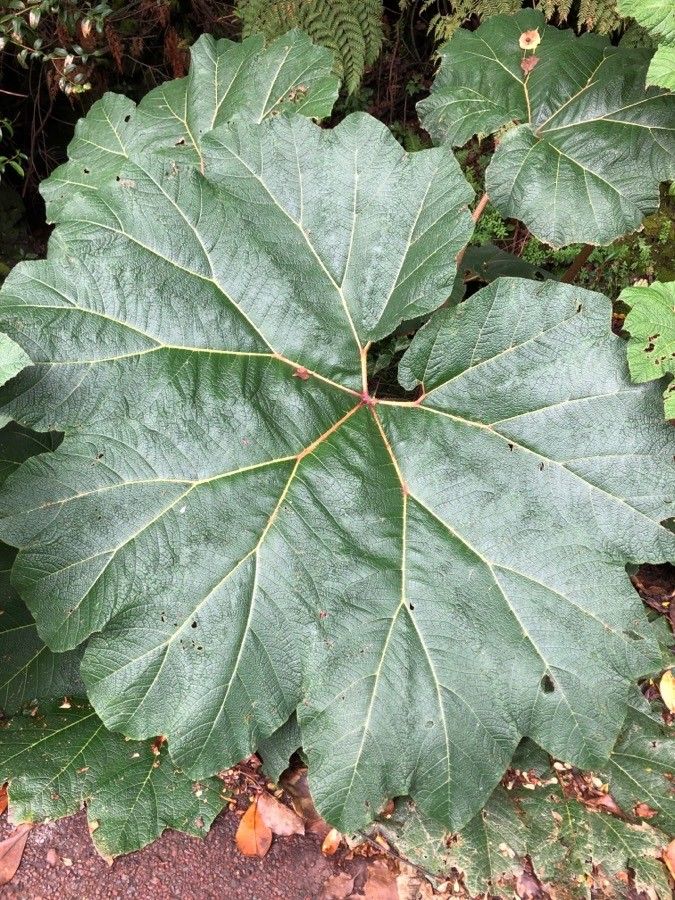
Gunnera magellanica, commonly known as Magellan's giant rhubarb, is a perennial herb native to the southern regions of South America. As a member of the Gunneraceae family, this plant can reach up to 1.5 meters in height and 2 meters in width. Its large, deeply lobed leaves can grow up to 1 meter in diameter and are covered with tiny hairs, giving them a velvety texture.
Gunnera magellanica thrives in moist soil conditions and is typically found near streams or other bodies of water. It is often cultivated as an ornamental plant due to its impressive size and unique appearance.
Indigenous people have utilized the leaves of Gunnera magellanica for medicinal purposes, such as treating wounds and skin irritations. Additionally, the roots have been used for their diuretic properties.
Overall, Gunnera magellanica is an extraordinary plant with striking features that make it a standout in any garden or landscape, while also having traditional medicinal uses among indigenous communities near its natural habitat.
Gunnera magellanica is relatively resistant to diseases and typically does not readily succumb to them. Nevertheless, it can be affected by pests and diseases present in its environment. Such infections are generally not severe. Regarding care, this plant requires moderate maintenance. Regular pruning is necessary to preserve an attractive appearance and encourage healthy growth. Applying fertilizer can also help promote flowering. Gunnera magellanica is appropriate for anyone with outdoor space, such as a garden or patio, and does not demand extensive care experience. It may require more attention when grown indoors.
How to keep Gunnera Magellanica.
Light
Gunnera magellanica is native to habitats like forest understories and rocky sites, where it typically occurs in natural shade. It favors partial sun but can tolerate full sun or full shade, reflecting its hardy and adaptable nature.
Temperature
Gunnera magellanica can tolerate a wide range of temperatures, though its distribution may still be restricted by particular combinations of moisture and heat. It performs best in warm summer conditions with sufficient rainfall or irrigation. Extended periods of cloudy, rainy weather or prolonged high temperatures can increase the chance of the plant dying. In winter, protecting it from cold can enhance its survival rate.
Fertilizer
Usually one fertilizer application in spring is enough for Gunnera magellanica, though repeated feedings can optimize growth. Fertilize about every month to month and a half. Feeding improves the leaves' appearance and function, maintaining even color and a healthy texture. It also promotes root development and nutrient uptake for long-term plant health.
Pruning
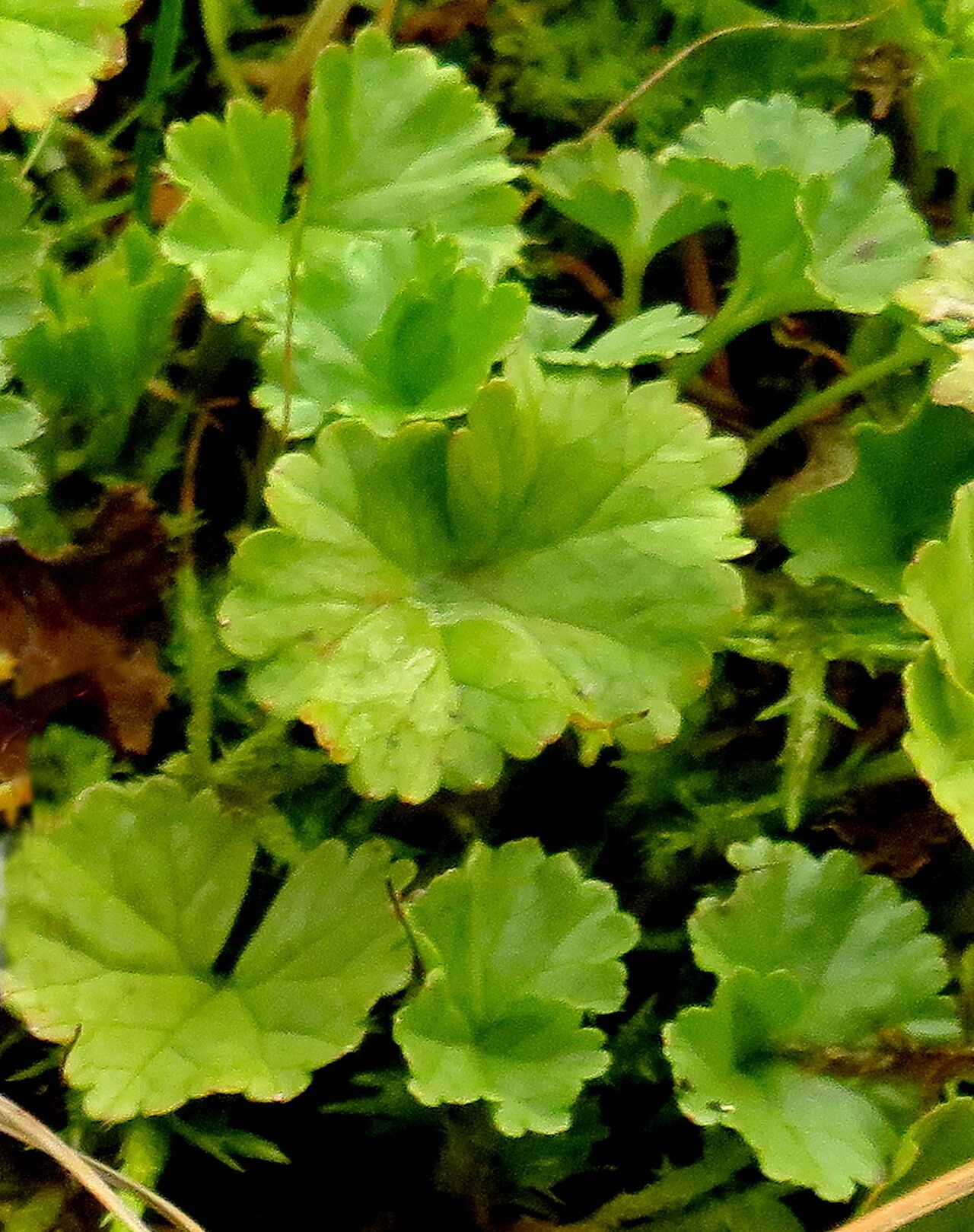
Gunnera magellanica is a low-growing ground cover that features large, textured leaves. To keep it healthy and vibrant, prune the plant in early spring to remove any dead foliage and improve air circulation. This promotes vigor and helps prevent disease. Regular pruning not only enhances the plant's appearance but also supports its healthy growth throughout the year.
Botanical profile.
- Plant Type
- Herb
- Life Cycle
- Perennial
- Genus
- Gunnera
- Family
- Gunneraceae
- Hardiness Zone
- 7-10
- Mature Height
- 15 cm
- Mature Spread
- 30 cm
- Leaf Color
- Green
- Leaf Type
- Evergreen
- Flower Color
- Pink
- Flower Size
- 0.20 cm to 0.25 cm
- Bloom Time
- Mid spring, Late spring
- Planting Time
- Spring, Summer, Autumn
- Harvest Time
- Early summer, Mid summer
- Native Area
- Colombia, Bolivia, Ecuador, Peru
Other names.