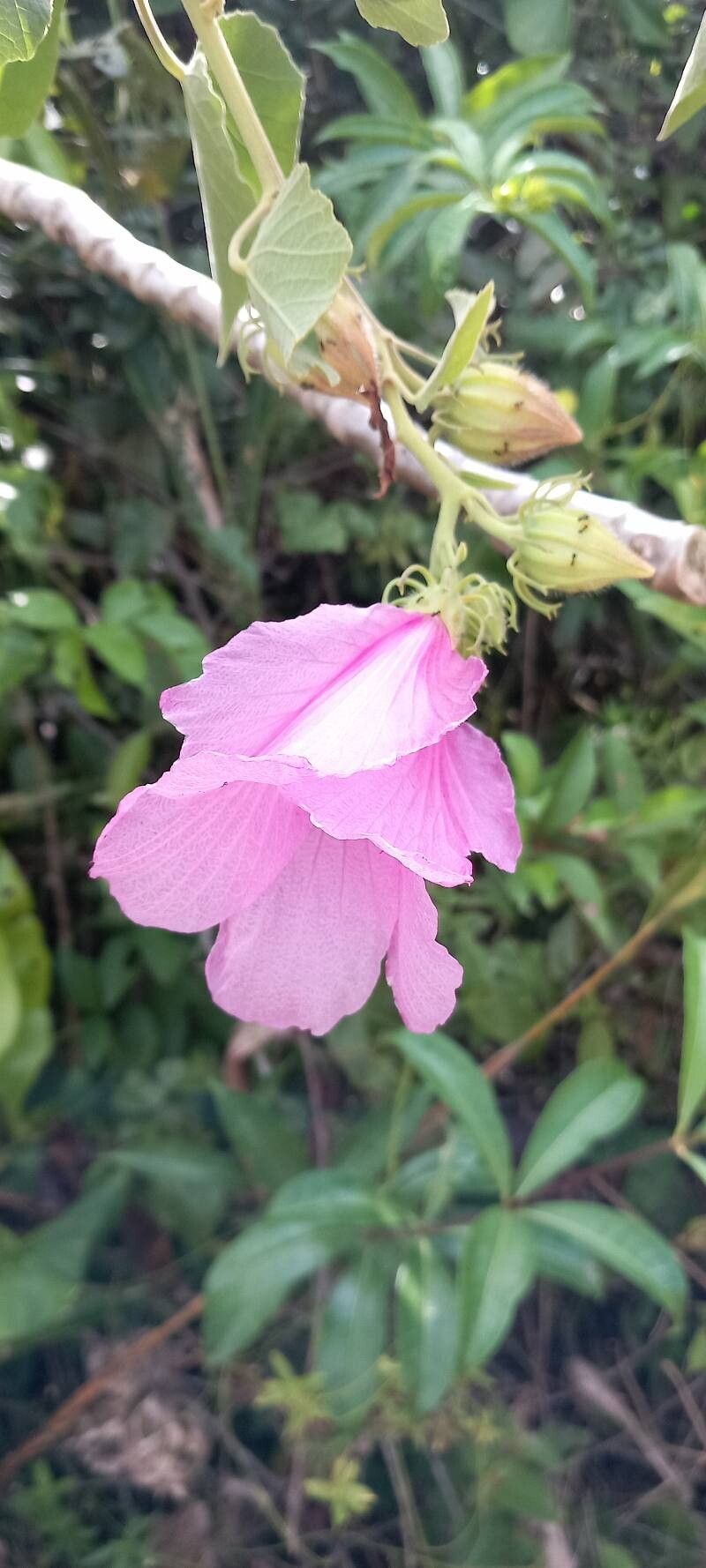
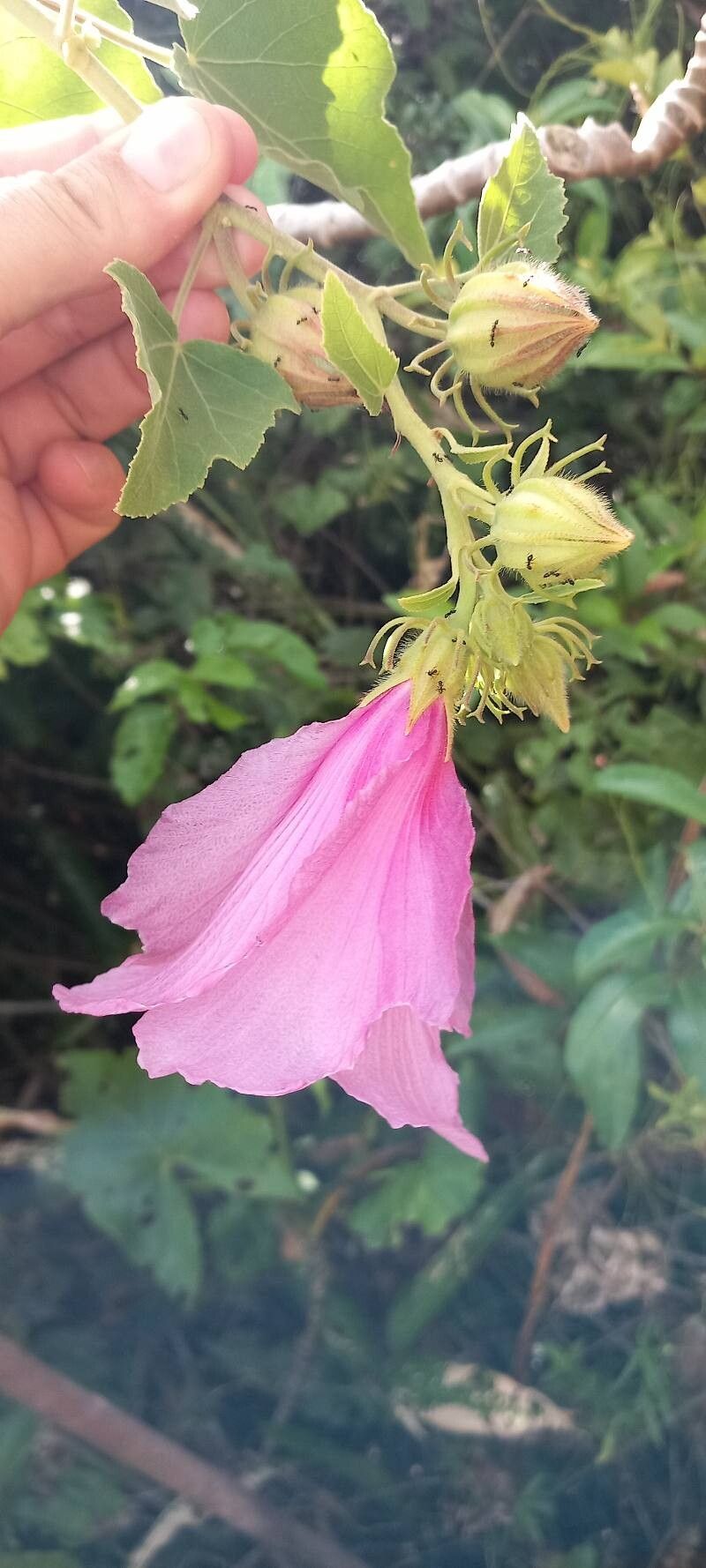
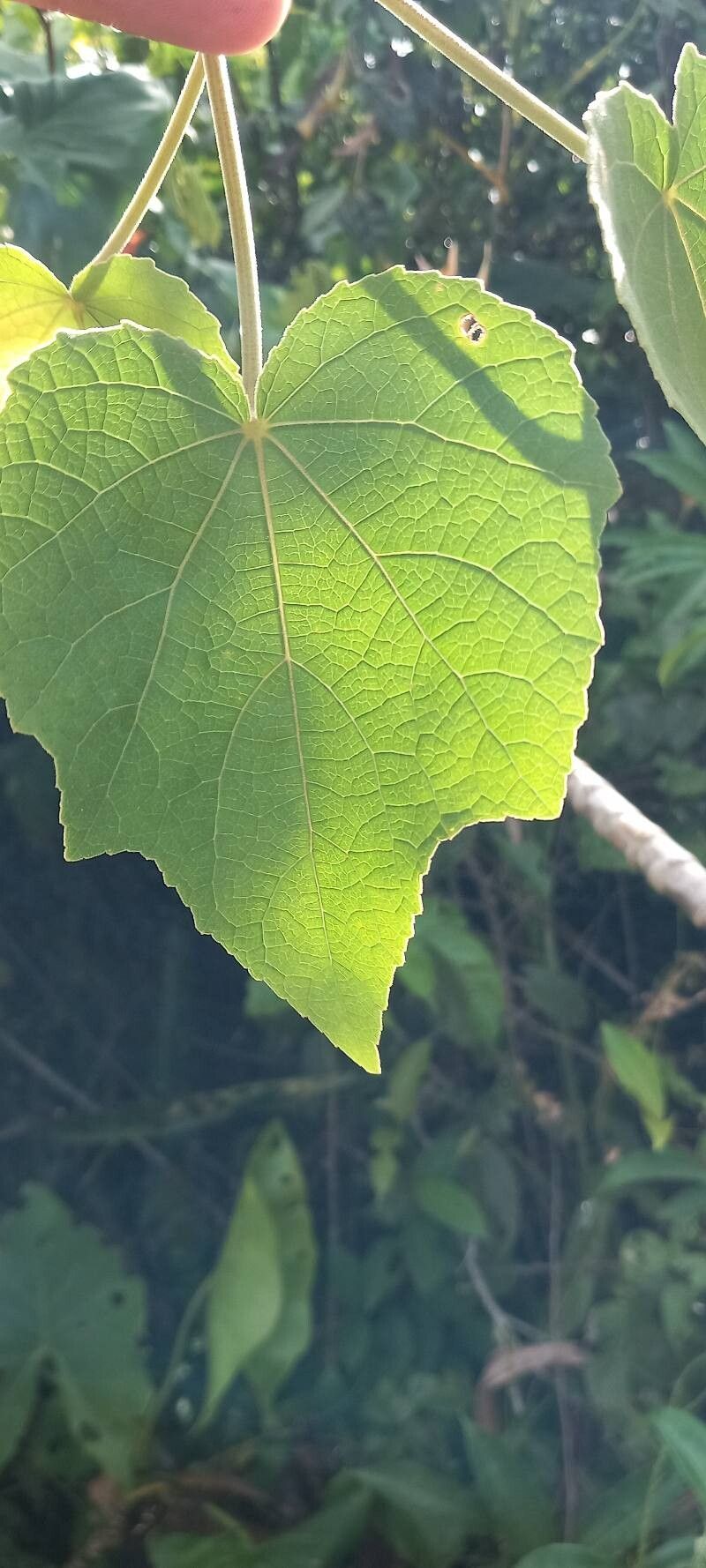
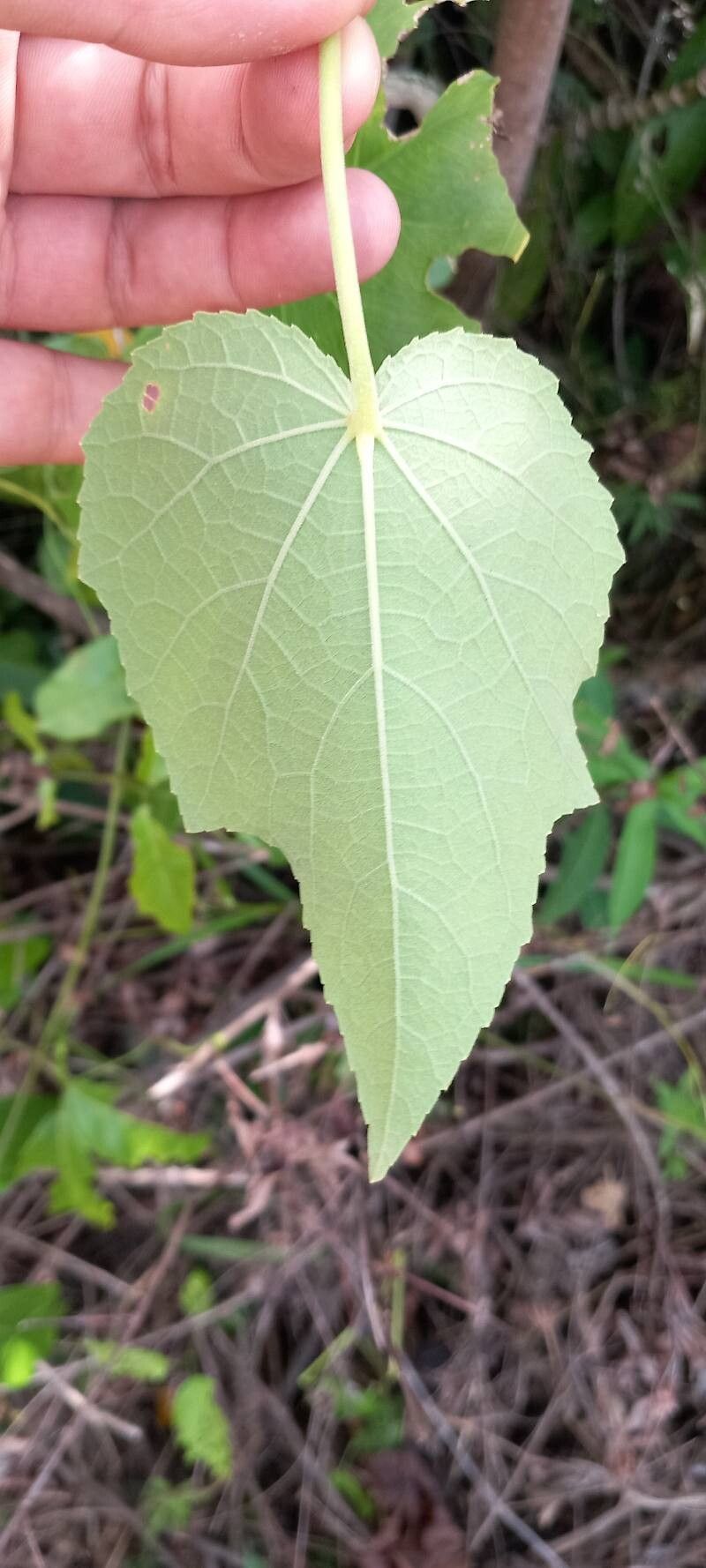
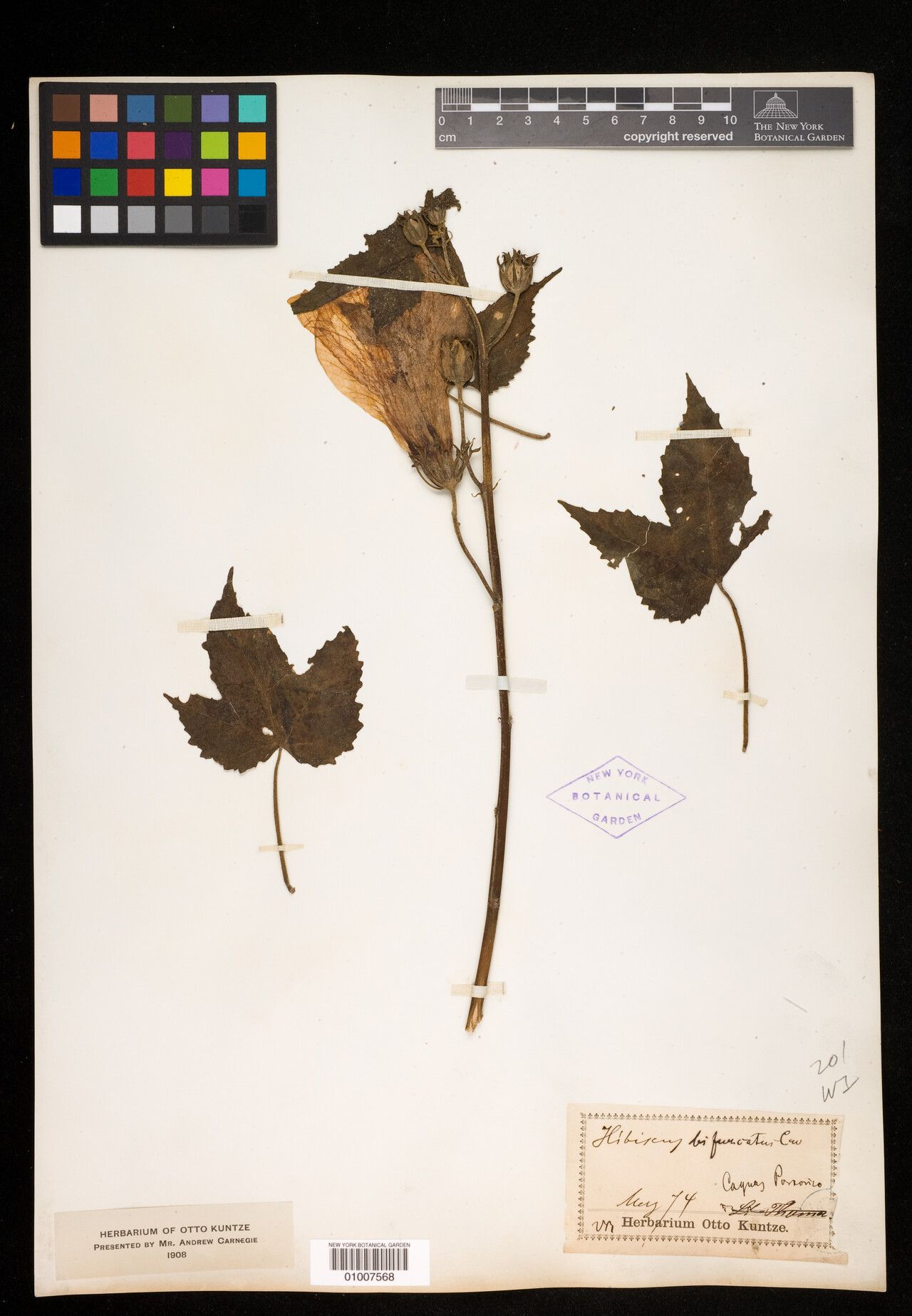
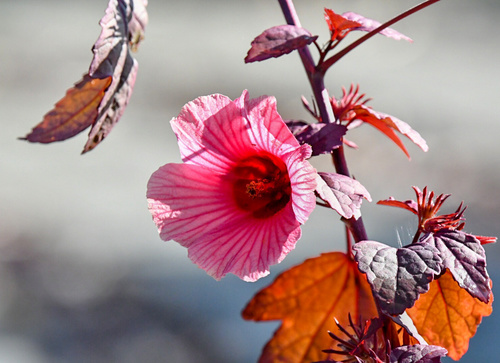
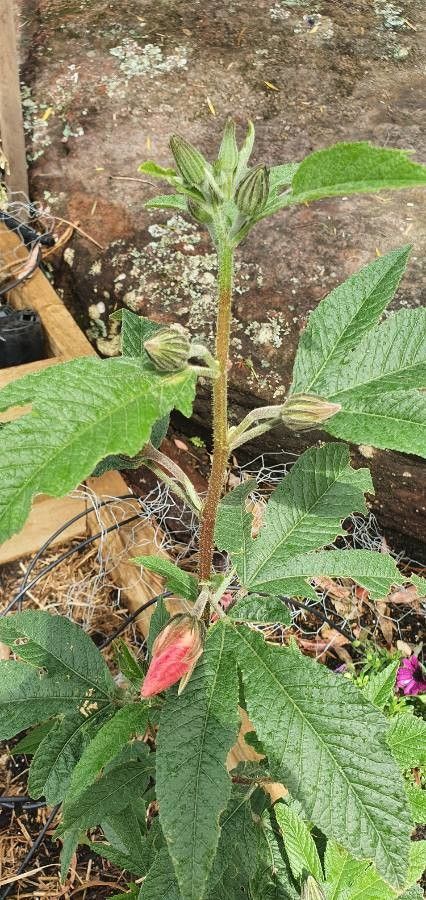
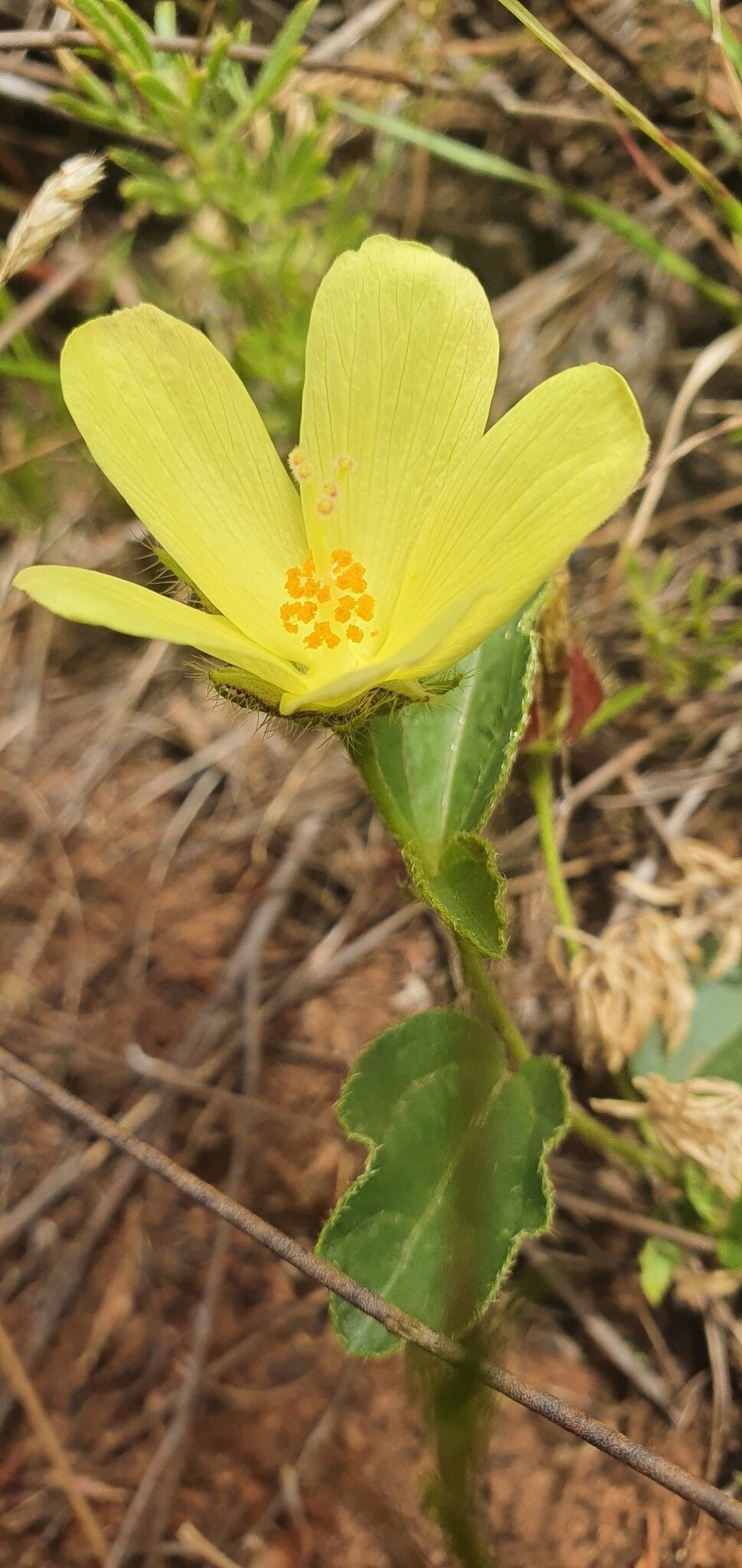
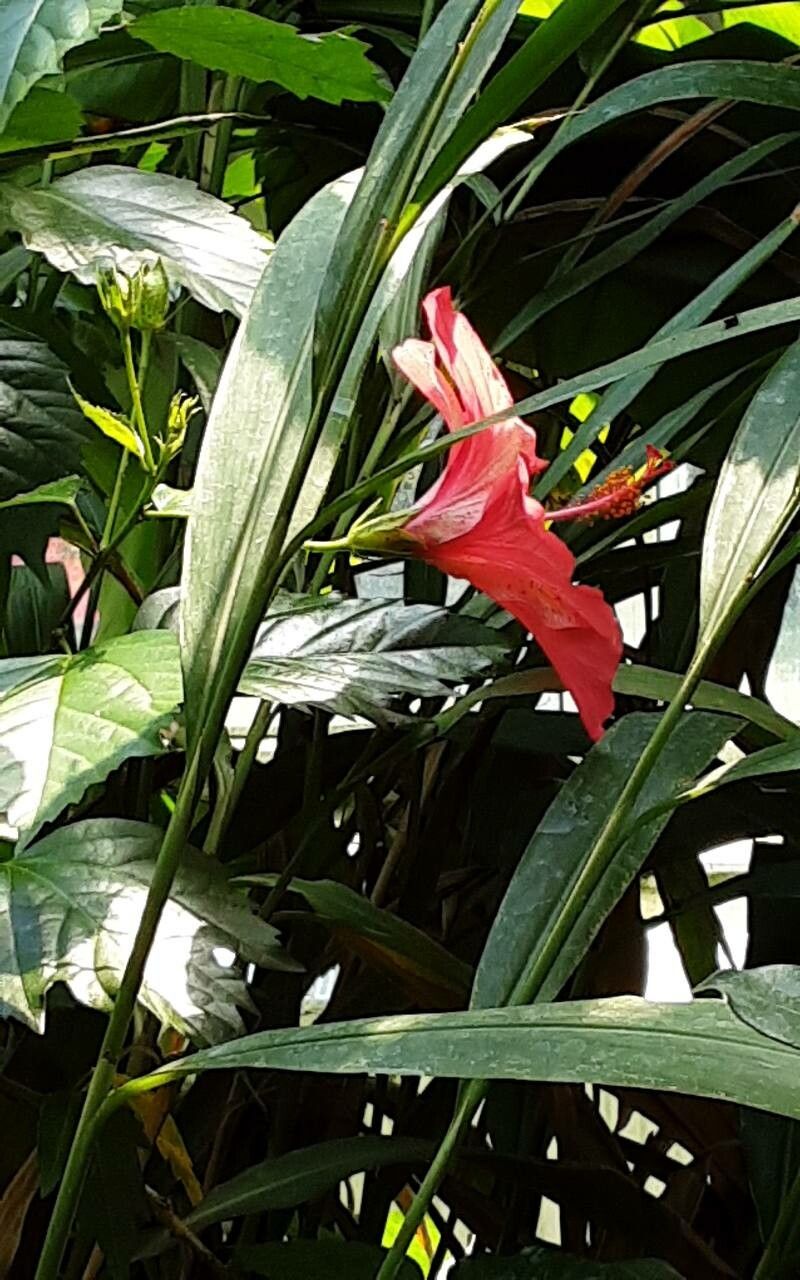
Hibiscus bifurcatus, also known as the fork-bracted rose-mallow, is a species of tropical hibiscus native to parts of Central and South America, including Mexico, Peru, and Brazil. The species is typically found in open woodlands, forest margins, and coastal regions, where it benefits from the warm, humid conditions characteristic of these environments. These natural habitats provide the plant with an adequate supply of sunlight, moderate moisture, and well-draining soil, conditions that are crucial for its survival. The plant grows primarily at altitudes ranging from sea level to approximately 1,500 m (4,900 ft). In these Regions, the temperature is relatively stable, with daily high temperatures between 24 and 30 °C and low temperatures rarely dipping below 18 °C (64 °F). The species is adapted to environments that experience distinct wet and dry seasons, though it prefers conditions with consistent moisture availability throughout the year.
Comfortroot has strong disease resistance and is generally unlikely to suffer from illnesses. However, it can be vulnerable to pests and diseases present in its environment. These issues are usually mild. Regarding care, this plant requires a moderate level of maintenance. It should be pruned regularly to keep a neat appearance and support healthy growth. Fertilizing can also help encourage flowering. Comfortroot is suitable for anyone with outdoor space, such as a garden or patio, and does not demand extensive horticultural experience. It may need more attention when grown indoors.
How to keep Hibiscus Bifurcatus.
Light
For the best growth, Comfortroot requires abundant exposure to sunlight, thriving in spots where it can soak in the majority of daily sunlight. It can tolerate a certain amount of shade, however, insufficient sunlight could result in its growth being hampered and its overall health deteriorating. Too much exposure can also be detrimental to the plant, leading to wilting and browning of the leaves.
Temperature
Comfortroot is native to tropical areas characterized by warmth and humidity. It's highly adapted to thrive in hot, humid conditions. The plant doesn't fare well with abrupt temperature shifts and favors a steady thermal environment, hence the importance of maintaining consistent indoor temperatures. Generally, it struggles with cold conditions and needs more heat to grow. Its growth might be hindered or it may even perish if exposed to excessively cold temperatures.
Botanical profile.
- Plant Type
- Herb
- Life Cycle
- Annual
- Hardiness Zone
- 7-10
- Mature Height
- 0.49 m to 2.13 m
- Mature Spread
- 49 cm to 91 cm
- Leaf Color
- Green
- Leaf Type
- Deciduous
- Flower Color
- Yellow, Red
- Flower Size
- 3.56 cm
- Bloom Time
- Summer, Fall
- Planting Time
- Summer
- Harvest Time
- Late summer, Fall, Early winter
- Native Area
- Sri Lanka, India, Malaysia, Angola, Madagascar, Rwanda, Nigeria, Kenya, Uganda, Tanzania, Zimbabwe, Guinea-Bissau, Benin, Sierra Leone, Indonesia, Cambodia, Cameroon, Liberia, Mozambique, Ghana, Ethiopia, Congo, Central African Republic, Malawi, South Africa, Zambia, Sudan, Philippines, Laos, Bangladesh, Guinea, China, Vietnam, Myanmar, Togo, Bhutan, Senegal, Côte d'Ivoire, Gambia, Congo (DRC), Thailand, Gabon
Other names.