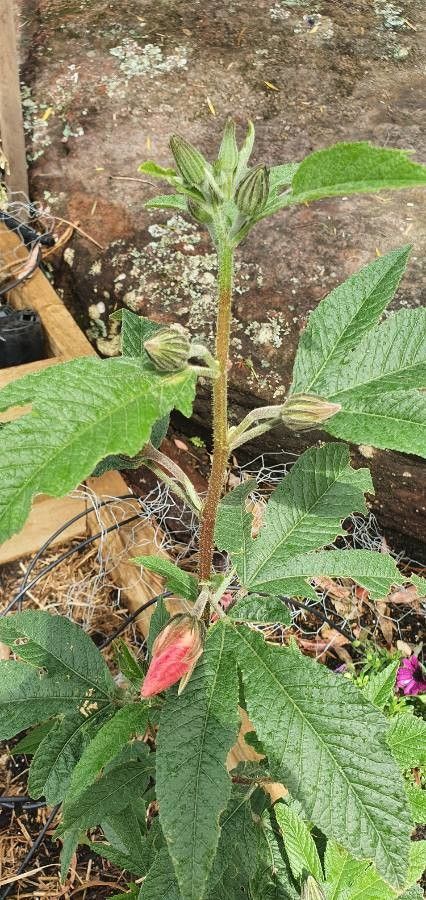
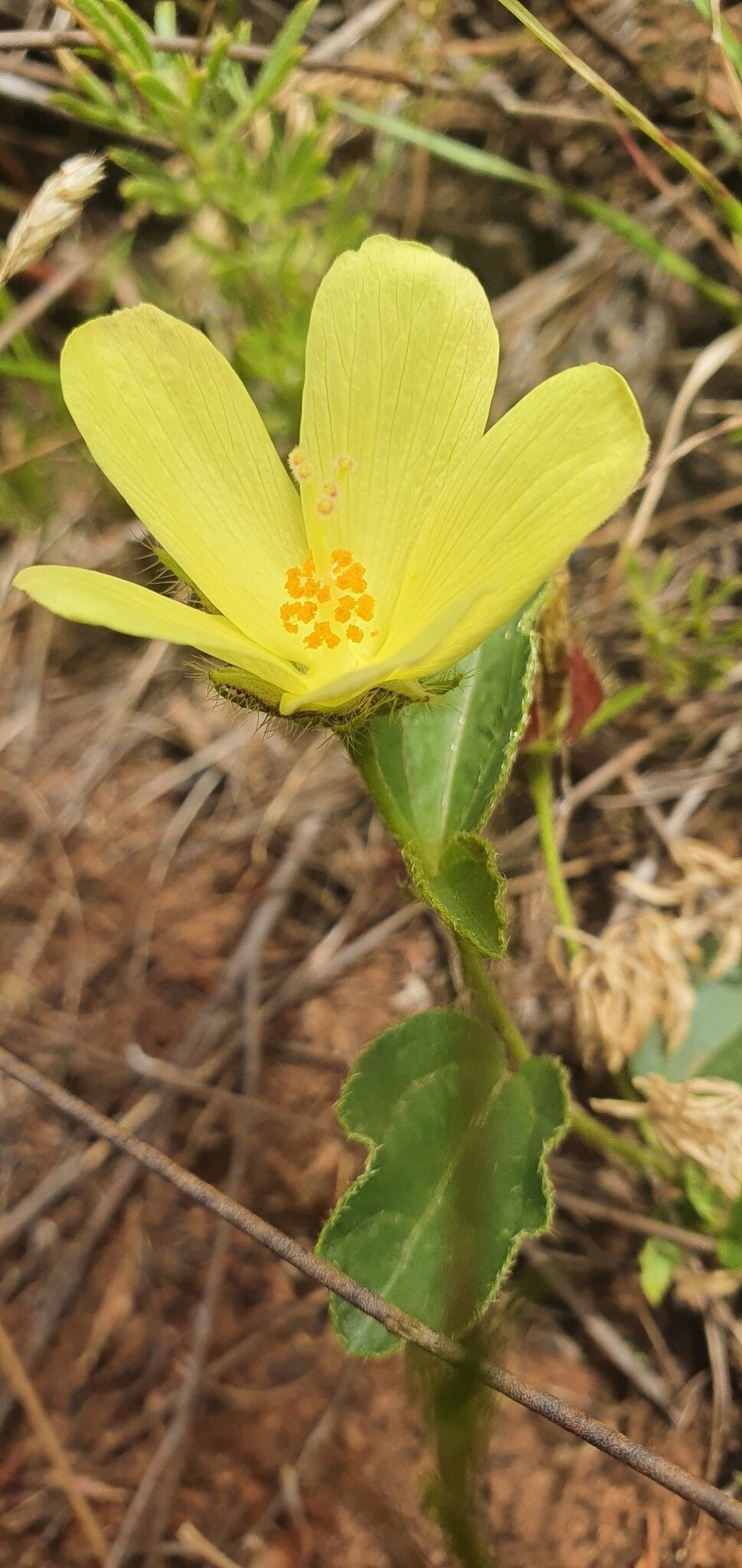
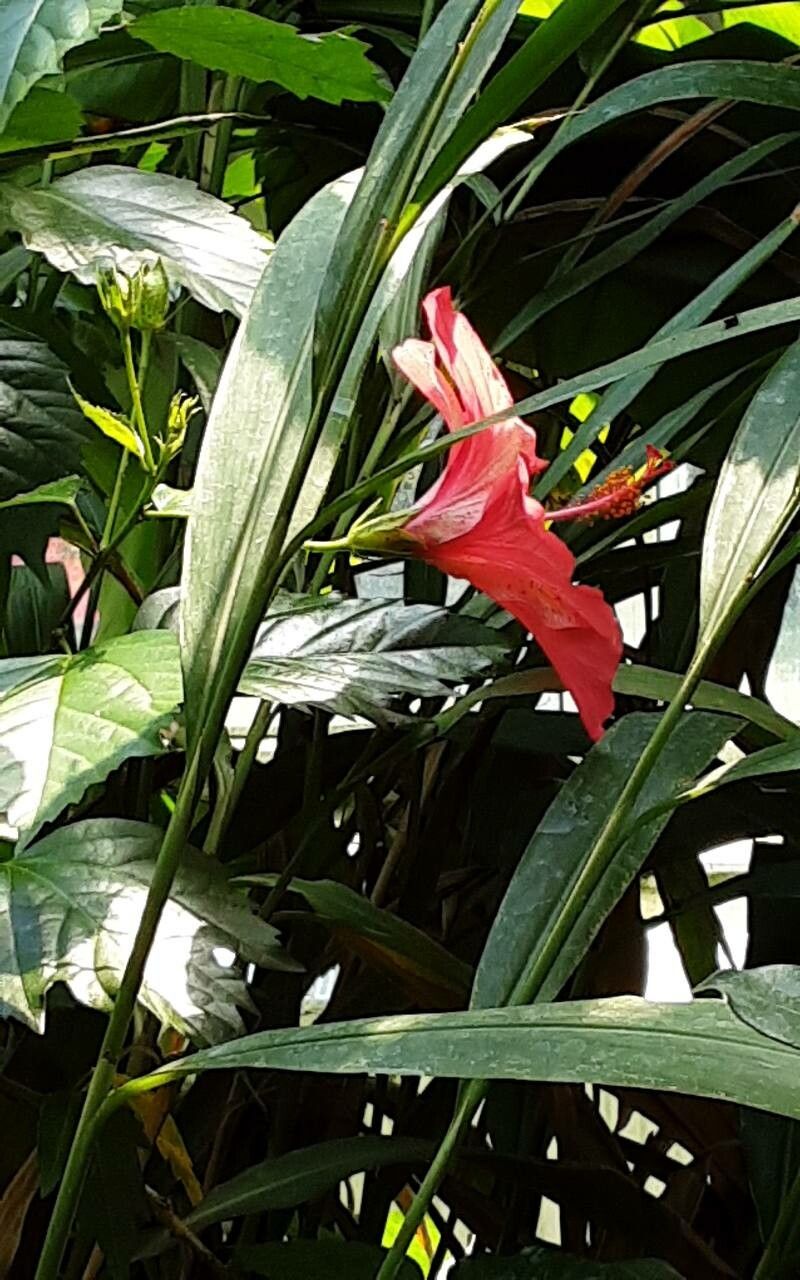
Hibiscus martianus, commonly known as the Martian Rose Mallow, is a flowering plant species in the family Malvaceae. Native to North Africa and the Middle East, it thrives in arid regions such as deserts and rocky slopes.
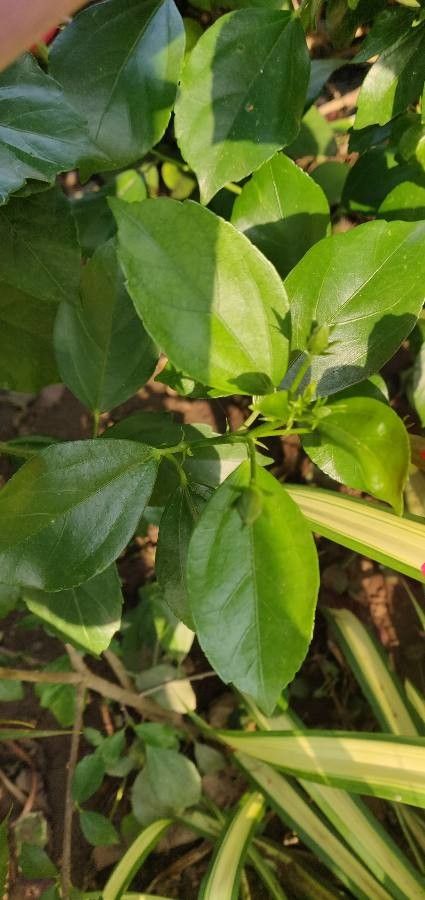
This plant typically reaches a height of 1 to 2 meters and has a similar spread. Its green leaves are deeply lobed with toothed edges and measure approximately 5 to 10 centimeters in length.
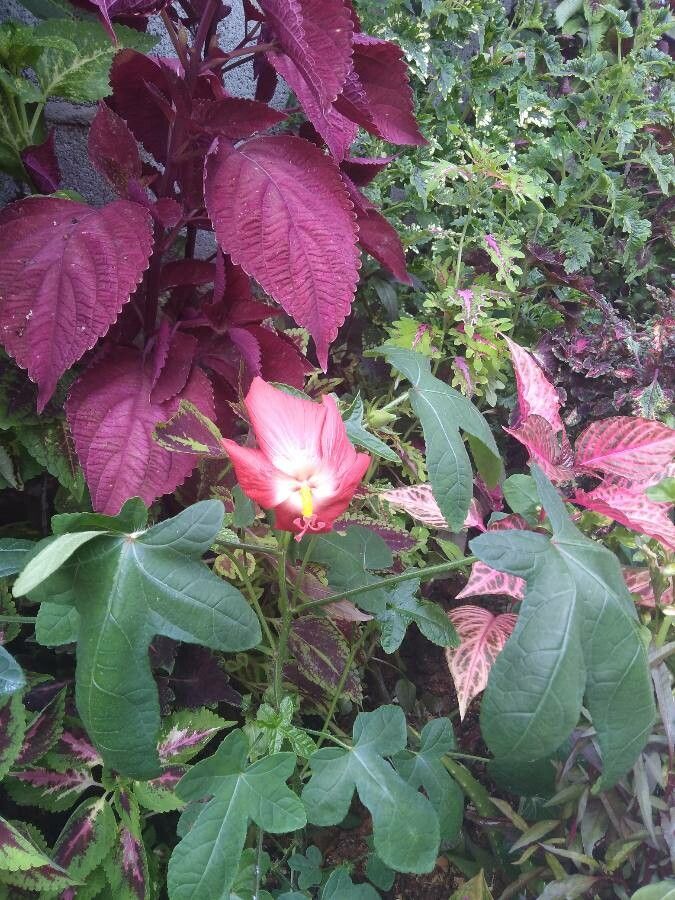
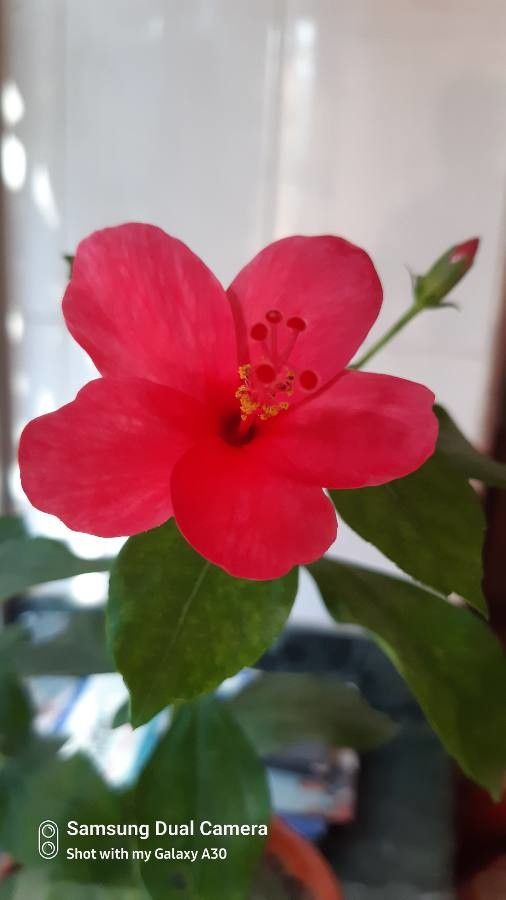
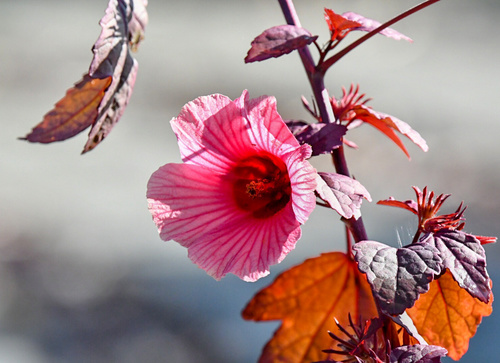
The flowers of Hibiscus martianus are large and striking, with a diameter of up to 10 centimeters. They feature five petals that range in color from pinkish-purple to deep red or maroon, often with a dark center.
Hibiscus martianus is noted for its medicinal properties, containing various bioactive compounds such as flavonoids, alkaloids, and tannins. These compounds have been used to treat ailments such as fever and pain.
Overall, Hibiscus martianus is an attractive ornamental plant that can be grown both indoors and outdoors, depending on climatic conditions. Its beautiful flowers make it a great addition to gardens and landscapes, while its medicinal properties add value for herbal remedies.
Heartleaf rosemallow is fairly disease-resistant and generally does not tend to get sick. However, it can be vulnerable to pests and diseases present in its surroundings. These problems are usually not serious. As for care, this plant needs moderate maintenance. It should be pruned regularly to preserve a neat appearance and support healthy growth. Fertilizing can also help encourage flowering. Heartleaf rosemallow is well suited for anyone with outdoor space, such as a garden or patio, and does not demand extensive gardening experience. It may need more attention when kept indoors.
How to keep Hibiscus Martianus.
Light
Heartleaf rosemallow grows best in places with plenty of sunlight, which promotes its optimal development. This characteristic is largely shaped by its native habitat, where light is plentiful. It can also tolerate moderate light, however. Excessive or insufficient light can negatively affect its health and growth.
Water
The heartleaf rosemallow flourishes in humid environments. It needs regular watering, but be careful not to overwater it. To keep the plant healthy, water it weekly. In warmer climates, when grown outdoors, using mulch can help retain soil moisture and protect the plant from extreme temperatures.
Temperature
Heartleaf rosemallow comes from habitats that typically maintain warm temperatures, ideally around 59 to 95°F (15 to 35℃). It can tolerate cooler conditions, but to thrive it requires sunshine and warmth. Seasonal temperature changes are usually not necessary unless very cold weather is expected.
Fertilizer
The best time to fertilize a Heartleaf rosemallow is in early spring, when it is coming out of dormancy and starting active growth. Fertilization supplies essential nutrients for healthy development. Although Heartleaf rosemallow has fairly low fertilizer requirements, feeding it annually can improve its survival and encourage better, longer-lasting blooms.
Pruning
To keep your heartleaf rosemallow healthy and vibrant, it's important to prune it regularly. The best time to do this is from early to late spring. Pruning helps maintain the plant's shape and stimulates new growth. Be sure to remove any damaged branches and trim back excessive growth to improve airflow and light penetration. Always use clean tools to prevent the spread of disease. Additionally, try to avoid heavy pruning during the peak flowering period to ensure the plant stays healthy.
Pot & Repot
Heartleaf rosemallow needs excellent drainage when planted in pots. This helps ensure healthy growth and prevents root rot.
Botanical profile.
- Plant Type
- Herb, Shrub
- Life Cycle
- Perennial
- Genus
- Hibiscus
- Family
- Malvaceae
- Hardiness Zone
- 7-10
- Mature Height
- 30 cm to 91 cm
- Mature Spread
- 30 cm to 91 cm
- Leaf Color
- Green
- Leaf Type
- Deciduous
- Flower Color
- Pink
- Flower Size
- 5.08 cm to 7.62 cm
- Bloom Time
- Late spring, Summer, Fall
- Planting Time
- Spring, Autumn
- Harvest Time
- Mid summer, Late summer, Fall, Early winter
- Native Area
- Mexico
Other names.
Reader questions.
How should I water my Heartleaf rosemallow in the best way?
To properly water the Heartleaf rosemallow, it is recommended to use filtered water at room temperature. Tap water should be avoided as it may contain harmful particles. As the Heartleaf rosemallow originates from warm environments, cold water can be a shock to its system. It is also suggested to refrain from overhead watering to prevent foliage issues. Instead, pour the filtered room temperature water directly onto the soil until it is fully soaked. This method is beneficial as it keeps the roots moist and allows for the collection of essential nutrients.
Why is it important to add fertilizer to my Heartleaf rosemallow plant?
Fertilization is important for the Heartleaf rosemallow for several reasons. It provides key nutrients for the plant's growth above and below ground. However, the overall fertilization needs for a Heartleaf rosemallow are relatively low. While it can survive without fertilization, annual fertilization can greatly benefit the plant. It helps keep the plant alive and promotes the production of better and longer-lasting flowers. Therefore, those who want their Heartleaf rosemallow to look its best should prioritize annual fertilization.
What are the sunlight requirements for Heartleaf Rosemallow?
Heartleaf Rosemallow thrives best in environments that offer generous amounts of sunlight, which is crucial for its optimal growth. It originates from habitats that receive abundant sunlight, highlighting its need for significant light exposure. The plant benefits from full sun, defined as over 6 hours of sunlight per day, and can also tolerate partial sun, which means about 3-6 hours of sunlight per day. However, it's essential to monitor the plant's exposure to ensure it receives the right balance of light and shade, as too much or too little sunlight can negatively affect its health and growth.
What is the ideal temperature range for Heartleaf Rosemallow?
The Heartleaf Rosemallow, scientifically known as Hibiscus martianus, thrives in a warm temperature range, ideally between 59 to 95°F (15 to 35°C). While it can adapt to cooler temperatures, it requires sunshine and warmth to truly thrive. As such, seasonal temperature adjustments are typically not necessary, except in cases of extreme cold.
What should I do if I give my Heartleaf rosemallow too much water or too little water?
Overwatering is a common issue that can harm your Heartleaf rosemallow. When this plant receives too much water, its stems and leaves may wilt and turn yellow. Overwatering can also lead to diseases like root rot, mold, and mildew, which can be fatal for your plant. Underwatering is less common for this plant, but it can still happen. When underwatering occurs, the leaves may become brittle and brown. It's important to notice the signs of overwatering early on. Diseases like root rot may not be fixable if you wait too long. If you see signs of overwatering, reduce your watering schedule and check the soil drainage. Replace poorly draining soil with a loose, well-draining potting mix. If your plant shows signs of underwatering, simply water it more regularly until the signs improve.
When should I fertilize my Heartleaf rosemallow?
The best time to fertilize a Heartleaf rosemallow is in late winter to early spring when it is transitioning from its dormant phase to active growth. This encourages healthy growth and helps the plant start the season off well. Although fertilizing in early spring is most beneficial, fertilizing during the fall is also okay. However, it is not advisable to fertilize a Heartleaf rosemallow during summer or winter.
How can artificial lighting support Heartleaf Rosemallow growth indoors?
Indoor Heartleaf Rosemallow plants require sufficient lighting to grow well, especially when natural sunlight is lacking, such as during winter or in less sunny spaces. Artificial lights can be a vital solution to this issue, encouraging healthier and faster growth. LED lights are recommended for them as they can provide specific wavelengths needed by the plants. The required intensity of artificial light varies: full sun plants need 30-50W per square foot, partial sun plants require 20-30W per square foot, and full shade plants need 10-20W per square foot. The artificial light source should be placed 12-36 inches above the plant to mimic natural sunlight conditions, and the lighting duration should match the natural daylight hours your plant species would receive, typically between 8-12 hours per day.
Does Heartleaf Rosemallow need special frost protection during winter?
Heartleaf Rosemallow has strong cold resistance, making special frost protection measures usually unnecessary during winter. However, if winter temperatures are expected to drop below -15°C, it is important to provide cold protection. This can be achieved by covering the plant with insulating materials such as soil or straw. Additionally, watering the plant abundantly before the first freeze in autumn helps ensure the soil remains moist and enters a frozen state, aiding in drought and water scarcity prevention during winter and early spring.
How much should I water my Heartleaf rosemallow?
If your Heartleaf rosemallow plant is in a pot, the most accurate way to determine if it needs water is by checking the soil with your finger. If the top two to three inches of soil feel dry, then it's time to water it. If you have your Heartleaf rosemallow planted outdoors in the ground, you can use a similar method to test the soil. Once again, if the top few inches of soil are dry, it's time to add water. Generally, during spring and early fall, you'll need to water this plant about once a week using this method. However, during extremely hot weather, you may need to water it twice or more per week. However, it's important to note that mature, well-established Heartleaf rosemallows have a good drought tolerance.
When should I not put fertilizer on my Heartleaf rosemallow?
To avoid overfertilization and its complications, it is best to only fertilize your Heartleaf rosemallow in late winter and early spring. This plant has low fertilization needs and a single annual feeding is sufficient. However, if you didn't fertilize in spring, it is okay to feed the plant in fall. During most of the growing season, refrain from fertilizing. Additionally, during winter when the plant is dormant and not producing new growth, fertilization is not recommended.
What are the symptoms of inadequate light in Heartleaf Rosemallow?
Symptoms of light deficiency in Heartleaf Rosemallow can include smaller new leaves, leggy or sparse growth, faster leaf drop, slowed or halted growth, lighter-colored new leaves, chlorosis, sunscald, leaf curling, wilting, and leaf scorching. These issues stem from insufficient sunlight exposure, leading to a range of physiological problems like a lack of chlorophyll, poor nutrient absorption, and reduced photosynthesis. It's crucial to address these symptoms promptly by adjusting the plant's light exposure to prevent long-term damage.
What are the symptoms of Heartleaf Rosemallow being exposed to low and high temperatures?
When exposed to low temperatures, especially below -15°C, Heartleaf Rosemallow may not show noticeable changes during winter, but a decrease in sprouting or even no sprouting might occur in spring. For high temperatures, especially above 41°C, the plant's leaves may lighten in color, curl, become prone to sunburn, and the entire plant might wilt and dry in severe cases. It's important to manage these conditions appropriately to ensure the plant's health.