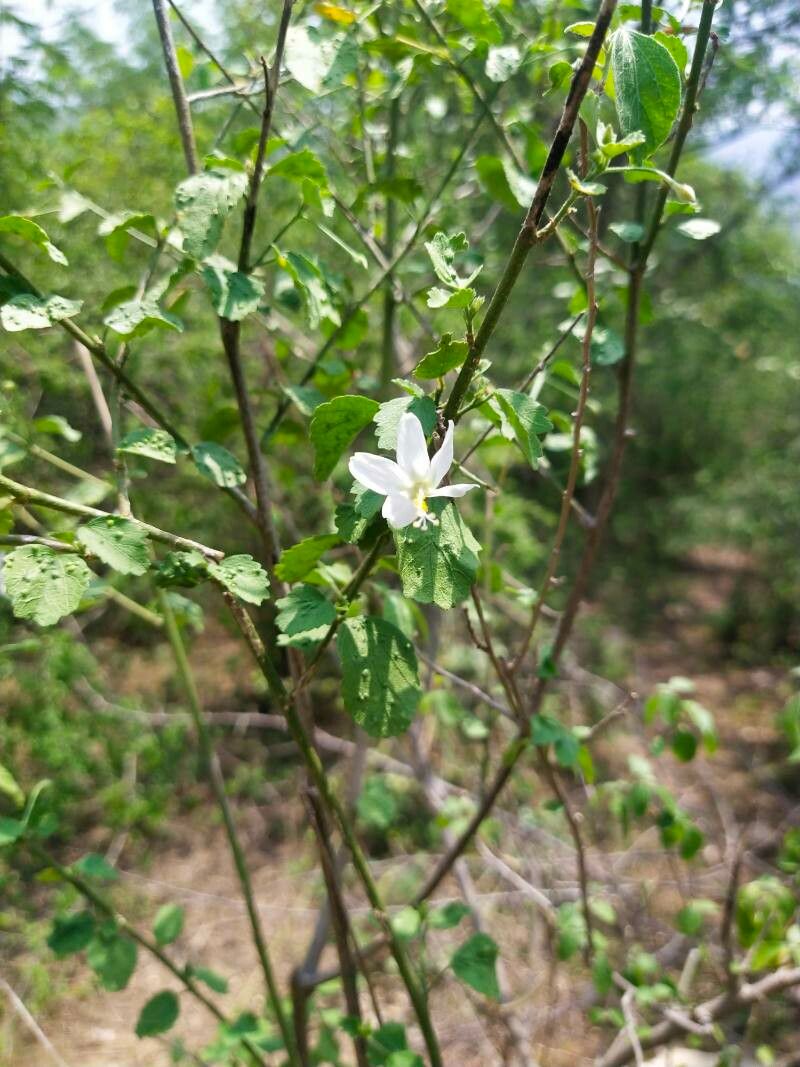
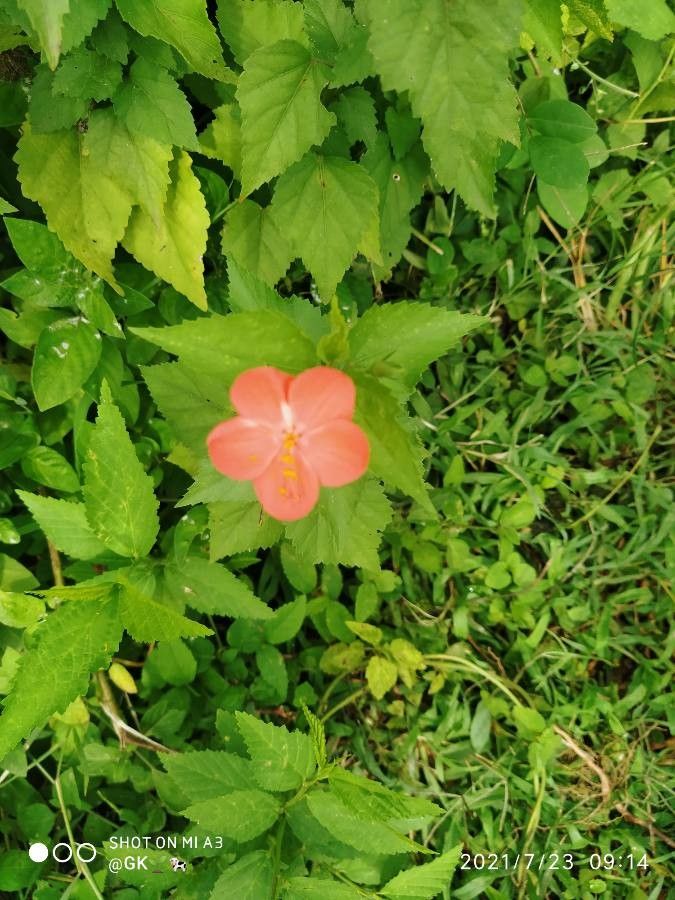
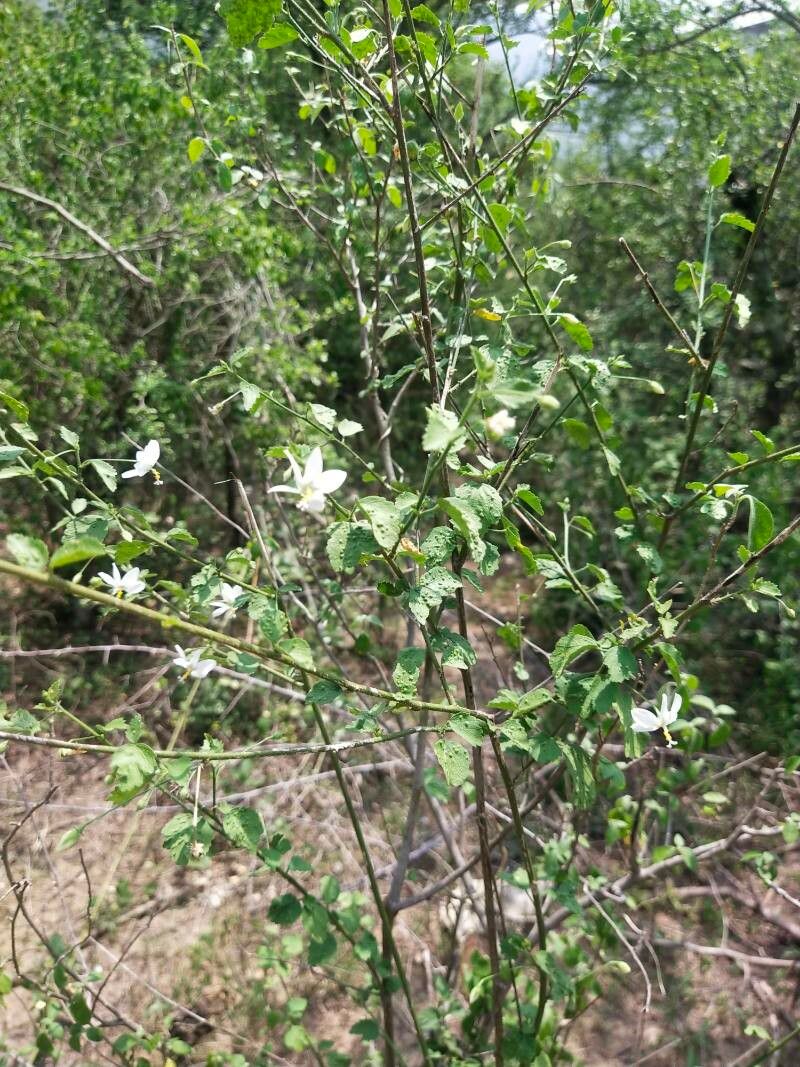
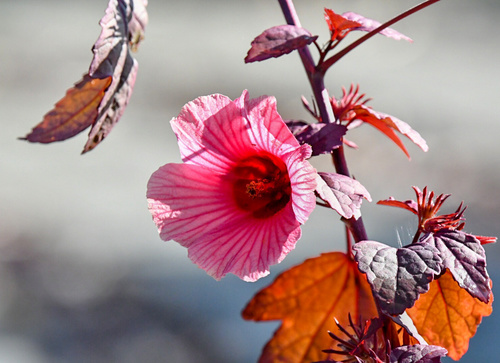
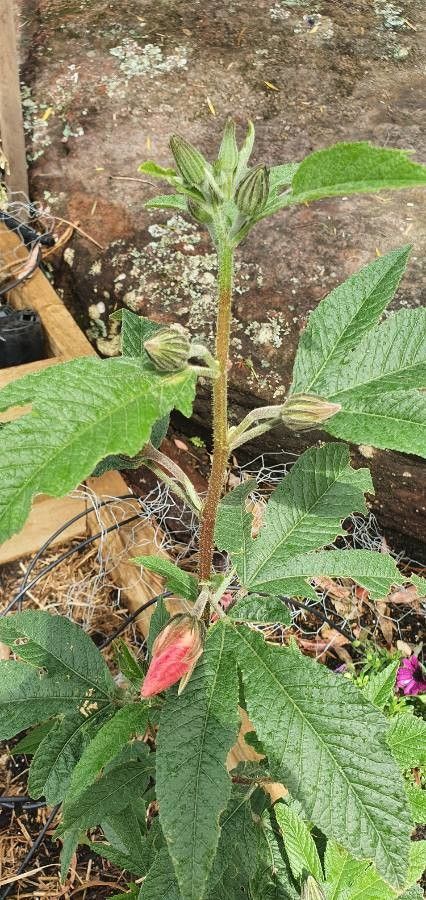
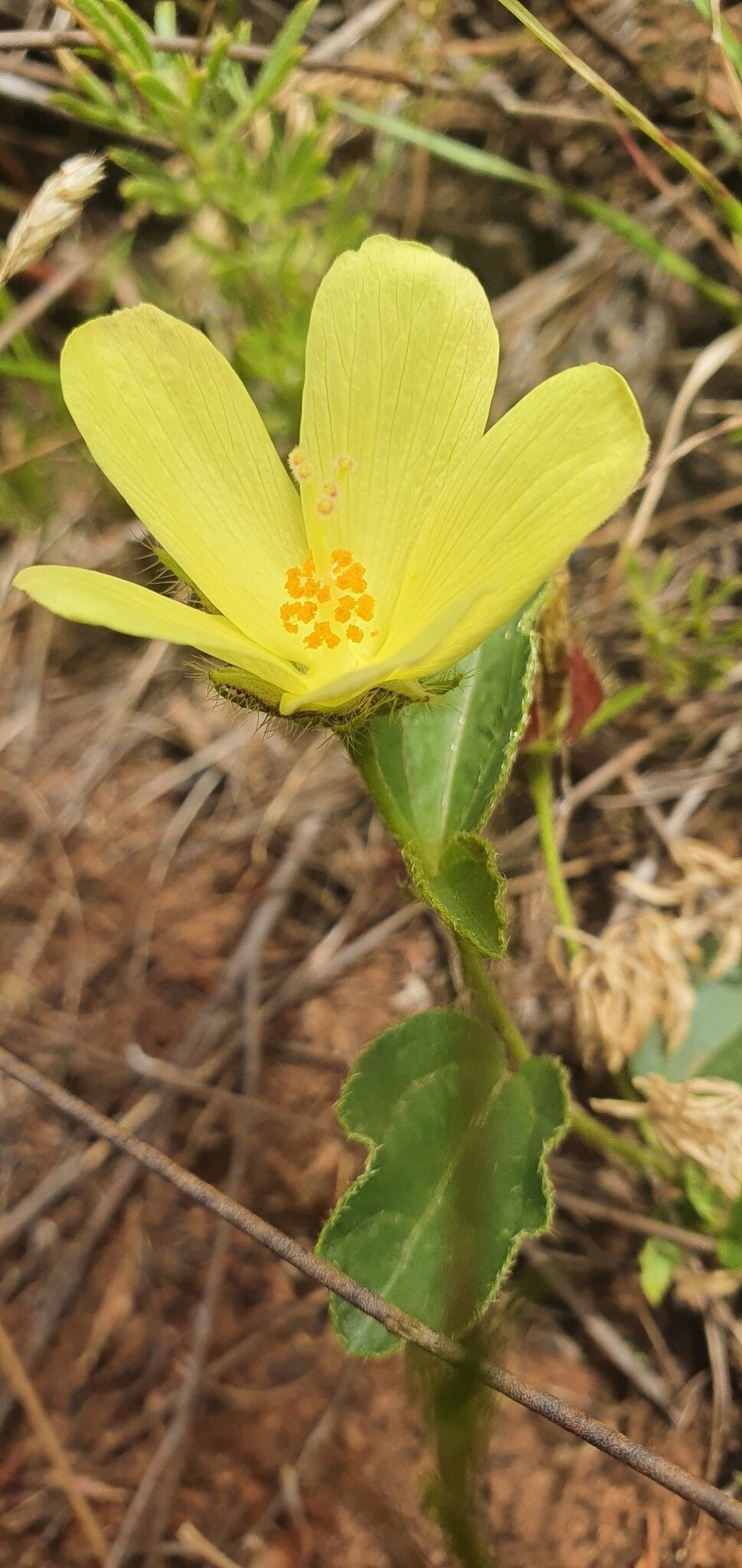
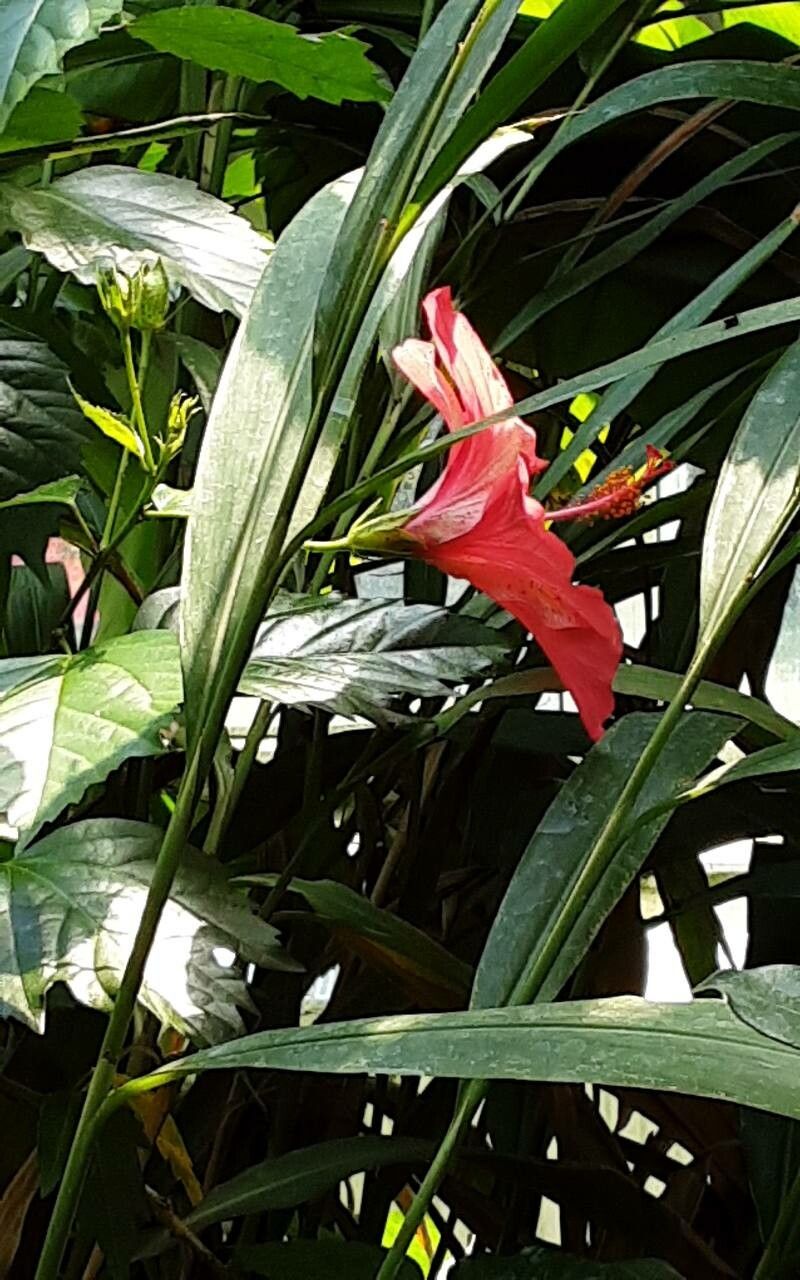
Hibiscus phoeniceus is a species of Hibiscus found from Central to South America.
Brazilian rosemallow has strong disease resistance and is usually not prone to illnesses. As for care, this plant is relatively low-maintenance. When grown outdoors it needs minimal watering, and larger plants generally do not require pruning; however, smaller plants should be pruned after they have finished blooming. Brazilian rosemallowt is appropriate for anyone with an outdoor area, such as a garden or deck, and does not demand much gardening experience.
How to keep Hibiscus Phoeniceus.
Light
The Brazilian rosemallow comes from open habitats, such as sunny meadows and forest edges, that provide plentiful light. It thrives in Full Sun but can also tolerate Partial Sun, showing good adaptability to different sunlight conditions.
Water
The young Brazilian rosemallow needs frequent watering, ideally in the evening, and the soil should be kept well soaked. In contrast, mature Brazilian rosemallows mostly rely on rainwater and only require additional watering during drought conditions. During the summer, it's important to water Brazilian rosemallows daily, ensuring that there is good drainage. Despite being drought-resistant, they still need watering when the soil becomes dry.
Temperature
The Brazilian rosemallow comes from tropical areas where the climate is generally warm and humid. Consequently, it is well suited to high heat and humidity. It does not tolerate sudden temperature shifts and prefers a consistent thermal environment, so avoiding temperature fluctuations indoors is important. It typically cannot endure cold and needs warmer conditions to grow. If the surrounding temperature falls too low, growth may stop or the plant may die.
Fertilizer
Fertilization is essential for caring for Brazilian rosemallow. Consistent feeding throughout the growing season helps maintain the energy needed for its showy leaves and supports overall growth. If fertilization is neglected, leaves can become unhealthy, the plant's ornamental value may decline, and growth can be stunted or weak and more likely to break.
Pruning
For optimal growth and flowering of the Brazilian rosemallow, prune it in early spring. Remove any weak stems and trim overgrown areas to maintain the plant's shape. This will improve air circulation, reduce the risk of disease, and encourage new growth. Make sure to use clean tools to prevent infections and ensure the plant remains healthy and visually appealing.
Botanical profile.
- Plant Type
- Shrub
- Life Cycle
- Perennial
- Genus
- Hibiscus
- Family
- Malvaceae
- Hardiness Zone
- 9-11
- Mature Height
- 0.91 m to 2.13 m
- Mature Spread
- 61 cm to 91 cm
- Leaf Color
- Green, Dark Green
- Leaf Type
- Deciduous
- Flower Size
- 5.08 cm to 6.35 cm
- Bloom Time
- All year round
- Planting Time
- Autumn, Winter
- Harvest Time
- All year round
- Native Area
- Honduras, Mexico, Guatemala, Peru, Panama, Jamaica, Colombia, Bahamas, Cuba, Venezuela, Guyana, El Salvador, Nicaragua, Brazil, Ecuador, Costa Rica
Other names.
Reader questions.
What are the sunlight requirements for Brazilian Rosemallow (Hibiscus phoeniceus)?
Brazilian Rosemallow, or Hibiscus phoeniceus, thrives in various sunlight conditions. It requires 'full sun,' meaning it should receive above 6 hours of sunlight daily for optimal growth and health. However, it also tolerates 'partial sun' conditions, which equates to about 3-6 hours of sunlight per day. When planning where to plant your Brazilian Rosemallow, it's crucial to observe the light patterns in your garden, aiming for spots that offer a healthy balance of light and shade. This ensures the plant's needs are met, contributing to its overall happiness and vitality.