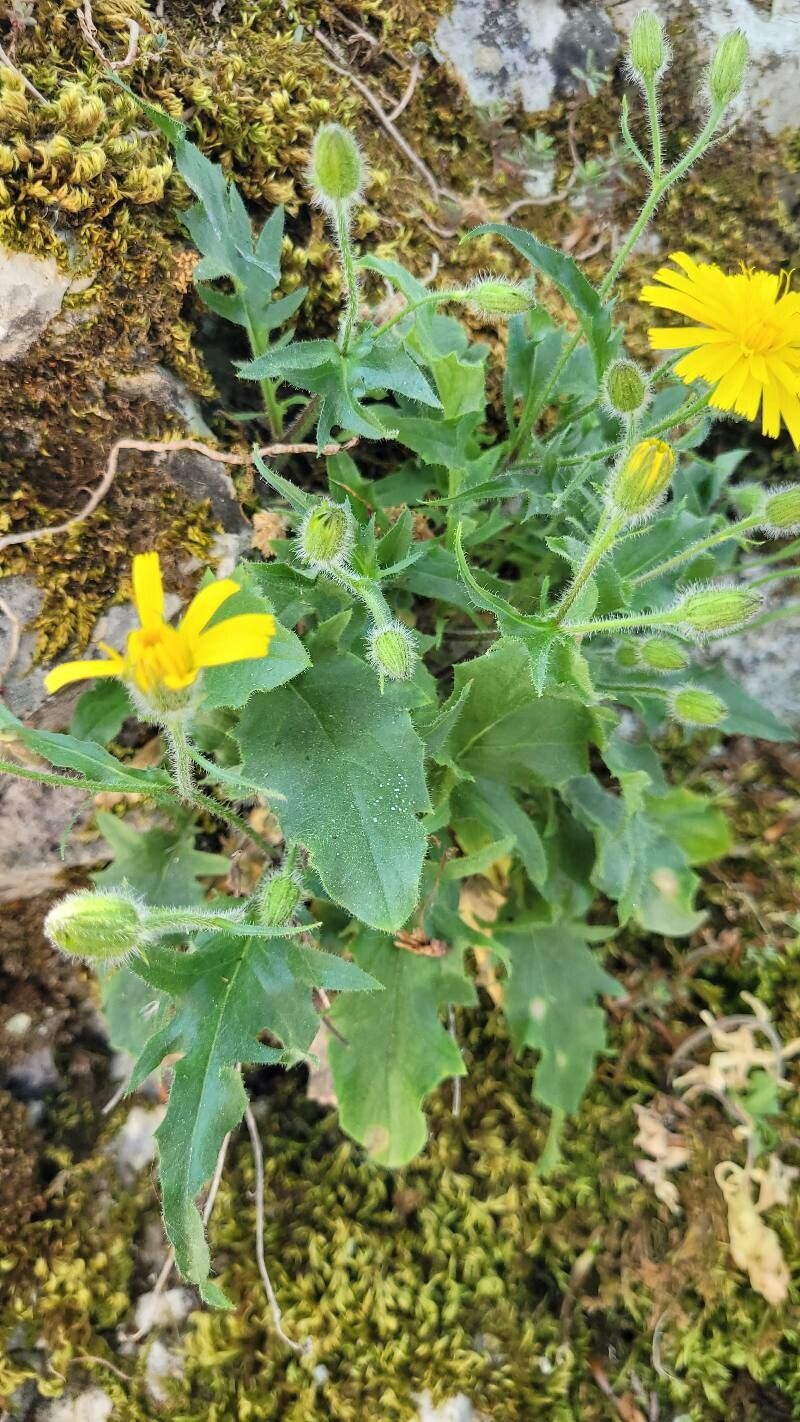
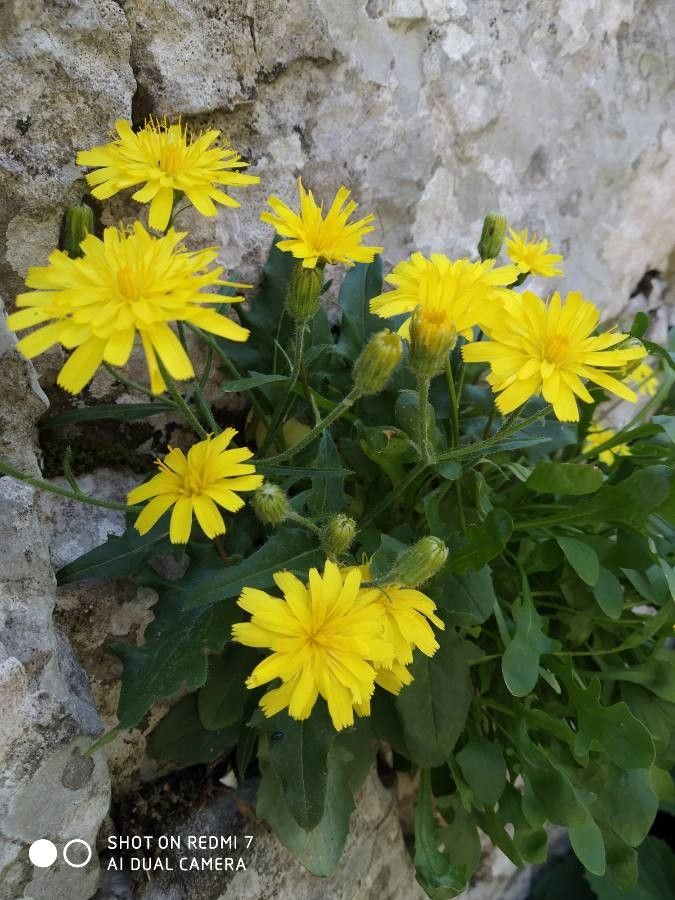
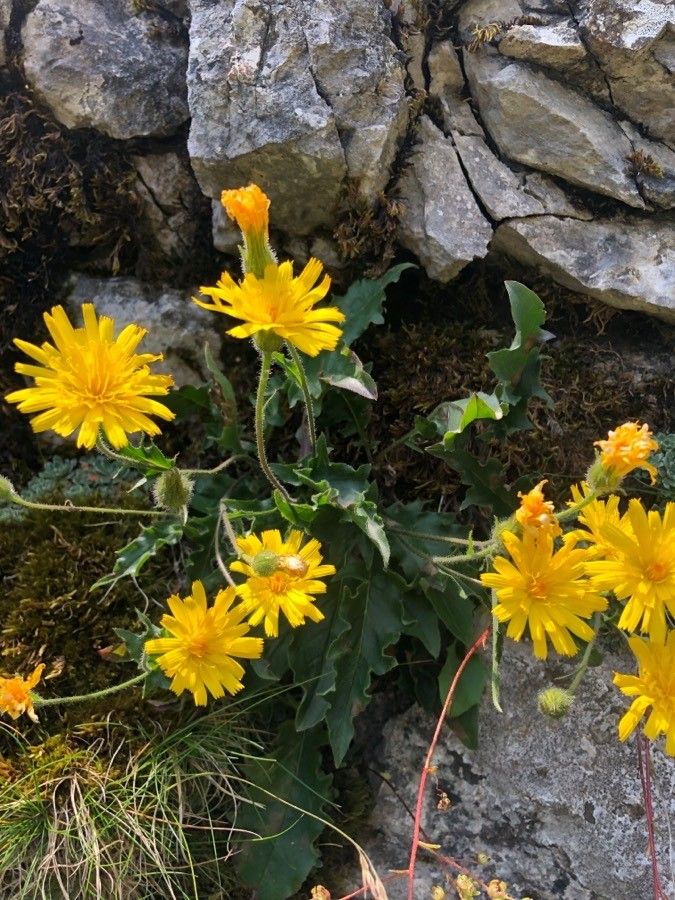
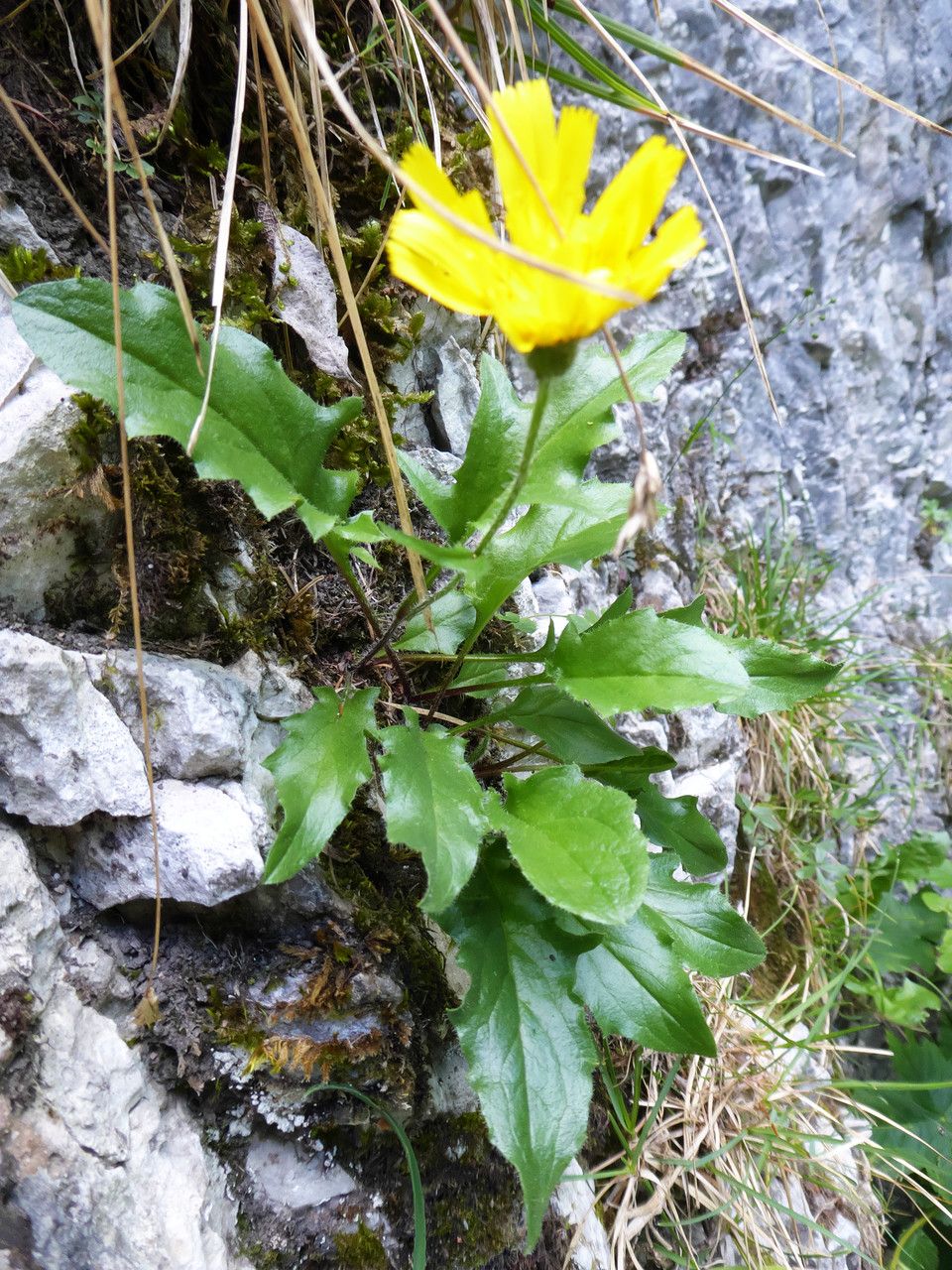
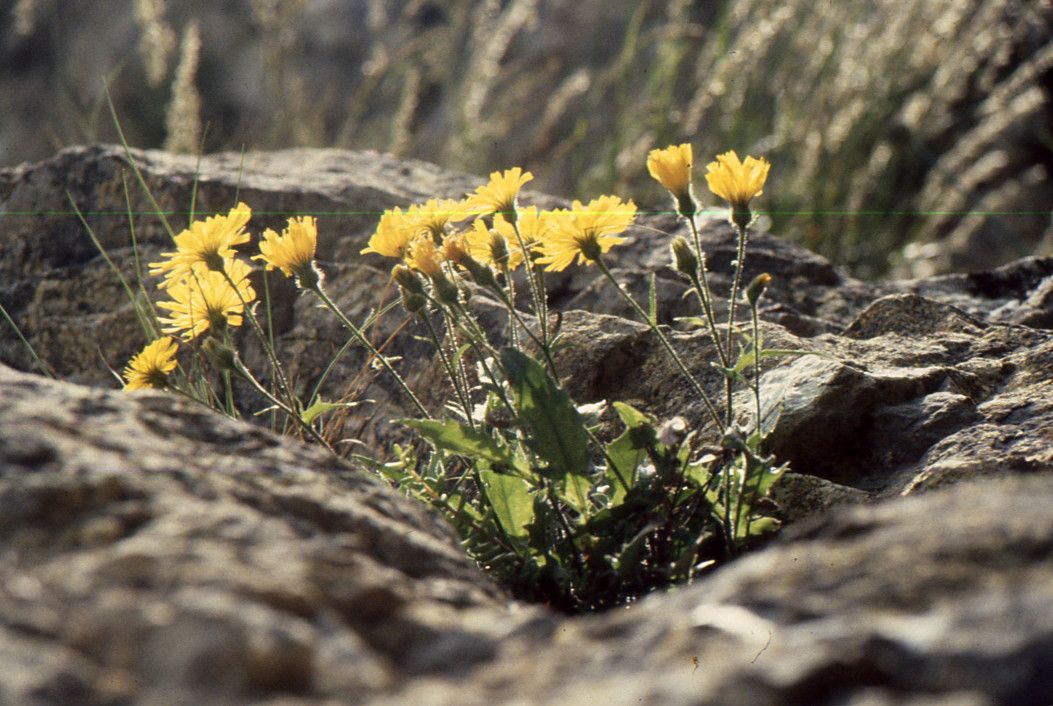
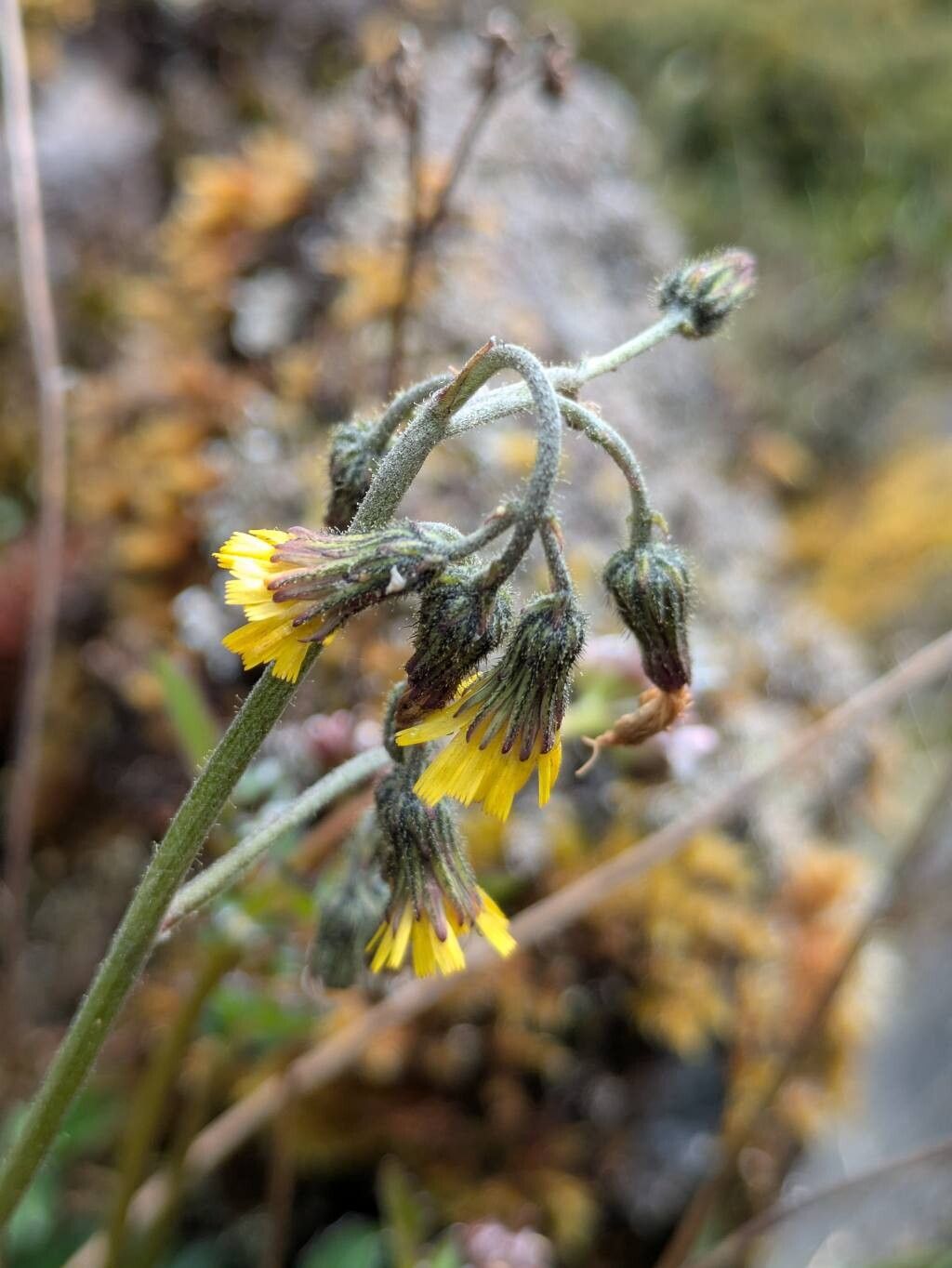
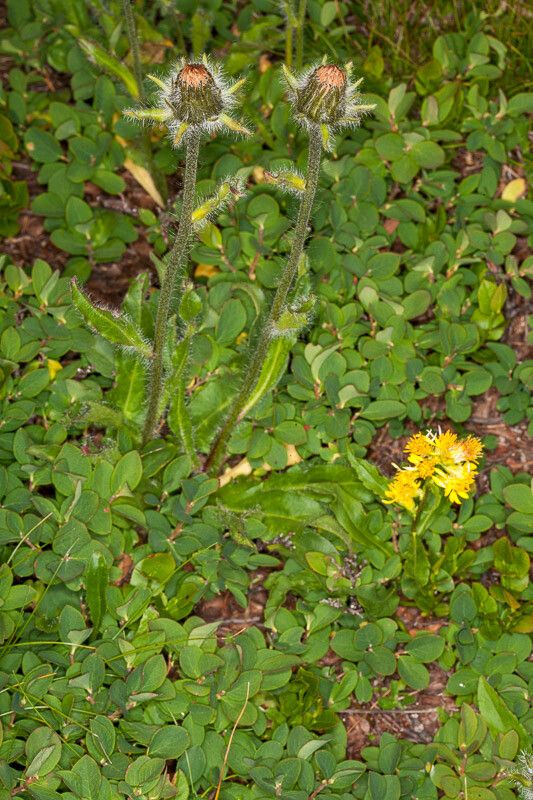
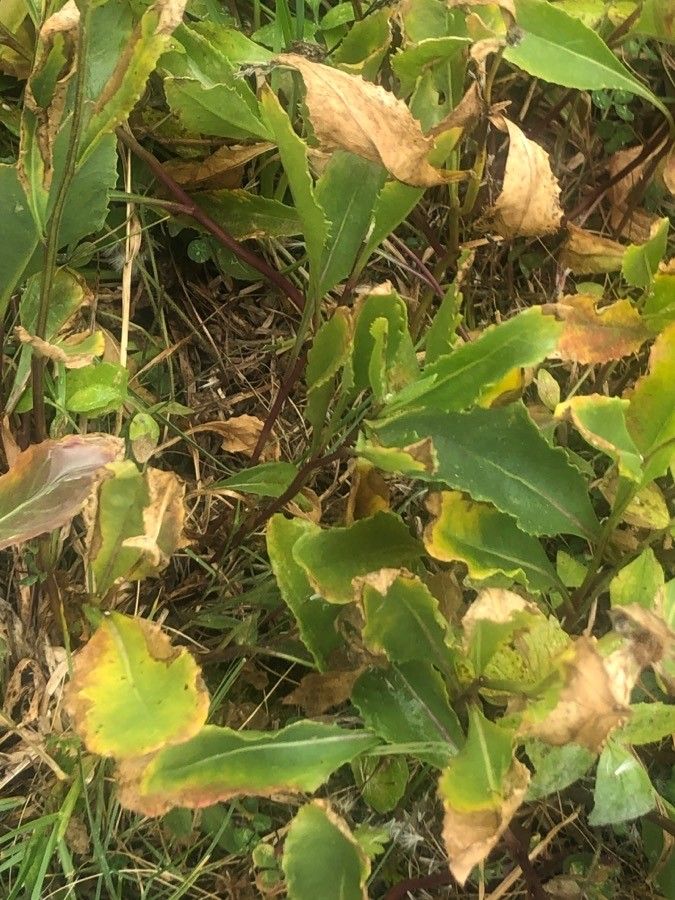
Dwarf hawkweed is fairly disease-resistant and usually not prone to illnesses. Still, it can be affected by pests and diseases present nearby, though these problems tend to be mild. As for care, the plant needs moderate maintenance. It should be pruned regularly to keep a tidy appearance and encourage healthy growth. Fertilizing can also help stimulate flowering. Dwarf hawkweed is suitable for people with outdoor spaces like a garden or patio and does not demand extensive care experience. It may need more attention if grown indoors.
How to keep Hieracium Humile.
Light
Dwarf hawkweed naturally occurs in habitats like forest understories and rocky areas, where it grows under natural shade. It prefers partial sun but can adjust to full sun or full shade, showing its versatile and hardy nature.
Fertilizer
One fertilizer application in spring is generally enough for Dwarf hawkweed, though repeated feedings can maximize growth. Apply fertilizer about every one to one-and-a-half months. Fertilizing improves the leaves' appearance and function, helping maintain even color and a healthy texture. It also encourages root development and nutrient uptake for long-term plant health.
Pruning
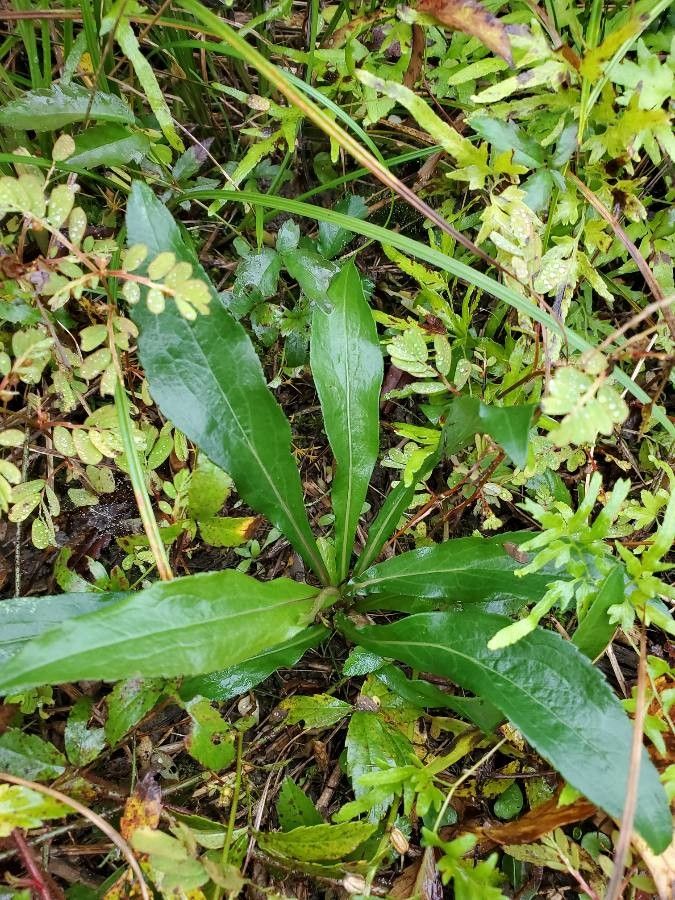
Dwarf hawkweed is a low-growing perennial characterized by its rosettes of toothed leaves and yellow flowers. To promote growth, improve air circulation, and enhance blooming, prune the plant in early spring once the risk of frost has passed. This can lead to a longer flowering season. Additionally, remember to regularly remove spent flowers and damaged foliage.
Botanical profile.
- Plant Type
- Herb
- Life Cycle
- Perennial
- Genus
- Hieracium
- Family
- Asteraceae
- Hardiness Zone
- 4-8
- Mature Height
- 10 cm to 20 cm
- Mature Spread
- 15 cm to 25 cm
- Leaf Color
- Green, Dark Green
- Leaf Type
- Deciduous
- Flower Size
- 2.03 cm to 3.05 cm
- Bloom Time
- Summer
- Planting Time
- Spring, Summer, Autumn
- Harvest Time
- Late summer, Early fall
Other names.