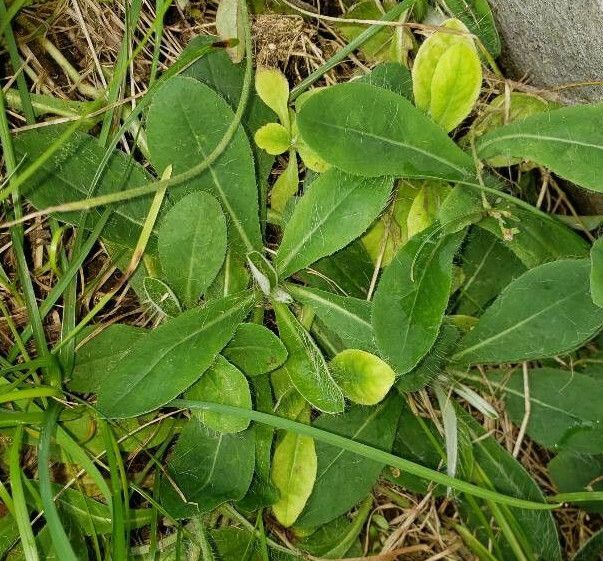
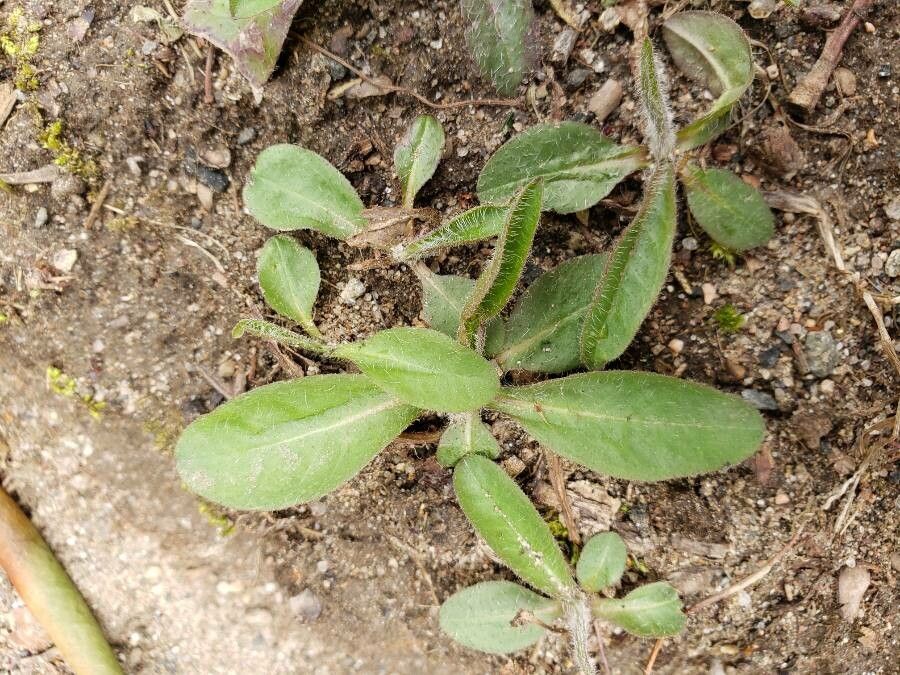
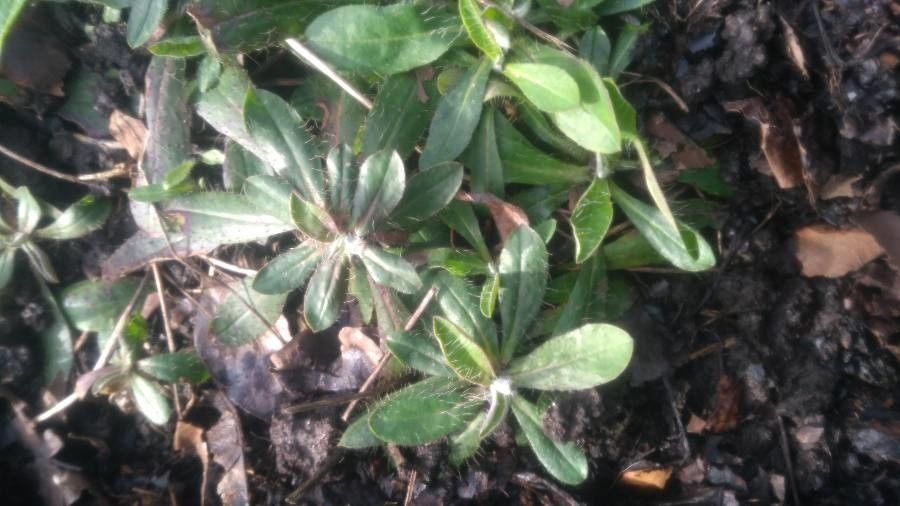
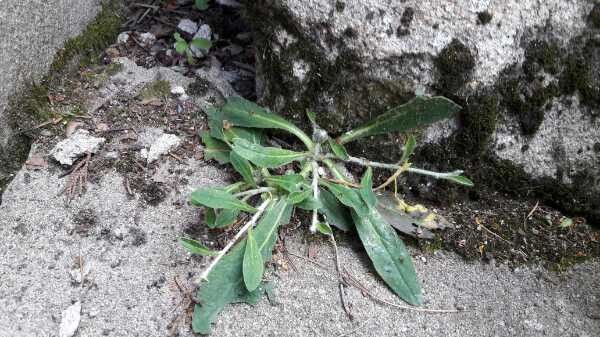
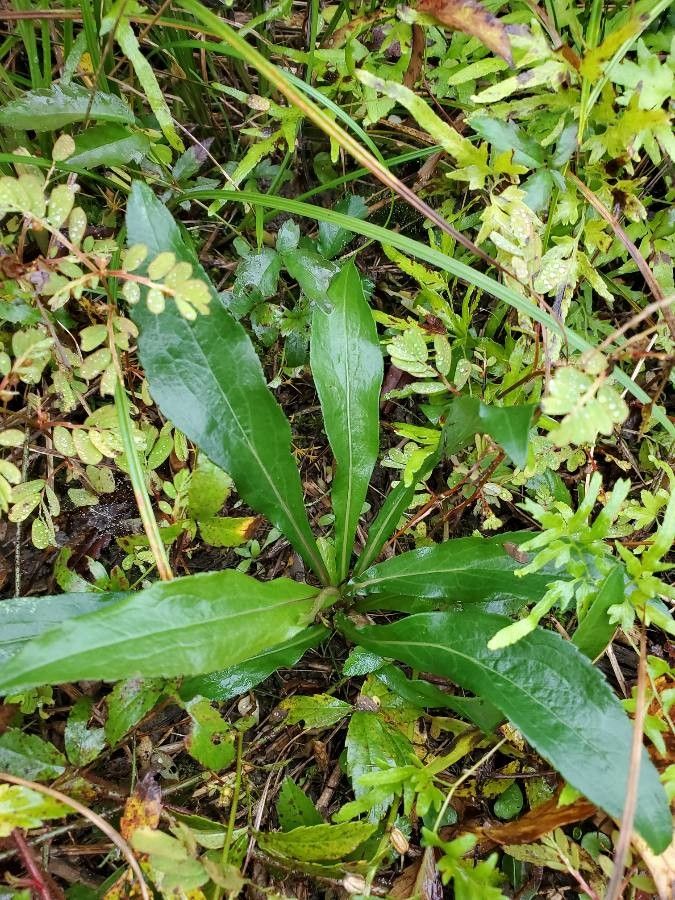
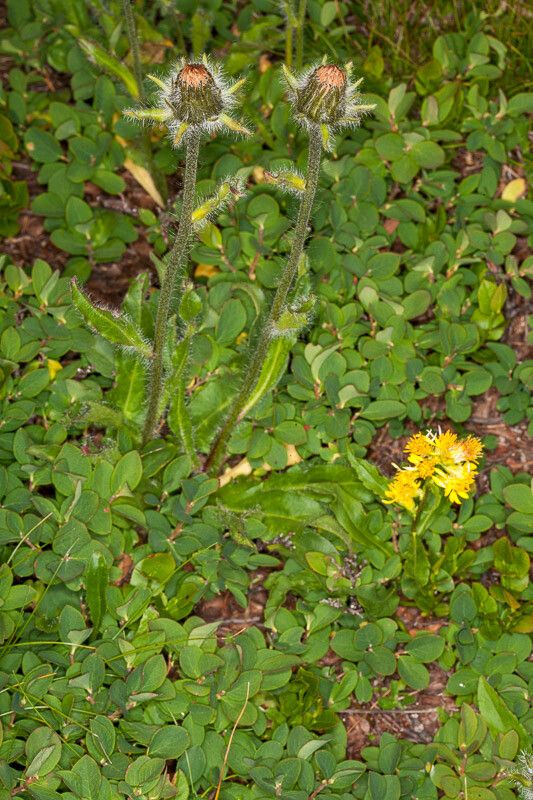
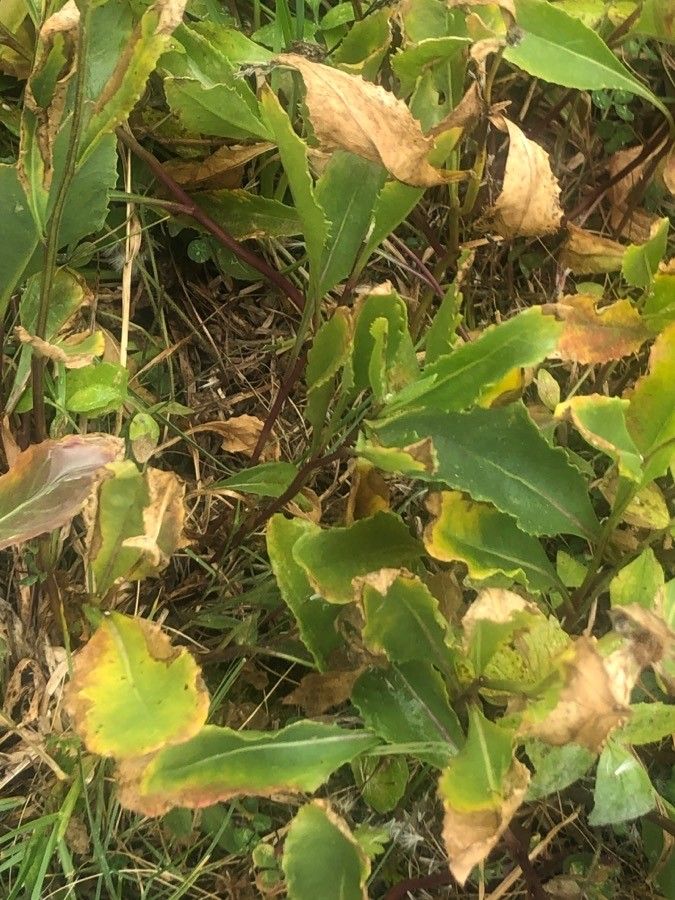
Hieracium pilosella, commonly known as mouse-ear hawkweed, is a perennial herbaceous plant in the Asteraceae family. Native to Europe, it has spread to North America and other regions worldwide. The plant typically grows up to 30 cm tall and features a basal rosette of hairy, oval-shaped leaves with toothed edges.
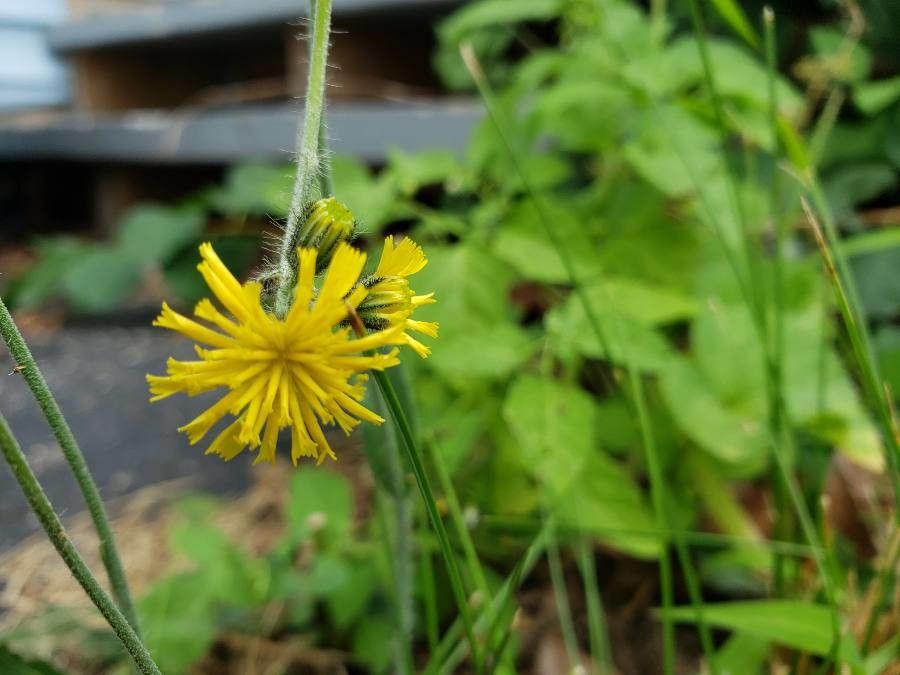
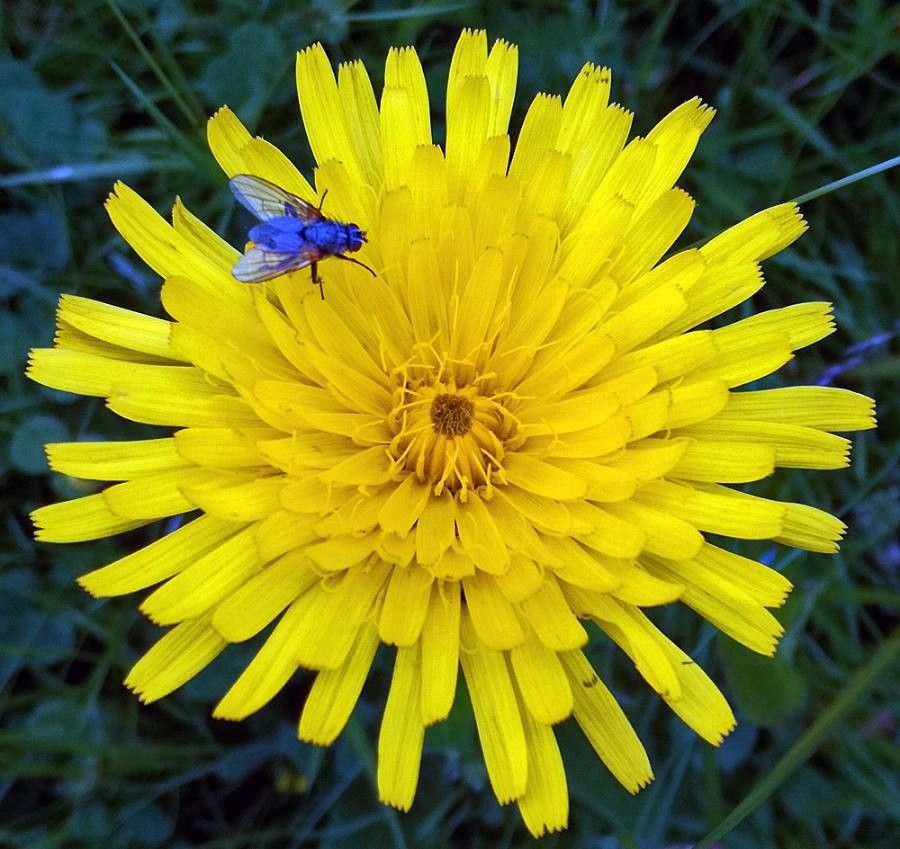
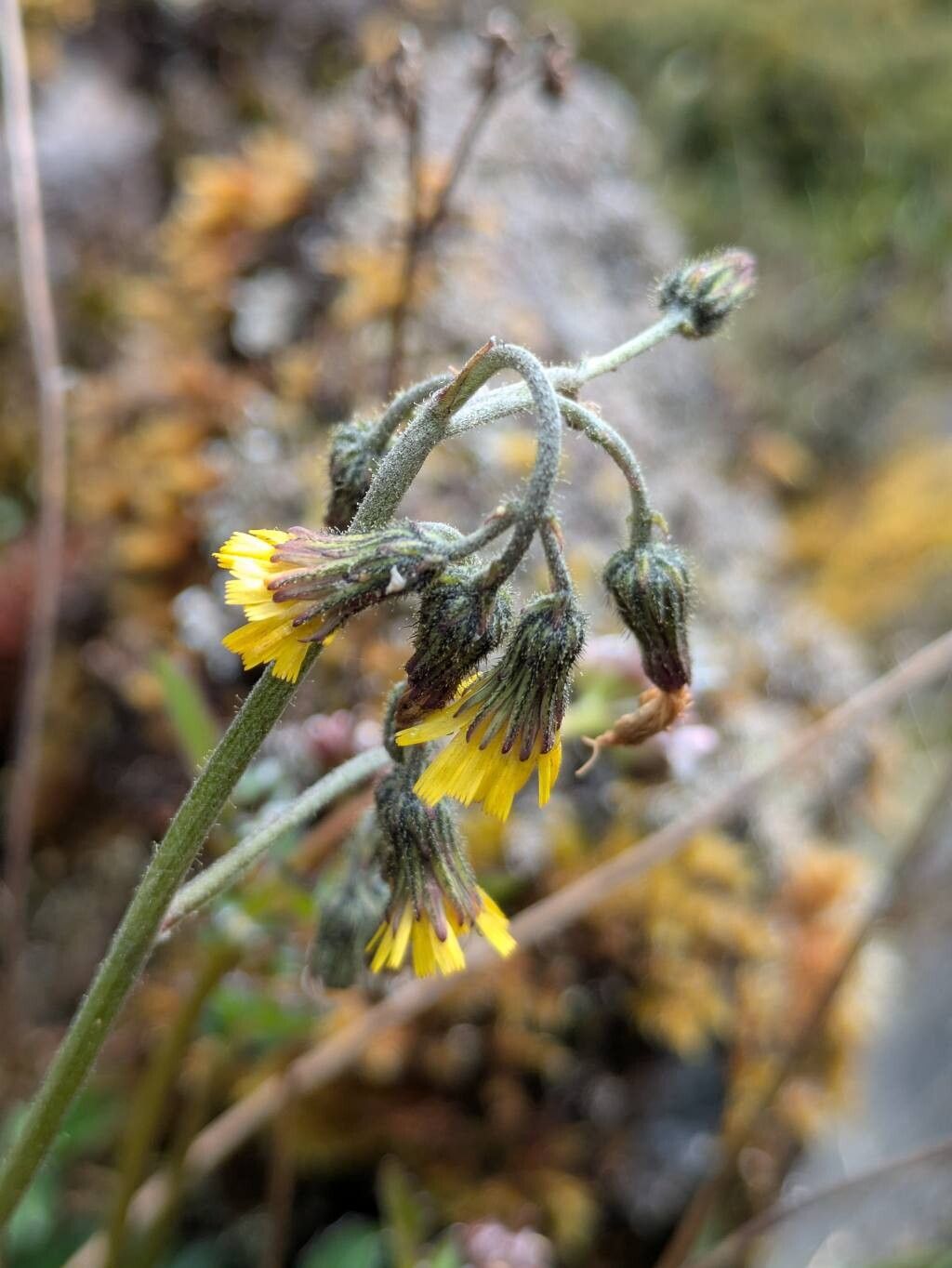
The stem of Hieracium pilosella is also hairy and bears small yellow flowers arranged in clusters at the top. These flowers bloom from June to August and are followed by small seeds with white hairs, which facilitate wind dispersal.
This plant thrives in dry grasslands, meadows, rocky slopes, and disturbed areas such as roadsides or railway tracks. It can adapt to a variety of soil types but prefers well-drained soils.
Hieracium pilosella has been used for centuries for its medicinal properties, particularly its diuretic effects, which help treat urinary tract infections. However, it can also be invasive due to its rapid seed dispersal capability, which allows it to outcompete native plants. As a result, it is considered an invasive species in some areas.
In summary, Hieracium pilosella is an intriguing herbaceous perennial with medicinal benefits. However, it is also regarded as an invasive species in certain regions. Effective management is crucial when considering the introduction of this plant into specific ecosystems or areas.
Mouse-ear hawkweed is fairly disease-resistant and typically not prone to illnesses. However, it can be affected by pests and diseases present in its environment. Such infections are generally not severe. Regarding care, this plant needs moderate maintenance. Regular pruning is necessary to preserve a good appearance and support healthy growth. Applying fertilizer can also encourage flowering. Mouse-ear hawkweed is suitable for people with outdoor spaces, such as a garden or patio, and does not demand extensive care experience. It may require more attention when grown indoors.
How to keep Hieracium Pilosella.
Fertilizer
One fertilizer application in spring is typically enough for Mouse-ear hawkweed, though several feedings can boost growth to its fullest. Feed every four to six weeks. Fertilizing improves the leaves' appearance and function, helping maintain even color and a healthy texture. It also encourages root development and nutrient uptake for the plant's long-term health.
Botanical profile.
- Plant Type
- Herb
- Life Cycle
- Perennial
- Genus
- Hieracium
- Family
- Asteraceae
- Mature Height
- 10 cm to 30 cm
- Leaf Type
- Semi-evergreen
Other names.